
#1215. Living in Lexington
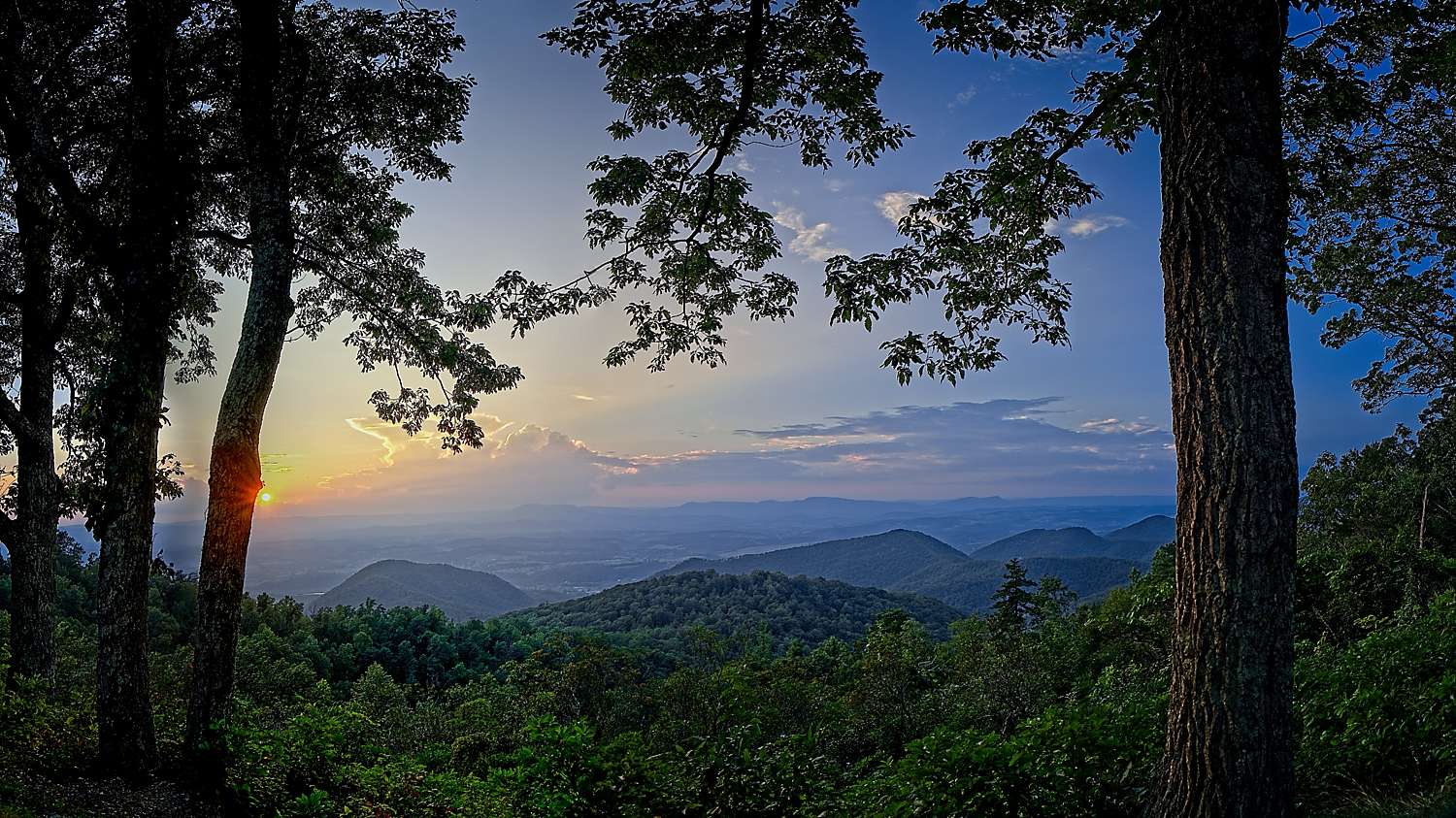
Pascal once suggested that each Dear Susan contributor might offer a post about their local habitat—whether neighborhood, home town, city or countryside. So here’s my portrait of Lexington, Virginia, a small town nestled in the great western Valley of Virginia. (It’s not technically part of the Shenandoah Valley, which lies to the north, but locals don’t seem to mind if you refer to this valley with either term.)
I’ll try to convey the look of this historic town in which I’ve lived for over half a century.
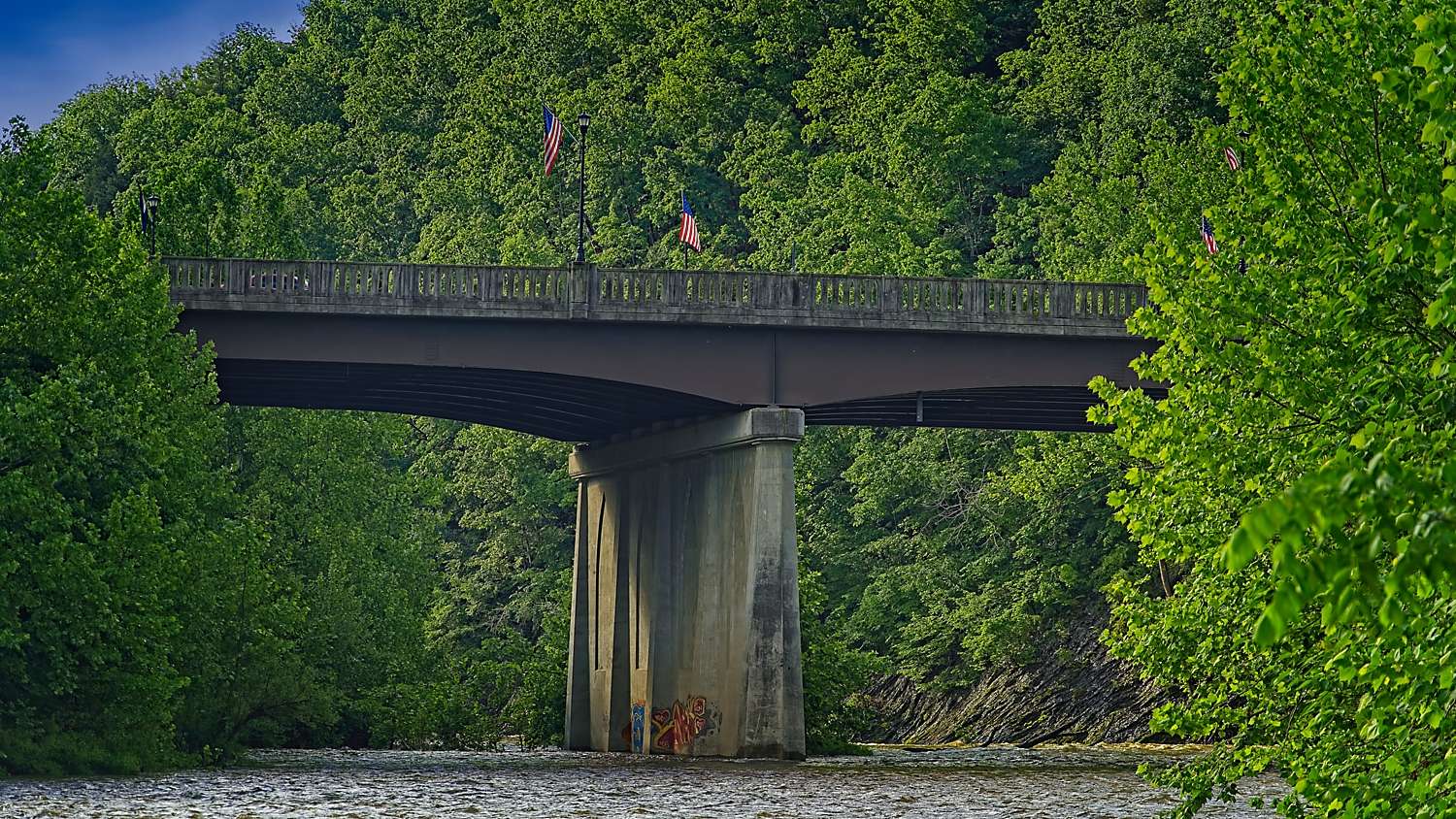
Lexington was first settled in 1778, at the ford across the North (now Maury) River along an old Indian path that became the Great Wagon Road down the Valley for European settlers, with a covered bridge over the river. It was the first of 24 US towns to be named after the one in Massachusetts, where the initial battle of the Revolutionary War was fought. It wasn’t incorporated until 1841, but had been growing as a commercial hub on the river; batteaux carried iron and other goods down to Richmond. With the arrival of the railroad in the 1860s it became a transportation hub, and eventually the old covered bridge was replaced with a “modern” one in 1935, which was needed for the vehicular traffic on Route 11, the new Valley Highway.
Higher education is the main business of Lexington. In 2022 its population was 7893, an all-time high, and a substantial fraction are students at Washington and Lee University and Virginia Military Institute. W&L is a private undergraduate liberal arts college, with an undergraduate business school and graduate law school; the total student body is about 2150. VMI is a state military school, with an undergraduate population of around 1700. (Not all W&L students live in the town, but all of the VMI cadets do.) Washington and Lee has had a number of name changes, from its origin as Augusta Academy in 1749 to Liberty Hall Academy in 1776 (in a burst of Revolutionary fervor).
It then became Washington Academy when President Washington gave the financially struggling school some stock in the James River Canal Company and then Washington College in 1813. After the Civil War, a defeated General Robert E. Lee was enticed to become president of the still-struggling school (with under 50 students), and during his tenure enrollment grew to over 400 students. Lee died in 1870 in the on-campus house that now bears his name, and the school promptly renamed itself once more as Washington and Lee University. His family crypt is on the campus of W&L, at the rear of the chapel.
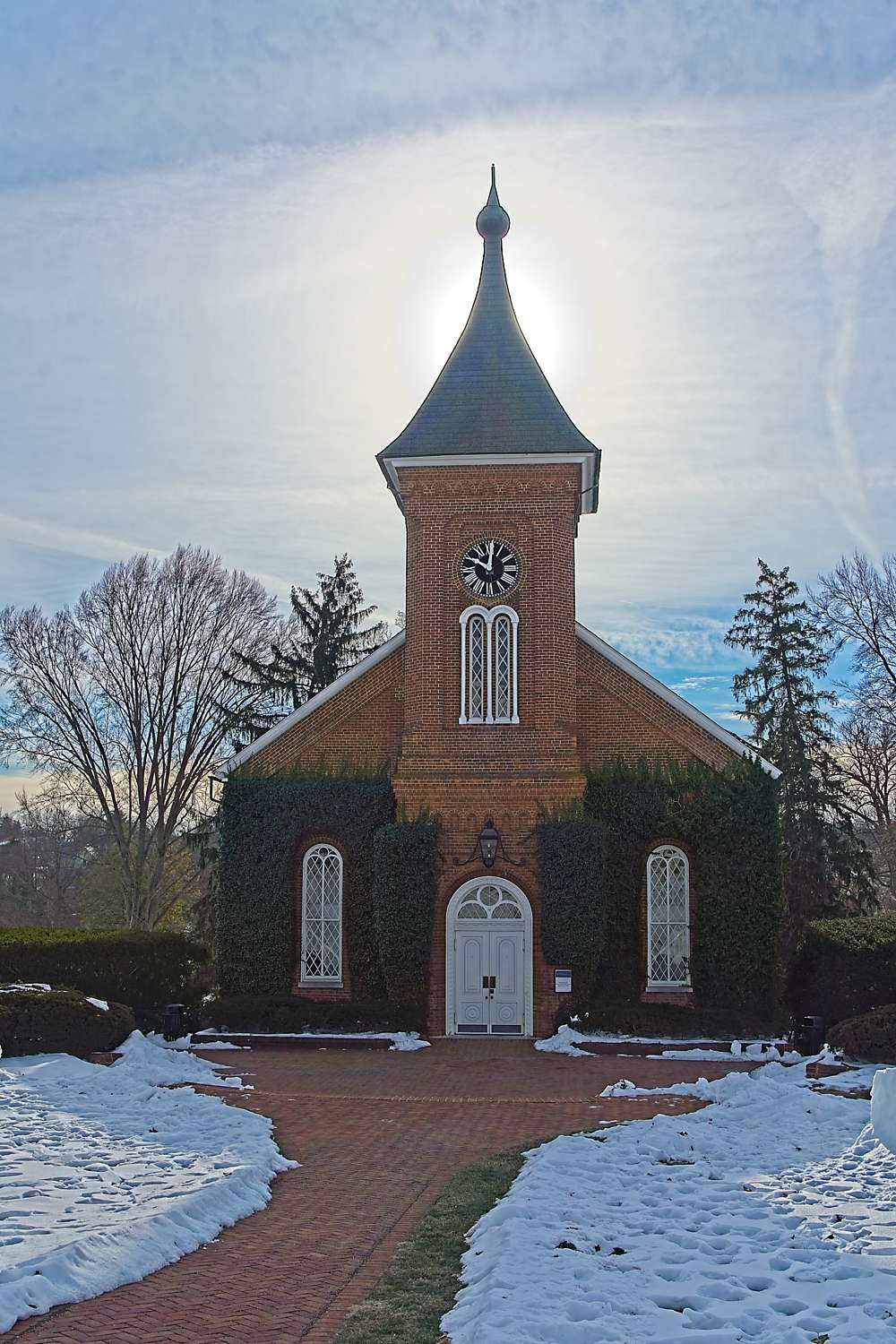
Both Washington and Lee are controversial these days. The chapel’s name was recently changed back to “University Chapel” from “Lee Chapel,” and some have protested. This sign, e.g., is one of several posted on nearby highways by a group of alumni; they want to save the name, not the chapel.
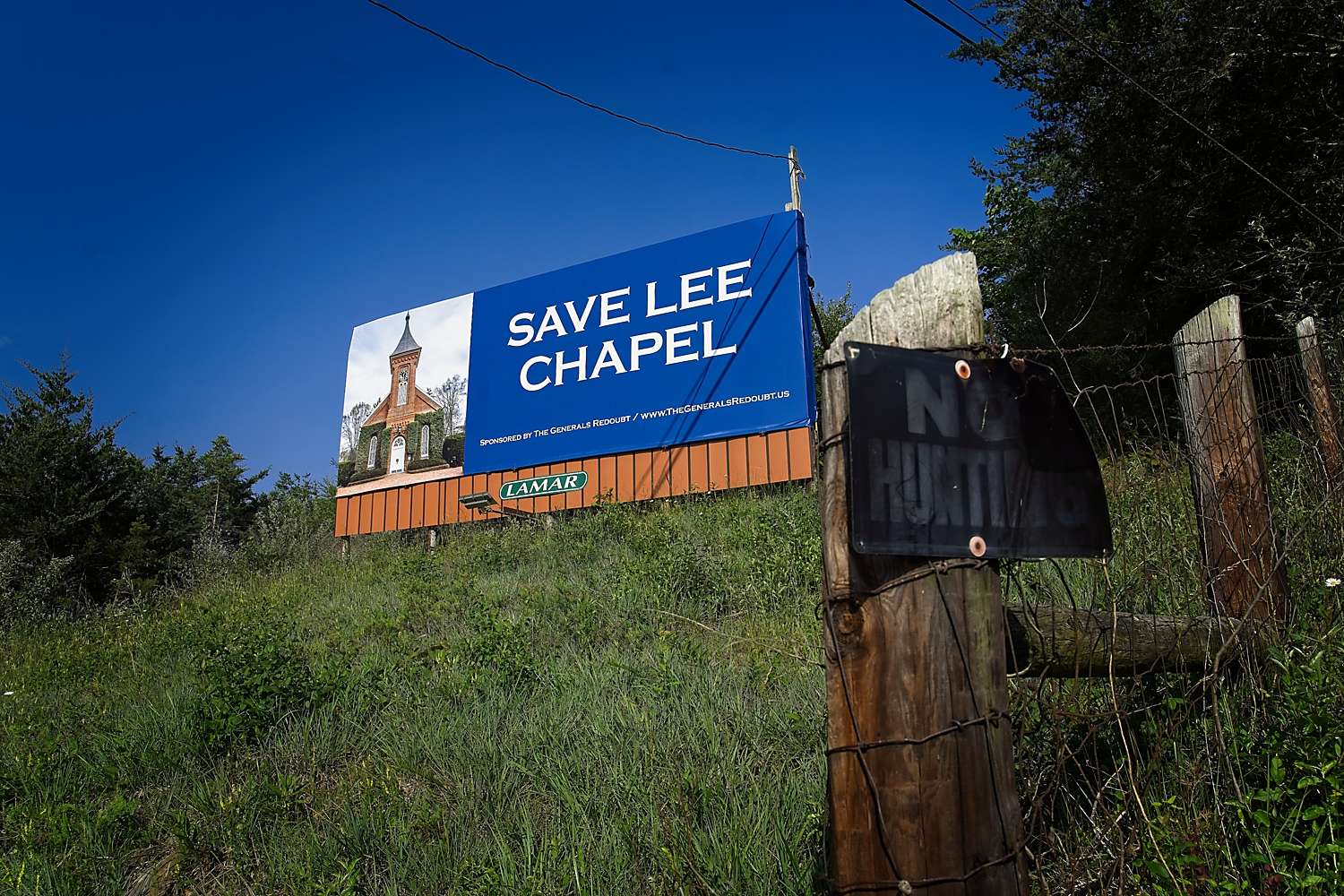
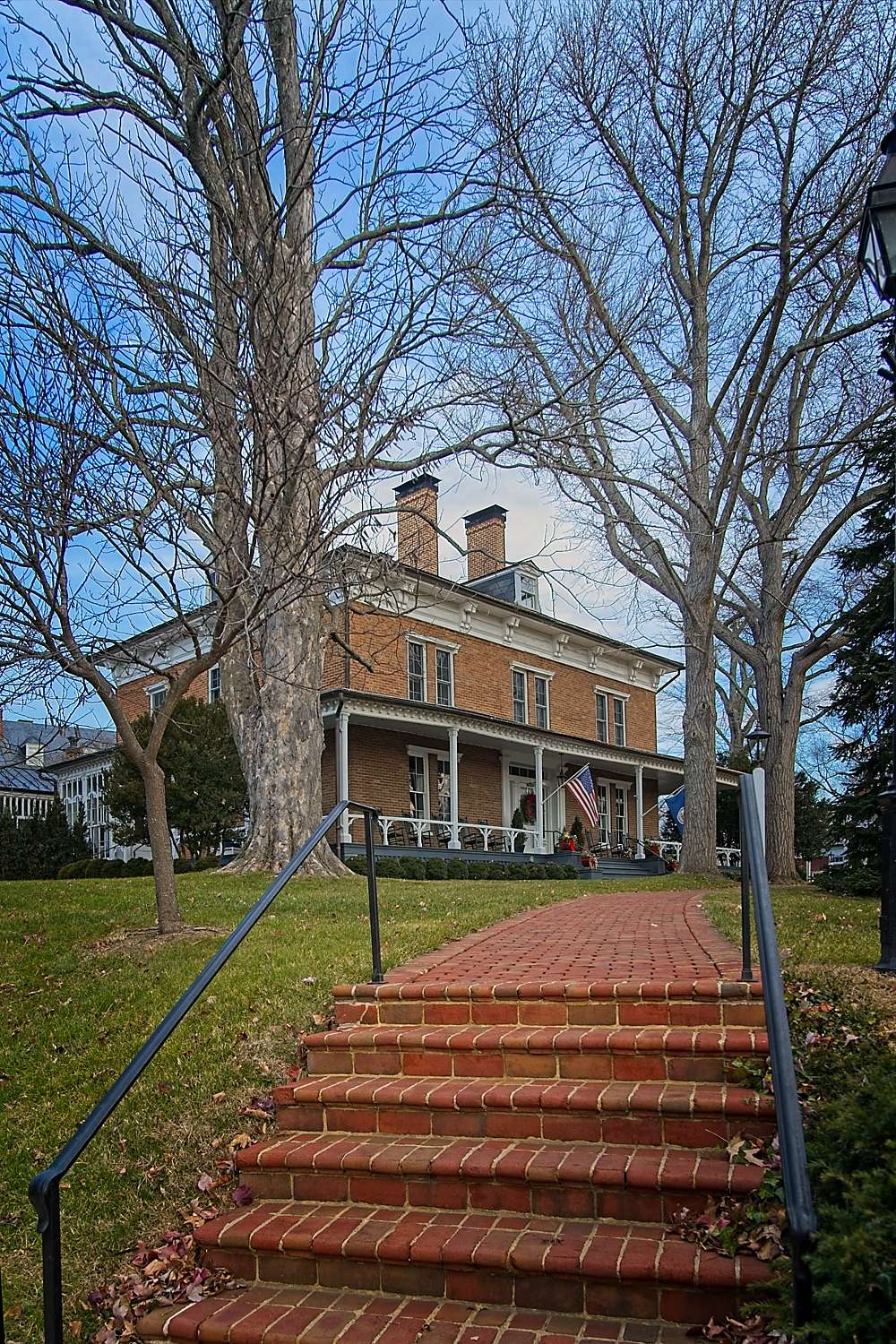
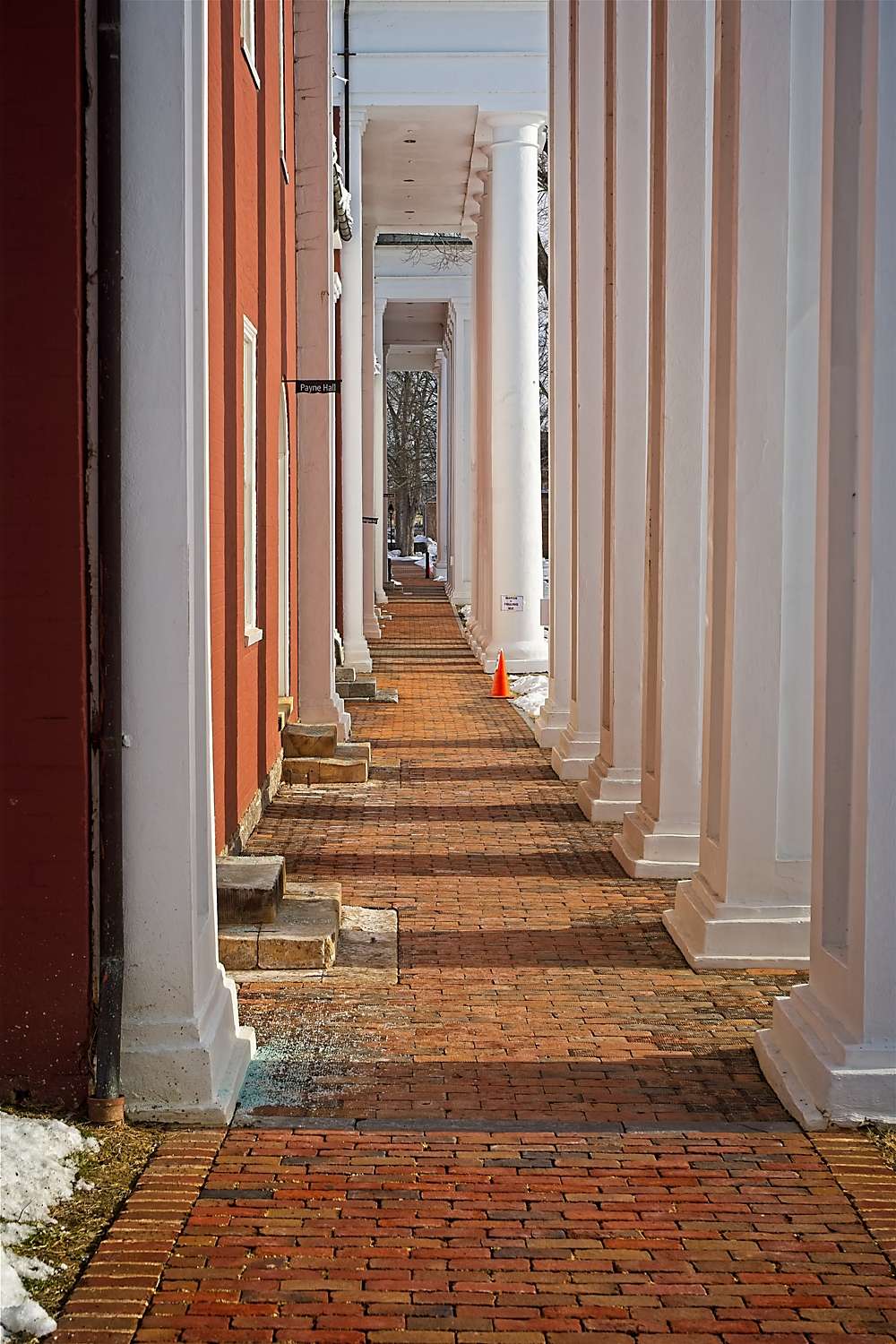
(For what it’s worth, Lee didn’t want the University Chapel named after him.) The campus is renowned for its Colonnade, listed on the National Register of Historic Places, and the red brick with white column architecture is found throughout the campus.
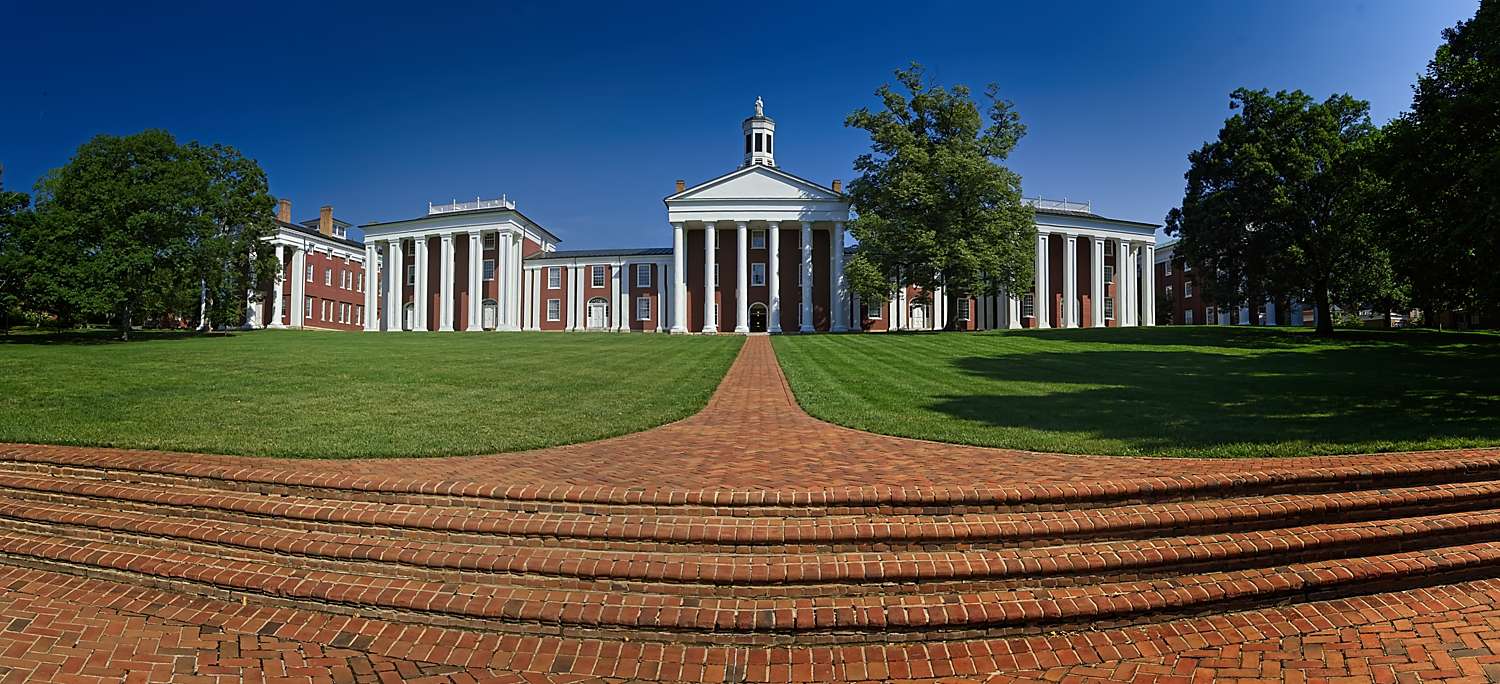
Virginia Military Institute was founded in 1839, with 23 students, and is one of only two state military schools in the country; the other is South Carolina’s Citadel. It has always sought to graduate “fair specimens of citizen-soldiers” (J.T.L. Preston), and they were active in the latter capacity during the Civil War—for the Confederacy, of course. In the Battle of New Market, the entire student body fought as a unit, and there were 57 casualties. There is a large mural depicting this event in the chapel (yes, the chapel).
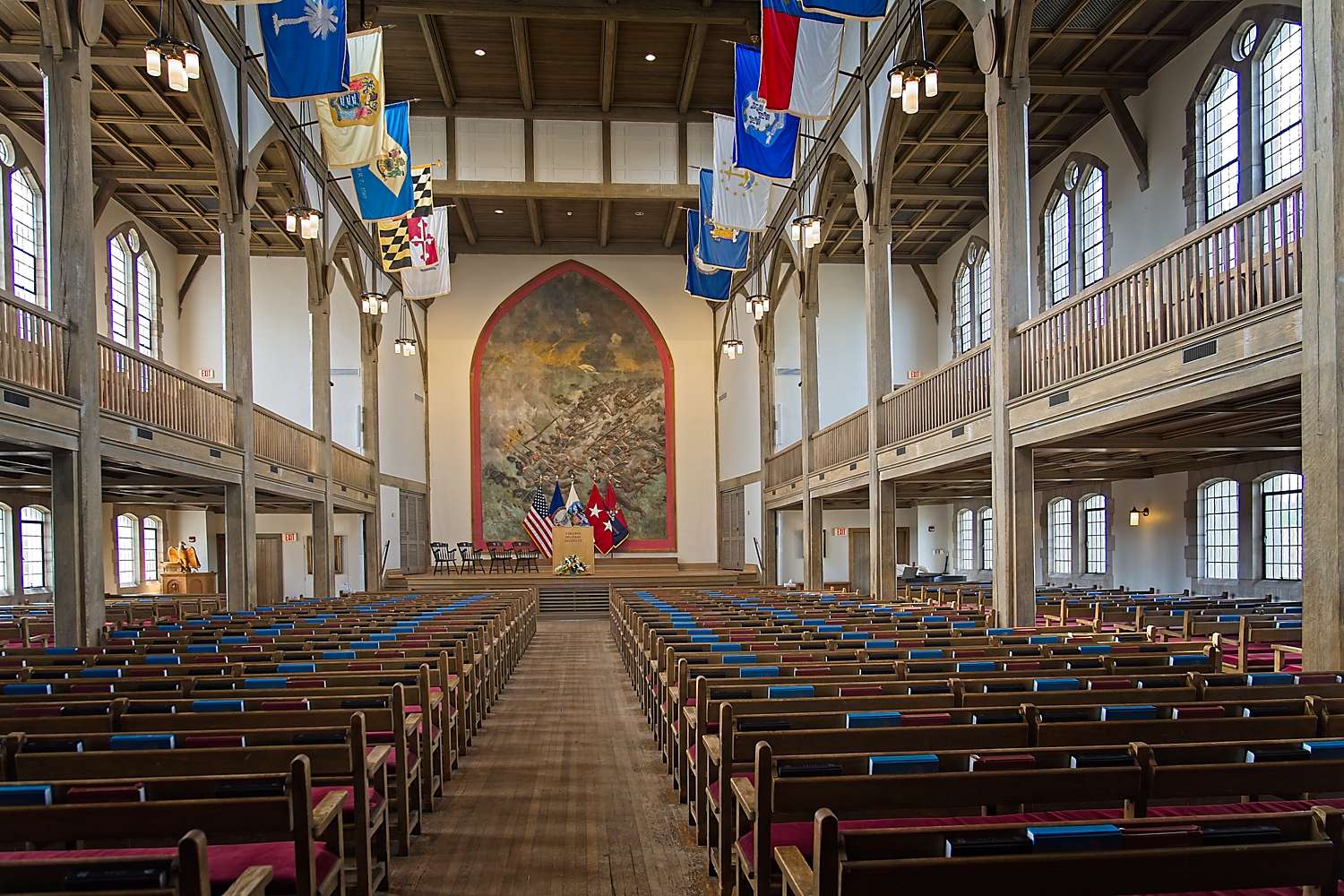
Since early days the curriculum has expanded from an emphasis on science and engineering to the full panoply of liberal arts, and not all graduates have become military officers, though many have done so (266 alumni US Generals or Flag officers). The student body has become more diversified in recent decades, though not without resistance, including a legal challenge to admitting women that went all the way to the Supreme Court in 1996.
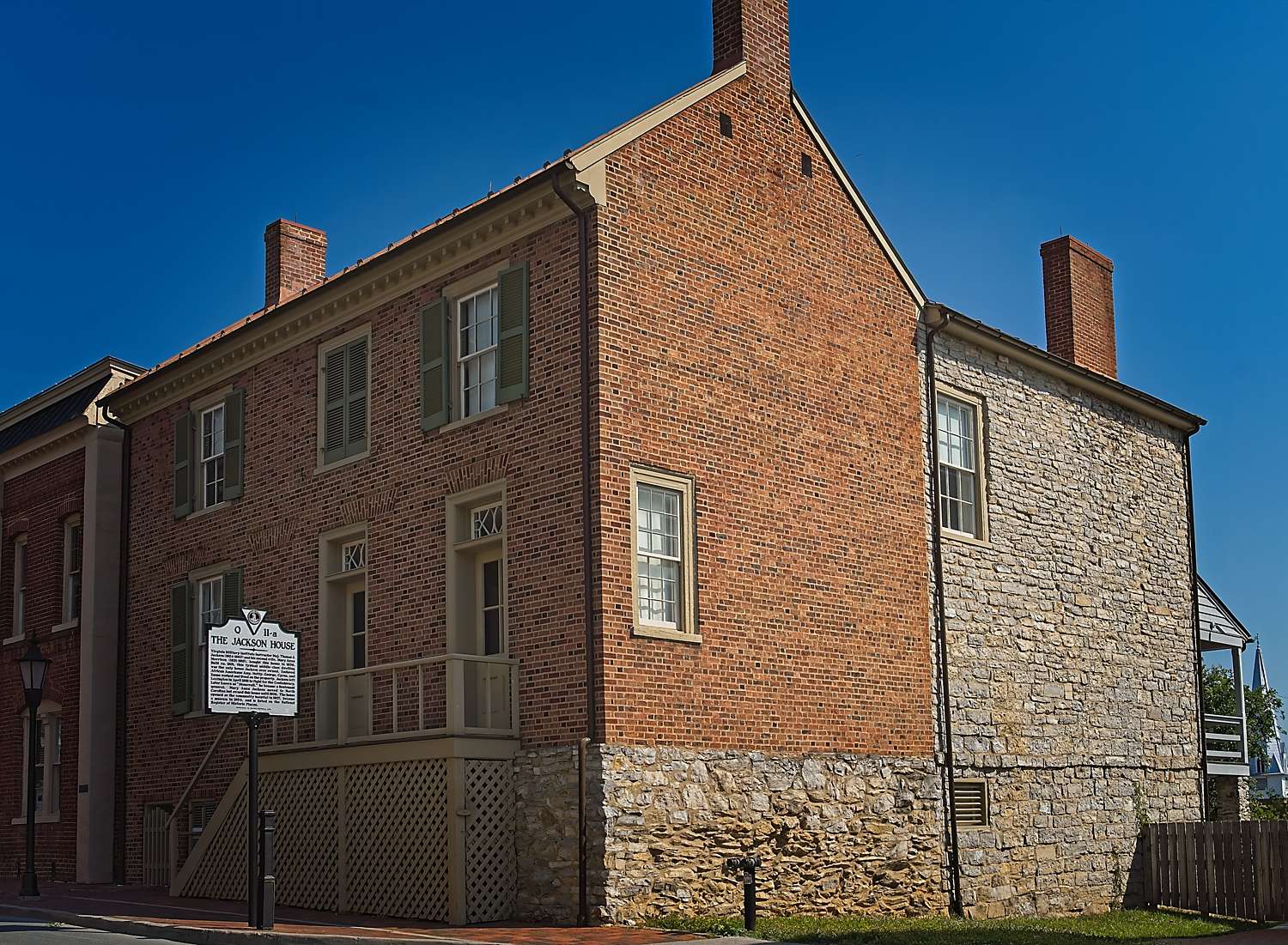
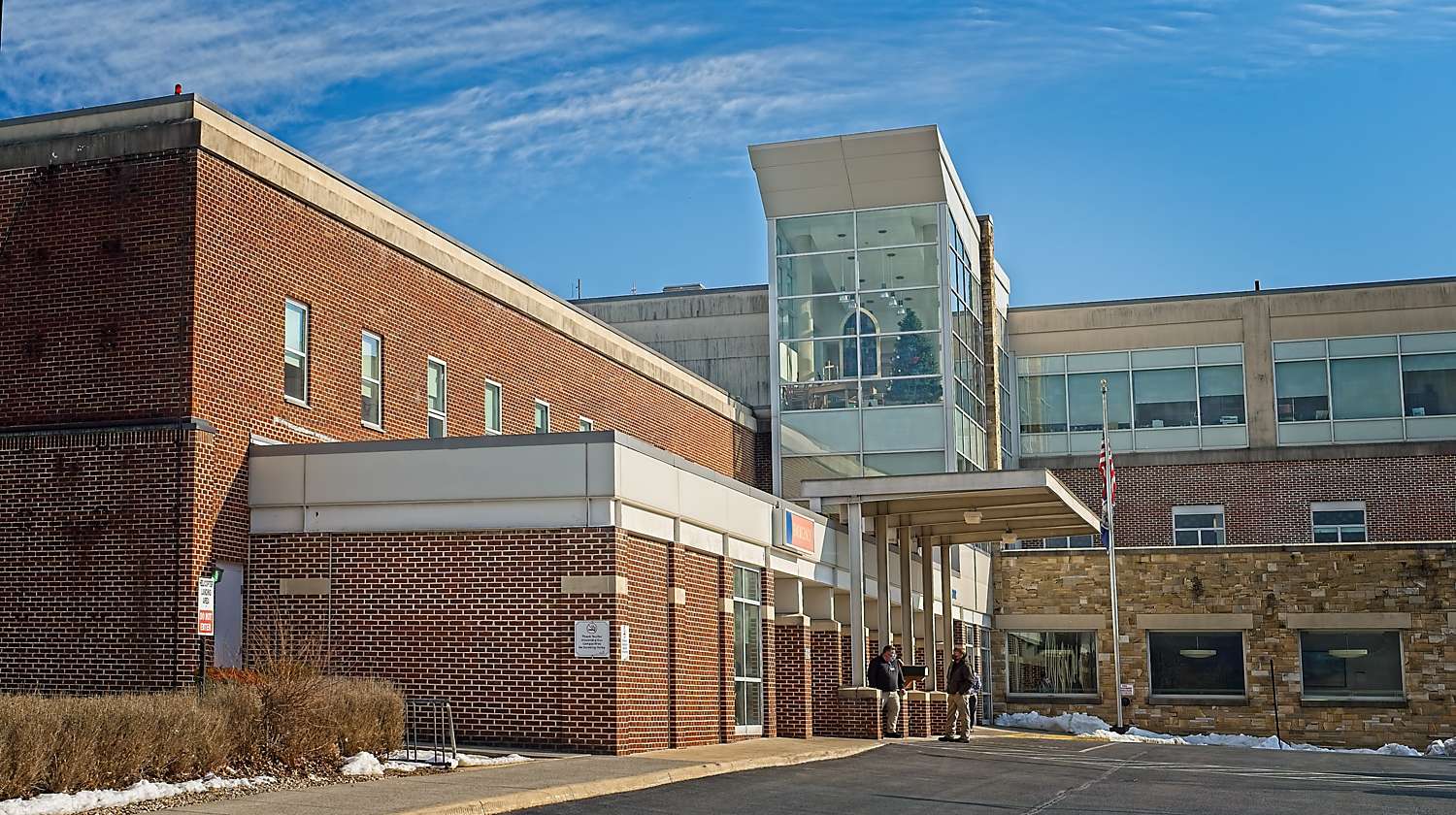
One of Lee’s most trusted generals, Thomas J. Jackson, better known as “Stonewall,” also has links to Lexington. He taught “natural philosophy” at VMI before the war, and his pre-war house is now a museum; previously it served as the city’s hospital for nearly half a century before a modern one was constructed in 1954.
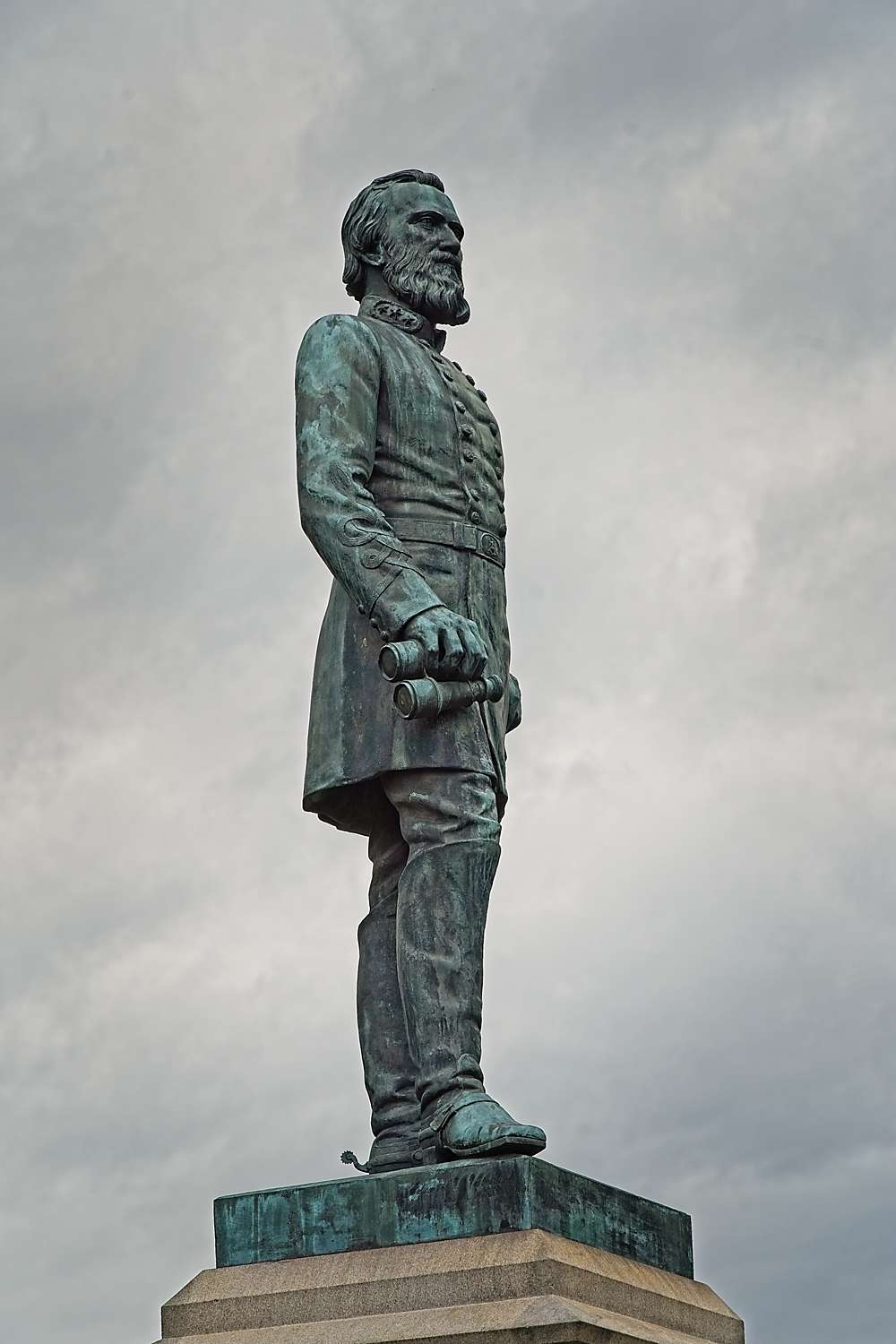
Jackson is buried in Oak Grove Cemetery (formerly called Stonewall Jackson Cemetery), with an impressive statue sculpted by E. V. Valentine erected before a very large crowd in 1895.
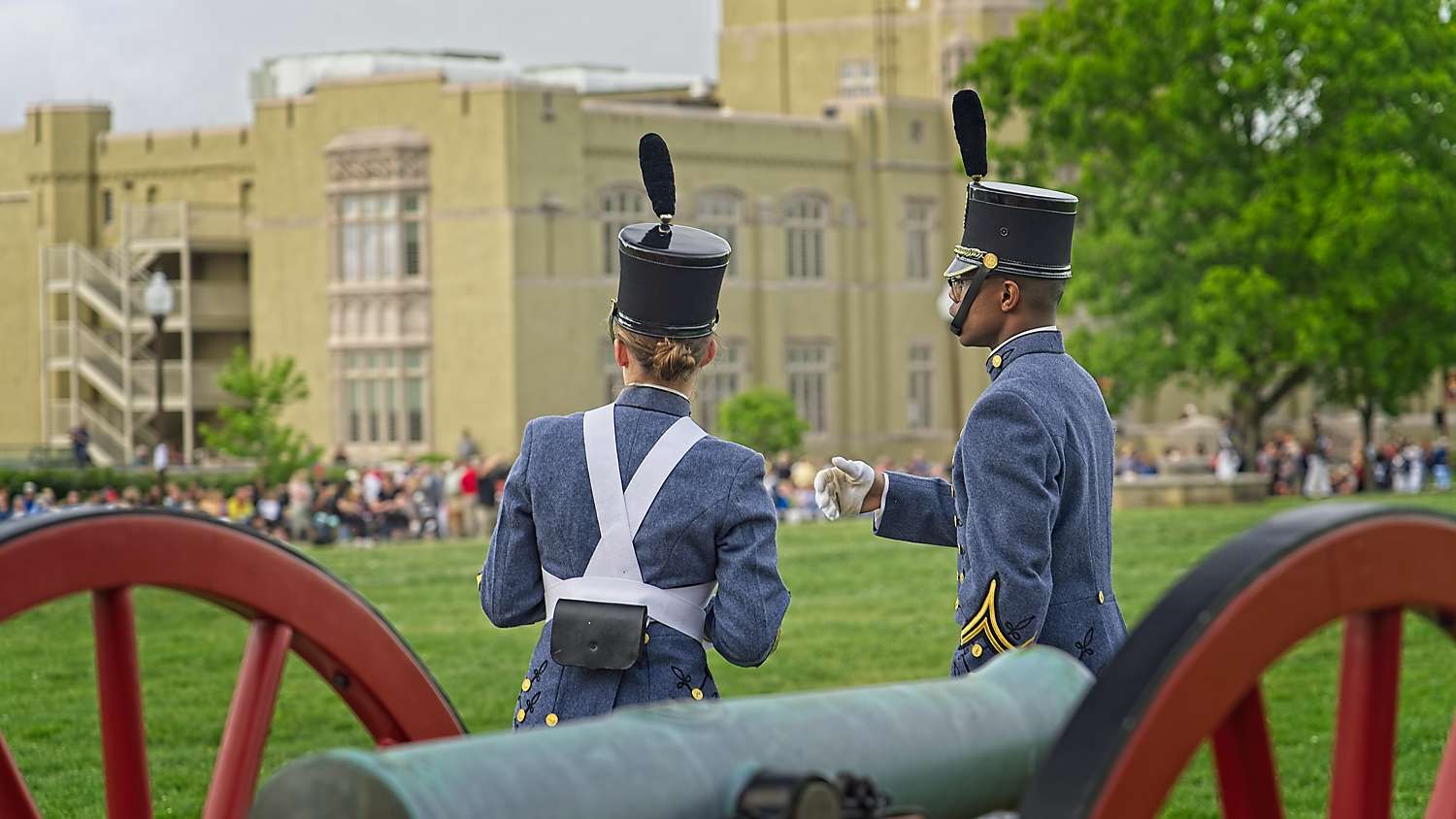
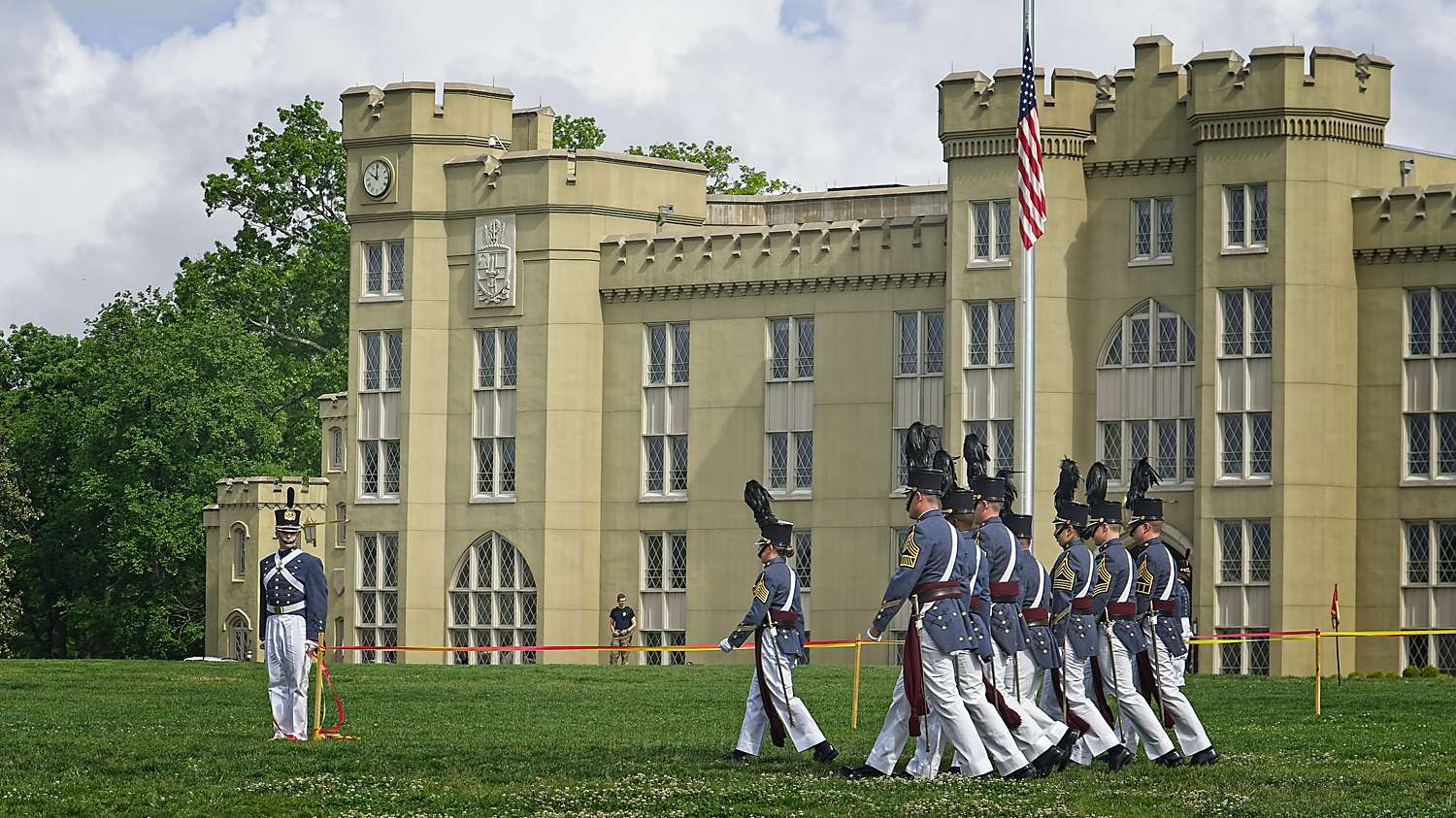
The center of the VMI campus is the Parade Ground. Weekly military parades are held here, including this full dress one during Graduation week in 2022. Flanking the Parade Ground are various academic, administrative and residential buildings—and the Barracks, where all the cadets (locally called “Keydets”) live during their time at VMI. The Barracks were designated a National Historic Landmark in 1966. Here’s a newer wing of the Barracks, with the Corps student leadership in front—and yes, a diminutive woman is the Corps Commander this year.
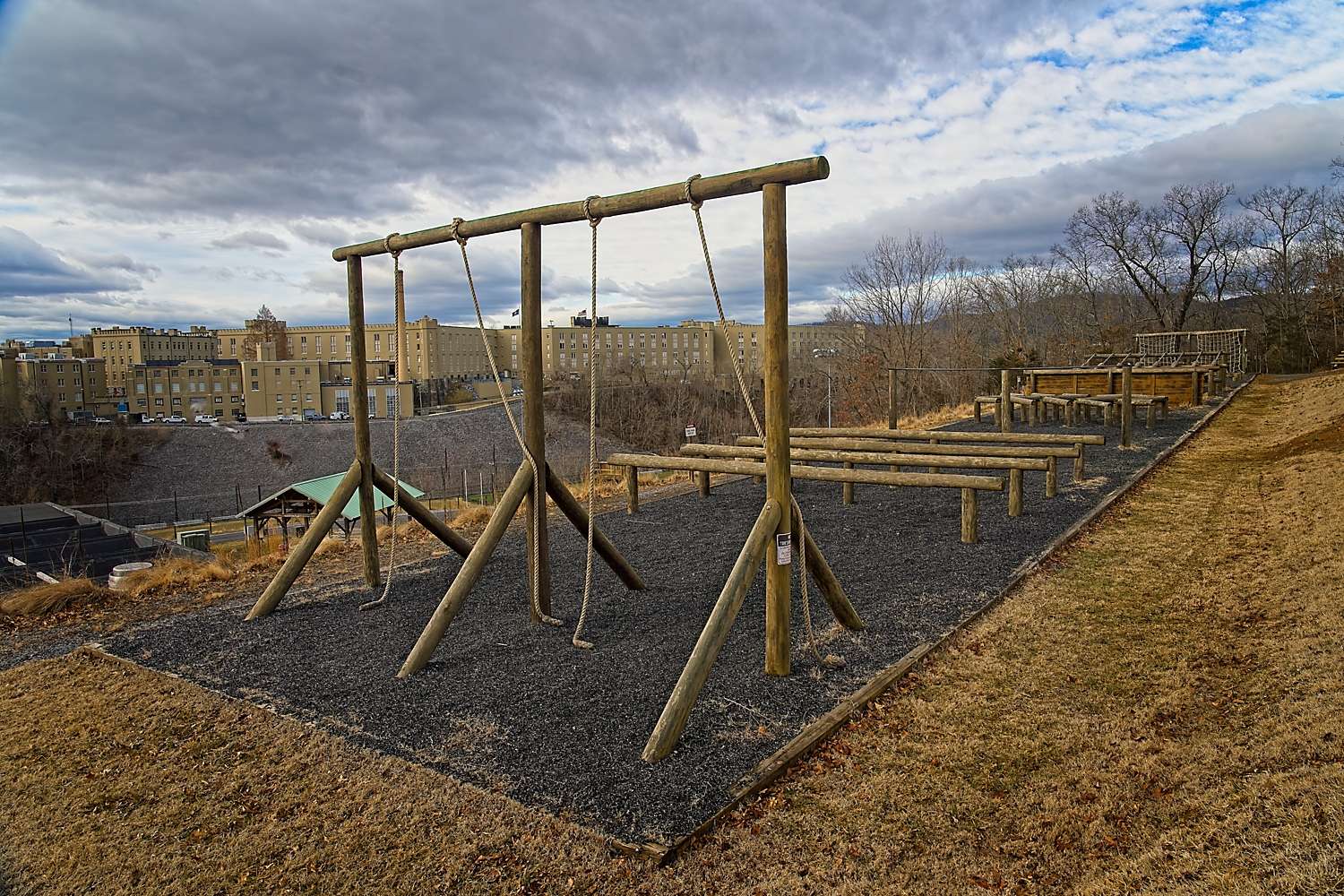
Life is rigorous at the Institute, including a great deal of physical exercise.
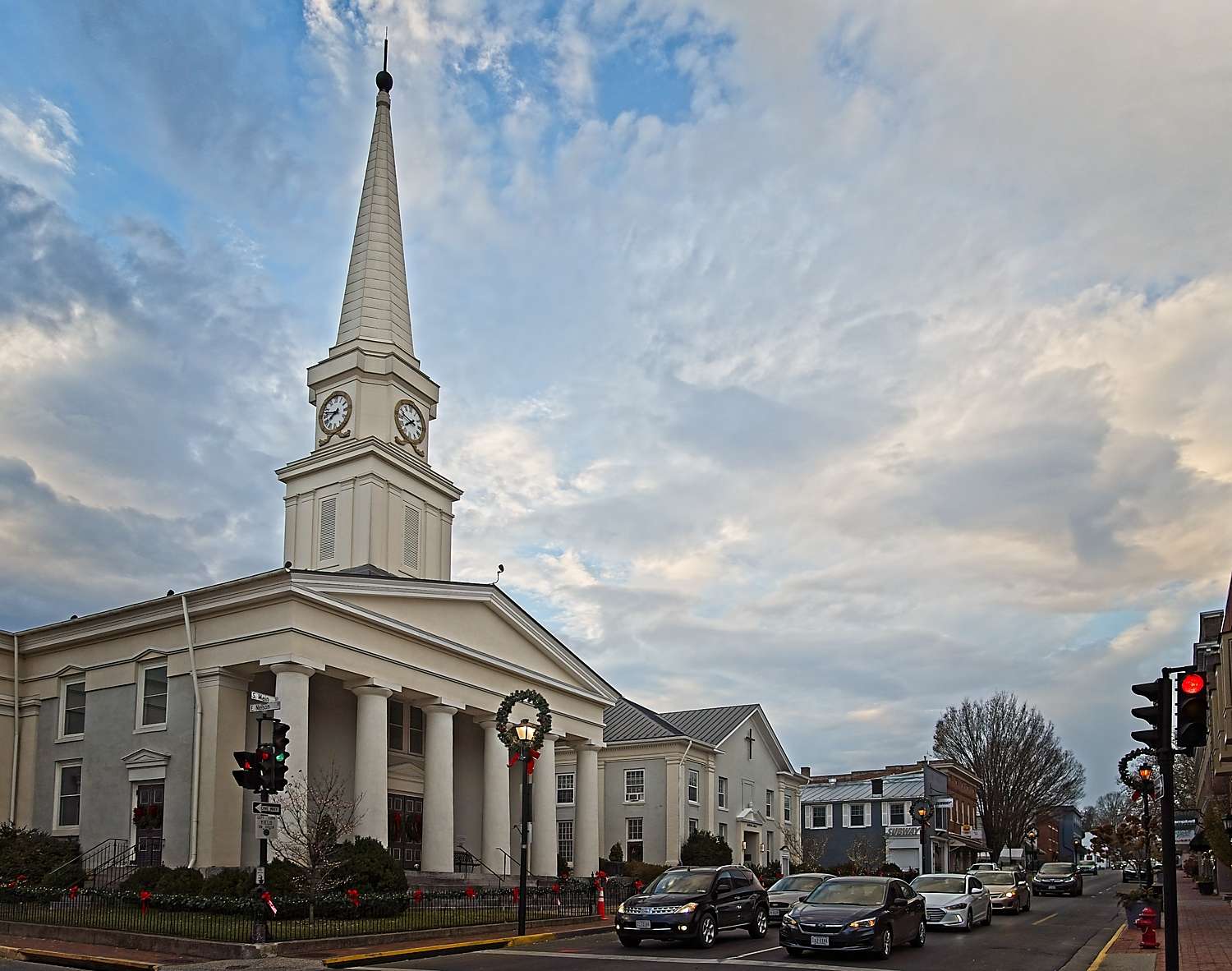
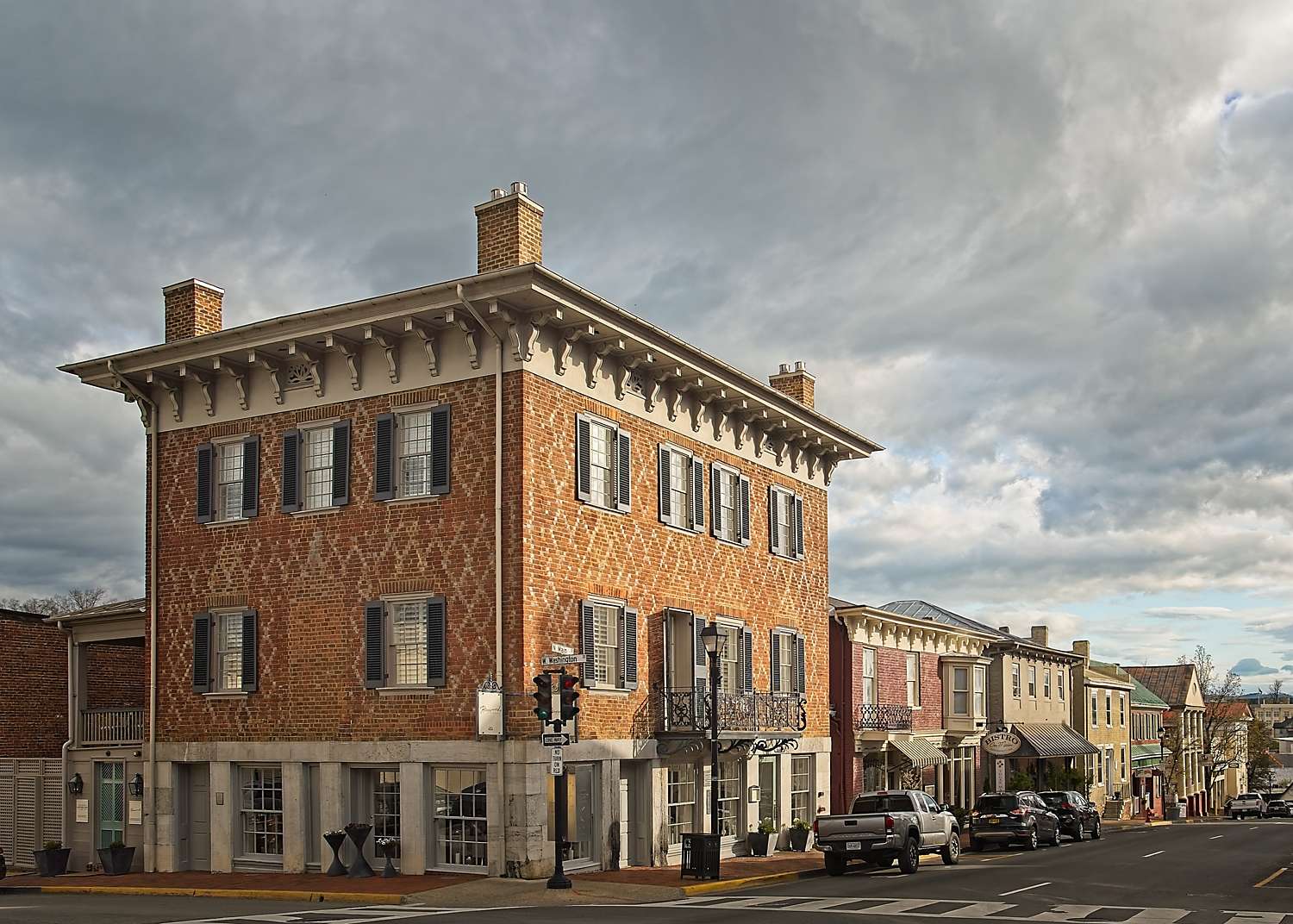
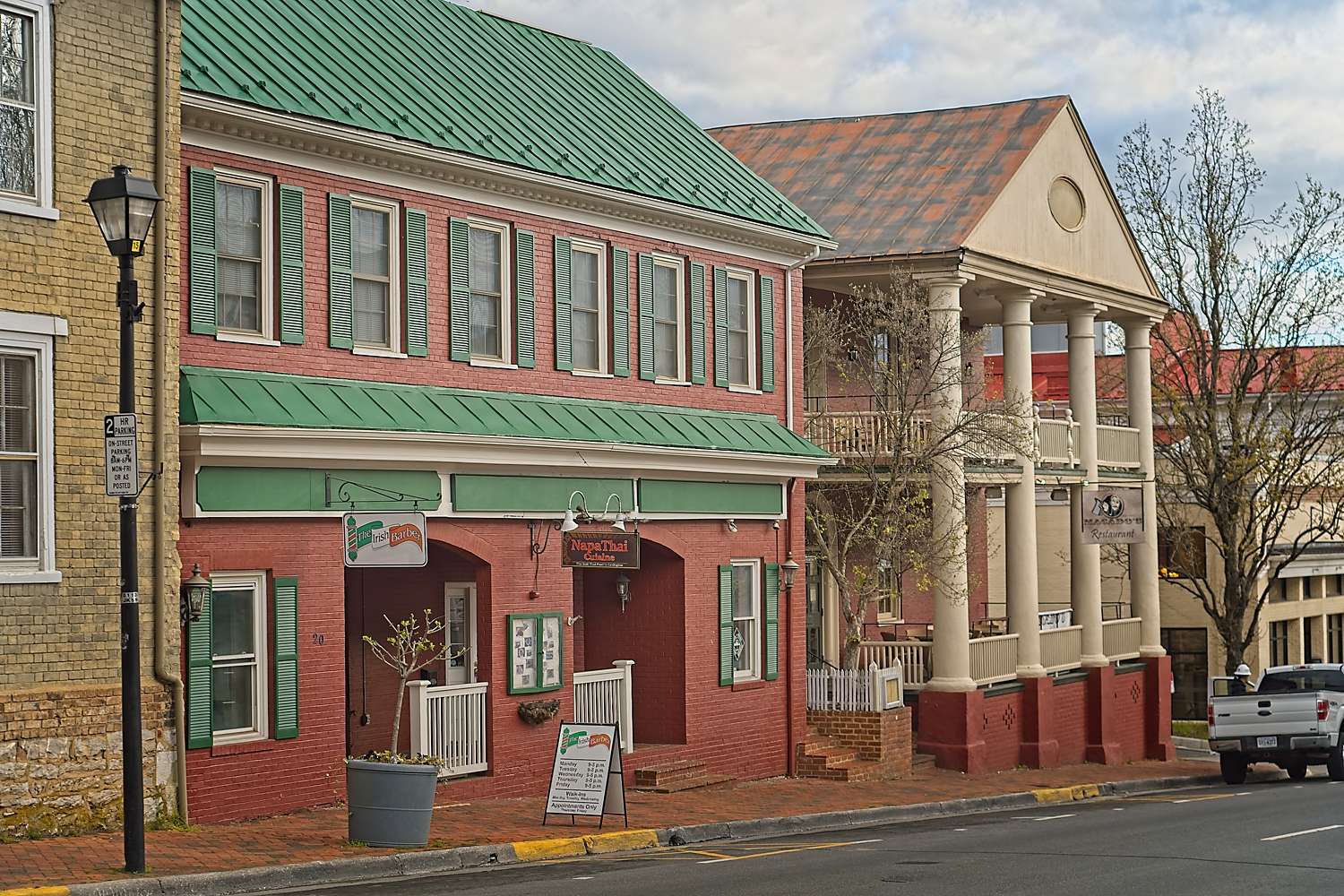
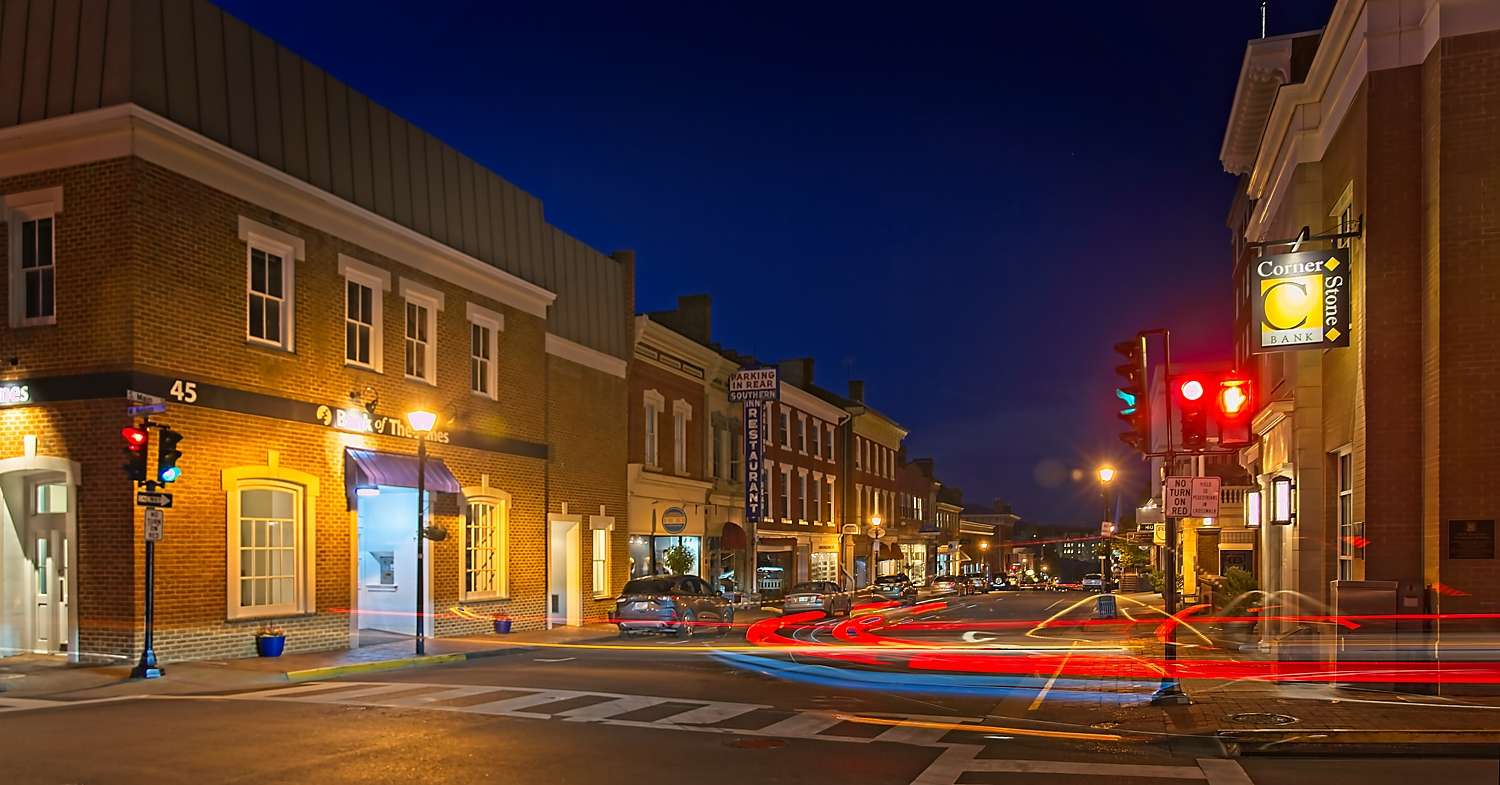
A close second to higher education as a local economic engine is tourism, founded not only on the many links to Confederate history but also on the 19th century look of many parts of town (the downtown area is a Nationally Recognized Historic District). Here are some views of Main Street; the church is the Lexington Presbyterian Church, at the central intersection of town, with three banks on the other corners. One image typifies “nightlife” in Lex Vegas.
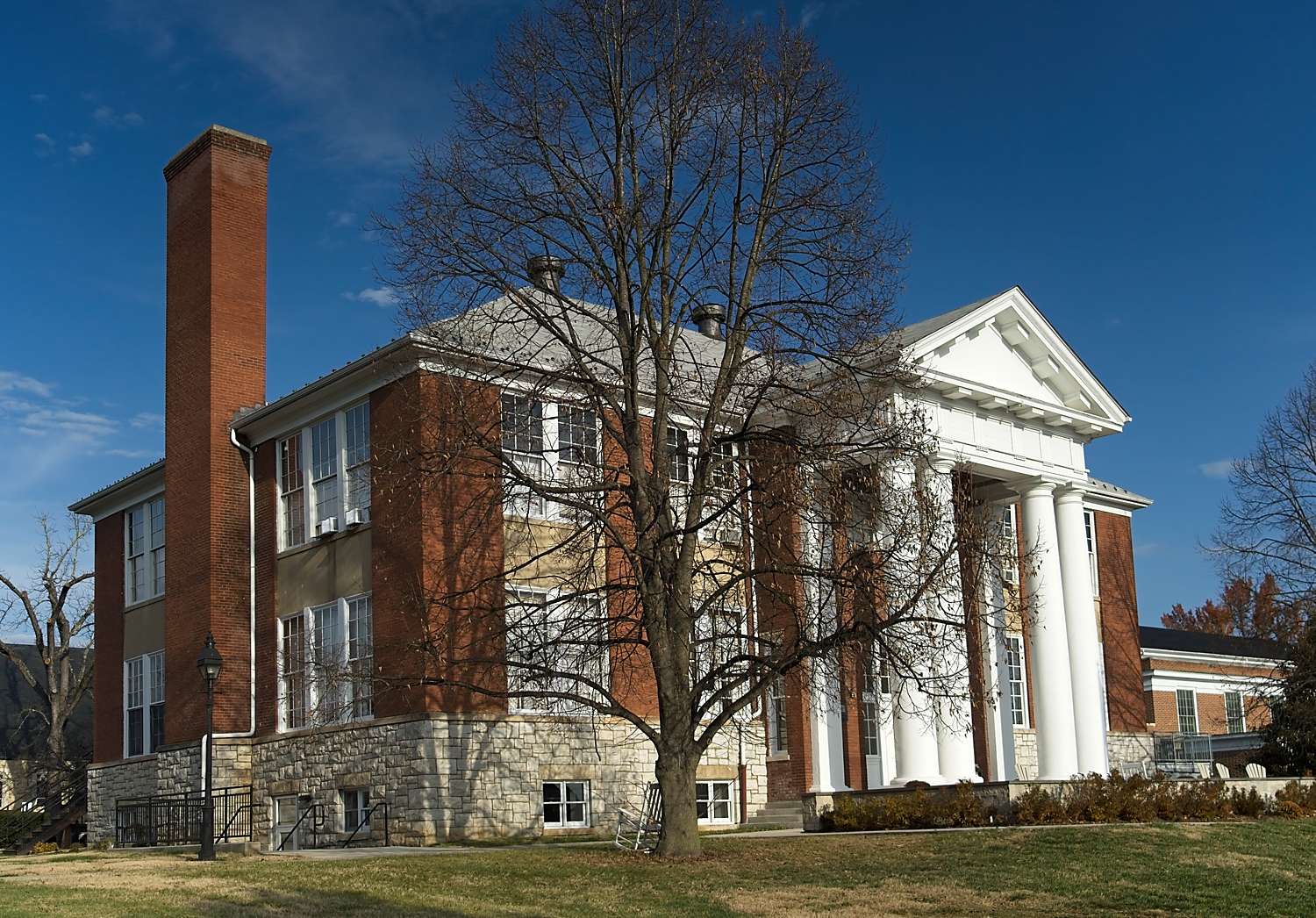
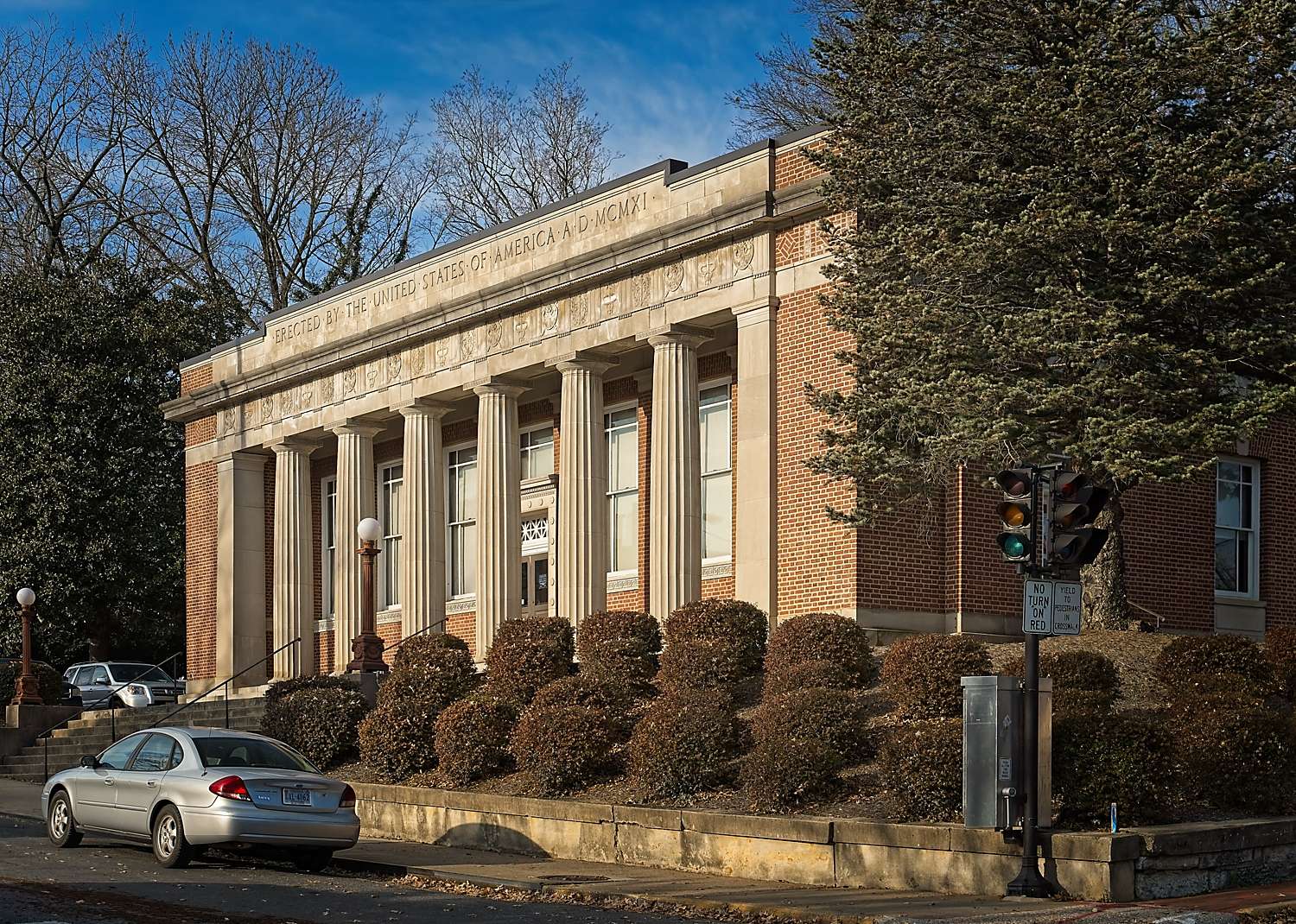
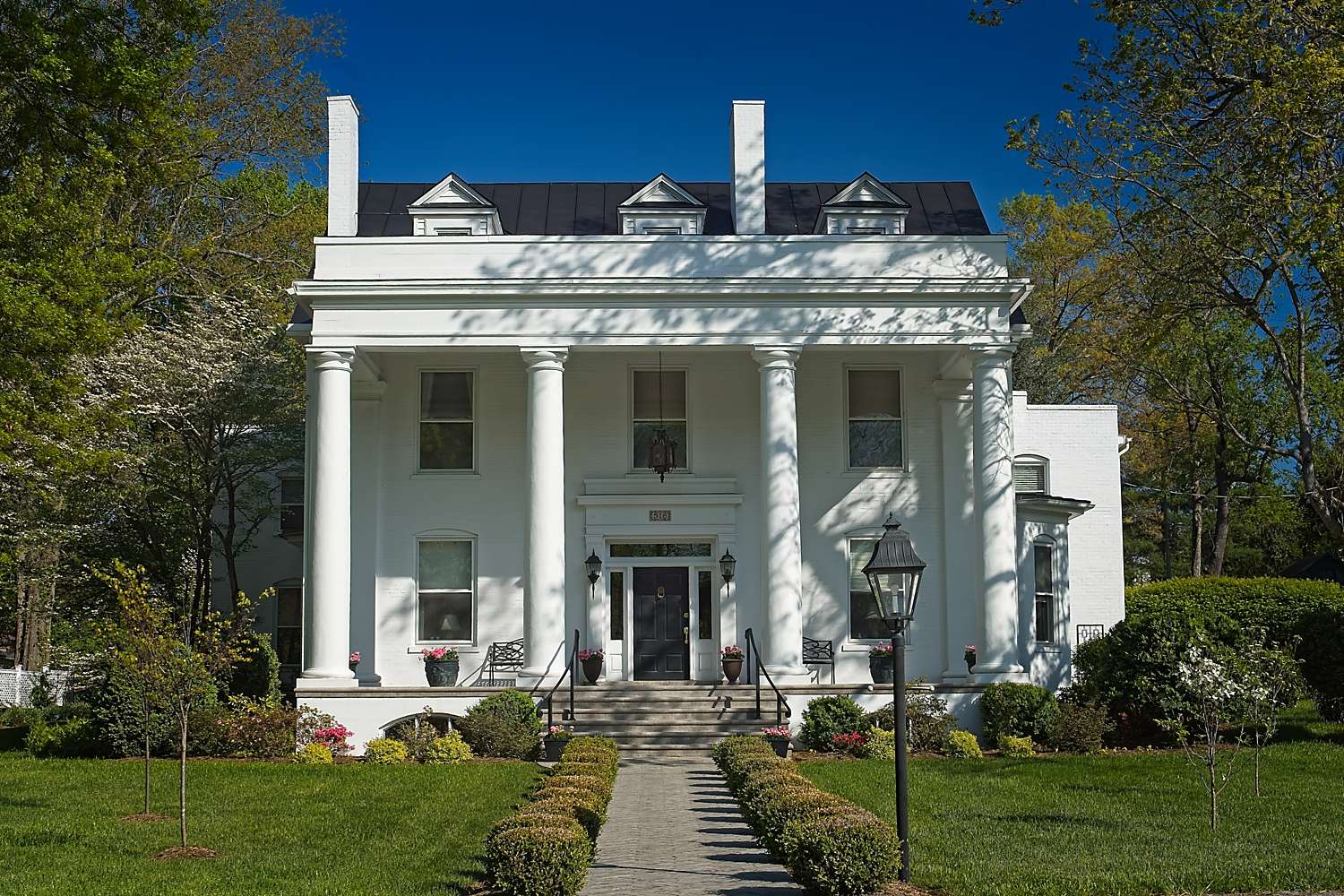
Columns are a big thing all around Lexington. Here’s an old school, now a fraternity, the Post Office and a typical Main Street house.
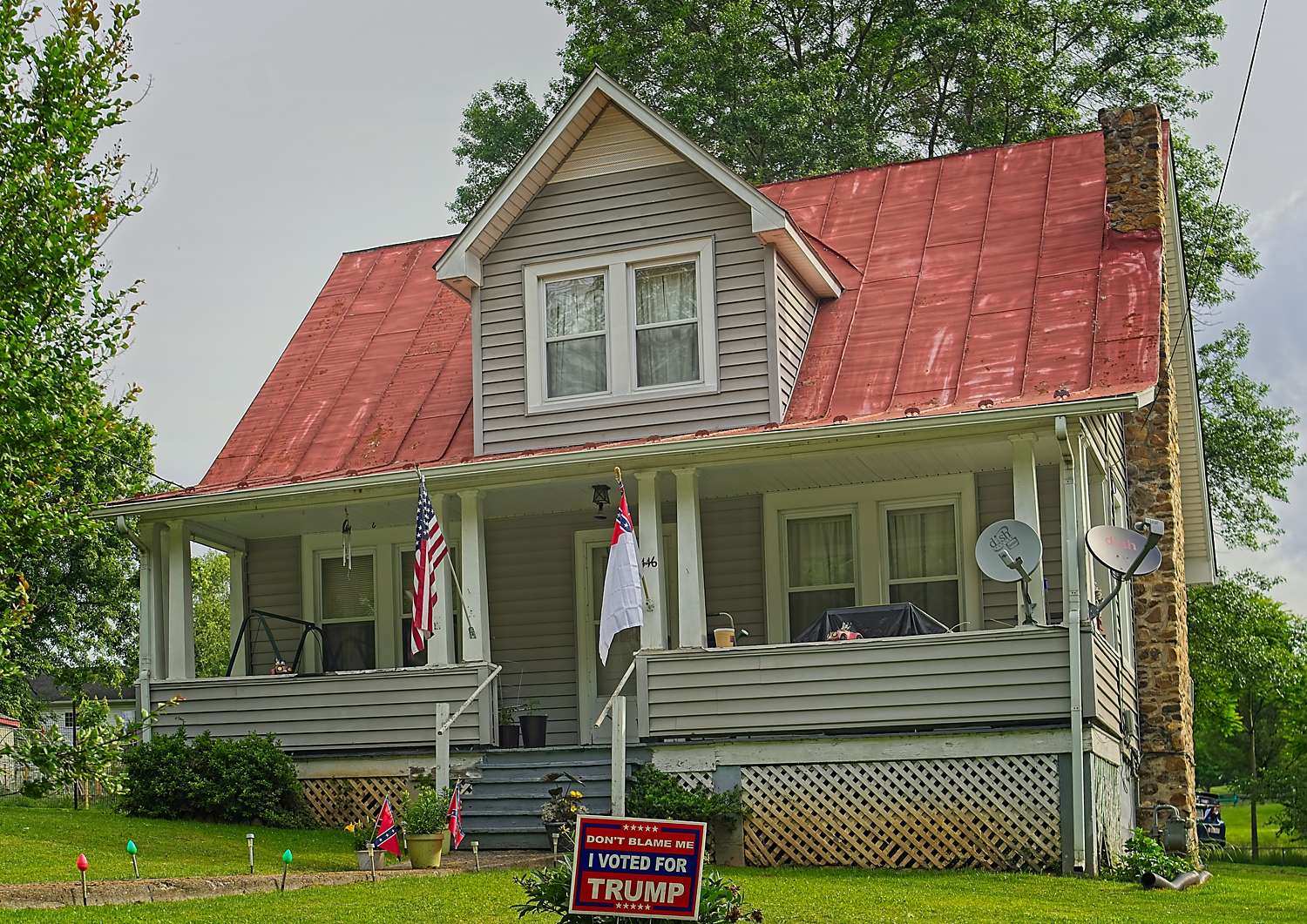
Politically, Lexington is a blue dot in a sea of dark red, reliably voting Democratic while being outvoted by Rockbridge County Republicans (and they are the majority not only in the county but all up and down the Valley). When national leftists promoted “Defund the Police,” some locals put up “Defend the Police” signs; not surprisingly, they are primarily Trump voters, with flags displaying other allegiances as well.
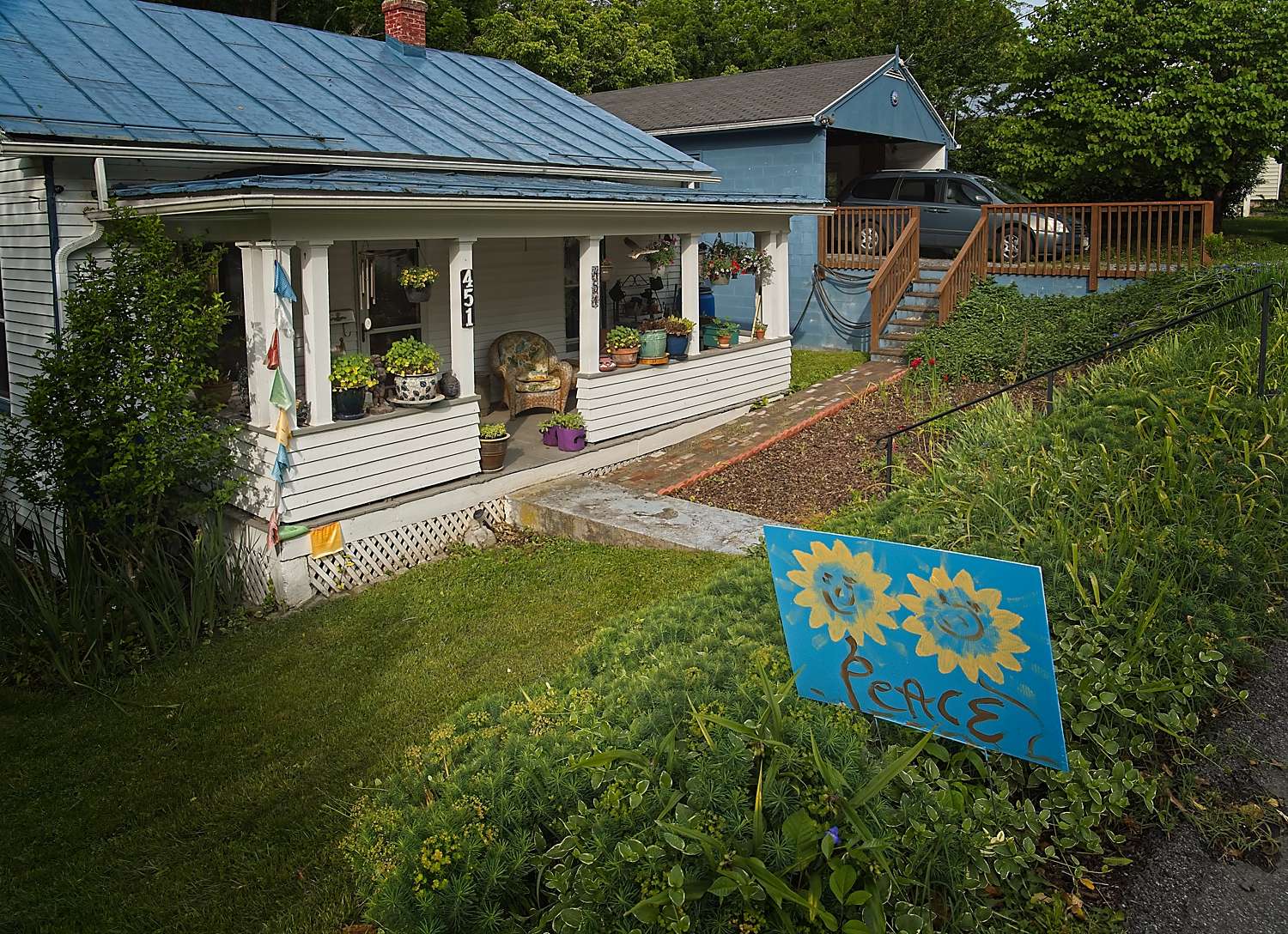
Just across the street, a neighbor has posted a very different message.
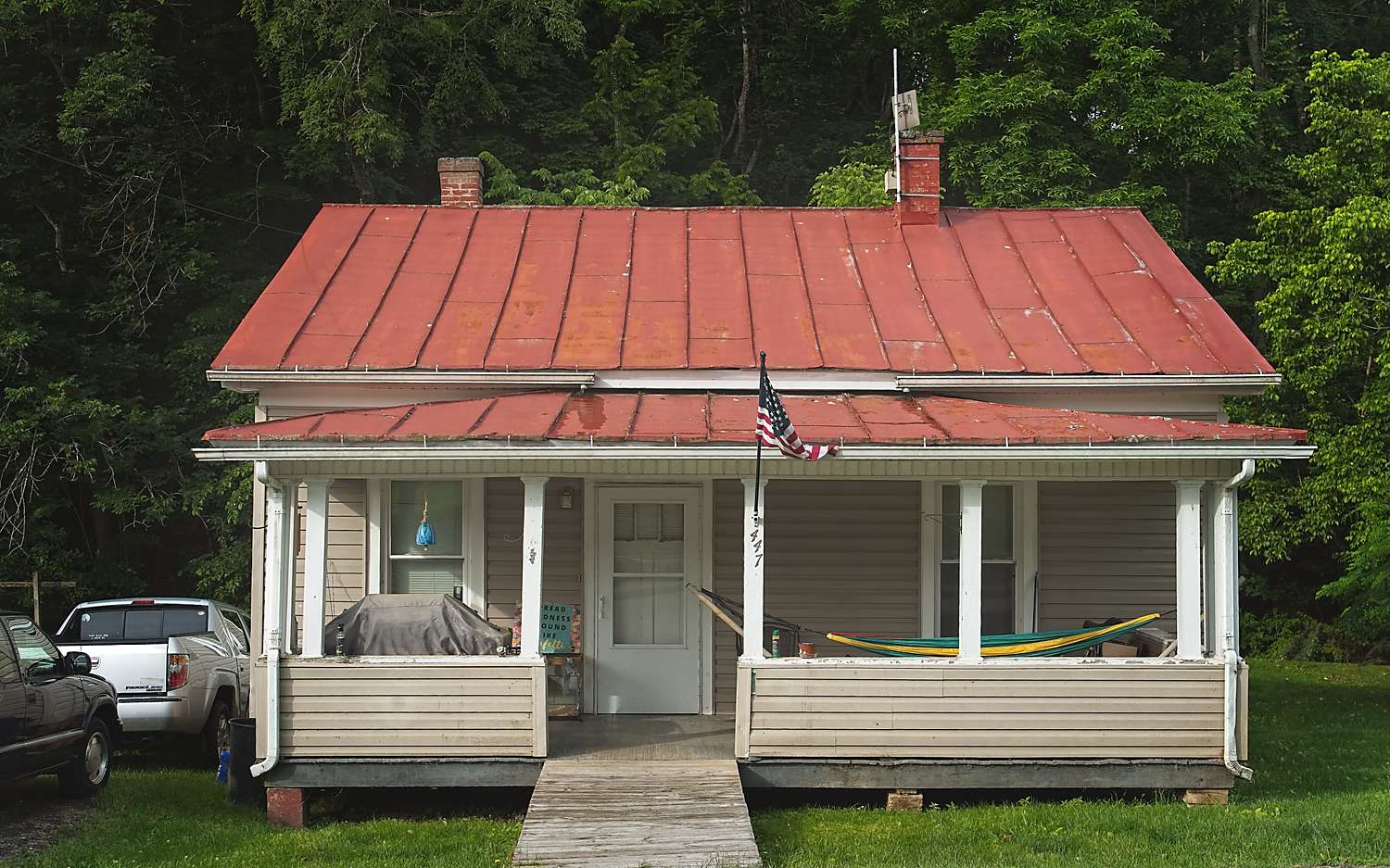
Residential neighborhoods reflect the demographics: Median household income is over $57,000, but the poverty rate is above 20%. As a result, there are some very comfortable neighborhoods, but also some more modest ones. Here are some examples of each.
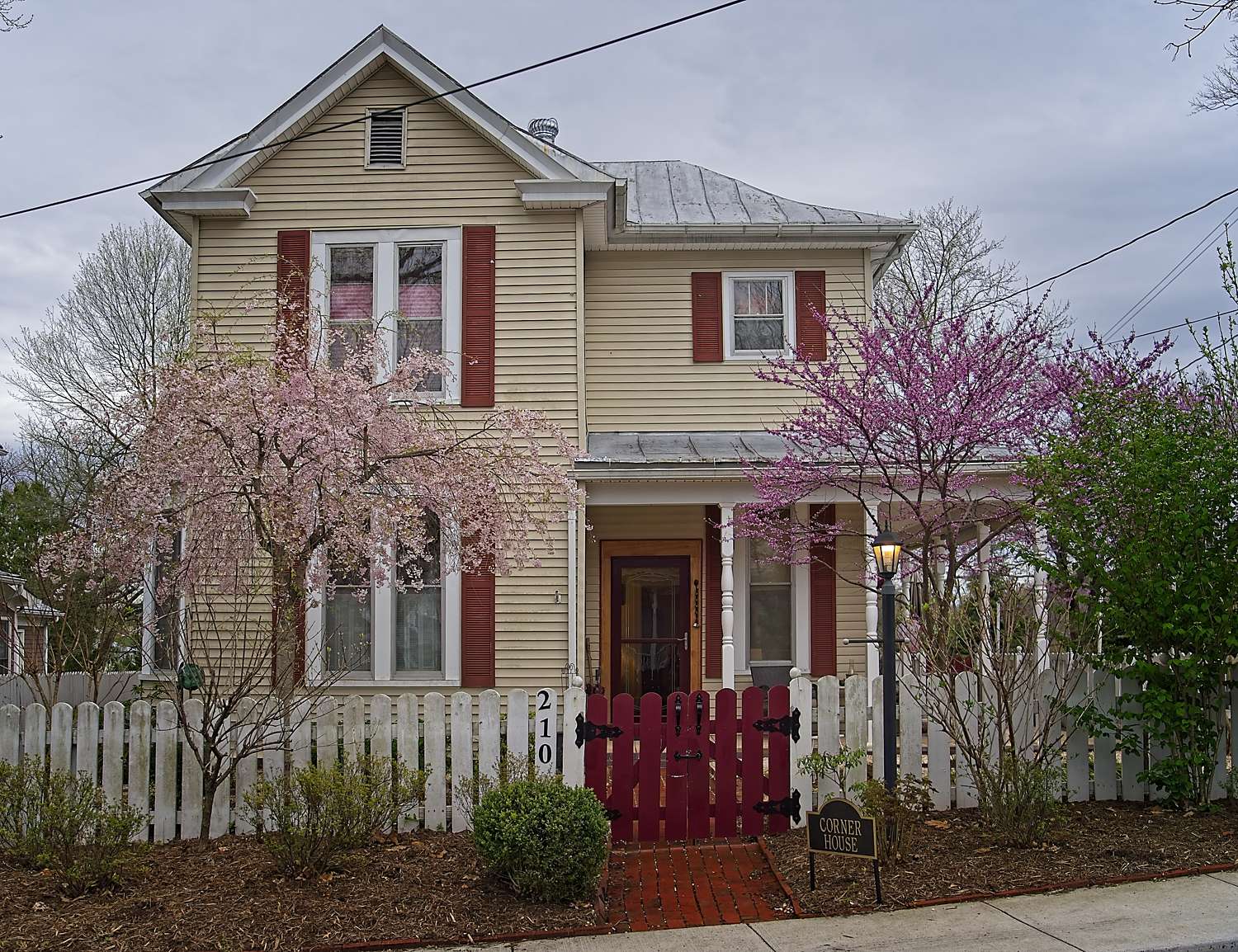
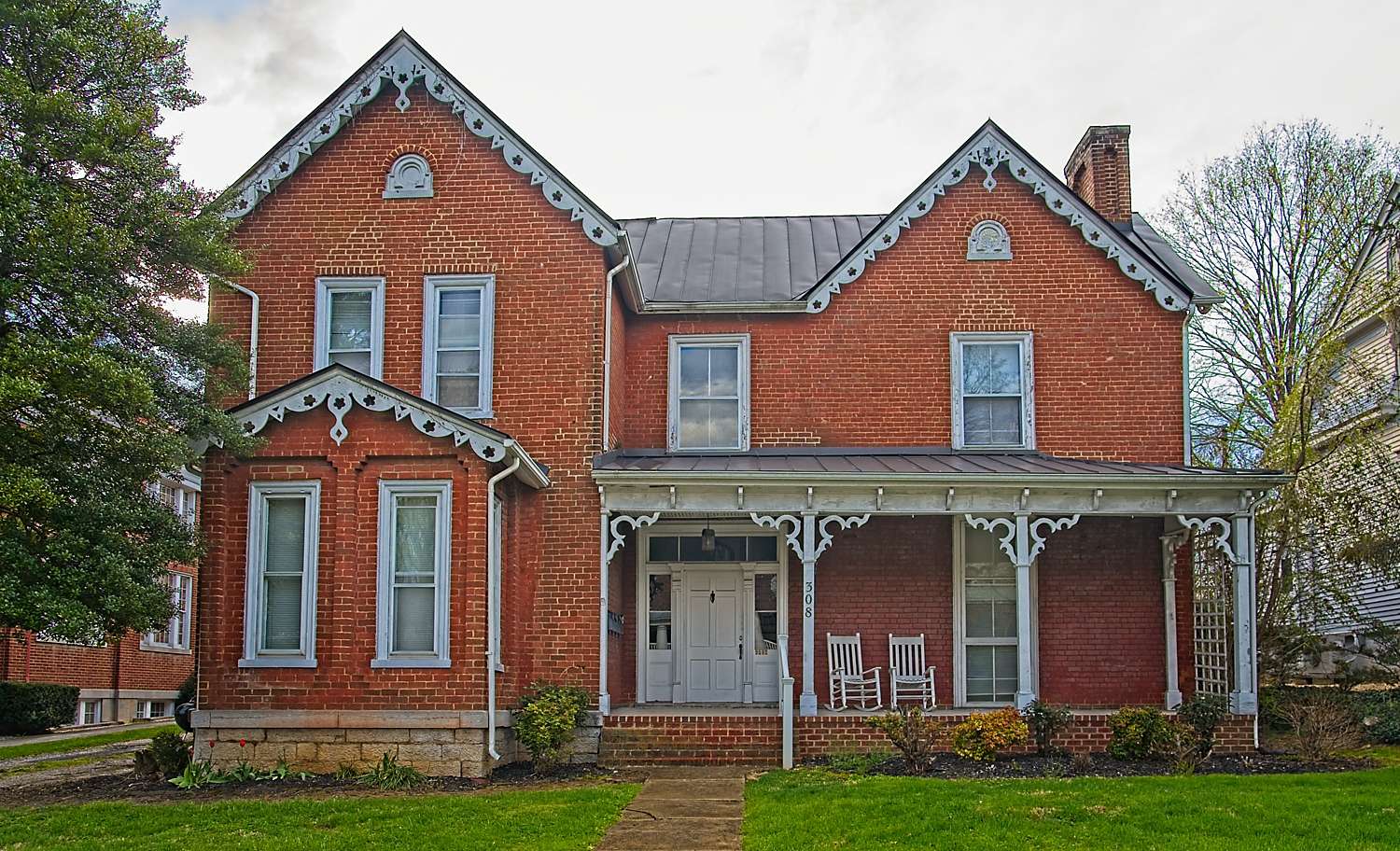
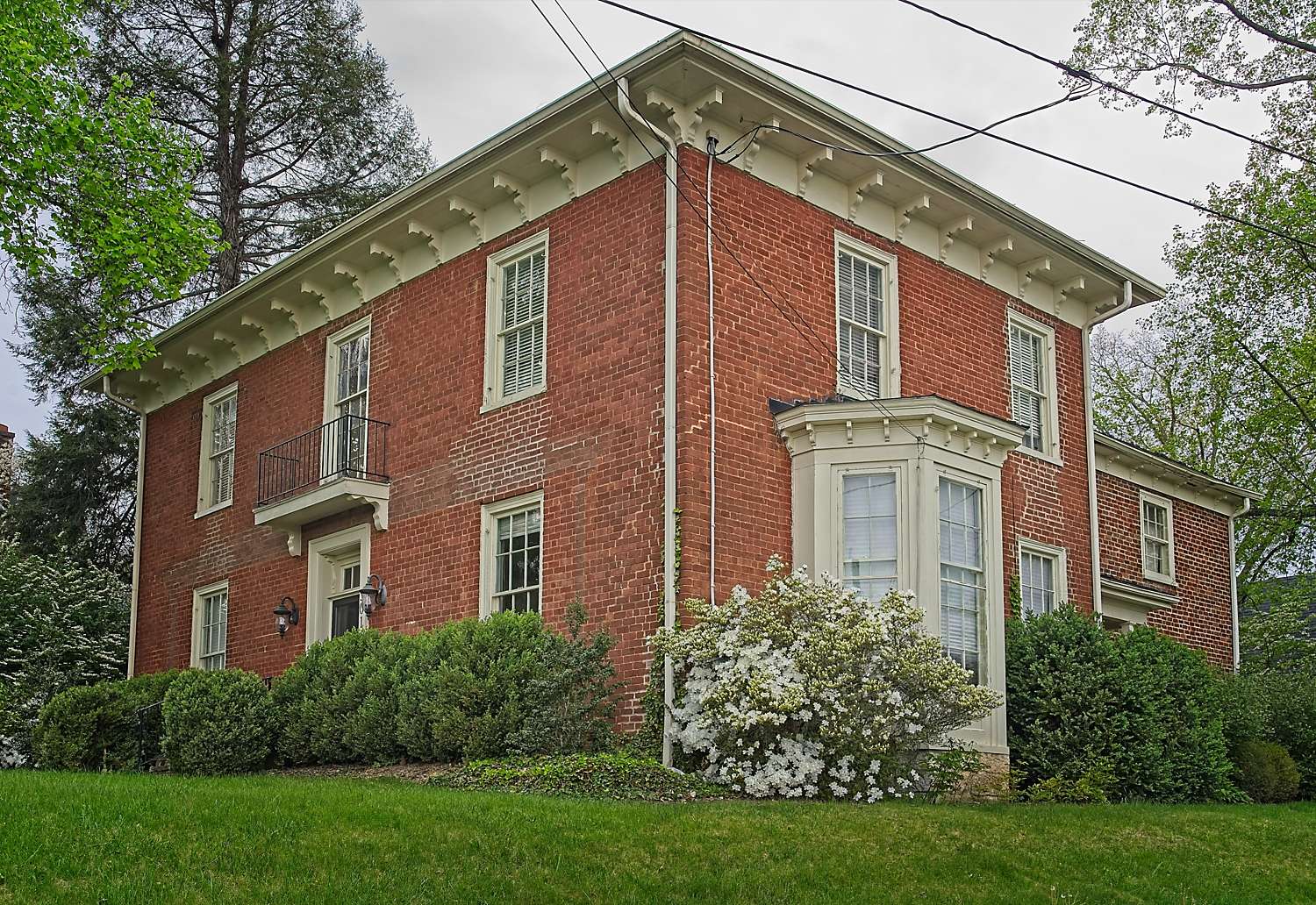
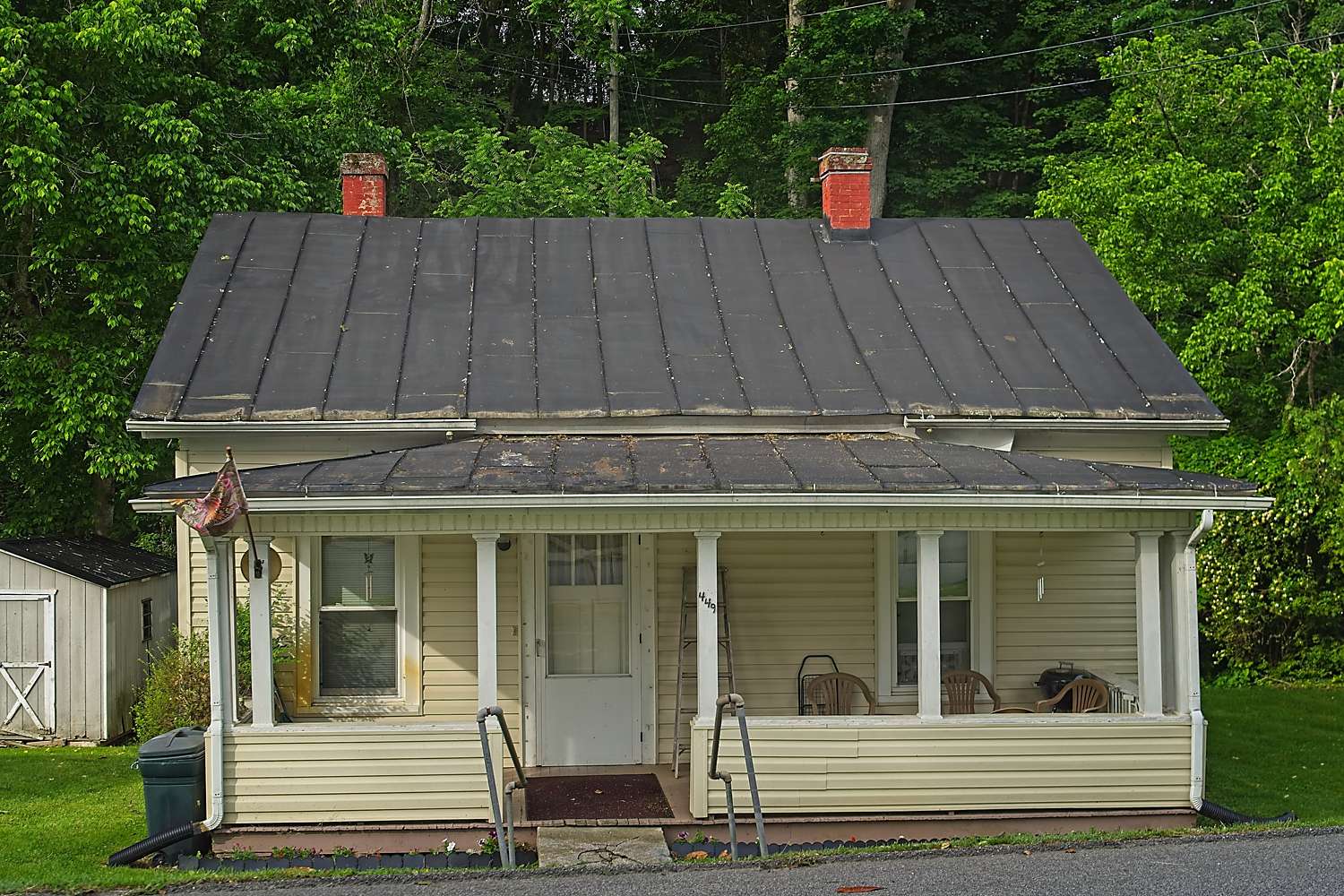
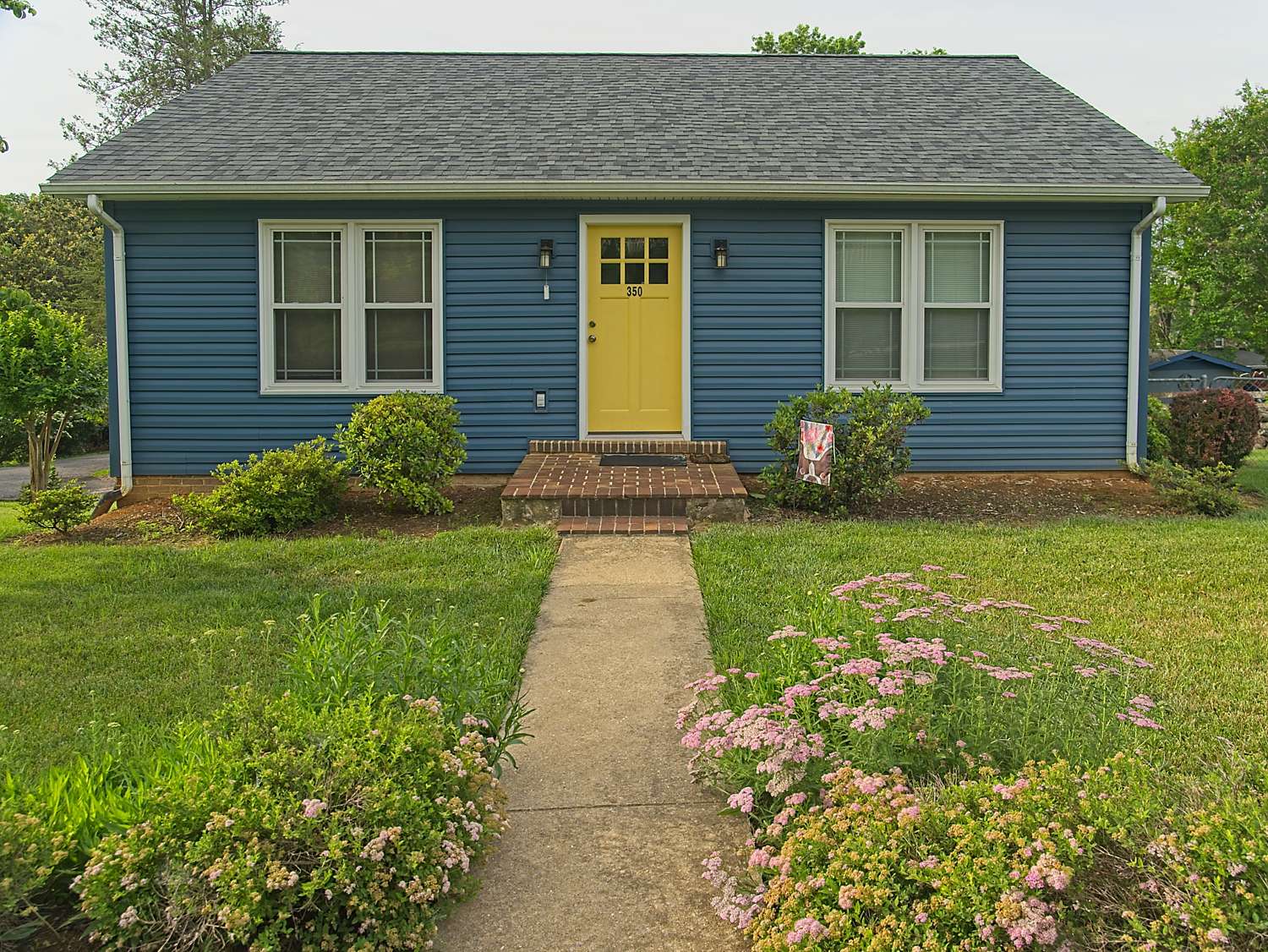
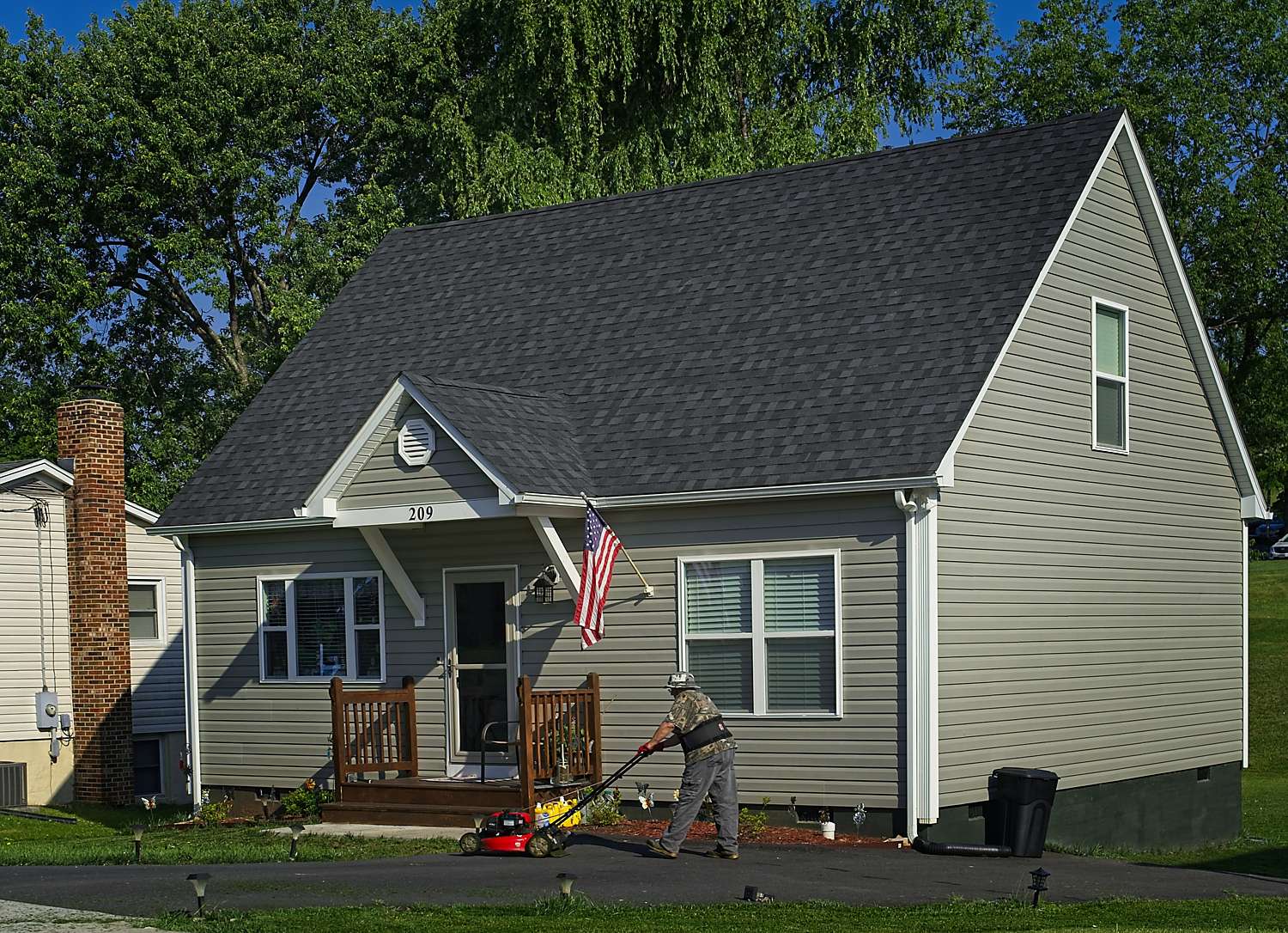
There are surprisingly few areas of neglect in Lexington.
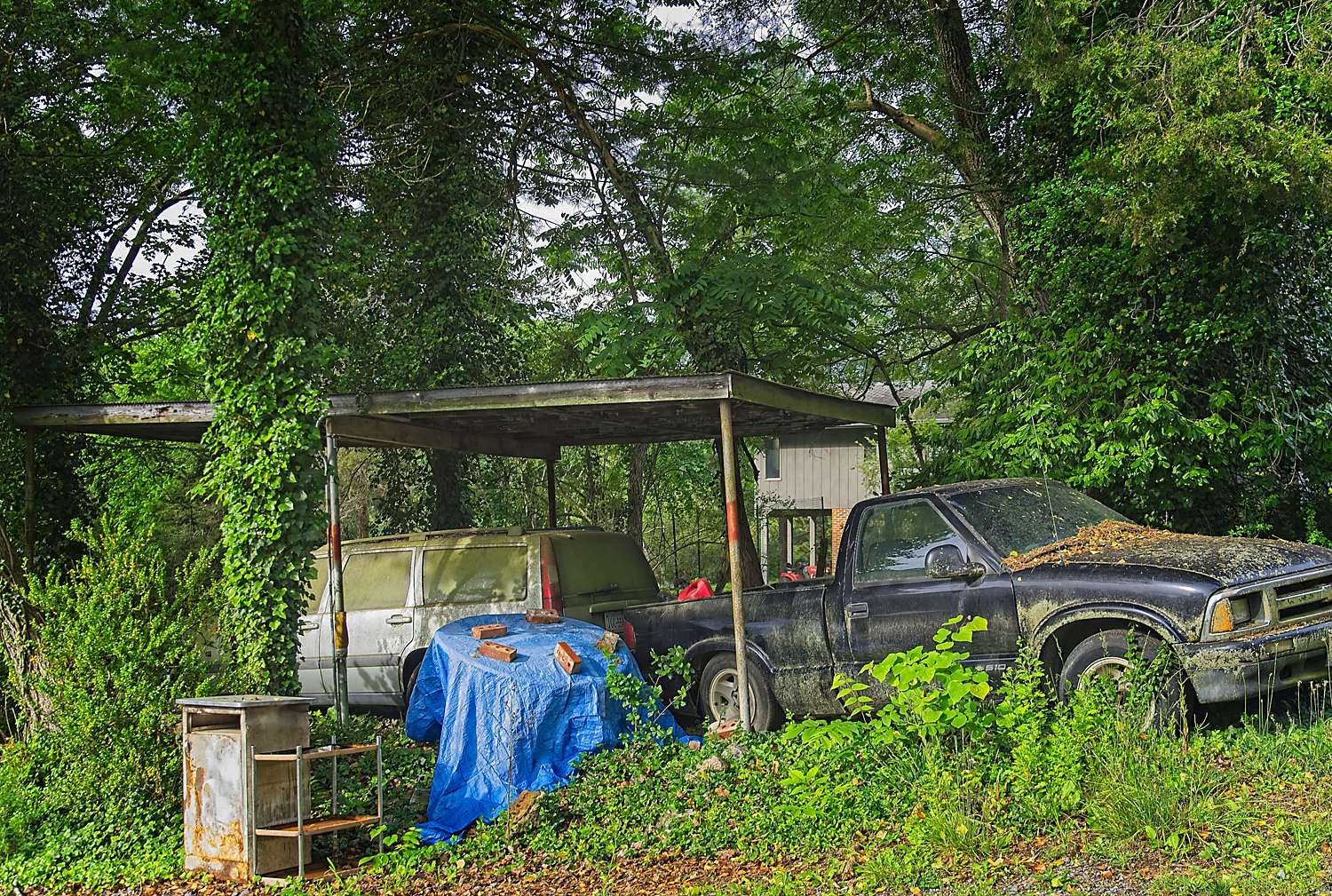
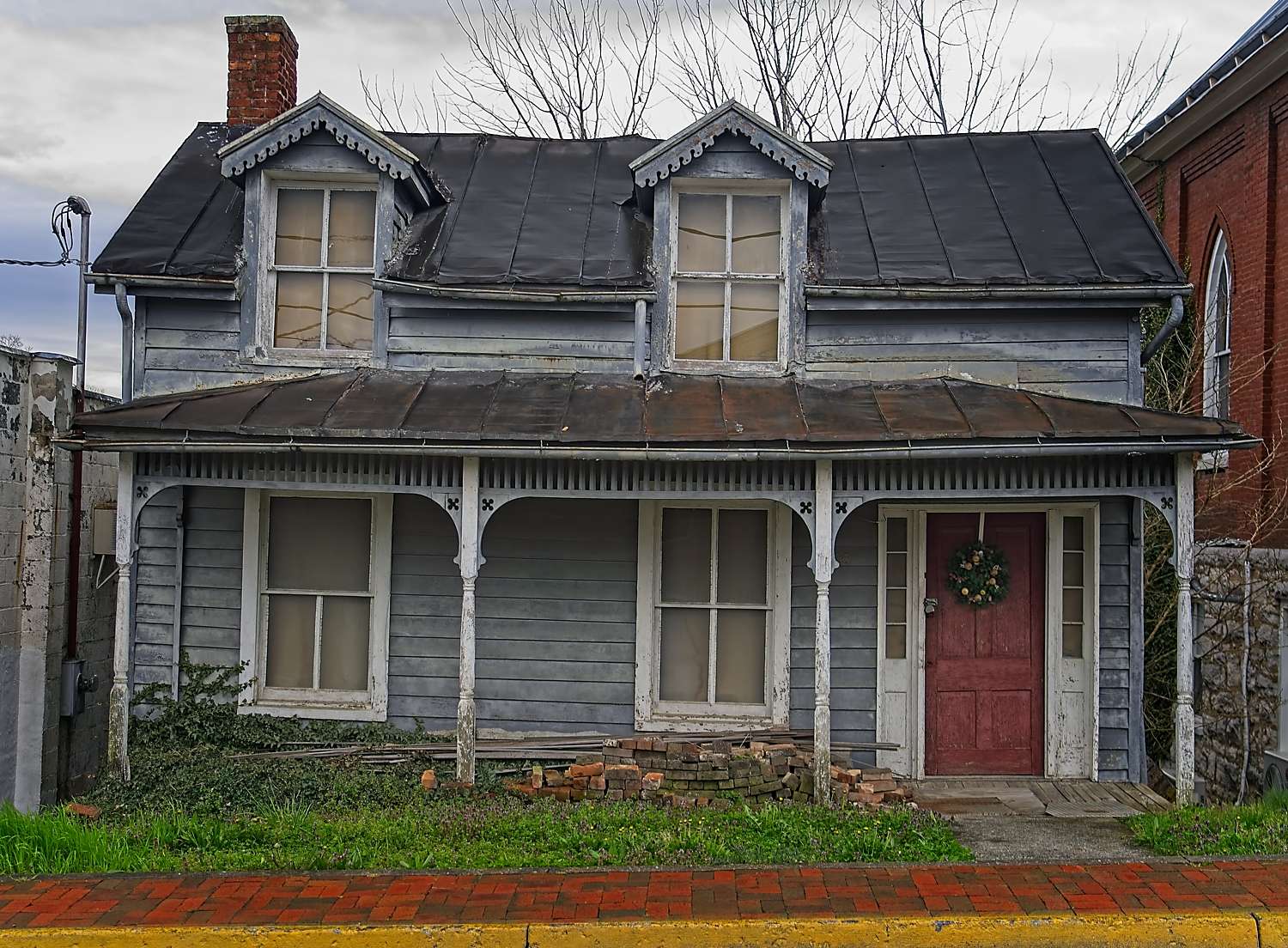
Most lots are tidier.
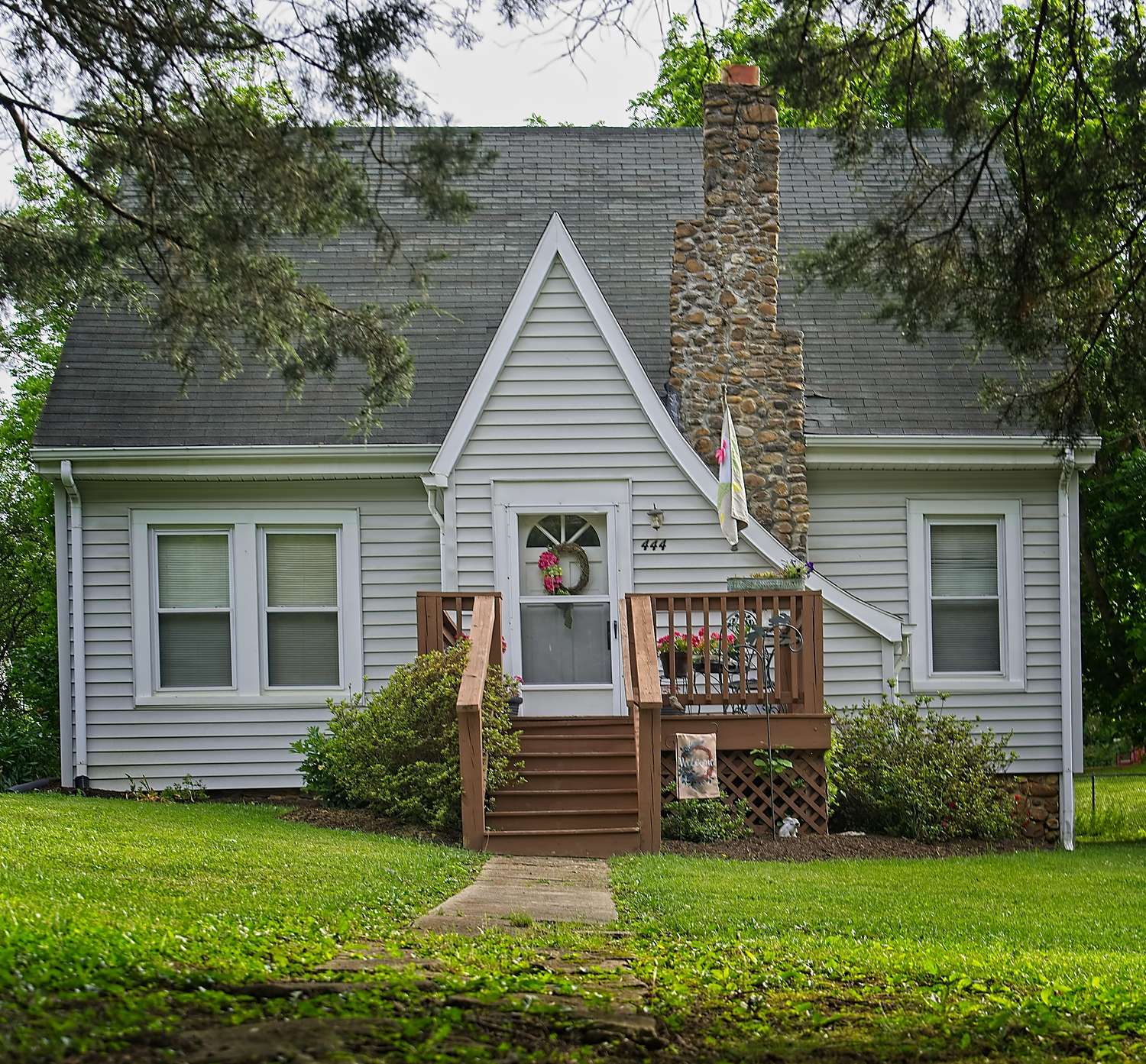
Many are somewhere in between.
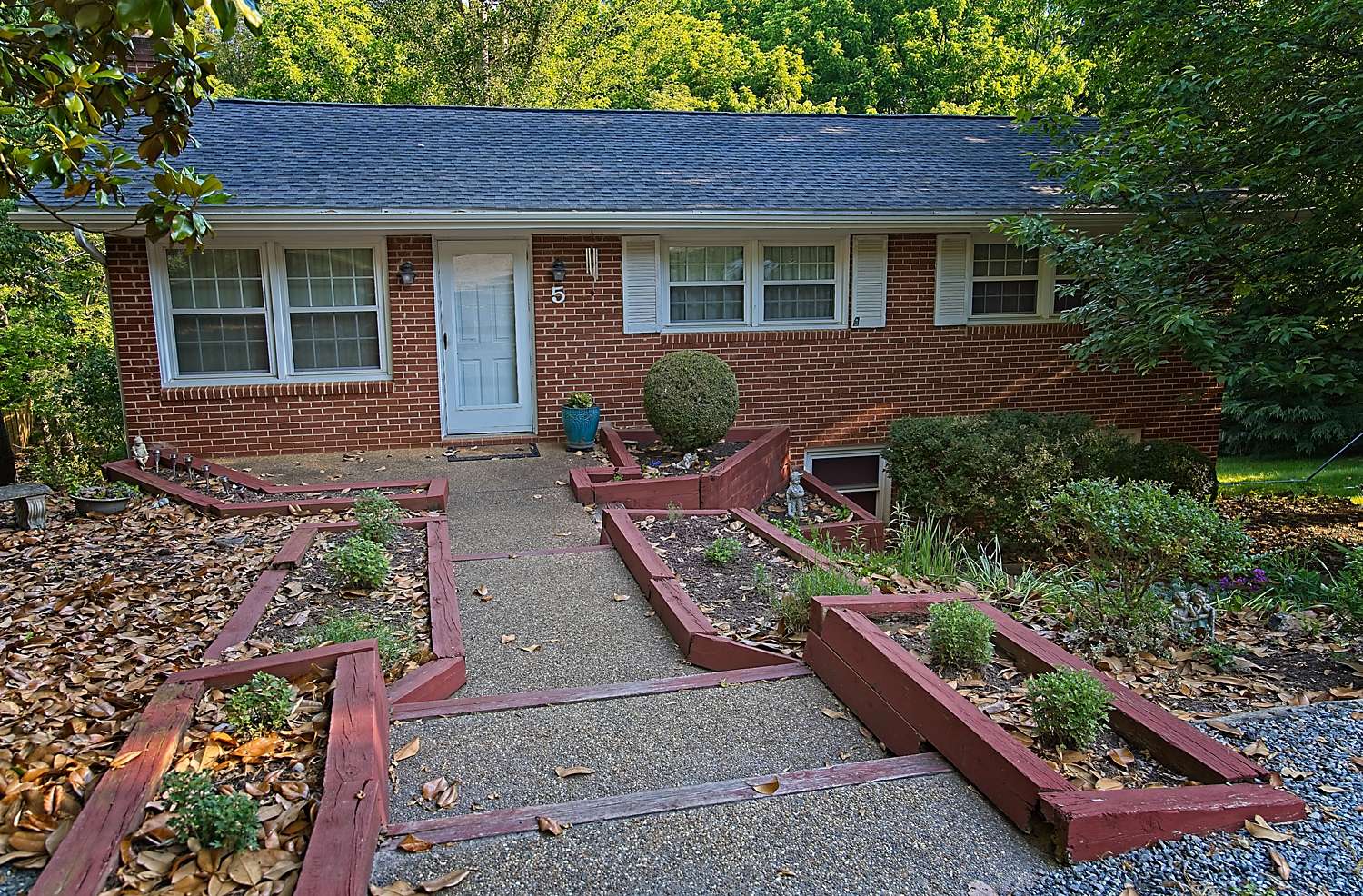
This is a house we lived in for 18 years, three decades ago, a typical brick dwelling.
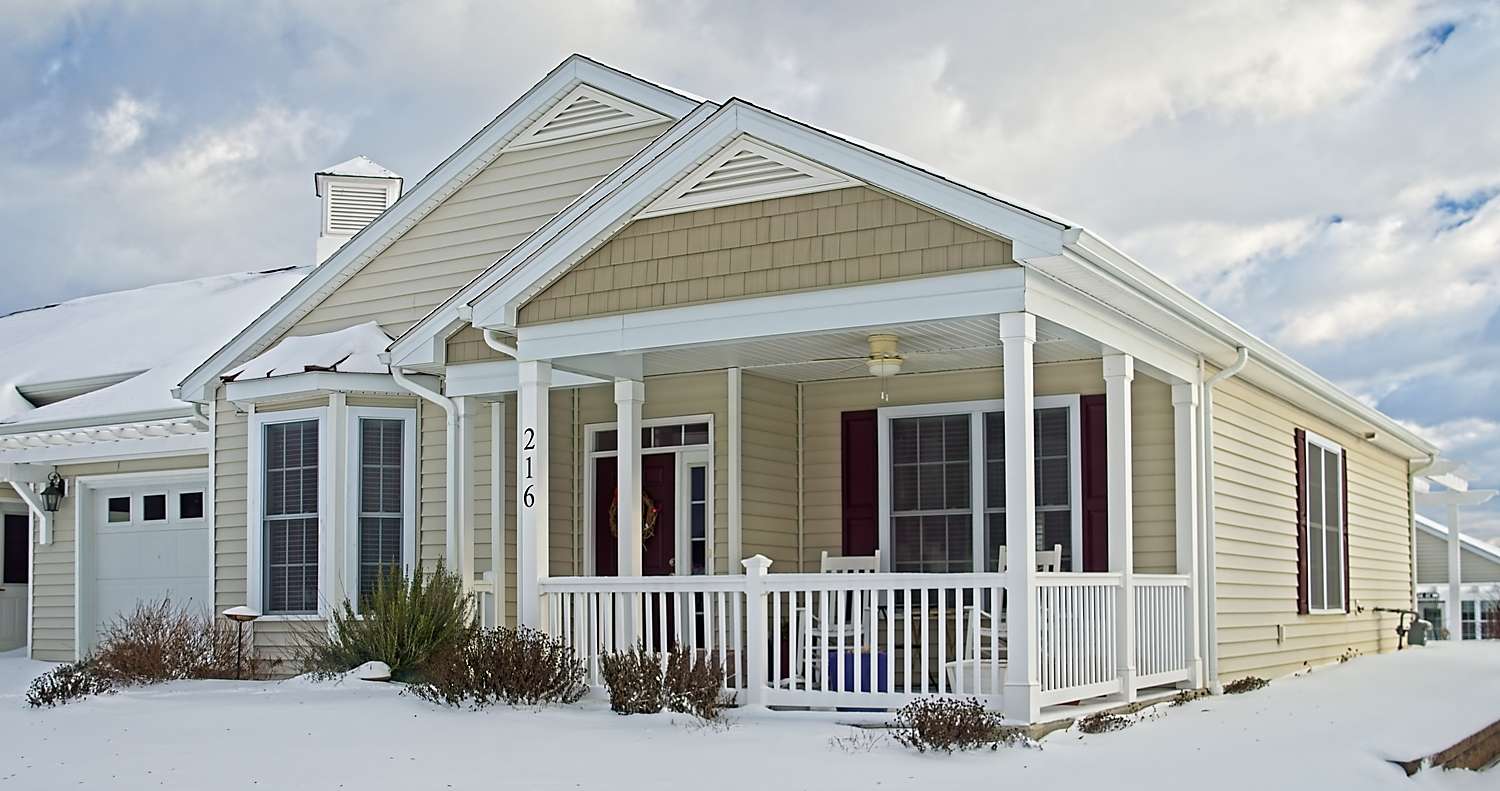
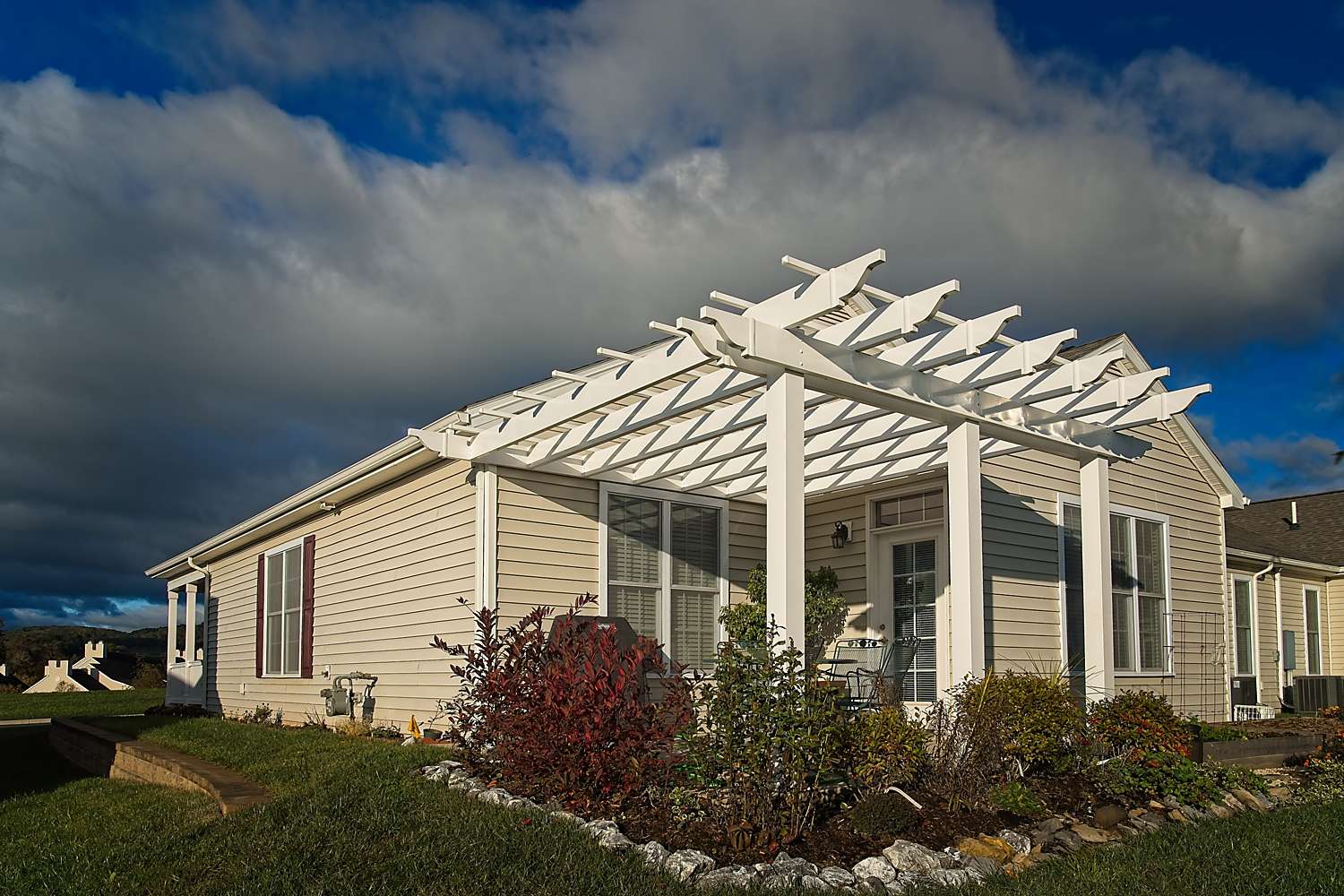
And here’s the duplex we now inhabit in a retirement community, front and back.
That’s the quick tour. Lexington is worth a longer visit in person. So if you happen to find yourself in this part of the world, please give me a call and I’ll show you around!