#903. Living in an un-destination part 2
Your response to part 1 surprised me. I really hadn’t anticipated the kind of feedback the article got and it encouraged me to move up my publishing efforts, wanting to meet a deadline sometime late in September, rather than perhaps never, which I was feeling I might easily justify.
No. It's sooner rather than later.
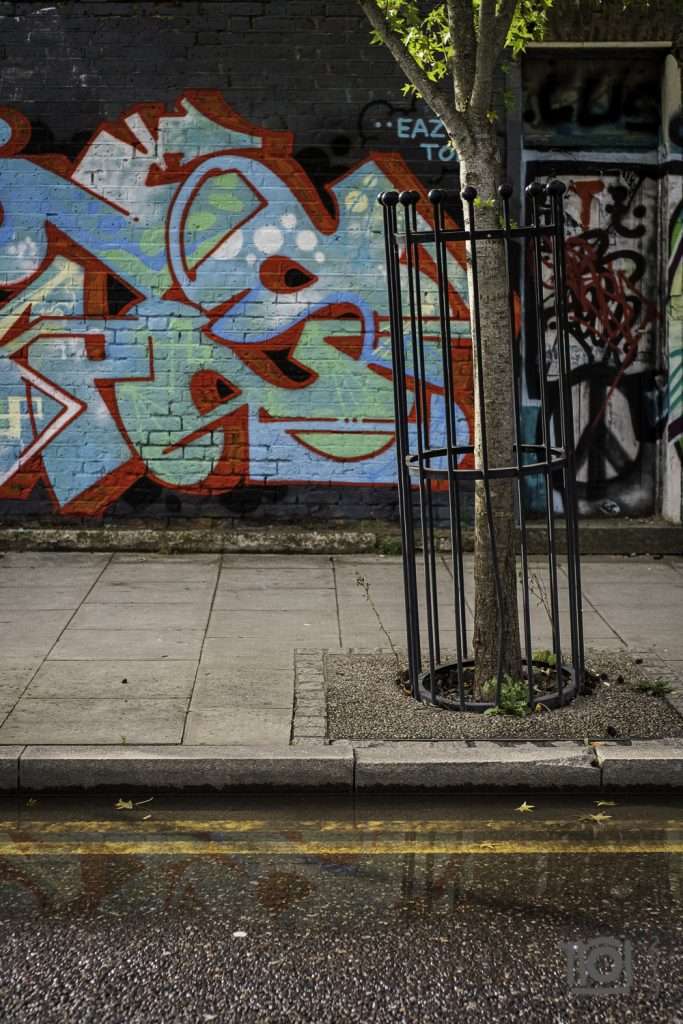
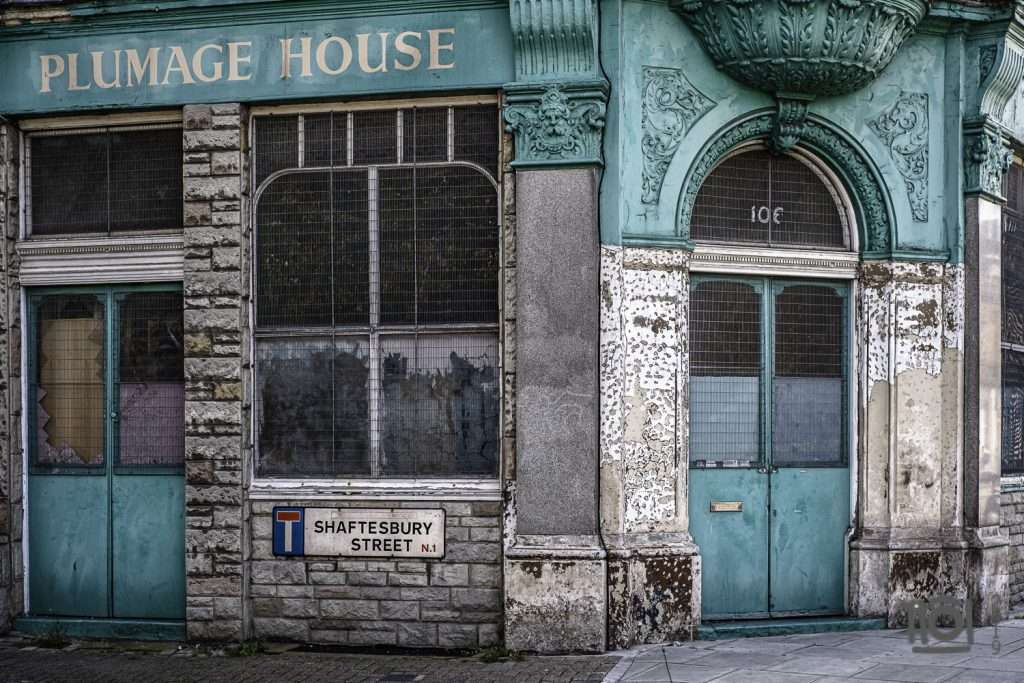
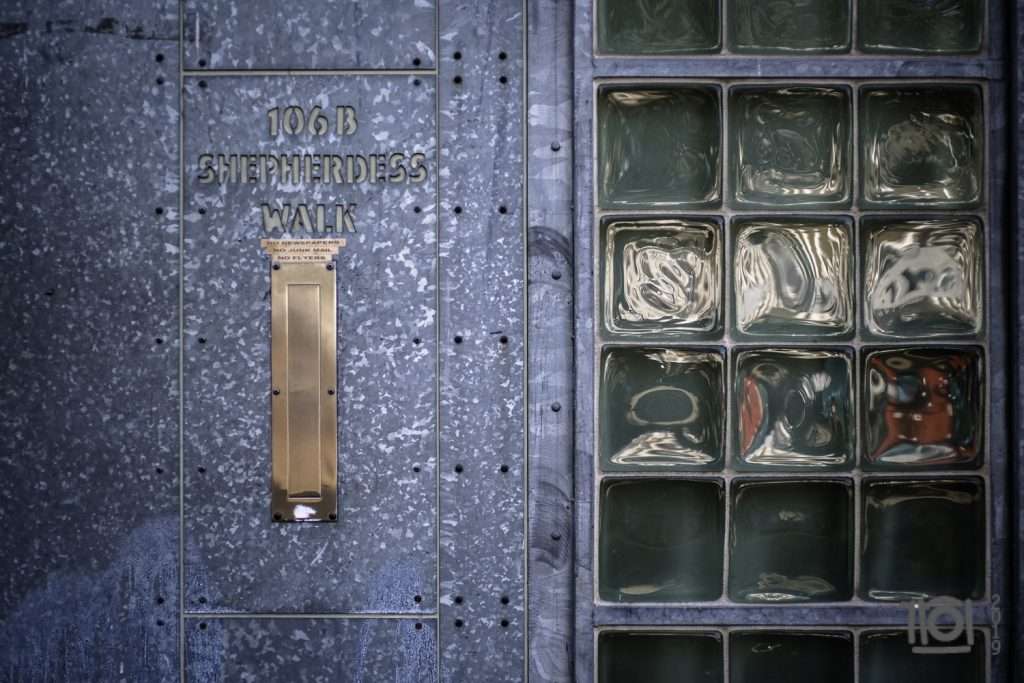
Aside from summer segueing into autumn and just around the corner, a snap into winter, little has changed. My mobile studio continues to delight and take me to any number of interesting lanes, corners, highways and byways.
On a whim, I remembered the term Industrial Archaeology the other day. It fits pretty well with what is interesting me just now. East London has other ideas. After being the working class area of the city; plagued with smoke and worse, driven from more affluent chimneys by the prevailing westerly wind, the East is now where just about everyone wants to live.
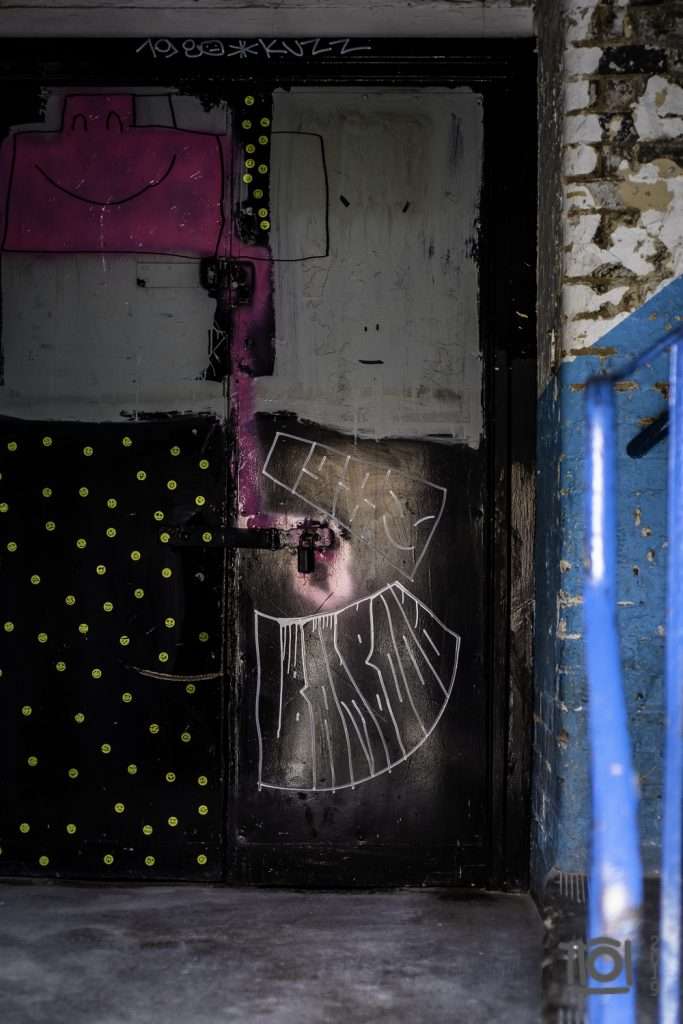
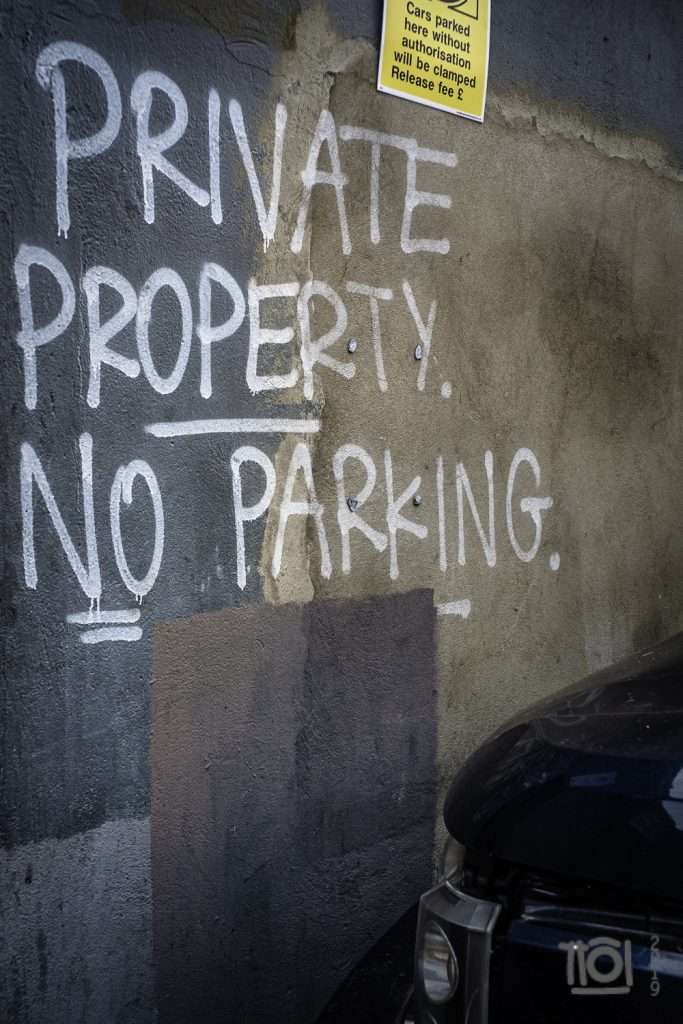
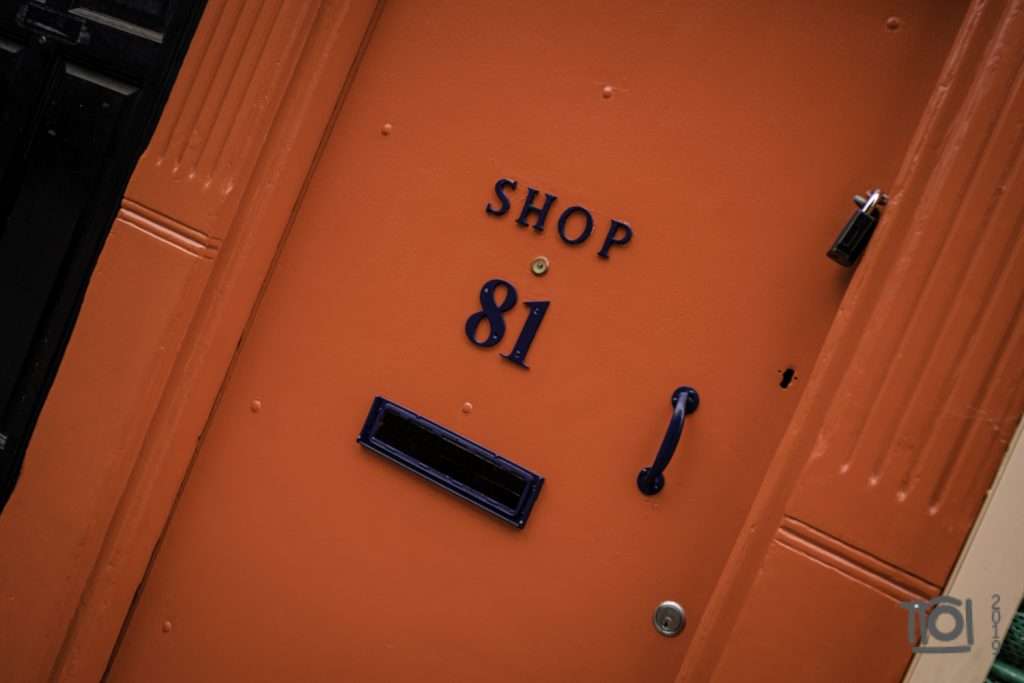
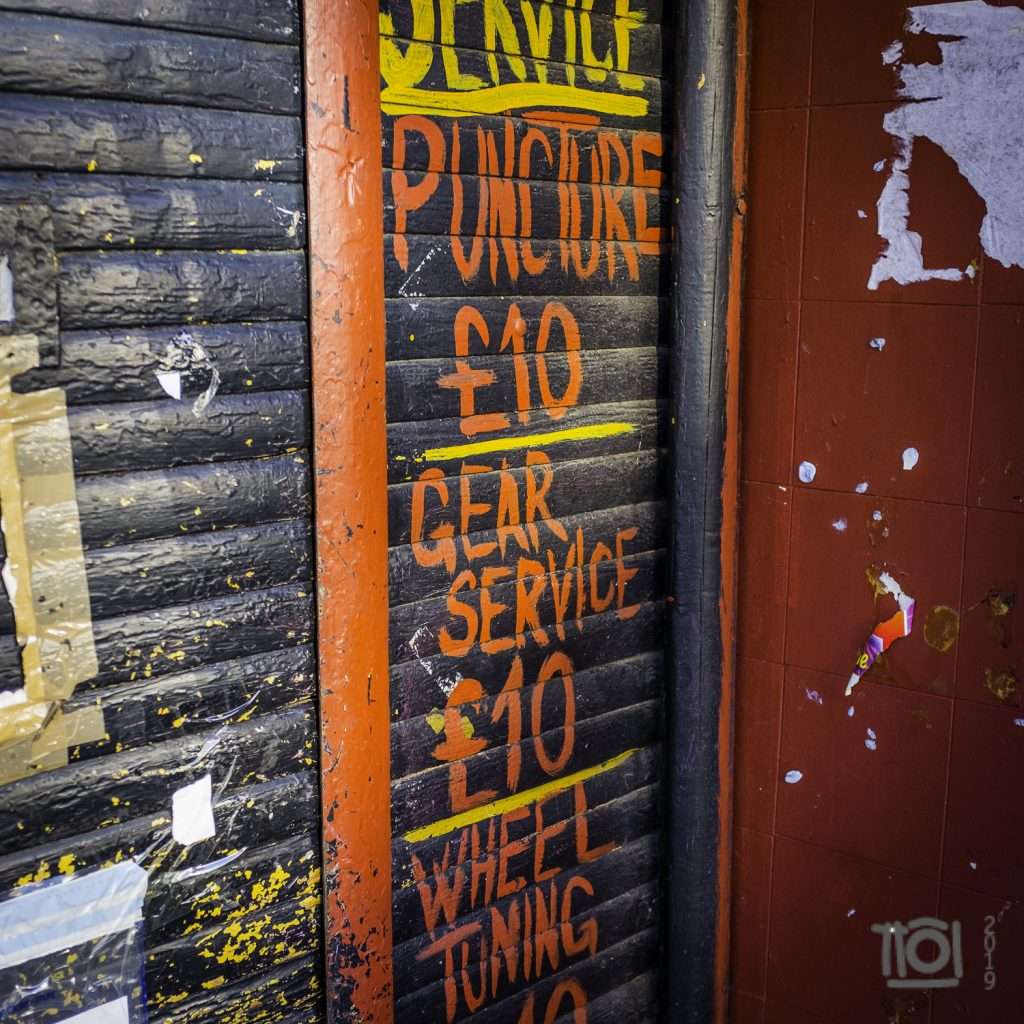
Bombing in WW2 and a shift from sea-borne freight to containerisation, left huge areas around Bow, Wapping, Limehouse and the Isle of Dogs unused and derelict. Formerly, the jewel in London’s dockland crown, these massive sites, joined by thousands of neglected and no longer viable homes, many two centuries old, have formed the foundation for what is now within reaching distance of being a completely new city. In its midst, the financial massiveness of Canary Wharf rises from the ruins of Millwall and the Isle of Dogs.
Starting afresh, sweeping away decades of neglect has taken almost every vestige of what was once the architecture and infrastructure that held everything together - such as it was.
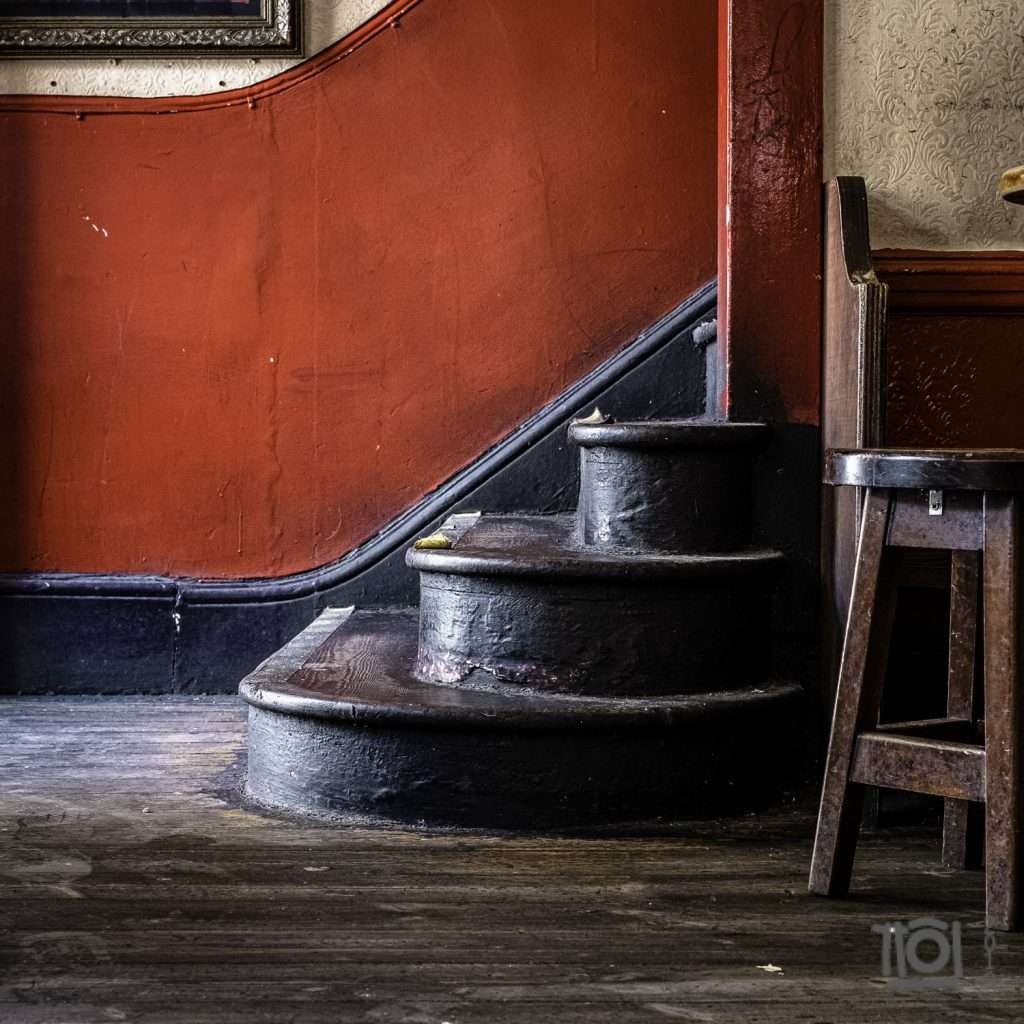

What’s left? The occasional memorial. A tiny stub of ripped up railway track, too difficult to remove and left for someone else to deal with. Just about every dock and warehouse has gone. Of Europe’s largest railway works at Stratford, where thousands of steam and diesel locomotives, carriages and goods wagons were built, there is nothing left, save a tiny plaque at one entrance into the Westgate shopping centre which has replaced it. Everything else has gone. Adjoining Westfield is London’s Olympic Park and its parkland. Clean, planned and manicured its Olympic Stadium now home to West Ham FC.
No-one in their right mind would ever want to have to lived in 19th and early 20th century East London. My surprise is that it has been eradicated so surgically.
So too, almost every other city. The standard of living of all 60-odd million people on this (relatively) tiny island has been drastically improved in recent times. The pendulum then swung back, sweeping away just about every artifact of life as it was.
A couple of days ago, a friend sent me a link to the BBC Web site and a documentary page about the Hanseatic League.
“Thousands of commuters pass through London's Cannon Street station every day. But only a few may be aware that this site once housed one of the most important trading centres in medieval Europe.”
“Behind the station on the banks of the River Thames, a street sign - Hanseatic Walk - gives a clue to the wealthy merchants who once dominated the area.”

And there lies the rub. The page goes on to investigate similar historical sites in Visby (Sweden) and Bergen (Norway). There well marked, the buildings are recognised and have been preserved. London’s contribution? A street name, the rest inconveniently close to new development plans and perhaps swept away in the name of progress.
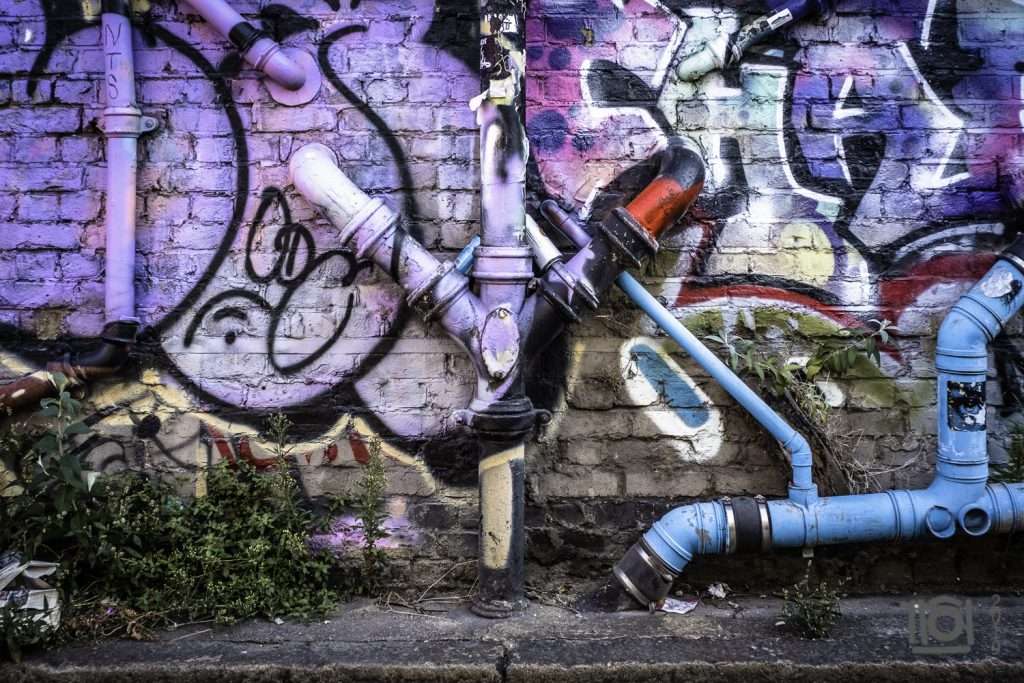
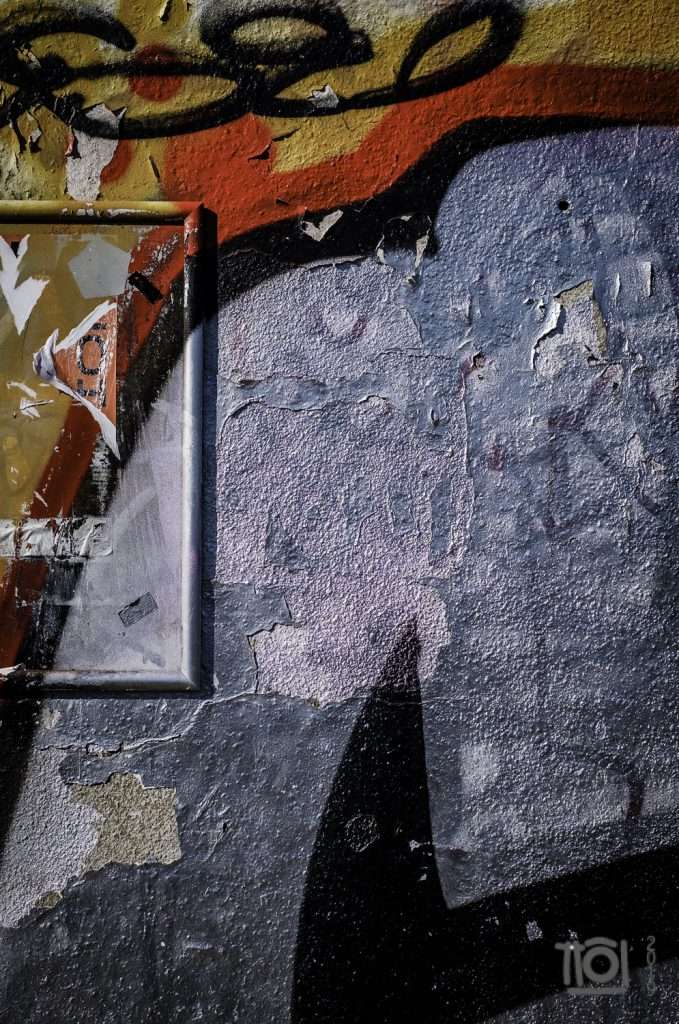
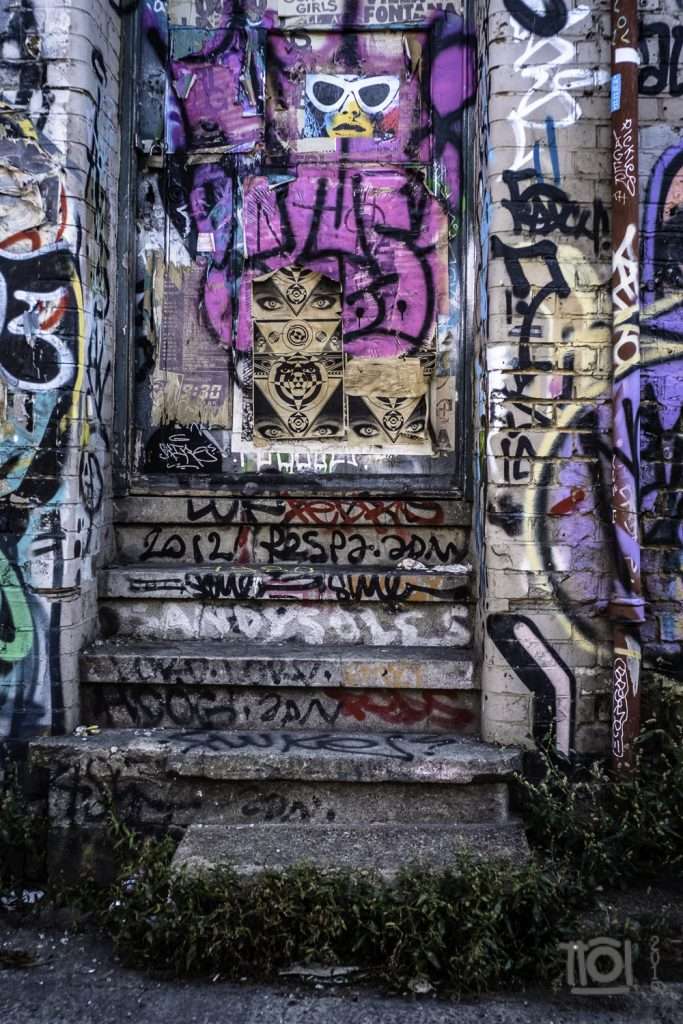
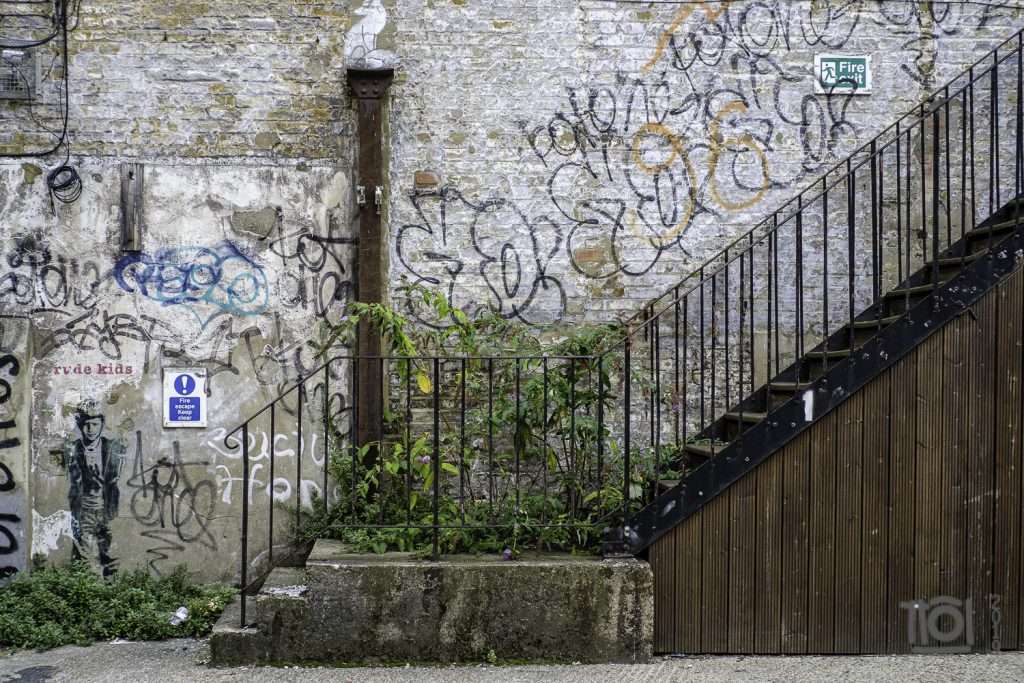
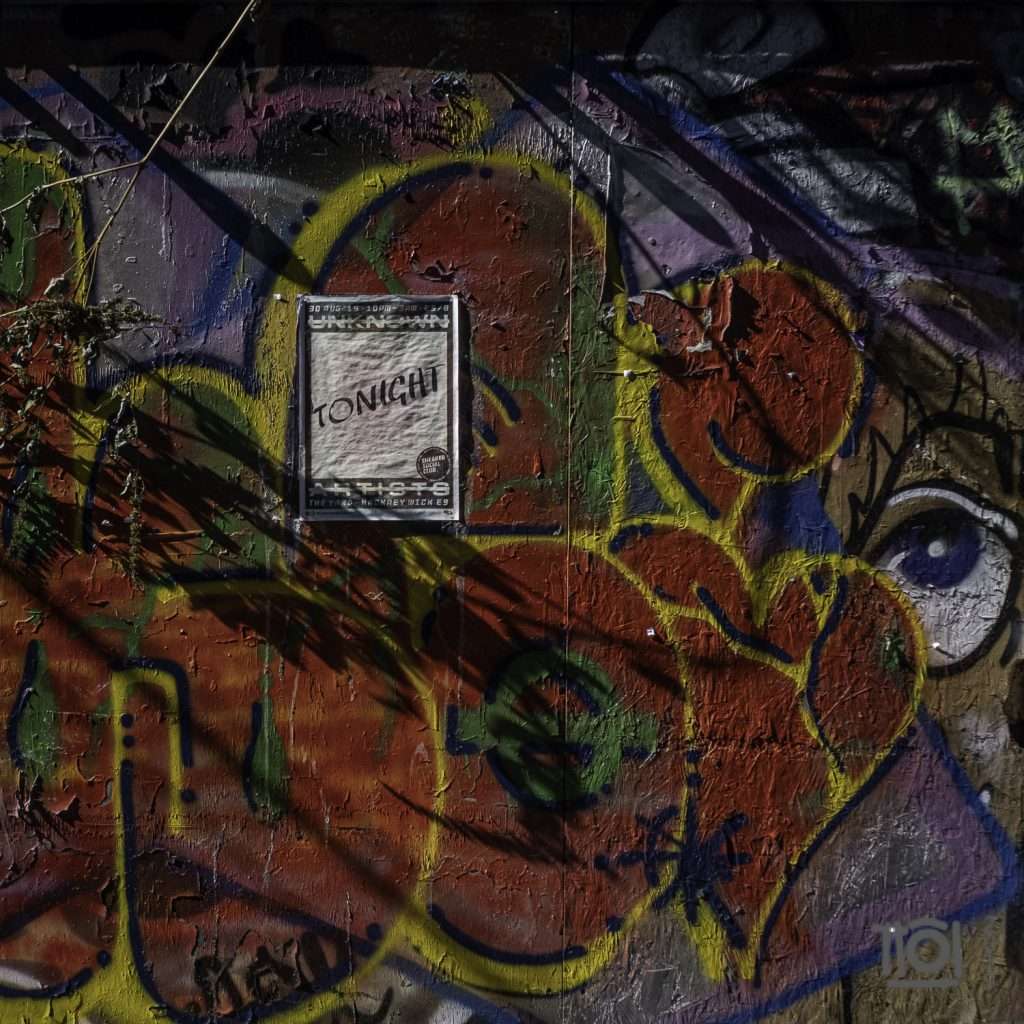
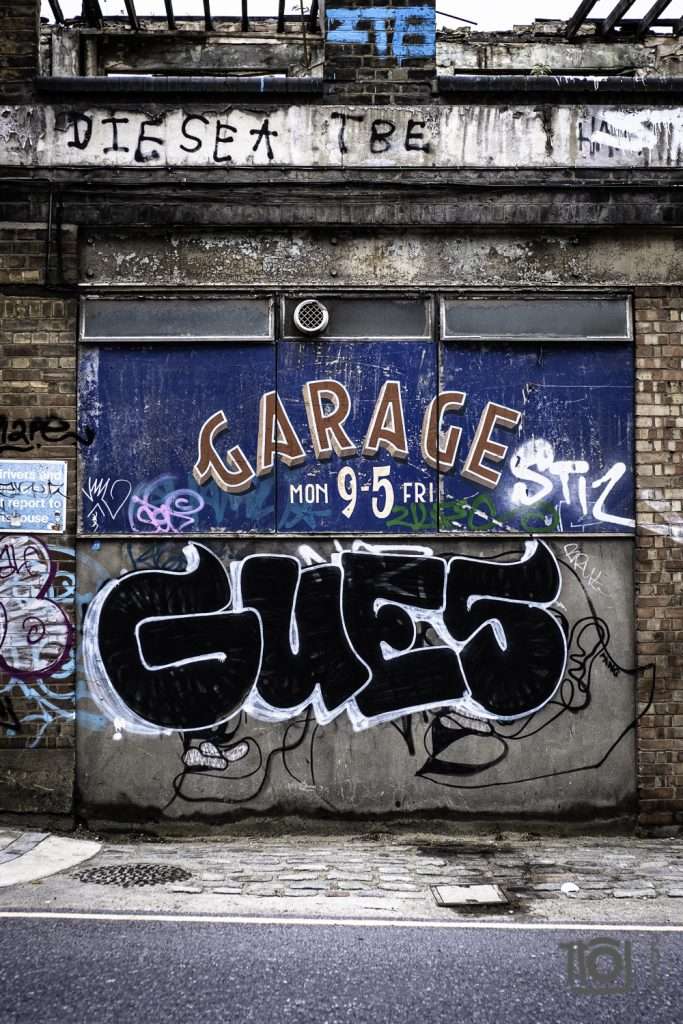
So. Industrial Archaeology. Not as easy to find as I’d imagined. I’ll keep looking. The photographic landscape isn’t as rich and varied as I might have hoped and I’m now thinking that I should perhaps develop a taste for graffiti…
--()--()--
Assembling these. images, I'm struck by how dark they look. They aren't and if anything interests you in particular, let me know and I'll send you a copy which will hopefully display more like the original.