
#884. Zeiss Otus 100. A spanner in the X1D works?
Something wasn't right. Why would Zeiss release a 100/1.4 lens when their existing 85/1.4 was already hailed by most experts as possibly the best lens ever made? The first minutes of investigations almost derailed my plans for the future.
Frankly, this overview of the lens wasn't off to a great start.
My Sony A7r2 was sold months ago, and the buyer preferred to collect it in person. Before he did, I asked Zeiss for a loaner of the new Otus 1.4/100, but none were available at the time. Eventually, the Sony was picked up. And, of course, the Otus turned up less than 24 hours later. Shiny. A great lens, and no camera to test it on.
Well, not exactly. My X1D has a Nikon adapter ring and the Otus is in ZF.2 mount.
Still, the otherwise exceptional Otus 85 didn't cover the sensor and vignetting always felt like a step too far in the hassle direction. In all honesty, when its younger 1.4/100 brother finally made its appearance on my doorstep, I really didn't care anymore.
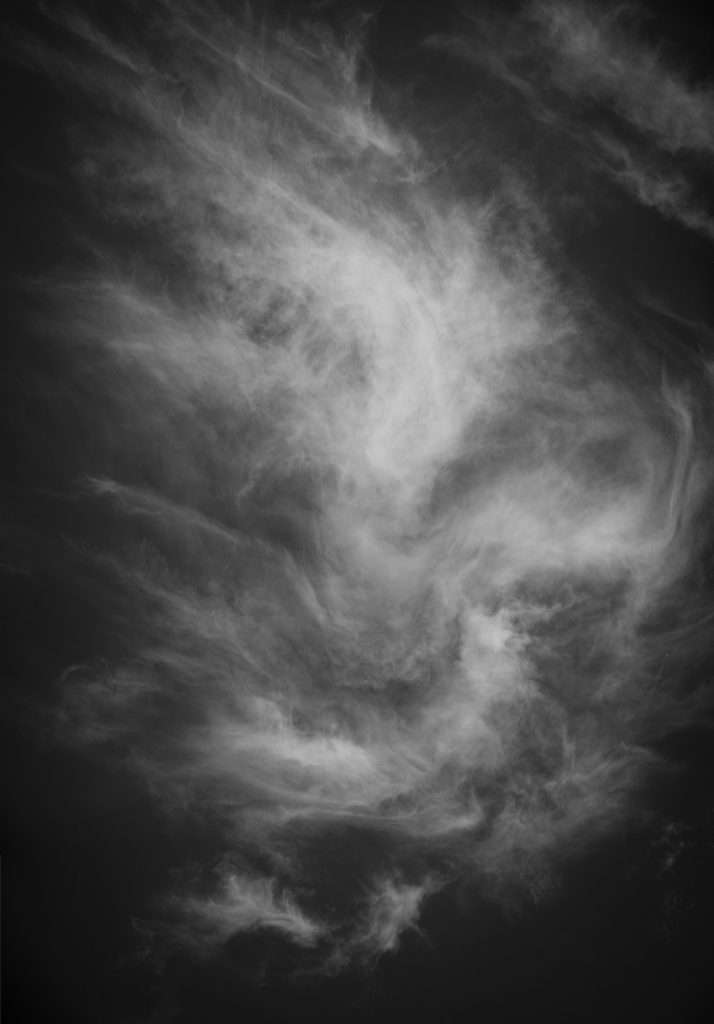
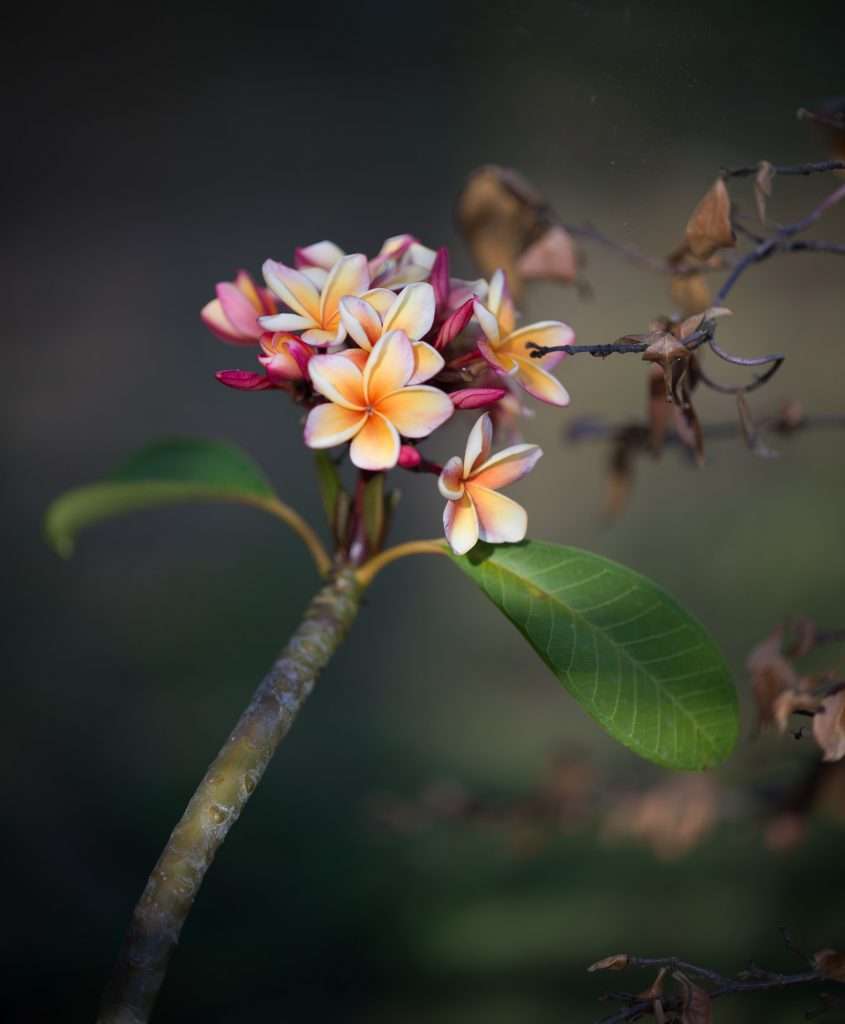
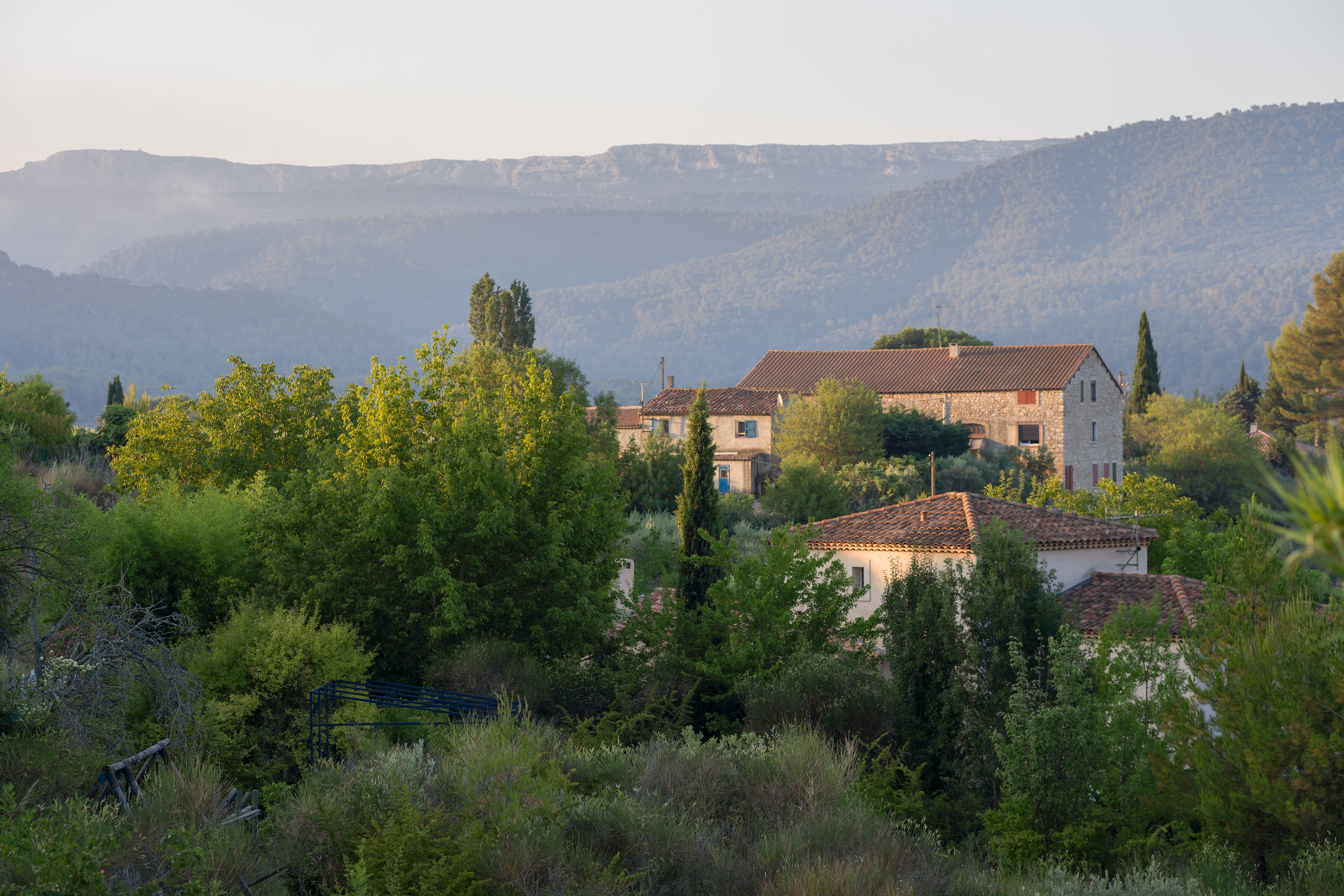
And then, this happened. The very first test shot, SOOC save for some slight cropping and very slight brightening, is the first image on this page. Gob profoundly smacked.
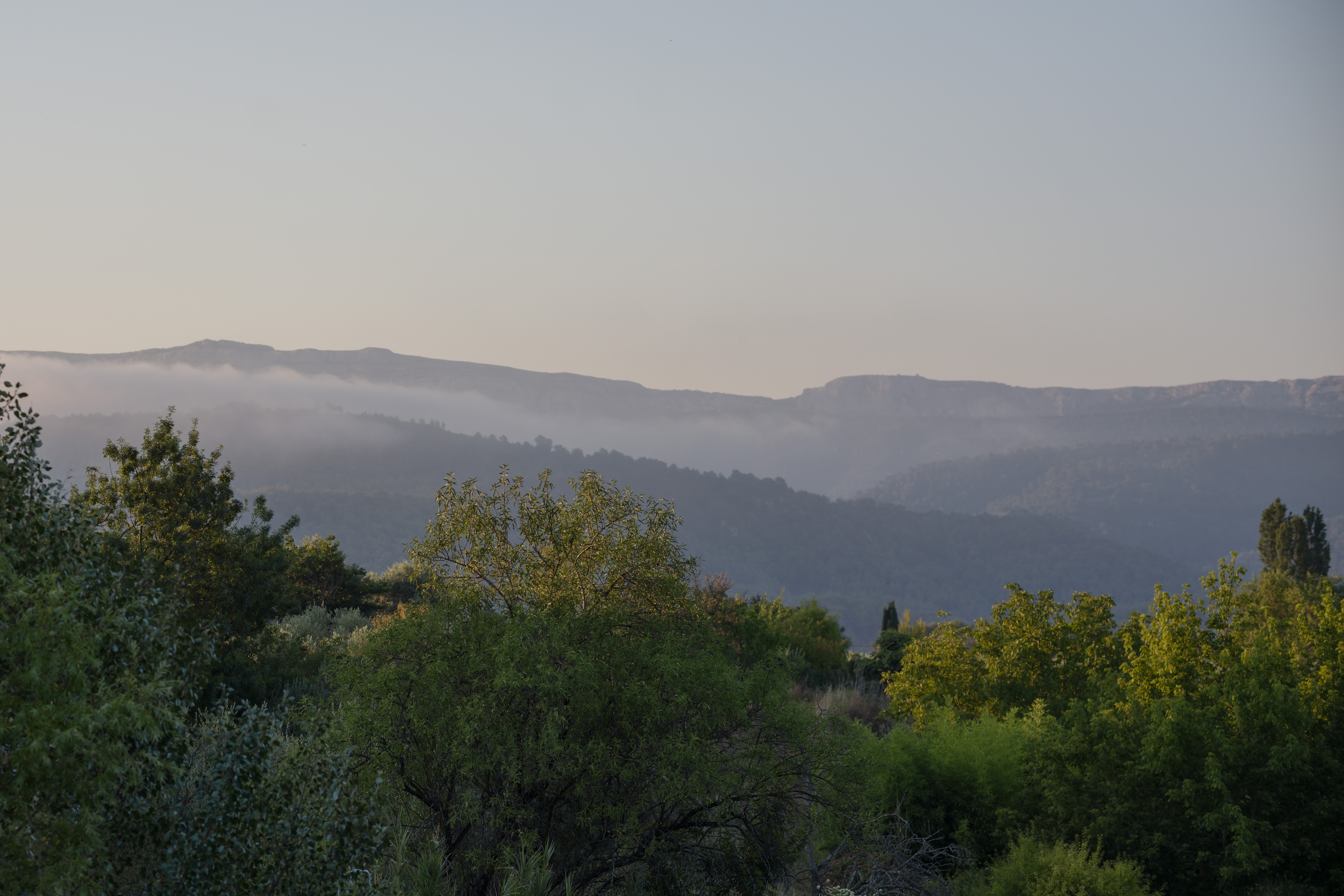
Minutes later, still very much in wha'ever mode, prior to viewing the images, I took the second pic on this page, a pano made from 3 frames, in which I can swear I see 3D in the clouds (in Lightroom).
Seeking a reality check, I sent 3 photographs to compadre in crime Philippe and his first-impressions verdict paralleled mine in the most alarming way possible: "Heavens! This is the best of Hubert and Audrey combined" (translation: Hubert is our codename for the Otus 85 and Audrey our codename for the wunderbar Distagon 1.4/35 ZM, possibly my favourite lens ever).
Ouch.
This is not a review of the lens. There are probably many good ones out there, and it would be quite unprofessional of me to position this post as a review, given that I no longer even own a camera for which the Otus was designed.
So, rather than enumerate the absence of any detectable technical flaw and bask in the sexyness of the MTF, I will try to convey to subjective differences with the Otus 85 and the general rendering of the 100.
But let's get something out of the way first.
When the lens was announced, I asked Zeiss whether this was a way for the company to dip its toes in small medium-format territory, given that other Oti don't cover the format and that the niche segment seems to be growing with both some pros and quite a few amateurs. Both contacts denied any interest in 44x33 cameras.
Is that the case, though?
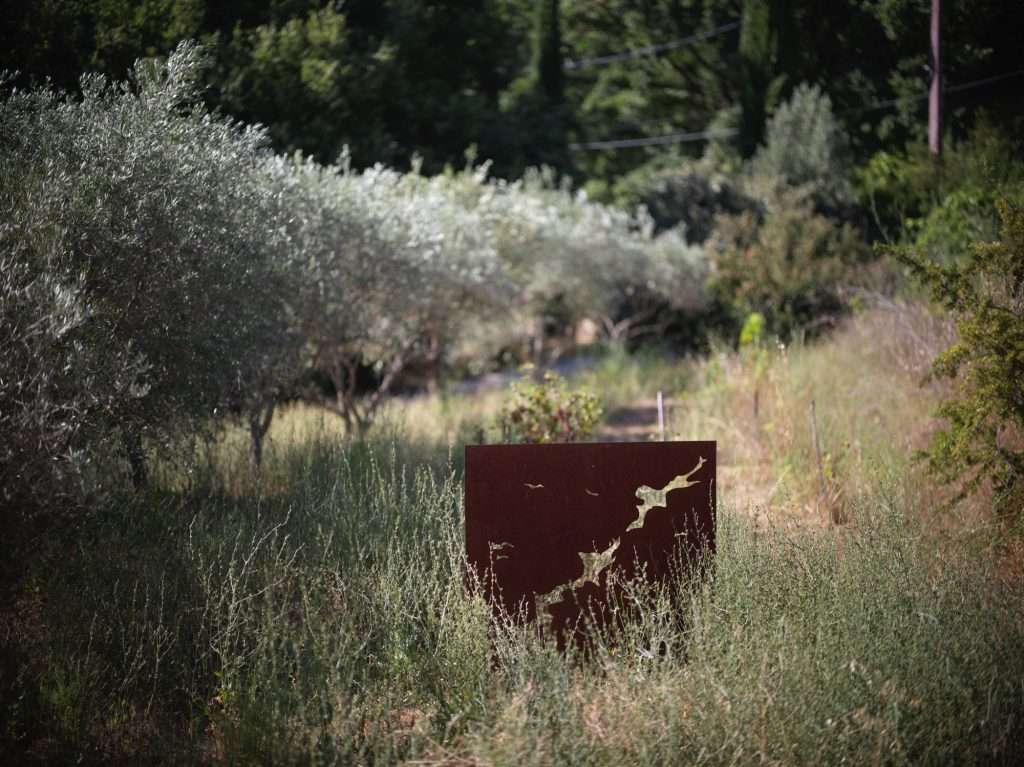
Here's a lacklustre shot of my unkempt back garden. F:1.4 at longish distances. Conditions where the Otus 85 broke down (on the X1D, that is) and my reason for selling it.
While there seems to be some magenta in the corners (see the post at upper right), the image is very impressive. 3D is phenomenal, corners could be improved, but a minor crop would sort that. The transition between sharp and blurry is lovely. And this is a worst case scenario.
If this is all by accident, the Otus 100 is one heck of a lottery ticket for the small medium format market (heck, someone please find a better name for 44x33).
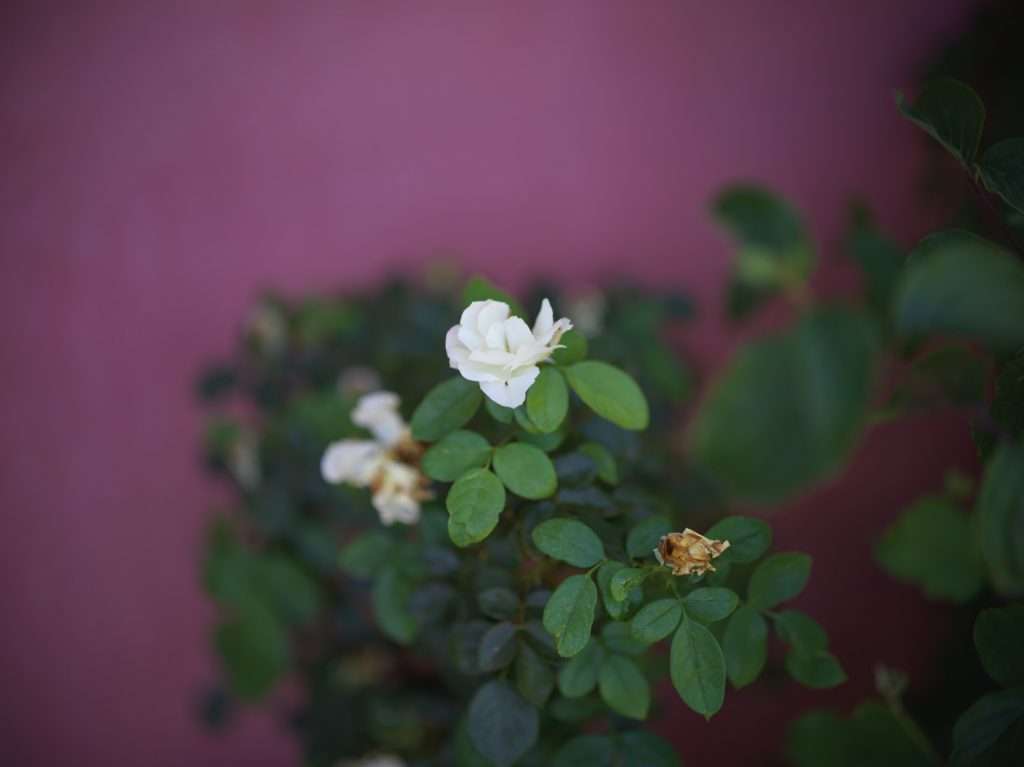
5 minutes into the review, 5 keepers. Trouble.
Close ups
One of my greatest joys with the Otus 85 was to use a 20mm extension ring to turn it into a roughly 1:1 macro lens. Objective performance dropped significantly but did so with such beauty that the resulting images were inimitable, particularly in black and white.
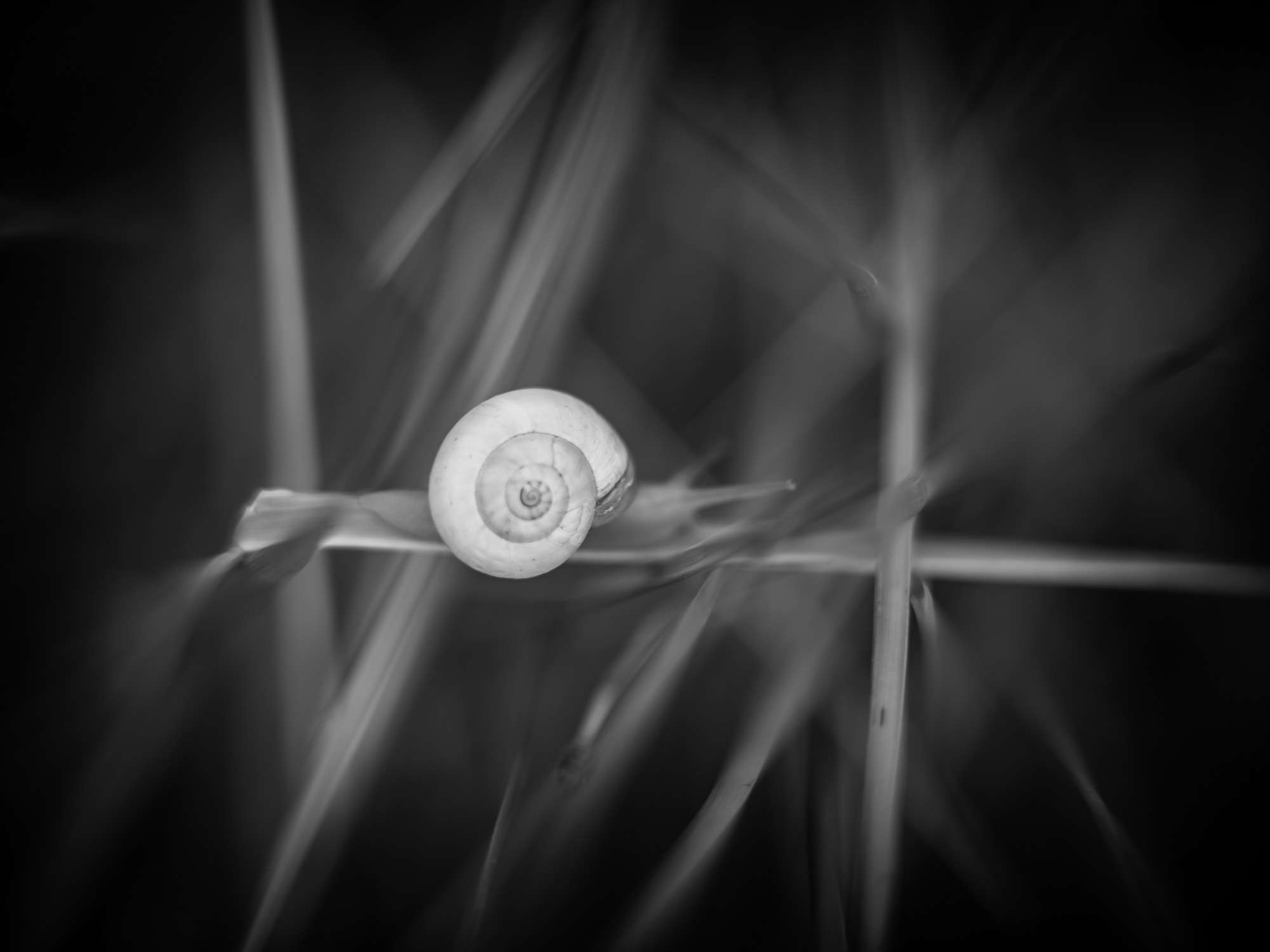
With the Otus 100, the same ring only provides a (roughly) 1:2 enlargement and the wild visual effects are equally subdued. It can still create very poetic images, as that of this snail above, though not quite as outlandish as its older brother.

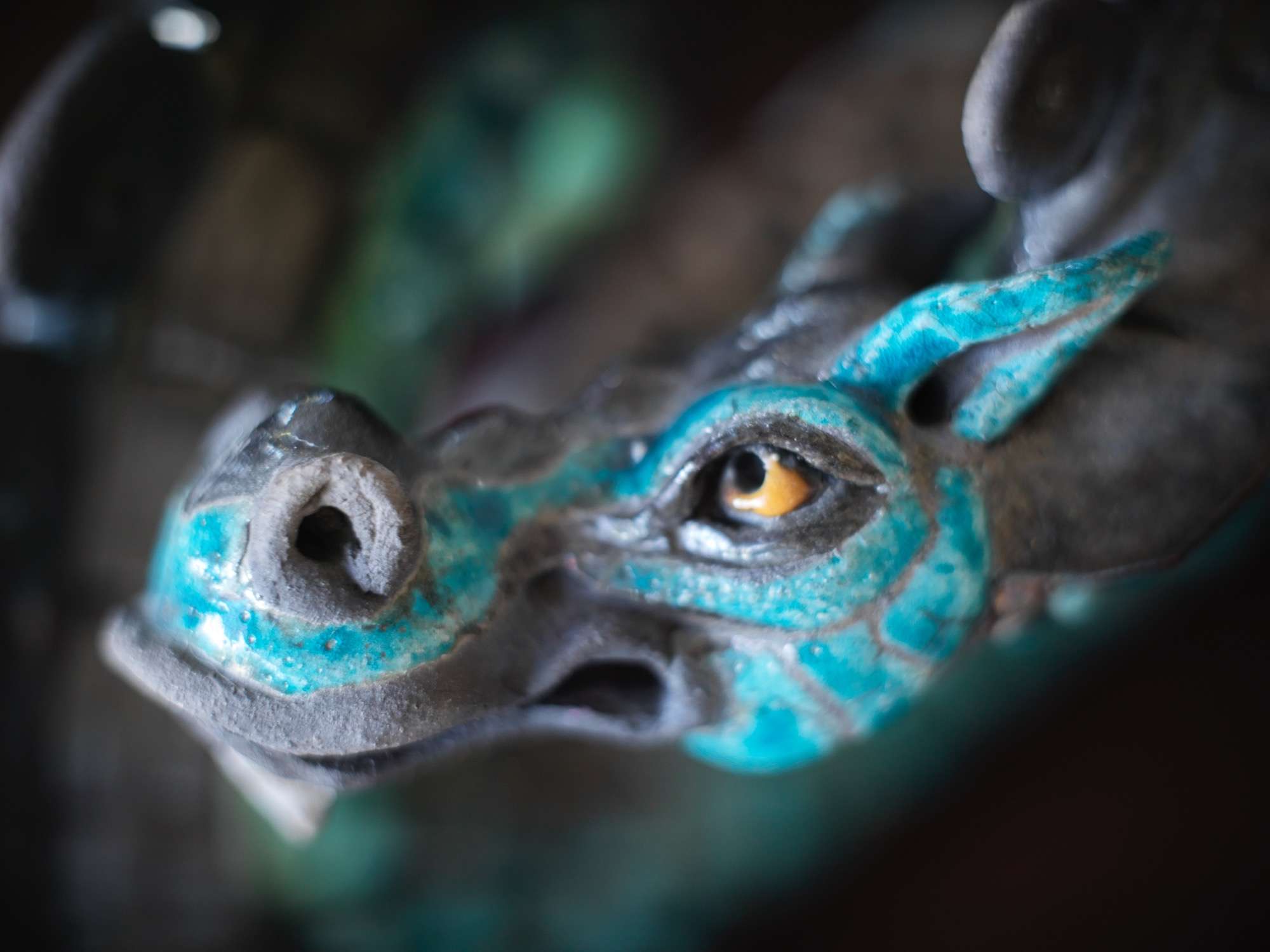
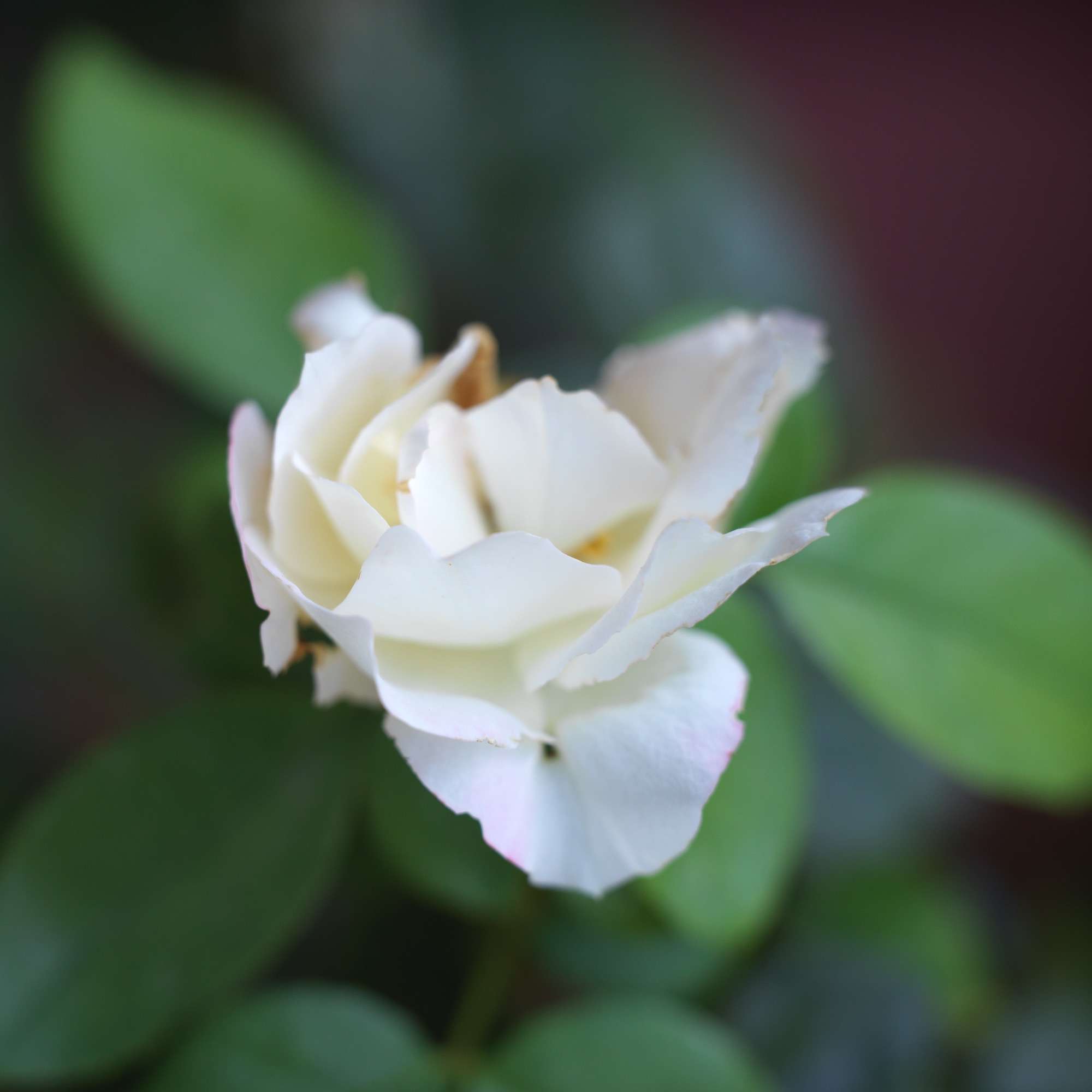
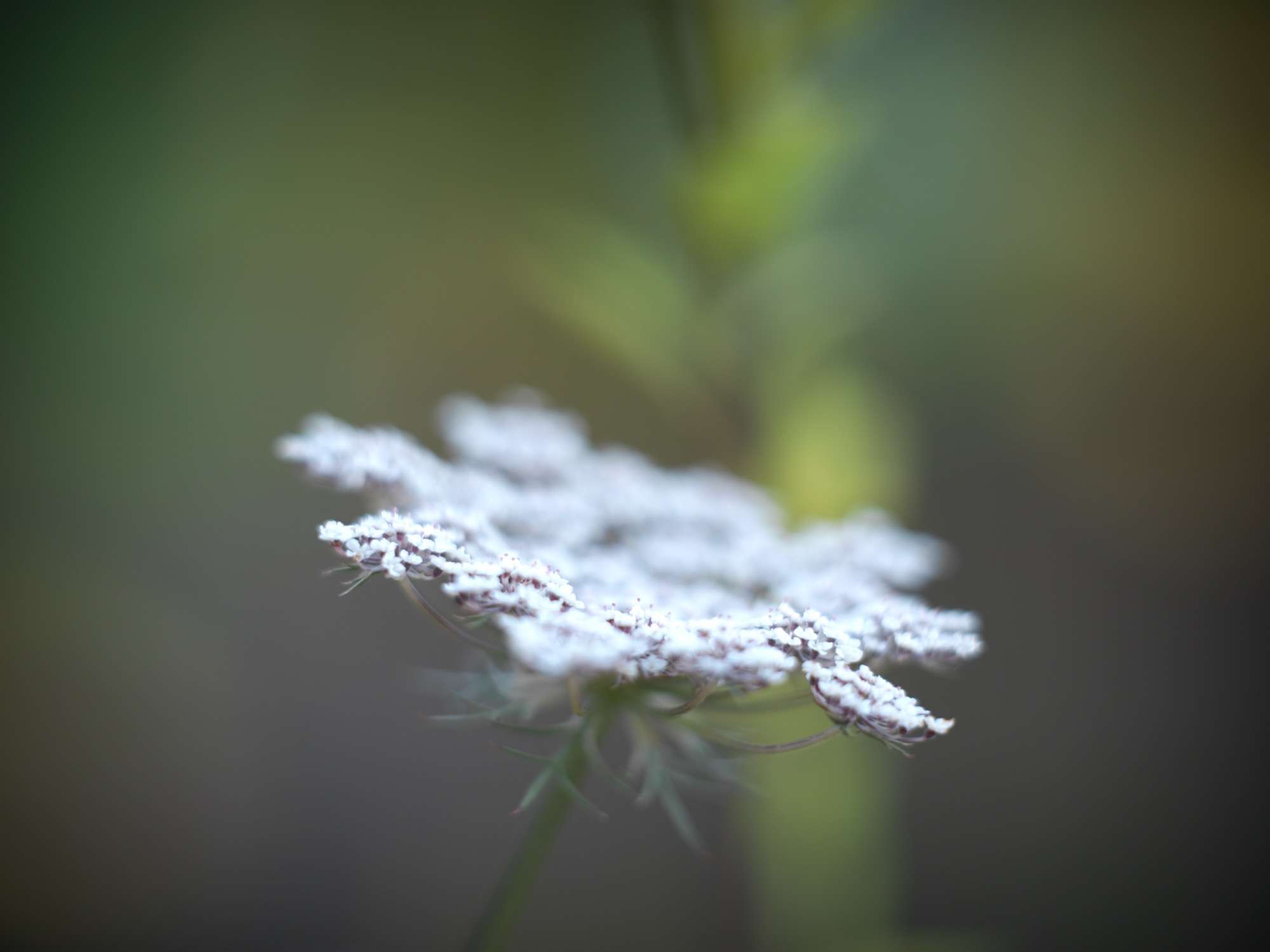
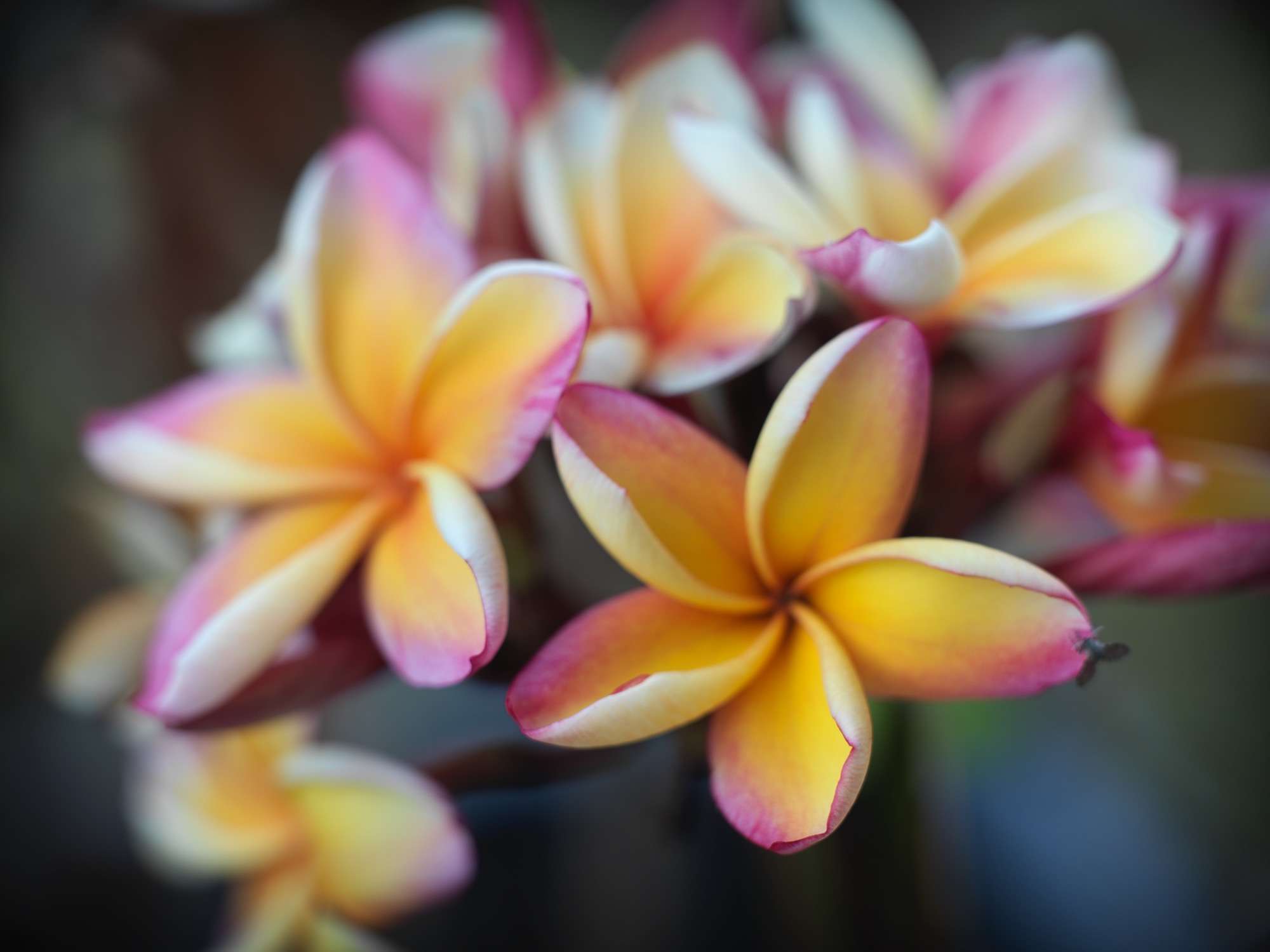
I can't hold it against the lens, it was never designed for this purpose.
In truth, the images produced by the Otus 100 in those conditions are very good. But the setup just feels a little too middle of the road to me. Neither as dedicated and sharp as a true macro lens, nor as out-of-comfort-zone-ly expressive as the Otus 85. To me, this makes it a tiny bit less interesting than either in this configuration.
Rendering = Audrey + Hubert?
This new Otus really feels very neutral, when it comes to rendering. At infinity, or tied unnaturally close to its subject by an extension ring, the Otus 100 displays a mix of well dosed contrast, very gentle and soft bokeh, and very smooth transitions from sharp to unsharp. There are no bumps, no lack of smoothness, nothing to detract from the original scene.

Only you can know whether that's what you are looking for or not. The lens feels essentially perfect whatever the situation. And that might well be its only drawback in my mind.
The good news with neutral lenses is that they give you tremendous freedom with PP. And the b&w photographs this Otus 100 creates are just gorgeous.

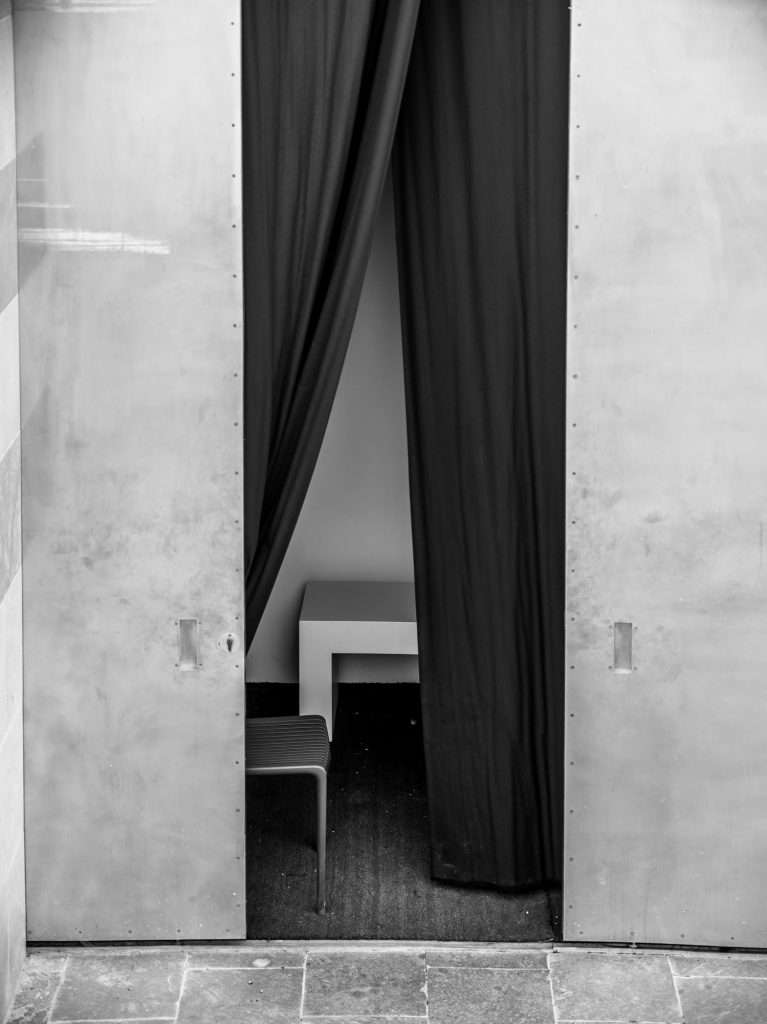
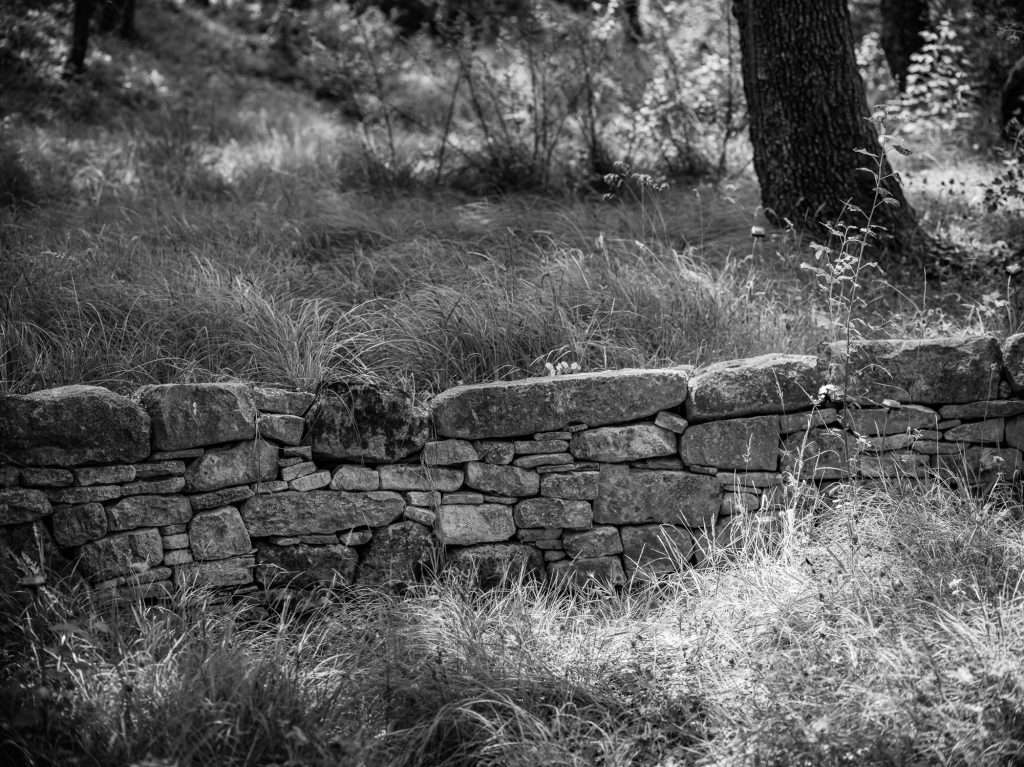
The Audrey (gentle, subtle and more beautiful than life) + Hubert (3D monster, strong arm) equation came to mind during the first minutes of testing because of the very immersive 3D this lens provides.
Now, though, I'm not so sure.
To me the Otus 100 is more neutral than either Audrey (Distagon 1.4/35 ZM) or Hubert (Otus 85). If fact, in my very limited tenure, it gave me the impression than there are 2 rendering clans in the Otus family: the 28 and the 85 on the one hand, and the 50 and 100 on the other. The first two feel more exuberant. The second pair feels slightly more neutral and well-behaved. If anything, the Otus 100 feels more like the extension of the Loxia 25/85 vibe, more than the extension of Audrey.
Exploring the sweet spot
This is inevitably very subjective. But this lens seems to particularly shine at mid distances.
The photograph below was made at f/4. It's really hard to fault.
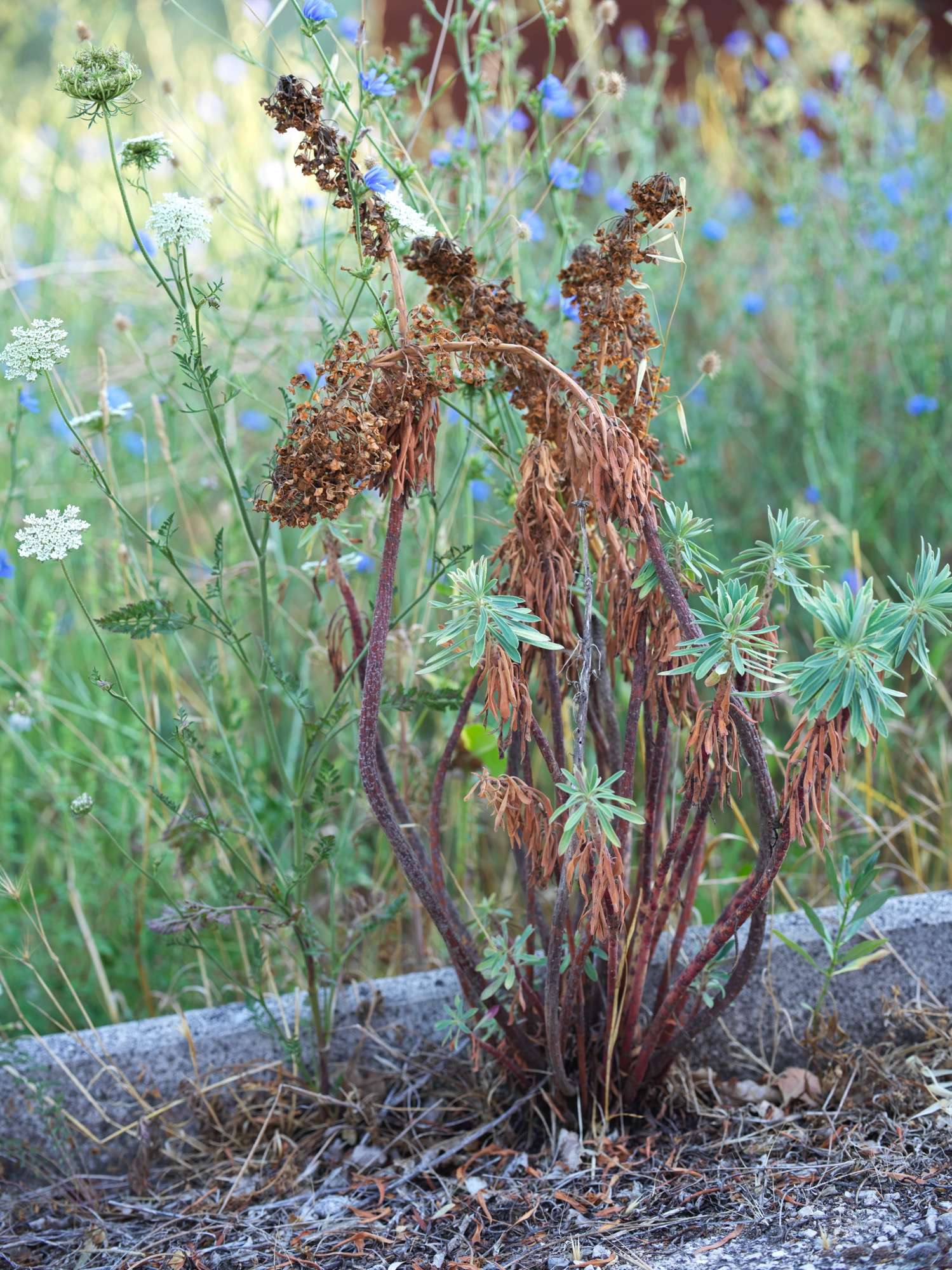
It's both exceptionally sharp (see 100% enlargement below) and gentle in the background. The colours are lovely. Bokeh is essentially perfect here, with enough information to provide a setting (you could blur it a lot more if you want to) but a very gaussian loss of information. Essentially perfect.
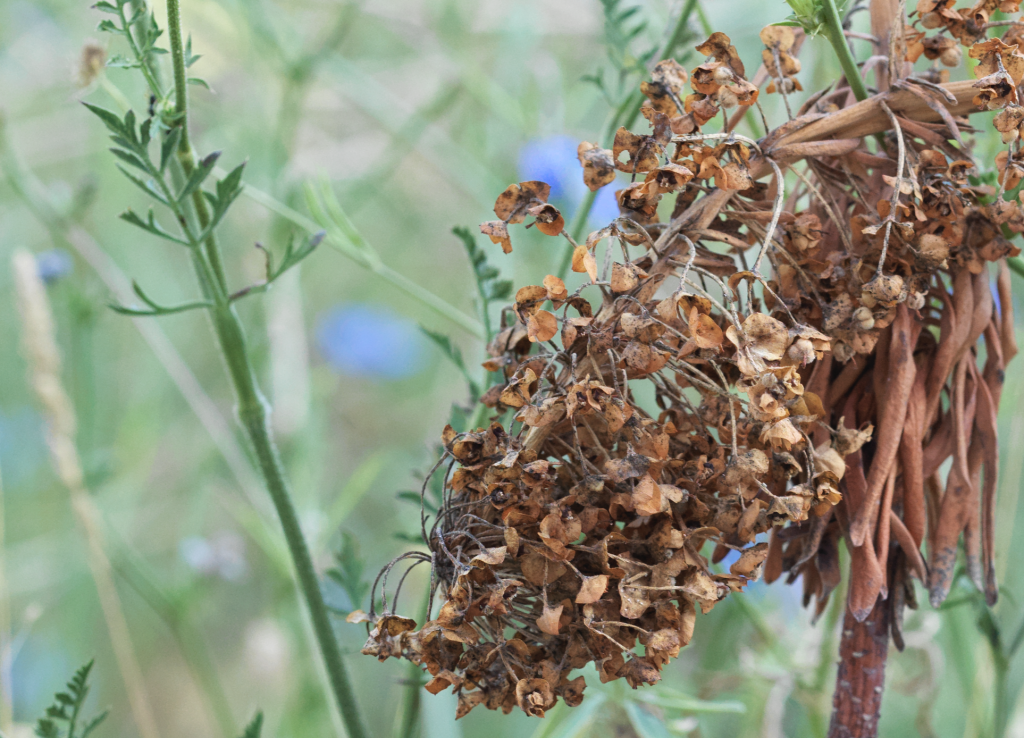
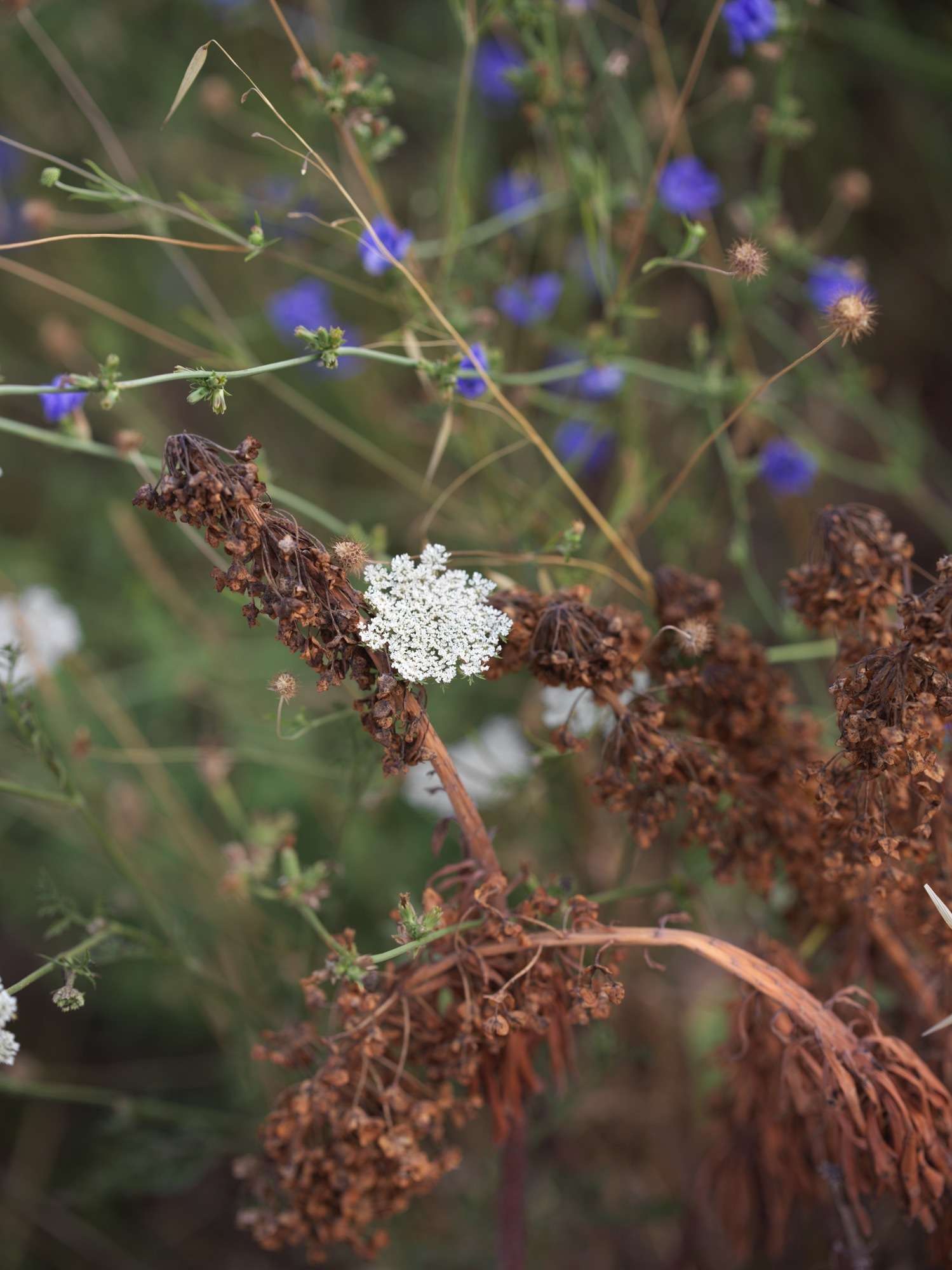
The Otus 100 retains those characteristics closer up and at longer distances. It's entirely a matter of taste whether that's what you are looking for in a landscape lens or in product photography. It's hard to imagine anyone disappointed at either end of the spectrum.
But I still feel it is in a portrait context, at mid apertures that it lifts itself from technically excellent to absolutely magical. If there's a better portrait lens out there, please send me one for review :) Here's an aperture series (f/1.4, f/2.8, f/4, f/8) with my daughter continuing to model for me when needed (although prices are rising, it used to be a cake, now it's a full meal in a snazzy place. Girls ...)
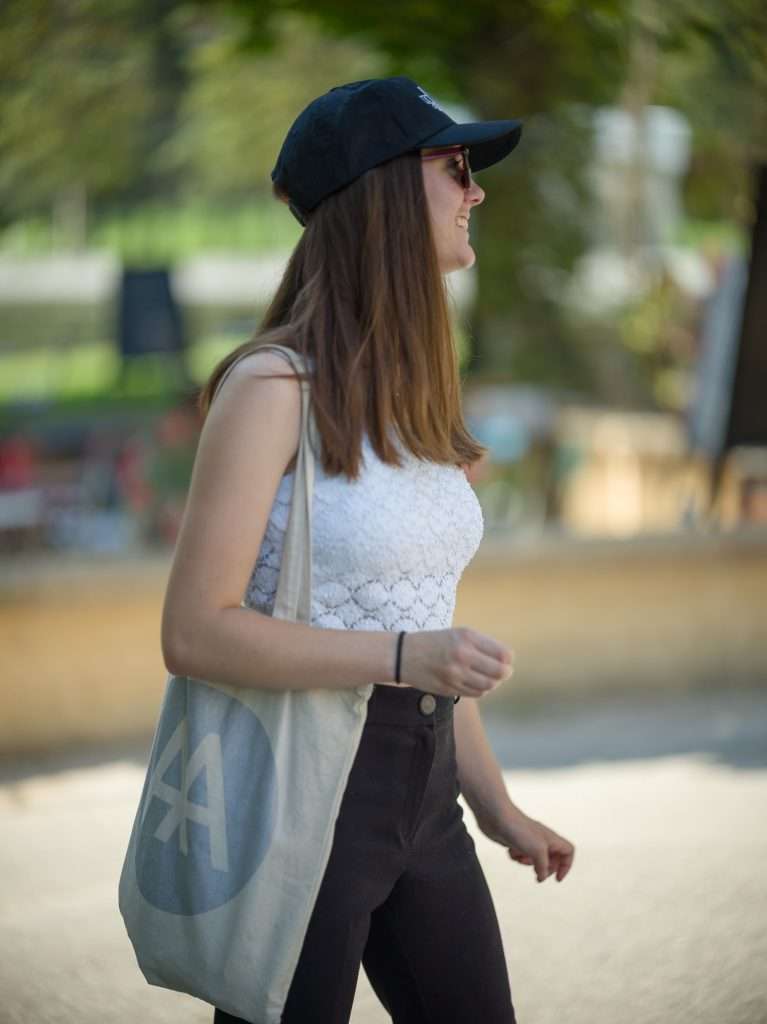
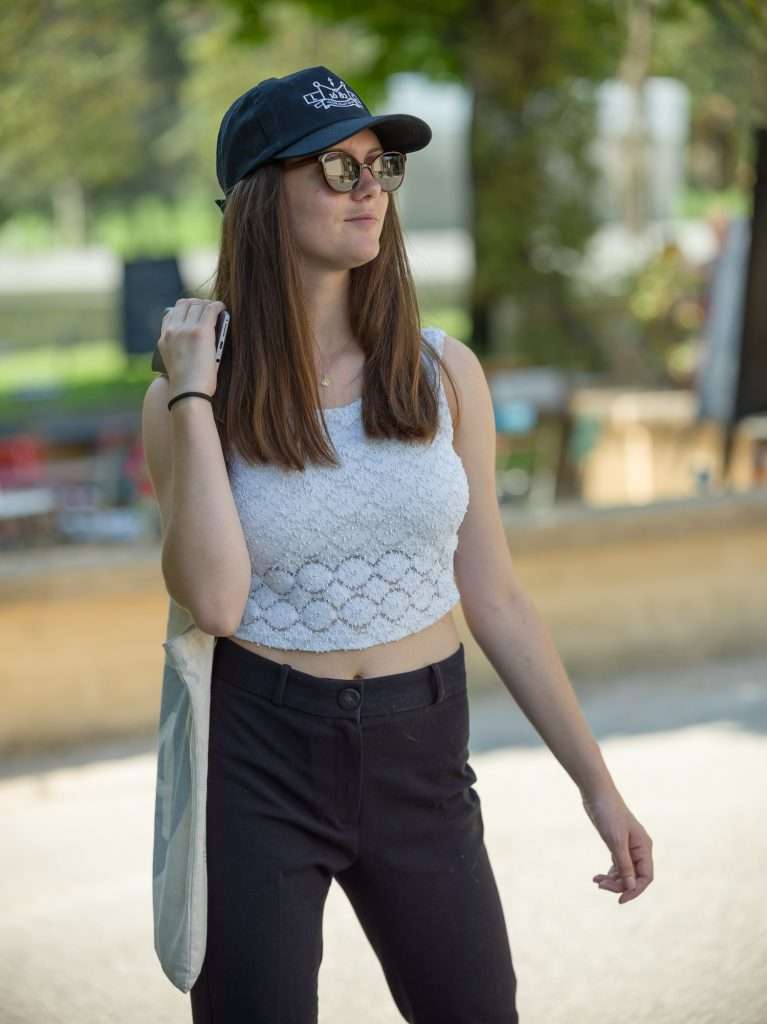

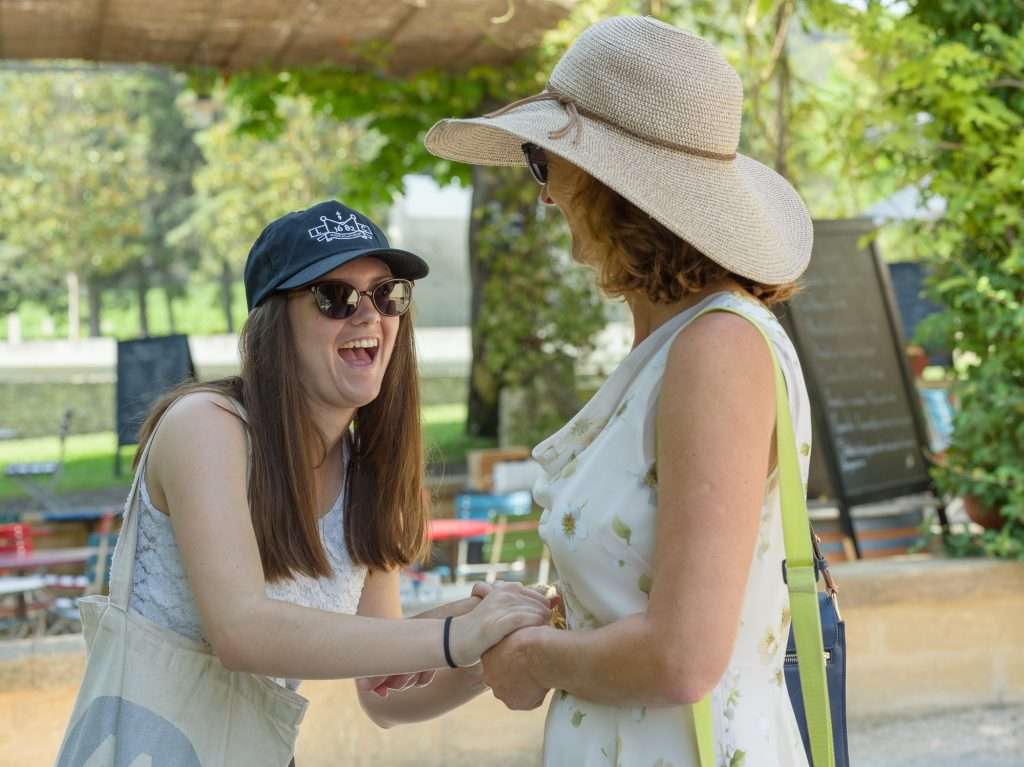
Would you guess this lens wasn't designed for this format??? It's just gorgeous as a portrait lens. And the extra bonus on the larger sensor is that you get more visible swirl in the bokeh (for those who like that). In a lens that, to me, feels a little too clean for its own good, this is fun and very lovely.
To me, and this is a personal statement, the Otus 100 is first and foremost a portrait lens. And, even though it is technically perfect at f/1.4, it really looks stunning and alive from f/2.8, f/4 and up to f/8. If mid-distance, mid-aperture is your thing, you'll be hard pressed to find a better lens.
Astro-compatible?
For all its might and talent, the Otus 85 couldn't be recommended for Astro photography. It suffered quite heavily from coma, which turned stars in the corners into little origami birds. Even if you're not doing scientific observations, this can soon look ugly. Here's a sample, taken from the extreme bottom-right corner :
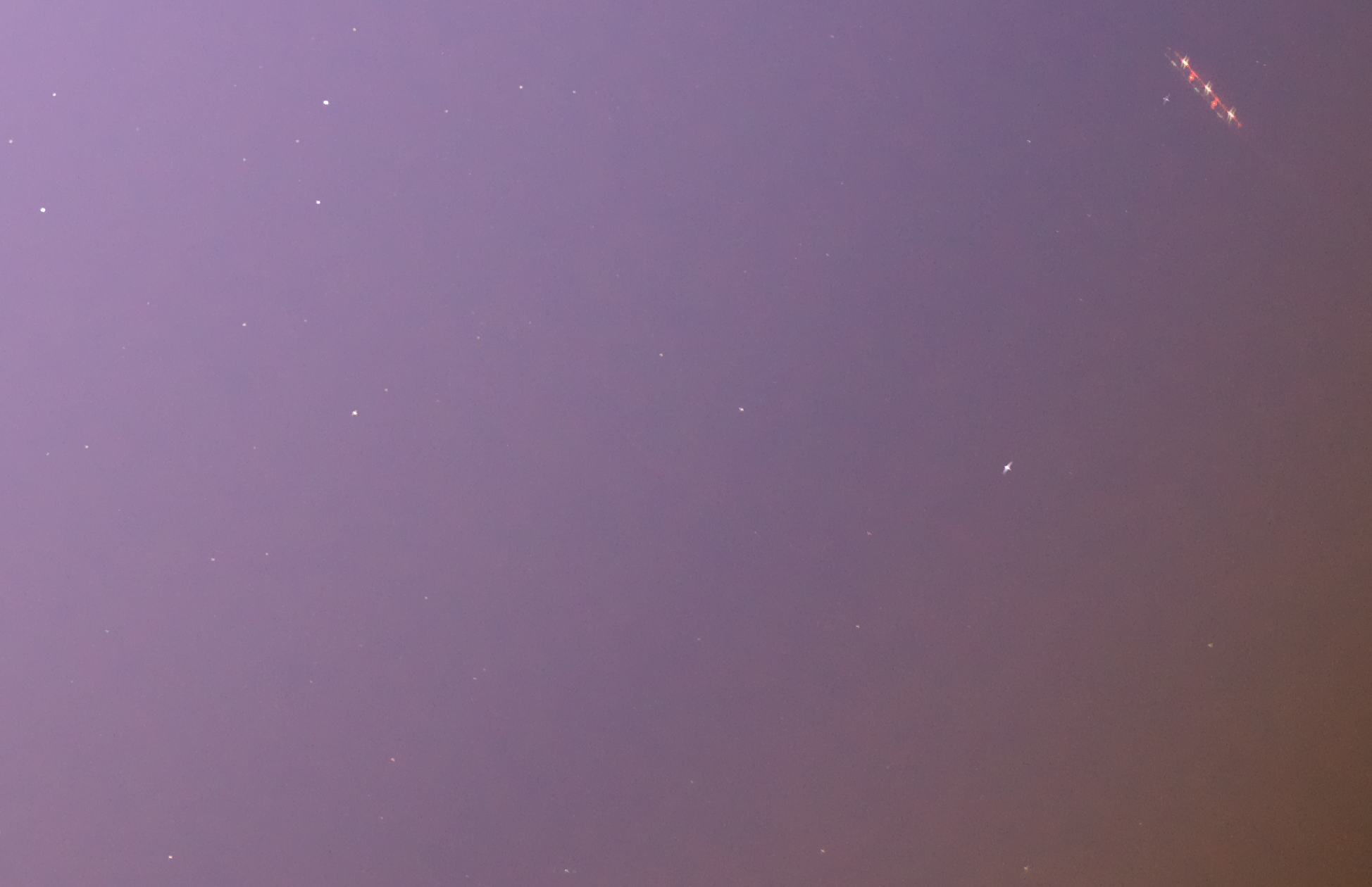
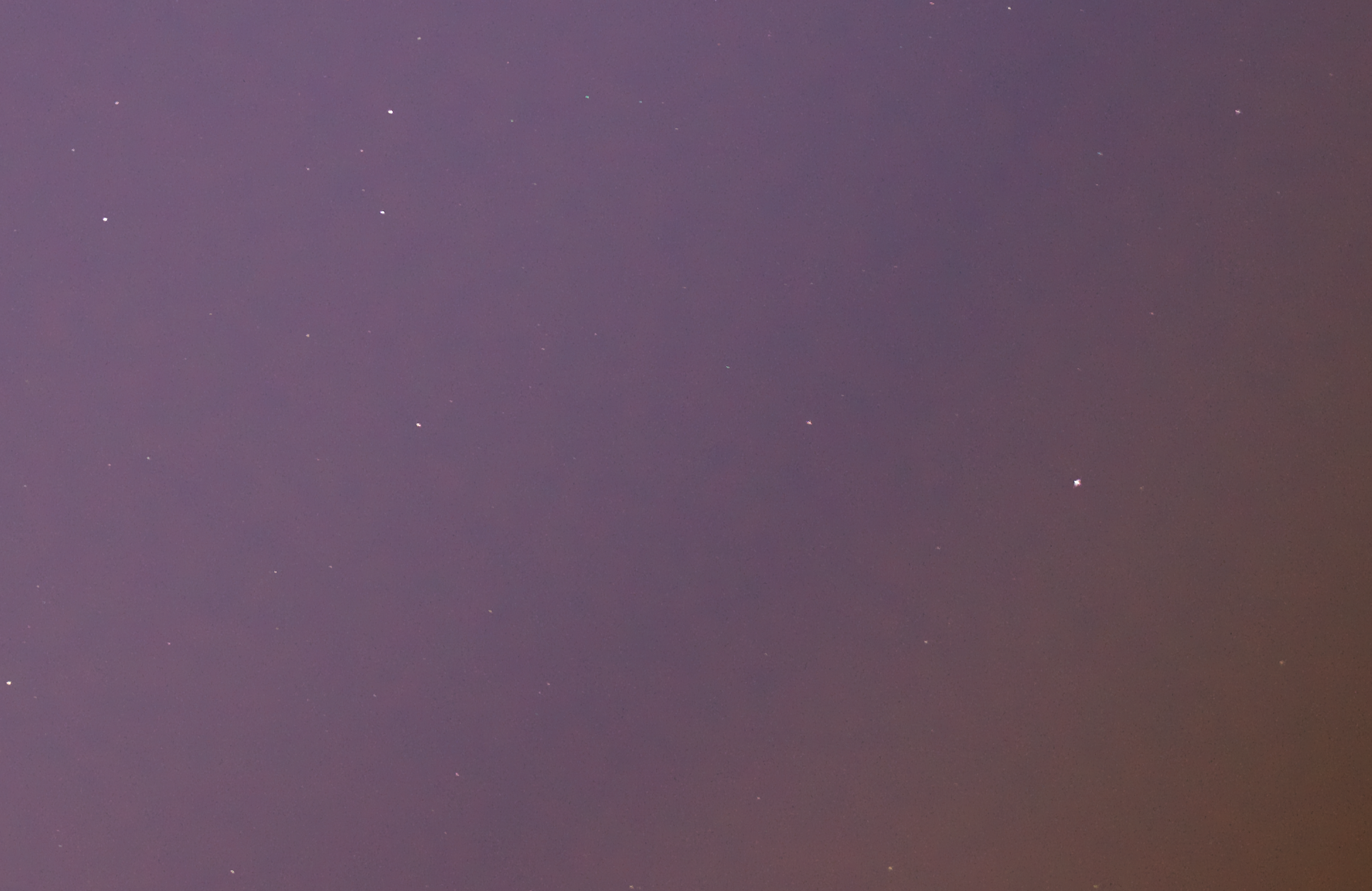
Is the Otus 100 corrected differently? Here's the exact same field.
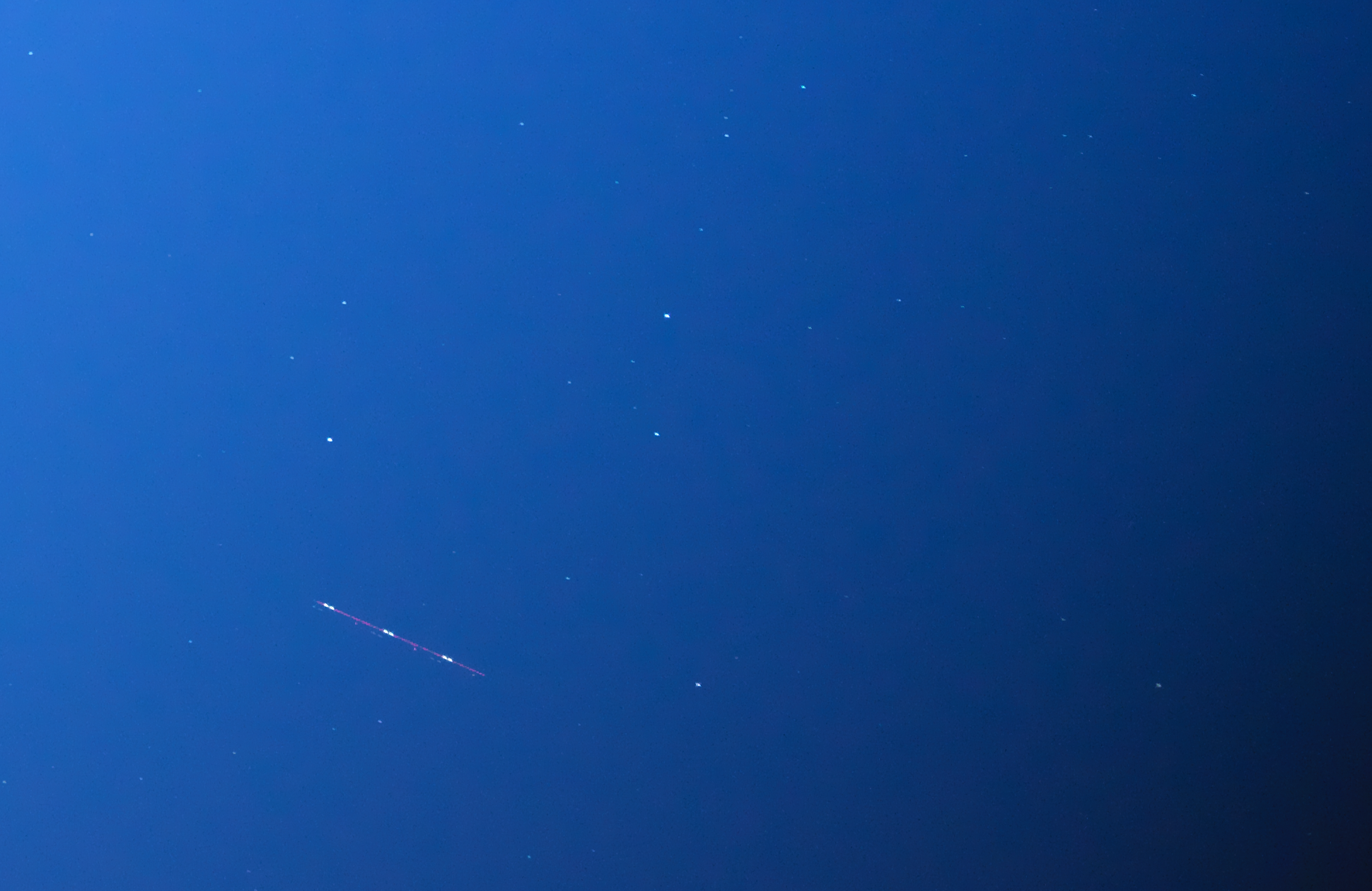
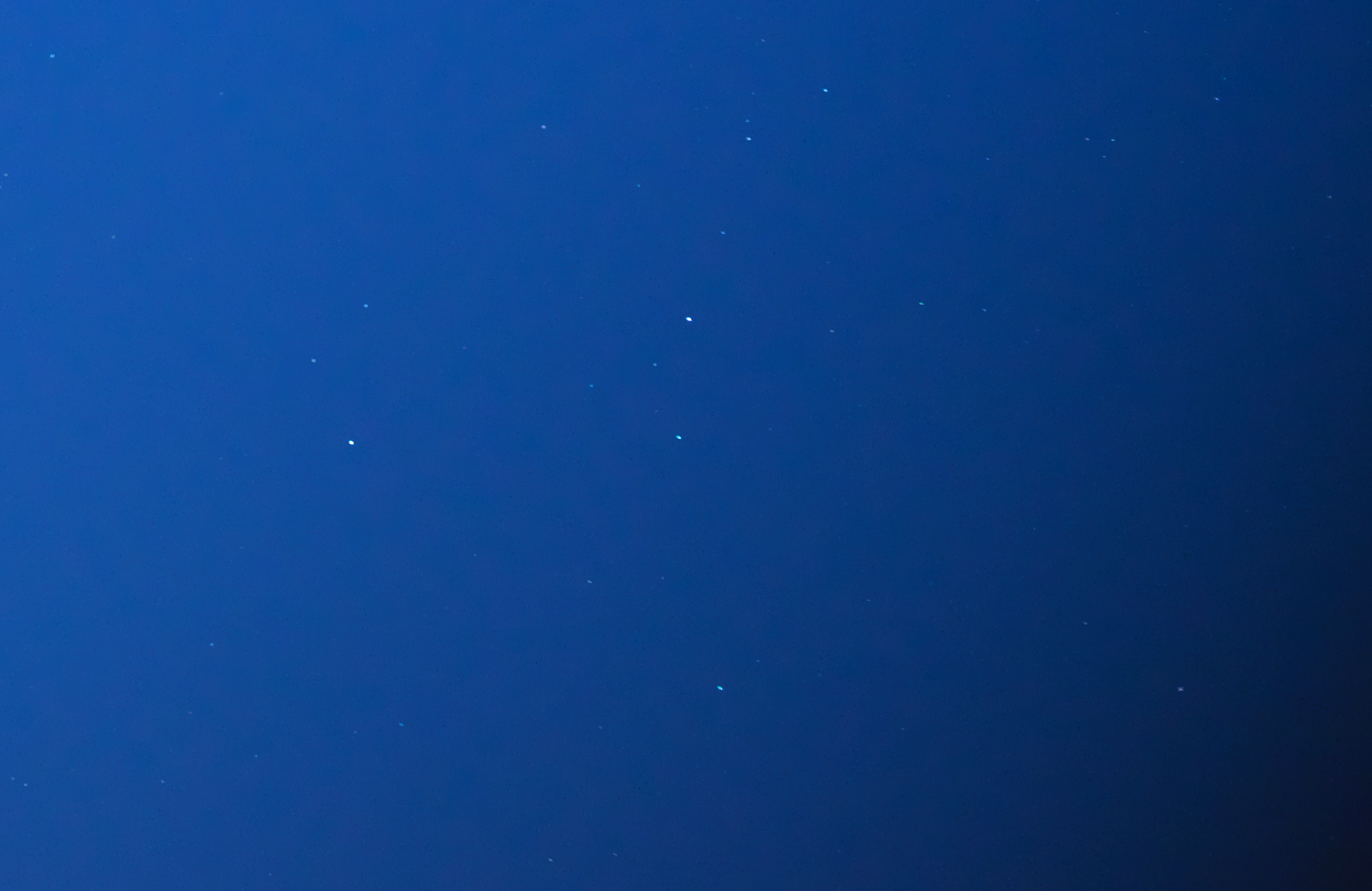
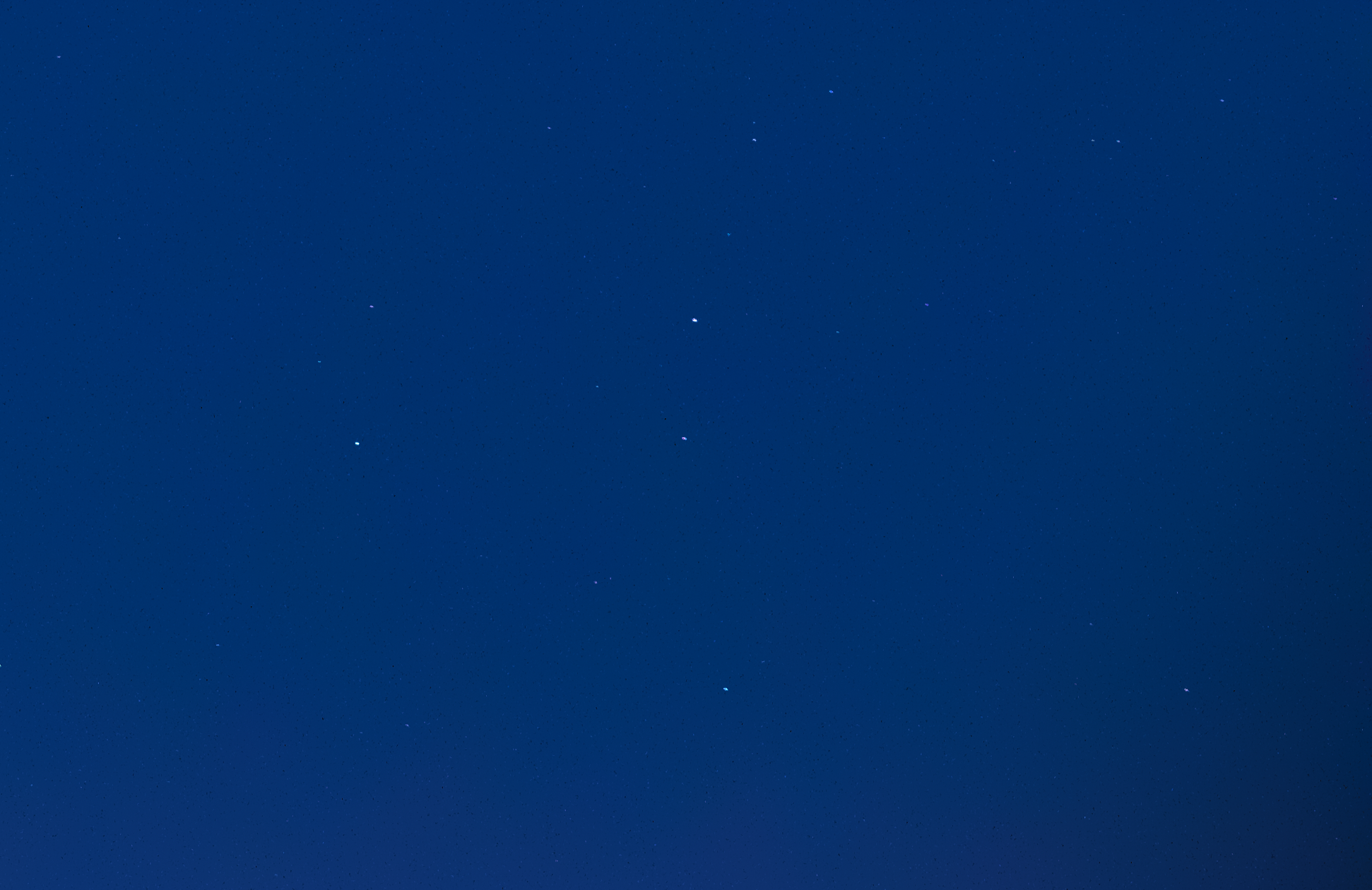
Three things to note:
- The colour balance is systematically very different between the two lenses and the Otus 100 is undeniably the more accurate one.
- Coma is better corrected on the Otus 100, even at f/1.4, even in the extreme corner pixels of a larger format than it was designed for. Not perfect, but full frame astrophotographers would probably be very happy with this lens.
- The third shot, at f/8, is pushed 2 stops in PP. For all you shadow hunters out there who love to take black pics and push them hard in post processing, this is the best I could do. Not only won't Phocus let me go more than 2 steps (I wonder why :D ) but some black pixels are appearing in the photograph, indicating that the camera doesn't enjoy it much.
Compared to ...
There's no point in judging the Otus 100 on its technical merits. It's essentially perfect, whatever you throw at it. To my eyes, it's more interesting to compare how it draws to other stars in a similar price and quality bracket. After all, in spite of what manufacturers would have us believe, photography is still a visual art, right?
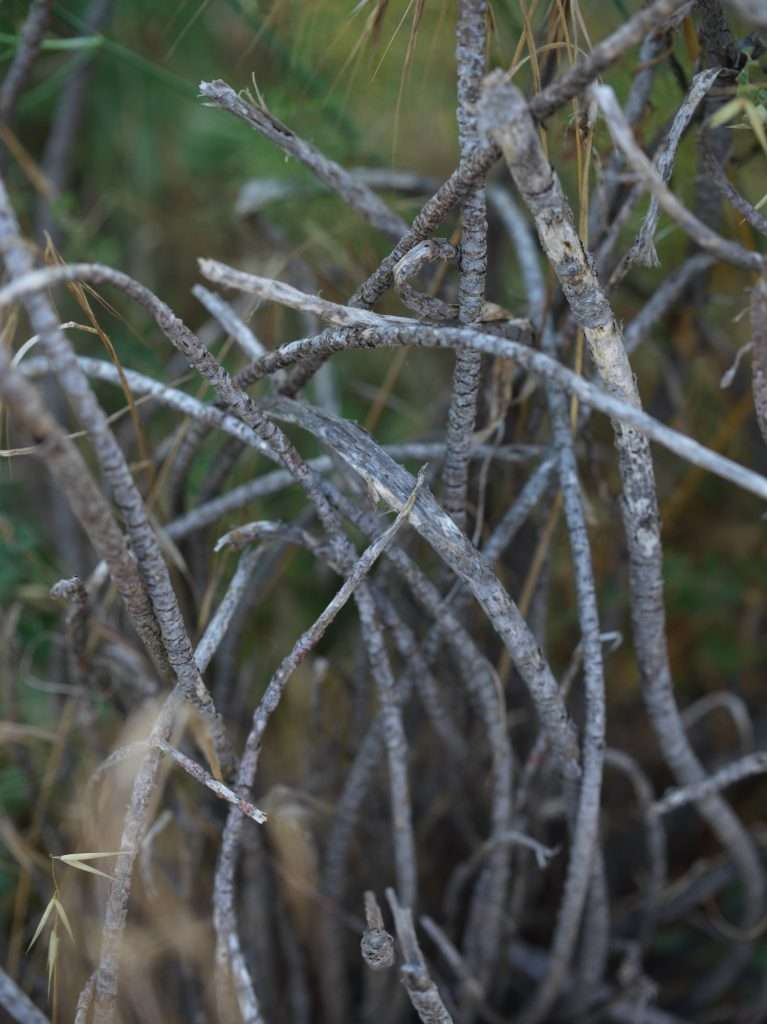
So here is the Otus 100 compared to the Otus 85, the XCD 90 and the XCD 120. All of these lenses can be considered superstars for one reason or another. The Otus 85 doesn't cover the frame completely, which is in no way a design flaw. But I have decided not to crop the photographs to show how usable the Otus lenses are on the larger format.
This is a tough comparison to organise and no set of choices will satisfy everyone. So here the procedure I selected. 4 scenes in my garden (more or less controlled environment) were chosen for increasing focus distances : <2m, 7m, 12m, 60m. All lenses were shot at f/3.5 and f/8 and the Otuses were also shot at f/1.4 as an added bonus. The photographs are presented scene by scene, aperture by aperture in sets of 4 photographs, in increasing focal length order, so that the rendering of each lens can be easily compared to the next (you can right-click and open each link in a new tab). All photographs are largely edit-free, but I have tried to normalise white balance slightly, to highlight the warmth of the various lenses and to correct vignetting in some of the Otus shots. The XCD lens shots are largely SOOC. Please try to ignore the brightness variations that do the Otuses (particularly the 85) a disfavour.
Scene 1: The frangipani (<2m)
f/1.4 gallery
-
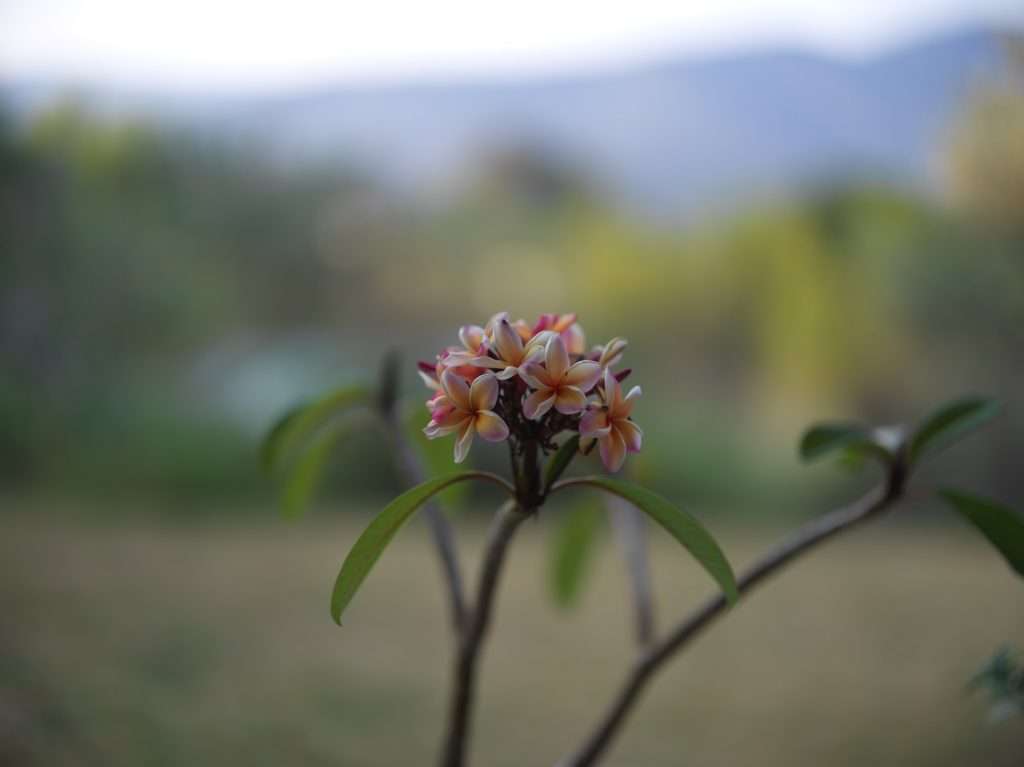
Otus 85 f/1.4 -
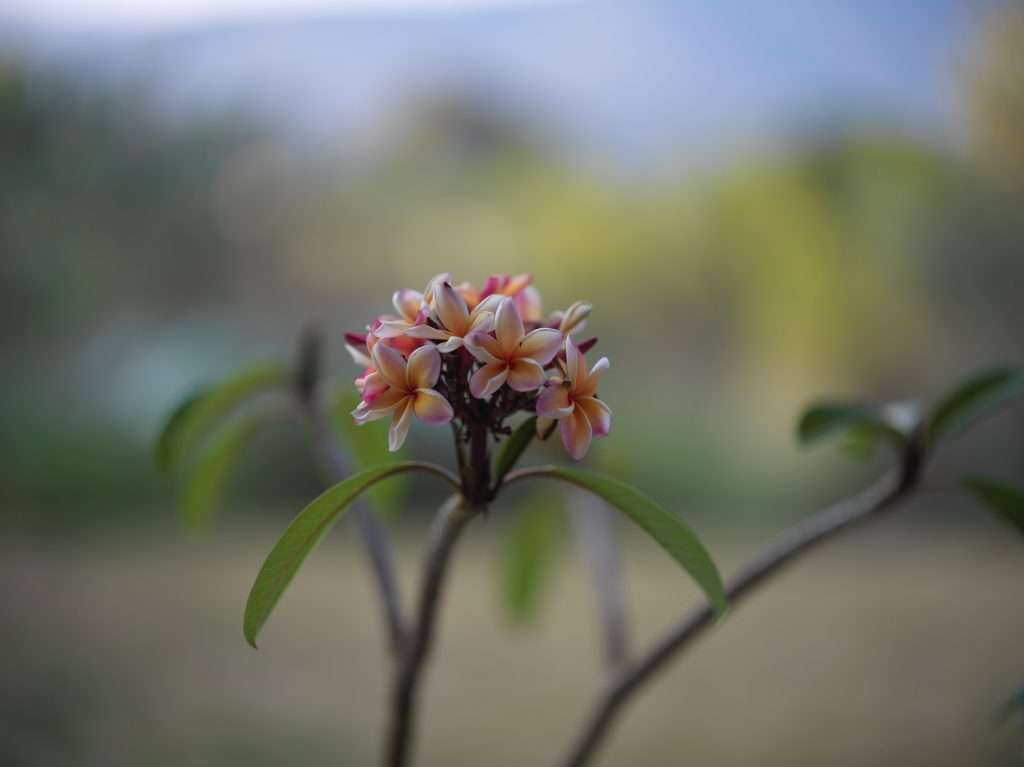
Otus 100 f/1.4
f/3.5 gallery
-
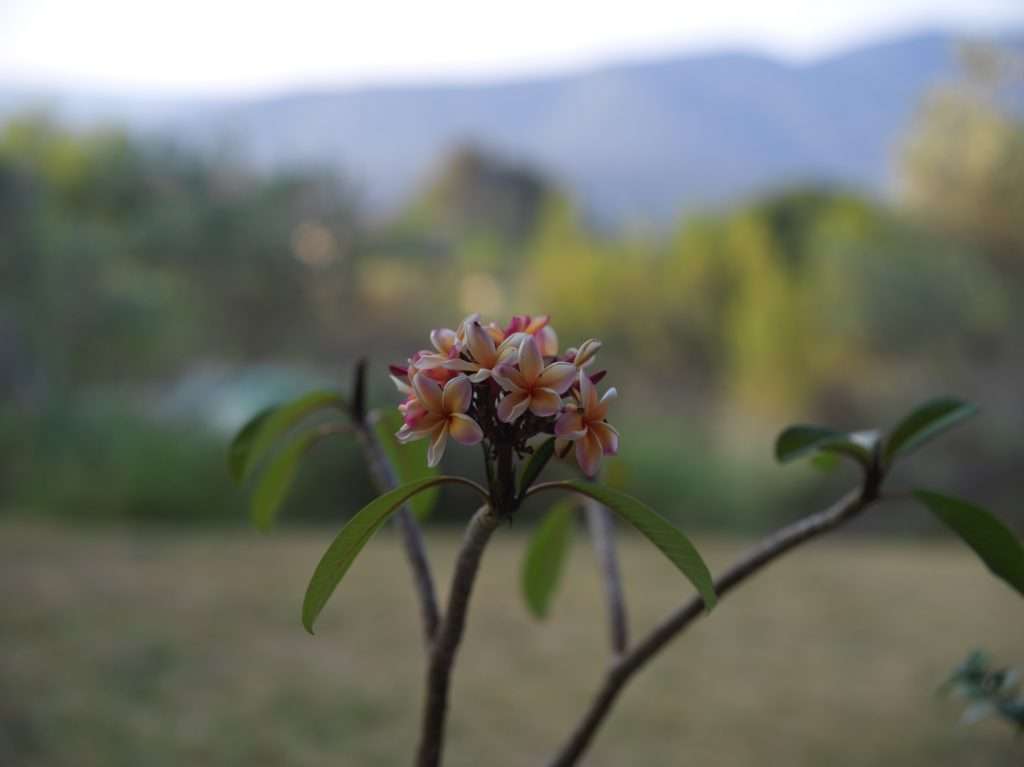
Otus 85 f/3.5 -
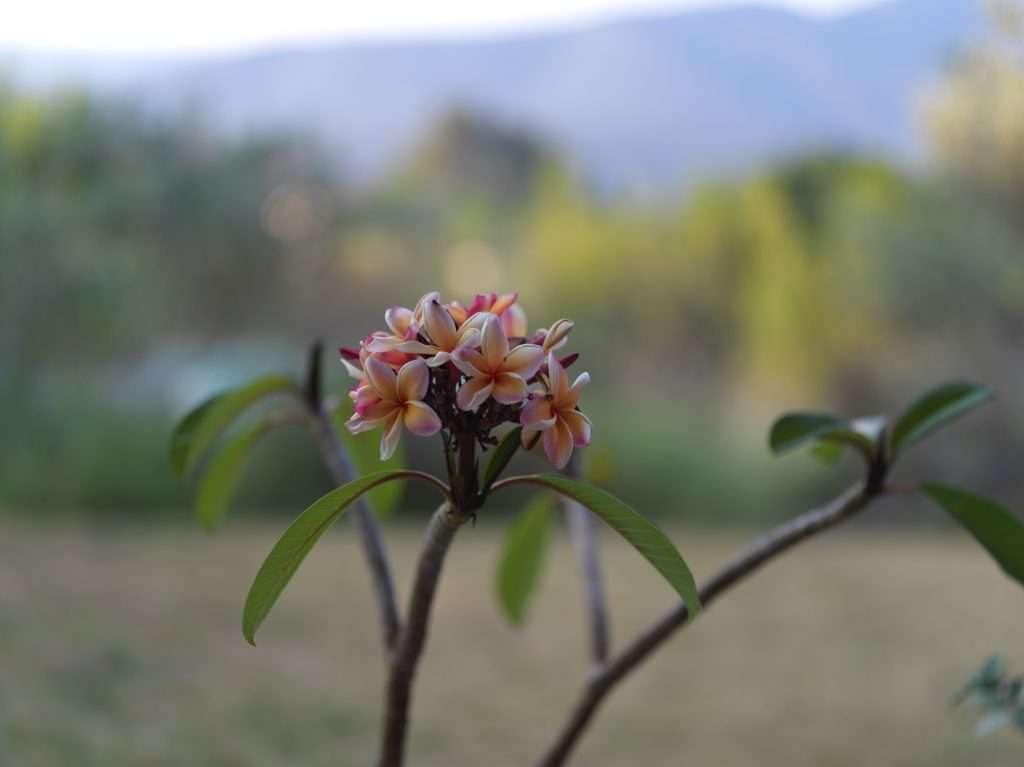
XCD 90 f/3.5 -
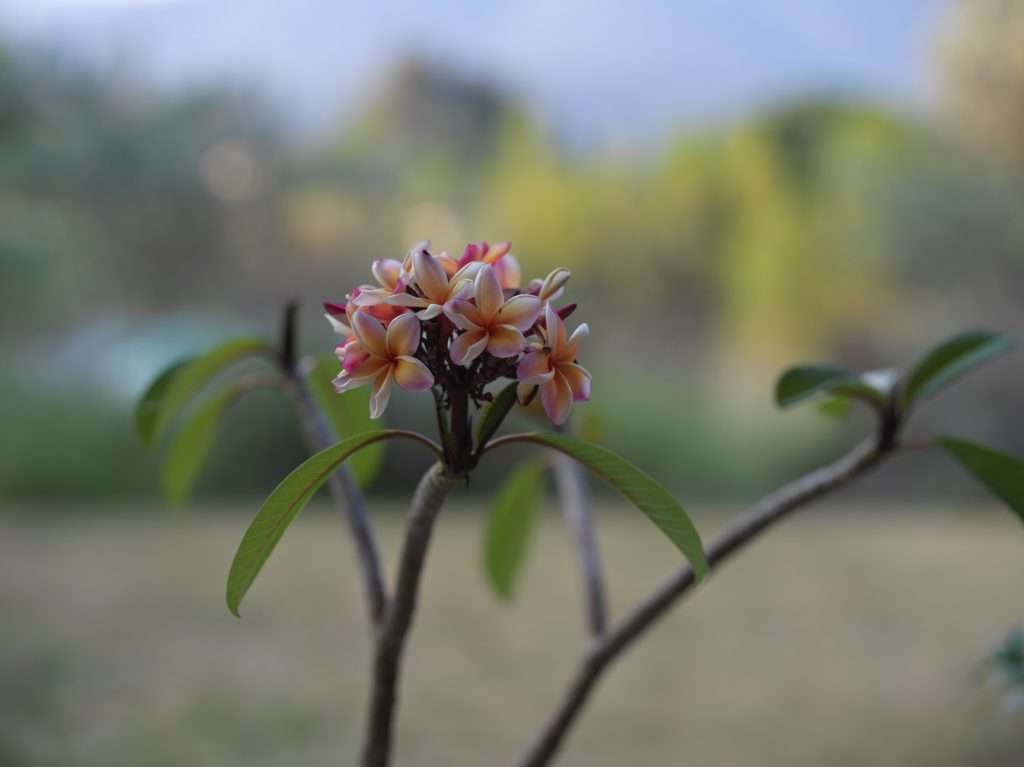
Otus 100 f/3.5 -
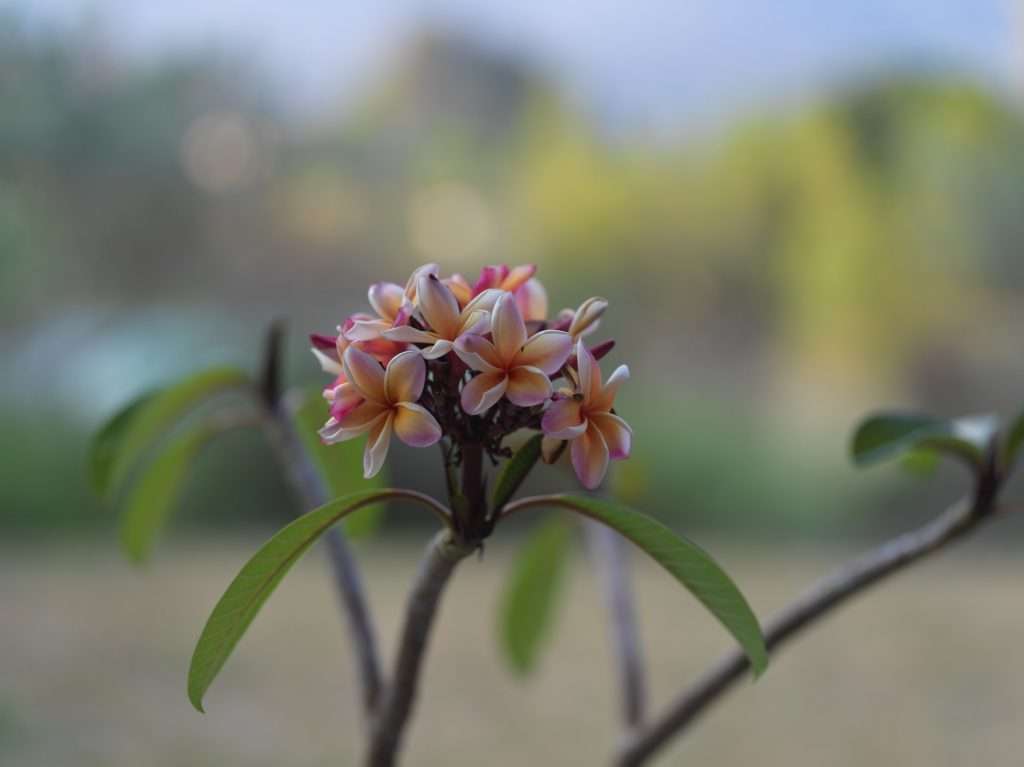
XCD 120 f/3.5
f/8 gallery
-
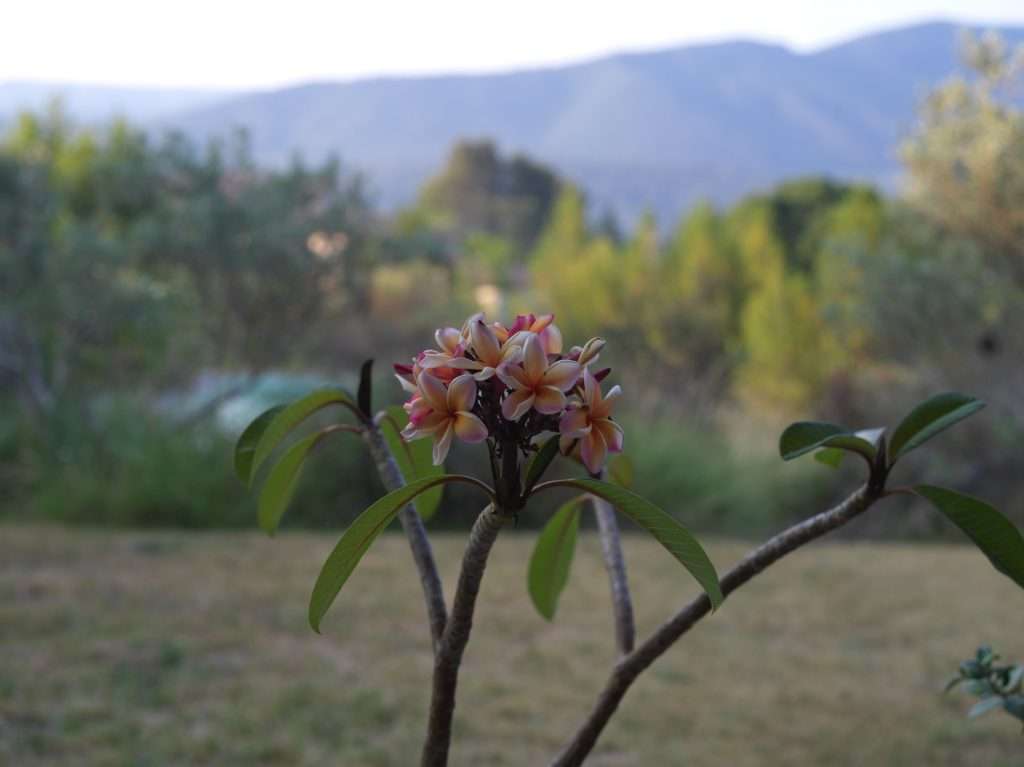
Otus 85 f/8 -
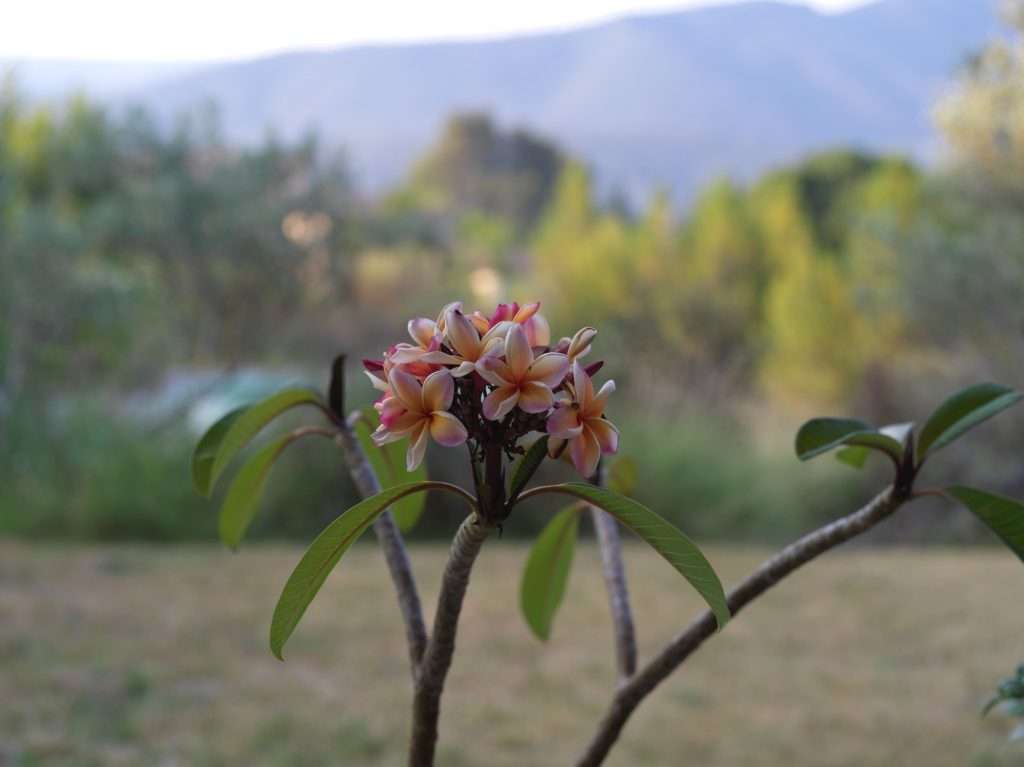
XCD 90 f/8 -
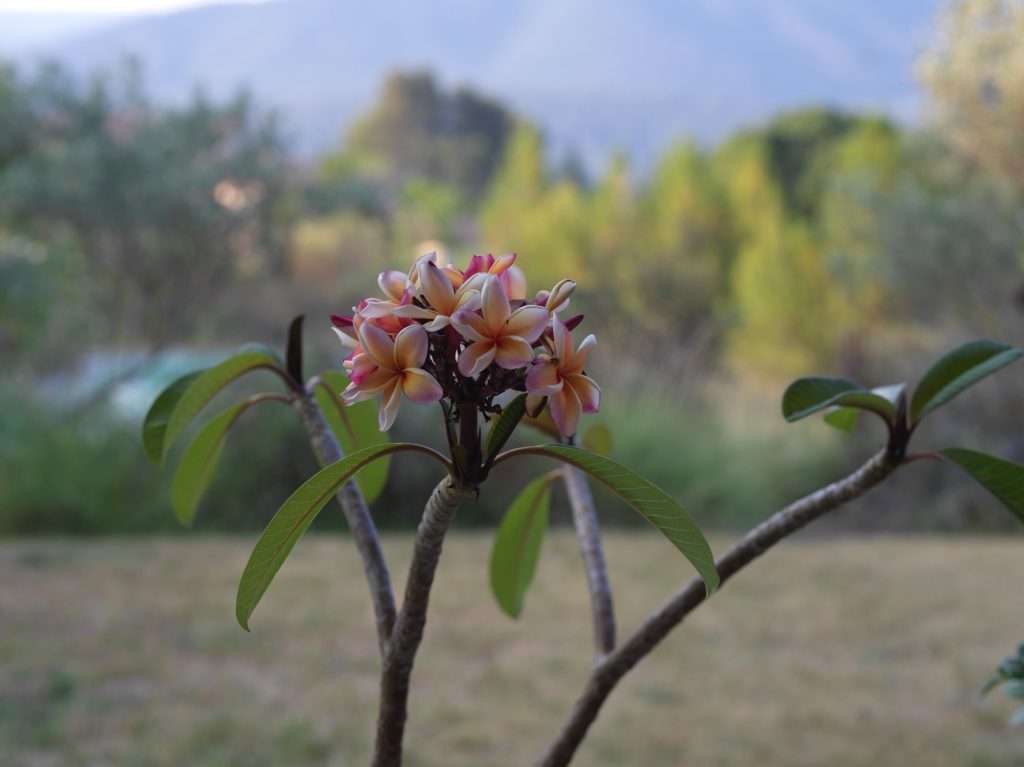
Otus 100 f/8 -
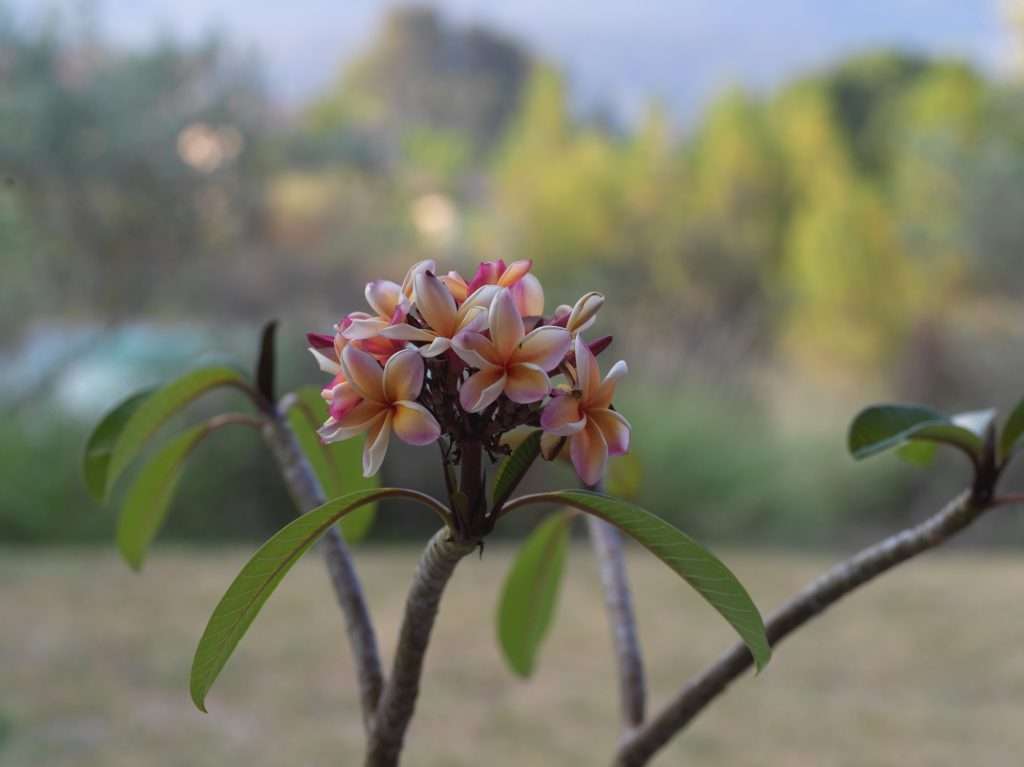
XCD 120 f/8
Scene 2: The bench (7m)
f/1.4 gallery
-
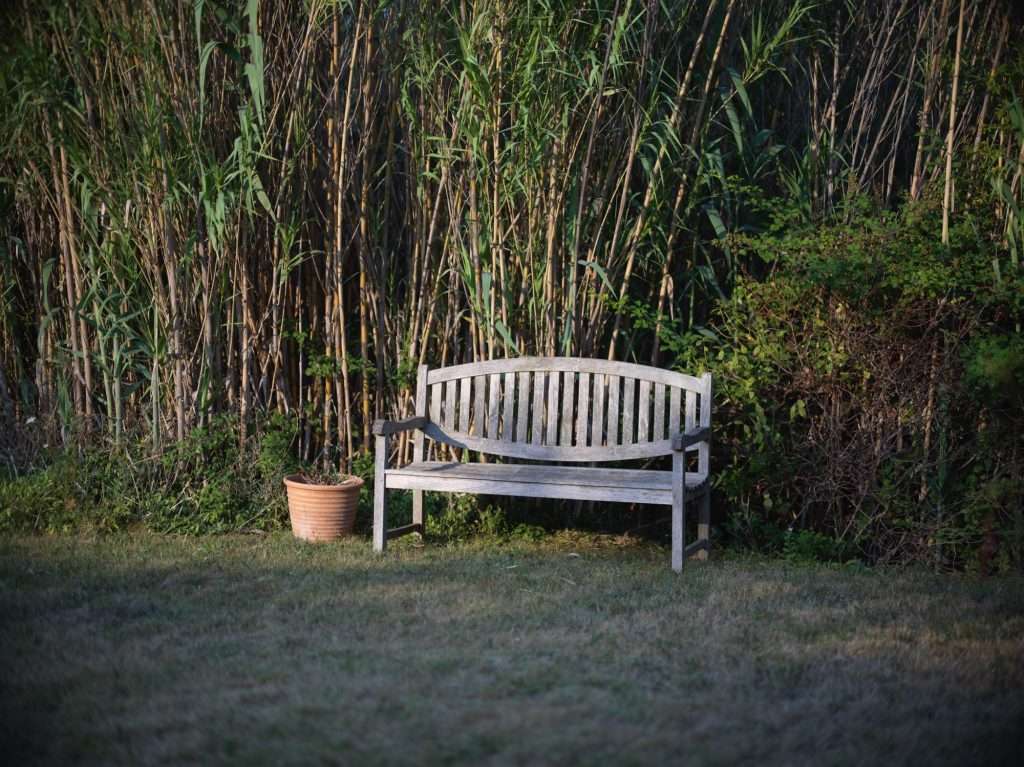
Otus 85 f/1.4 -
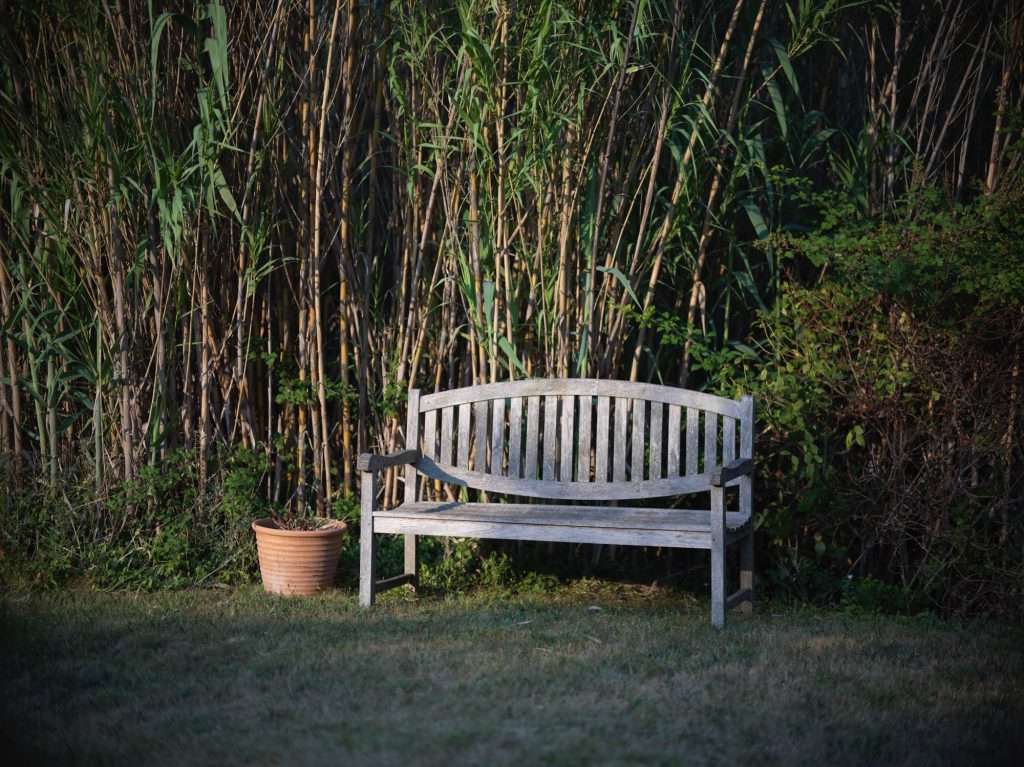
Otus 100 f/1.4
f/3.5 gallery
-
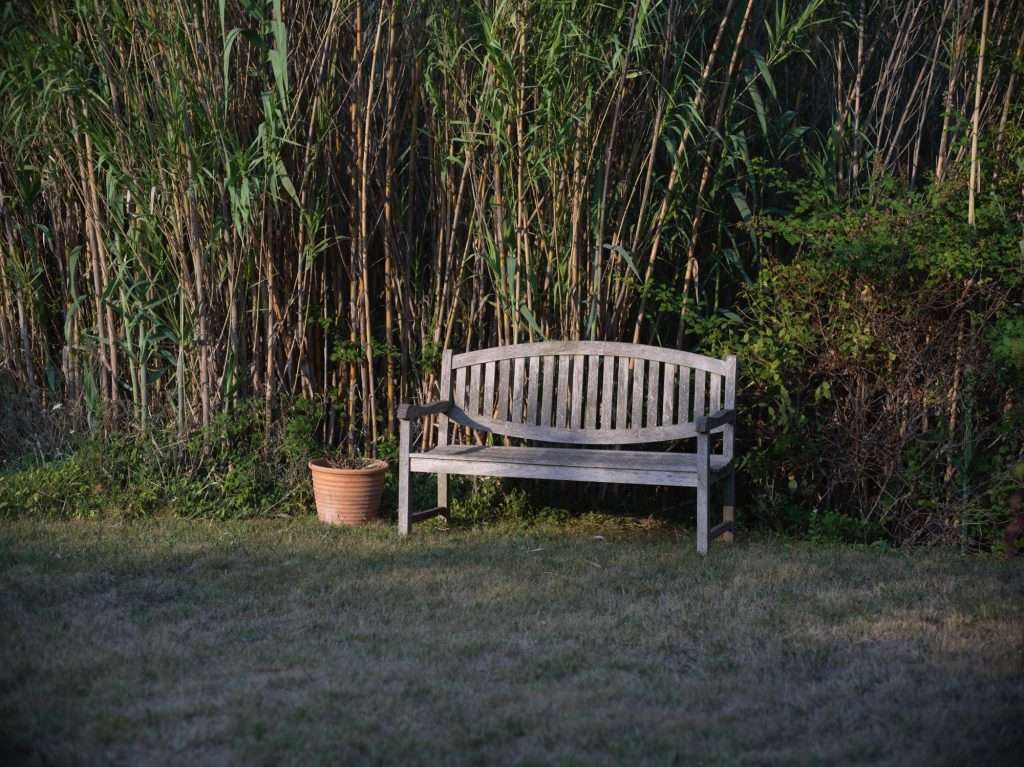
Otus 85 f/3.5 -
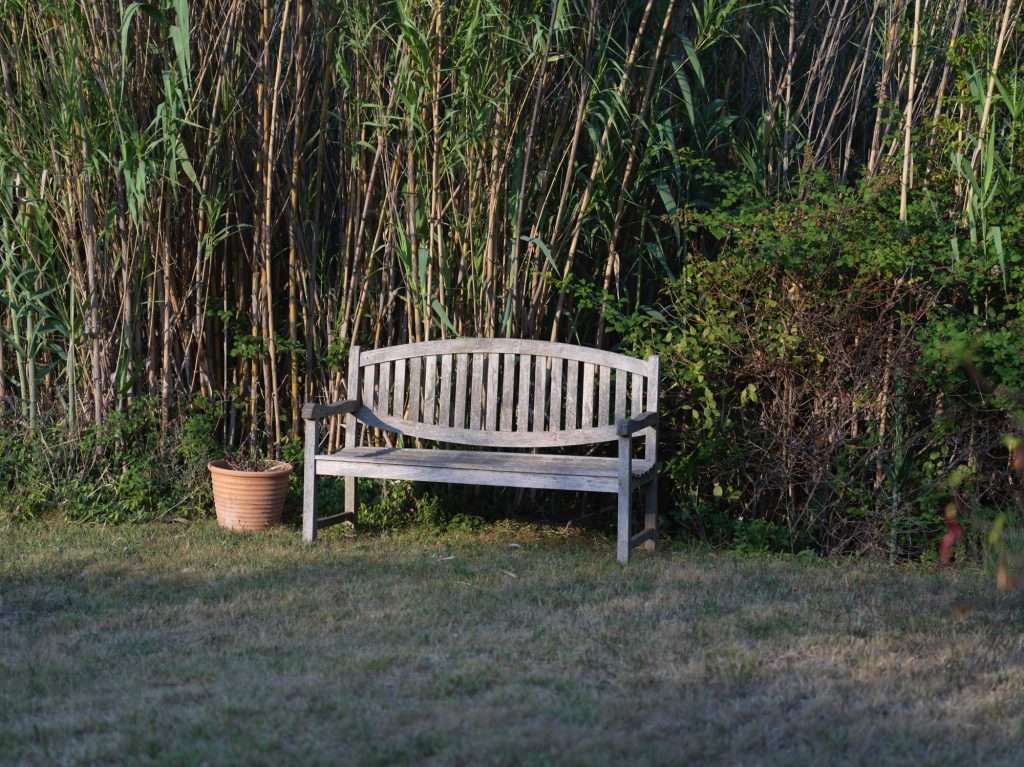
XCD 90 f/3.5 -
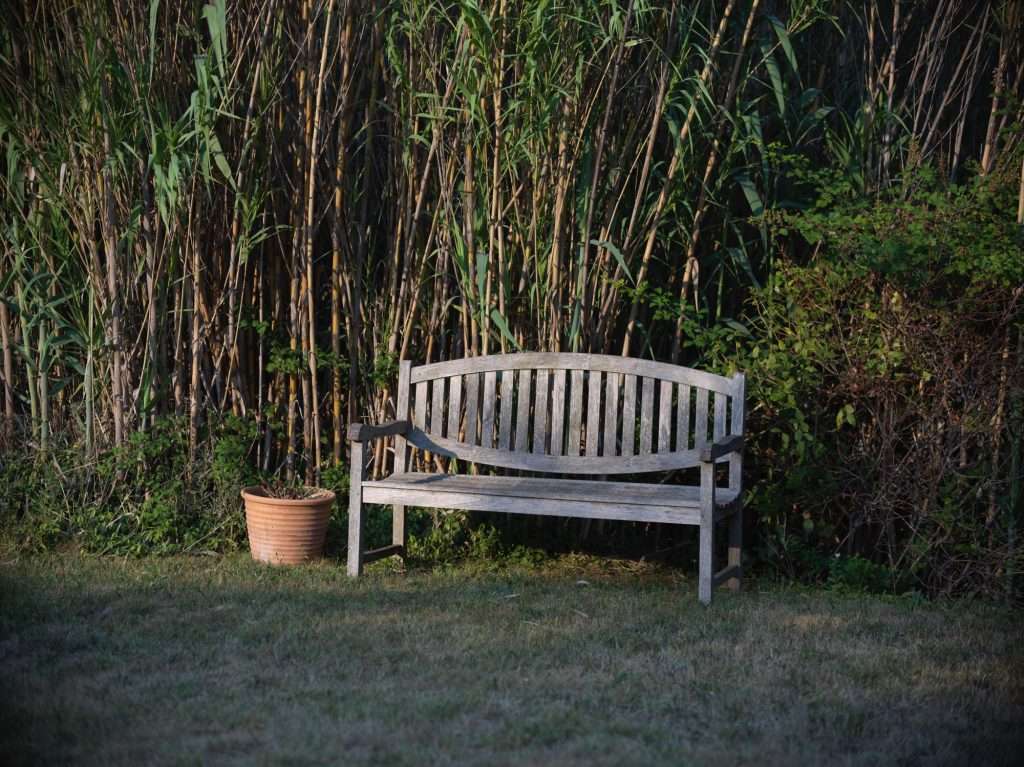
Otus 100 f/3.5 -
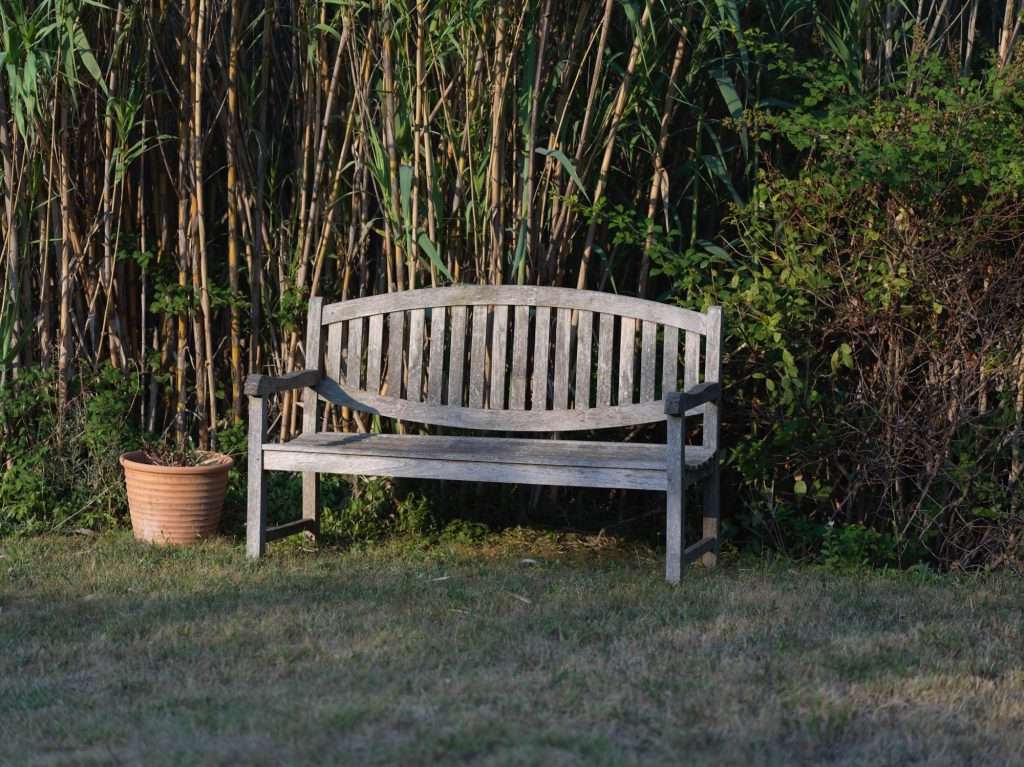
XCD 120 f/3.5
f/8 gallery
-
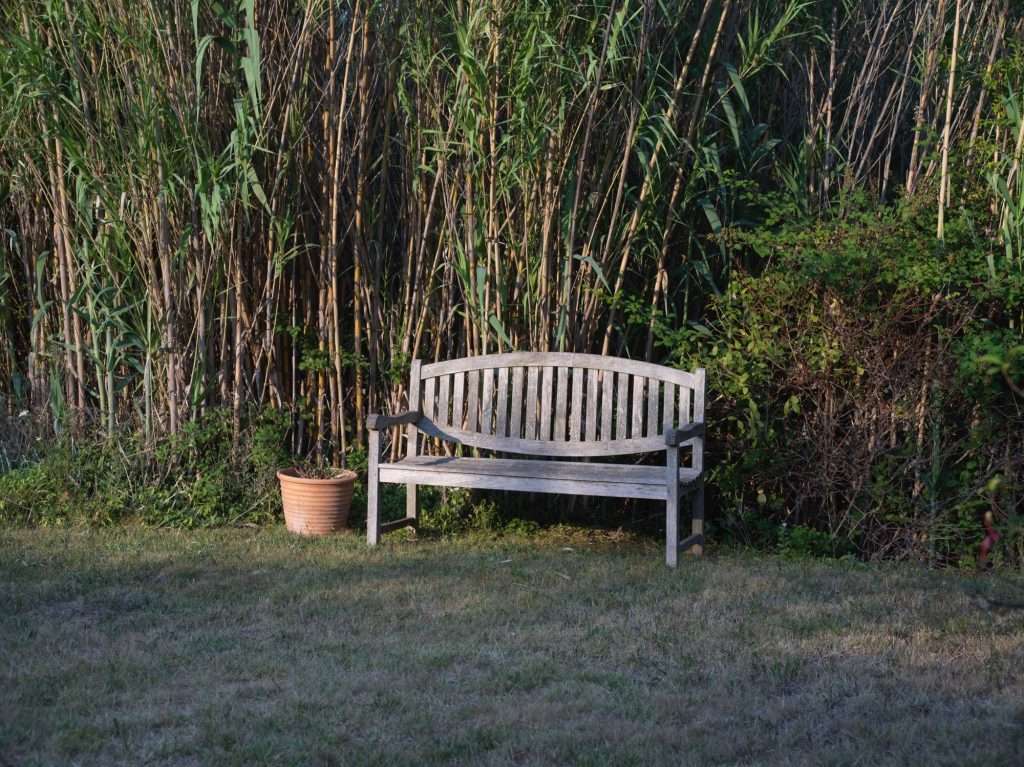
Otus 85 f/8 -
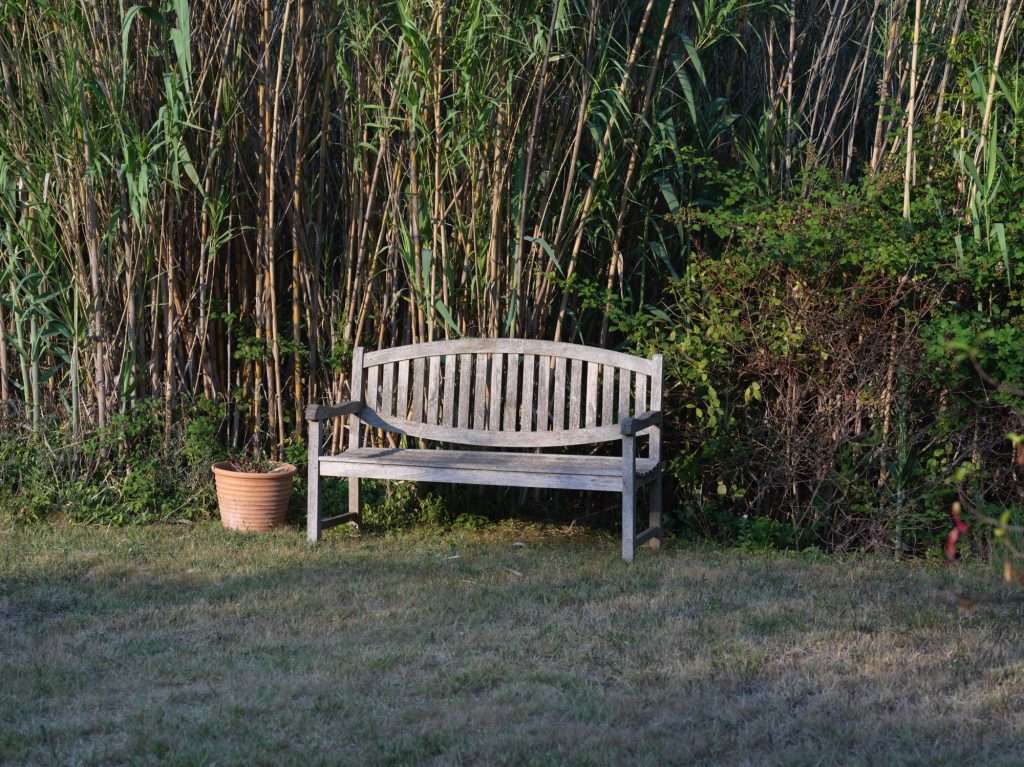
XCD 90 f/8 -
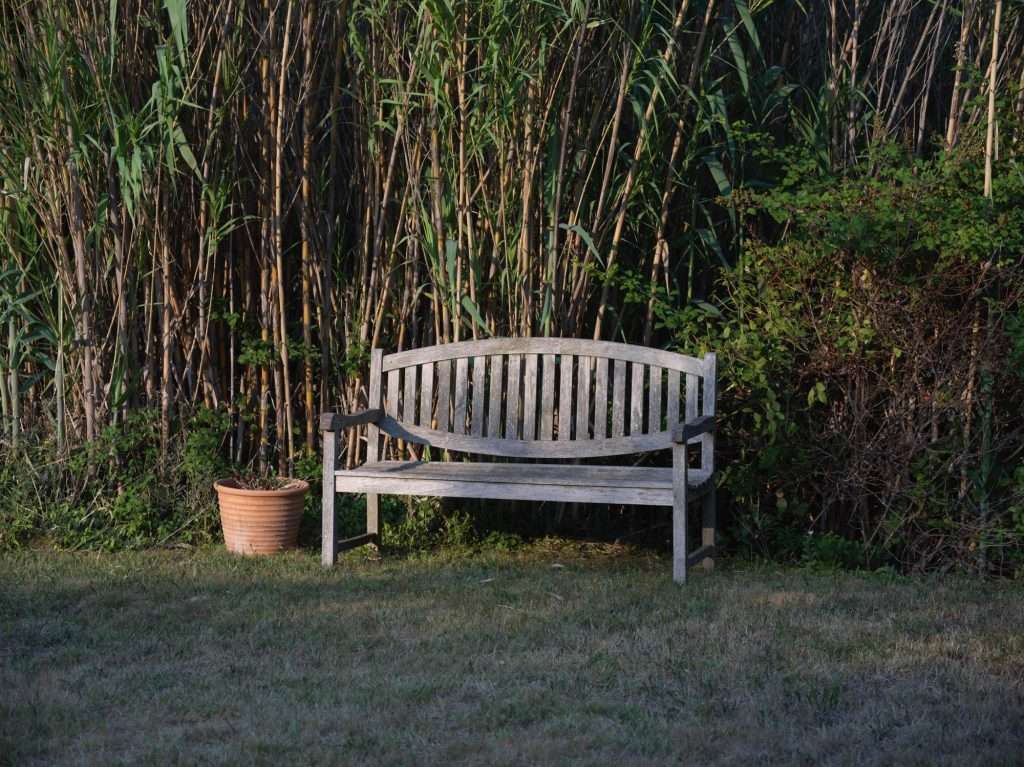
Otus 100 f/8 -
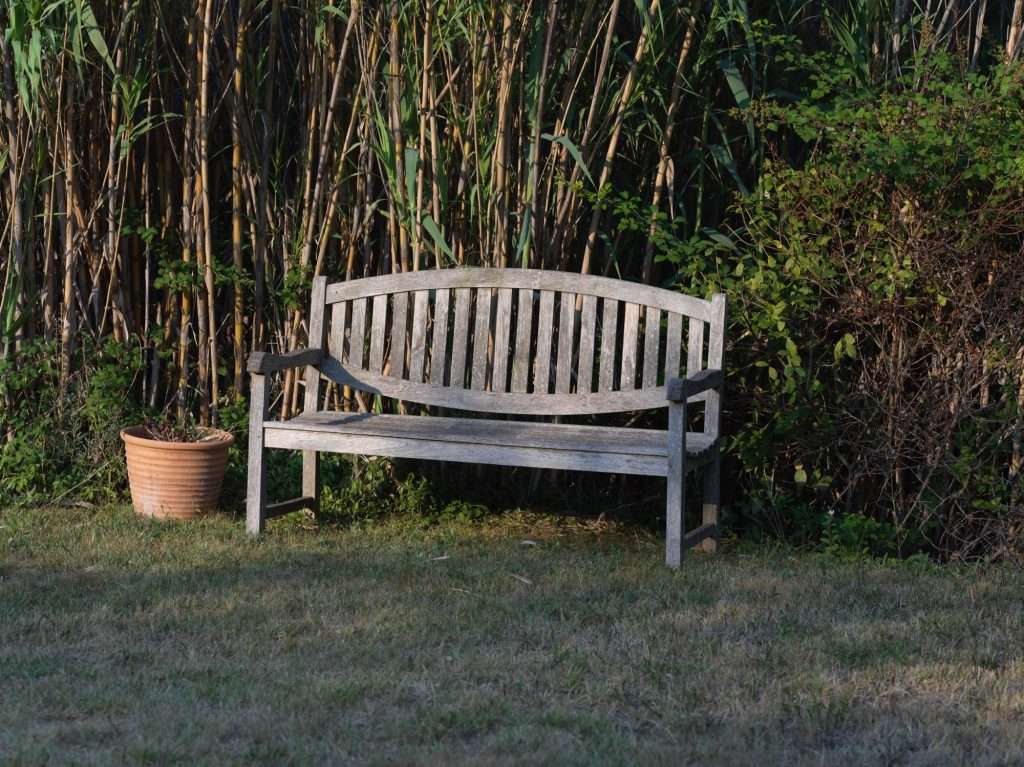
XCD 120 f/8
Scene 3: The sculpture (12m)
f/1.4 gallery
-
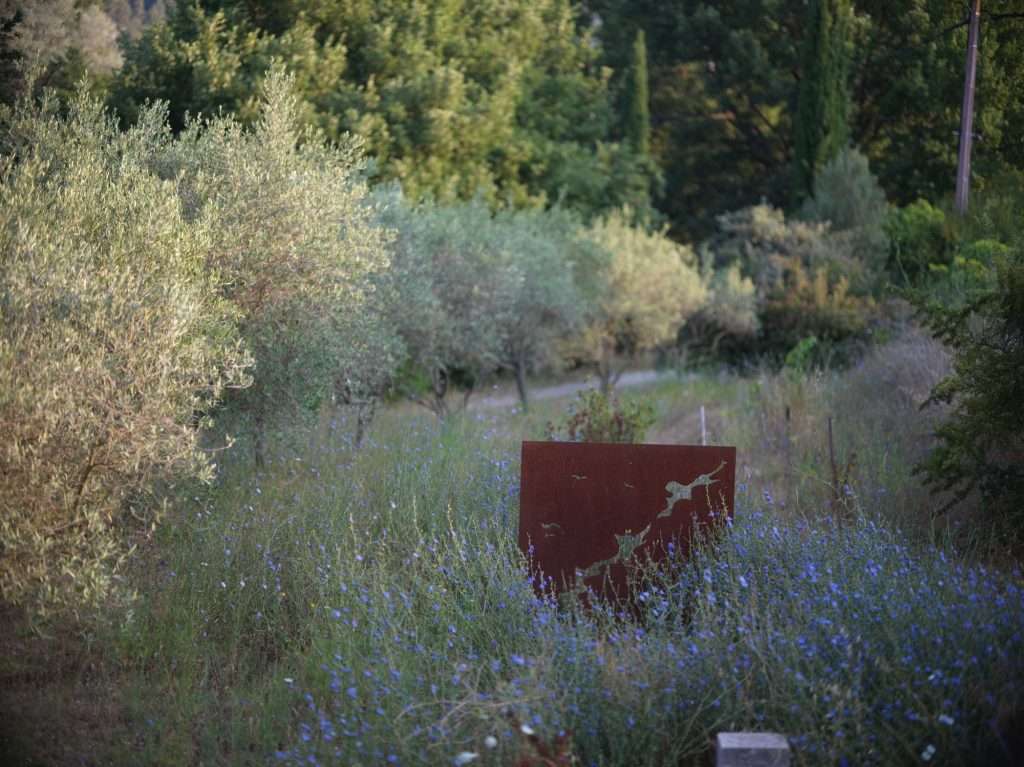
Otus 85 f/1.4 -
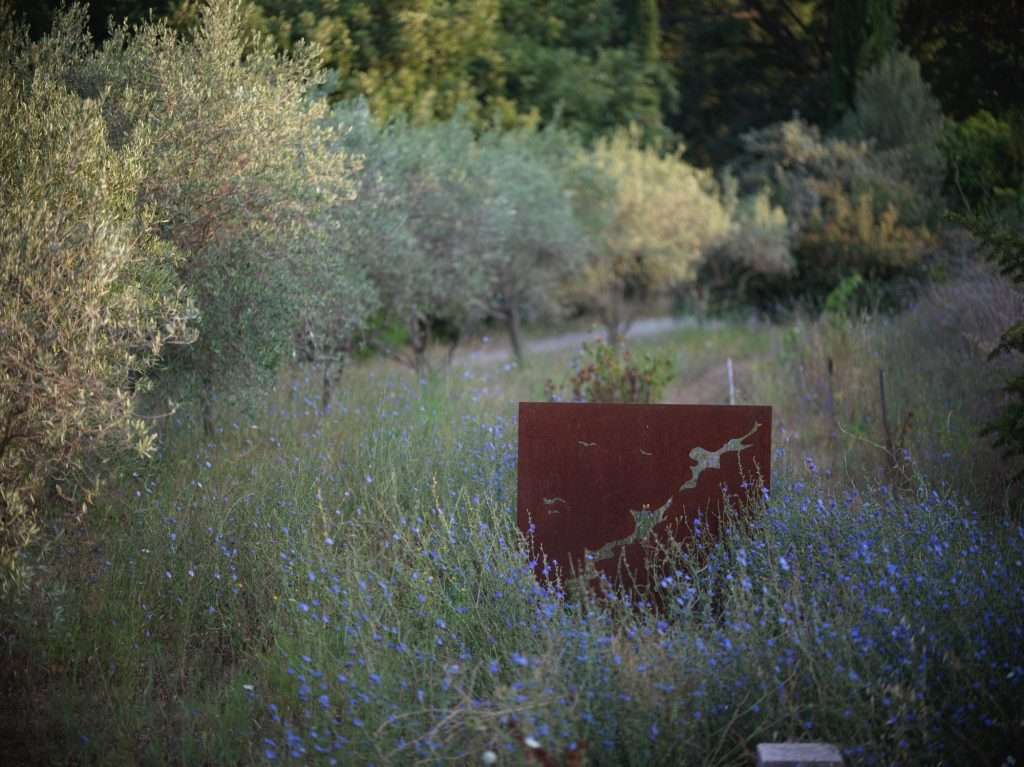
Otus 100 f/1.4
f/3.5 gallery
-
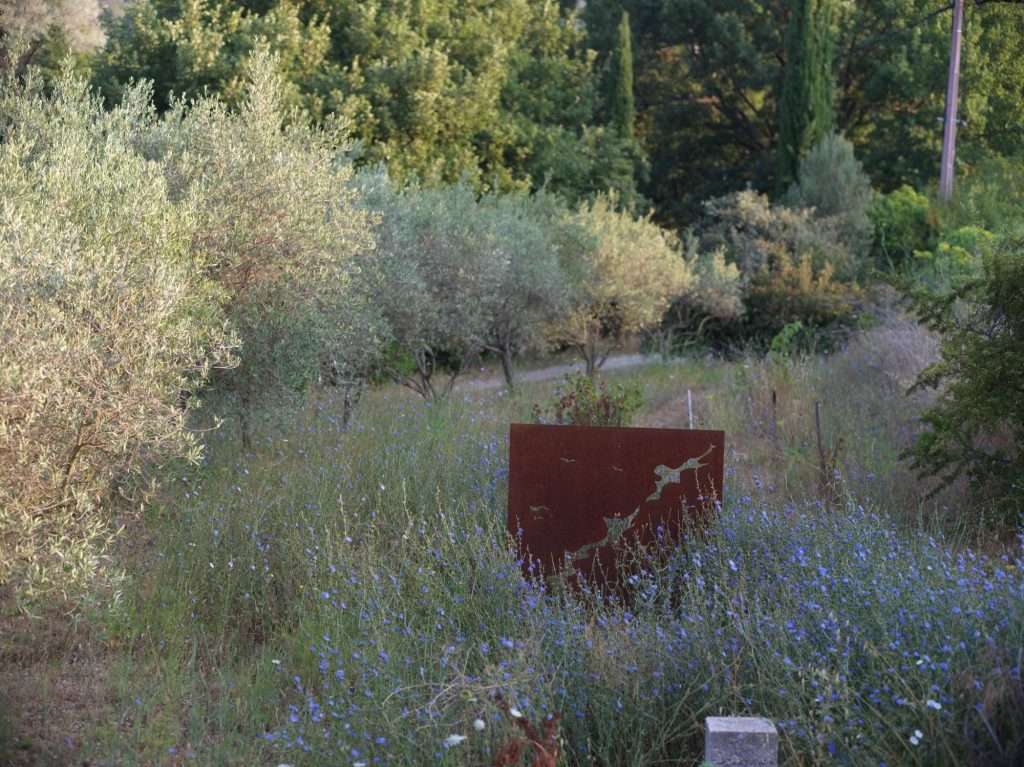
Otus 85 f/3.5 -
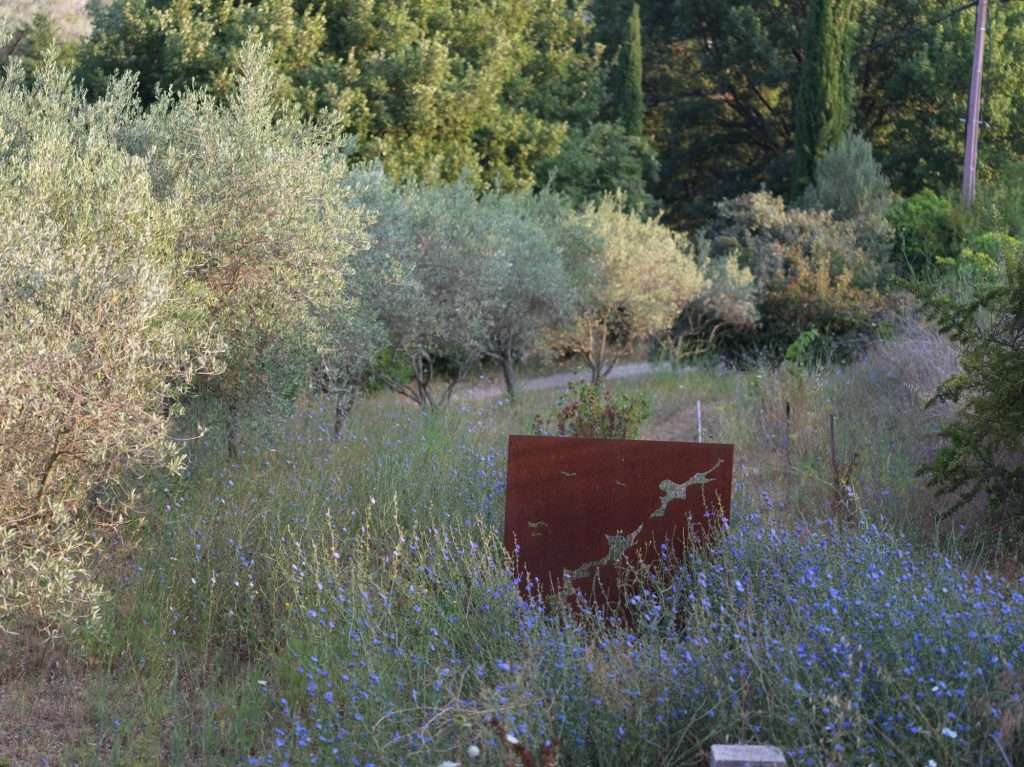
XCD 90 f/3.5 -
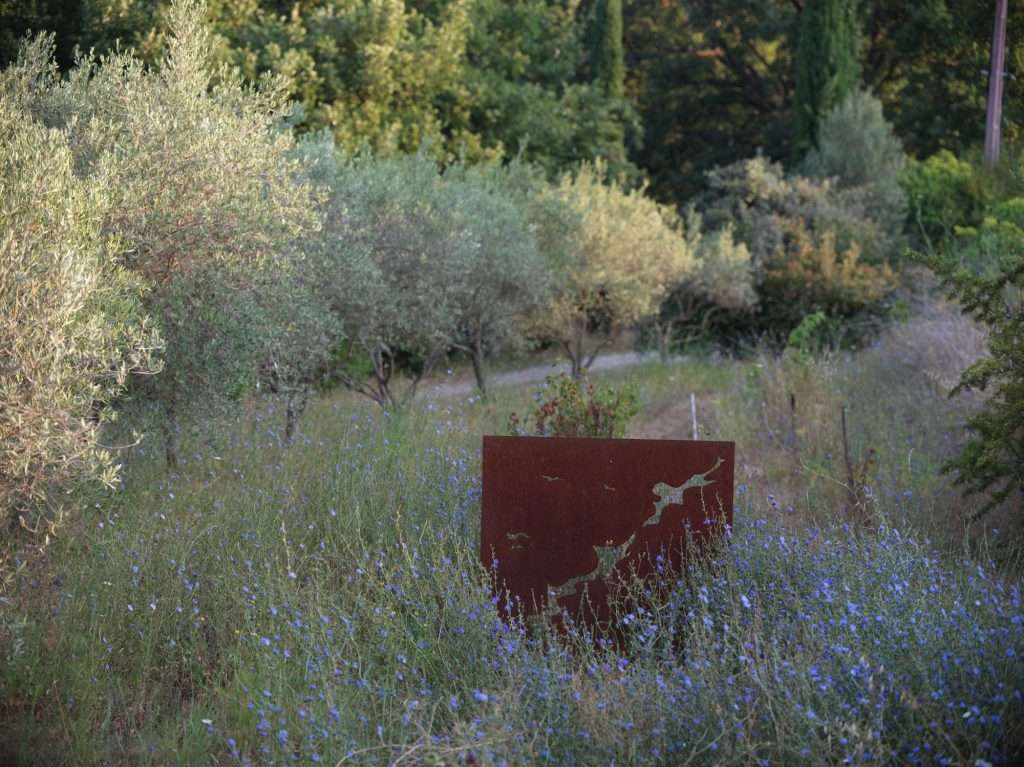
Otus 100 f/3.5 -
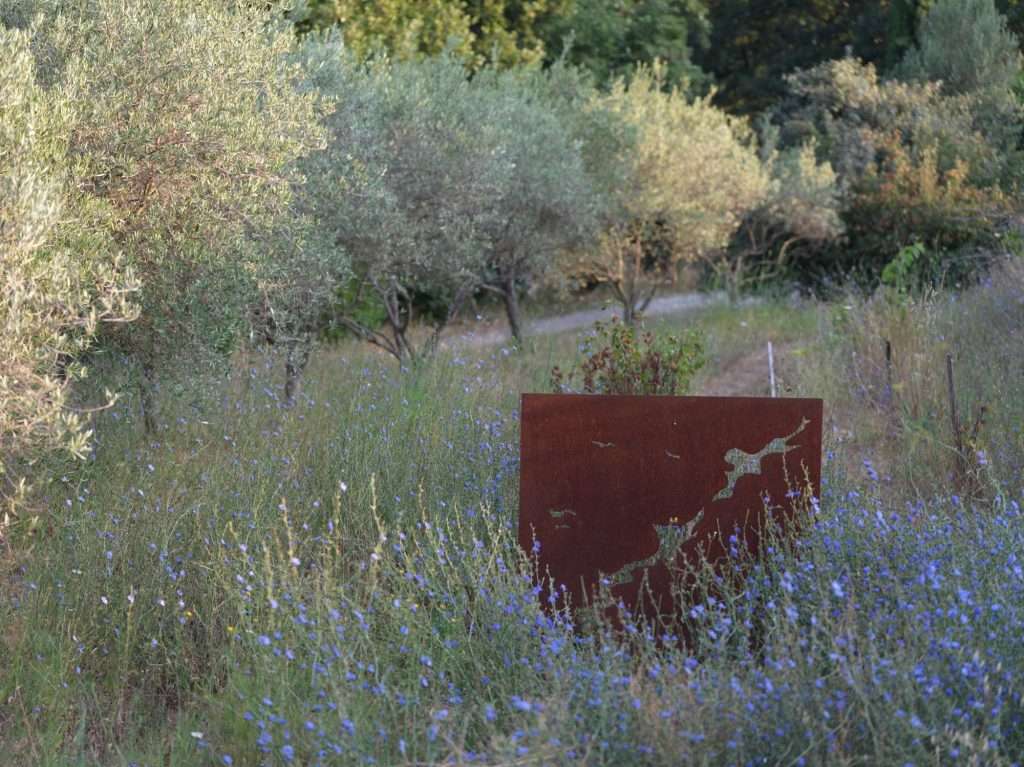
XCD 120 f/3.5
f/8 gallery
-
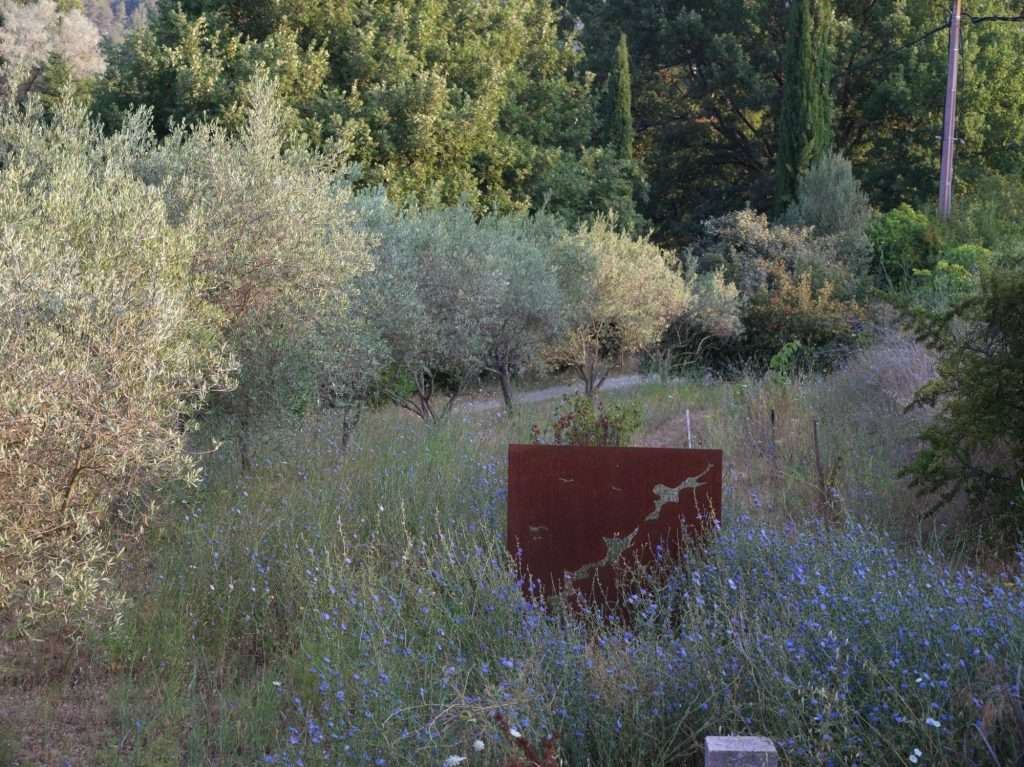
Otus 85 f/8 -
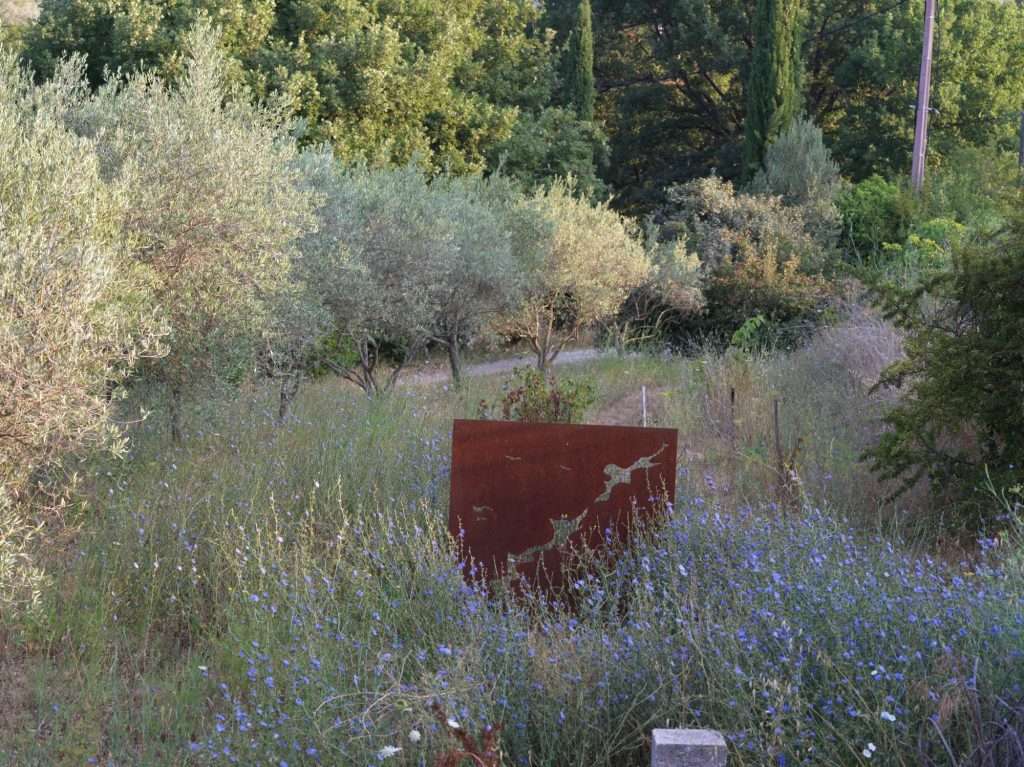
XCD 90 f/8 -
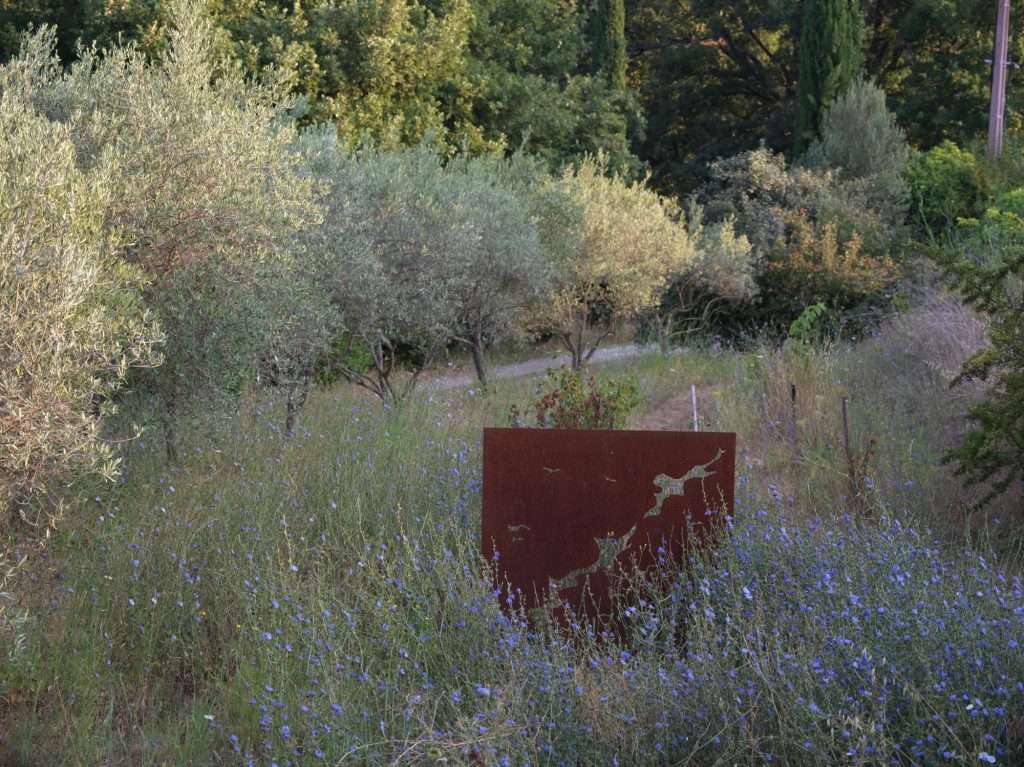
Otus 100 f/8 -
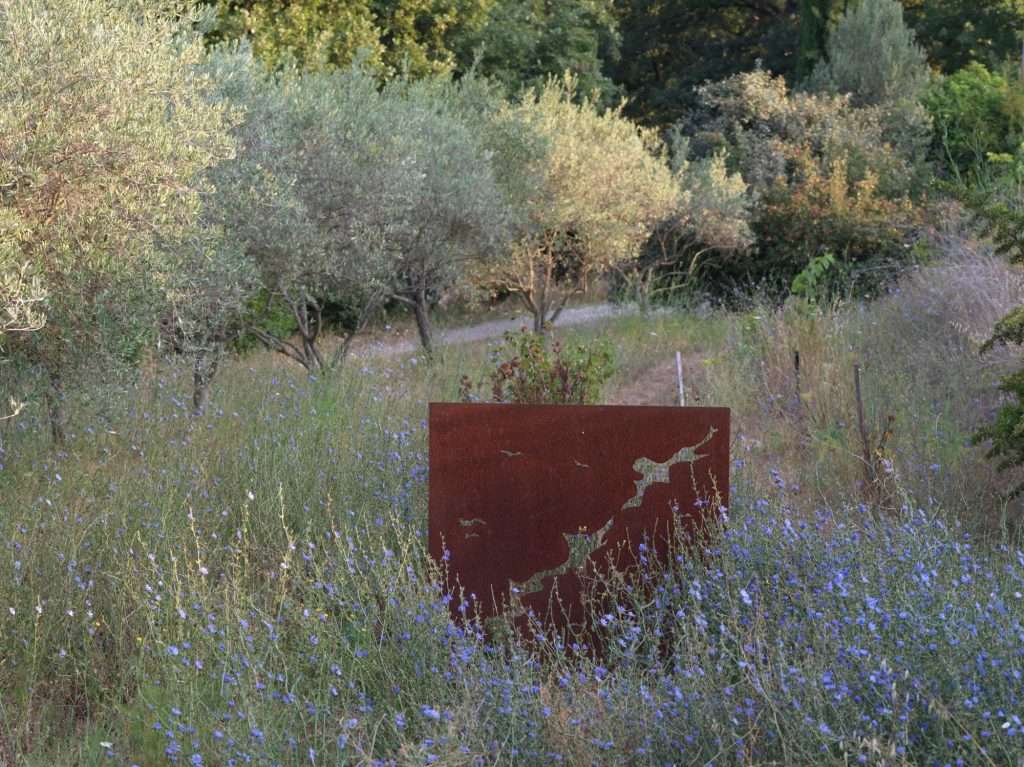
XCD 120 f/8
Scene 4: The jungle (focus on the house window, about 60m)
f/1.4 gallery
-
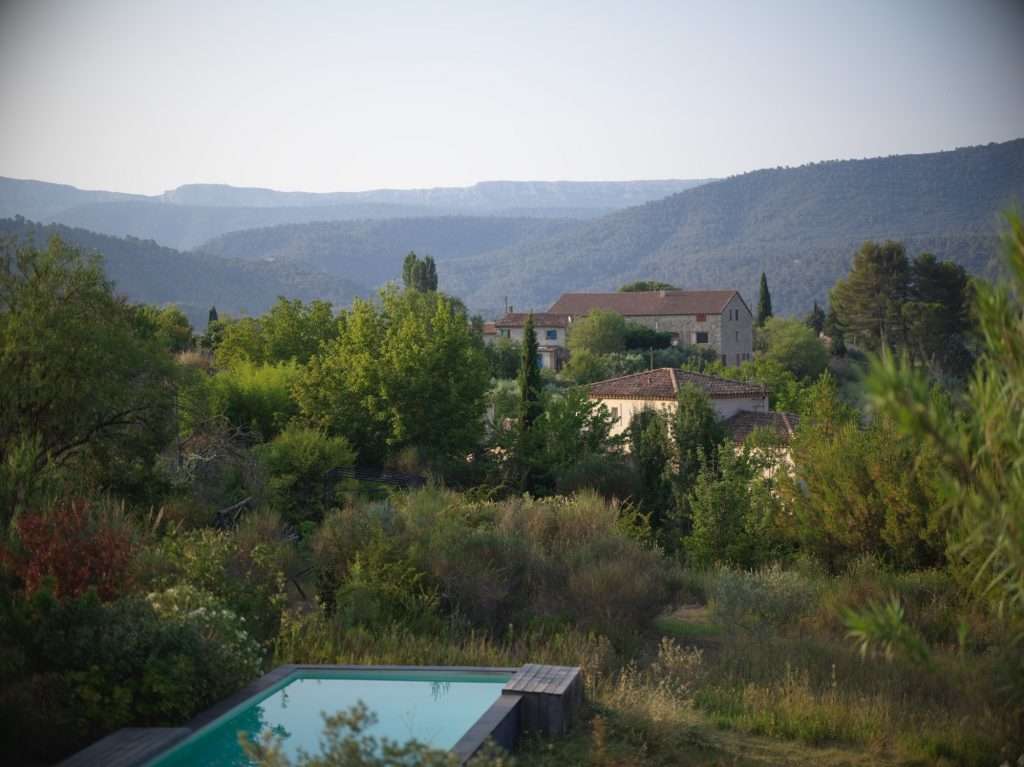
Otus 85 f/1.4 -
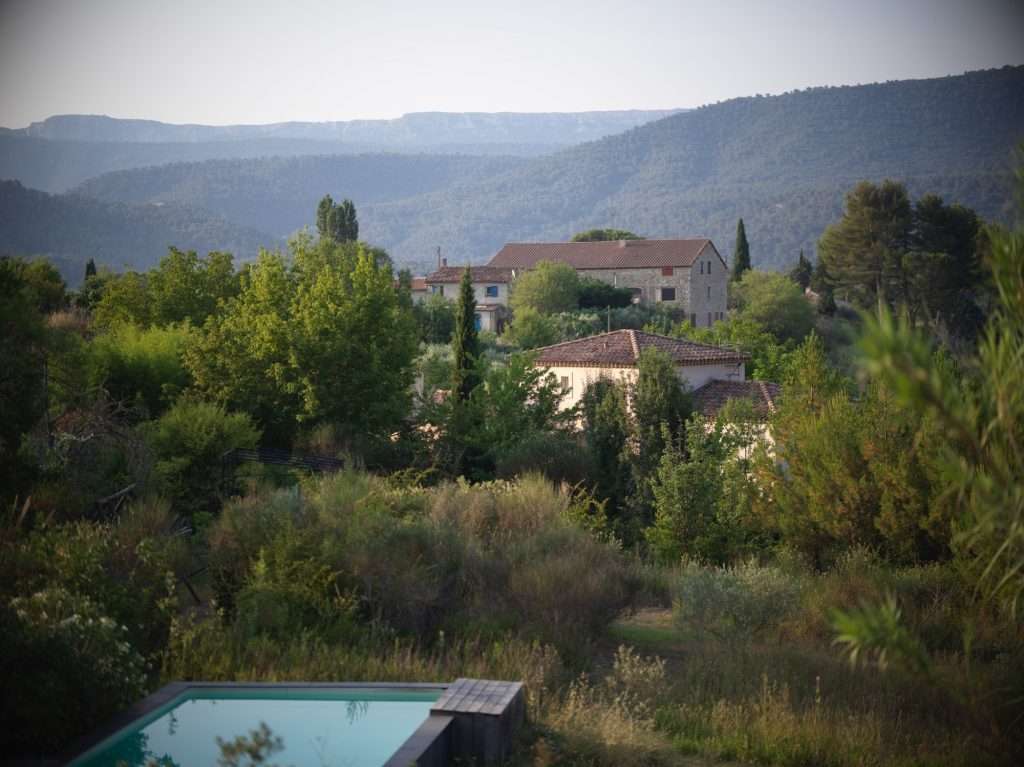
Otus 100 f/1.4
f/3.5 gallery
-
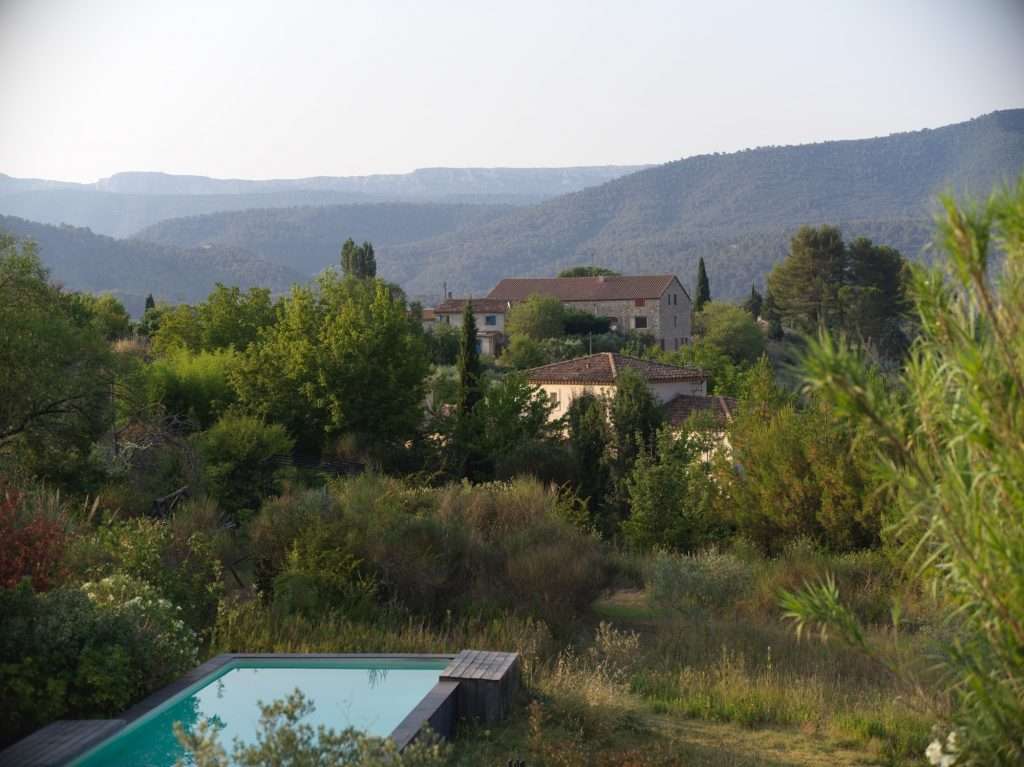
Otus 85 f/3.5 -
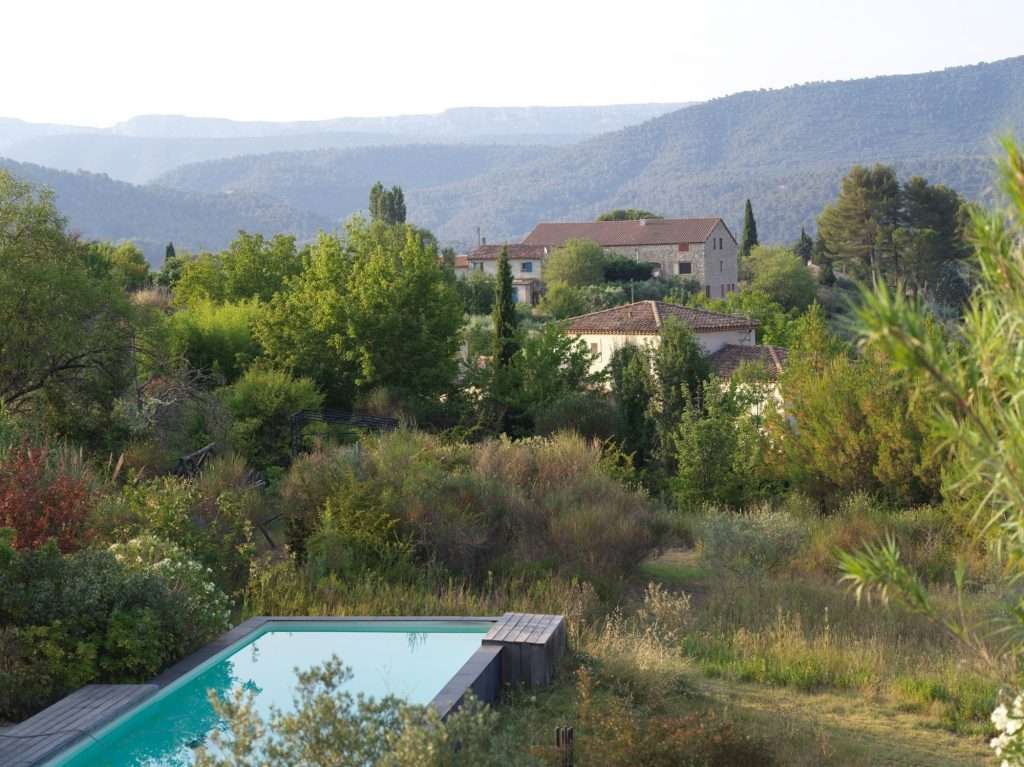
XCD 90 f/3.5 -
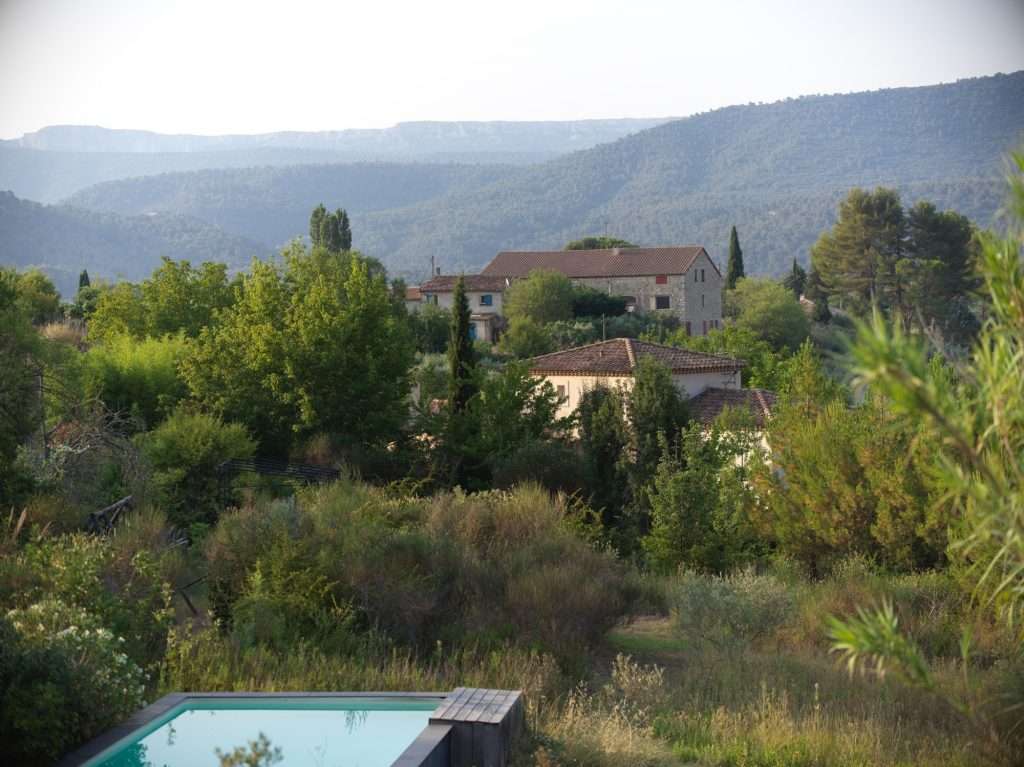
Otus 100 f/3.5 -
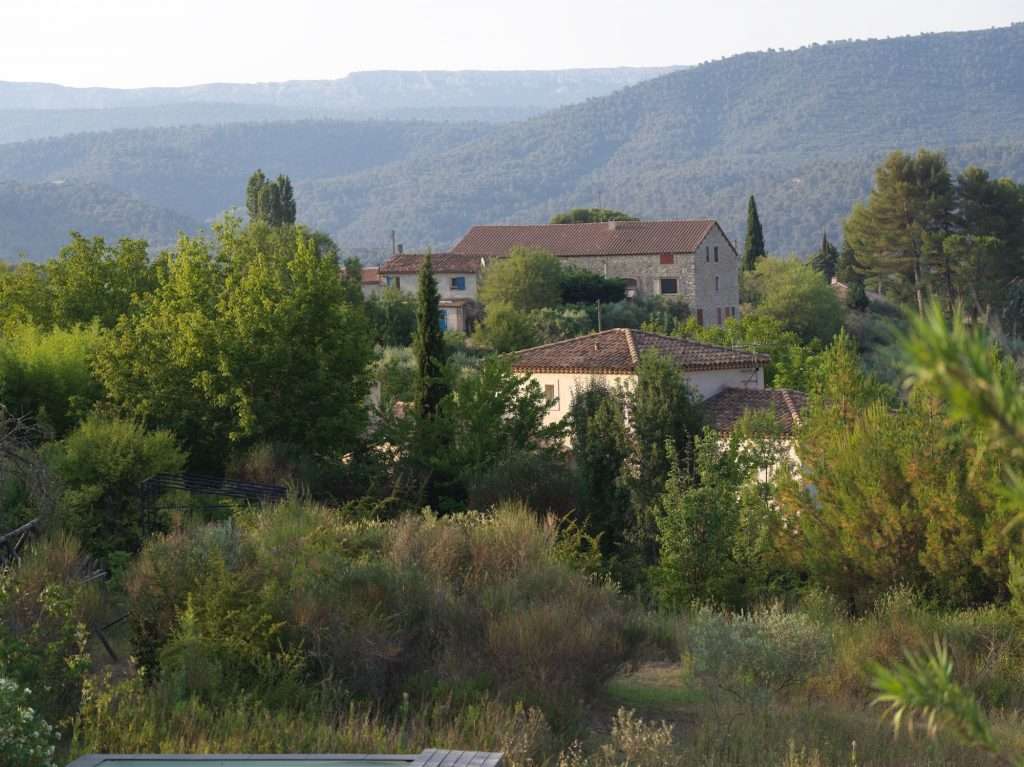
XCD 120 f/3.5
f/8 gallery
-
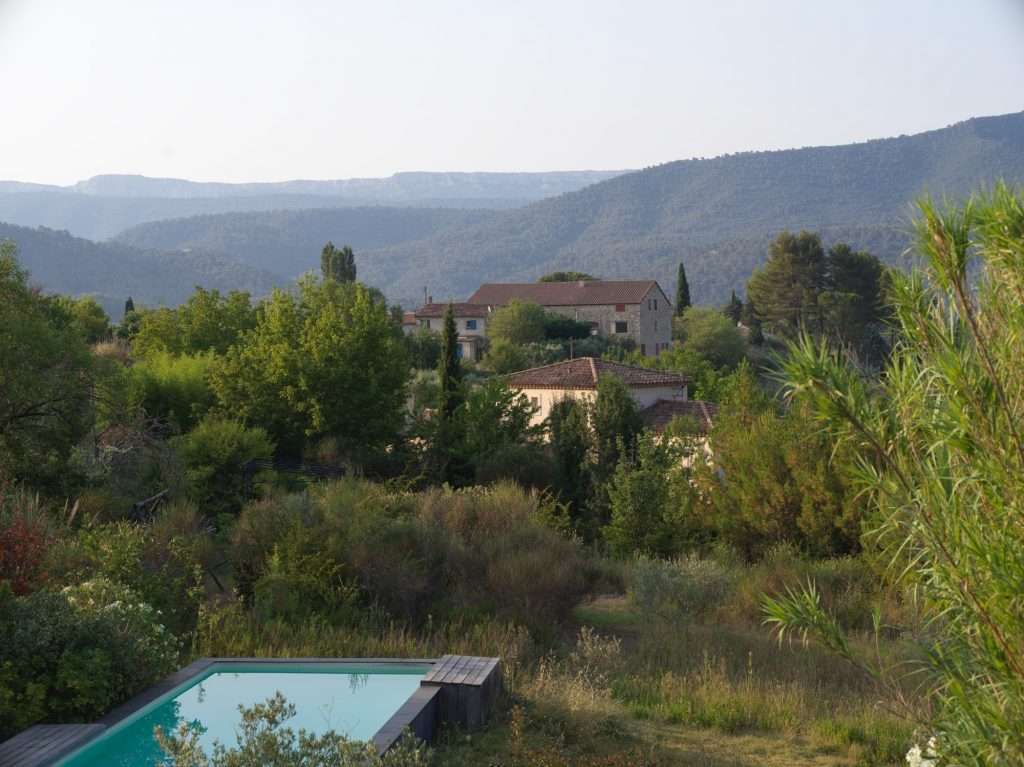
Otus 85 f/8 -
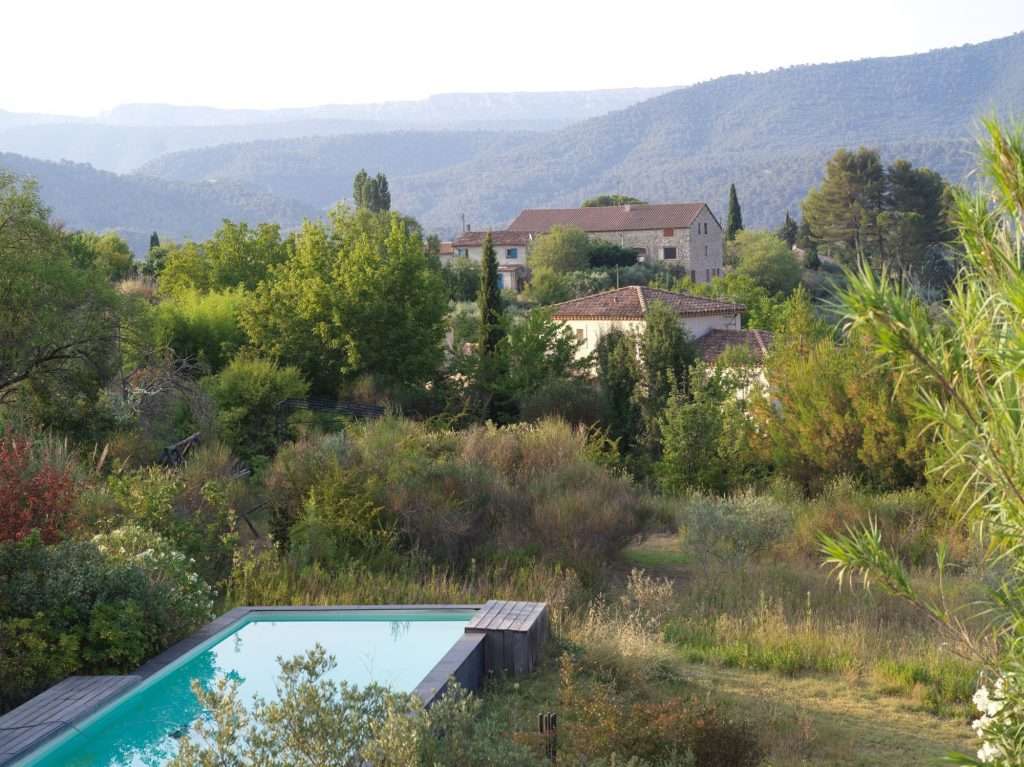
XCD 90 f/8 -
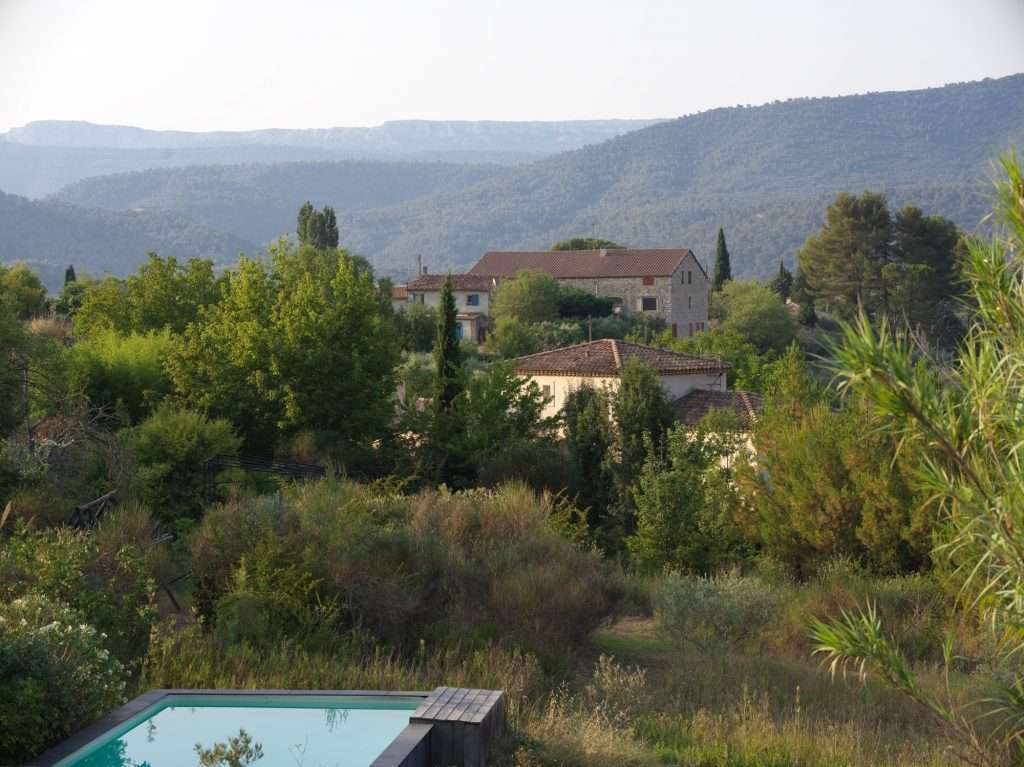
Otus 100 f/8 -
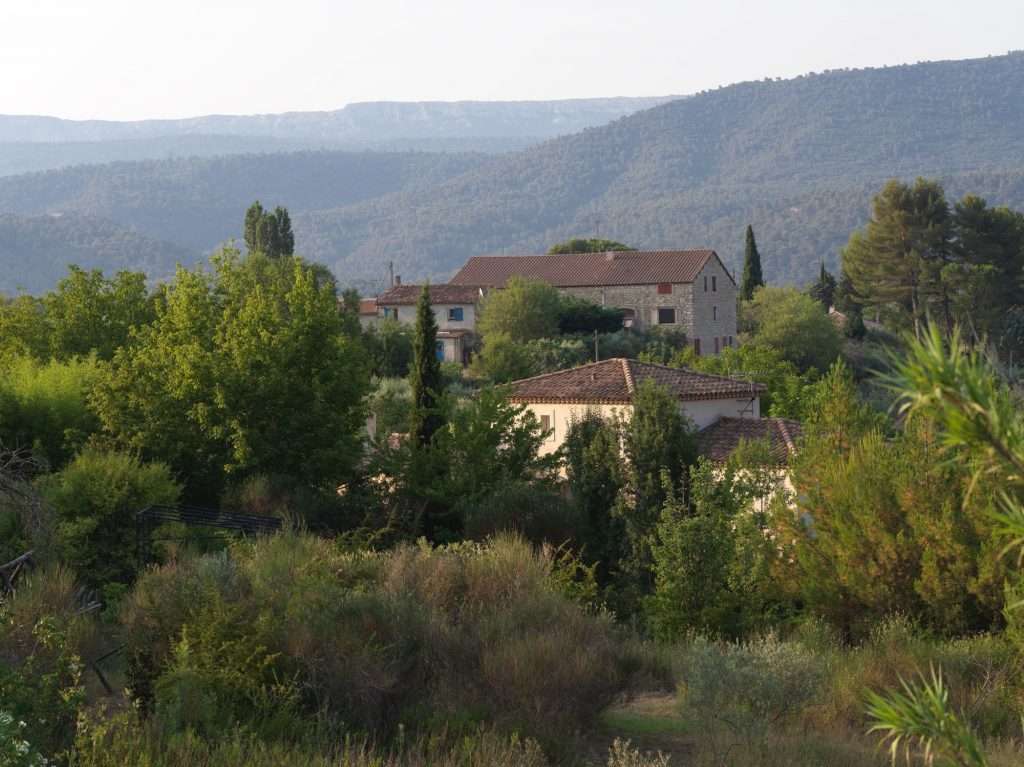
XCD 120 f/8
Some notes :
- The XCD lenses provide slightly more blur at any given aperture than the Otus lenses. This partly compensates for the difference in maximum apertures (in terms or blur, not light gathering, obviously).
- The differences between the Otus 100 and the Otus 85 are very minimal indeed. They seem more related to focal length than to design choices. The vignetting differences are very slight but, somehow, Otus 100 files feel a little easier to clean up.
- Both Otus lenses are surprisingly useable and sharp right into the corners, whatever the aperture, on the first 2 series. Only at longer distances do they really start to suffer from being used out of their natural design scope. On 24x36, they are perfect at all distances and all apertures.
- Manual focusing is more accurate. Some of the XCD photographs were focused on the back of the bench for instance, while I tried to systematically focus on the front edge of the bench. Manual focusing with the Otus lenses is a dream.
- There are fewer differences between the 2 Otuses, and between the two XCD lenses, than between the two ranges. Both ranges are extremely consistent in look.
It's actually shocking how good the two Otus lenses are on the larger format. There's no completely free lunch and they do appear to suffer at long distances and wide apertures. Although mainly in vignetting. Besides - wide apertures at infinity - who does that anyway? Those lenses are designed for actual photographers.
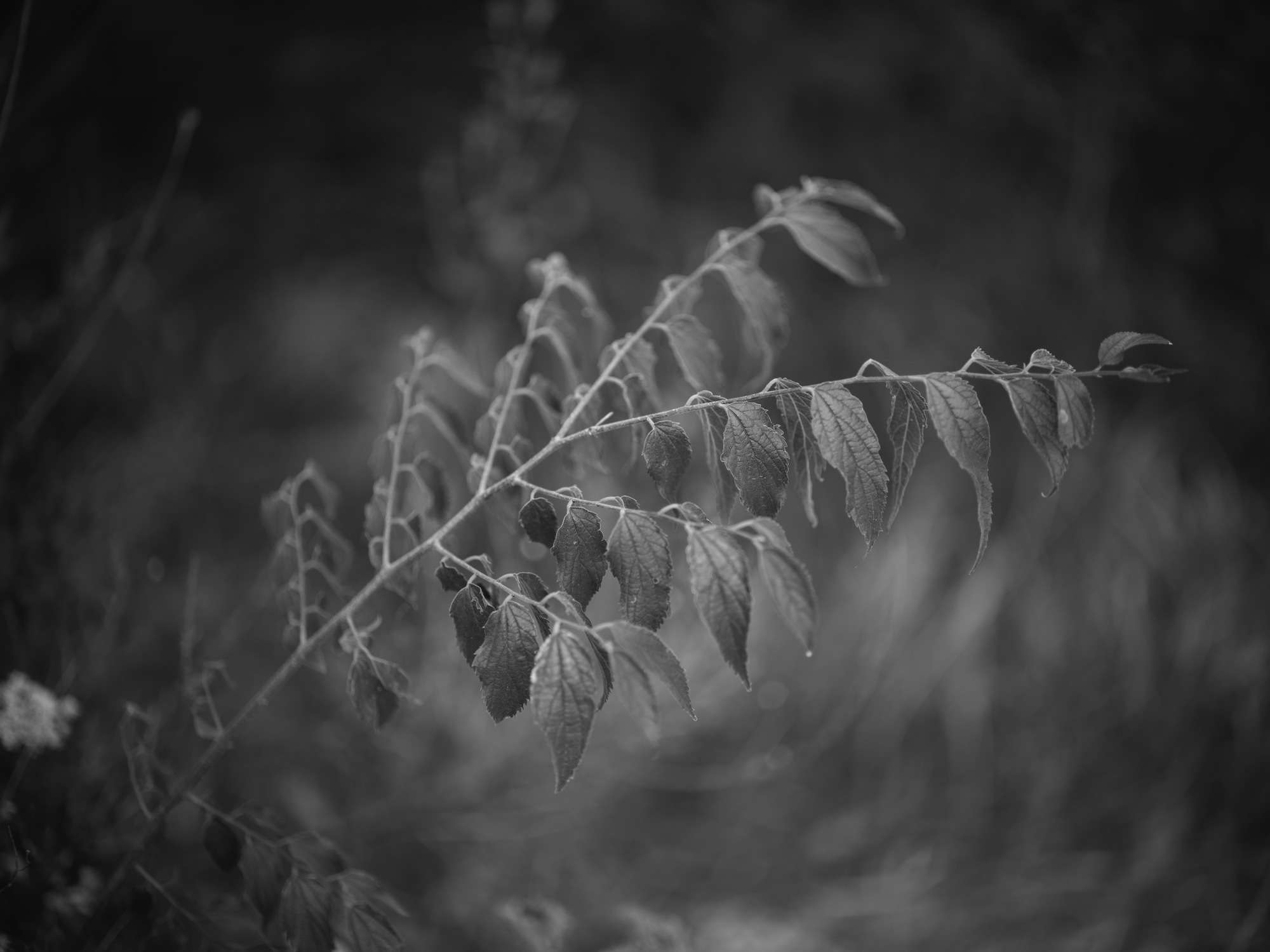
Still, though, if you feel it's unfair to Zeiss to test their lenses on the wrong mount (I don't, to me it just proves how extraordinary their Otus lenses are), the following section is all about cropping to the correct dimensions.
In 24x36mm
Presenting actual 24x36 crops (6800 pixels wide, 31Mp) isn't as easy as you'd think. Neither of my PP applications (Lightroom and Phocus) actually give you the resolution of a crop at crop time. You have to check after the fact, which can be a pain.
Still, it makes sense to present a few shots made on the format the poor lens was actually designed for. Particularly at infinity, which places it at the greatest disadvantage on the Hassy.
So here are a few. You can click and download some in full size.
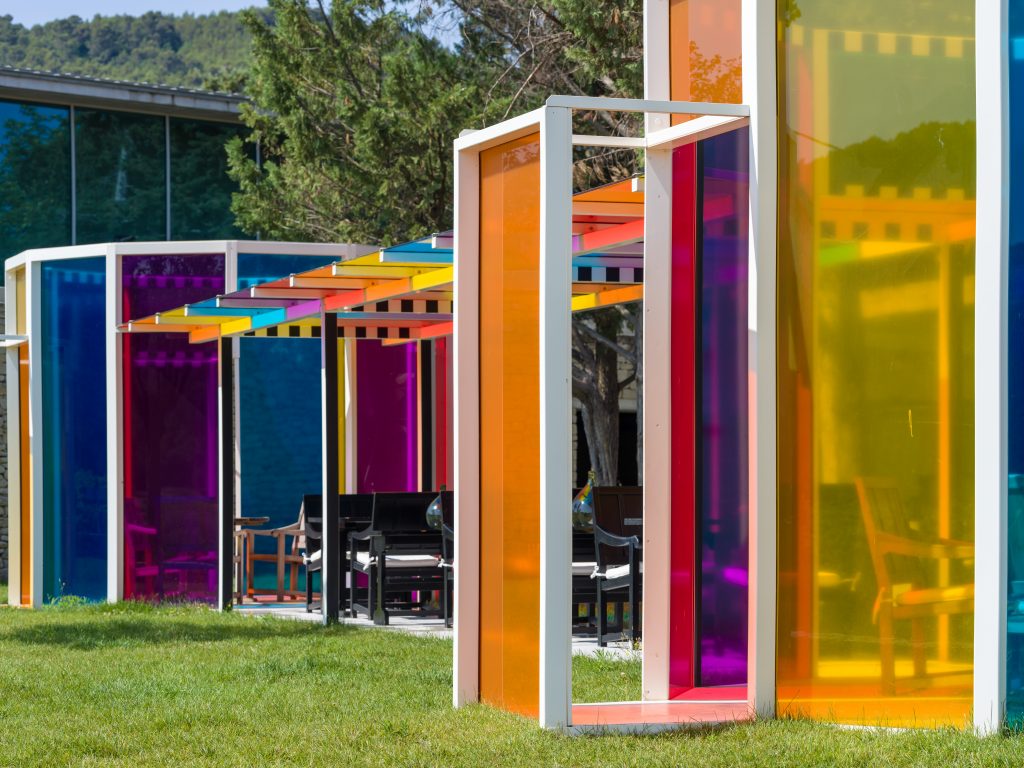
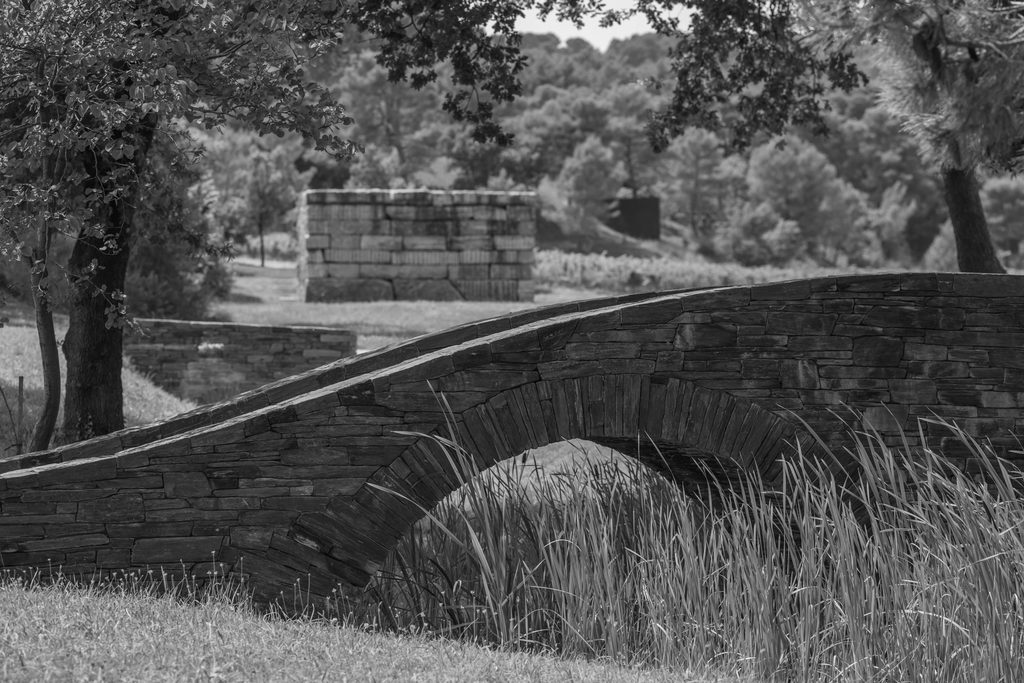
Is it technically perfect in Full Frame?
As nearly as really matters. The worst offence that has popped up in any of my photographs is a very slight (2 pixels wide?) fringe in out of focus high contrast edges. See mountain ridge, above, at 100%. And that's 1 click away from oblivion in most PP software. So yes, used on PP, you can pretty much forget about technical performance and focus on photography.
Of course, this is written in yesterday's world of meaningful resolution. And I can pretty much predict the opposite conclusion when (expletive) 240 Mp machines swamp our tranquil little chunk of universe.
A viable proposition for (small) Medium format shooters?
Fuji GFX users may have different things to say. I've never used one personally, so my ideas hear mainly concern the Hasselblad X1D user. However, sensors being identical, it would come as a great surprise if the facts observed on the X1D were very different on the GFX.
There's a lot in favour of this lens. It is optically stunning and Zeiss have obviously separated it from the 85 neighbour through a careful tweaking of the rendering. I feel the 100 has more natural 3D and a more gentle/neutral drawing.
As superb as the XCD 90 is, the Otus 100 does offer 3 more stops of aperture and a gentler look that I find better suited to portraits.

If cost is no object, I struggle to think of a better FF portrait lens. And the blend of 3D, palpable textures and perfect colours can quickly get addictive.
The Otus 100's main drawback - on small (44x33) medium format - is that it can't be your only lens in that range. It covers the frame very nicely from 5 meters and closer. At longer distances, unless you are deliberately going for a specific look, the vignetting is present enough to make you feel uncomfortable when going for that money shot.
If you can afford it, and shoot close or don't mind cropping a little bit, it is one scary monster of a lens. Superb in every possible conceivable way and a glorious way of bringing the inimitable Zeiss look onto a Hasselblad platform that will treat every single photon from it with utmost respect. There is something deeply satisfying about a system in which every link has been tuned for utmost quality and works well with the others.
But! At this point, it is my duty to crumble the idyl with some grimy, down to earth details.
As all adapted lenses, you need to shoot an Otus in silent shutter mode. This gives you 1/10 000s shutter speeds, which is nice with an f/1.4 lens. But it also implies oodles of shutter roll if you're not perfectly stable for 0.3s after the shot. See f/4 pic of the portrait series, above.
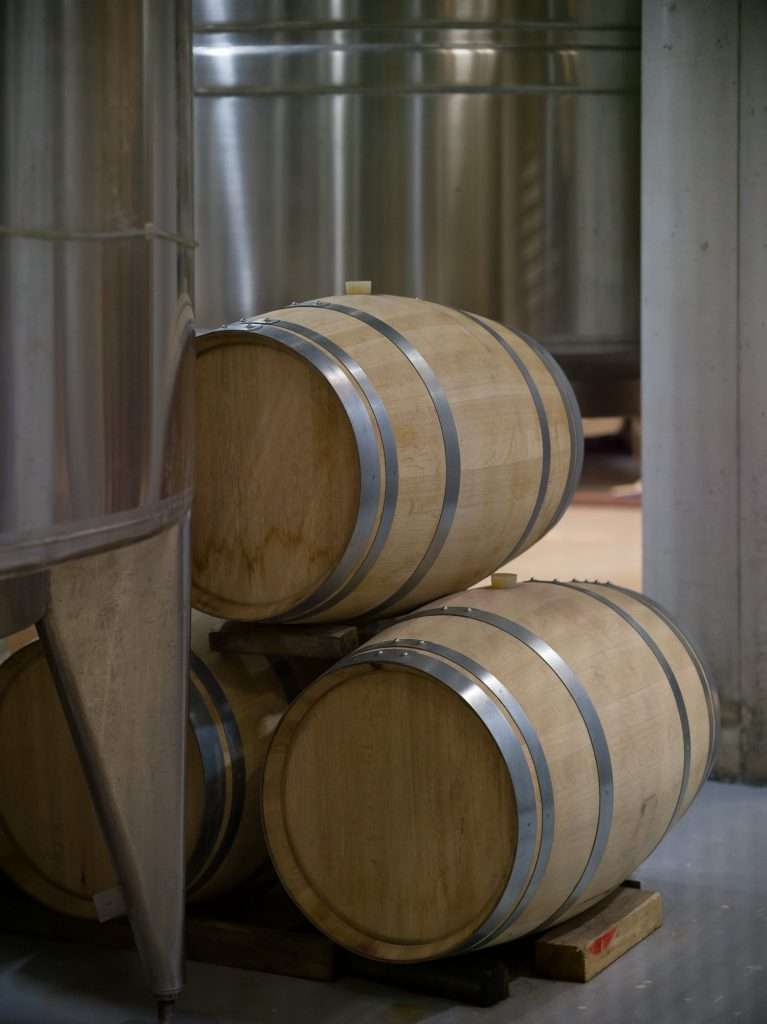
And it implies banding in many interior lighting situations. See barrels above. A small price to pay for some. An distinct no-no for others.
If, like me, you've grown fond of the slightly flatter and more incisive look of the XCD lenses, you can let the Otus go without feeling bad. The use of silent shutter forces you to be extra stable for a longer period. The post processing is a bit more finicky. And manual focus, as delicious as the focus ring of the Otus feels, is more complicated to nail than with the slow but super accurate AF system, on moving subjects.
But if you enjoy manual focusing (which isn't pleasant with fly-by-wire Hassy lenses), need the extra aperture, just crave the look, and can live with the technical constraints, you really can't go wrong with the Otus 100 on your X1D.
Meet Archie
So, there you have it. You know how much lab tests irritate me. To me, it's incredibly arrogant to say I'm going to take the finest lenses from manufacturers who have spent 6 or 7 figures on test rigs and evaluate them, in a basement, using a sheet of paper. Let's get real, and a little more respectful of the work of others! This lens is as technically perfect as matters to anyone likely to use it.
What I have (again) tried to do instead, is take a variety of shots in a variety of conditions and processed them in a variety of ways so that you, the reader, might recognise something of your own style/process and might take away some idea of how the lens handles the situation. The use of a Hasselblad as a platform isn't theoretically ideal. But, in practise, this camera has extremely neutral colour and tonal rendering. So what you see is mostly what the lens does (except where I have deliberately thrown in copious doses of extravagant PP ;) )
So, now, let's end this very unscientific overview. I have used a camera the lens wasn't designed for, fluffed some photographs because of shutter roll, forgot batteries, and used silly names for comparison lenses to add confusion to the whole ;)
But all the science required for this lens was handled at Zeiss HQ well before it got into my hands. And, as far as I can tell, it is essentially perfect from a technical point of view. What seems more important to me is what you can expect of the lens in use, in terms of image making.
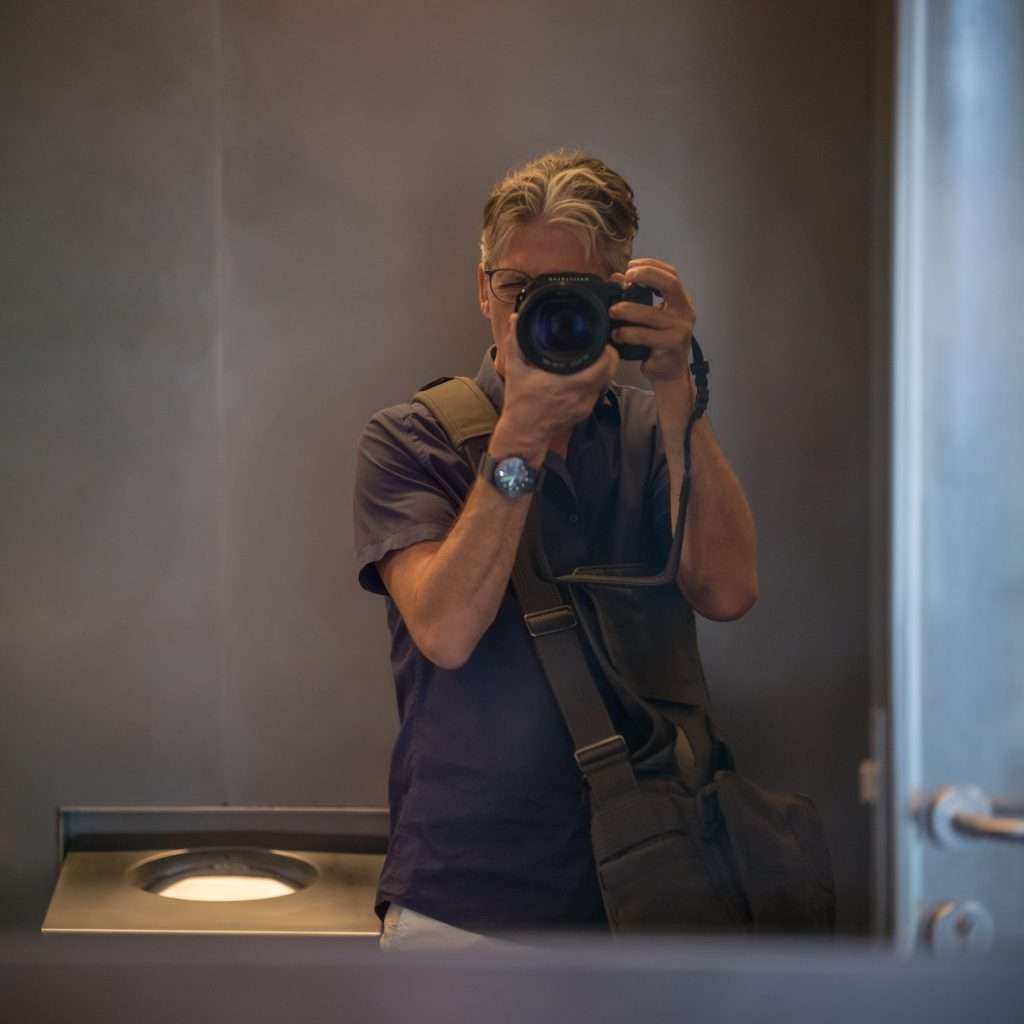
When you are spending the best part of 5000 dineros, it isn't to buy a sharp lens. You'll get a sharp lens for 10% of that price. And if that 500$ lens isn't perfectly sharp, just run the files through DXO. What that extra money buys you is predictability.
Some lenses are good under some conditions and break down in others. What the Otus range offers is consistent performance across more or less any conditions you can think of.
Is it different from the Otus 85?
A bit, but any differences in rendering style between the two designs are not as significant as the differences introduced by the differences in focal lenghts. The Otus 85 has an uncanny ability to isolate a subject from the background that I've never seen in any other lens. The Otus 100 comes very close but appears to have a slightly more "linear" approach to 3D. It also seems to vignette a tad less.
The Otus 100 seems to be the very slightly more mature brother of the Otus 85. While it's probably impossible to tell the difference without a direct comparison, I feel Zeiss have perfected a lot of minute details: colour neutrality, 3D linearity, vignetting, coma ... None of these is probably visible alone, but all combine to create a subtly different rendering. It is very difficult to describe. So I have tried my very best to sum this up in two photographs:
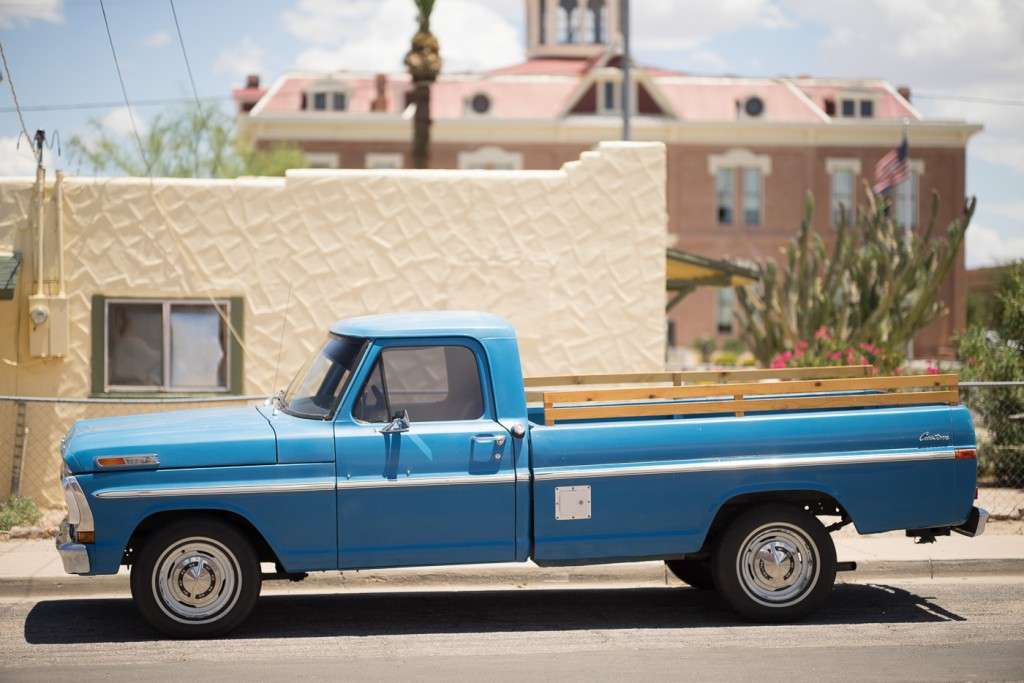
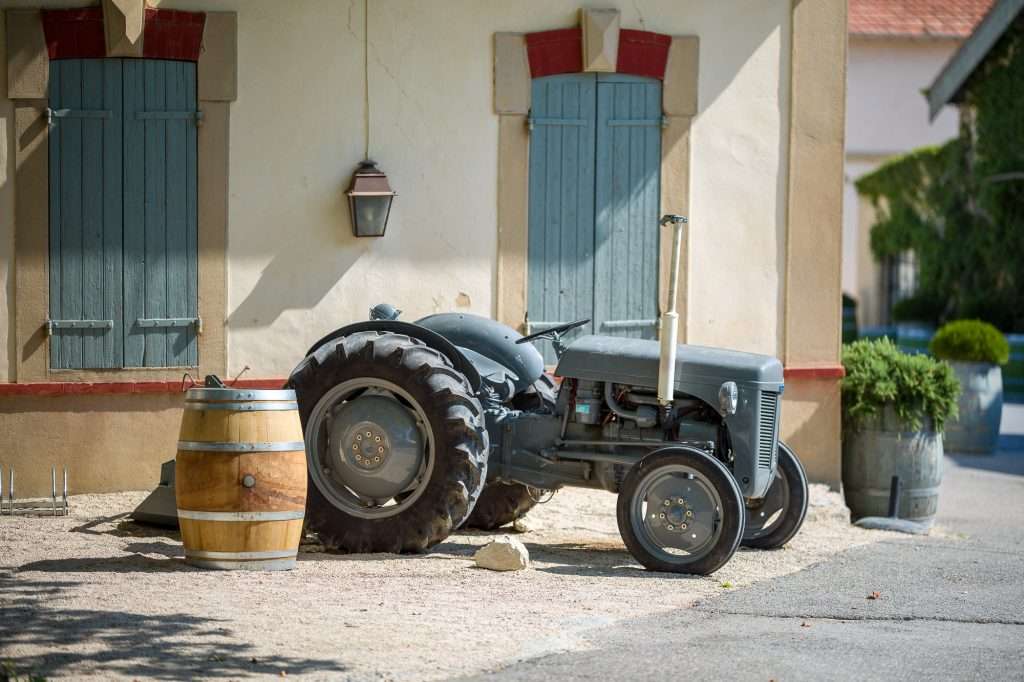
Which you prefer is entirely a matter of personal preference. To me, the Otus 85 remains the king of the Otus concept. To me, it is still the most extraordinary image making tool out there. But the Otus 100 probably is the better lens of the two, from a technical point of view.
We must now conclude. We, because Philippe was involved in the crafting of this conclusion. And, at DS, craft rhymes with daft.
First, a serious question: is there room in the Otus lineup for this lens, when the 85 is so close in terms of focal lengths? In my particular case, yes. Because it covers my sensor format a tiny bit more easily. In general? If the choice was offered between the two, the 100 would probably get the nudge for most people, simply because of its more immersive rendering. Honestly though, anyone would be privileged to own either.
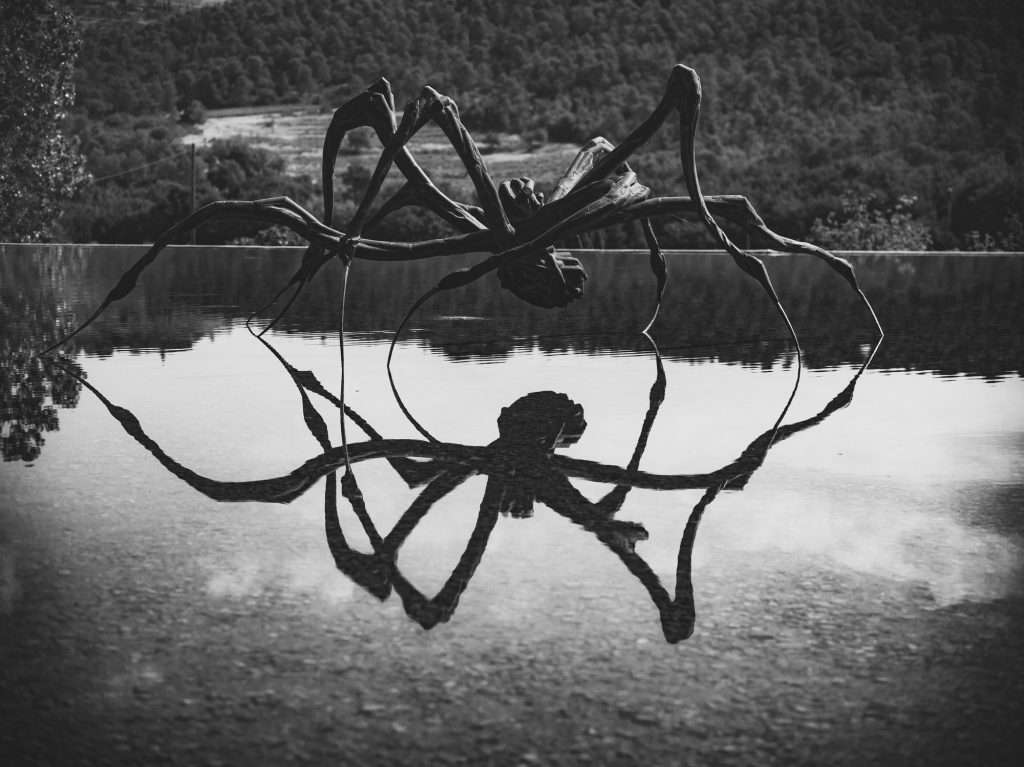
There's no doubt plenty of lab test photographs will place one on top of the other for sharpness and other irrelevant aspects (mind you, now that an obnoxious 240Mp is the new normal, you'll need all the optical help you can get to fight depression). But, in real life, the only real difference is the rendering. And that's a good thing.
Second, a serious question: is this an über-lens? Undoubtedly. One of the very best.
Third, a decision to make: as with all über-lenses, this one needs a DS-approved nickname. Hedwig was might first idea, as this Otus (latin name for a species of owl) is as beautiful as Harry Potter's owl.
Philippe suggests Archimedes, Merlin's owl in the Disney films. And since Archimedes is also a famous Greek scientist, we feel the blend of magic and science suits this lens perfectly. So ... drum rolls ... please welcome Archie.
PHILIPPE ADDS (un-rant):
There are some things/circumstances/people in life that you hate. And some [shame on you/me/us] that you even love to hate. This lens, Archie, is the opposite. I hate that I love it. It costs a kidney-and-a-half, and weighs what in French we call a "dead donkey" (don't ask me why, but it means it is HEAVY). I swore I would not go down that route again. None of that performance-based-look-at-how-good-my-gear-is-and what-gorgeous-pictures-it-delivers-and-by-the-way-nicer-than-yours. No. Not again. Been there, done that, yadda, yadda. Fini.
Then comes Archie. One picture. Just one picture. And I'm a goner. That shows that, once as addict, always an addict. All it takes is one lapse and you're off the wagon. Hello, my name is Philippe and I am a gearoholic.
It was so bad that, once I'd seen the picture, in mid-conversation with Pascal, I literally had to go out and shoot just to calm my nerves. I came back with a few neighbourhood shots, not one of which I would have taken just because Archie is so large and heavy, it would put a massive damper on my shooting.
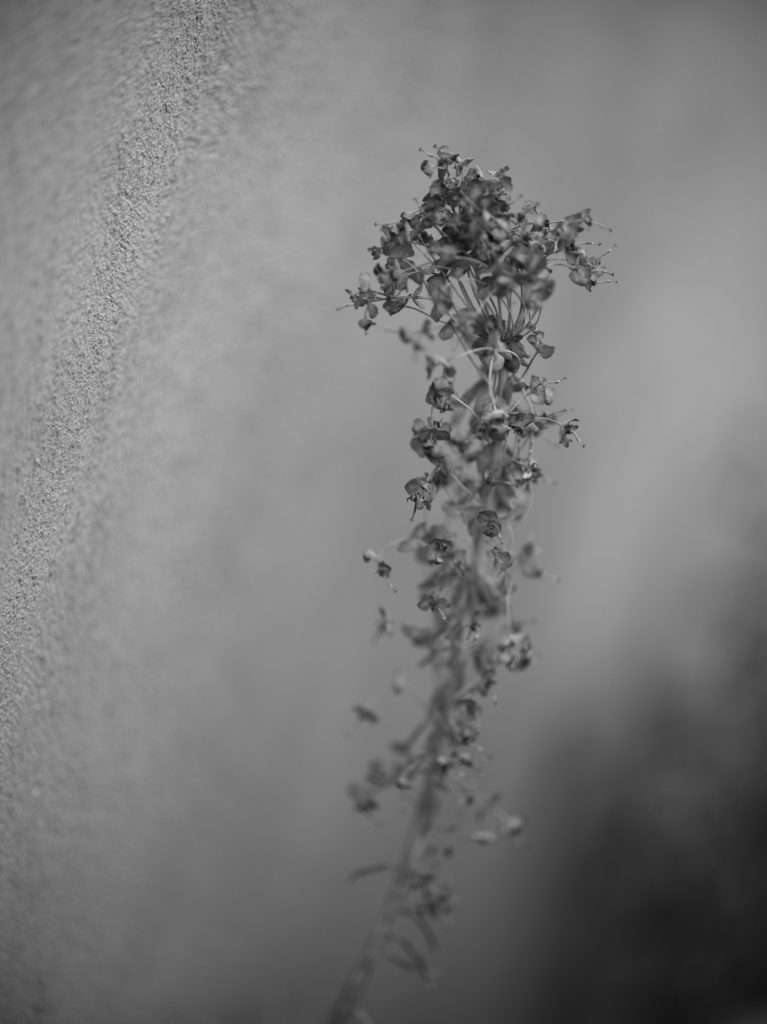
So, just as I think I am over it, Pascal assails me -assaults me?- with more pictures. And I am down the rabbit hole again. How can I describe it? Archie makes incredibly beautiful images. It is hardly the first such imagemaker. But with previous lenses, the more beautiful, the less neutral. Or the more restricted the shooting envelope (one-trick ponies). Or the less realistic (more beautiful than life). But Archie has all four previously incompatible attributes. Incredibly beautiful, AND incredibly neutral, AND incredibly natural AND across all shots.
Looking at the comparison galleries (thanks for the effort, Pascal, that is so helpful, but also such a drag to produce), the 85 (Hubert) hardly looks weak, but Archie brings an extra measure of spatiality and airyness that just looks so right. And while Hubert can look a tad stiff and schoolmasterly at times, Archie is just as exactingly, even painfully precise, but always with a smile and a curtsy.
Archie, I hate that I love you. And, no, I don't even want to consider Archie on the A7RIV. Nope. I have more willpower than that. I will not cave. I will not. I will. I.....