
#908. Sony 18-135mm. Cheap. Far more than cheerful.
There is a lot of snobbery and prejudice in photography, and internet amplification syndrome ensures that strongly held beliefs are perpetuated, even when they may not be easy to substantiate with empirical evidence. In fact, it's better if views cannot be substantiated, as then there can be no limit to the endless conversations about lens micro-contrast, plasticity, colour rendition and all the other quasi-religious beliefs that so many photographers cling to.
Some amateurs remain absolutely convinced that prime lenses are best, that zoom lenses are inherently inferior, and that they make you lazy because using a prime lens you can "zoom with your feet". This is bad advice on so many levels, based on an out-dated view of lens quality rooted in the 1970s, and a complete lack of understanding of focal length, subject distance and field of view. If you take a photograph at the same subject magnification with different focal lengths, at different subject distances so that the subject is a consistent size in the frame, you will get quite different pictures because of the varying field of view. The relationship between objects at different distances in the frame will be different, and so the picture will be different.
That's assuming that you could even get close enough or stand far enough back so that diffferent focal lengths could capture the same subject. There's a reason architectural photographers use wider lenses - they probably can't stand 3 streets away and get the same picture with a longer focal length, as the subject will be obscured by another building.
Different focal lengths are suited to different subjects, and give different fields of view that can be used creatively by the photographer who understands that, so they can control composition and the relationship between objects in the frame. A zoom lens offers a choice of compositions for the same subject that a prime lens simply can't.
The other conceit of the enthusiast is that expensive equipment is also always better, and therefore what photographers "need", especially if that equipment can be deemed "professional", the holy grail of perceived quality. Inexpensive lenses are inherently inferior because they have slow or variable apertures, whilst expensive lenses with big apertures are always "better".
This attitude demonstrates a profound lack of understanding of lens design, ignoring the challenges created by ever increasing apertures, and therefore a greater need to correct for the abberations this can create. Faster apertures can cause more vignetting, more geometric distortions, and greater challenges with spherical and chromatic abberations. What results is one of two possibilities. That fast aperture can make a lens less capable, so at fully open aperture it may be a bit soft or have distortions. Or alternatively, as we see increasingly often with modern lens design, as any kind of abberation is entirely unacceptable to the internet influencers, designing out all the imperfections caused by an adventurous design results in ever bigger and heavier lenses.
To me, this latter effect seems particularly at odds with the general trend for smaller and lighter cameras for both consumers and enthusiasts. I recently saw Canon's 24-70mm f2 and 85mm F1.2 lenses for their full frame EOS R system, and a Sigma 105mm f1.4 for SLRs, and they all seemed ridiculously large and heavy and completely at odds with the cameras they were intended to be used with.
To make a slow aperture lens is so much easier than to make a fast aperture one that a 35mm f4 lens could be of stellar quality whilst also being smaller, lighter and cheaper - but the internet influencers and enthusiasts demand ever more challenging specifications and performance, so we end up with huge 35mm f1.4 lenses, or 85mm f1.2s, monstrous Leica SLs / Panasonic S camera systems, and a Sigma 105mm f1.4 with a 105mm filter thread and a 1.6kg payload instead. Don't get me started on some of the Zeiss Uber lenses either. For me, all of these represent inflexible beasts of burden for the travelling photographer, something to lug around in the hope of finding something suitable to photograph. Lenses that dictate the composition, not that suit what the photographer wants.
So what's any of this got to do with Dear Susan's ode to creative travel photography?
Recently I went on holiday. I've had another year with the stresses of family problems, so I wanted a holiday to relax and unwind. I hadn't any photographic plans, itineries, photo shoots or competitions, so I didn't want a camera bag that felt like I was carrying equipment on some military exercise. I took my very light Sony A3000 and A5100 cameras and a few small lenses.
At the airport, I came across an ex-demo Sony 18-135mm lens being sold very cheaply. It was really small, about 8cm when collapsed, and only grew by 3-4 cm when fully extended. It was really light, about 300g. It had OSS, Sony's designation for their in-lens stabilisation. Word on the internet was that it was good, so I couldn't resist the low asking price.
It hasn't been off my camera.

It's taken me back around 15 years to when a friend lent me his Minolta 35-200mm xi zoom to use on my first trip to Thailand. Back then, I didn't worry about fast apertures, esoteric glass, or complex designs that weighed me down. That 35-200mm stayed on my camera almost all the time, and I just concentrated on taking pictures.

In the years that have followed, like many amateurs I've become "bogged down" worrying about equipment. Sensor size and performance and fancy expensive lenses become important, and for some feel like a raison d'etre in themselves, a self justifying mark of the quality of what the owner is photographing, rather than anything about story telling or picture taking.
Lenses which dictate the pictures to take by what they are suitable for, or what can show off their abilities, rather than pictures first and then equipment that can take it.
For anyone who read my article Introducing-the-non-camera, an ode to inexpensive basic cameras, this Sony lens is most certainly "the un-lens". It's aperture is too modest to be of interest to the enthusiast (f3.5-5.6). it's very light and made of plastic, two things which are always bad for the well informed enthusiast as both are the mark of poor quality. It's made in China, which instantly means it's terrible as a lack of quality control means every example is bad in some way. Finally, it's an inexpensive zoom lens which "everyone" knows are always of bad optical quality, especially when combined with slow aperture and plastic build quality.
This Sony travel zoom has been a revelation on many levels. Firstly, it's about half the size and weight of similar lenses for other APSC camera systems, weighing a little over 300g, so it's easy to carry around all day. The trade off is that it requires digital correction for geometric distortion, a feature the E mount system was designed to support. Abode users didn't understand that the required correction data is embedded in the raw file because for some reason Abode - who always know best - ignore it and require you to download a profile they created (or a third party). When the lens was released they all bitched about high levels of distortion, which other software never lets you see because it uses the camera's own data to correct it as designed.
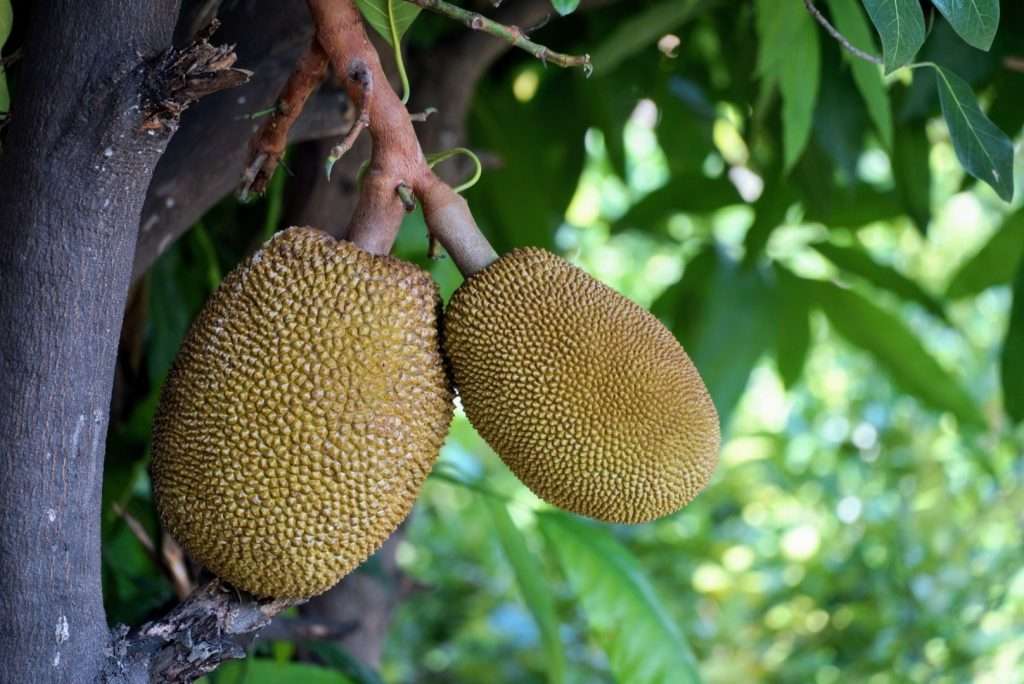
It's a non issue for me anyway, since as far as I can tell it's mostly sharp from corner to corner at almost any focal length or aperture. I heard of some enthusiasts who choose their aperture based on which setting gives the "sharpest" results, which is wrong-headed on many levels. Aperture is a way of controlling exposure and depth of field, and if you paid $3000 for a fancy Uber lens of impressive maximum aperture, you should use it. If you're going to stop down to f8 because tests showed you it's the "sharpest" setting, then you might as well have bought a cheap slow aperture lens. Every modern lens is sharp at f8 - get over it.
The final bonus of this plastic travel marvel is the optical stabilisation, which allows me to get clear photographs at its longest focal lengths (c. 200mm full frame equivalent) that are sharp and free from vibration blur hand held at 1/10-1/20s.
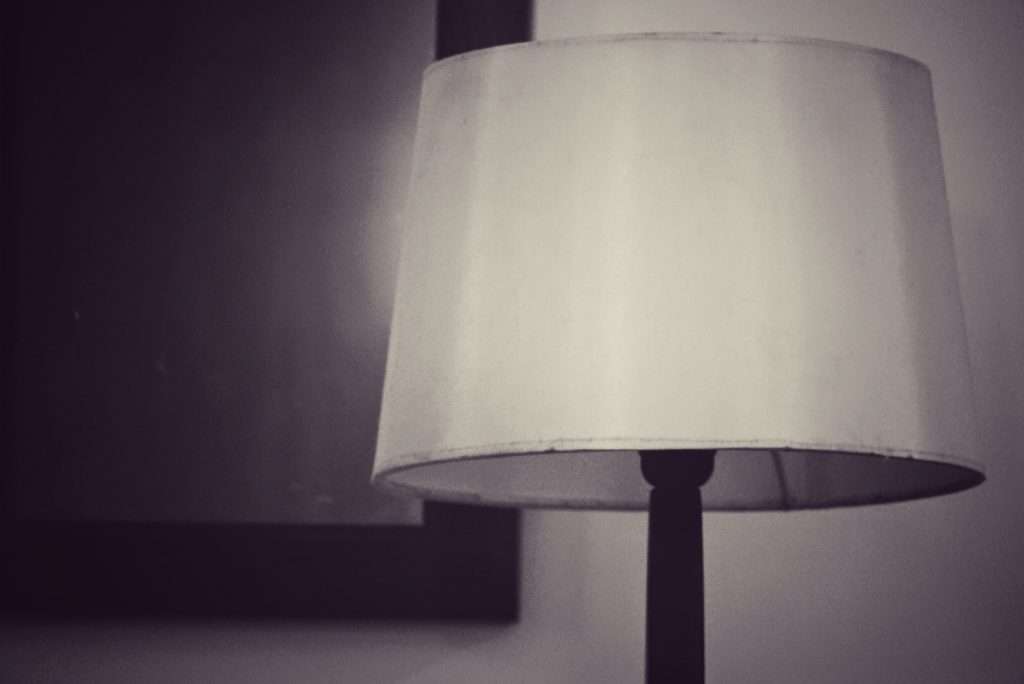
Now read that again, and think about how little the modest maximum aperture matters with such a wide shooting envelope.
I can hear the baying voices of objection looming on the horizon, so before I'm taken away to the institution where off message photographers go, I also own expensive, fancy, ego-defining lenses too. The Sony 24-70mm F2.8 GM has some of the best bokeh and rendering I've personally seen from a zoom lens, and in the right conditions the results can be sumptuous and painterly. I understand that quadrupling the price gets you from 98% good to 99.5% good, as the law of diminishing returns sets in and we justify the extra cost with bokeh or plasticity or 3D rendering. If I combined my 24-70mm GM with the 70-200mm f2.8 GM tele-zoom, the pair would weigh almost 2.5kg, and they aren't stabilised, although I'd get muscle tremors from carrying them around all day.
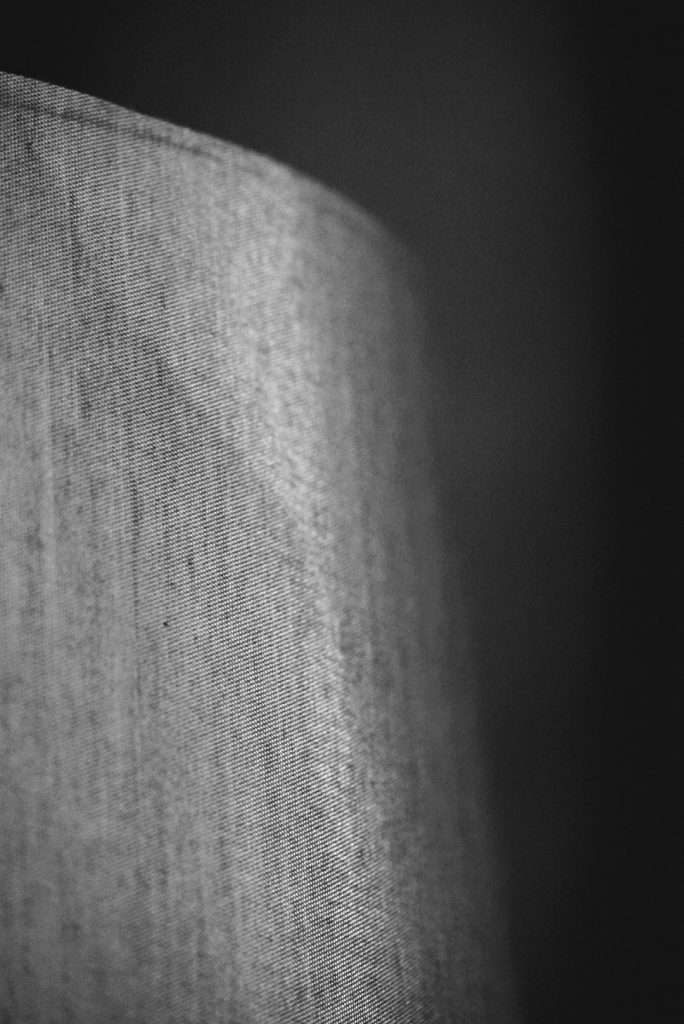
When I still used an SLR, my preferred travel kit for sight seeing was a 17-35mm zoom for architecture and interiors, combined with a fast aperture 50mm lens for available light work and shallow depth of field effects, and a short Tele prime (85-100mm) so I had a little "reach" to capture temple details or things across the street. Often I was forced to use large apertures when I would have preferred more depth of field, as tripods may not have been allowed (or I didn't want to carry the Eiffel tower around all day in 38 degree humidity) and high ISO would have spoilt the picture quality.
This modest zoom lens solves all those problems in one small package, and takes photos of such surprising quality that I don't need to worry about equipment and can just get on with picture taking.
As Vidal Sassoon would have it, "just shoot and go".
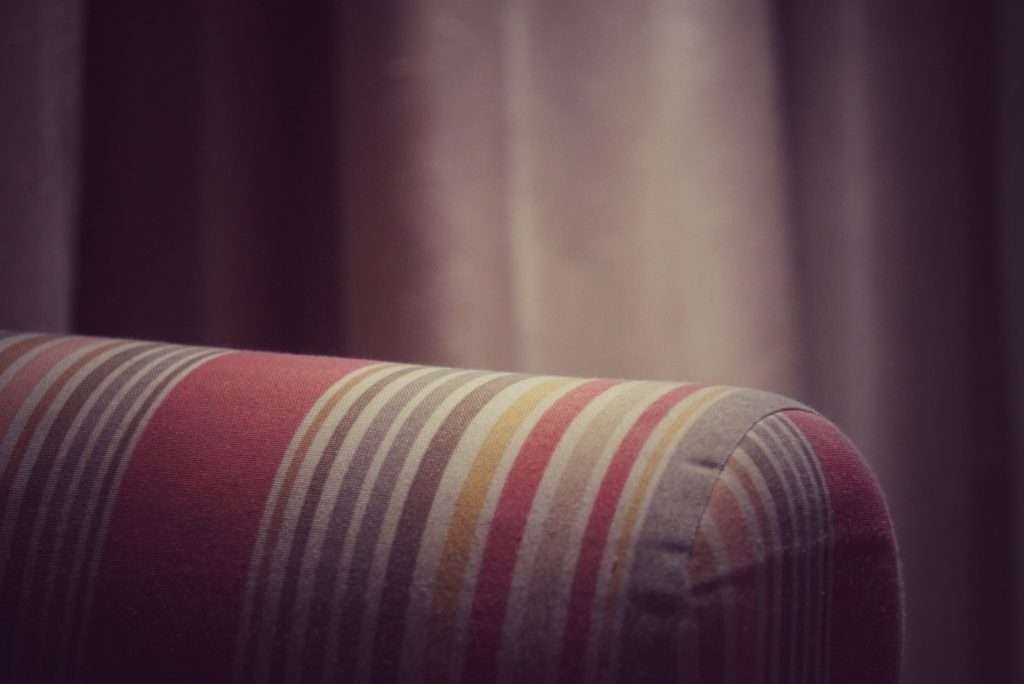
I once joked with a photographer friend about my "dream lens". It had an impossible specification, with a focal length ranging from 12mm to 200mm, and a specification that included a fisheye, an apodisation filter, and an aperture that varied up and down with focal length. This small, light, modest travel zoom comes close.
It's been liberating to come full circle and not have to obsess over the self-created worry of equipment and instead just get on with picture taking. It's been great to travel light, and its been a revelation to return to a more straight forward approach and concentrate on the pictures.
I'm going to say it: this is a great lens, and I don't caveat that with "for the price". In fact, it may be one of the best lenses I've owned for sheer versatility combined with quality.
Maybe it's a non-lens uber-lens. Don't tell anyone, otherwise they might all want one. Let's keep it as our secret handshake.
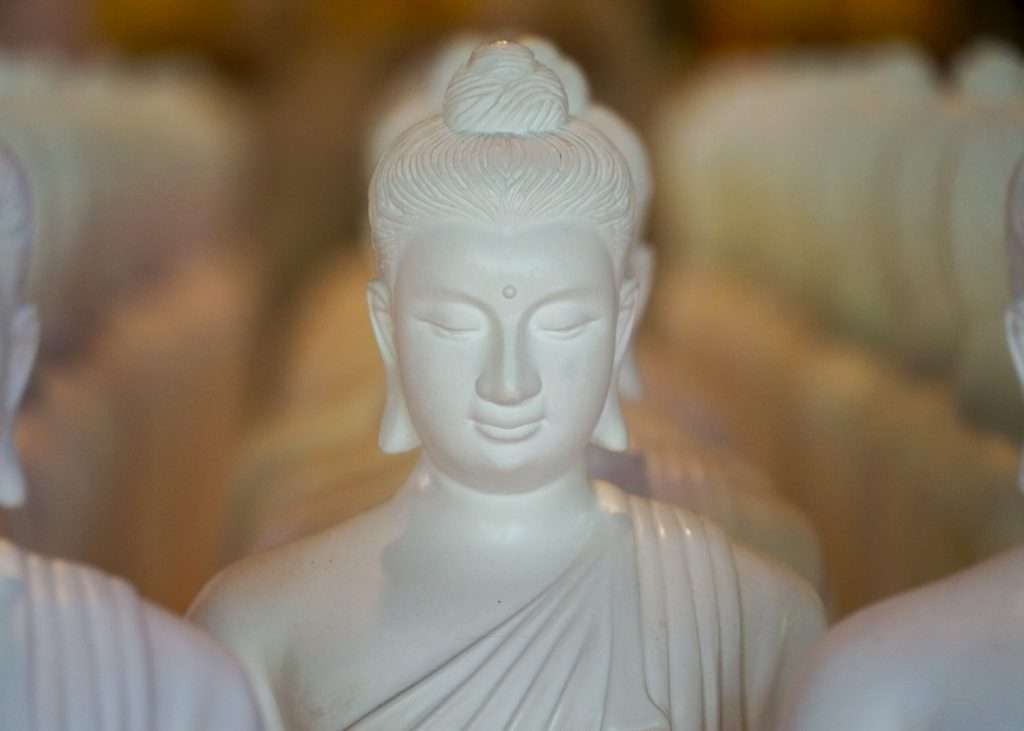
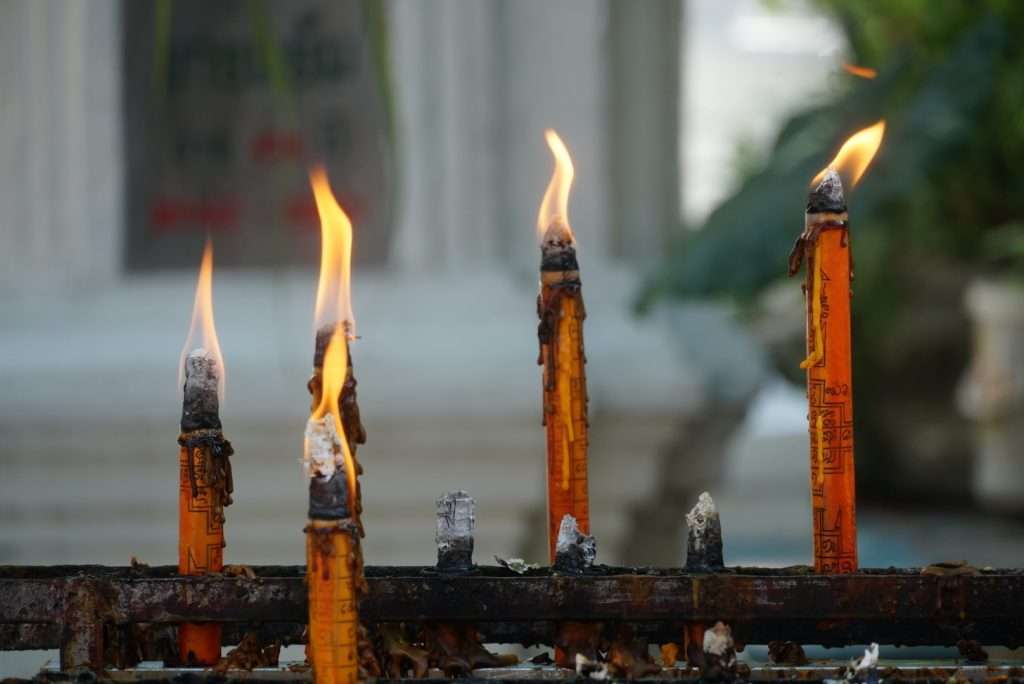
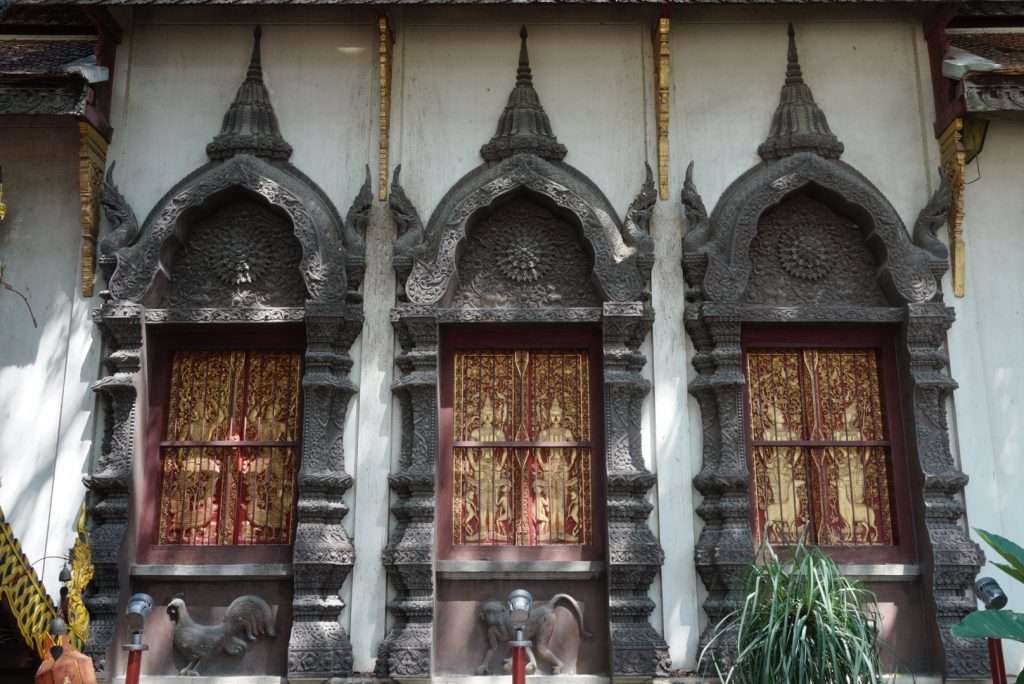
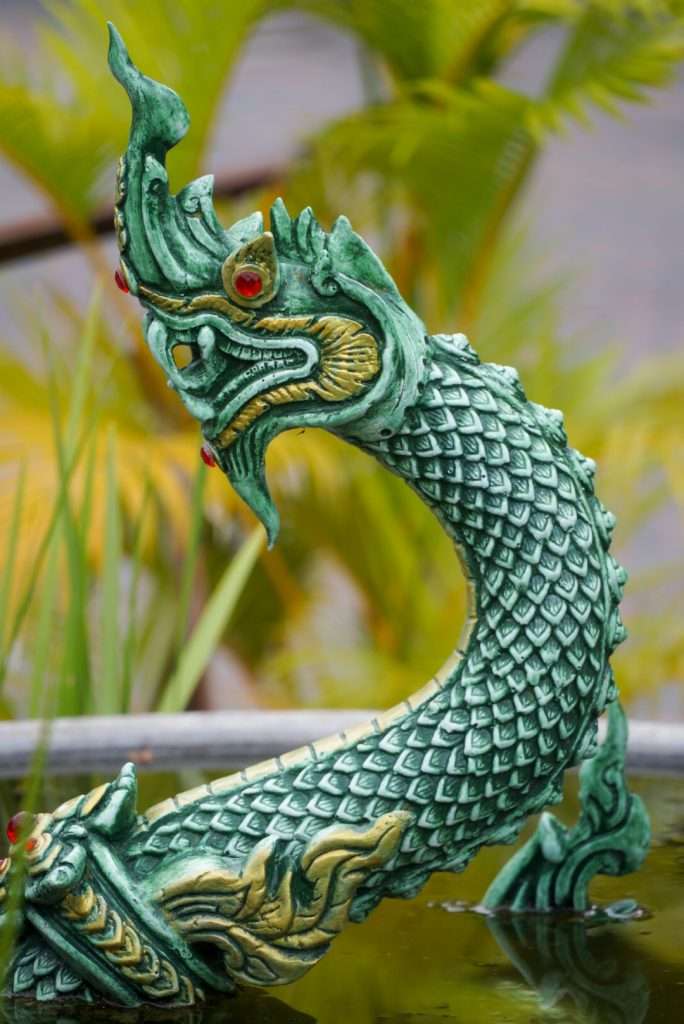
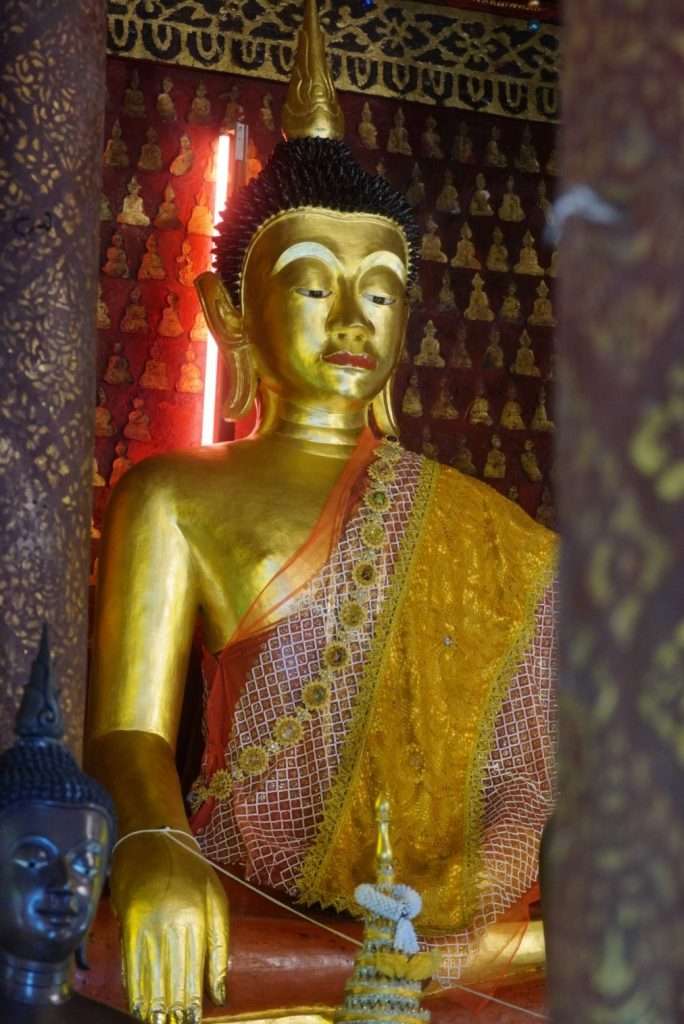
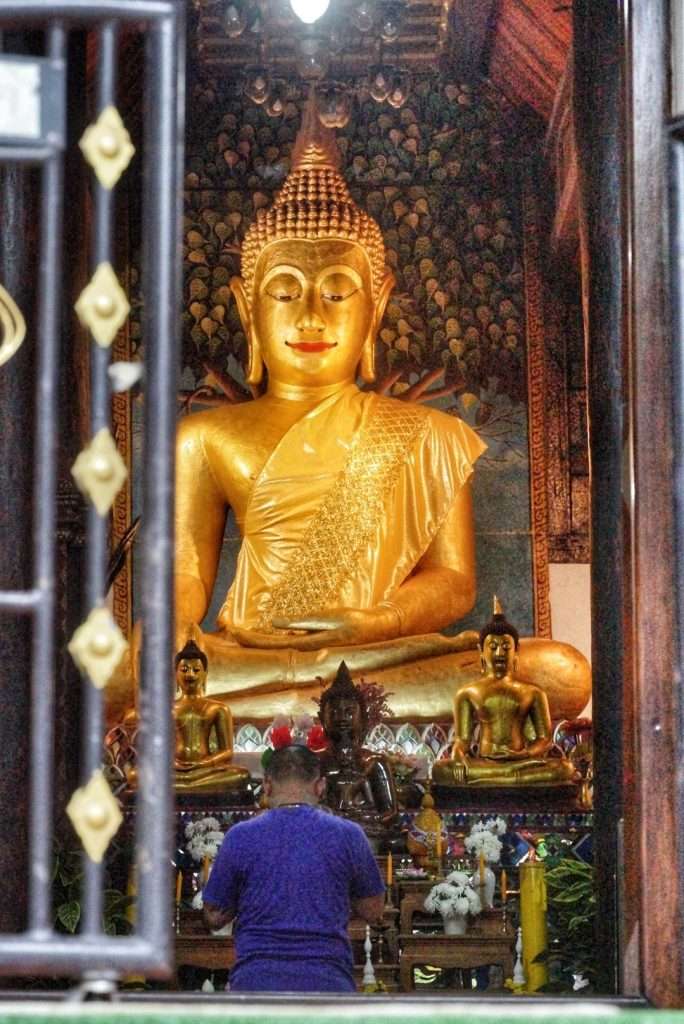
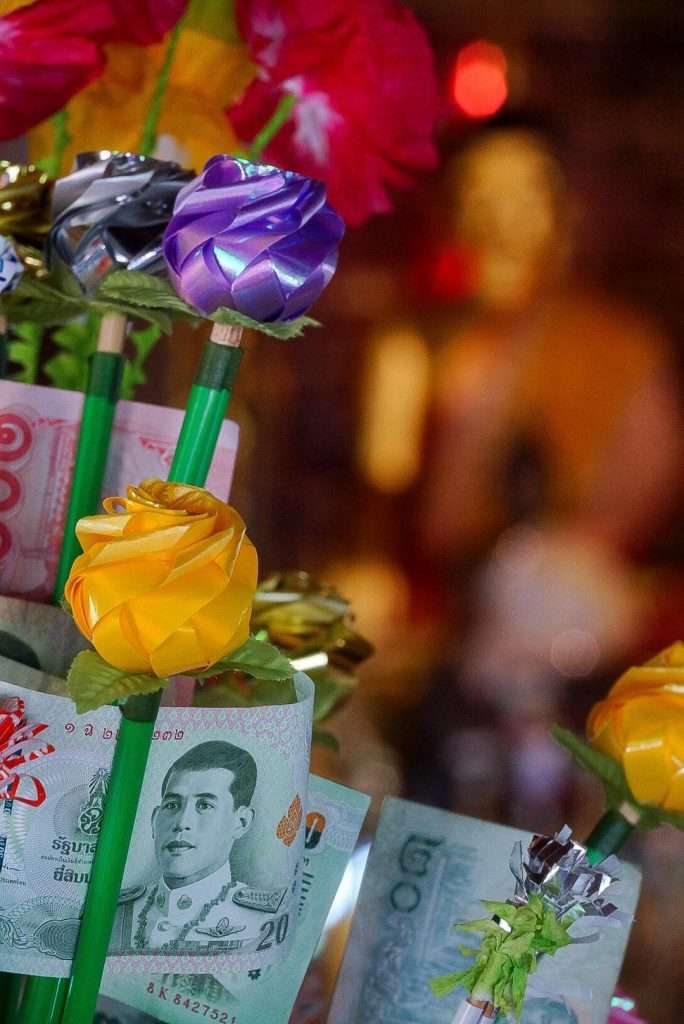
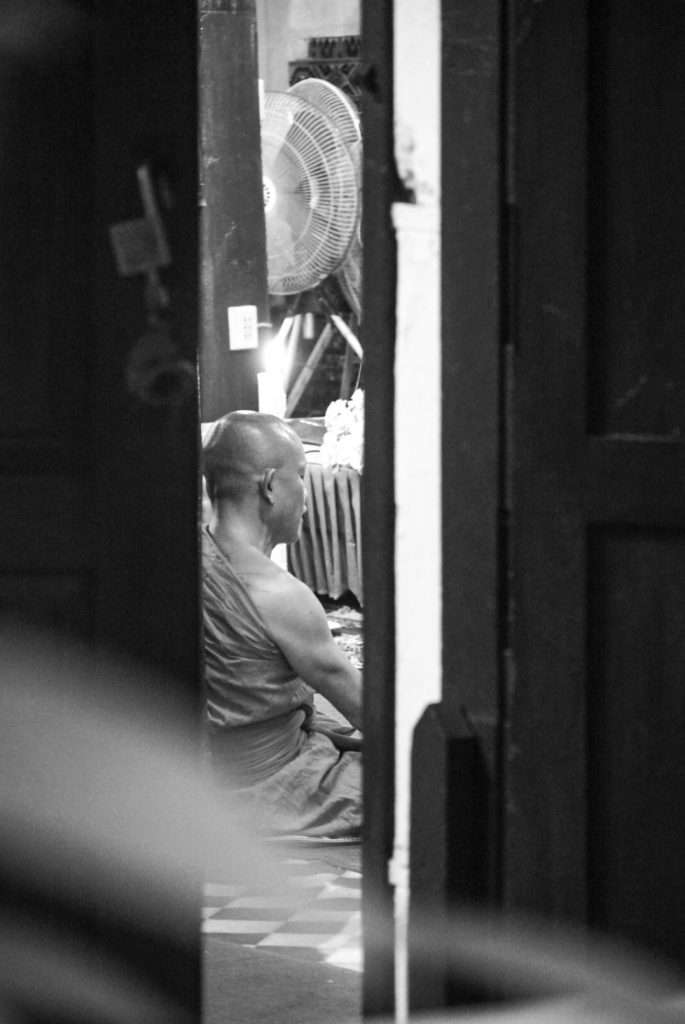
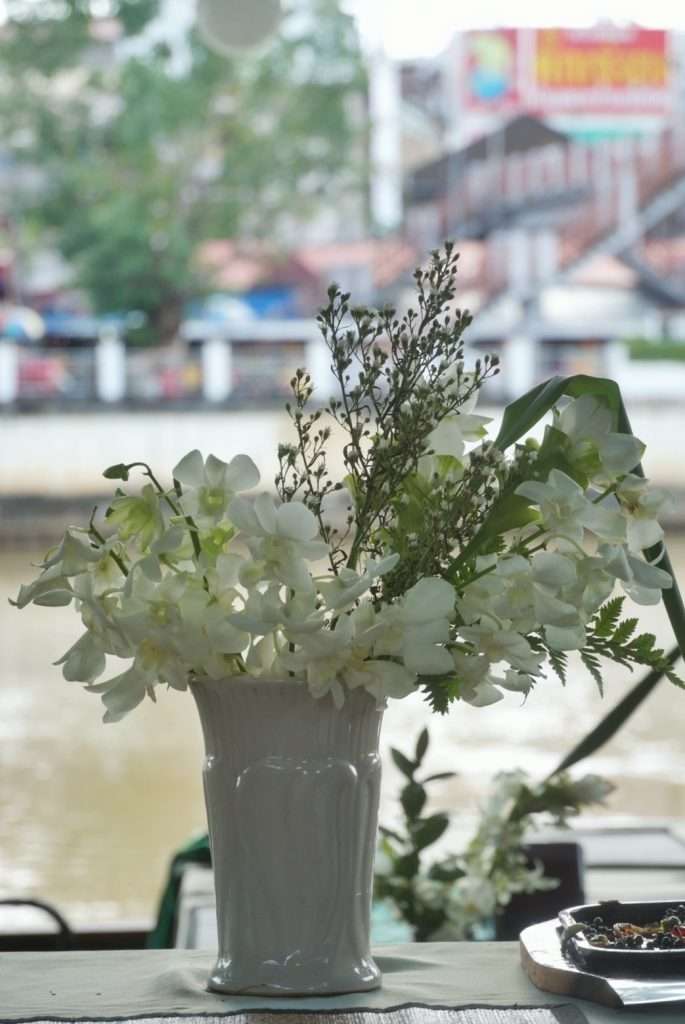
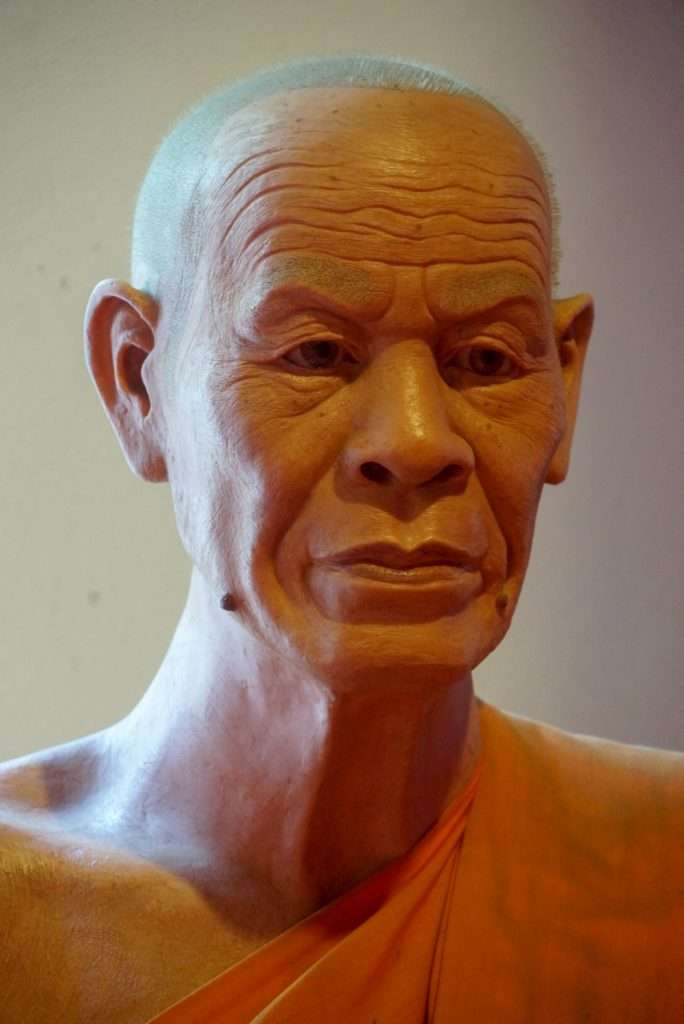
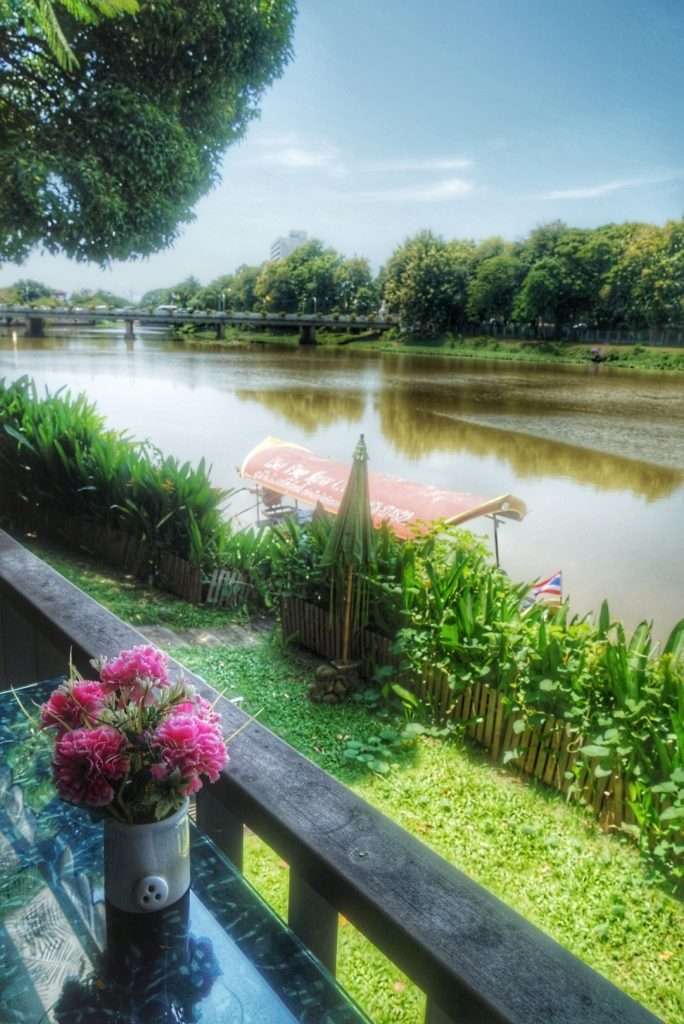
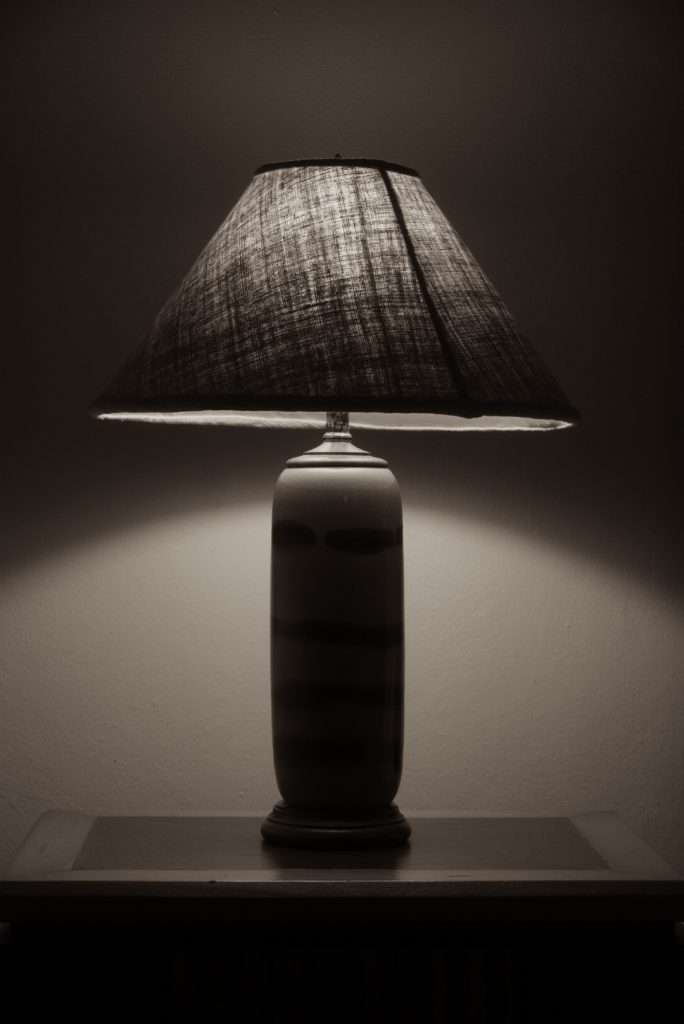
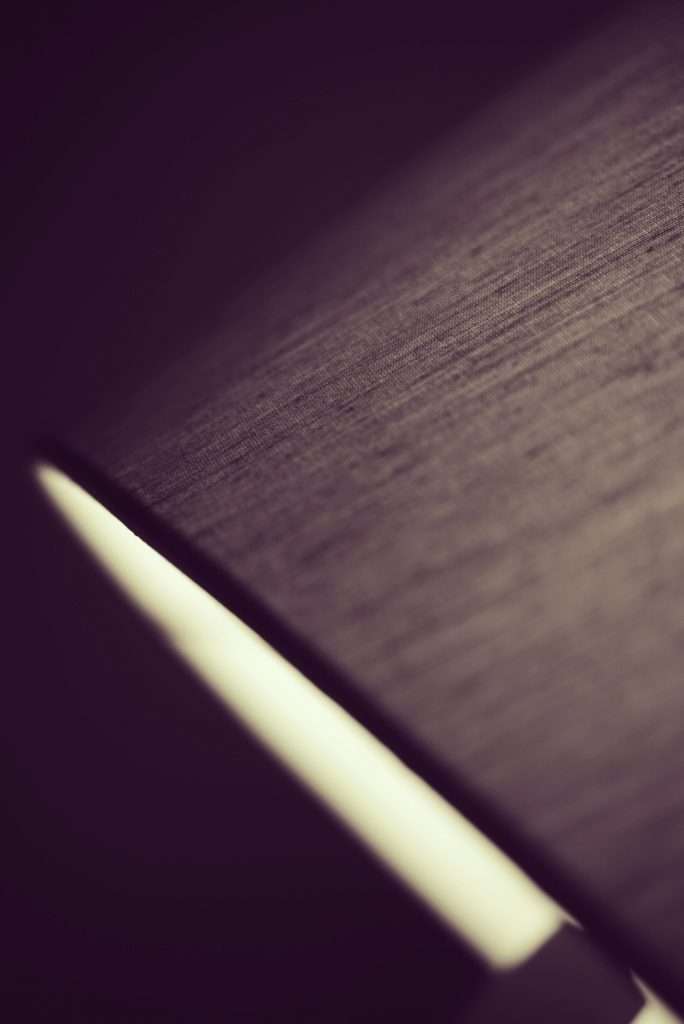
Photographs in this article were taken with a Sony A3000 E mount camera and Sony E 18-135mm f3.5-5.6 OSS lens, and processed to taste using Adobe Photoshop Express for Android.
This article is dedicated to my good friend Ton and the happy memories he has given me