
#699. Travel and Street Photography in Kuala Lumpur: be polite
Regular readers of Dear Susan may have seen previous articles I've written about Singapore and Penang, and finding inspiration in some of Singapore's modern architecture. I've travelled in South East Asia for over a decade, and particularly enjoy visiting Asian cities for their culture clash of western modernity, Asian street culture, and alien familiarity. The population density of Asian cities can create “high density living” rarely seen in Europe, and when combined with busy lives and the relative anonymity of the city, it becomes a fertile environment for urban photography in all its forms – sightseeing, “travel”, architecture, and street photography. This article is the first of a short series looking at different issues about street photography and giving some advice based on my own experiences. This time I talk about visiting Kuala Lumpur ("KL"), Malaysia's capital city and conduct on the streets and the importance of being polite when photographing people. Kuala Lumpur could probably never be recommended as a "must see" tourist destination. The city grew from a tin mining town and became the capital during British colonial rule, but since independence in 1963 it feels as if it has failed to flourish compared to its neighbours. Although the Petronas Towers made a statement of intent when it opened in 1996, the city's ambition always seems to outstretch it's reach. Around the towers at KL City Centre (KLCC) are a modest clutch of skyscrapers that form a business and hotel district, but the view from the top reveals a small low rise city with a population of around 1.8 million - a tiny capital by world standards. 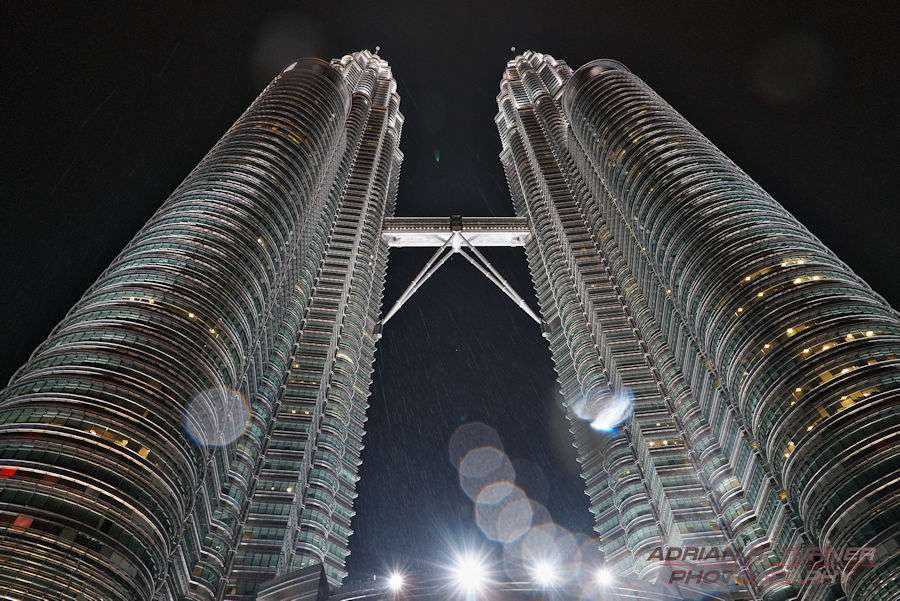 I first travelled to KL almost a decade ago and found that all the places in my guidebook could be visited in only a few days, and the city seems to have changed little since then. A two-day stay is probably enough to see the main attractions. The most interesting sights include the Petronas Tower for its spectacular views across the city, the Menara Tower situated on Bukit Nanas hill, a small China Town often recommended for its few small temples, and the Batu Caves which contain one of most sacred Hindu temples in Malaysia.
 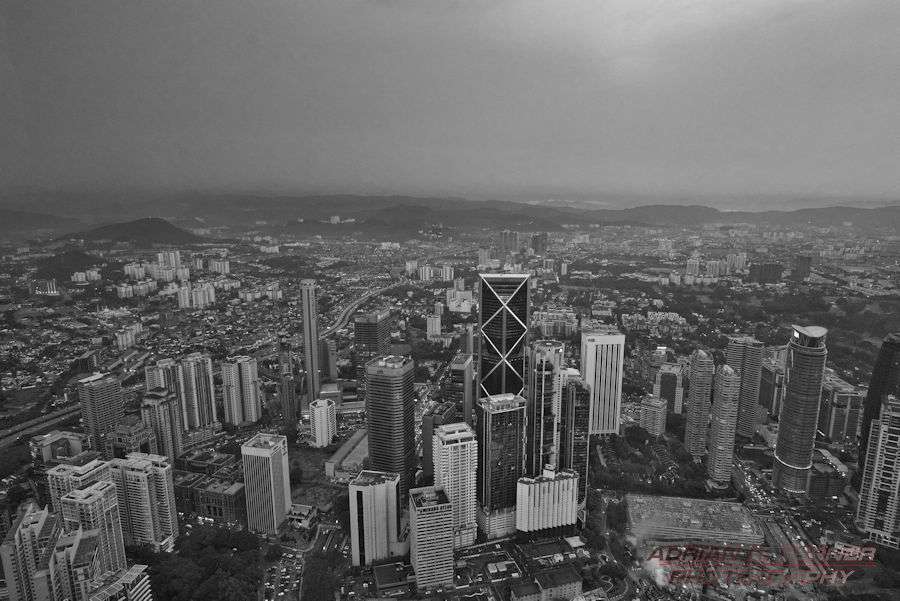 Of all the south-east Asian cities I know, Kuala Lumpur was the one that at first felt the most foreign. The city's culture is a strange mixture of British colonial heritage, local Malay culture, and the influence of middle eastern visitors who come for Malaysia's relatively relaxed form of Islam. The result is a confusing mix of old times colonialism, shisha pipes, westernised shopping malls, and an occasionally diffident local culture. On my first visit, I found the humidity and strange cultural mixture made it feel exotic but slightly threatening, taxi drivers pulling at my arm as I came from stations, and locals asking the price of my camera. Since then I have returned several times to see friends in physique sports, and I have come to my own understanding of the place, although sometimes it still confuses and confounds me.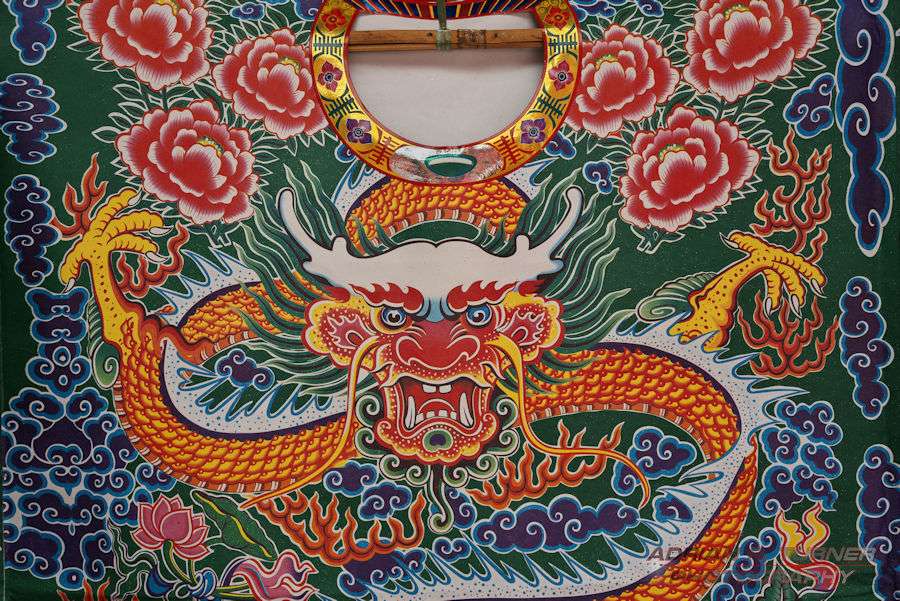
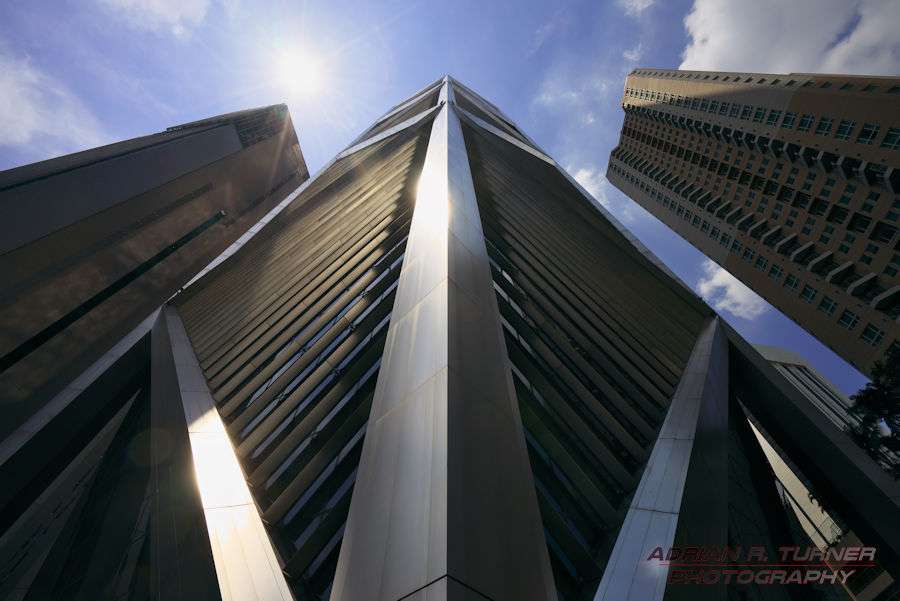
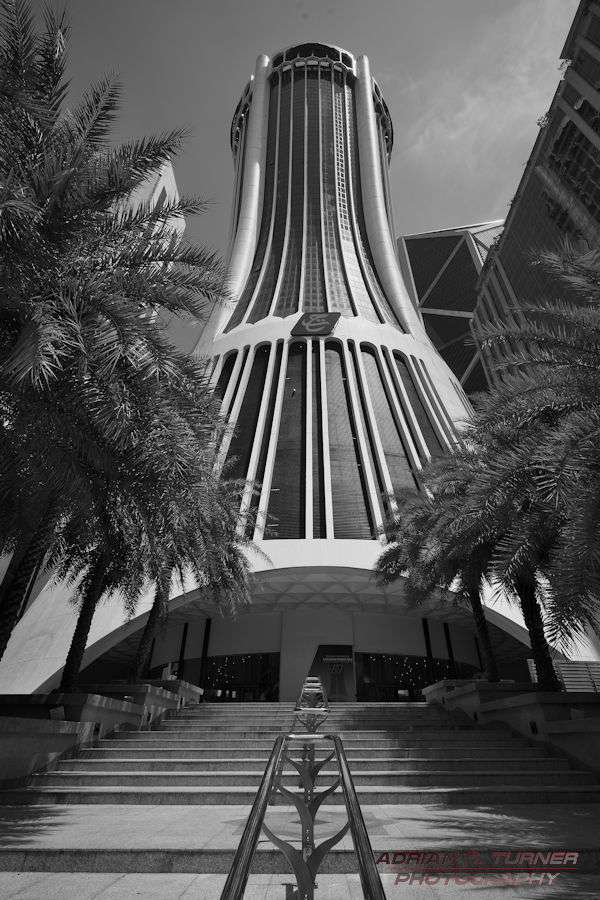
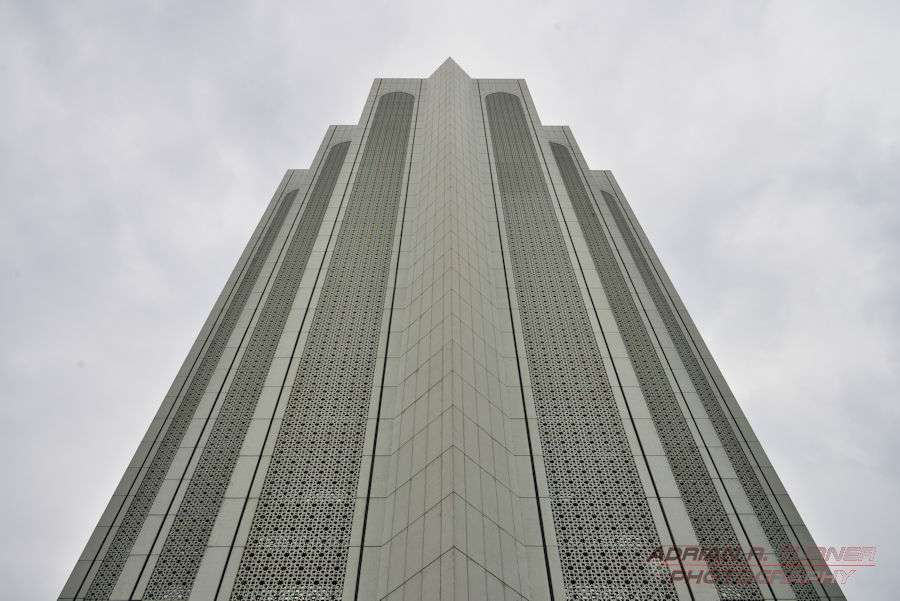
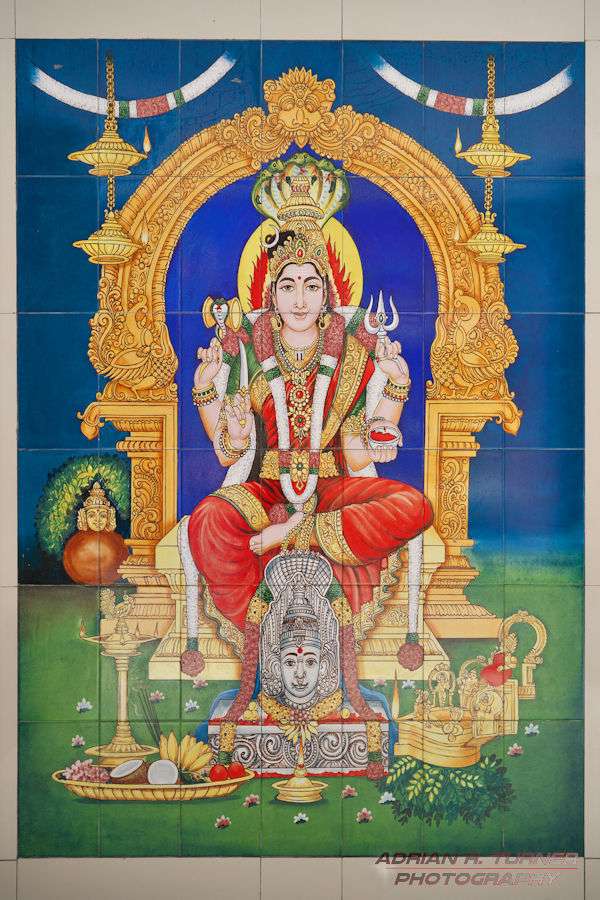 With so few sight-seeing opportunities in the city, on return visits it can be difficult to find photographic subjects, but architecture can be an interesting subject as some buildings offer modern Islamic influenced styles. There are also an increasing number of office developments and condominiums being built around the suburbs of the city that are starting to show more adventurous modern architectural styles.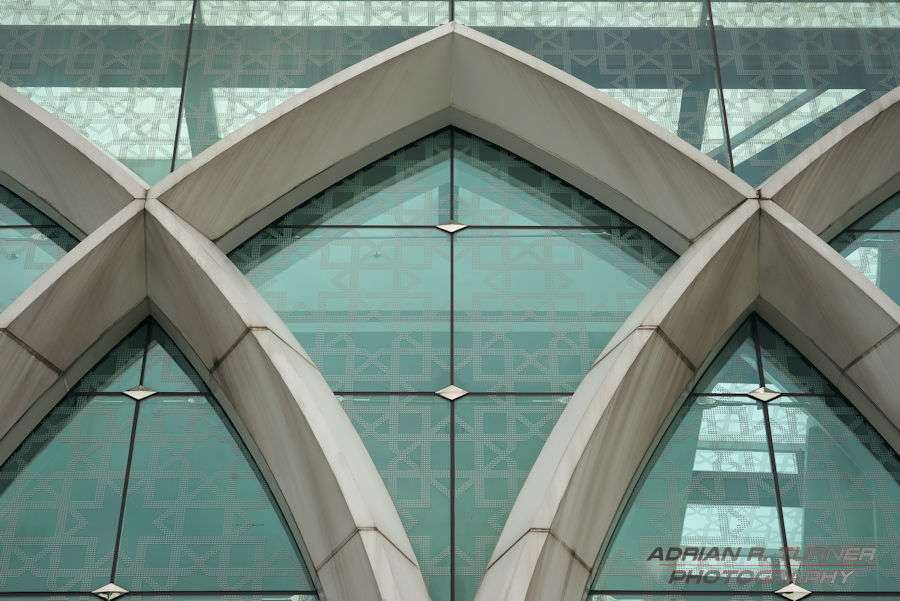
 The population of Malaysia is a mixture of native Malay, Chinese and Indian. The majority Malay population are Muslim, so without a culture of alcohol the local socialising often takes place over food or at local coffee shops. Kuala Lumpur has a small number of night life areas that offer "international" entertainment for visitors, often with a culturally confusing mix of Chinese Malaysian food, shisha pipes, alcohol, and Arabic disco music. The Bukit Bintang district is well known for its shopping malls, and nearby is Jalan Alor, a locally famous street lined with restaurants on the pavement. The area was once a red-light district, and the remains of the trade still exist in nearby street lined with bars. It’s a popular area for visitors to eat and drink, but somewhat at odds with the mostly conservative culture in mainland Malaysia.
 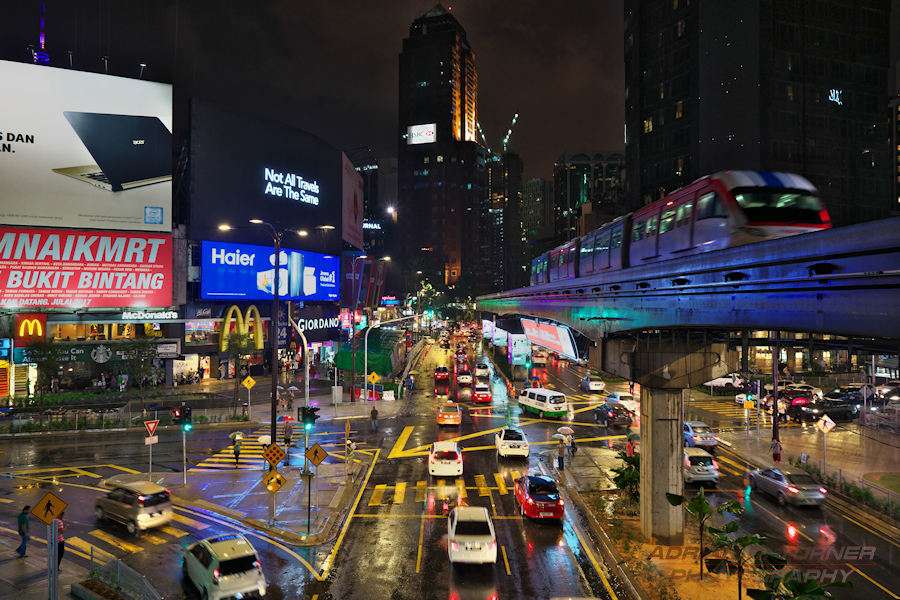 Busy nightlife areas such as Bukit Bintang are good places for street photography, as in Asia the streets are always busy with vibrant street culture, and the people are often used to welcoming visitors, which makes it easier to interact with people.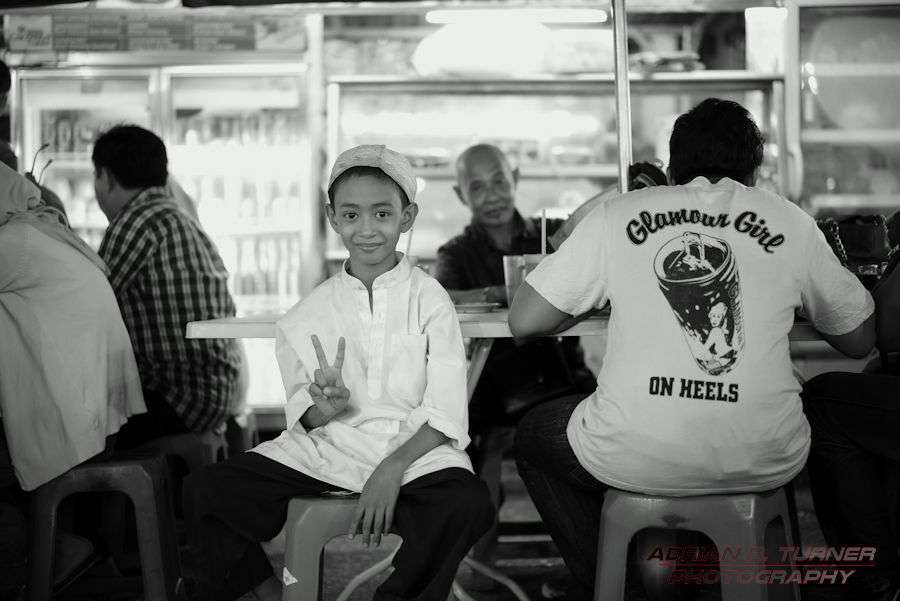
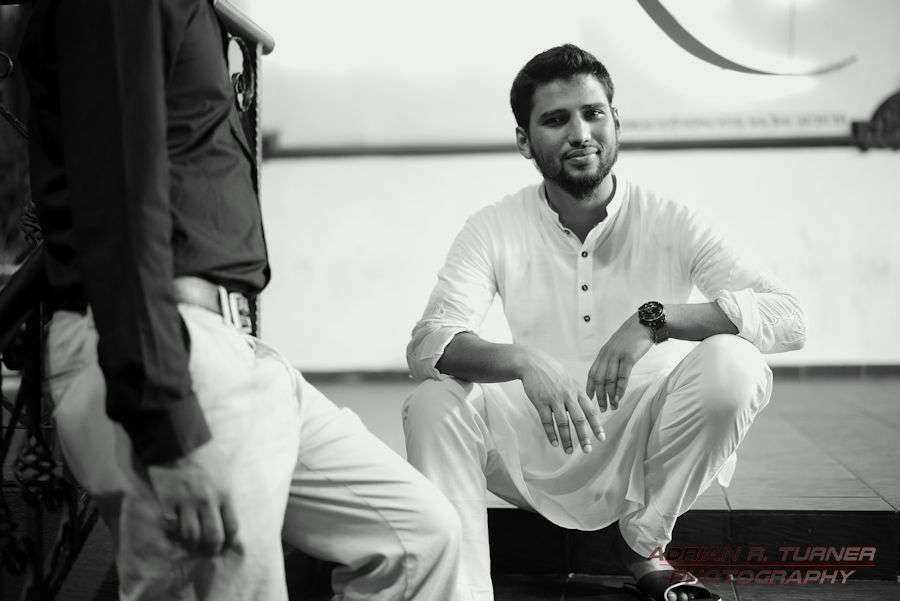 When you travel enough you start to notice patterns of population migration, as the varying visa requirements of different countries make it easy or difficult for the people from other countries to visit or work. As a solo traveler, I often strike up conversation with people I meet along the way and it’s not unusual to find that workers in hotels, restaurants and bars have come from another country to work because it offers financial advantages. People migrate up the economic scale for the better opportunities and wages it can offer them, even in low skilled jobs.
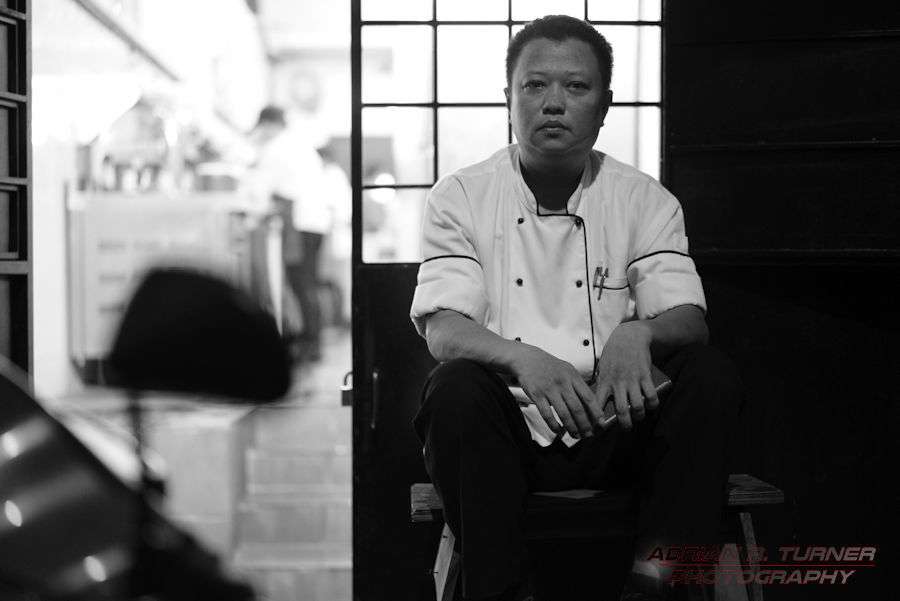
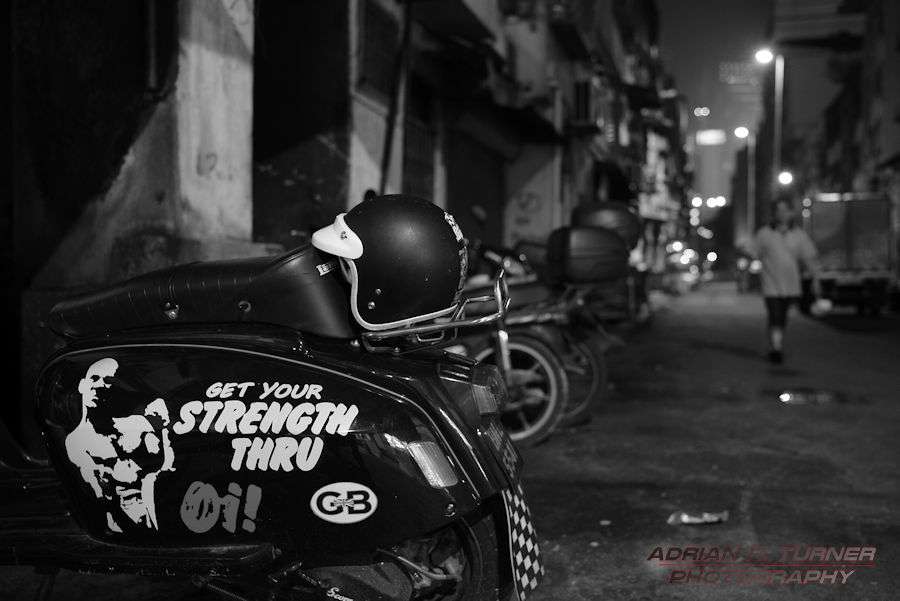 When taking street photographs, my interest is to take a portrait of the everyday that is also a record of a “stolen moment” with the sitter. As a photographer, this should never be taken for granted, as when a subject allows the capture of their private moment with a stranger, it is a vicarious intrusion into their life for all to see for eternity. I dislike the contemporary style of “drive by shooting”, where secretive random snapping can create rather “random” compositions. I believe that this approach can also create an air of suspicion about the photographer’s motives, and make potential subjects feel that they are being spied or intruded upon.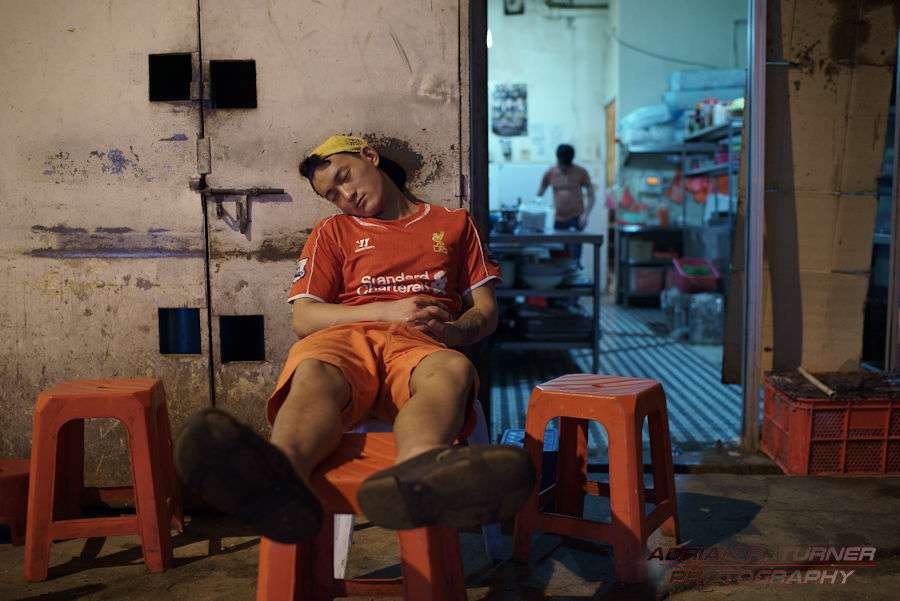
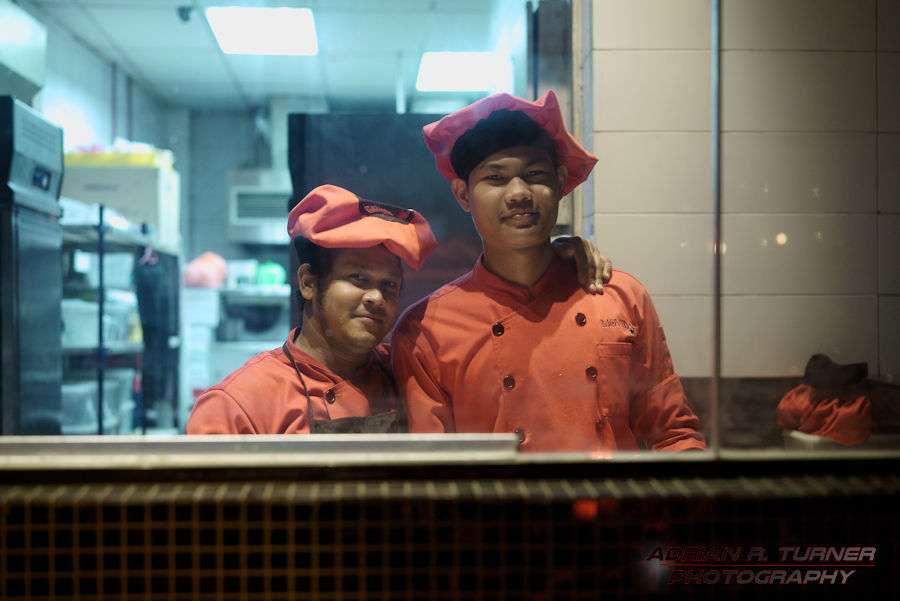 Although people in many South East Asian countries are often easy going and welcoming, this should never be taken for granted. In Malaysia, local people are often gregarious, but can also be very direct and plain spoken. Secretly taking someone’s photograph or shoving an uninvited camera into someone’s face may cause bad feeling or put the photographer at risk of physical danger. Attitudes to photography vary significantly between Malaysia’s 3 main races: Malay men often have a sense of braggadocio and may enjoy the attention of being photographed; Indians are mostly sociable and very open to photographs; whilst Chinese often decline pictures and may move away when confronted with a camera.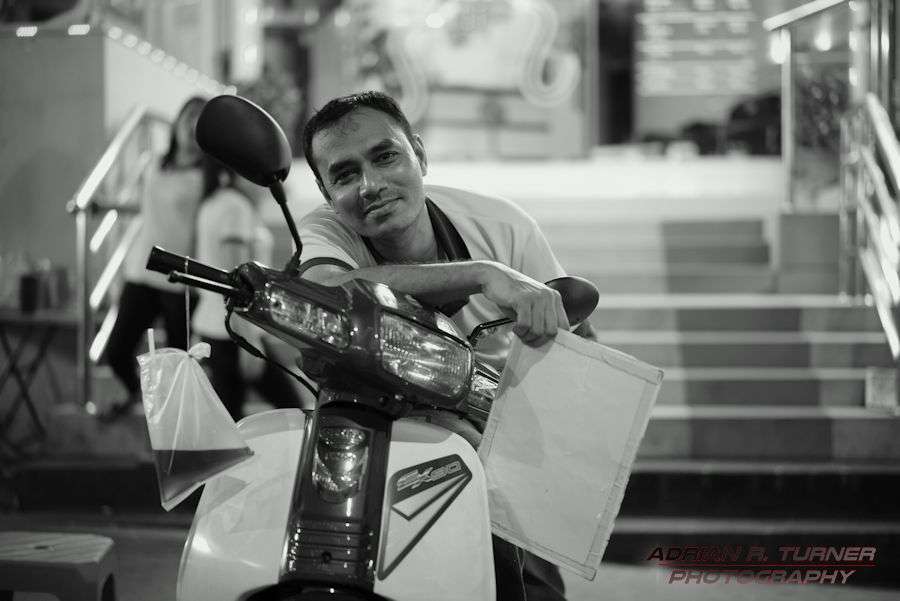
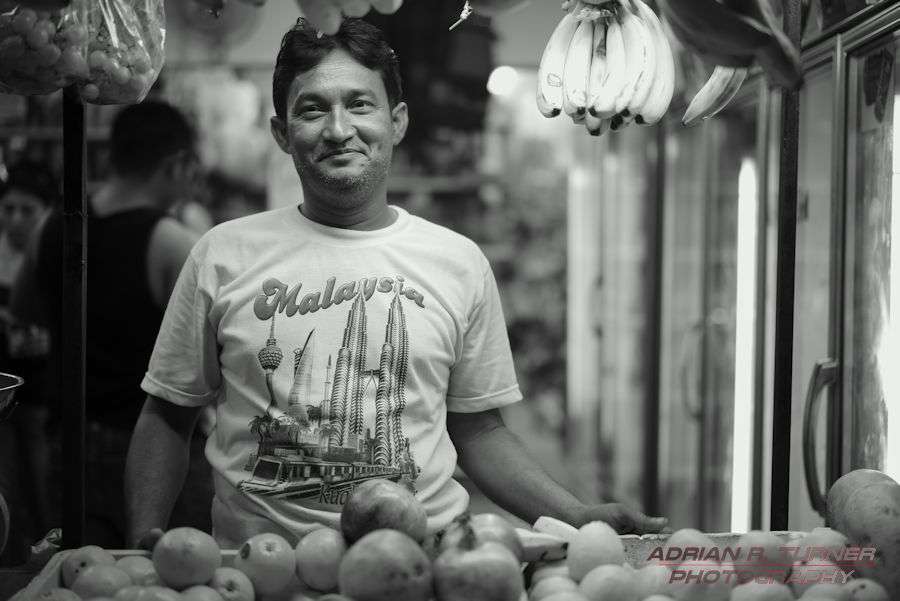 It’s always important to respect your subject, particularly when you have no prior relationship with them during an encounter on the street. Good manners, respect for others, politeness and humility are important qualities to bring to the process, and most likely to create a good impression. It’s also imperative to accept a refusal with good grace – “no” means “no” and isn’t an invitation to try some furtive snapping that you hope goes un-noticed.
 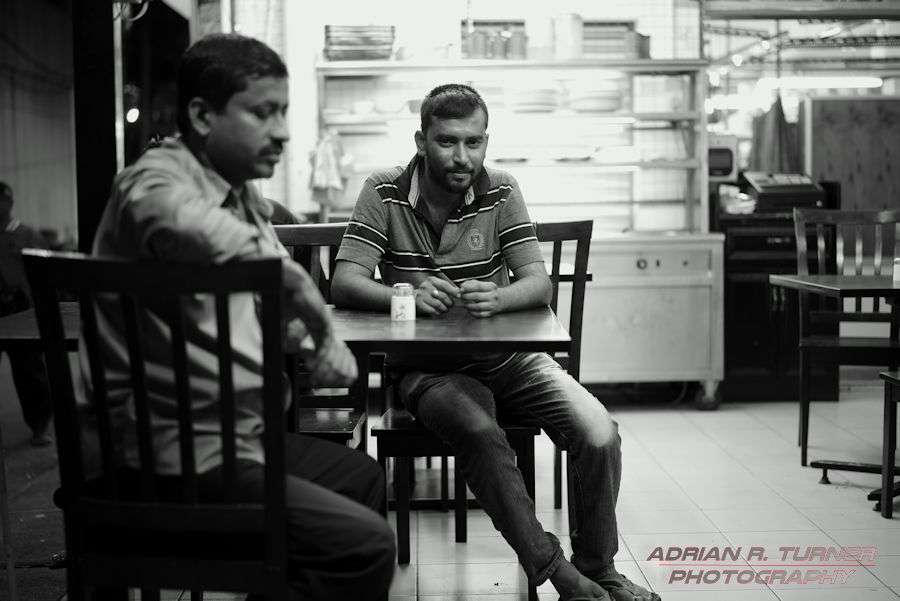 Showing interest in a subject can be flattering but also embarrassing, but being polite and friendly with a potential subject and passing the time of day with them can help to calm their nerves and make the process more relaxed and enjoyable for them. Although you may only be visiting for a few days, life on the streets of the place you visit will probably follow a reliable pattern, and people you “discover” one day may regularly be in the same spot on the same street. If you stay for a few days, you can use this to your advantage by building casual relationships with people you see regularly, helping to build familiarity and trust with you.
 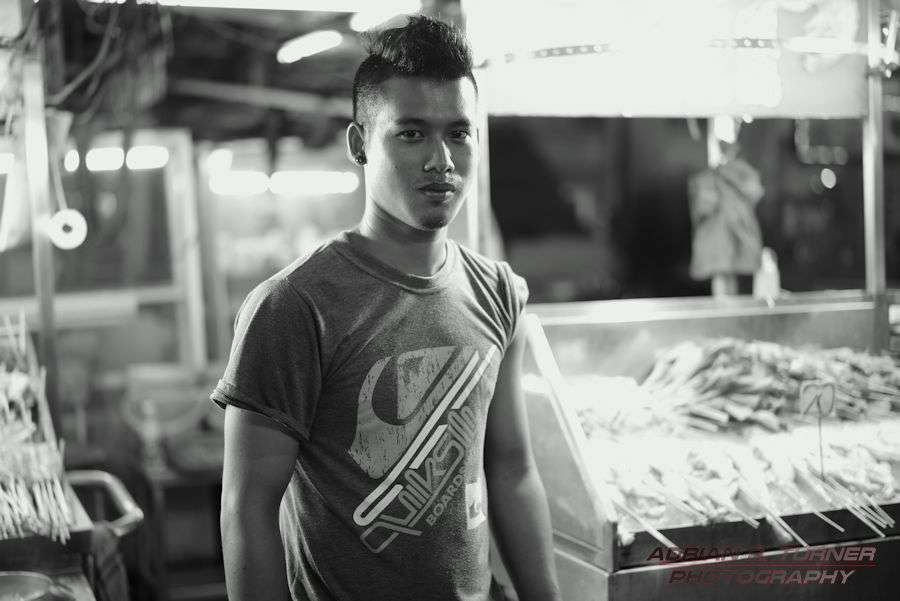 People really appreciate it if you show them their photo and ask if they like it. Sometimes they don’t, so be prepared to delete it, or to try again. Even in developing countries, many people have smart phones, and an offer to send their photo via social media is often appreciated. If I don’t get a social media contact for someone, I may get prints made locally and try to find people again so that I can return a copy of their picture as thanks.
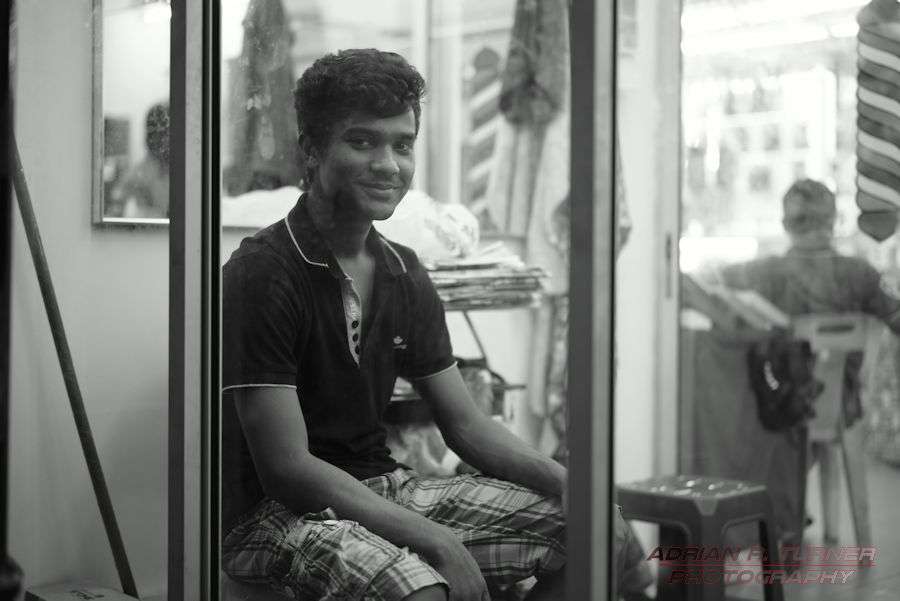
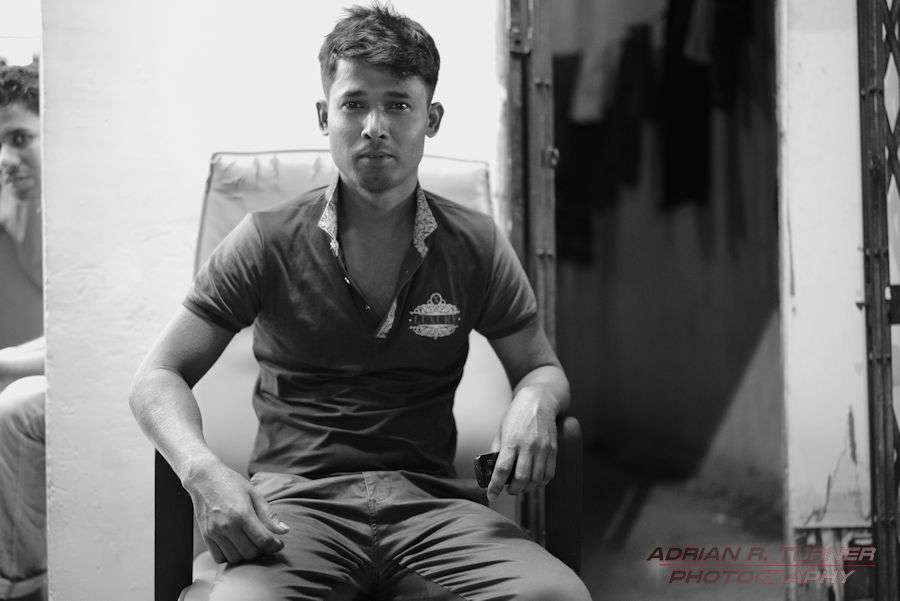
 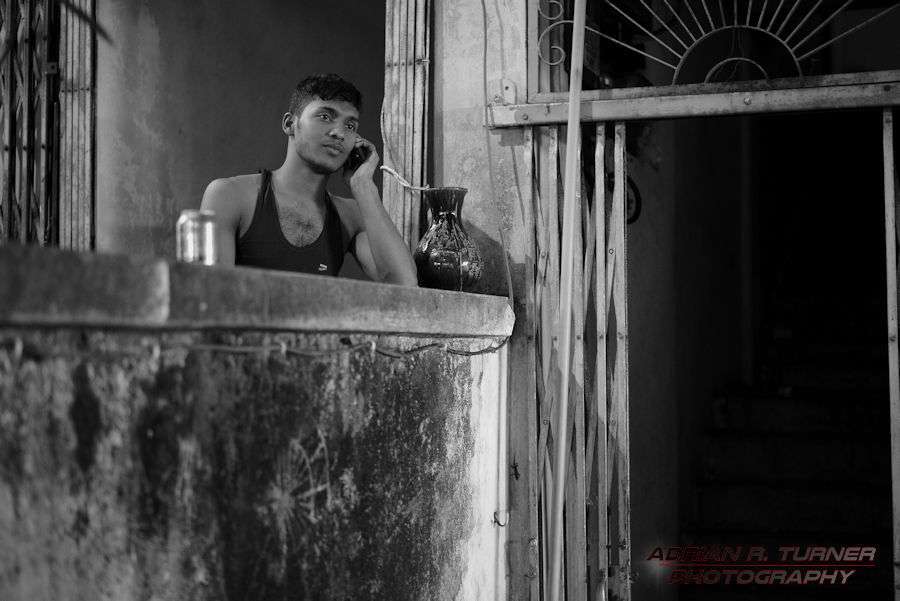 I previously wrote an article for Dear Susan where I talked about the development of my interest in street portraits. I am often drawn to quiet private moments in busy impersonal places, and the "stolen moments" that I share with people, allowing the viewer a vicarious and prophylactic insight into another life. The Bangladeshis I met around Bukit Bintang often spoke excellent English and had no issue with a polite request to take their photograph, and rarely refused.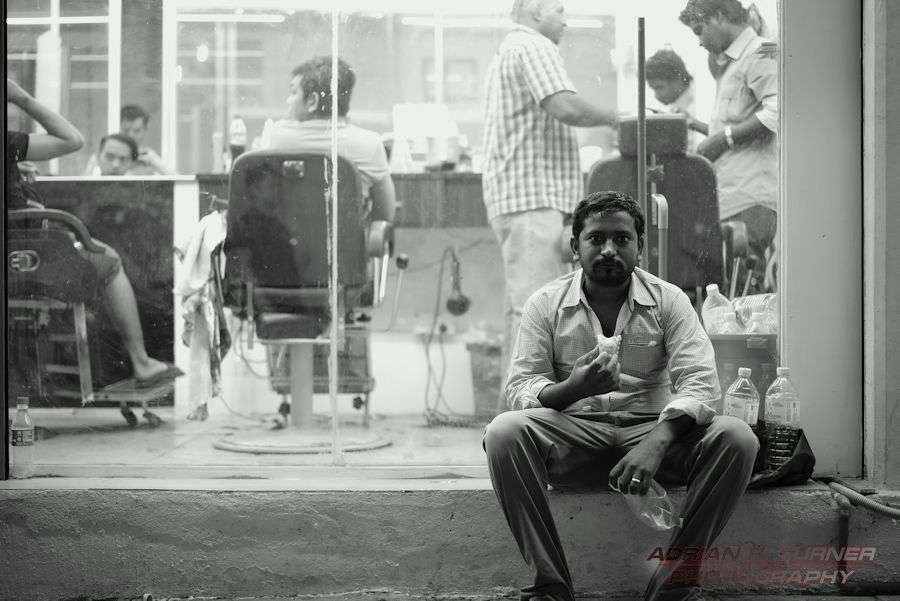
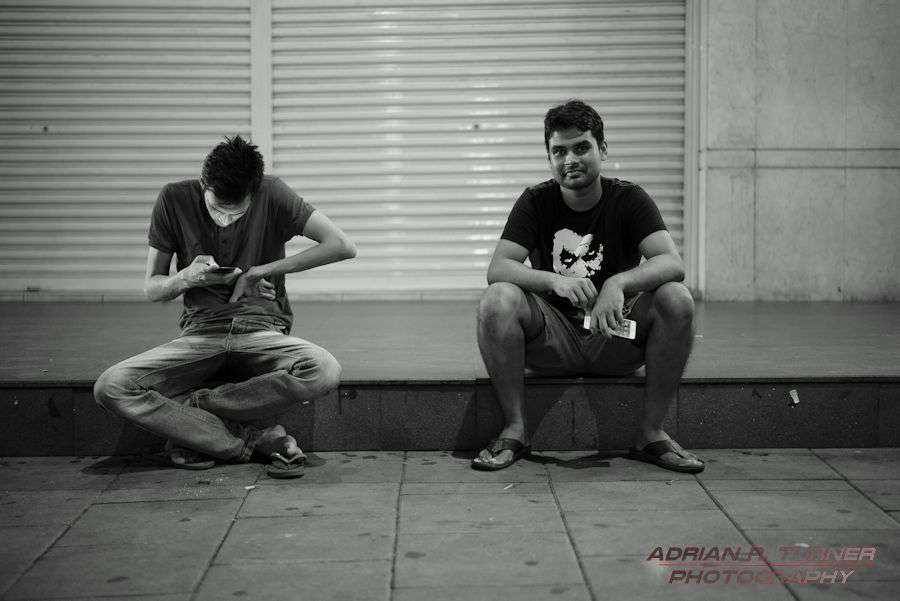
 In the early hours one morning I stopped to ask two men drinking beer together if I could take their photograph, but it was refused. They didn't speak English, but it turned out that one was from Thailand and the other from Myanmar. I talked with them in Thai until I was invited to join them, taking the opportunity to get a photo of them relaxing before they went home after work.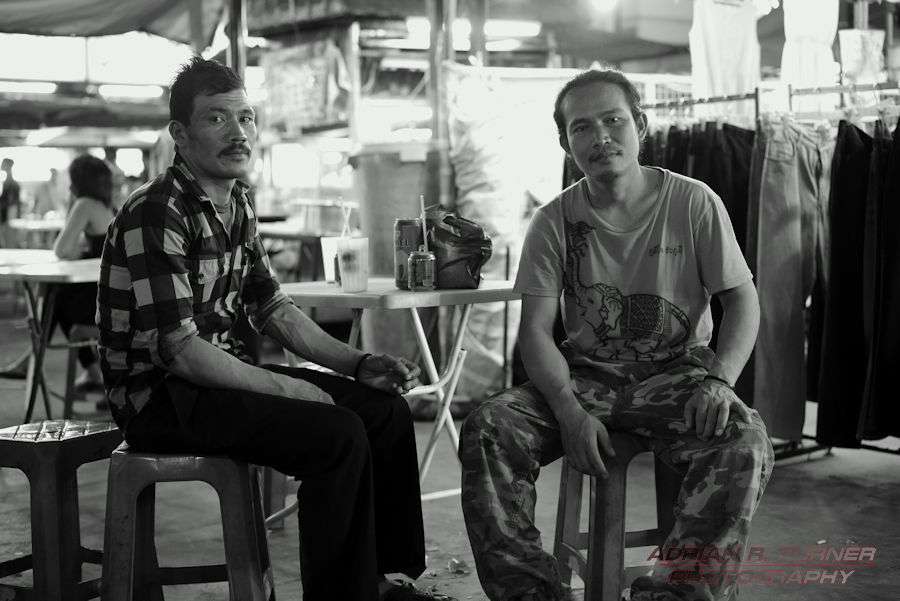
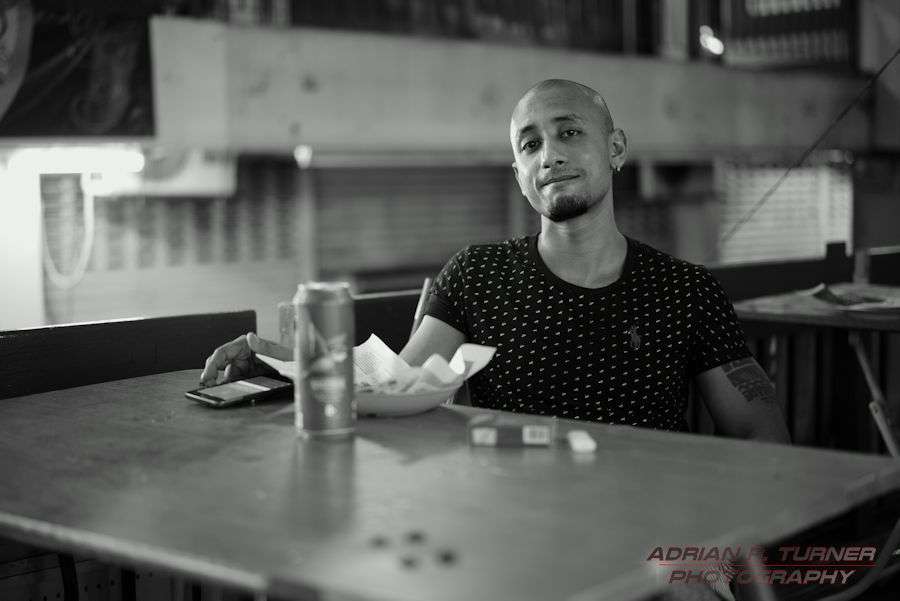 I showed some of these photos to a local Chinese Malaysian friend who is a fashion photographer, and he commented that he would never be able to take the same photographs because he was a local. I have often found that as a visitor I am an "outsider" and there may be a novelty to me taking an interest in people normally invisible to tourists, or my request for a picture, and this may be amusing or flattering. One should never forget that people of different races and cultures will have different attitudes to speaking with strangers, having their photograph taken, and will react differently if you approach them. I find that being open, friendly and polite will often create a good impression with people I meet. The Bangladeshis I photographed were friendly, polite, and very easy going. During my visits to Kuala Lumpur I have spoken with locals and visitors from many different countries - the only people I couldn't photograph were the armed soldiers who patrol the streets because of the threat of terrorism, as photography of them is not allowed.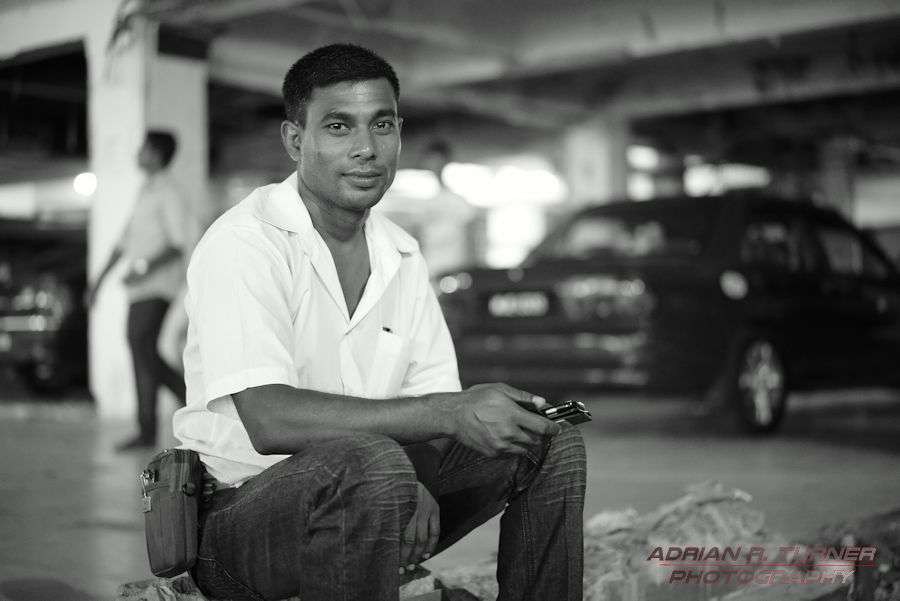
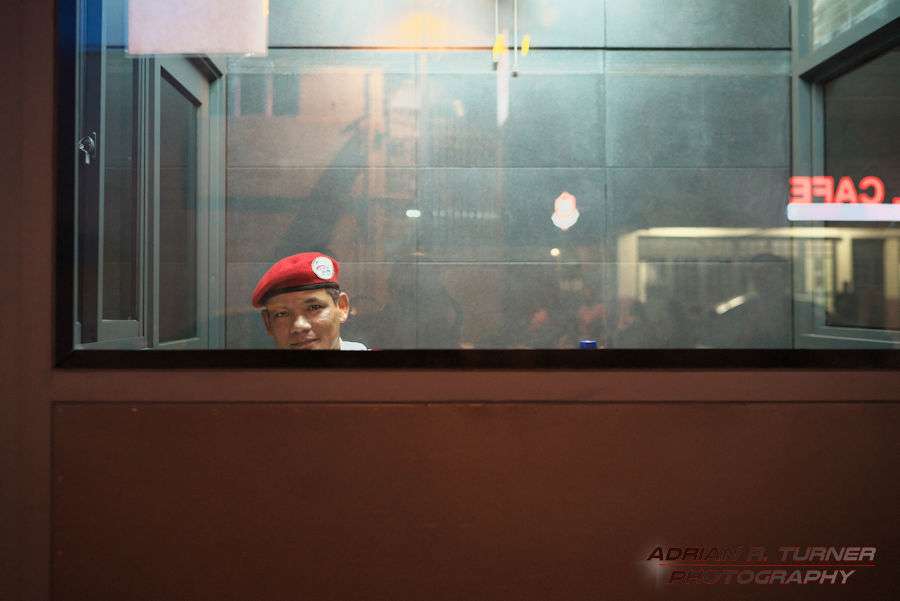
 In Malaysia I was curious that many security guards were Nepalese - every shopping mall, department store or building seemed to have them. A bit of internet research revealed that because of the colonial links with Britain, and the relationship between Britain and Nepal which gave rise to Nepalese serving in the British army (the "Gurkhas"), in Malaysia the Nepalese ex-military are recognised and respected for their courage and discipline. As a result, the local law only allows Nepalese to be private security guards. I saw them everywhere and I developed a certain fondness for their friendly smiles and politeness, and even an occasional salute. I didn't try to photograph them as they work on private property and businesses, and Malaysian attitudes to photography in private places tends to be more strict than other countries, but I am considering a project in the future.
  The photographs in this article were taken with a variety of Sony E mount cameras and lenses including the Sony Alpha A7ii, Sony Alpha A7s, Sony Alpha A7rii, Sony 35mm f1.4 ZA Zeiss Distagon, Sony 55mm f1.8 Zeiss Sonnar, Sony 16-35mm f4 ZA OSS Zeiss Vario-Tessar, and Sony 24-70mm f4 OSS Zeiss Vario-Tessar. For information about my developing interest in street photography and portraits please see my previous article Travel Portraits in Asia.
[hcshort id="7"]