
#709. Travel and Street Photography in Phnom Penh: keep your distance
In the second of three articles looking at different aspects of street photography and street portraiture in different cities in South East Asia, I look at the choice of focal length and the effect on the relationship with subjects when taking street portraits in Phnom Penh, Cambodia. If you missed the previous article from Kuala Lumpur discussing how your attitude influences subjects in street portraits it can be found here. Phnom Penh could hardly be described as a “world capital”. Even in South East Asia it doesn’t rank as one of the “must see” cities, and many visitors to Cambodia avoid it entirely or spend a day or two there in transit on their way to Siam Reap to see Angkor Wat. It’s easy to see why people may avoid it given Cambodia’s sorry past: civil wars and genocide do not make happy reading in a travel guide. 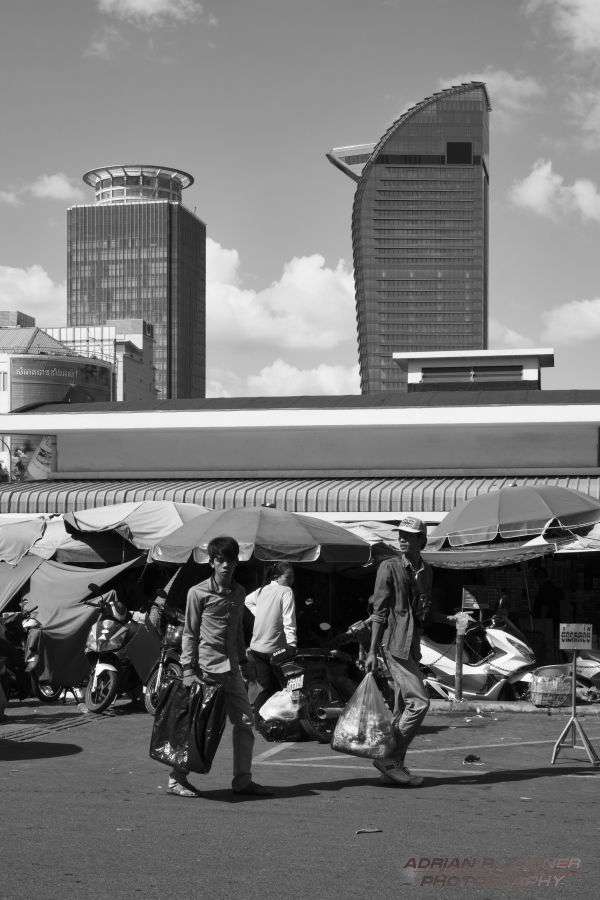 I first visited to meet friends from the Cambodian bodybuilding team who I had met at international competitions. Like most things in the country, their sport is very poorly funded and receives little Government aid compared to nearby Thailand or Malaysia, and so like many of the trappings of modern western life, it isn’t widely practiced. Cambodia’s brutal history happened at a time when neighbours were starting on their path of economic development, so their development stalled, not helped by years of reported corruption in the years that followed. As a result, Phnom Penh often feels like a step back in time through a few decades, a strange mix of French colonialism and a war zone, and I always half expect to hear the sound of an American Huey across the city at any time.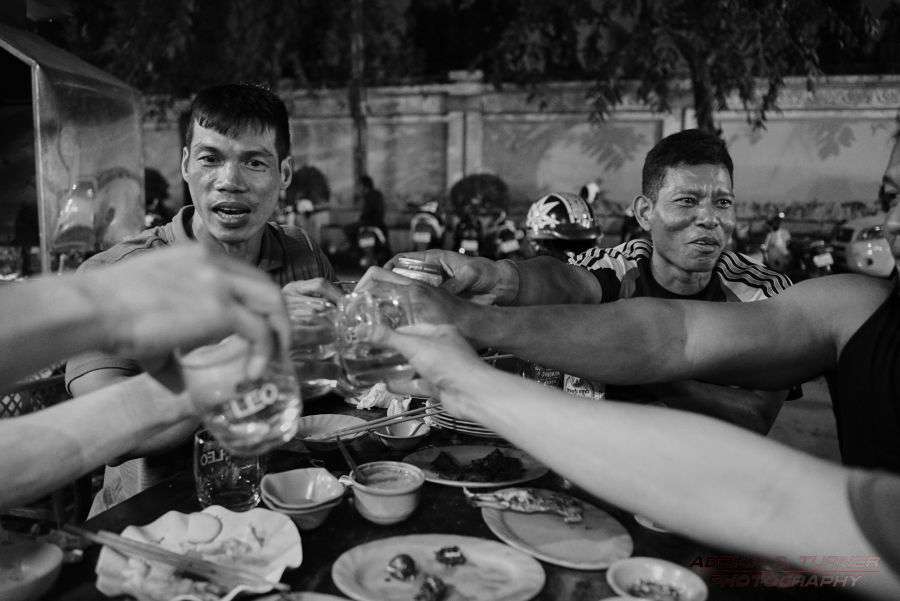
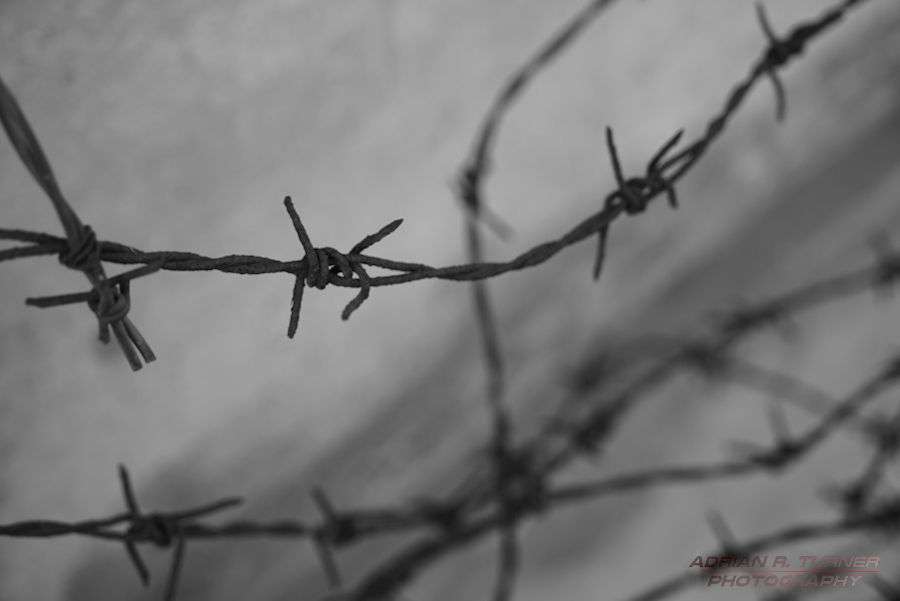
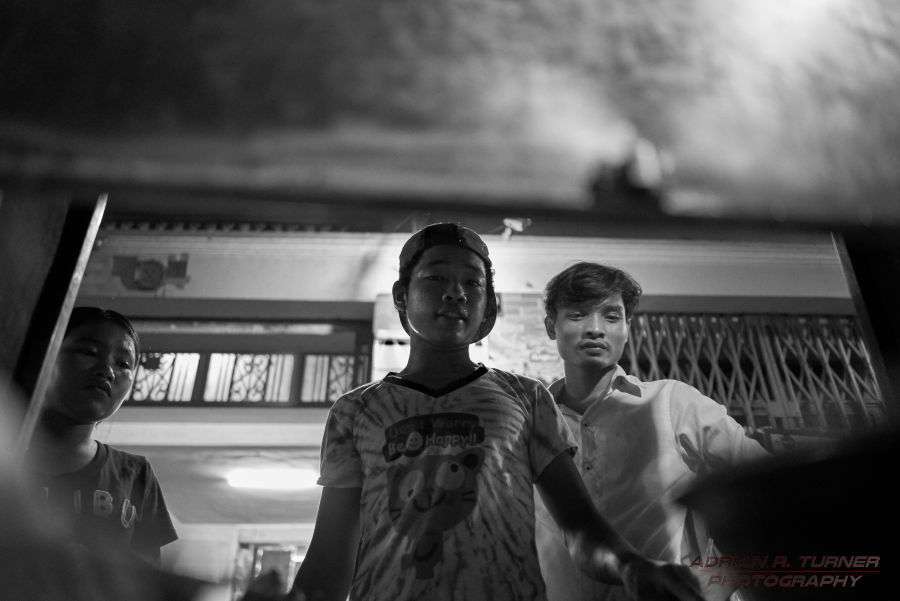 It’s an uncomfortable truth that the few tourist sights offered by the city are centred on their war, the “Killing Fields” and the Genocide Museum being the best-known tourist spots in the city. I once came from lunch with a local friend and the tuk-tuk asked if we wanted to go to the Killing Fields. I pulled my “not really” face, and the tuk-tuk driver looked at me and just said “you don’t have the heart”. I have never been to the killing fields, as I think that walking on ground littered with human bones at the centre of which is a glass obelisk filled with skulls is better suited to reportage than tourism, but everyone has to make their own moral decision about a visit. I have been to the genocide museum, which explains in tortuous and sometimes graphic detail what happened there, but after an hour or two it became to emotionally wearing, and I felt it was time to leave. It’s a shame that the history of the city is so tainted by such terrible events, because in many ways it has a simple charm, and the people are often so friendly.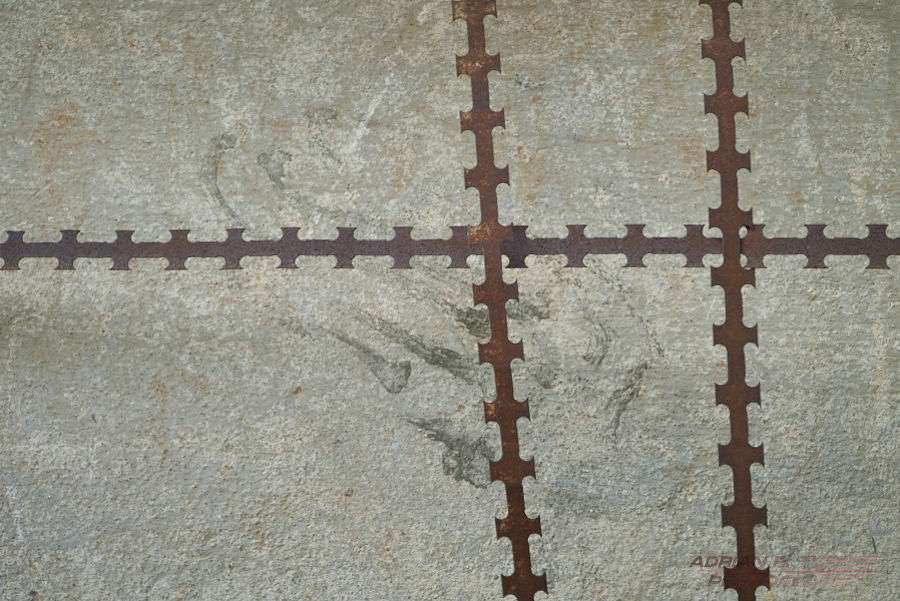
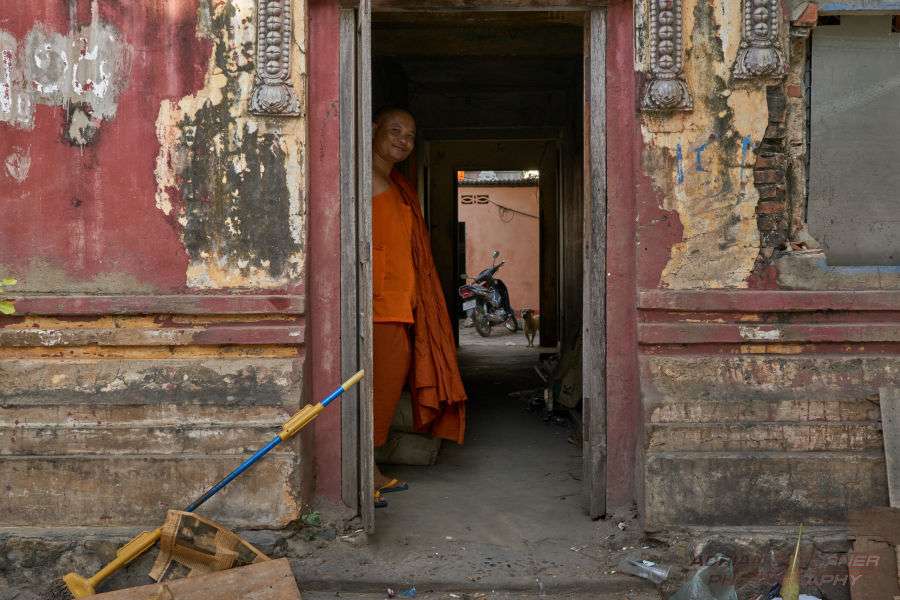
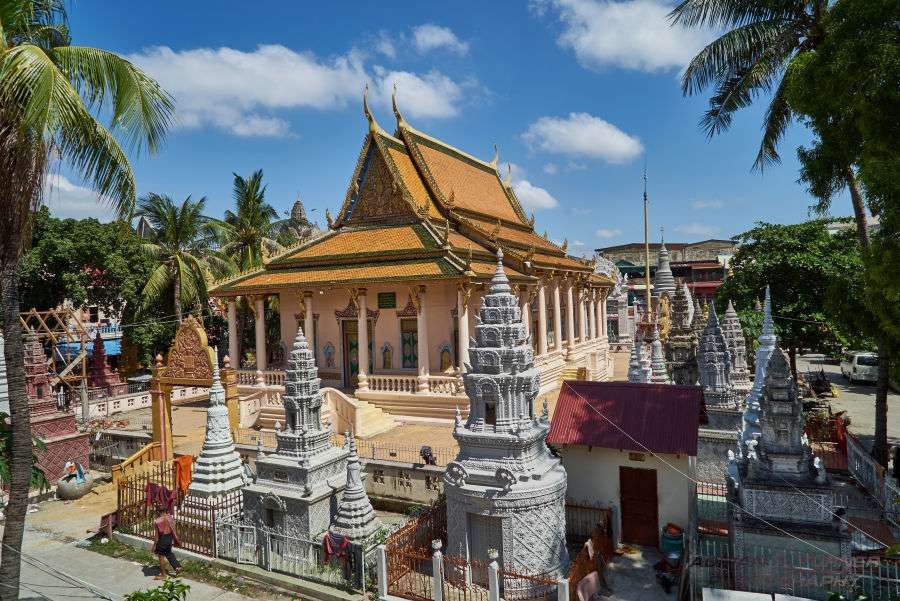
 To say that the city is scarred by war should be taken literally. A quite charming temple near the centre of the city looks as if it has been through a war zone, which of course it has. Poverty and poor funding mean that the temples don’t glitter like their counterparts in Thailand, but instead have a well-worn distressed quality. To say this is “photographically interesting” would be western arrogance in the extreme, but the temples do have a relaxed charm. There is an “every day” quality about them, where real people who live at the temple hang around and the monks are keen to welcome foreign visitors. I can recommend Wat Phnom, Wat Ounalom, Wat Botum and Central Market as worth a visit for different reasons. They are great places to dwell and spend time, perhaps stopping under a tree or inside the temple in the heat of the afternoon, to while away an hour or two and reflect on modern Cambodia.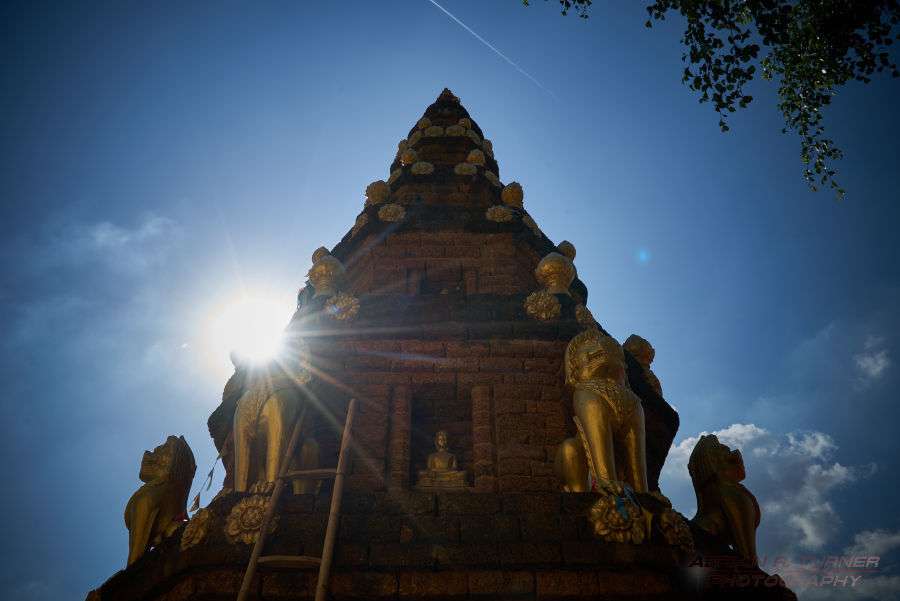
 At the other end of the economic spectrum, near the very centre of the city beside the river, are the Royal Palace and the National Museum. Both are obviously well-funded, in part from ticket sales, and both are well worth a visit. The Royal Palace is probably better visited at quieter times when the coach loads of visitors aren’t arriving and it’s easier to enjoy it’s beauty and serenity. The National Museum is quieter and makes a calming respite from the hot sun, and also has ticketed cultural shows on some evenings.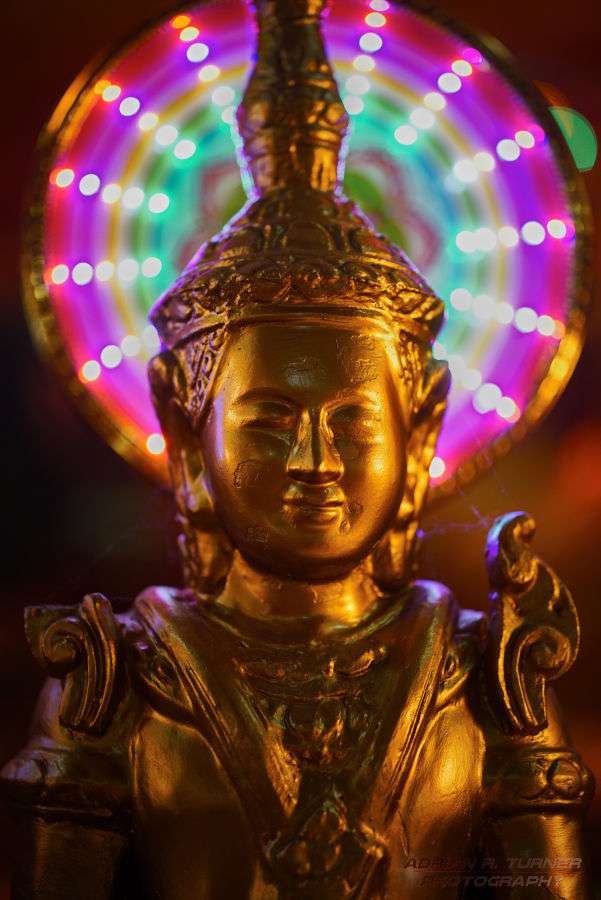
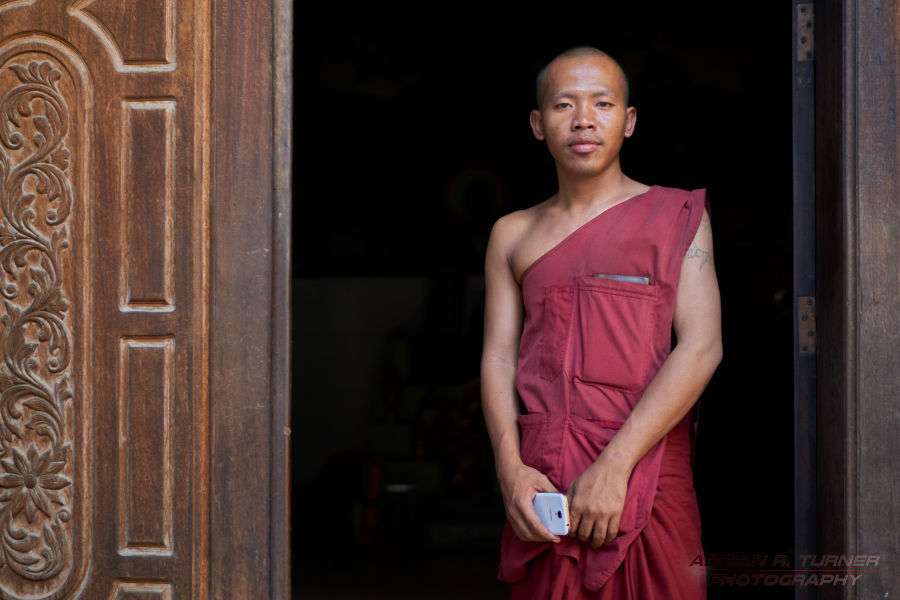
 At this point I must taint the reputation of Cambodians by saying that many people I have met in Phnom Penh have warned to be very careful when carrying valuables on the street. Theft from passing motorbikes is apparently quite common in some areas, so walking in the street with your bag strapped across your body rather than casually over a shoulder, or holding your camera to the kerb side of the road and keeping off the road as much as possible is advised. I would also recommend not walking in unknown areas at night and being careful with bags if taking a tuk-tuk, keeping them well inside and tucked away. Don’t let that put you off visiting, as many Cambodians I have met are very friendly and welcoming, but do take care because you don’t want a visit to be spoilt by robbery or assault.
 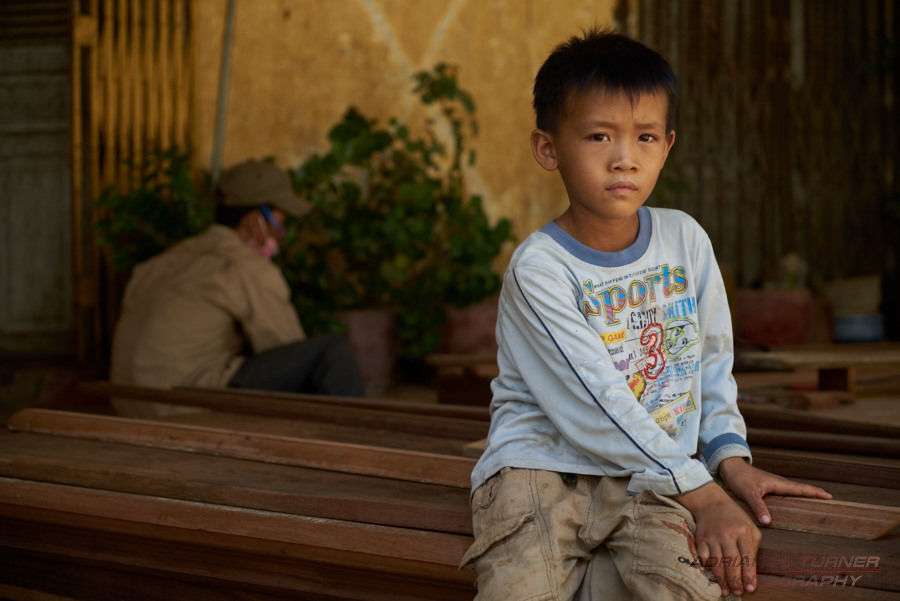 Cambodians are generally friendly and easy-going, although people who don’t work with tourists and aren’t used to dealing with foreigners may be quite shy. I find them almost universally willing to have their photo taken when asked politely, but as I mentioned before in my previous article about manners when taking street portraits, “no” still means “no”. Asking politely and showing humility are always a good way to create a good impression with those whose culture may be more status based than yours.
 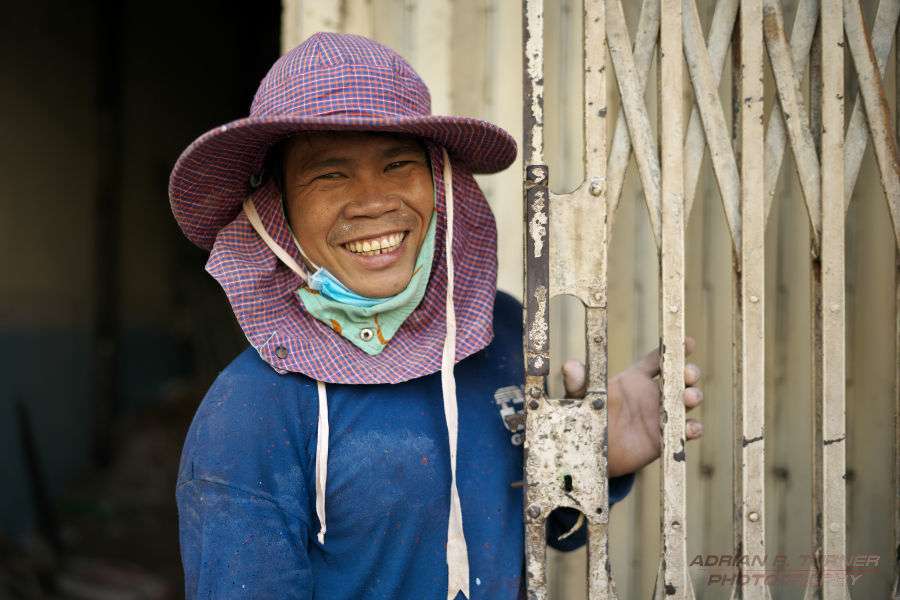 Beyond the temples and the national museums, Phnom Penh’s streets offer both very little and an awful lot. Anything but the widest boulevards the form the traffic-clogged arteries of the city don’t have a pavement, or if they do, will be taken over by shop fronts or parked motorbikes. Combined with the heat, pedestrians are rare, and foreigners even more so because most visitors take tours or tuk-tuks and don’t stay long in the city anyway. Apart from a few streets around the National Museum district, most of the city has yet to be “gentrified”, so with little specifically to offer visitors, real life abounds. Barbers cut hair on the street next to a temple; local markets sell unmentionable food; metal working shops repair engines out on the pavement; and tiny alleys between the streets show all that real life has to offer in only a few meters. The result can offer many opportunities for street portraiture if you have the right attitude.
  In the genre of street photography, it is often suggested that the ideal focal length is something wide, such as a 35mm full frame lens. Some even prefer wider focal lengths such as 28mm or 24mm lenses as the ideal. When taking portraits on the street I often use “normal” or “short-tele” lenses the most, and I wanted to talk about the reasons why. Since I use full frame cameras, my most used lenses for street photography are the Sony FE 55mm f1.8 ZA Zeiss Sonnar, the Zeiss Batis 85mm OSS f1.8 or the Sony FE 90mm f2.8 G Macro. If using a smaller format such as APS-C or micro 43rds, similar focal lengths would be 35mm and 60mm, or 25mm and 45mm respectively.
 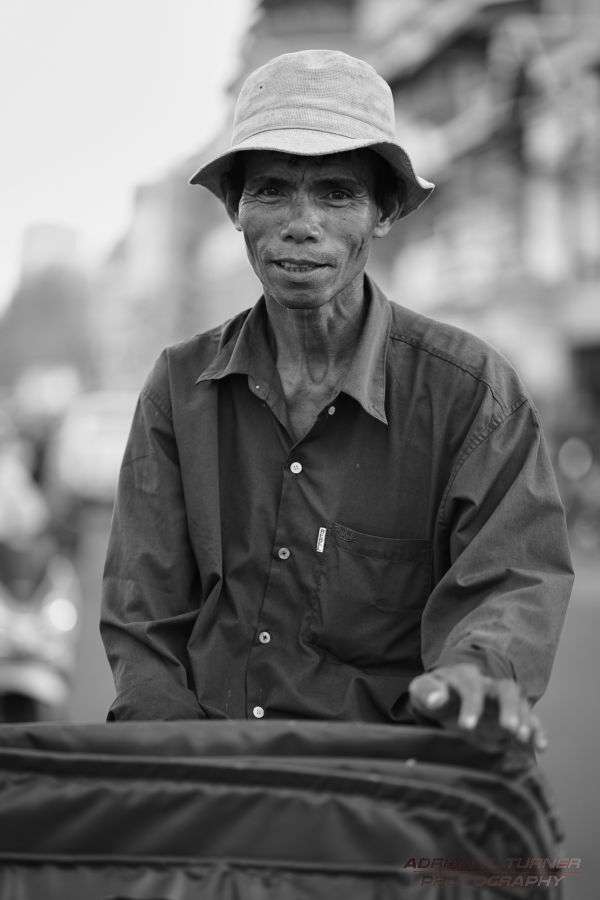 One of the things to consider when choosing a focal length is that even if you frame the subject to the same size, the photographs will not be the same. The wider lens has a wider field of view, and therefore will include more background, whereas a longer focal length has a narrower field of view and will therefore include less background. Although the same photograph taken with the same reproduction scale and the same aperture will have the same depth of field regardless or focal length, the narrower field of view of longer focal lengths has the effect of “compressing” perspective, whereas shorter focal lengths with their wider field of view will extend perspective.
 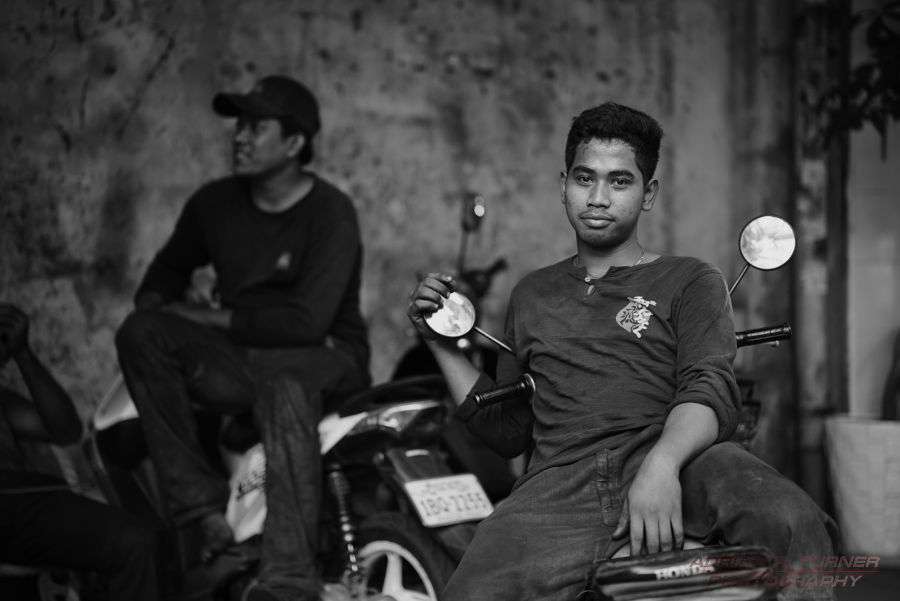 Personally, I find that using a longer focal length with its tendency to compress perspective and a narrower field of view can create a tighter composition with a greater separation of the subject from the environment. This helps to focus the viewer’s attention on the people and draws the attention to the subject rather than a busy background. Although “environmental” portraits sound attractive, there is always the danger that the subject becomes rather lost in the frame. Too many other people or visual distractions can confuse the composition, and I prefer portraits on the street to concentrate of the subject, as that’s generally what drew me to them in the first place.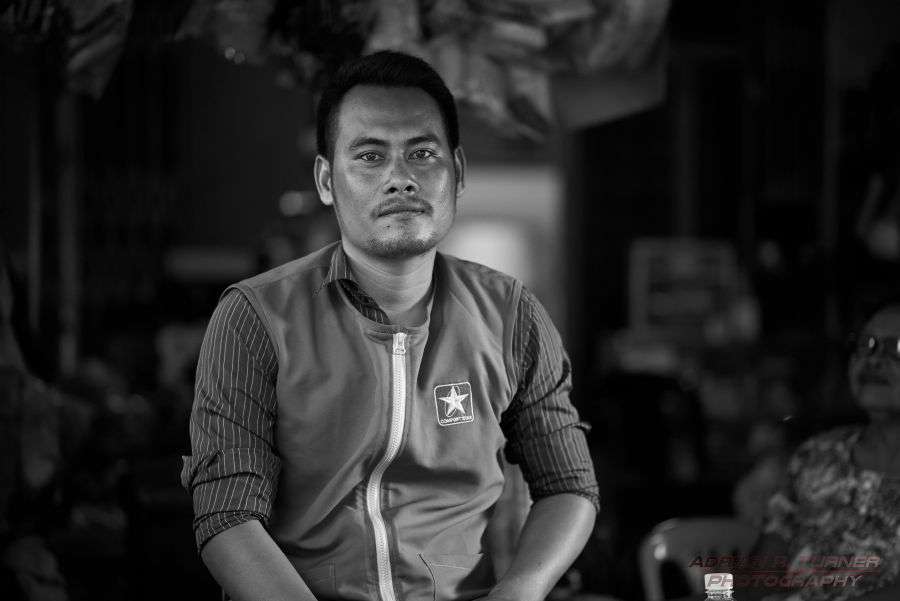
Currently it seems that many recommend 28mm lenses for street photography. I think this is often because of a “drive by” shooting style, where the scene is secretly photographed, often without the camera to the eye. I think the perception is that this gives the images a dynamic and energetic style, to comply with a firmly held belief in “shooting from the hip” and "the decisive moment", but there is a danger that any good compositions are little more than luck and happenstance with the photographer having so little artistic and considered creative input. Personally, I dislike this secretive style, because I think it creates rather “random” compositions and can also create an air of suspicion about the photographer’s motives. In some places this is likely to cause bad feeling or possibly put the photographer in physical danger.
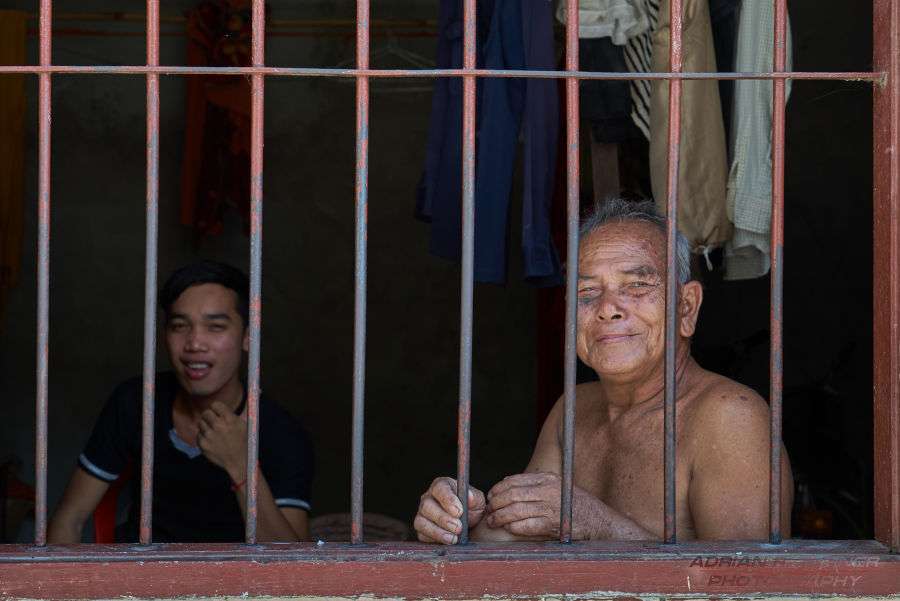
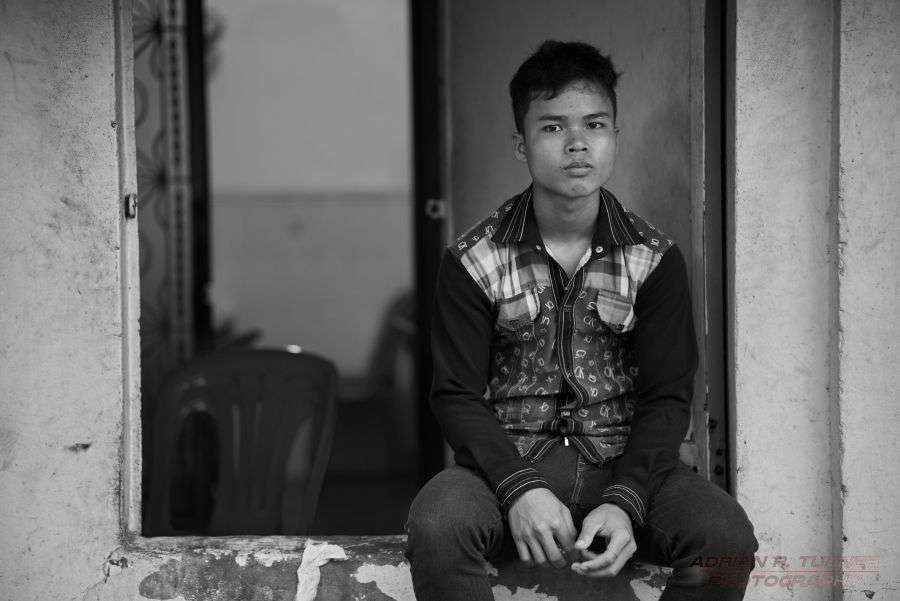 Another benefit of longer focal lengths is that they allow a greater distance between subject and photographer. Wider focal lengths, such as 28mm or even 35mm, require the camera to be very close to the subject to fill the frame. The comfortable distance between people will vary by their emotional closeness, the situation, and culture. For most people being photographed by a stranger, having a camera brought close to them is likely to make them uncomfortable because it invades their personal space, and may even feel confrontational. Longer focal lengths leave a more relaxed distance to the subject of several meters, and that will be reflected in the subject's body language and expression. The other compositional advantage of longer focal lengths combined with large apertures is the greater opportunity for a shallow depth of field to isolate the subject further from their environment at comfortable working distances.
 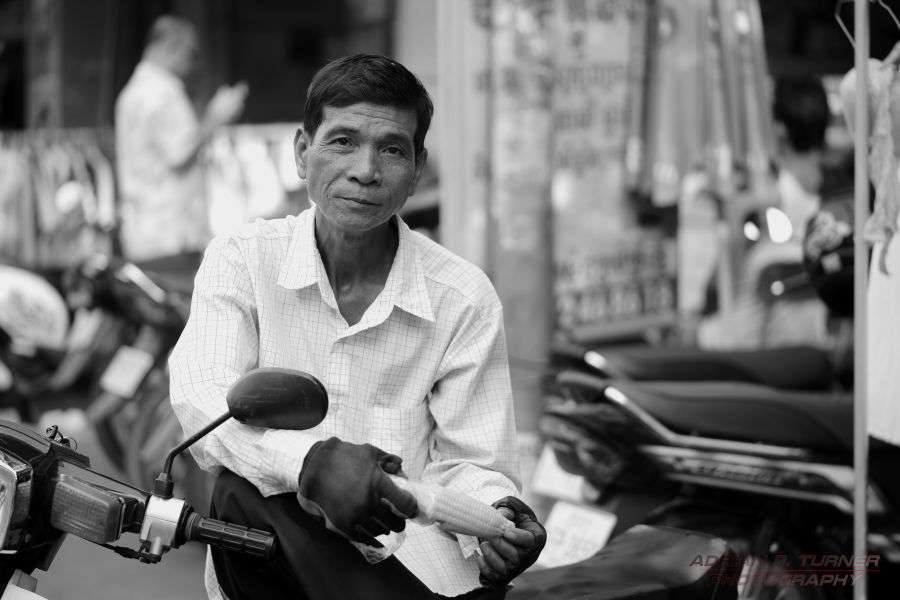 One final advantage of short-tele focal lengths is that their drawing style and perspective is more flattering to people photographs. Short focal lengths with their extended perspective don’t always suit photographs of people, particular when the camera is brought close to the subject when the perspective of facial features or limbs can become exaggerated.
 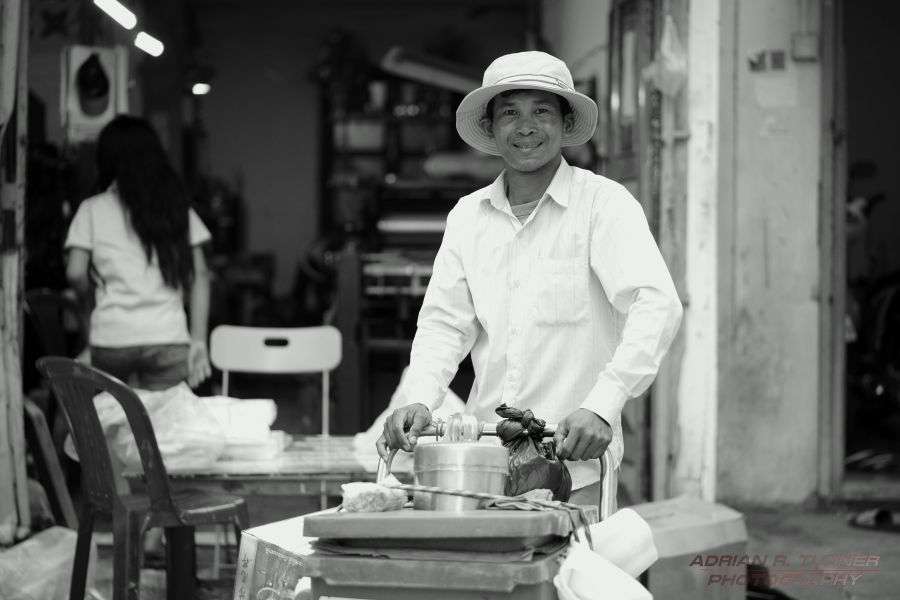 Longer focal lengths are not without disadvantage, the most obvious being the need for a greater distance between photographer and subject. I find that an 85mm or 90mm focal length can work well for scenes on the other side of a wider street, or for more intimate portraits across narrow streets. When working with any fixed focal length, it is important to be able to look for and see potential subjects that will suit the lens you are using. In a crowded environment, it may not always be possible to get far enough away from someone to get the composition you desire, and I don’t recommend putting yourself at risk standing in the road to frame a composition.
 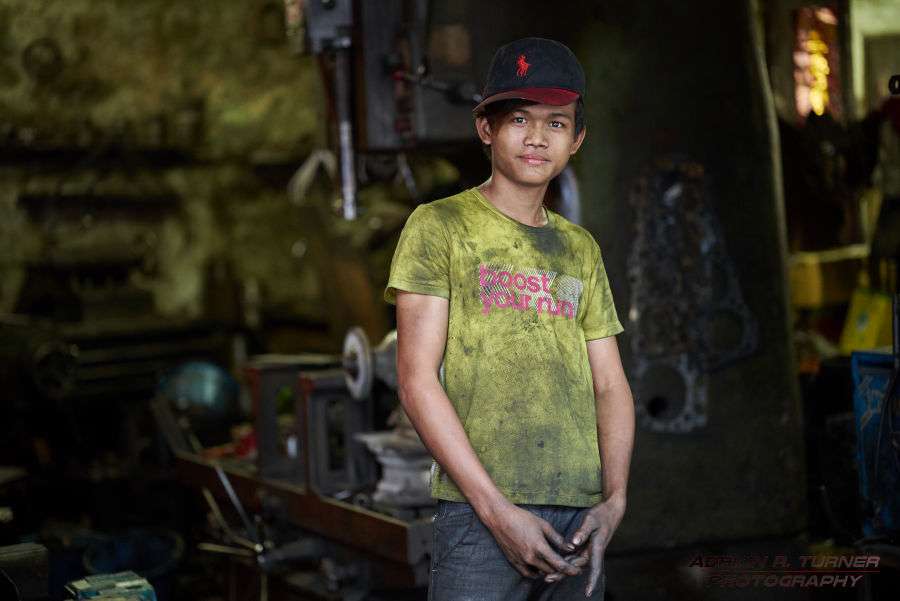 There is no “perfect” focal length for street photography, and for a more “reportage” style a slightly wider lens may be preferable, but for street portraits I find normal and short-tele lenses bring a look and style that is worth trying.
 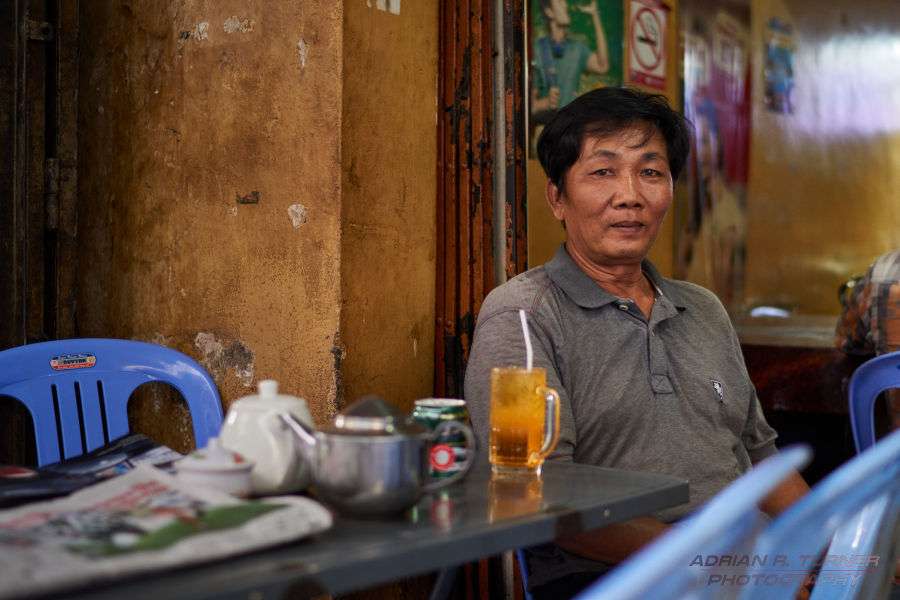 I actually think that the more relaxed working distance needed for longer focal lengths creates more intimate moments with unknown subjects - they feel more relaxed because you don't need to get so close, and the slightly compressed perspective and shallower depth of field help to isolate the people from their environments, focusing attention on them and the shared moment that's being commemorated for all time. I know this goes against much street photography folk-lore, and the concept of environmental portraits, but I think it brings a better connection with the subject. I'm not recommending it as the only technique, or the best technique, but I think if you haven't used normal or short tele lenses on the street before, it could be worth trying. However, I'm also not in favour of the tele lenses some use in the 200-300mm range for surreptitious snapping, as it goes against my philosophy of engaging with the subject.
 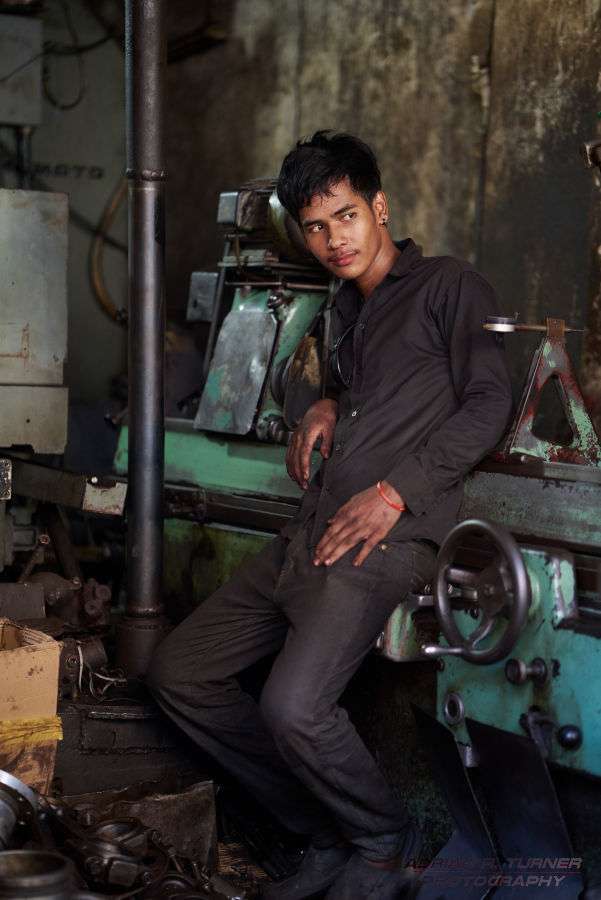 Photographs in this article were taken with a variety of Sony E mount equipment including the A6000, A7, and A7s cameras and Zeiss 24-70mm f4 OSS Vario-Planar, Zeiss 35mm f1.4 Distagon, Zeiss 55mm f1.8 Sonnar, Zeiss Batis 85mm f1.8 OSS, and Sony 90mm f2.8 G Macro lenses. The pictures were processed to taste with a variety of development and editing tools including Sony Image Data Converter (now Sony Imaging Edge), Phase One's Capture One Pro v8, and Ichikawa Software's SilkyPix Developer Studio Pro v6-v8. My article about the development of my interest in street photography, reportage and street portraiture can be found here.
[hcshort id="7"]