#1390. Appalachian Seasons, Part V: JULY
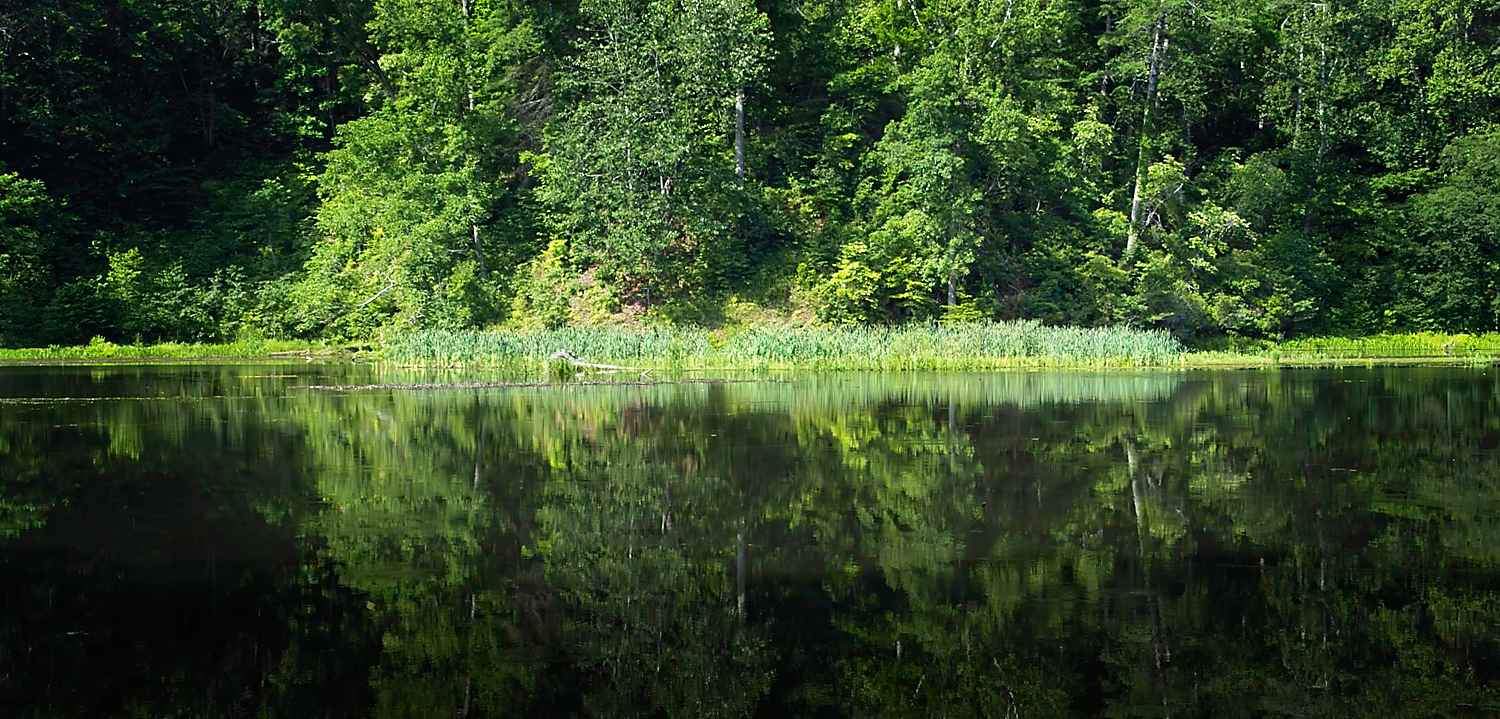
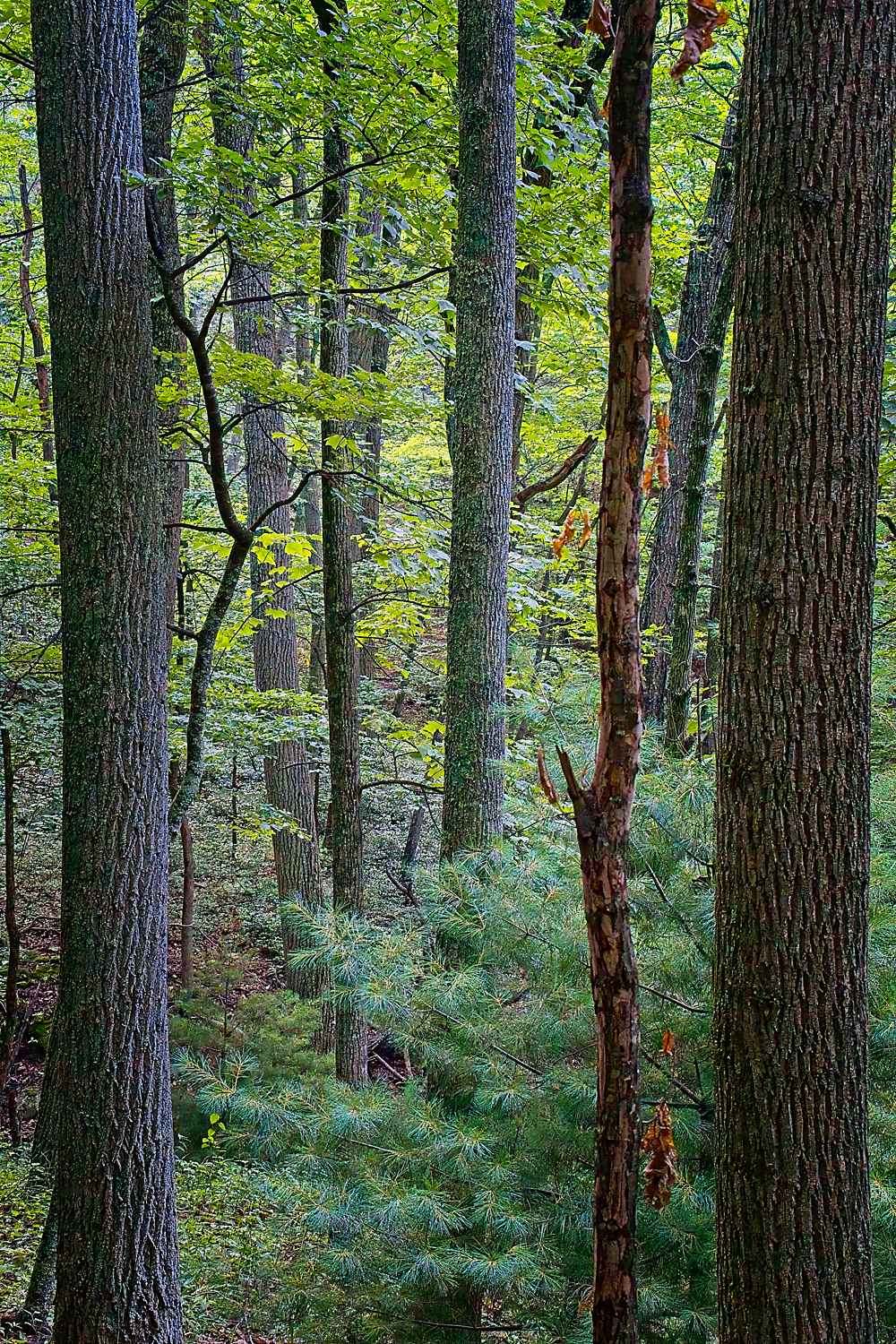
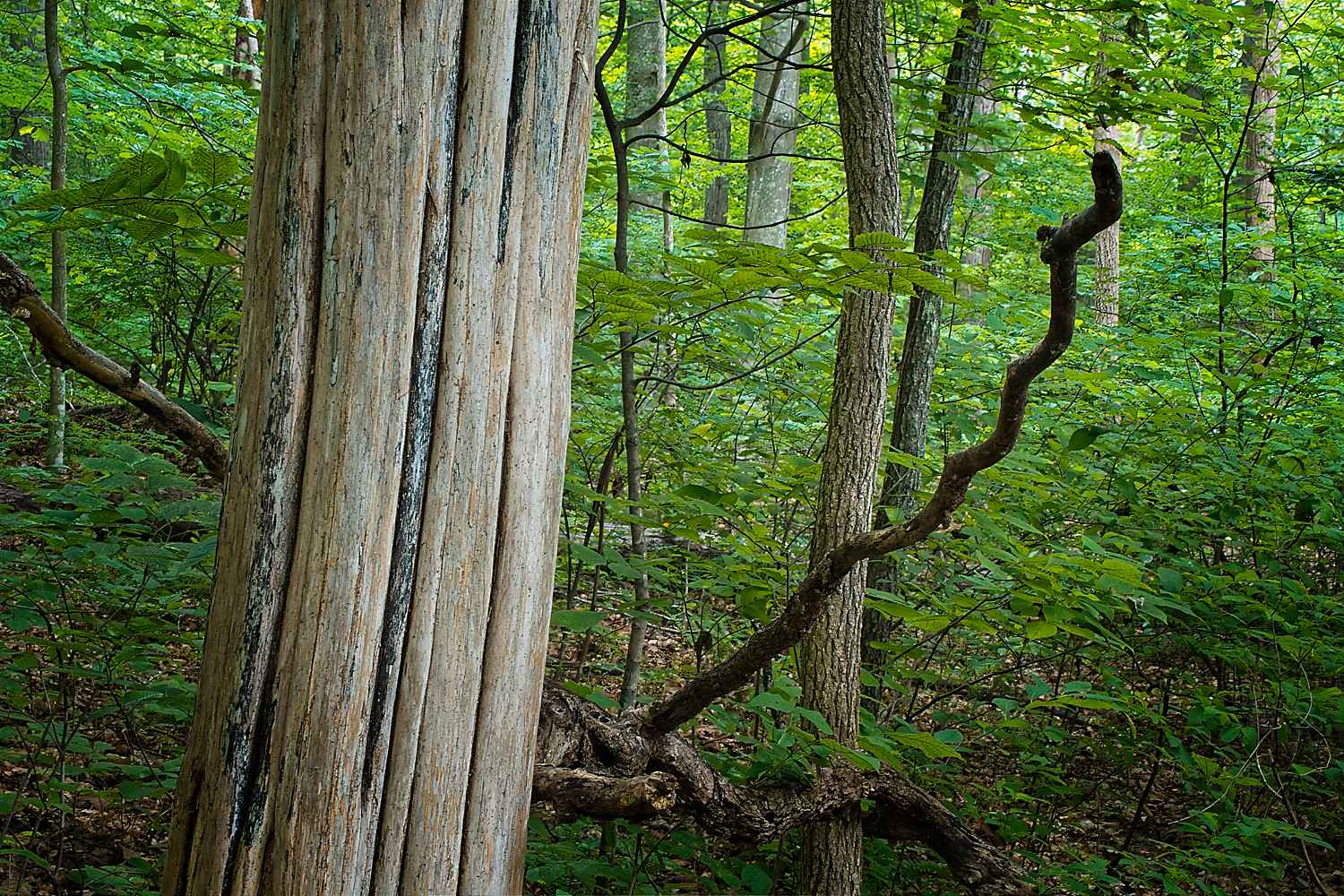
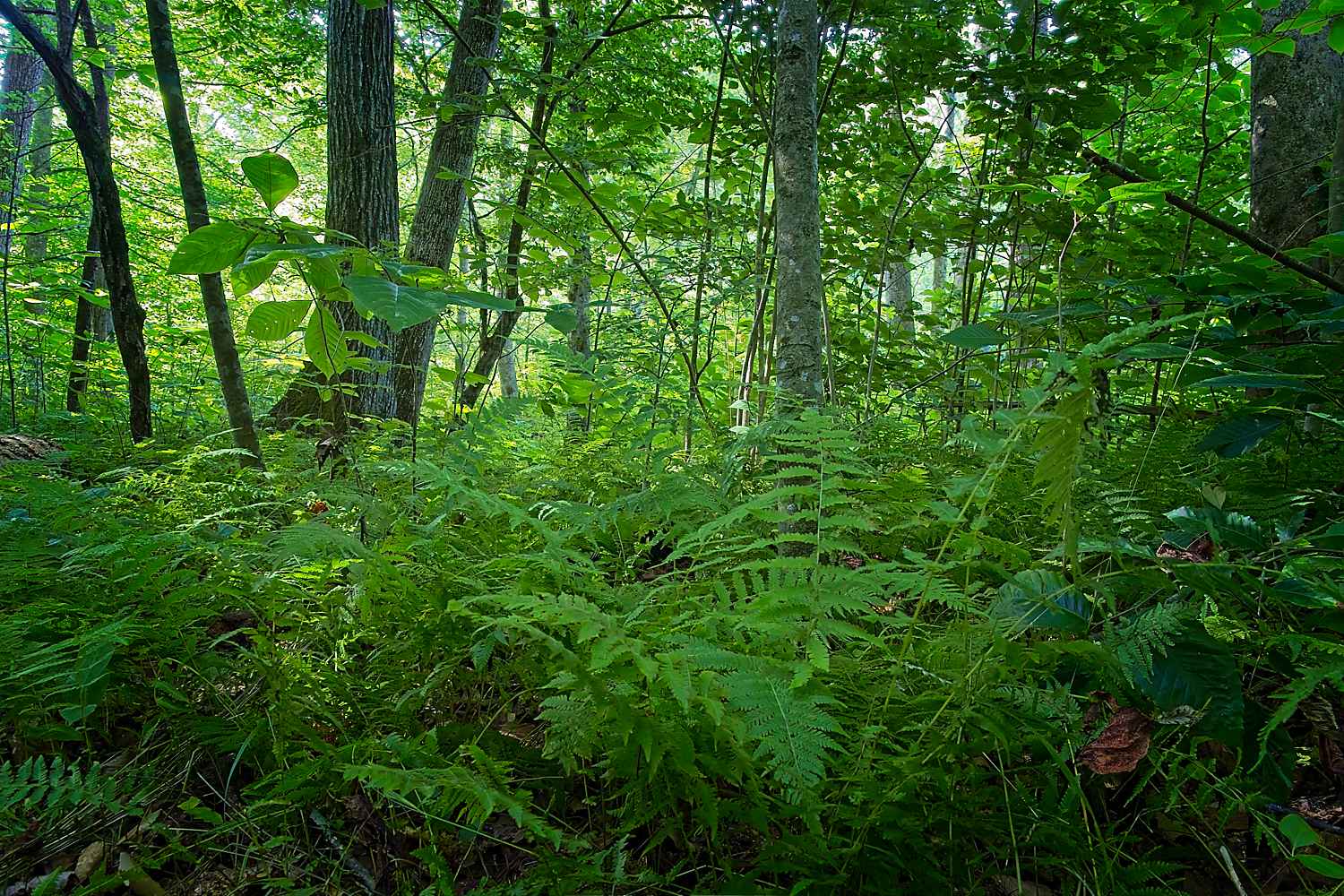
As I continue to explore my corner of the great Appalachian forest in a year-long project to showcase all the seasons, I find the woods deeply entrancing, and the lakes a mirror of the deep forest greens.
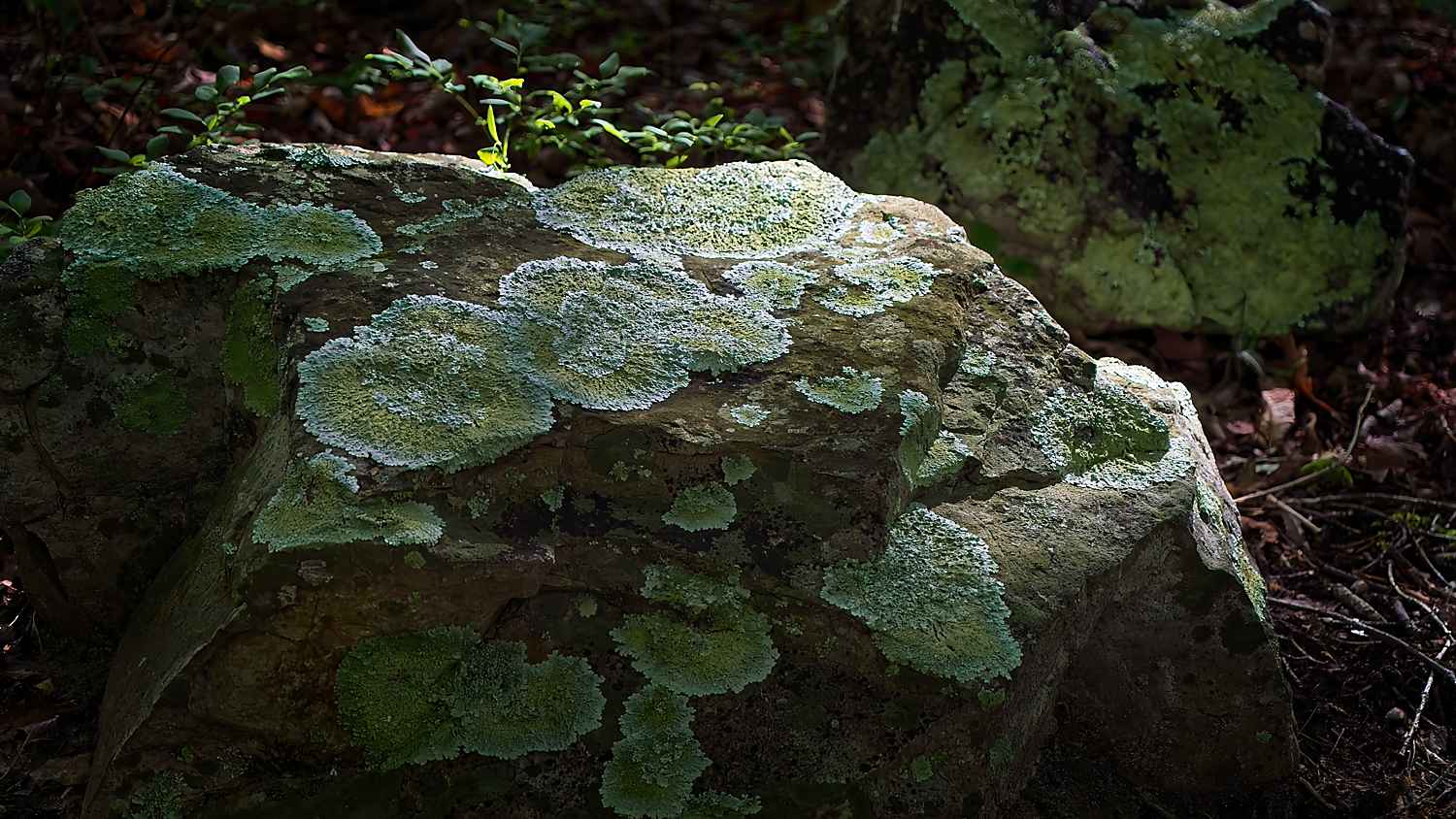
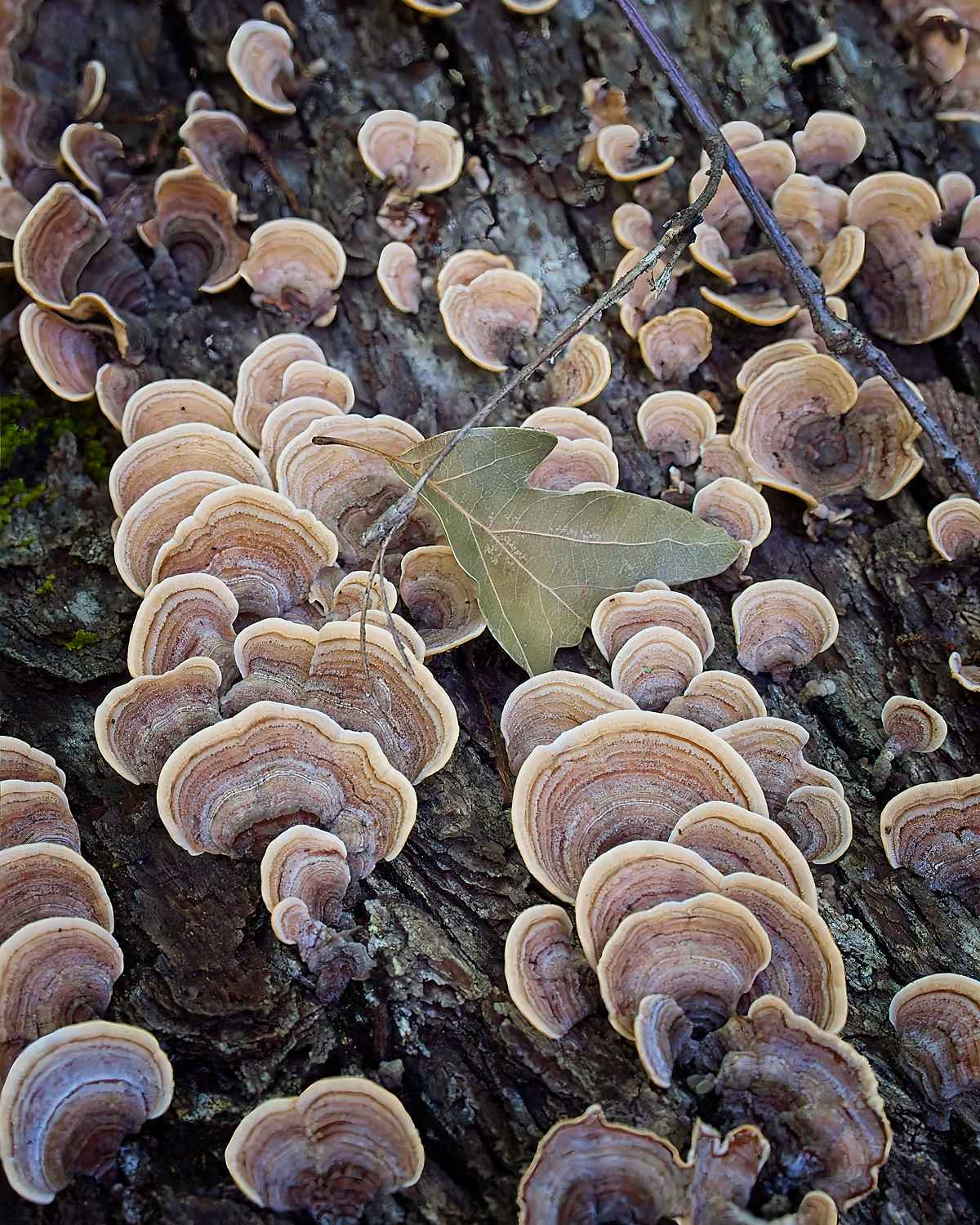
Lichens and fungi are thriving.
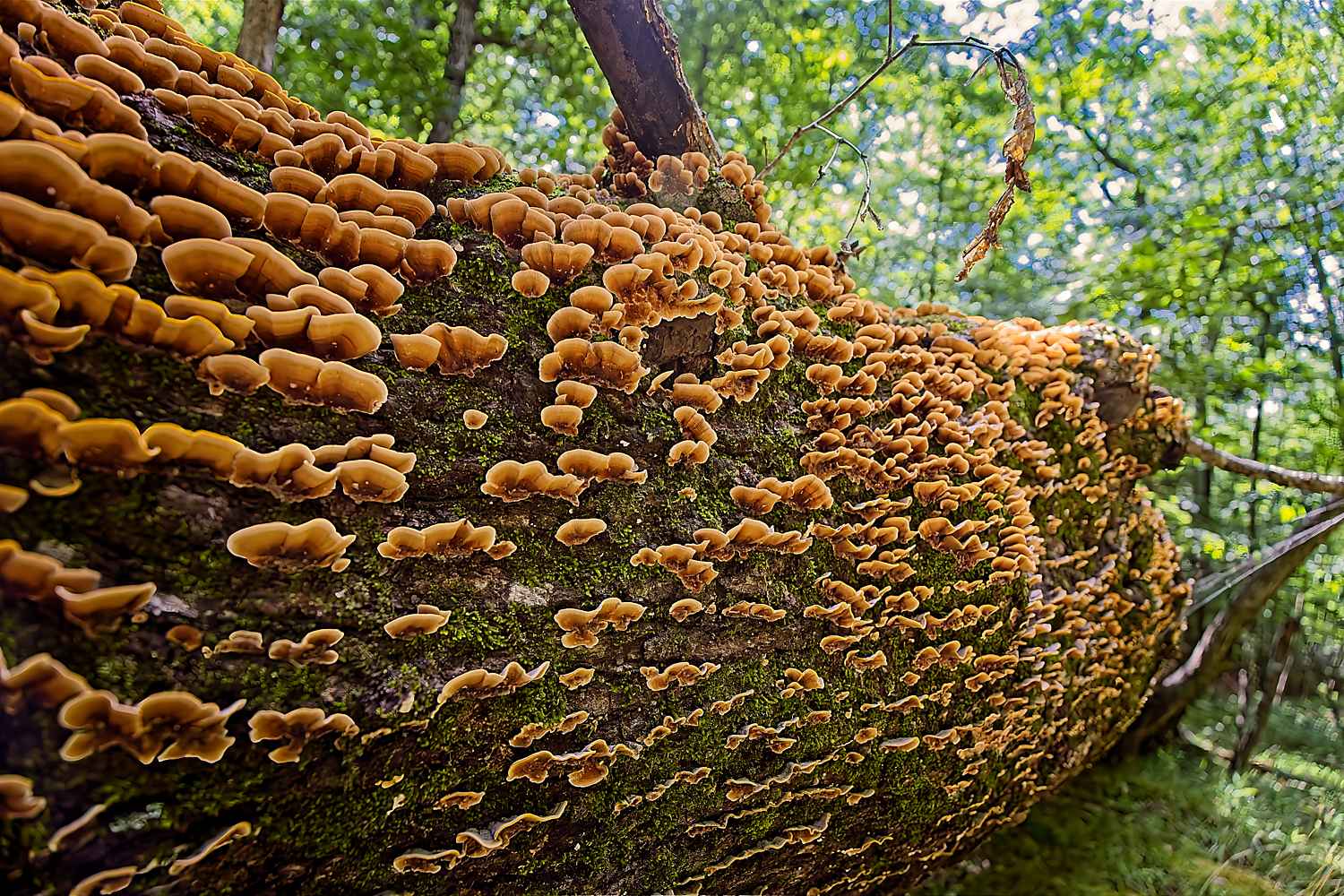
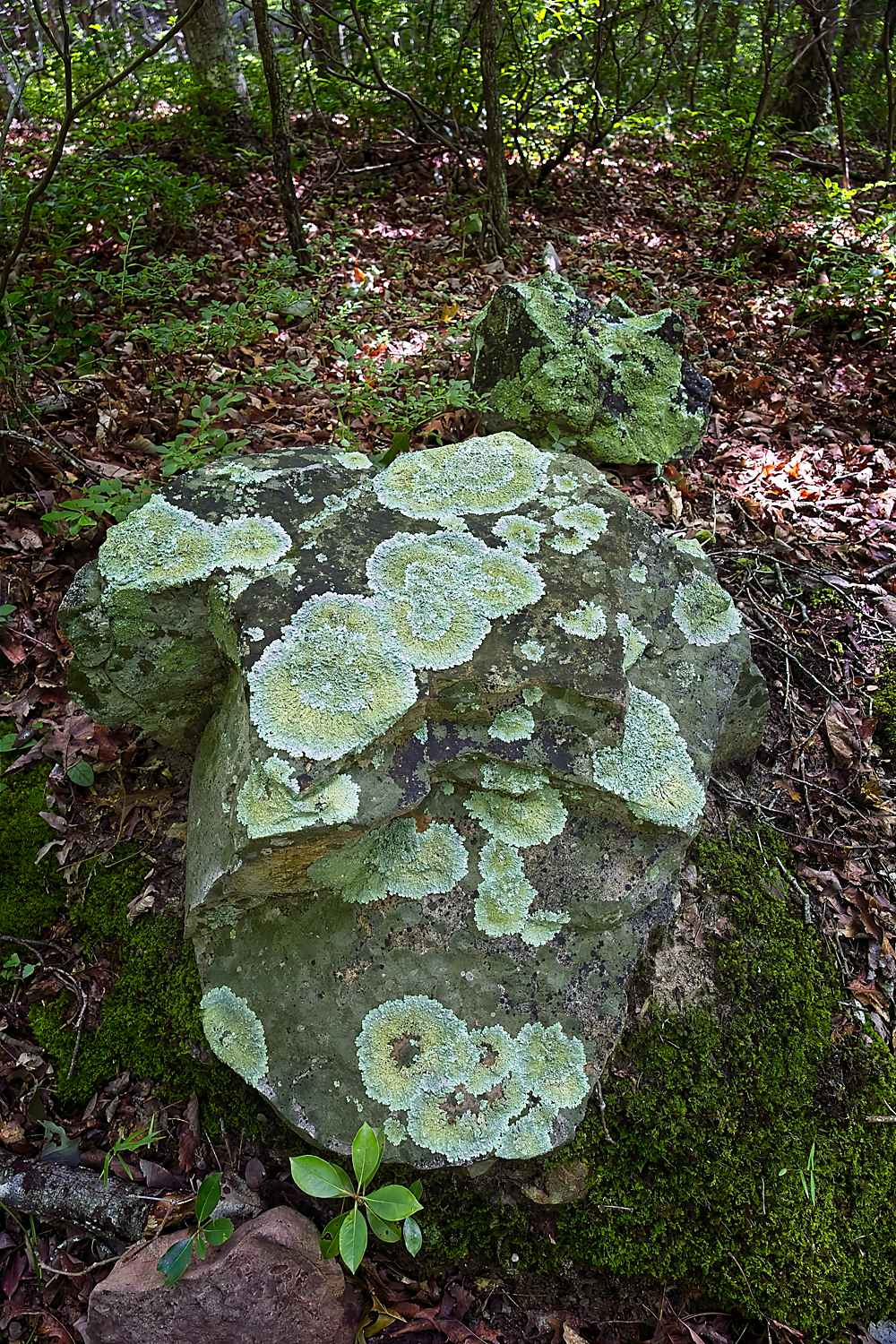
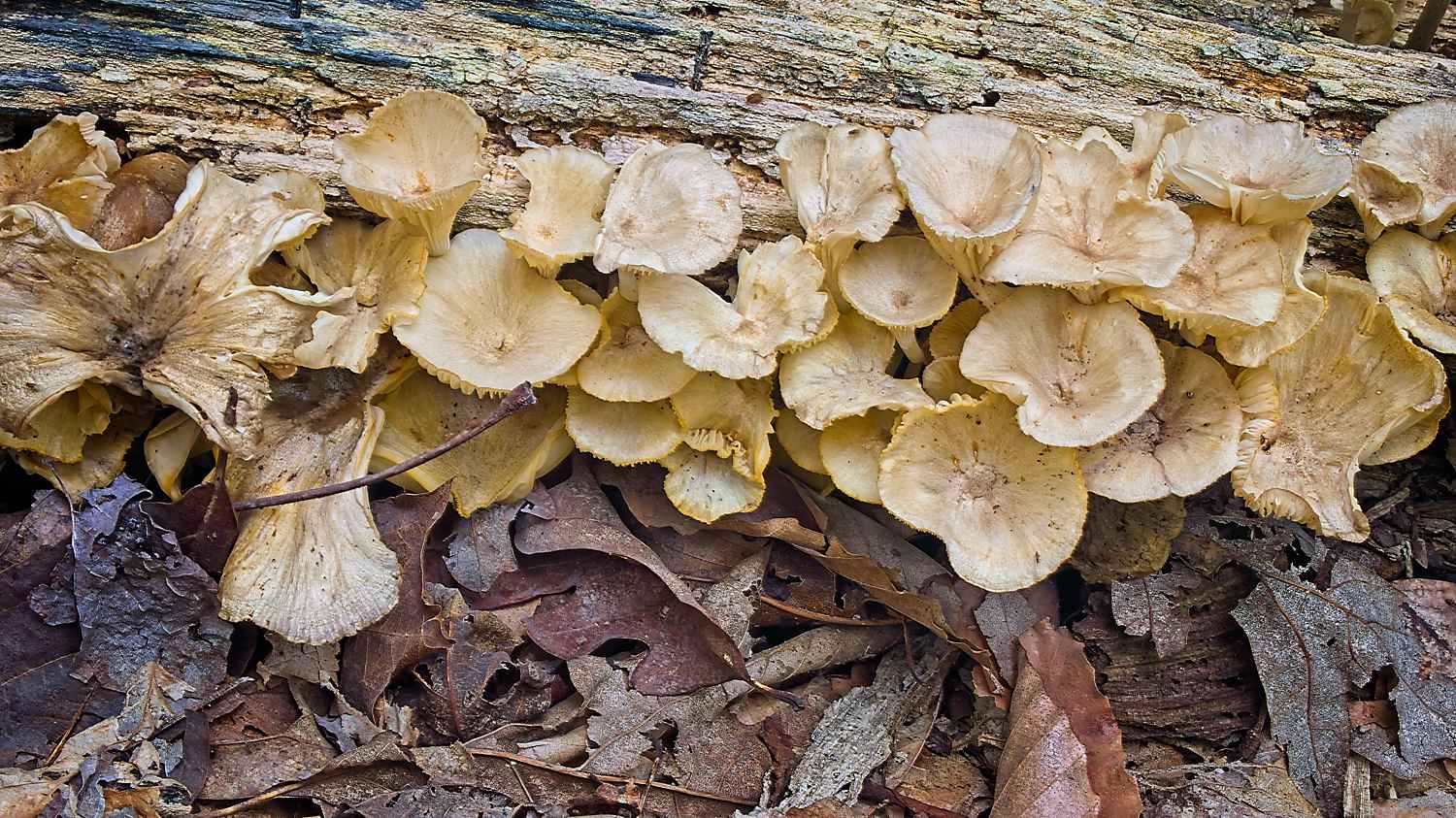
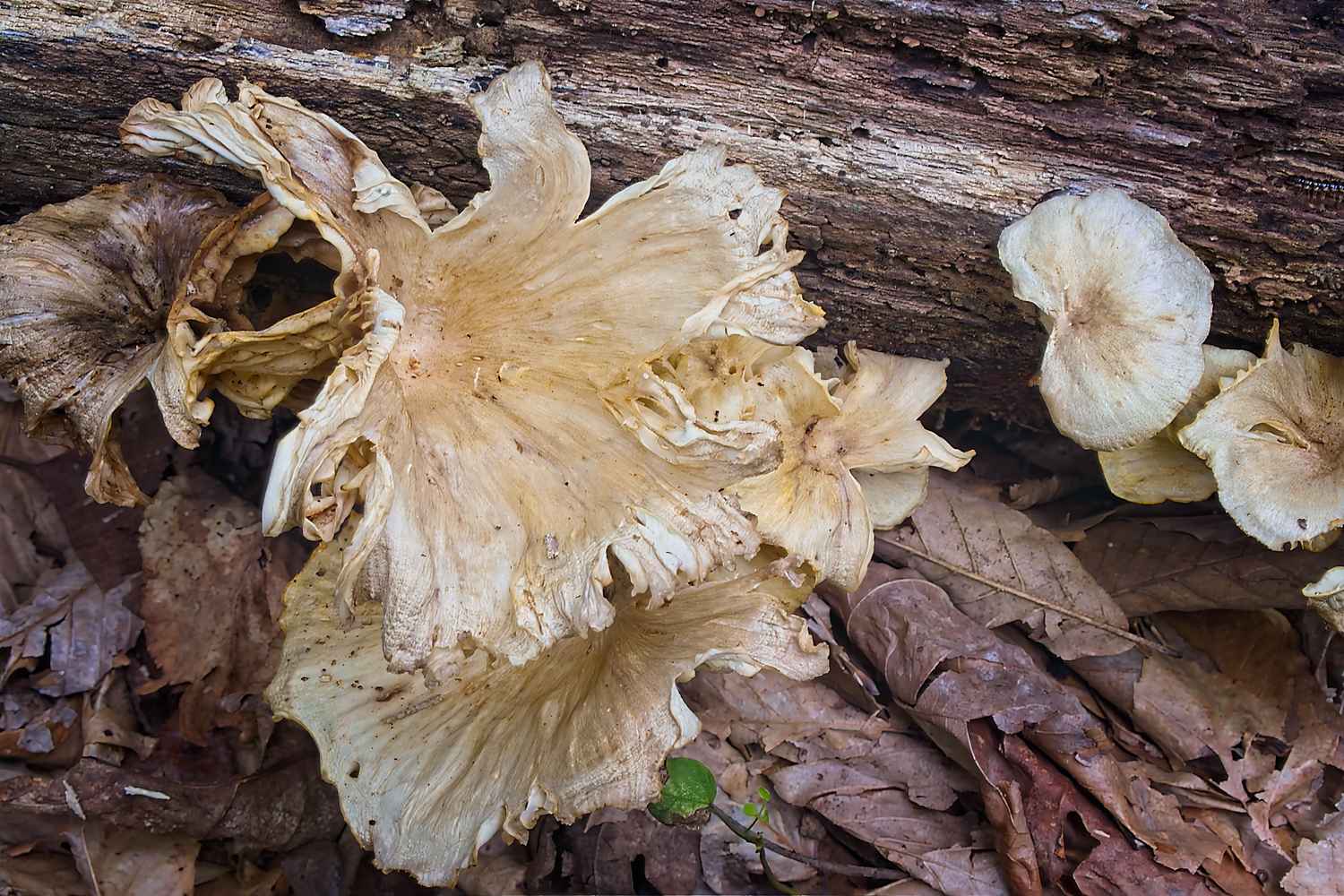
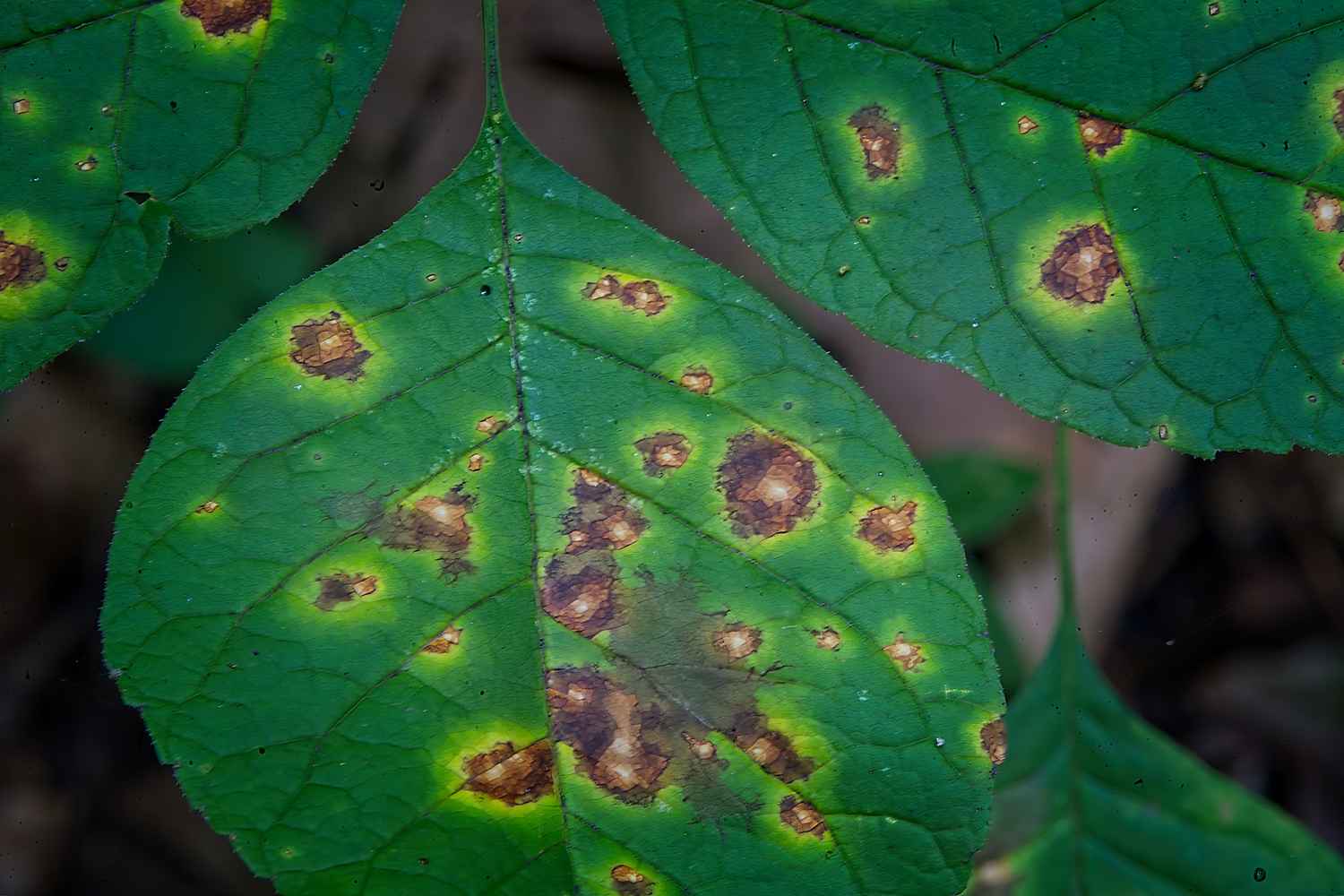
Not all: Many are tasty to insects
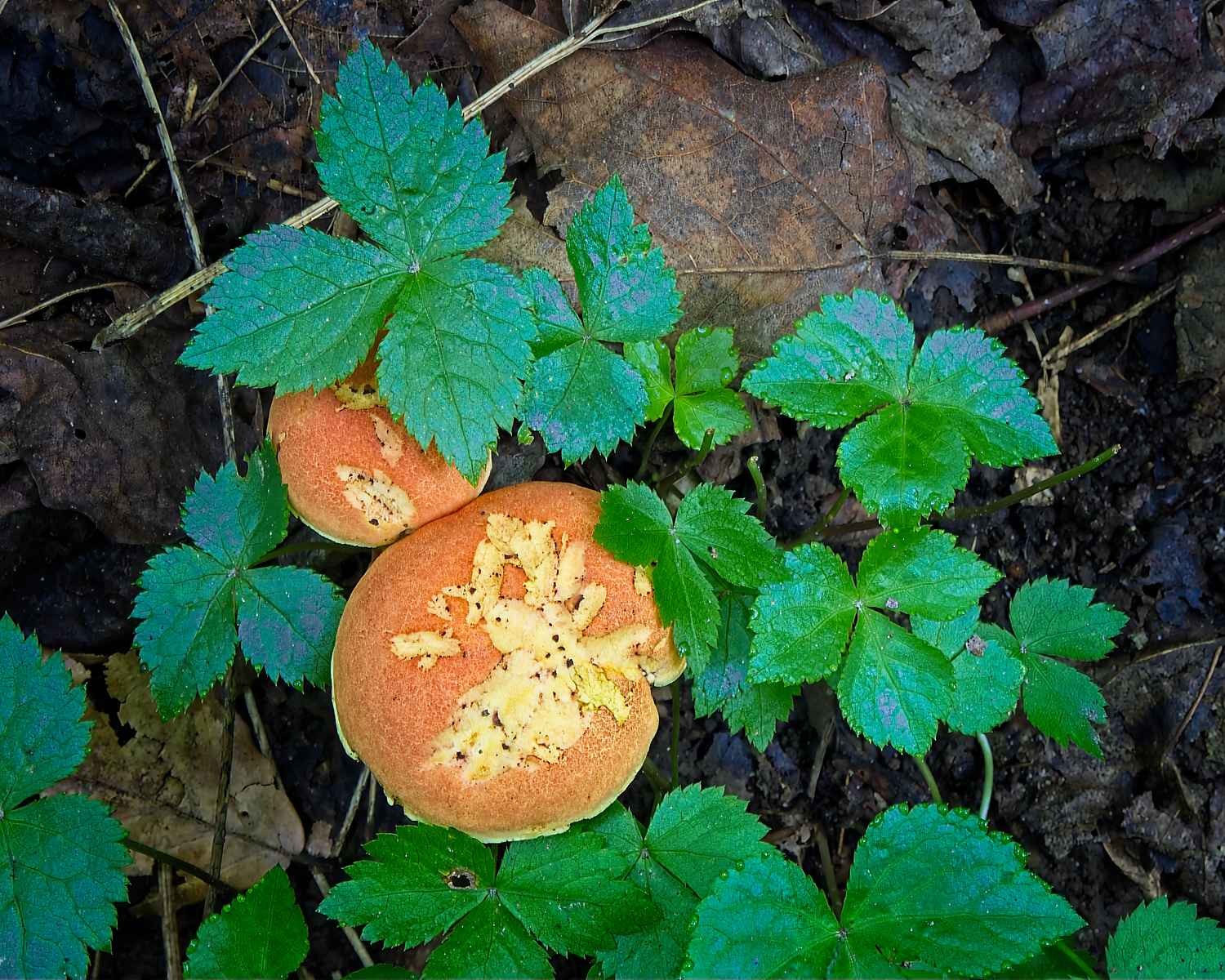
and others seem to be having an existential crisis.
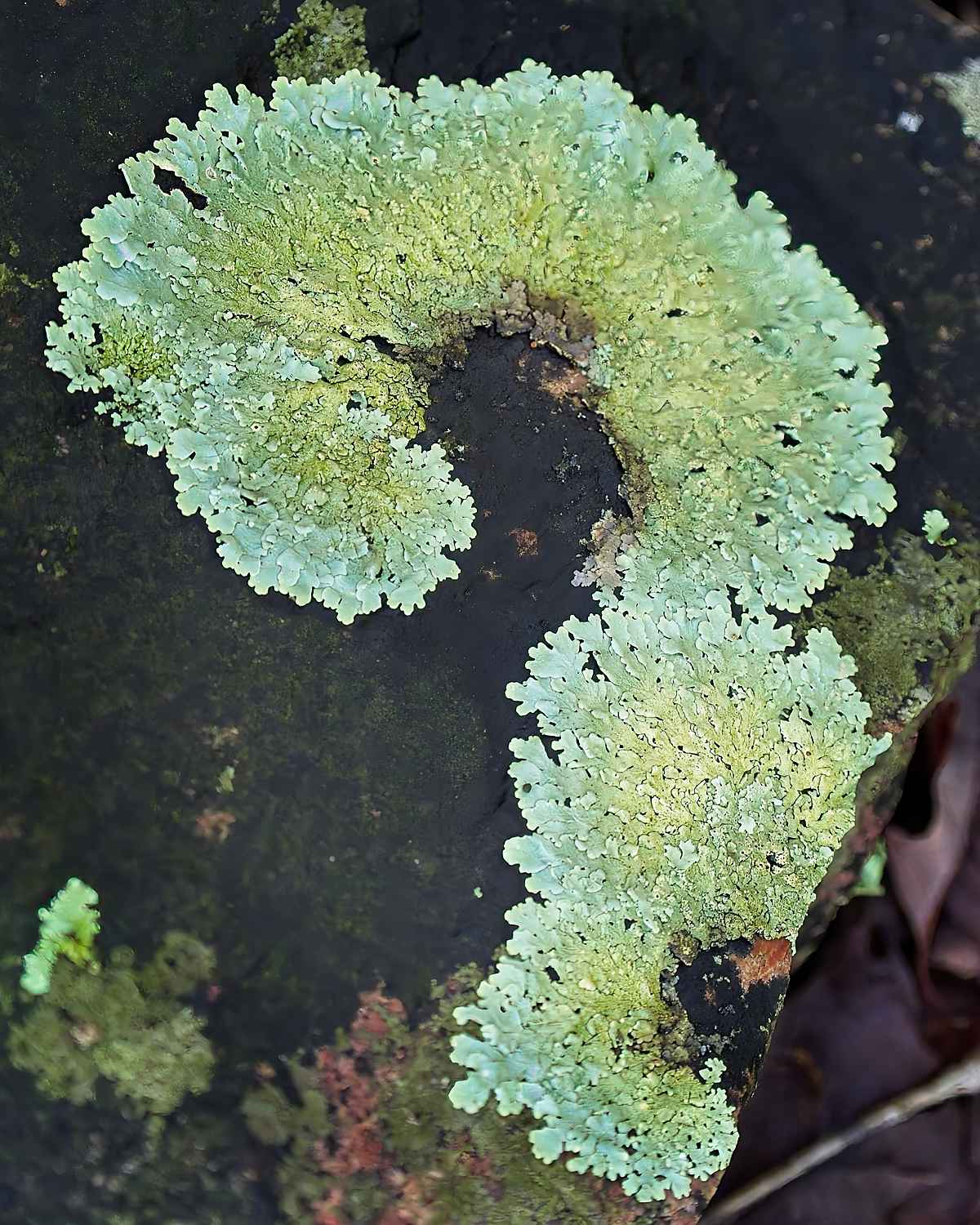
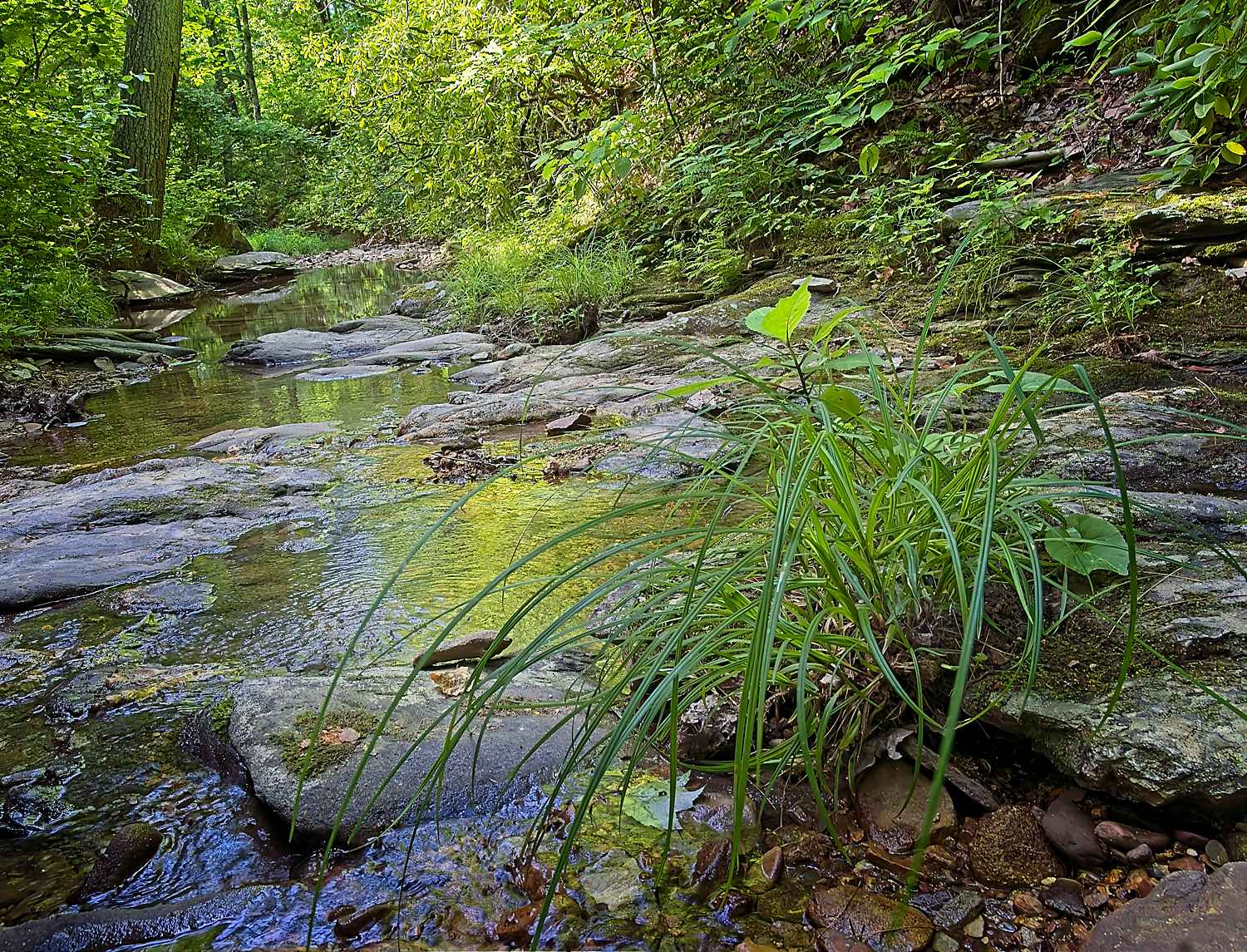
It was dry for most of July, but small steady showers in the last week of the month perked up streams and plants.
Some flowers appreciate the attention, just as butterflies appreciate the flowers (though there seem to be fewer butterflies than normal this year).
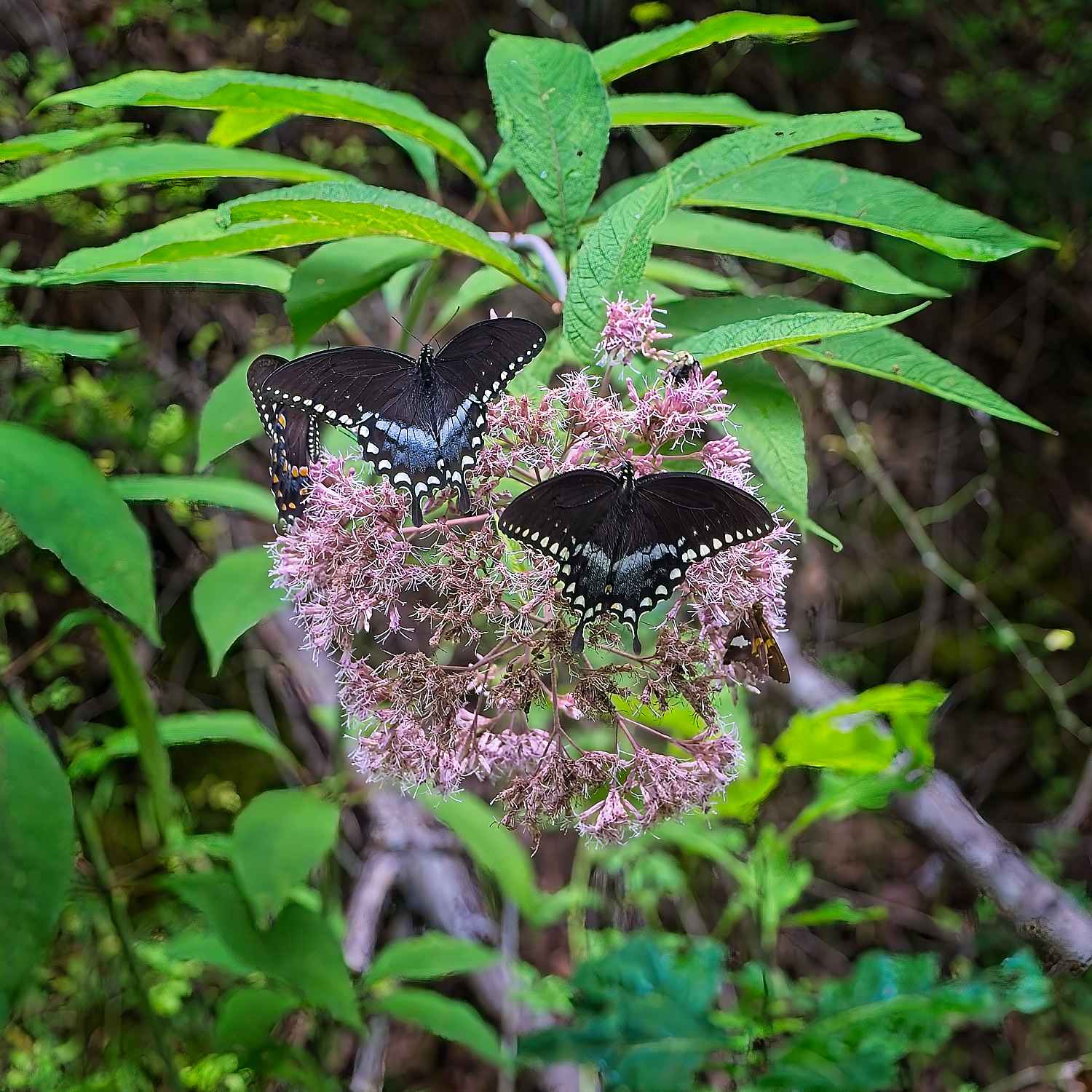
Weeds are plants humans don’t want, or don’t want in some particular place (lawns, gardens). But weeds are a part of the local flora here as elsewhere, and they can be interesting photographically. They aren’t found on the forest floor, generally, but in disturbed or cleared parts—in negative spaces of the forest. So, ironically, humans are largely responsible for the weeds they deplore, by creating the environments in which they out-compete “more desirable” species!
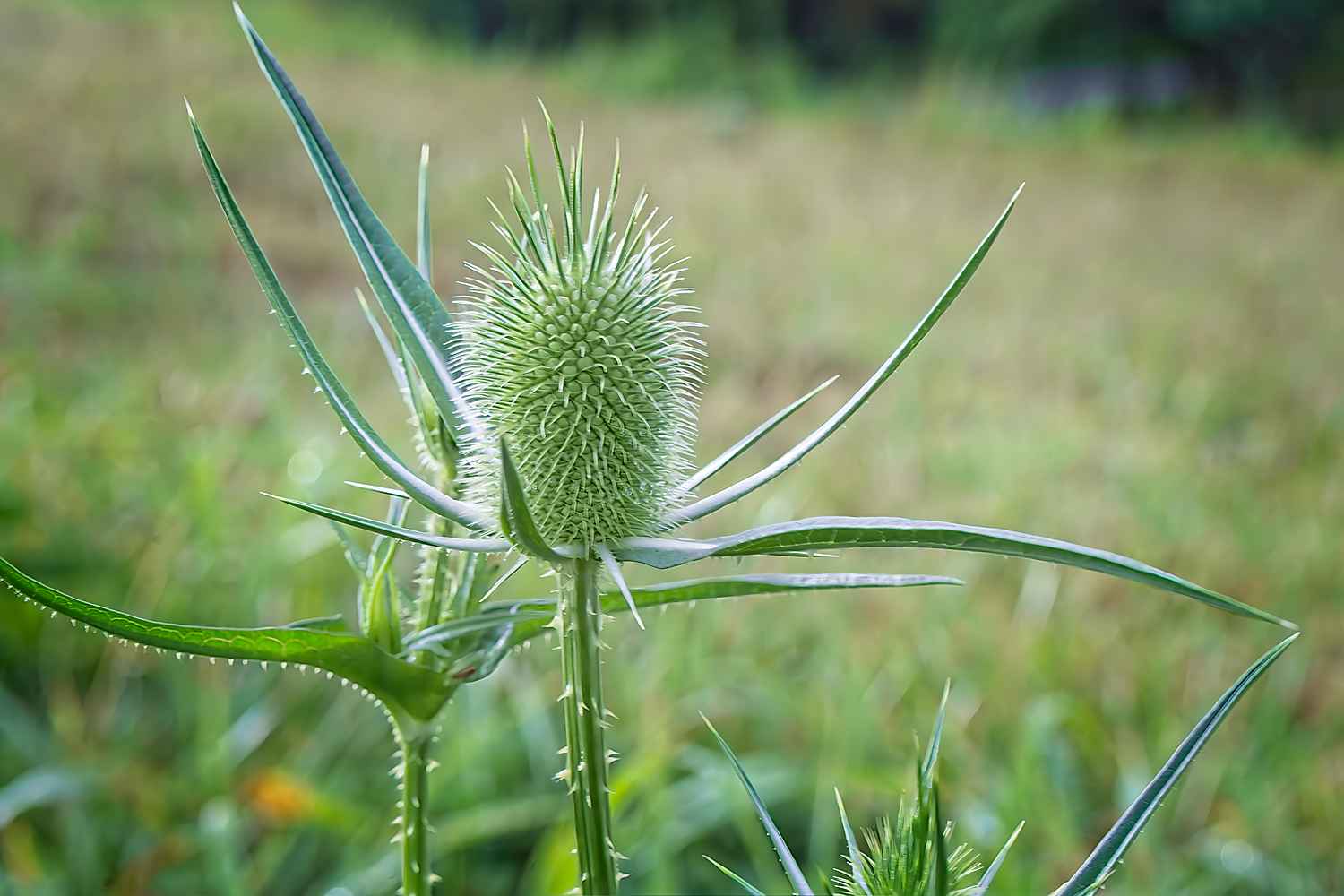
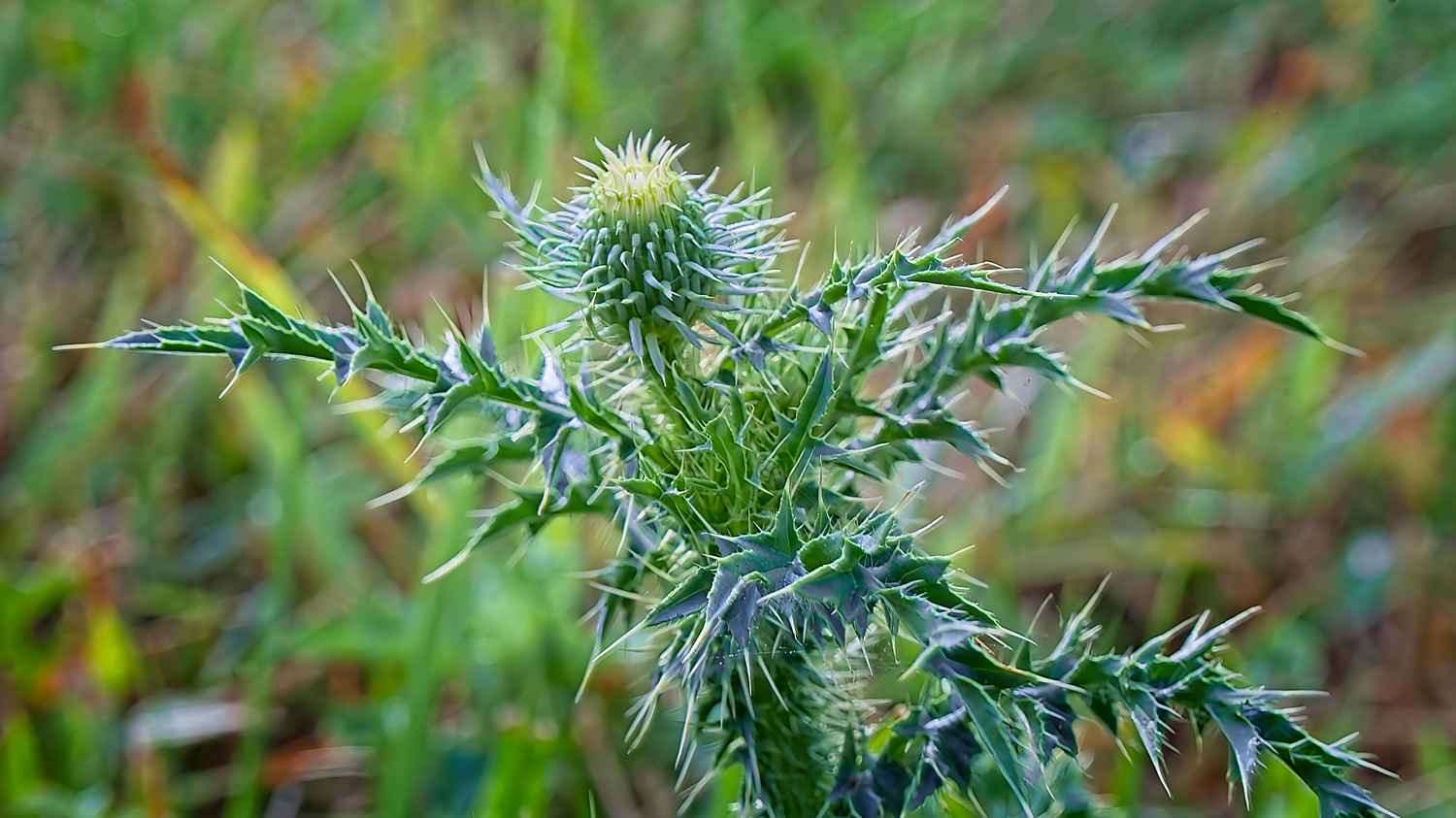
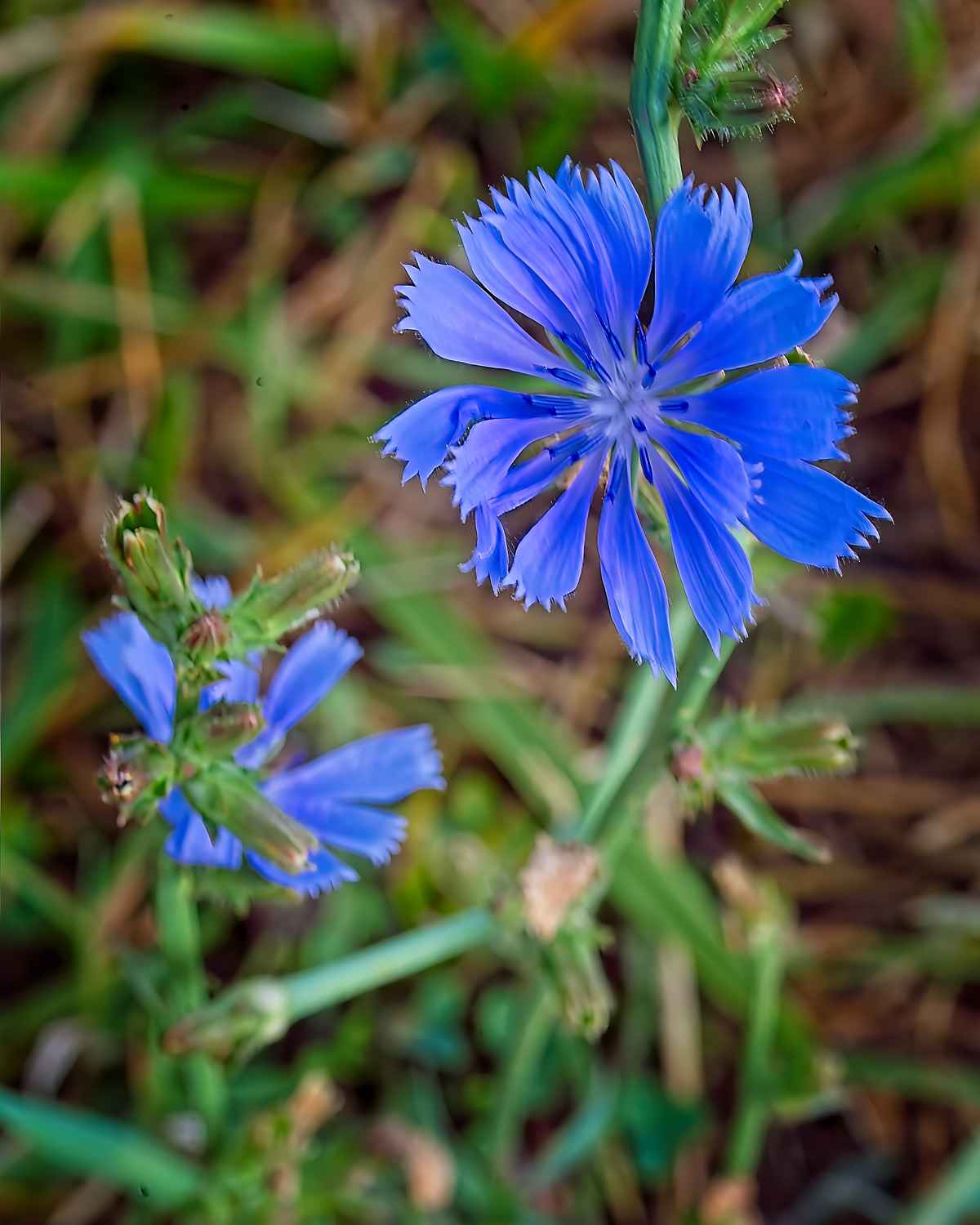
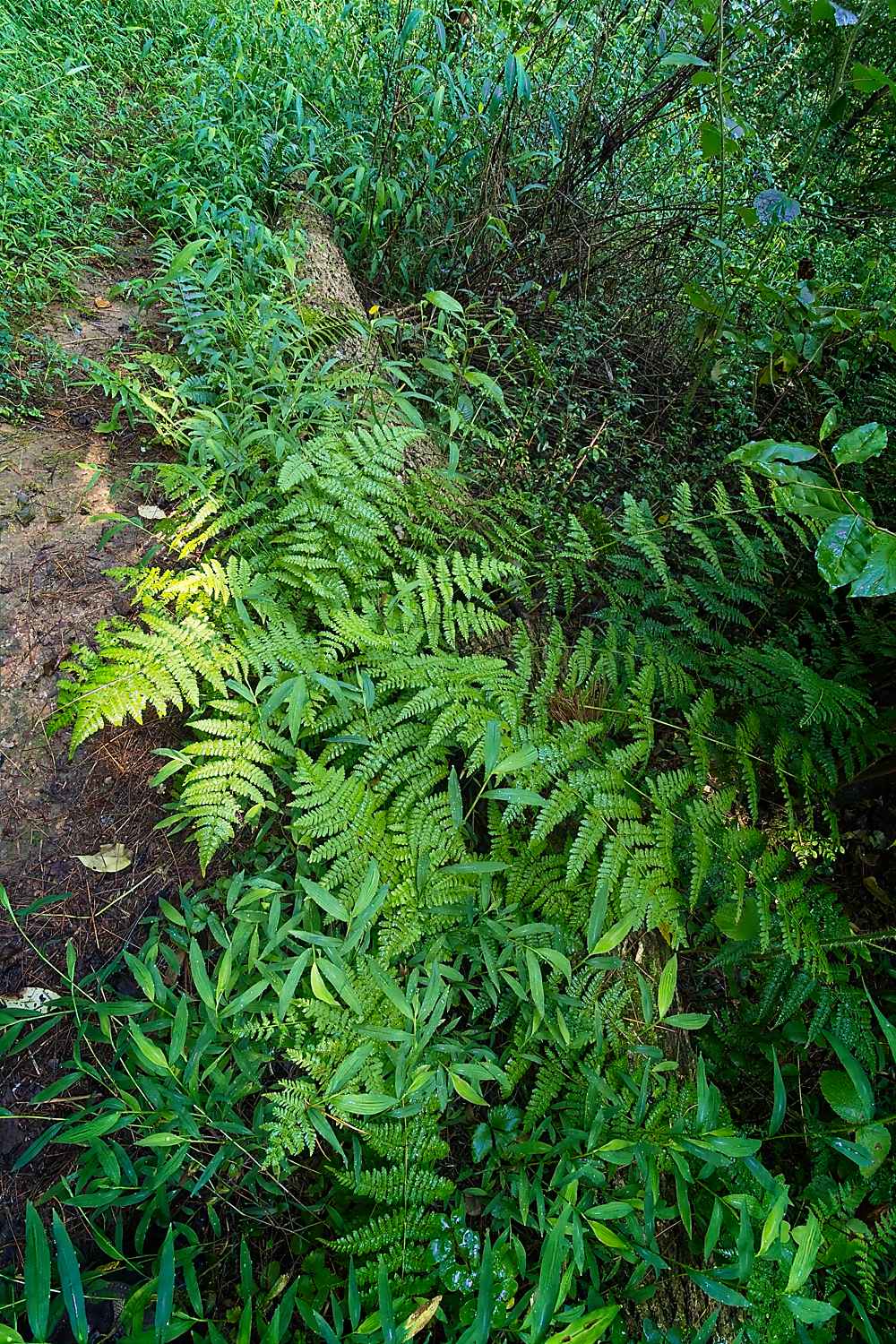
But there are also weeds in the native forest—invasive imports. Here some native ferns are perched on a rock above an encroaching sea of Japanese stilt grass.
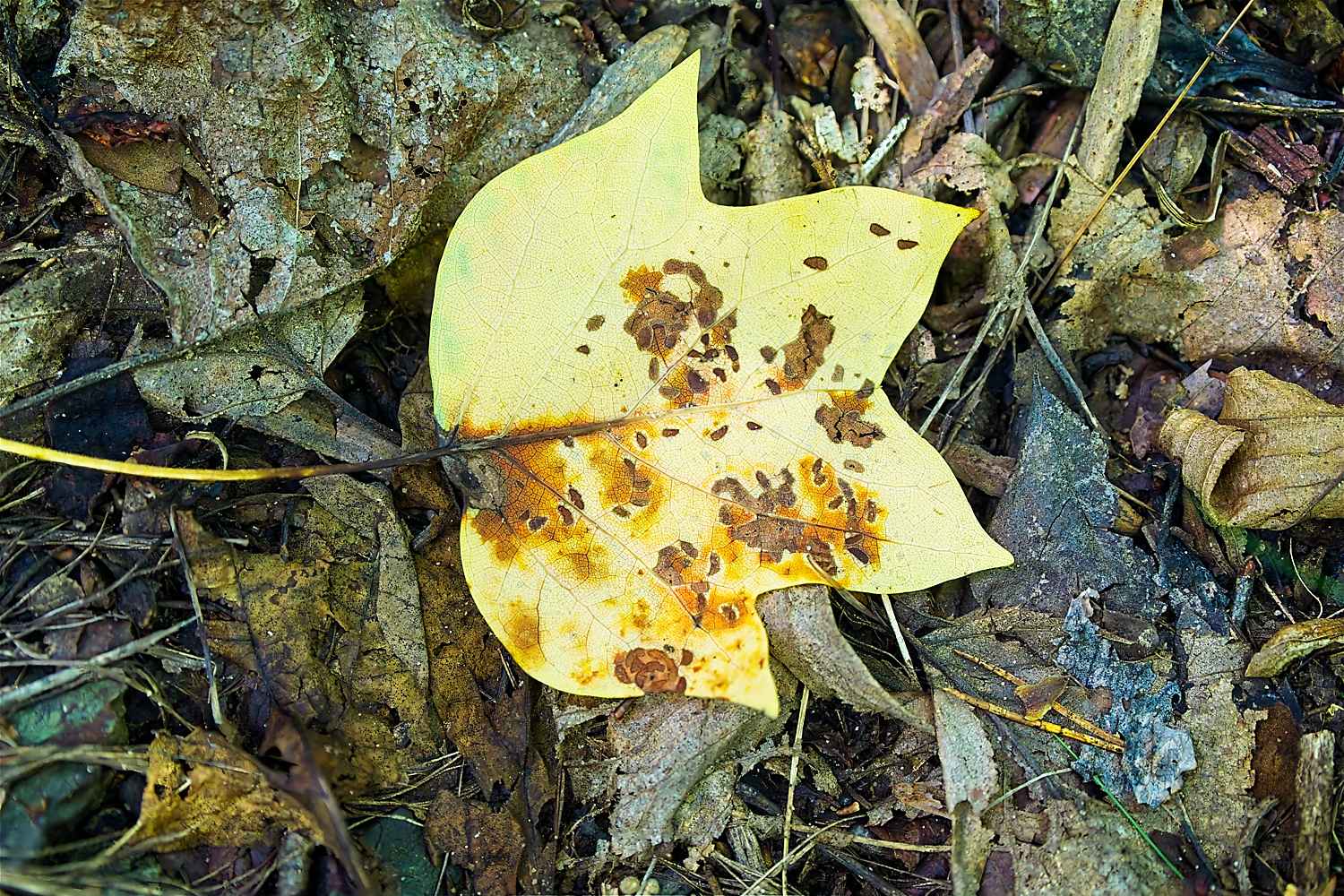
By the end of the month there are ever more signs of decay amidst the overwhelming green—sometimes holes in leaves foraged by caterpillars ...
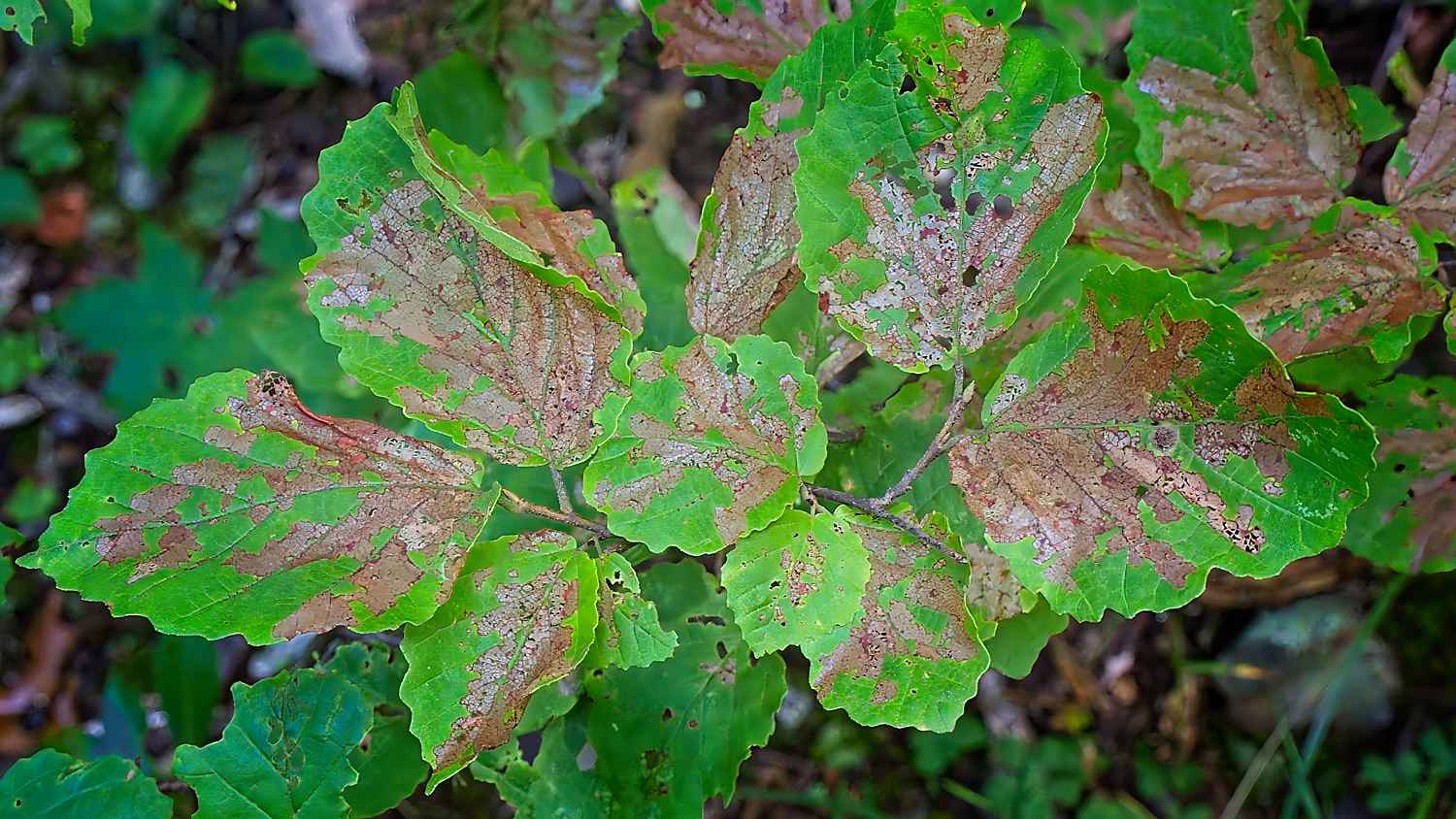
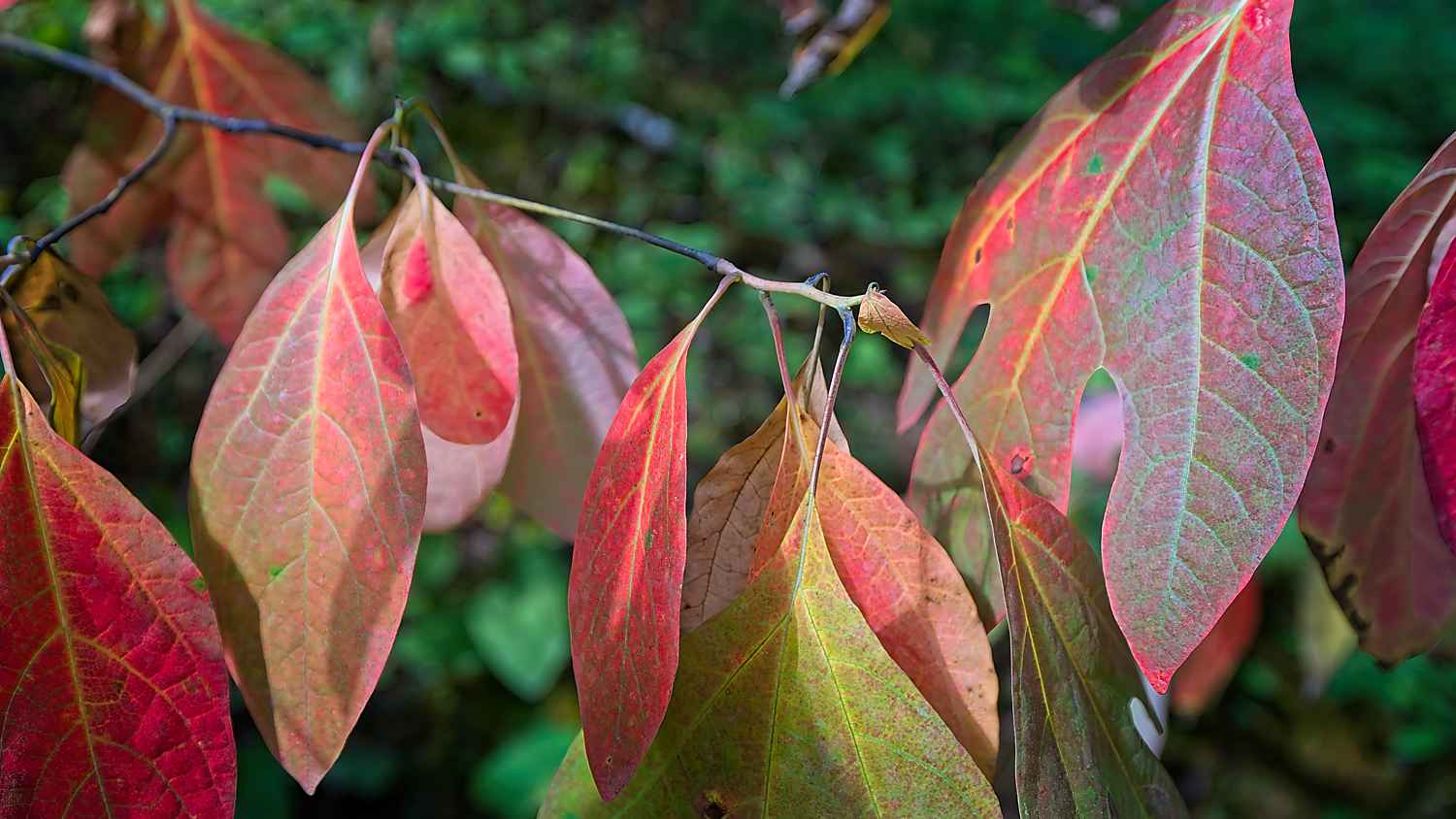
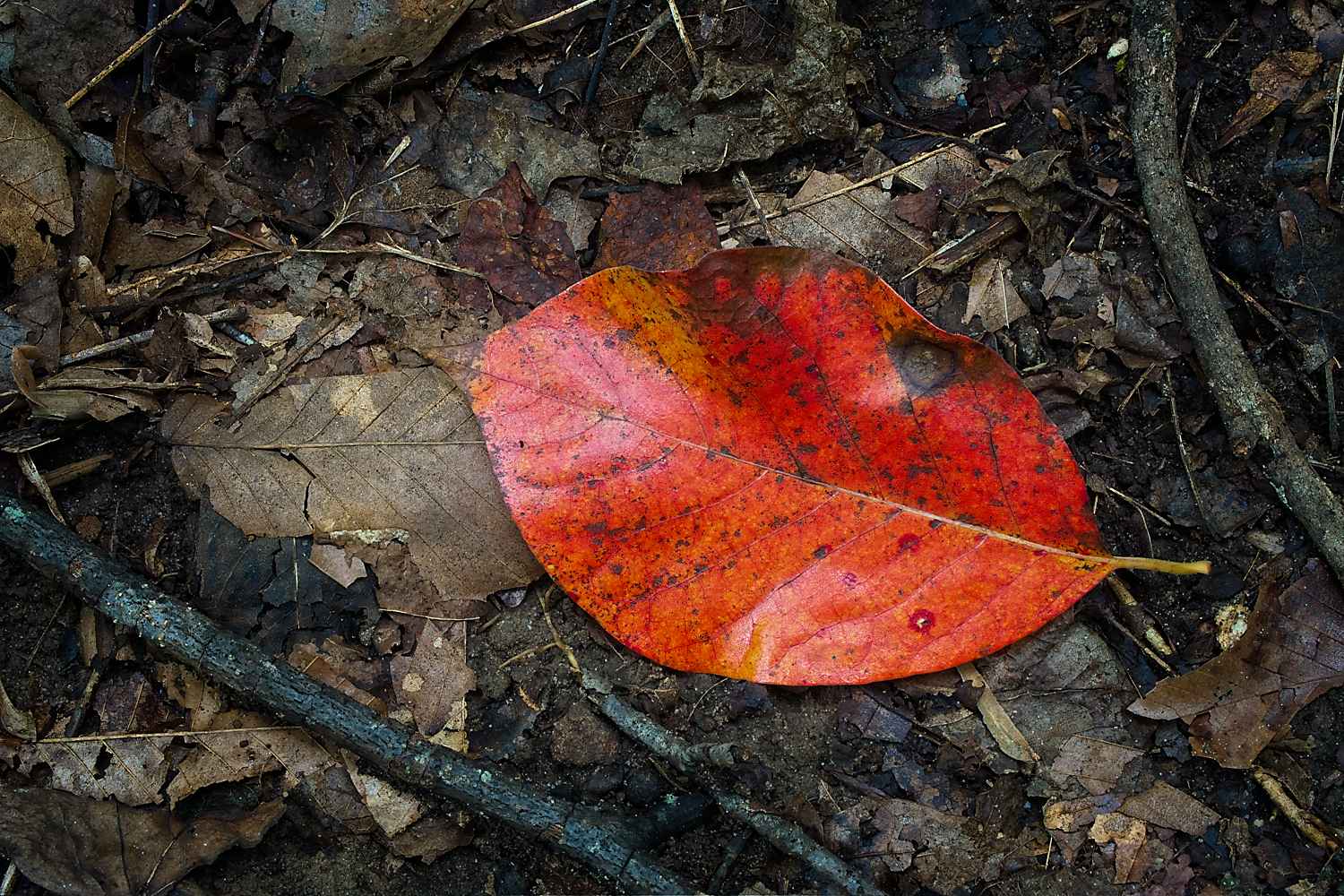
... sometimes individual leaves and leaf-clusters that have colorfully leapt ahead into fall.