#1381. Appalachian Seasons, Part II: April
This is the second post in my project to depict the neighboring Appalachian forest over the period of a full year, beginning in March. You can read about the project, and its limitations, in the first post.
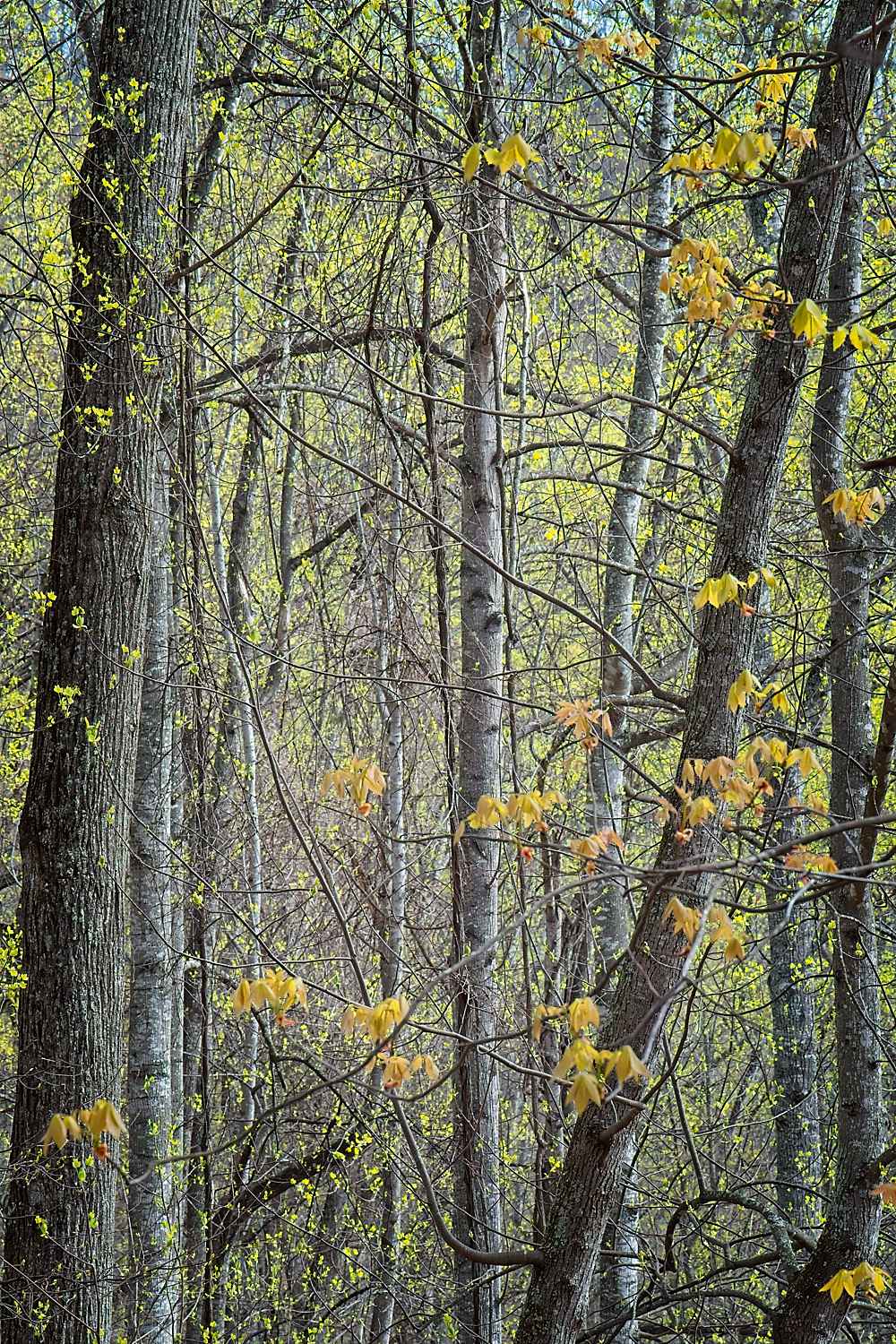
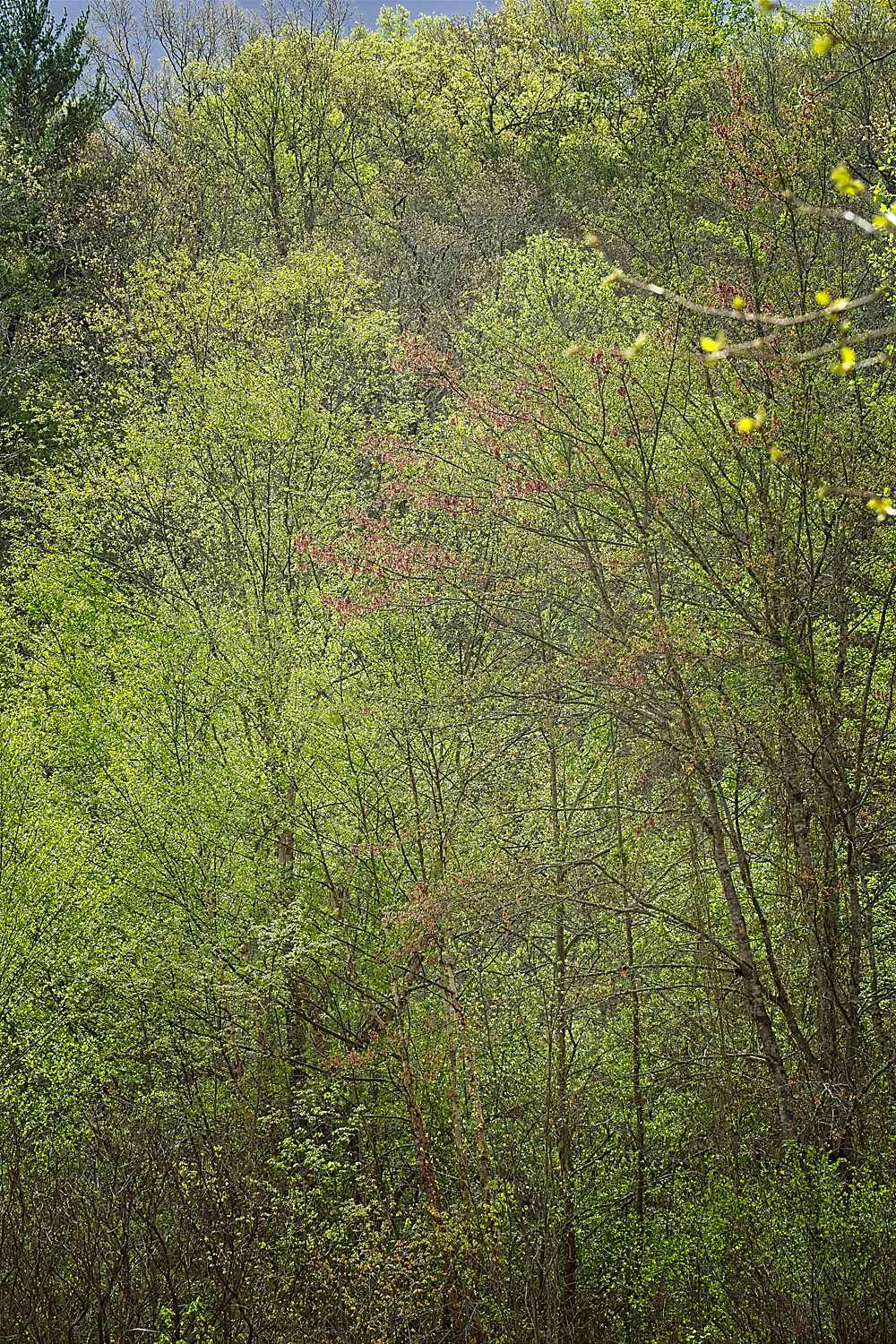
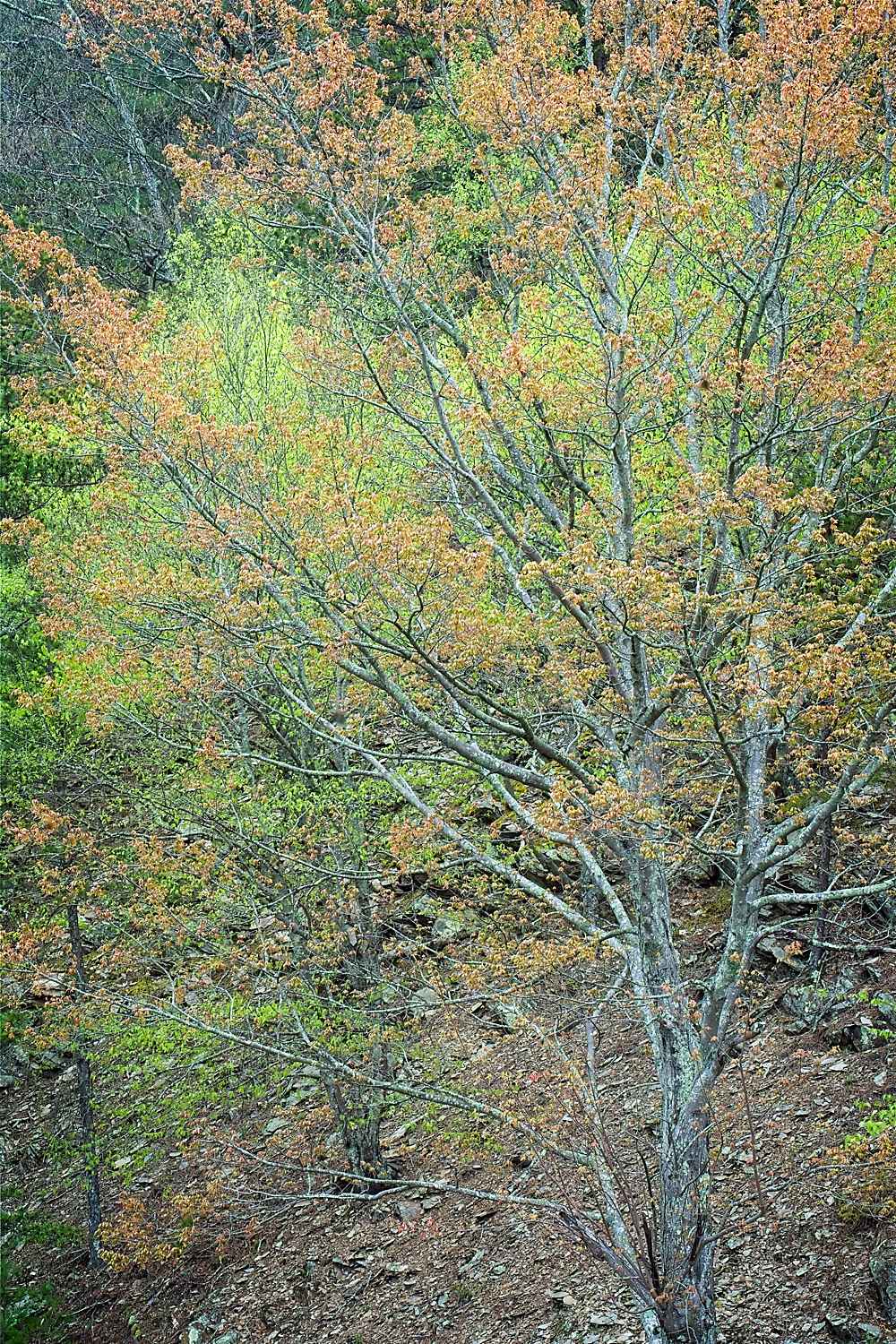
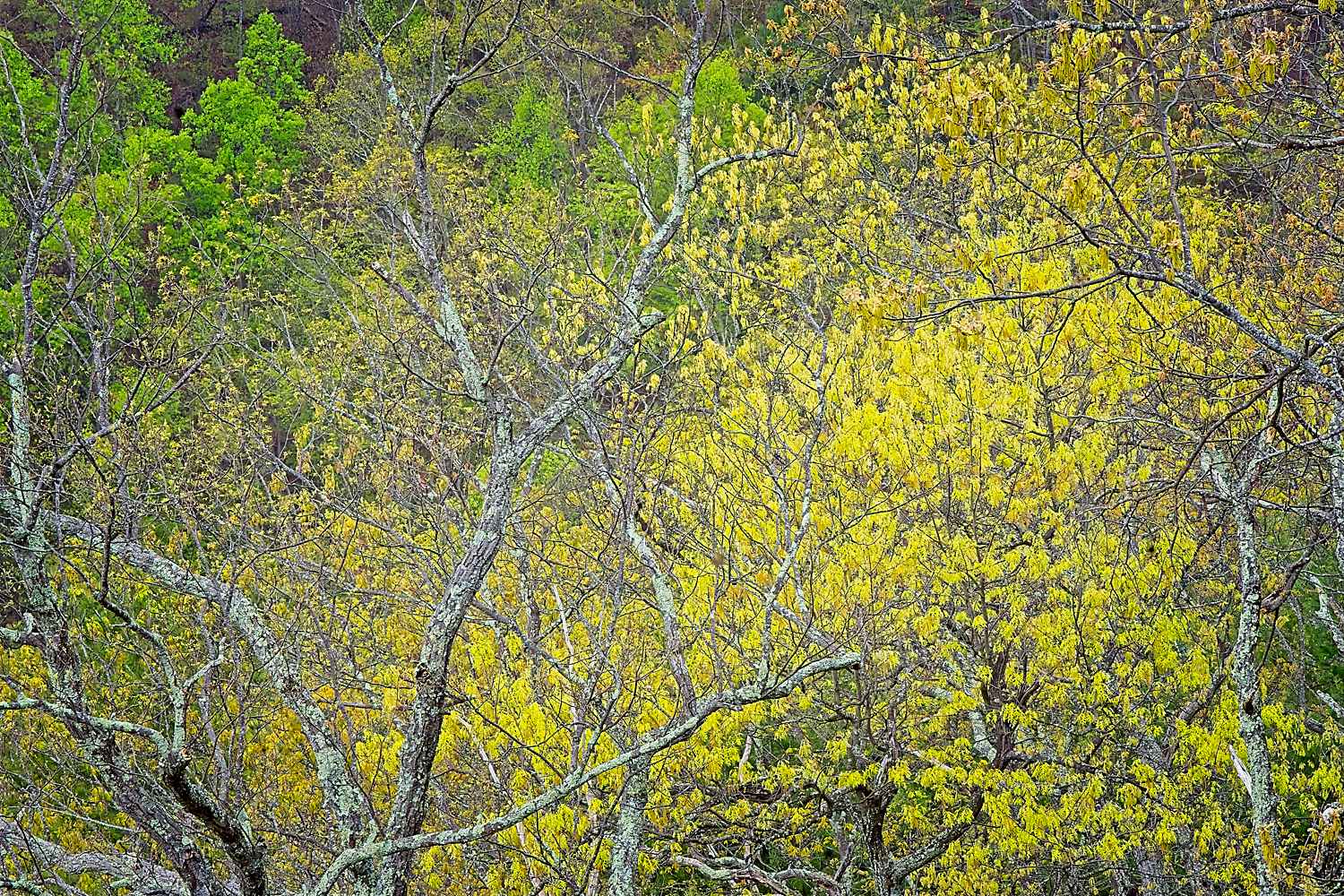
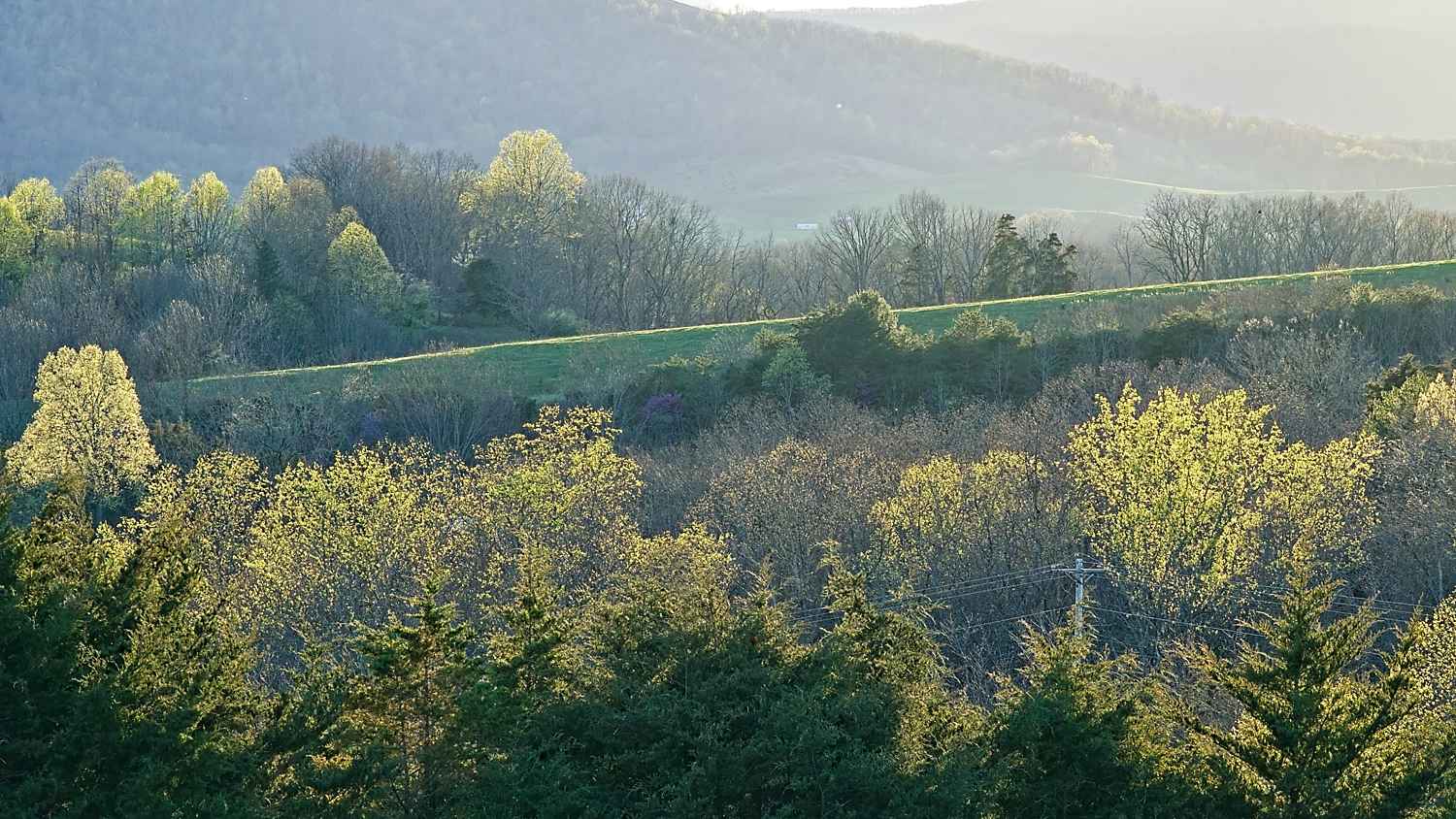
In April, the light is especially lovely, as the trees begin to leaf out.
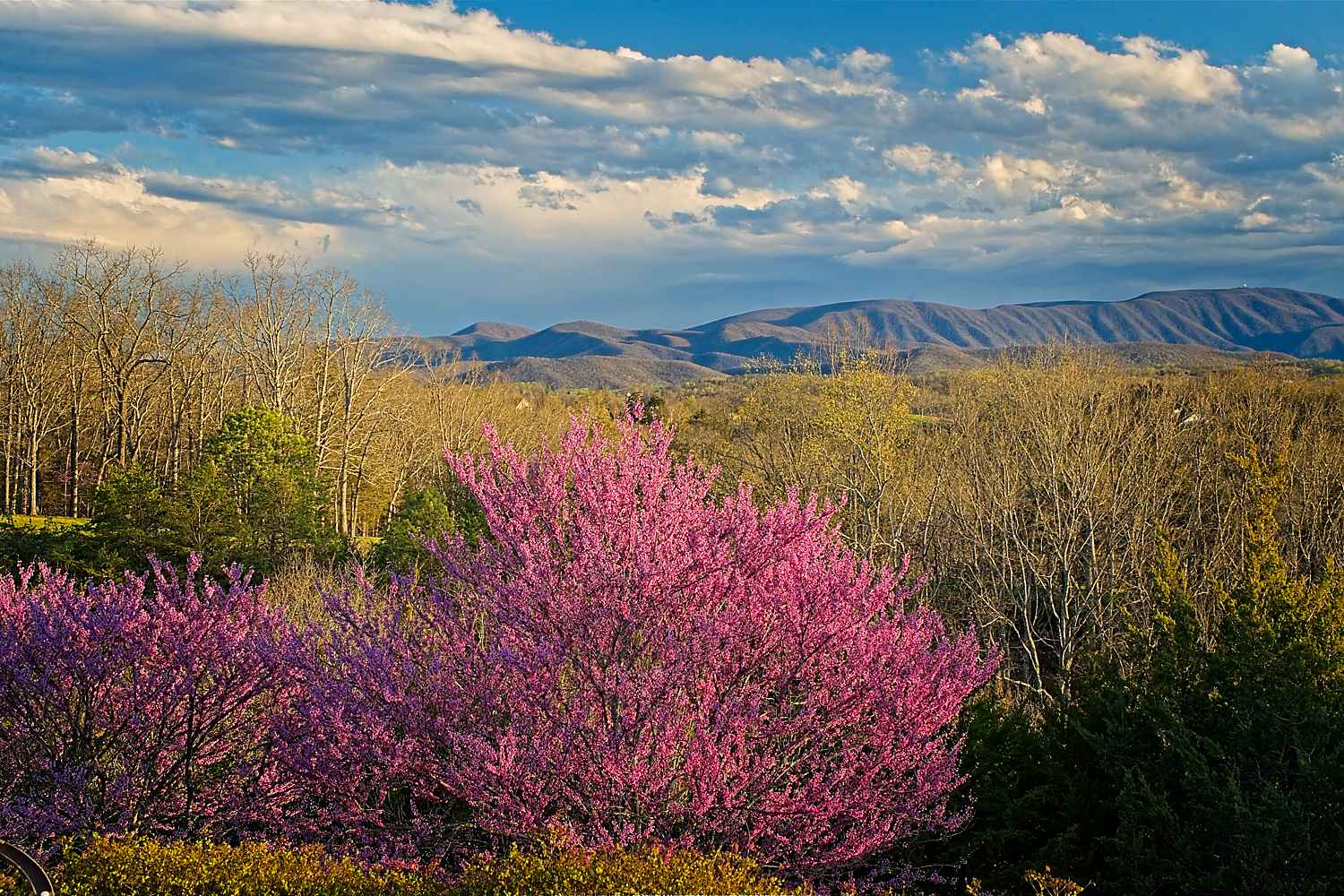
Redbud trees are opportunists, colonizing open patches in the forest and along roads; they flash early splashes of pink along their twigs (not red but light to dark magenta pink in color, and not buds but flowers).
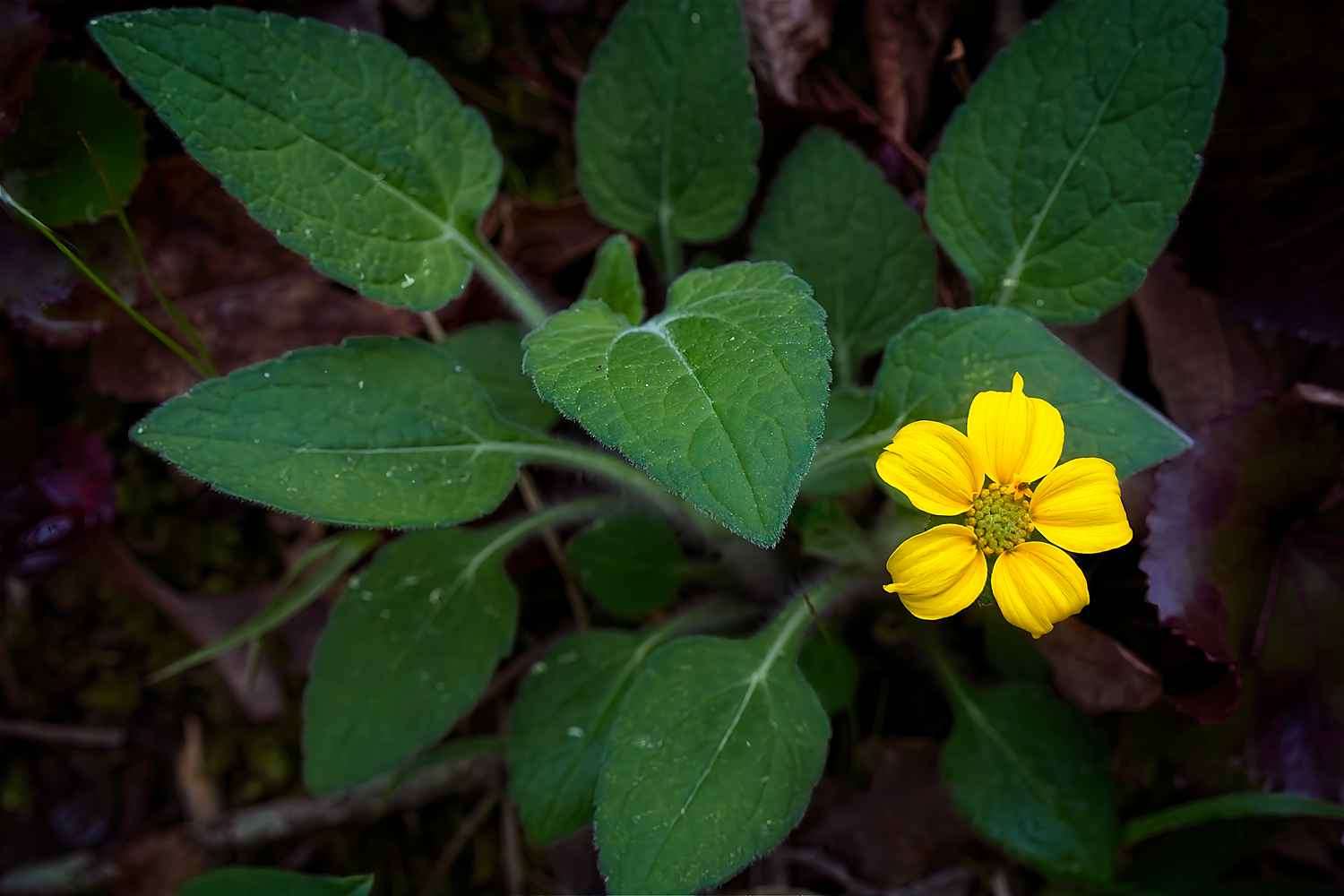
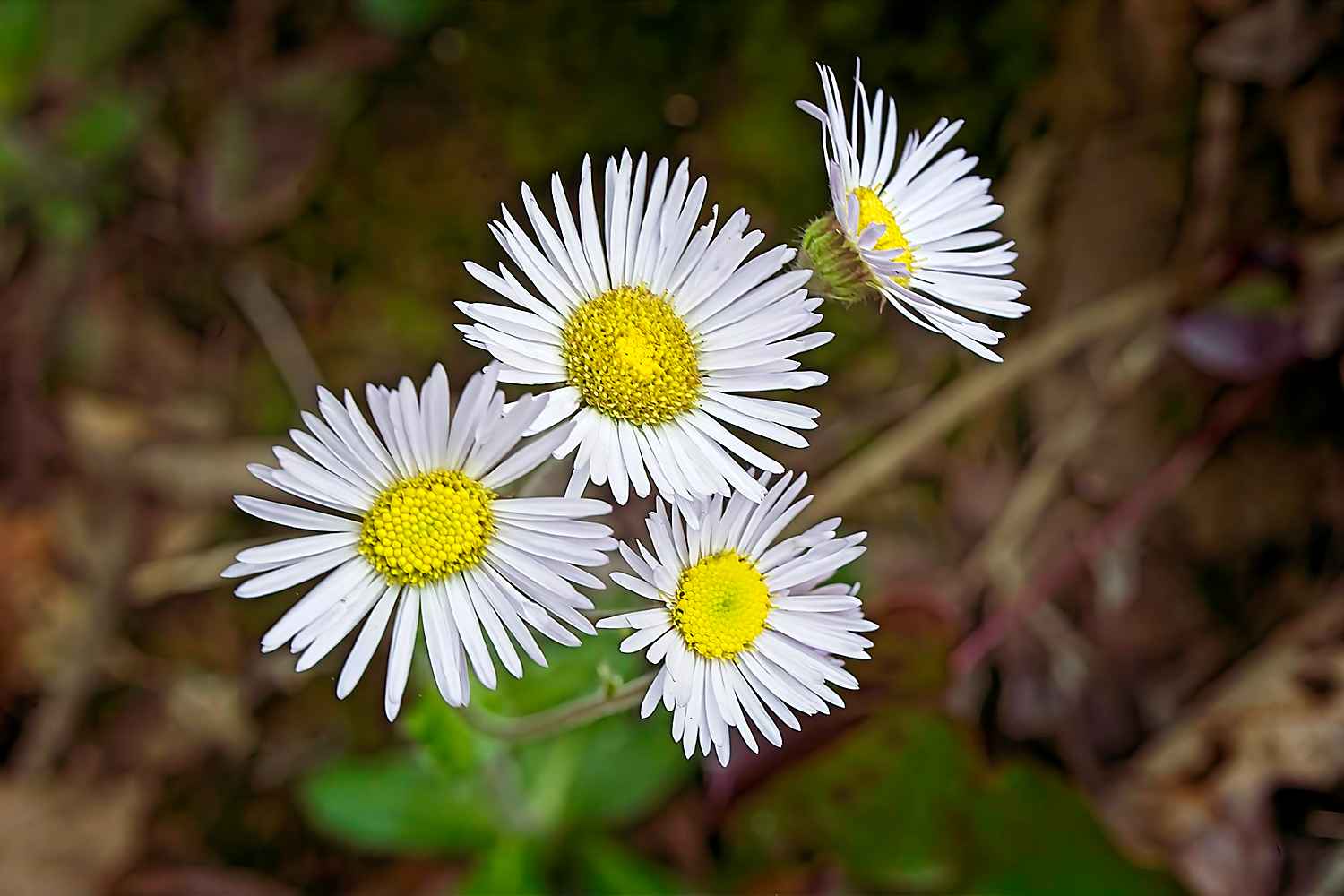
There are also blankets of flowers on the forest floor, all flaunting their colors in the brief window before the canopy steals the sunlight.
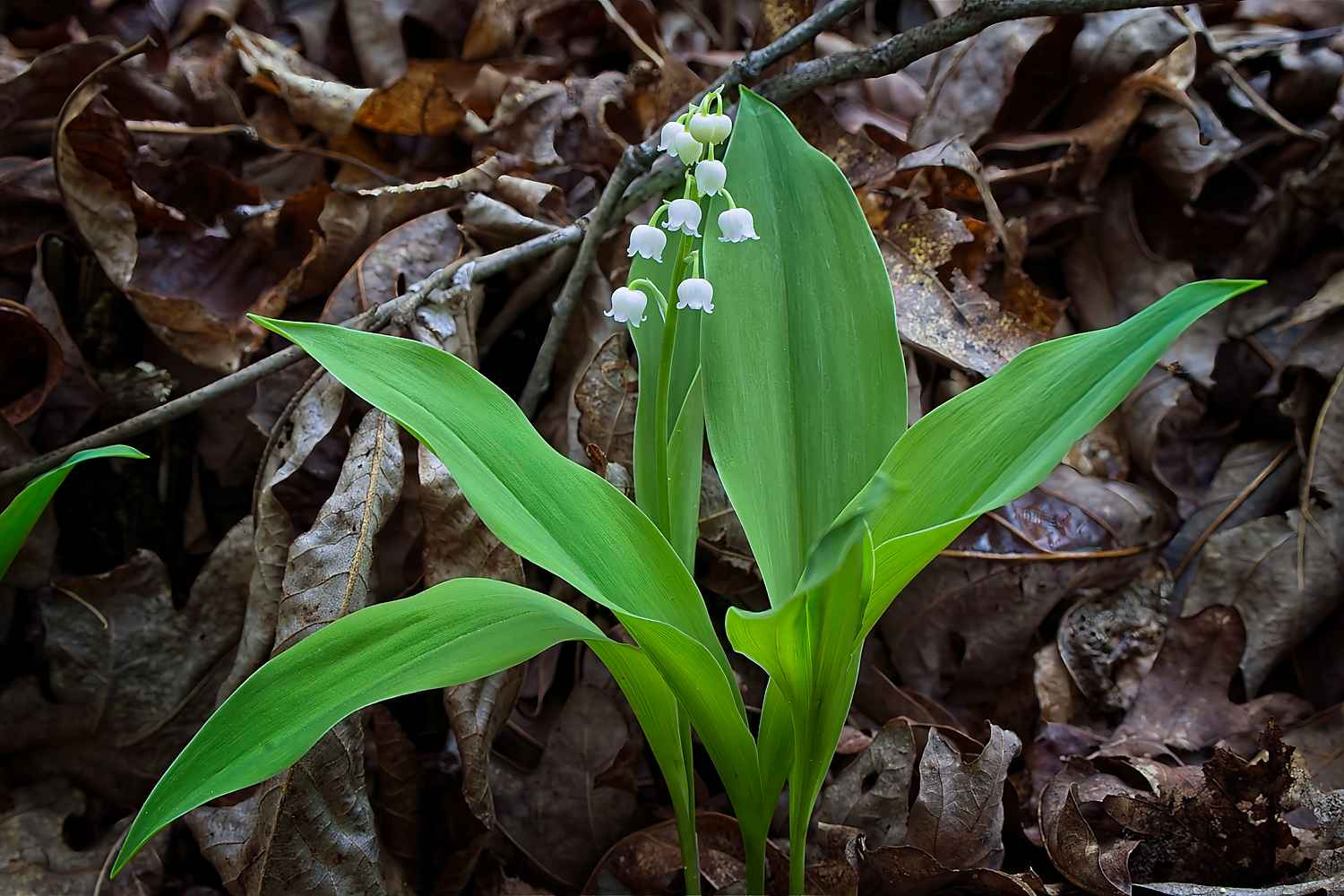
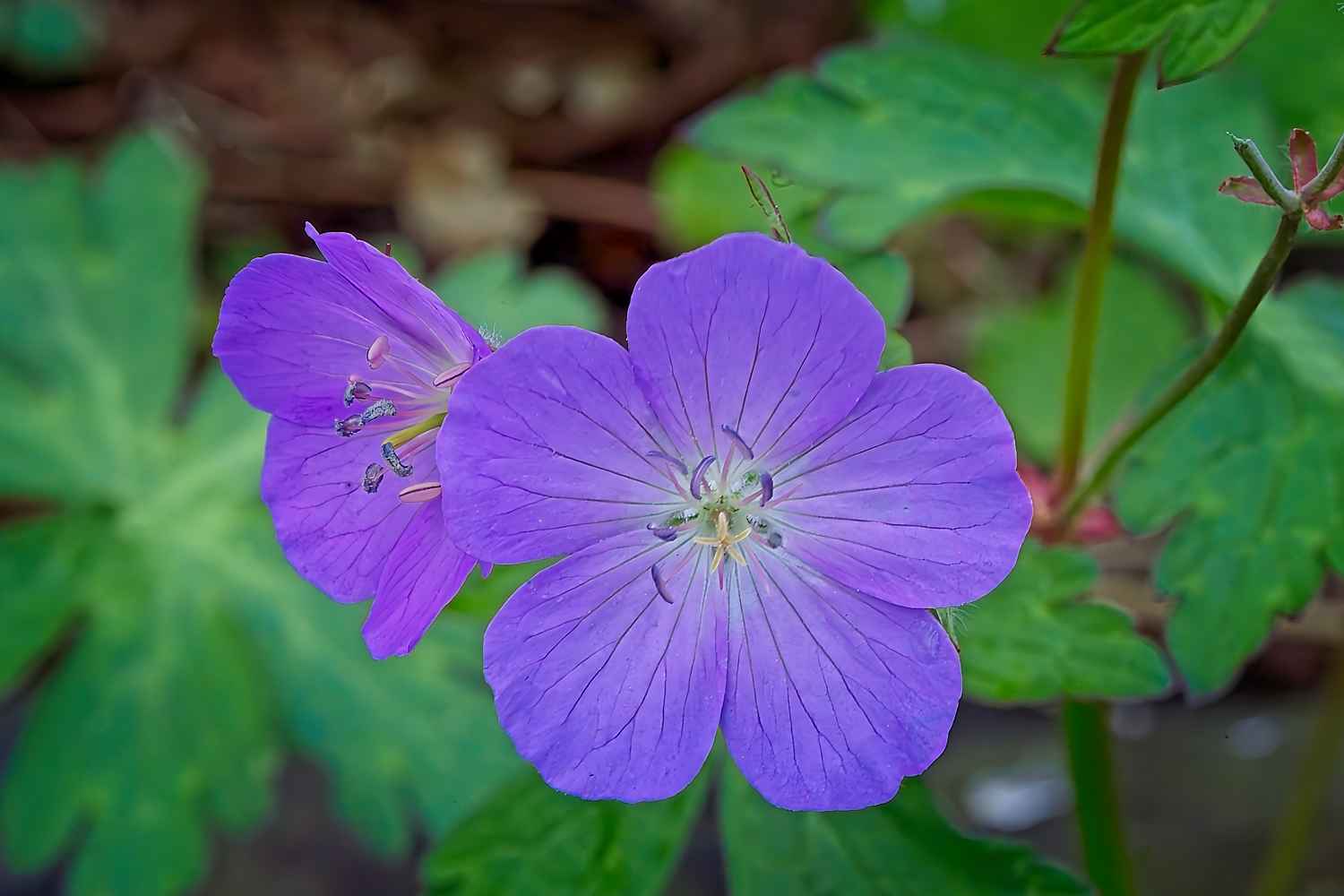
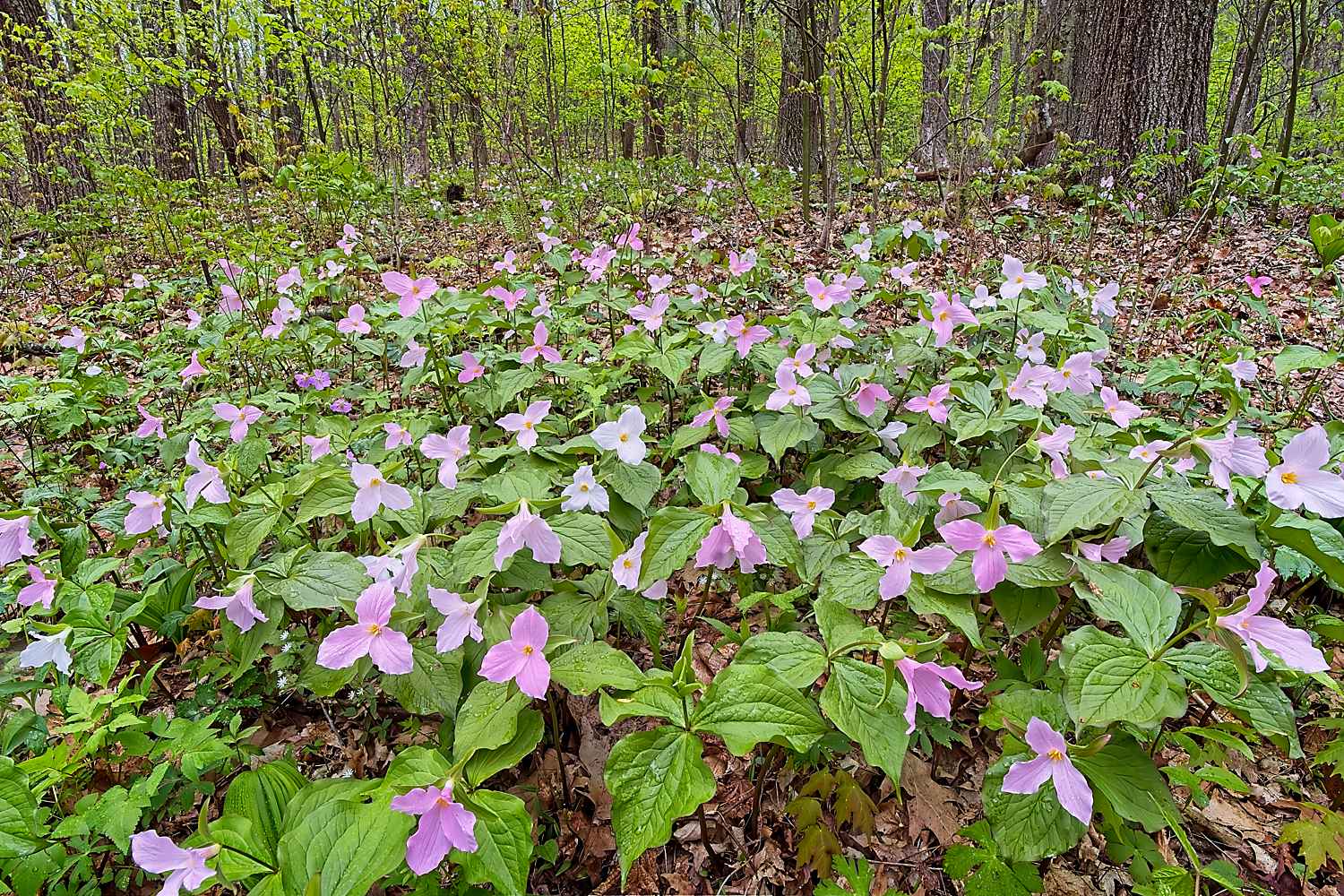
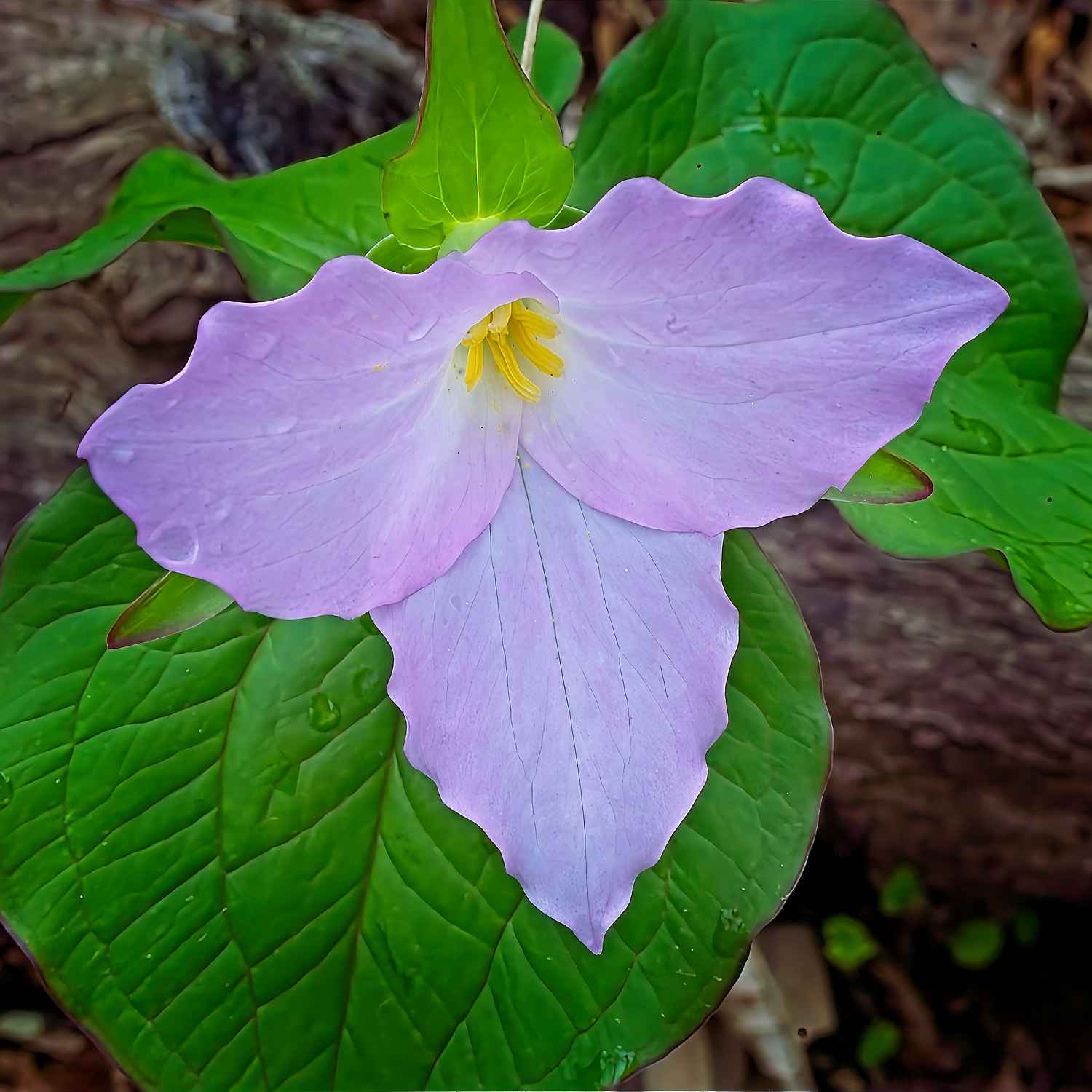
One of my favorites is the trillium, a genus of lily with three leaves and three petals, the most common form around here starting out white and turning pink/purple.
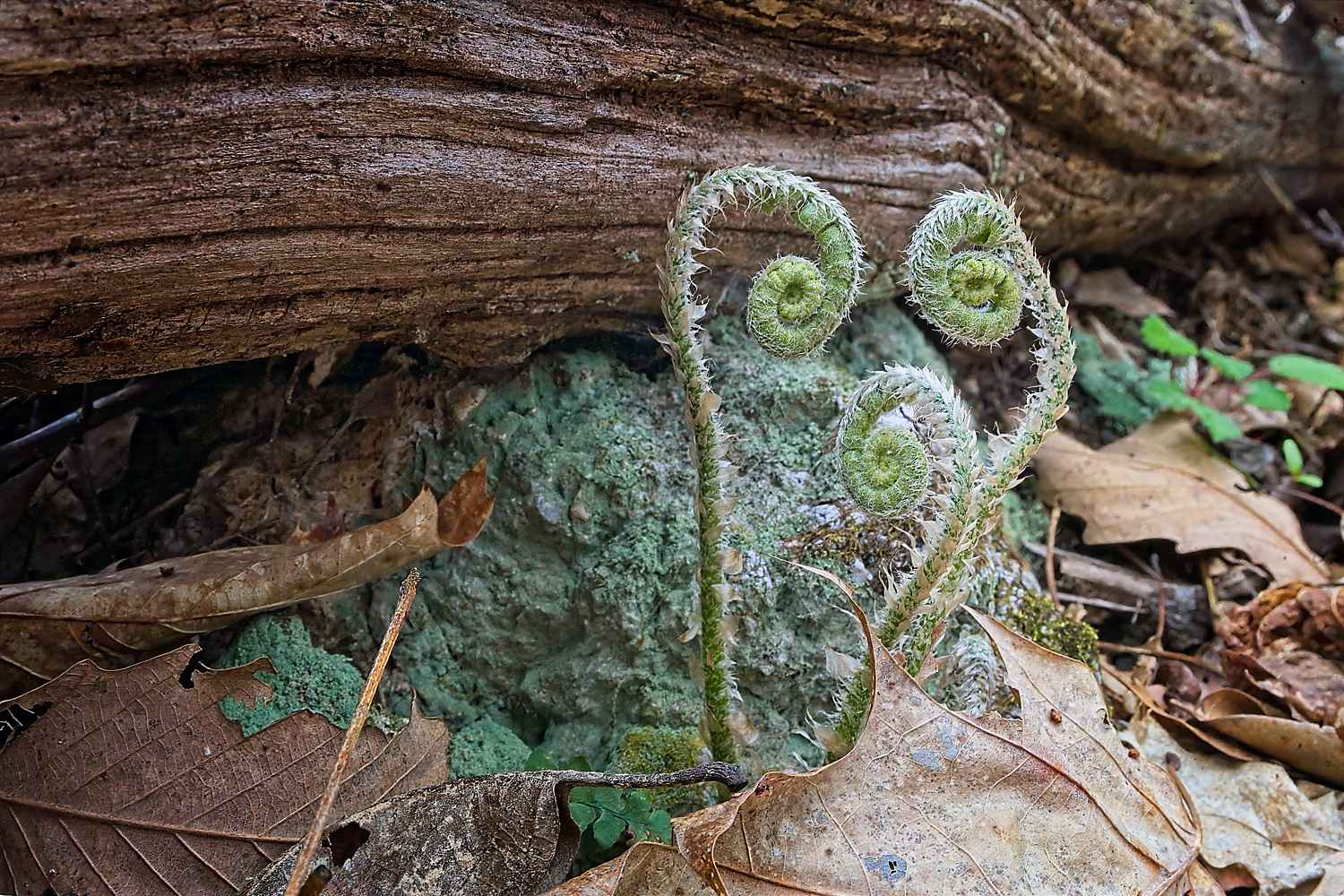
Fern fiddleheads are some of the loveliest new growths, unfurling their fractal forms.
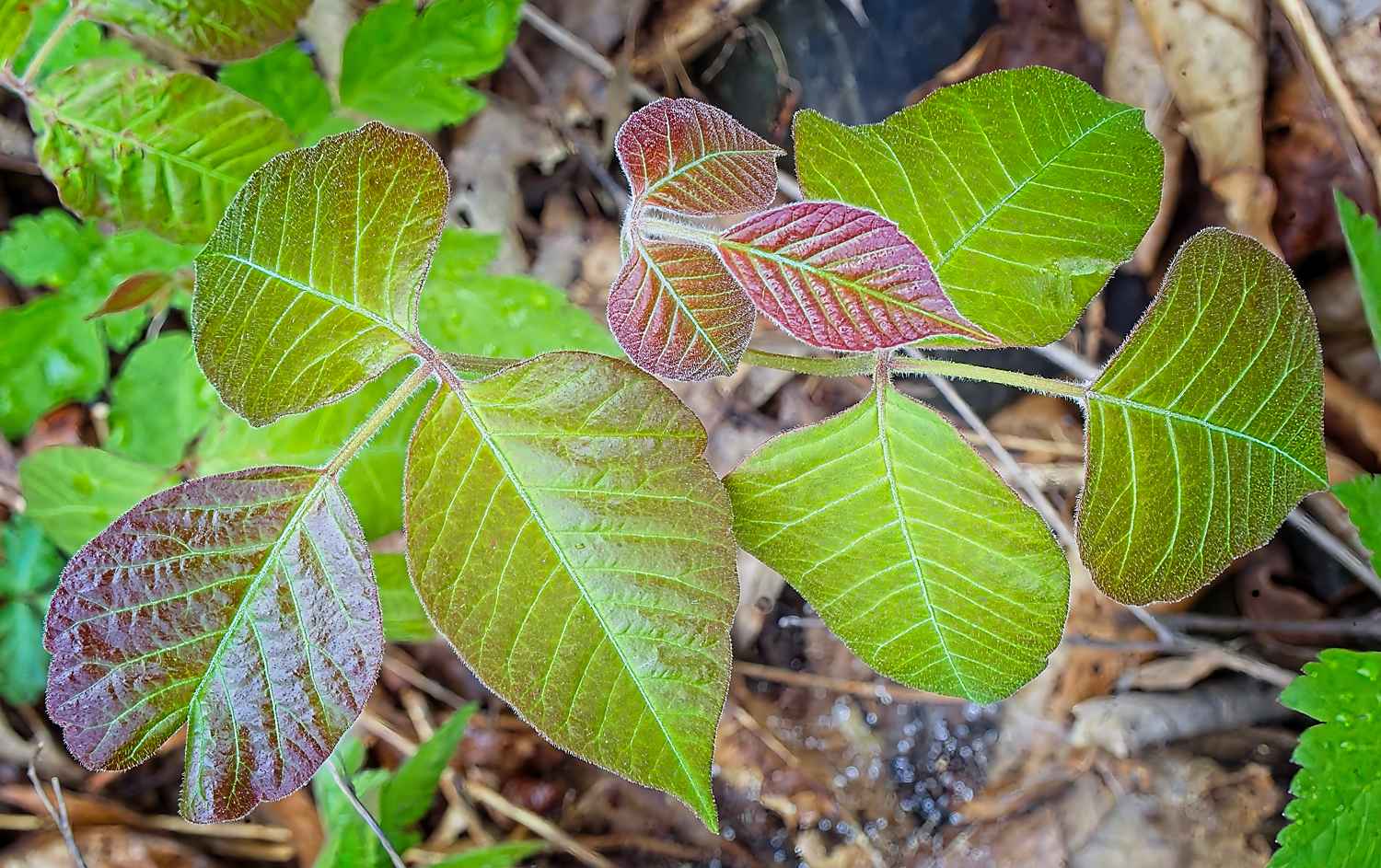
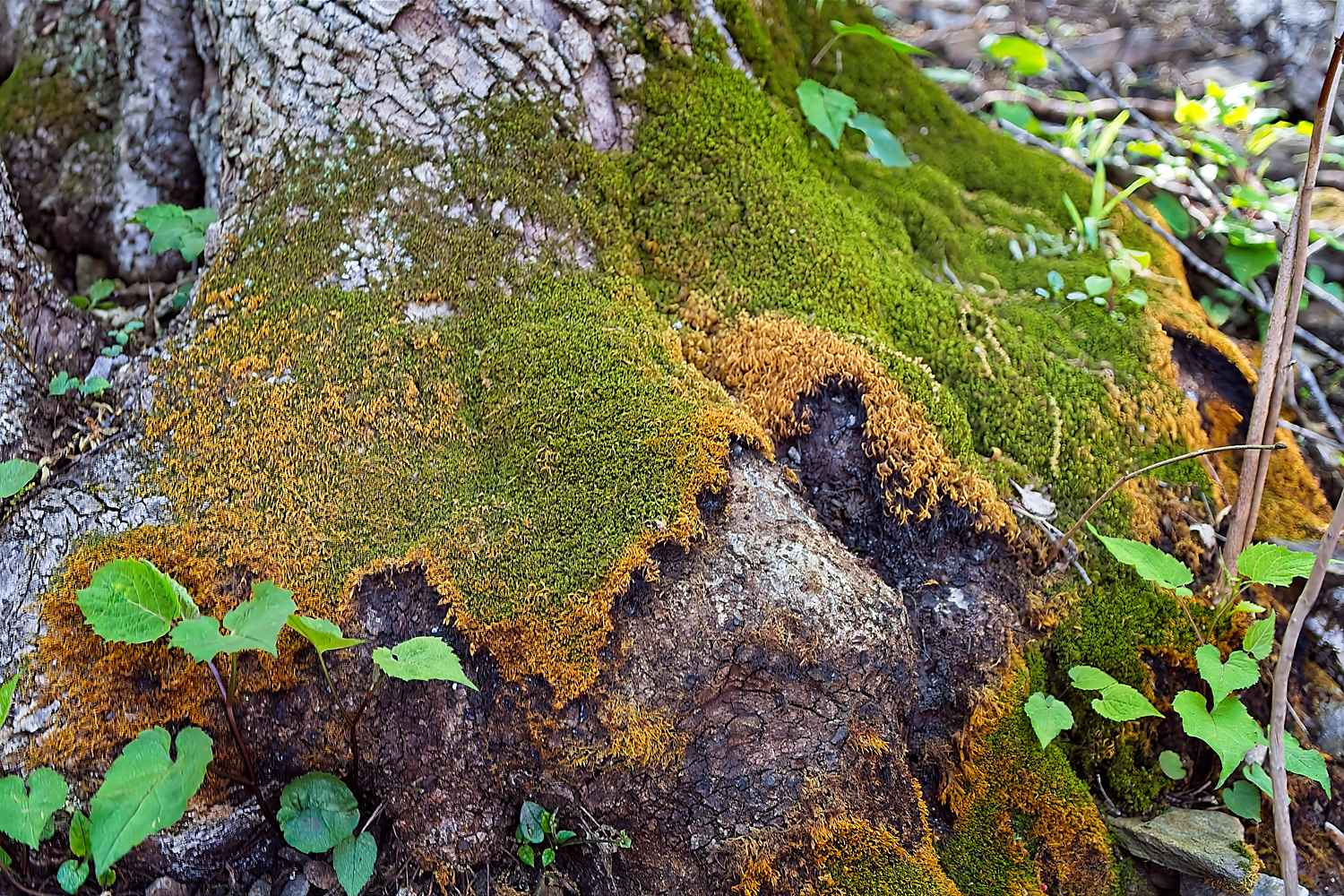
A large fire last fall consumed the understory at Matts Creek along the James River, and there are still scars, as in this moss;
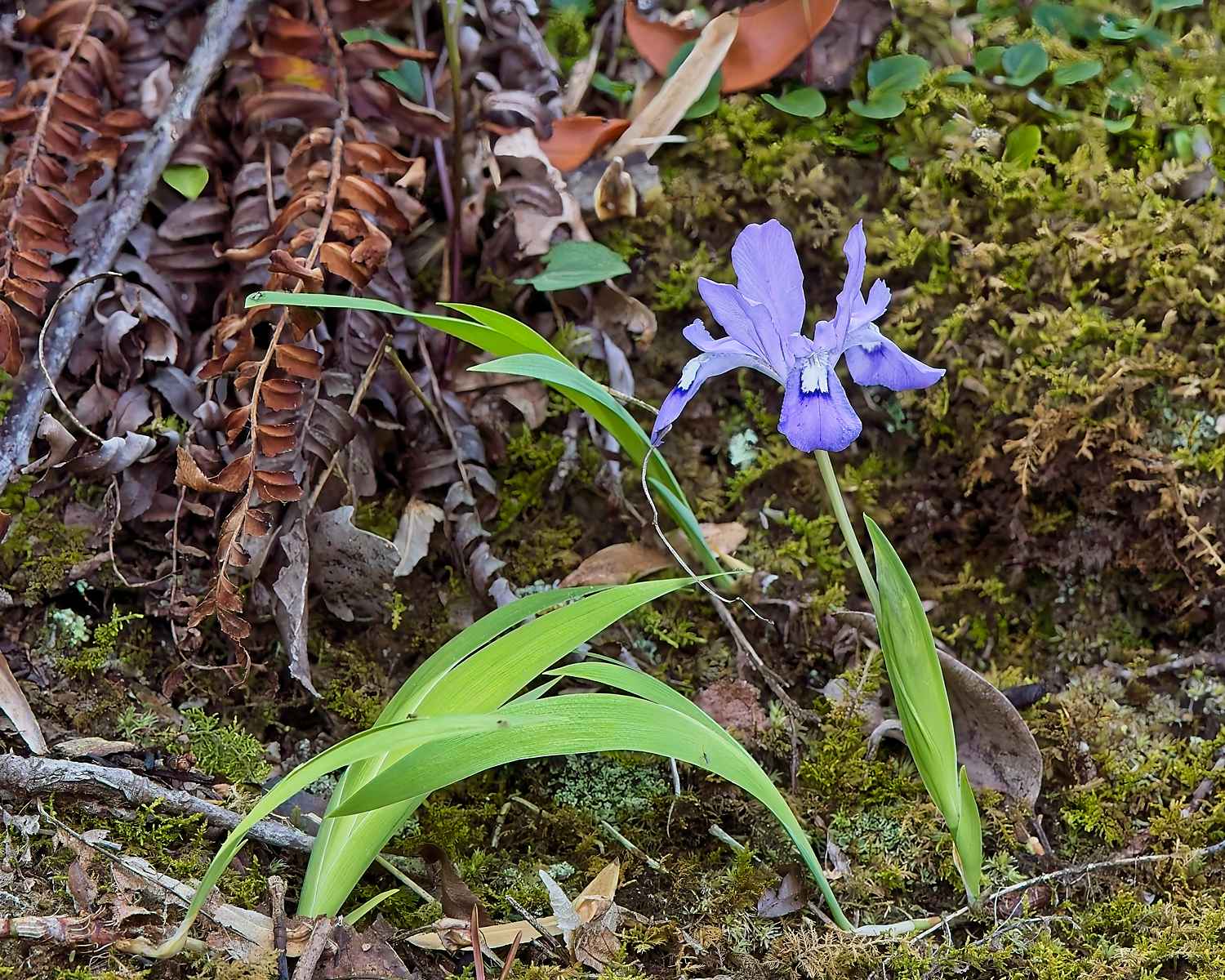
but not far away bloomed a lovely dwarf crested iris.
But the trees are their own spring delight, with infinite variations of green and gold. “Nature’s first green is gold,” said Robert Frost, and “nothing gold can stay.” Beauty in transience. But Appalachian April isn’t only gold; it’s also red and yellow and orange—and infinite shades of green.