
#1375. Appalachian Seasons, Part I: March
Welcome to a multi-part series on the flora of the Appalachian. I hope to produce one per month all around the year, but that will depend on the climate and multiple other factors. Let's start with March.
The Appalachian Mountains run over 2000 miles from Newfoundland to Alabama, on a northeast-southwest diagonal. They are an old range, or set of ranges, eroded from their ancient heights (rivaling the current Alps) down into gently-undulating ridges and valleys, with the Blue Ridge Mountains fronting the eastern edge. These mountains—or mountain remnants—are home to one of the world’s most diverse temperate forests and “one of the great floral provinces of the Earth” (Encyclopedia Britannica). It’s mostly deciduous, and looks different in every season. Summer is a green riot, while fall is a colorful parade into the dormant repose of winter. But I think Appalachian Spring is the best season of all. New life is always glorious, and the variety of emerging flora never ceases to delight.
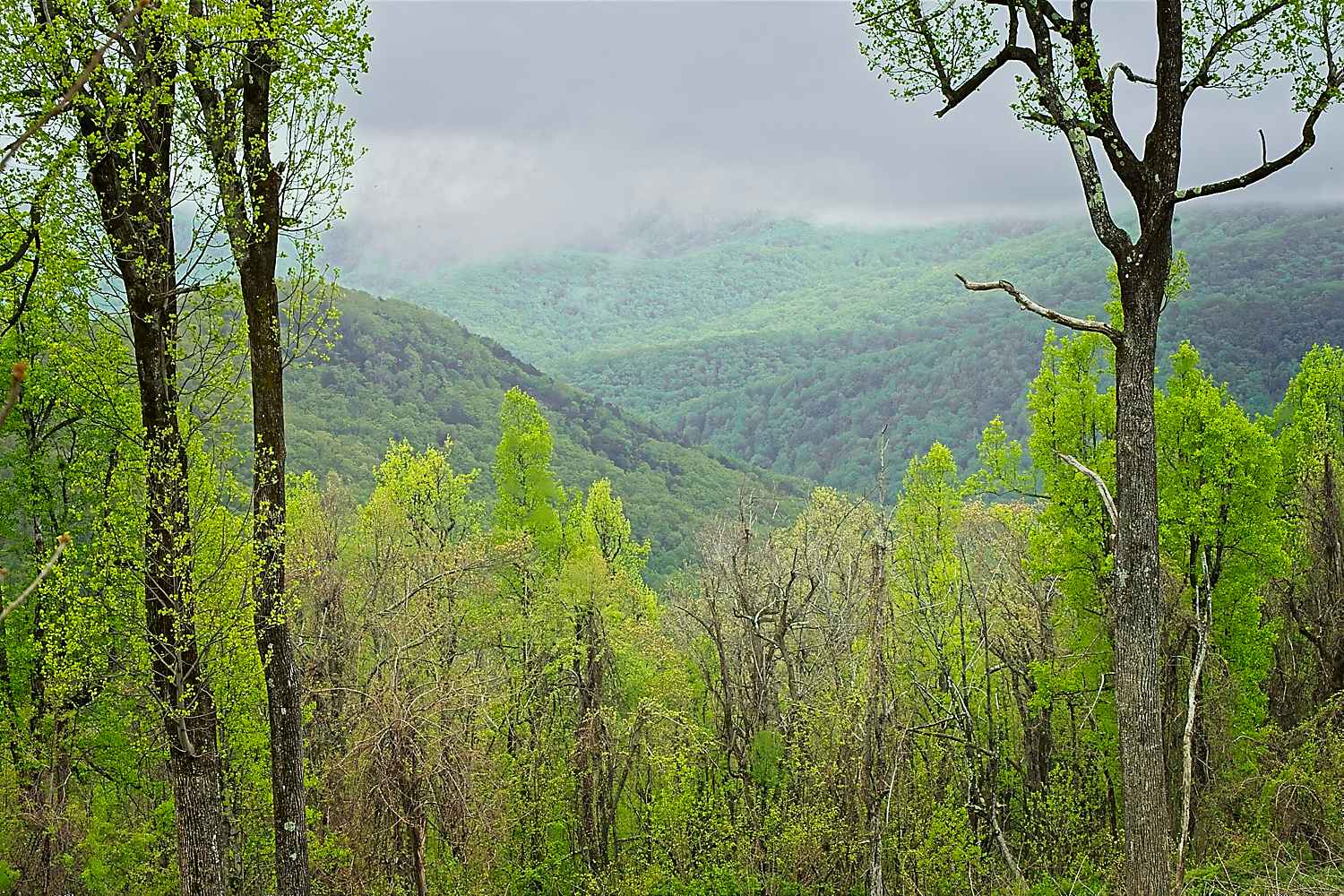
The Appalachian forest was denuded by Nineteenth-century logging and mining, save for a few remnants of old-growth forest, but it has since regenerated. Nearly all of the forest I see today is no more than a hundred years old. Even so, it is remarkably biodiverse, with thousands of species of trees, flowering plants, mosses, ferns, lichens—and flowering plants. There’s no better time to witness this abundance than when it’s greening anew, in the Spring.
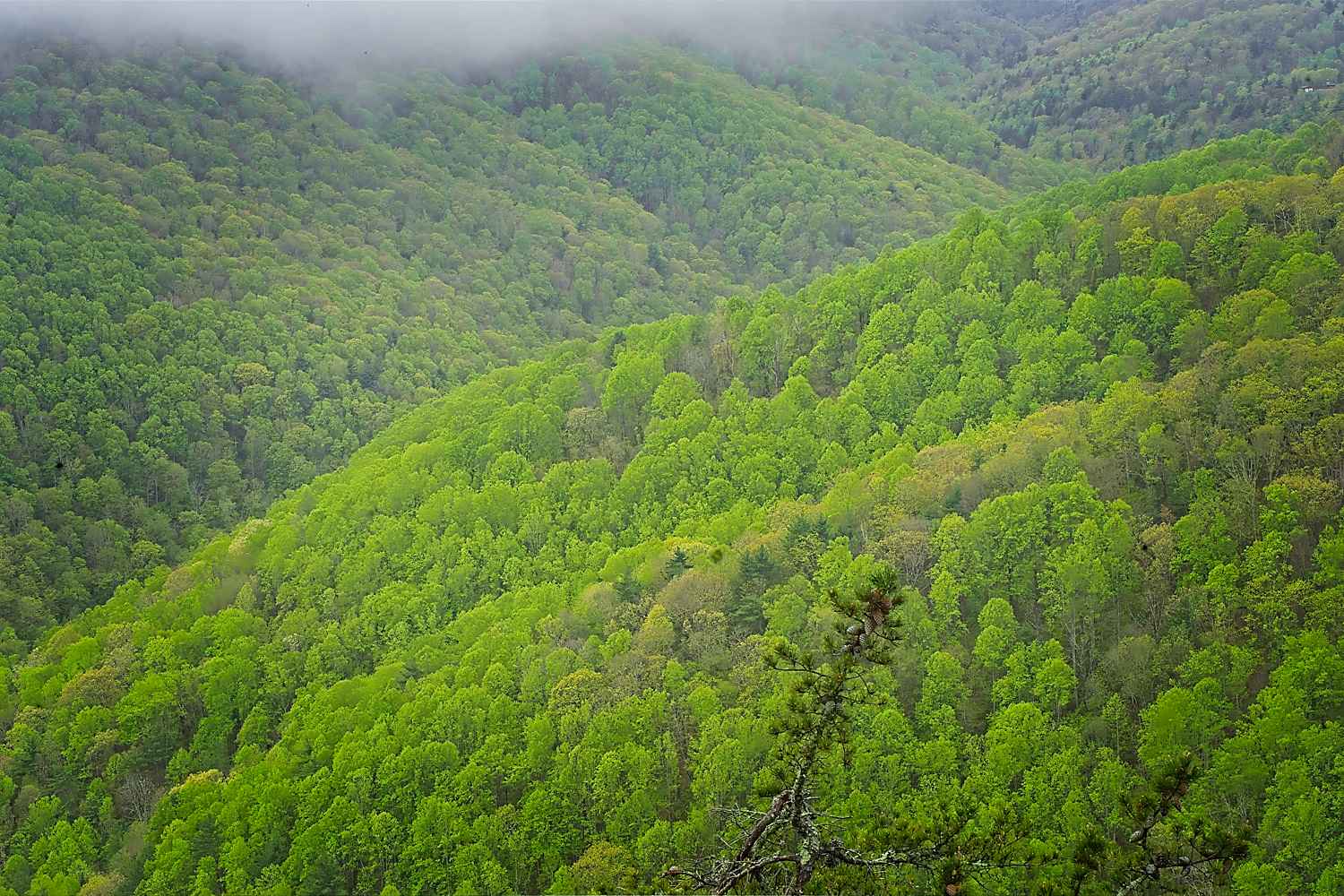
This is the first episode of a year-long adventure, celebrating this fascinating landscape. I will go month by month in an effort to capture the distinctive local look of each season, using the meteorological, not astronomical definition (e.g., Spring is March-May). At the end, I hope to reflect on the benefits and challenges of such a long-range project; that will be next year, perhaps in March or April, but right now the whole project feels a little daunting—how can I keep focused for that long?
There are important limitations to my project. I don’t pretend to illustrate the whole Appalachians, just what I can see from my perch in the central Valley of Virginia just west of the Blue Ridge and east of further Appalachian ranges. I will focus on small things—mostly flora and fungi—with only an occasional wider view. The forest is an immensely complex community, and there is so much more going on than anyone can possibly capture. Moreover, this is an impressionistic portrait, not a complete inventory—a personal and intimate landscape. Serendipity plays a major role in what I see, and serendipity means selection by happenstance, not forethought. Further, my mobility is limited to relatively accessible portions of the forest—no dodgy mountain hikes—though I think the sights I am able to see are quite typical. And finally, I will try to restrict myself to only one year, from March 2024 through February 2025, though this restriction may be tested.
I’m no botanist, so I am greatly indebted to Kirk Follo for help with some plant identifications; remaining errors and omissions are mine alone. All images were made with my trusty Sony A7III, using several f/4 zoom lenses, and processed in ON1. Some will regard my colors as excessively vivid and “unnatural.” I will concede they are vivid—but then I see nature as vivid!
Appalachian spring opens quietly in March, scarcely discernible from the austerity of Winter. Yet there are signs of new growth, peeking out from under the decaying forest litter.
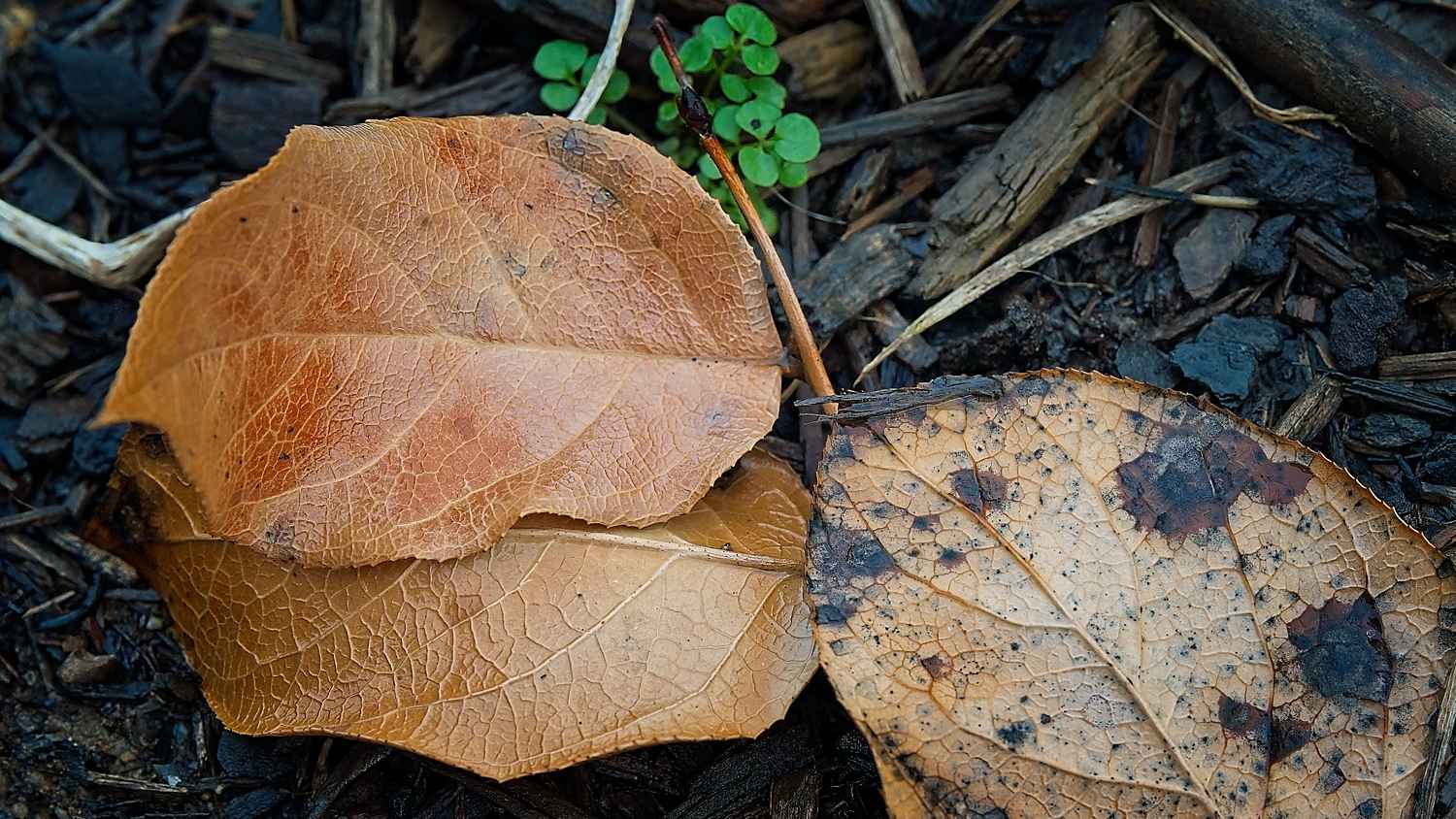
Fungi shelter under logs
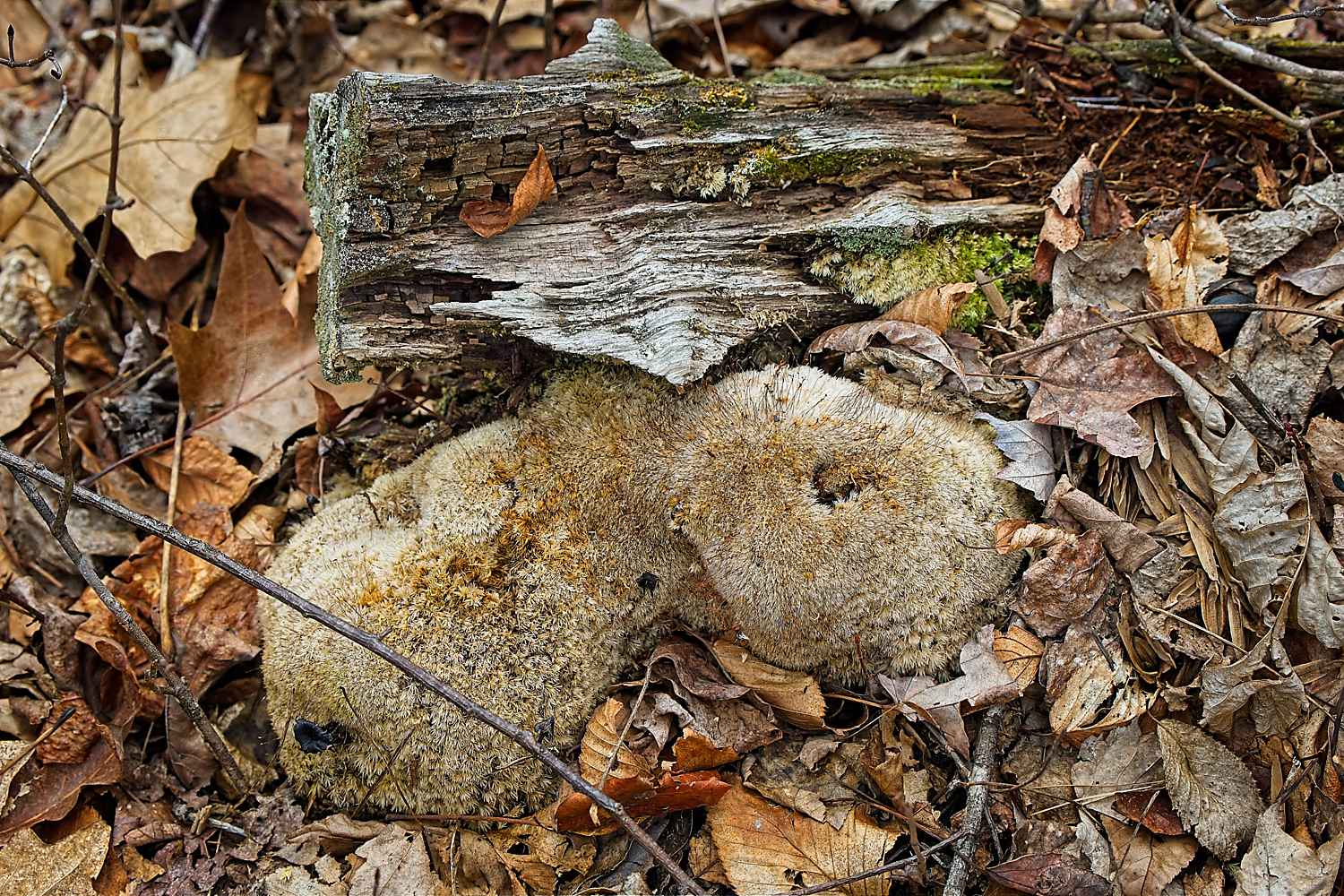
and mosses upon them.
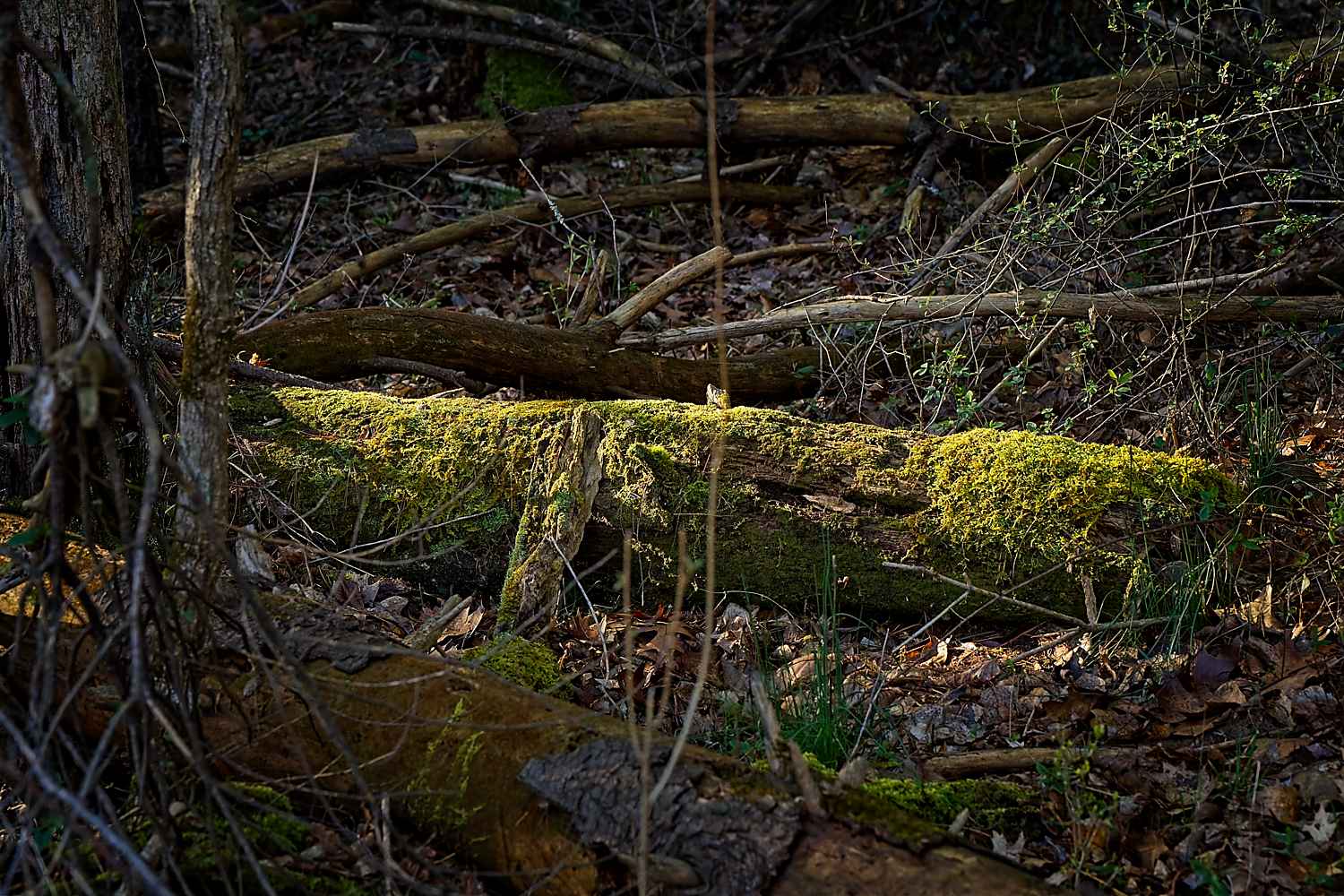
Lichens love rocks,
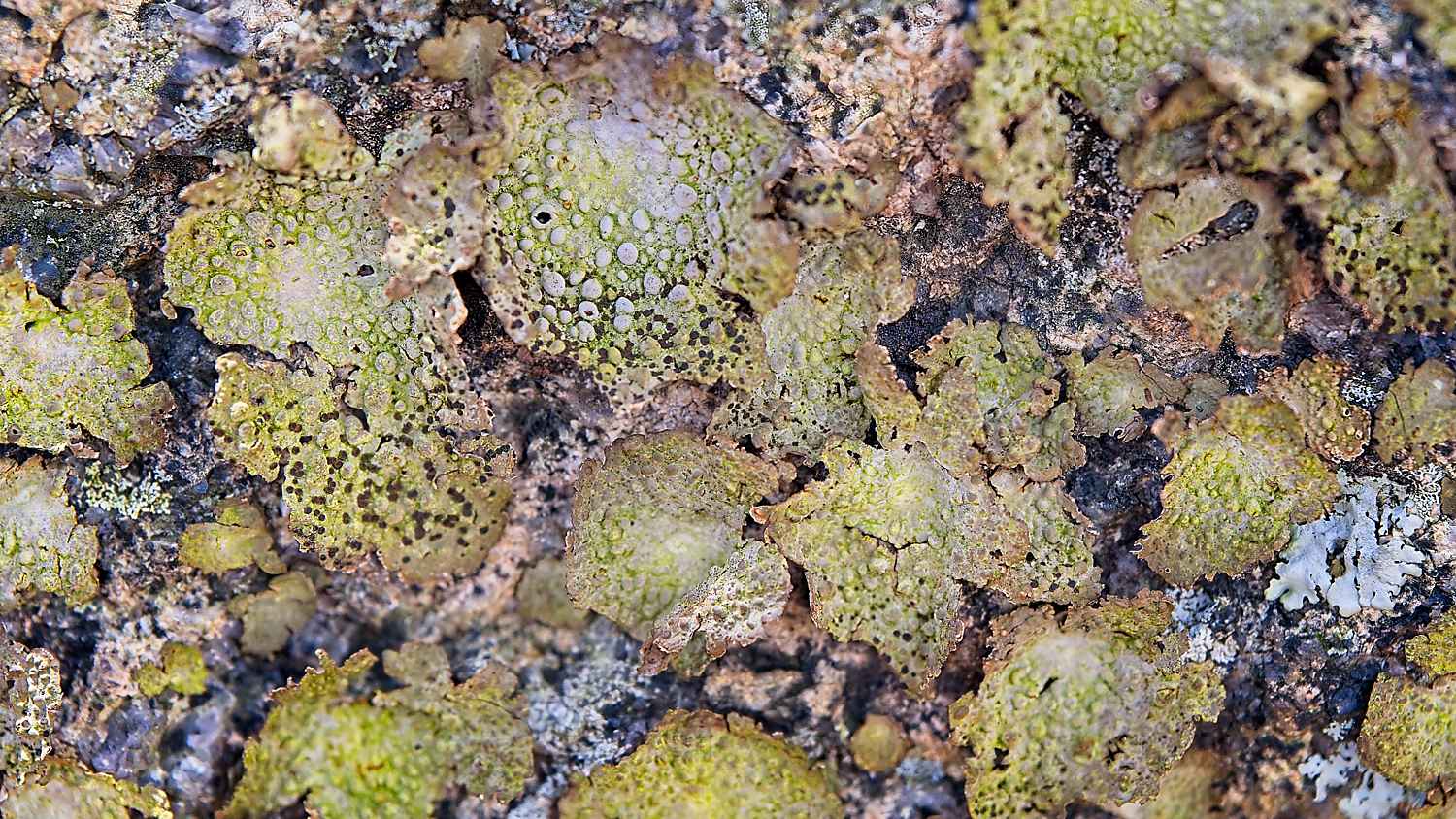
and coexist with mosses.
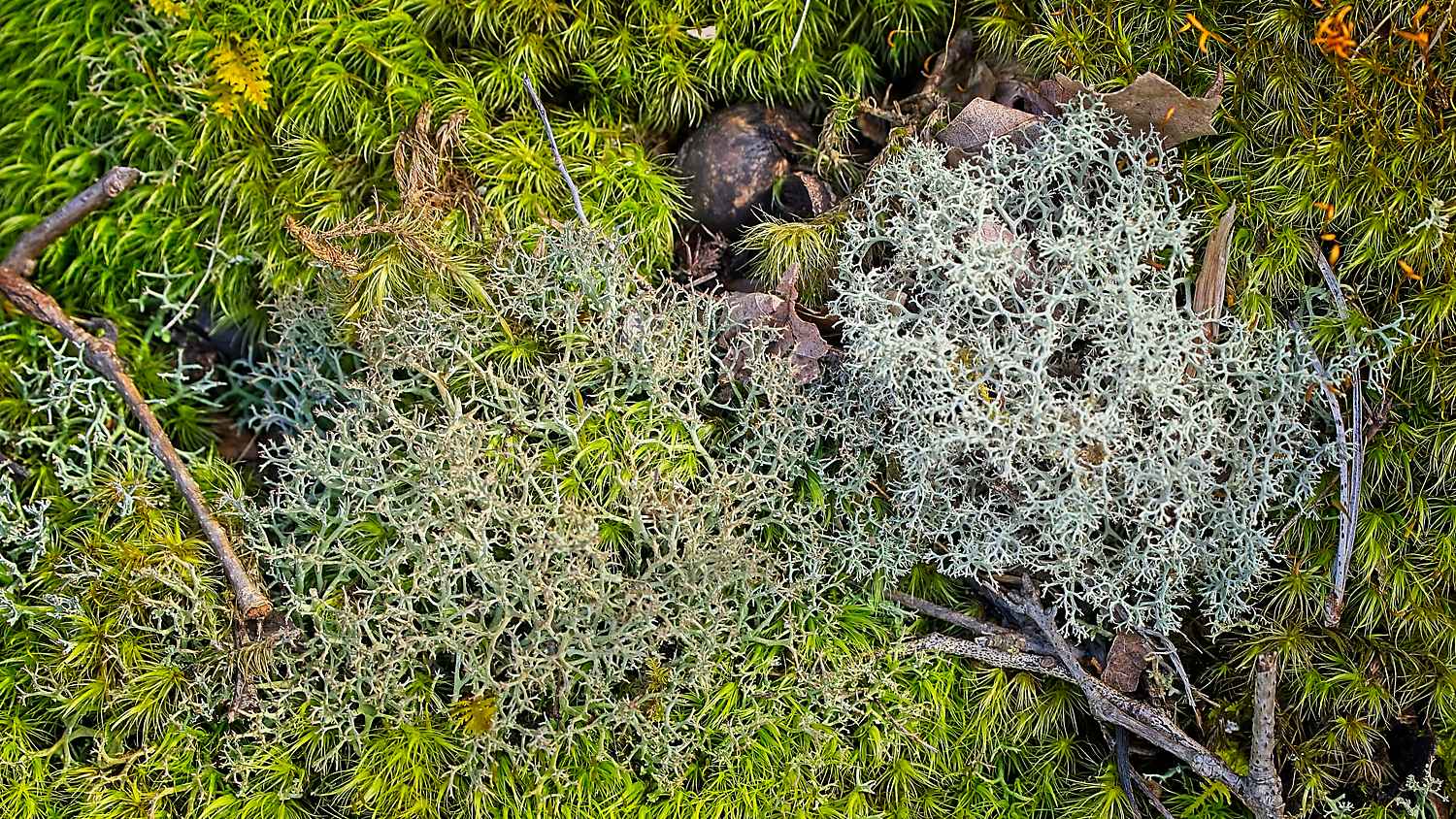
Mushrooms are surprisingly hardy.
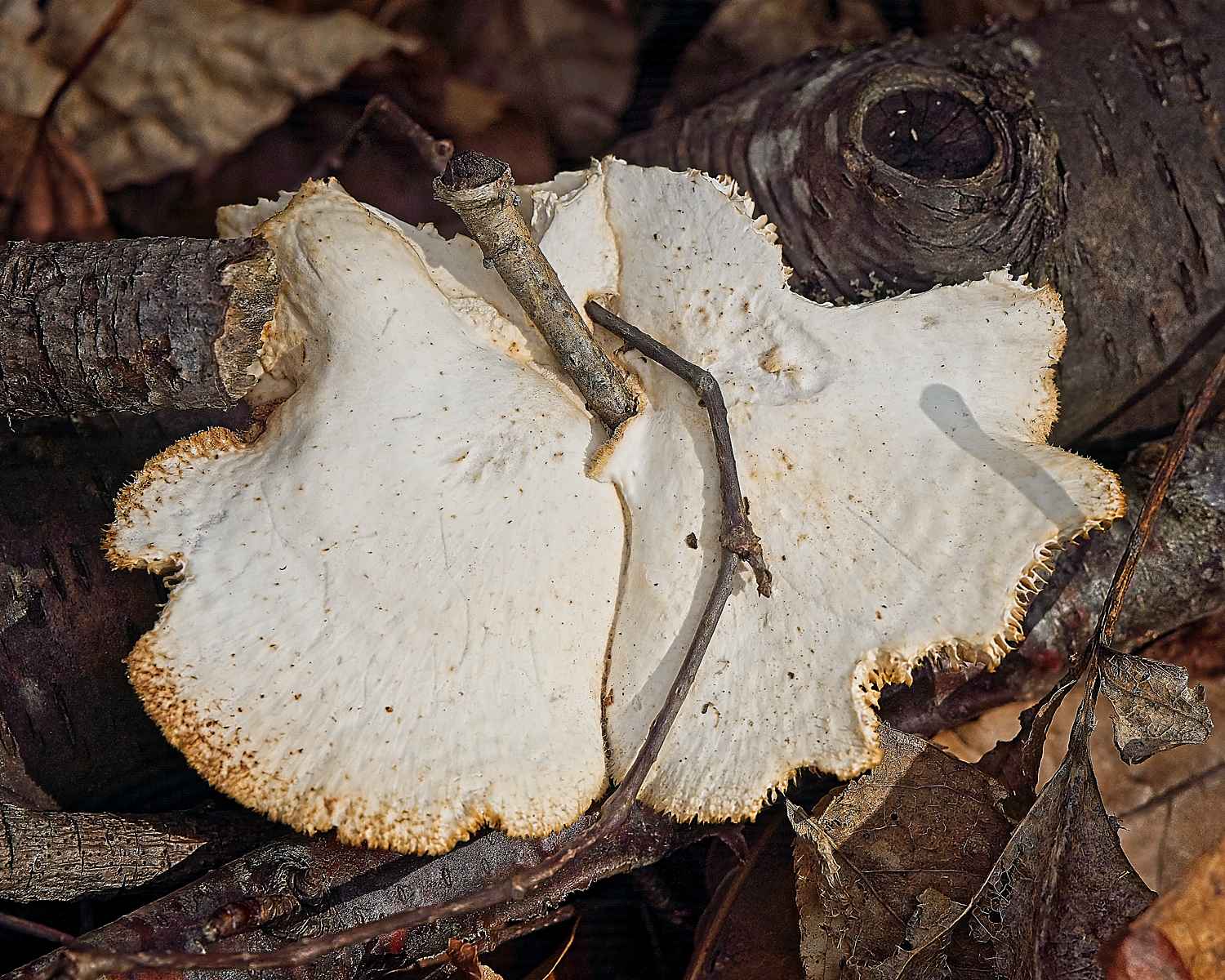
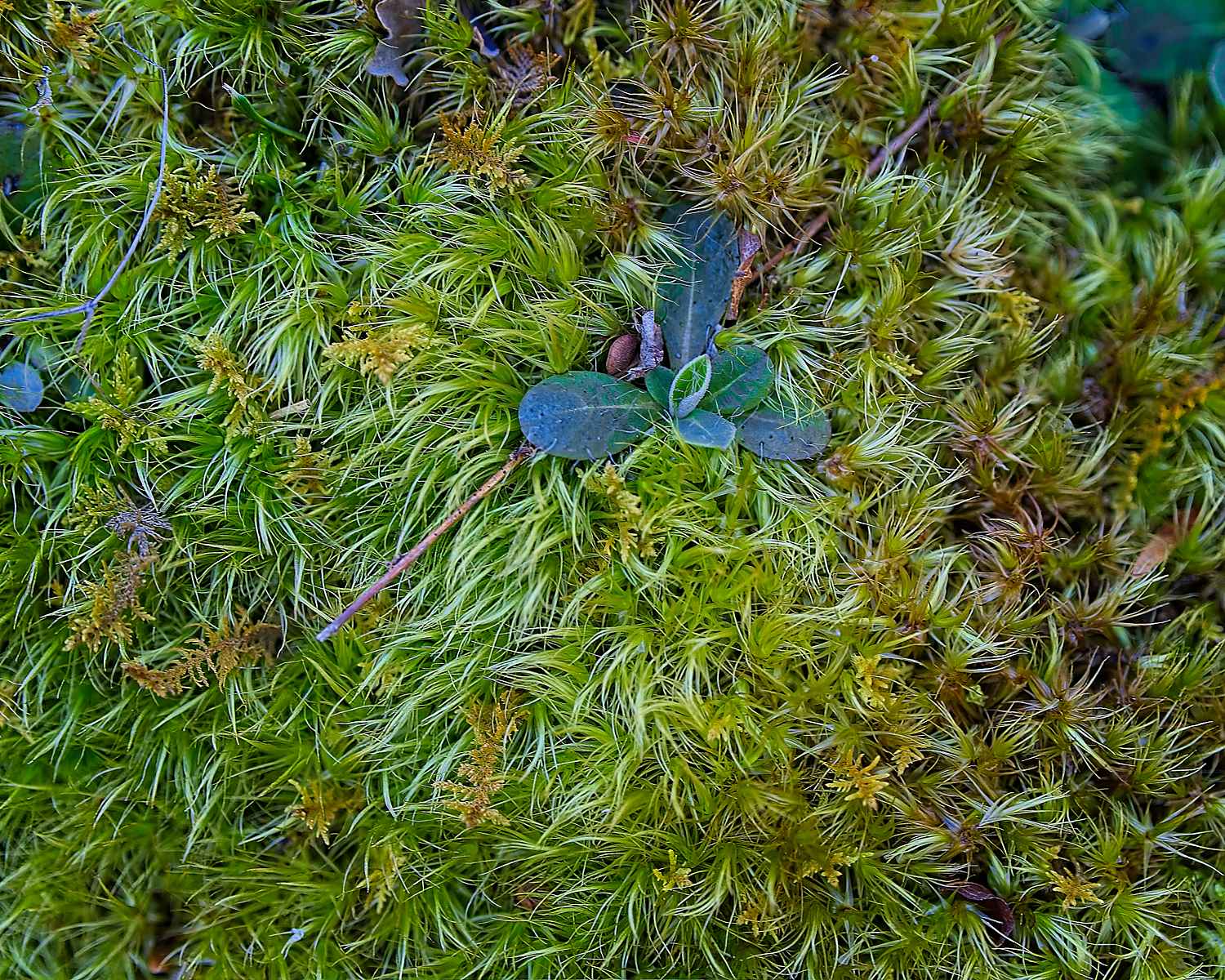
Some mosses are tiny forests.
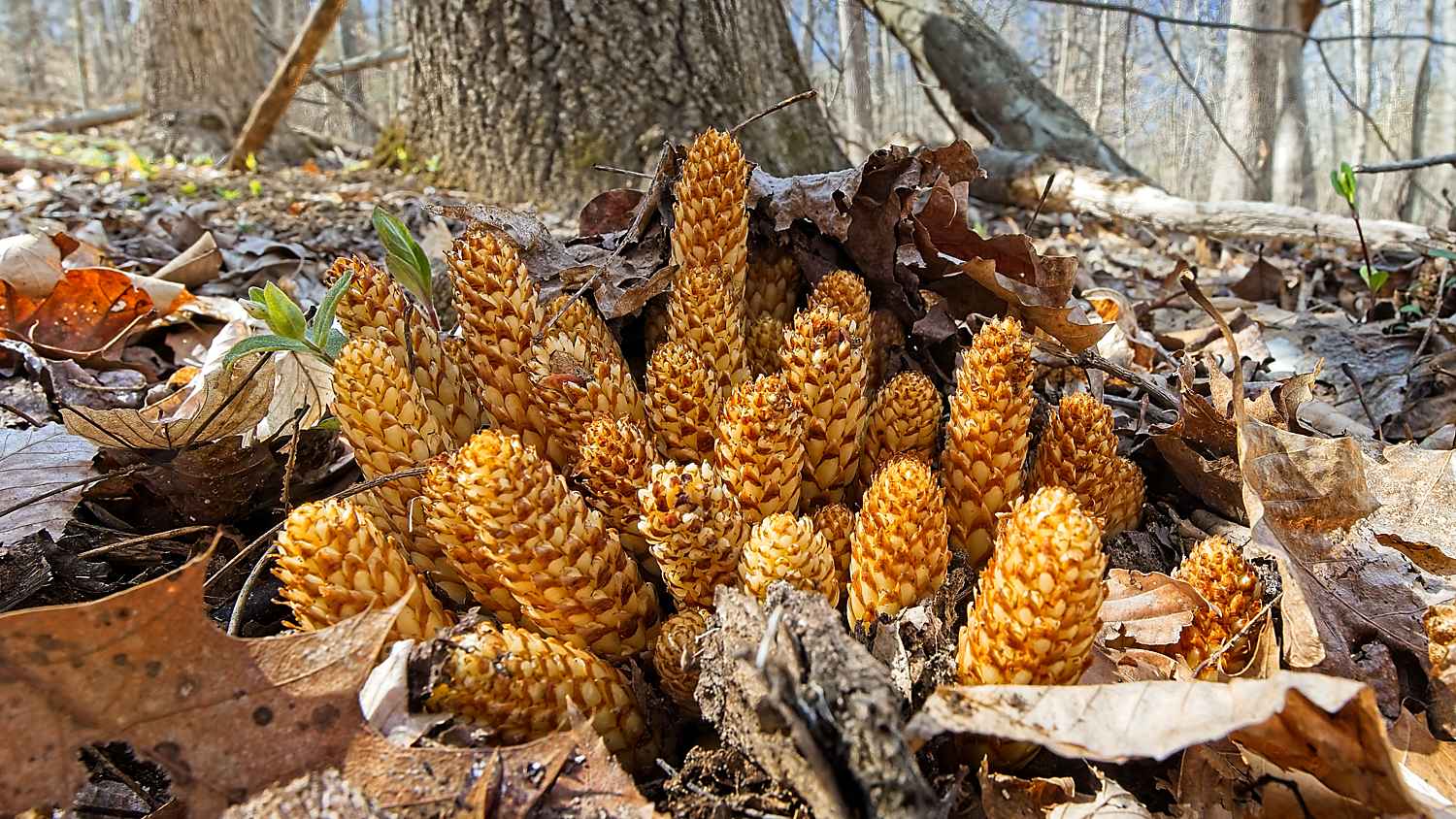
Bear corn, a flowering plant that’s parasitic upon oak roots, emerges just in time to feed winter-hungry deer and, well, bears!
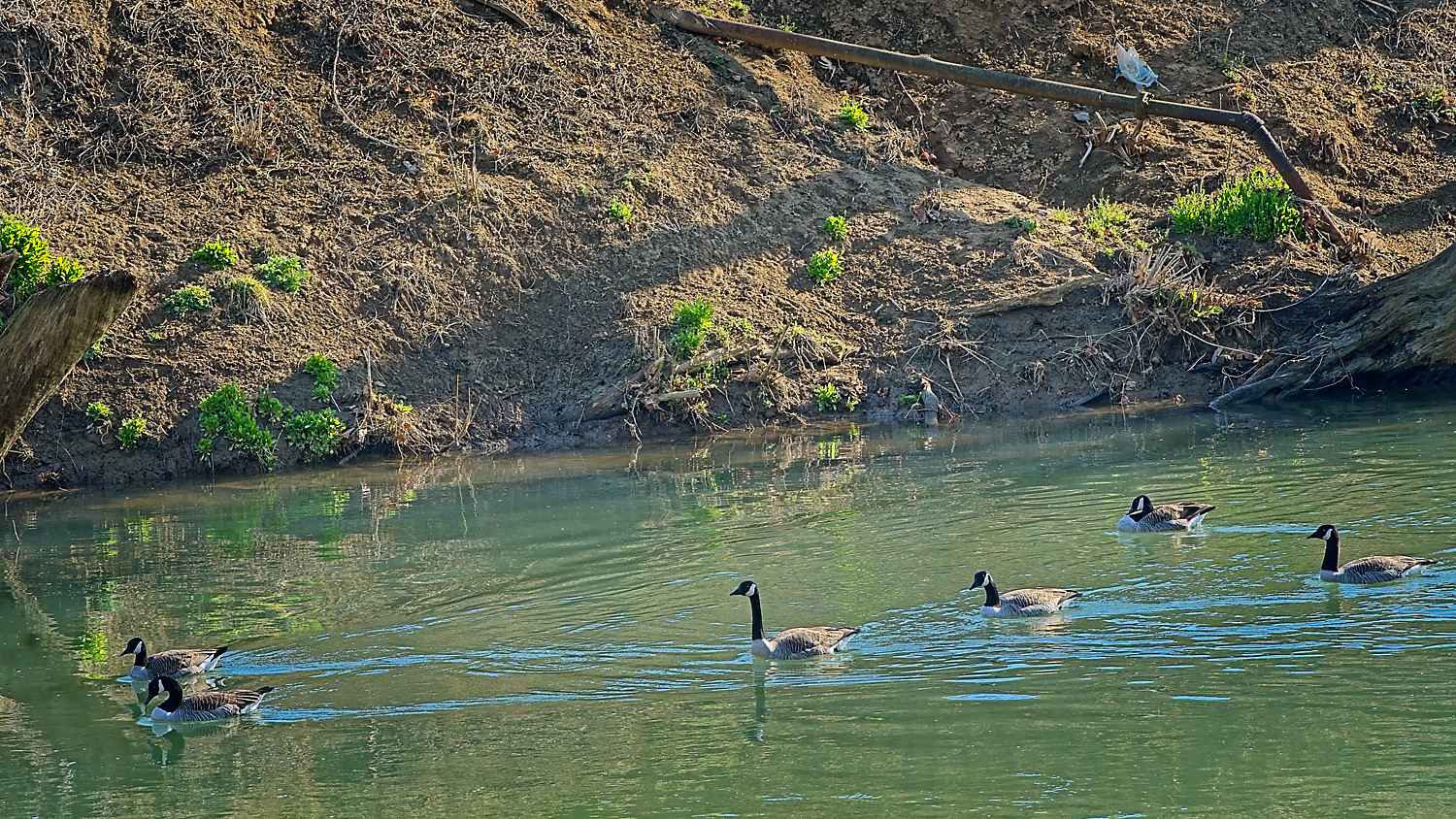
Animals become intensely interested in family matters.
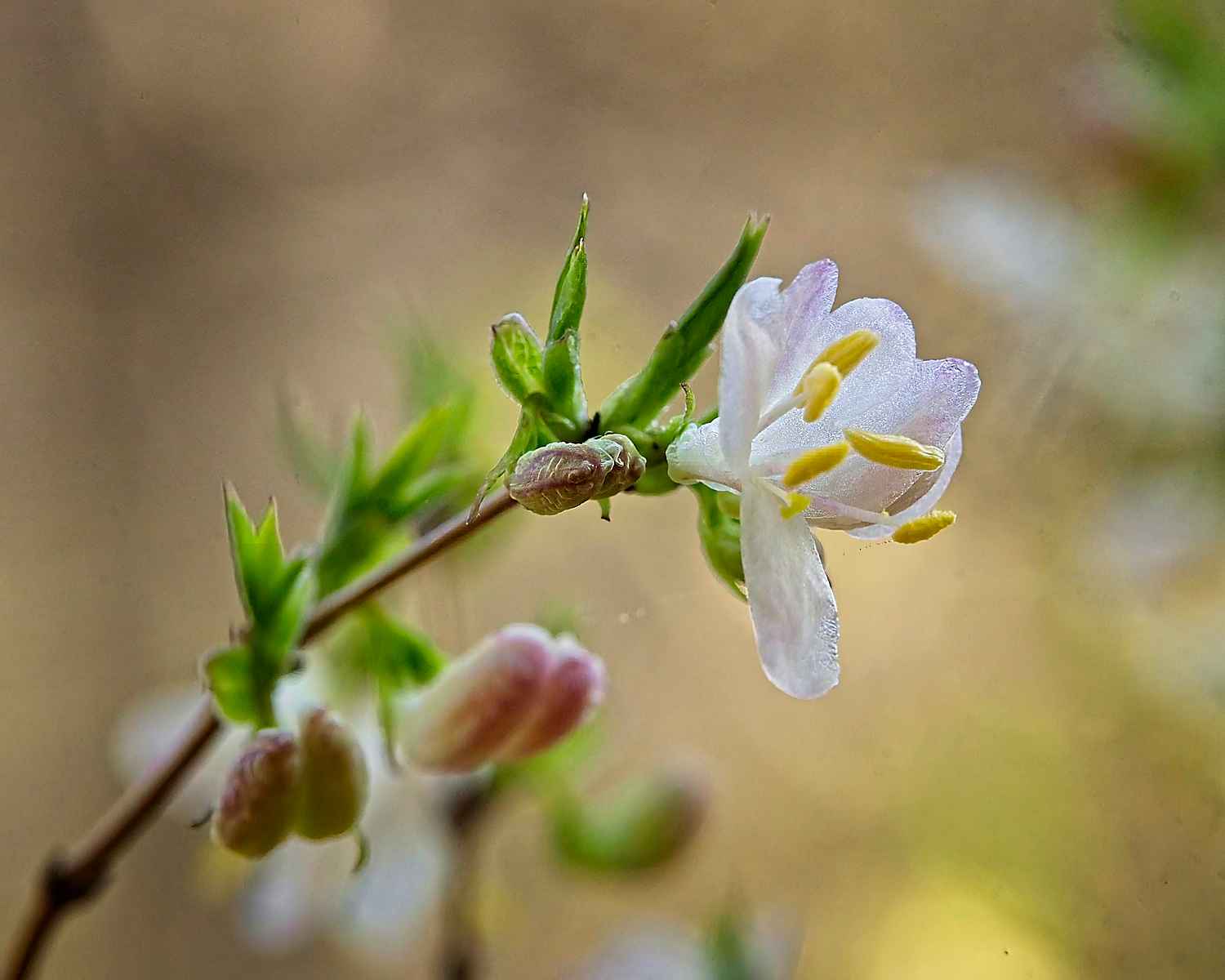
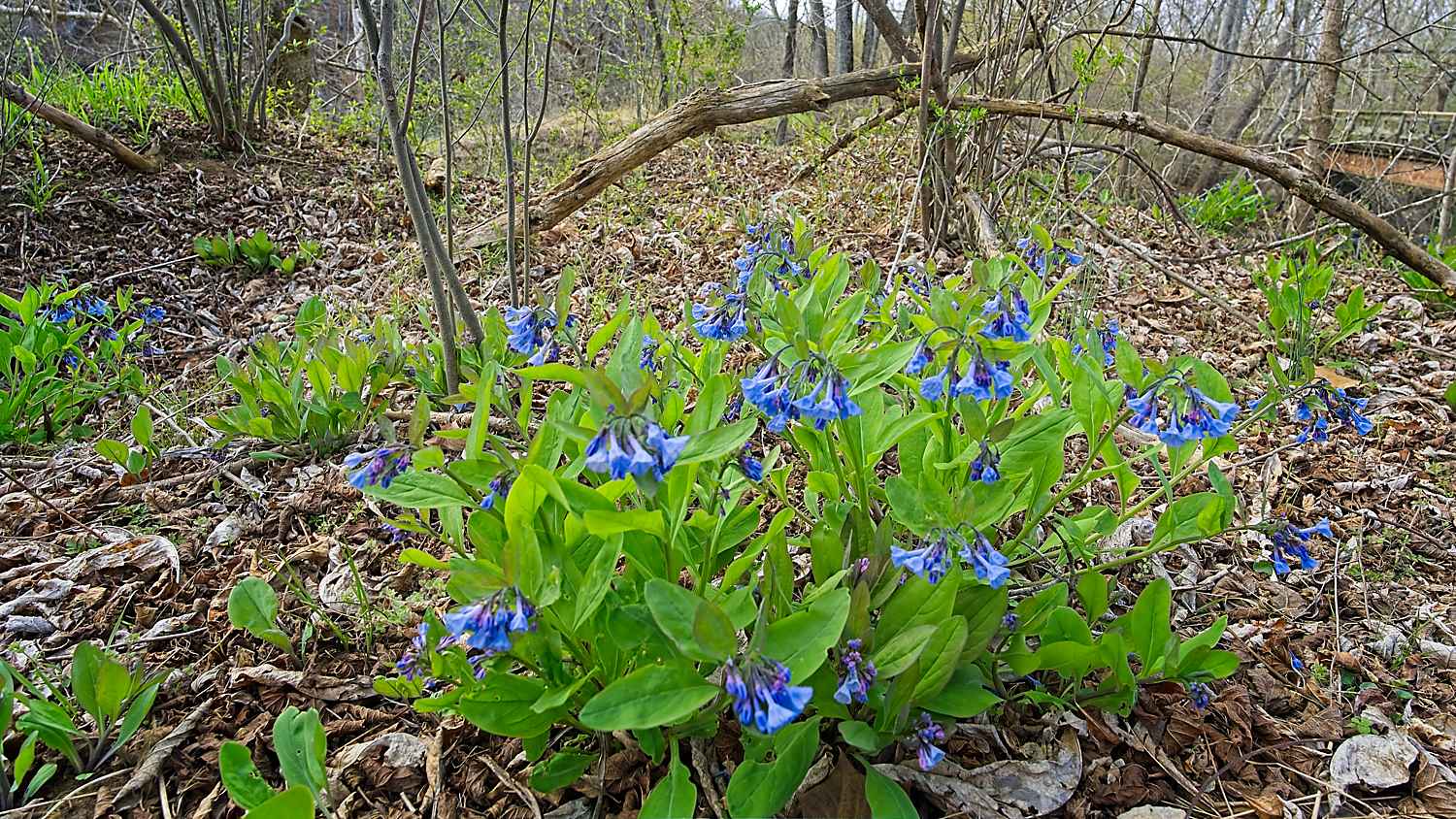
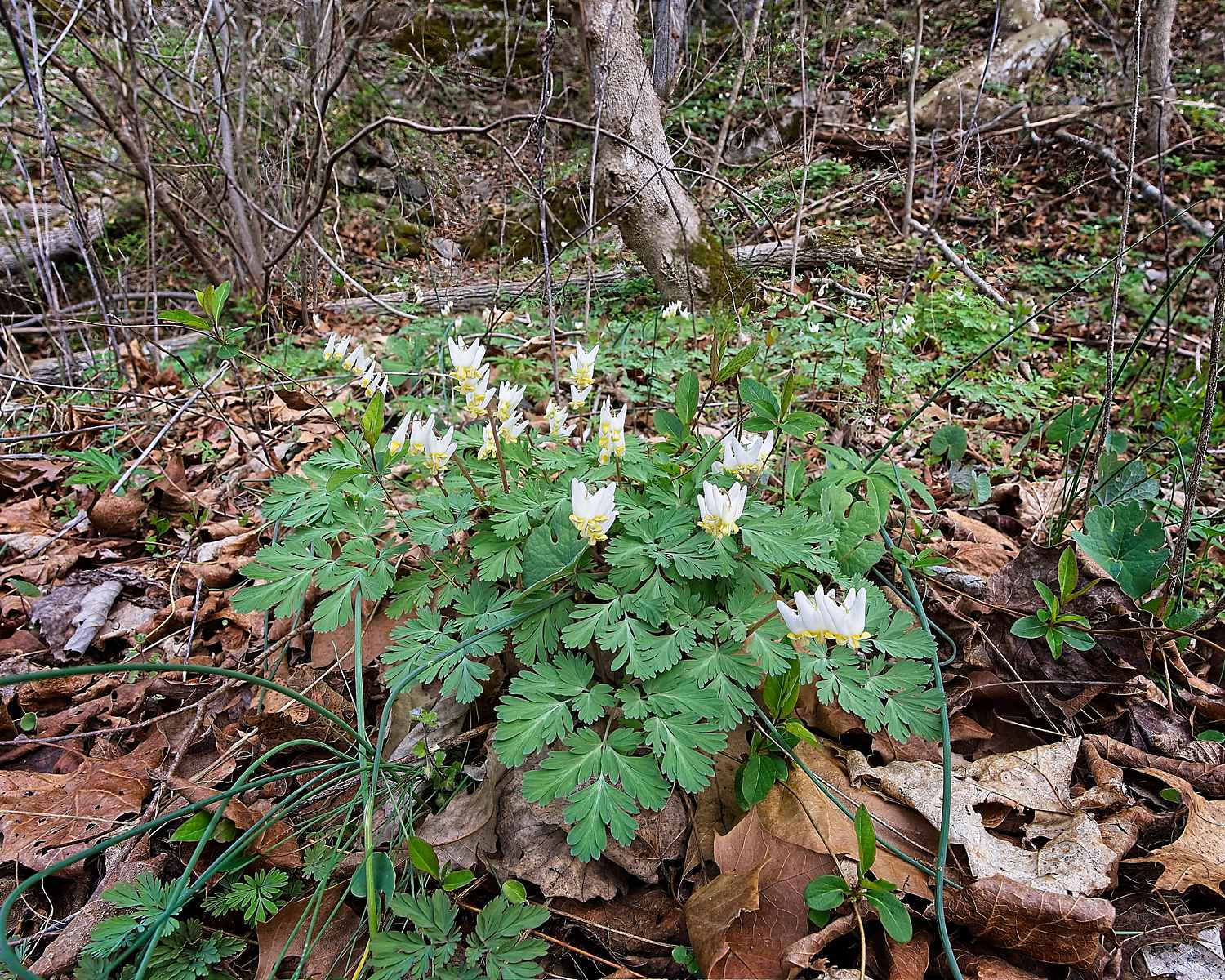
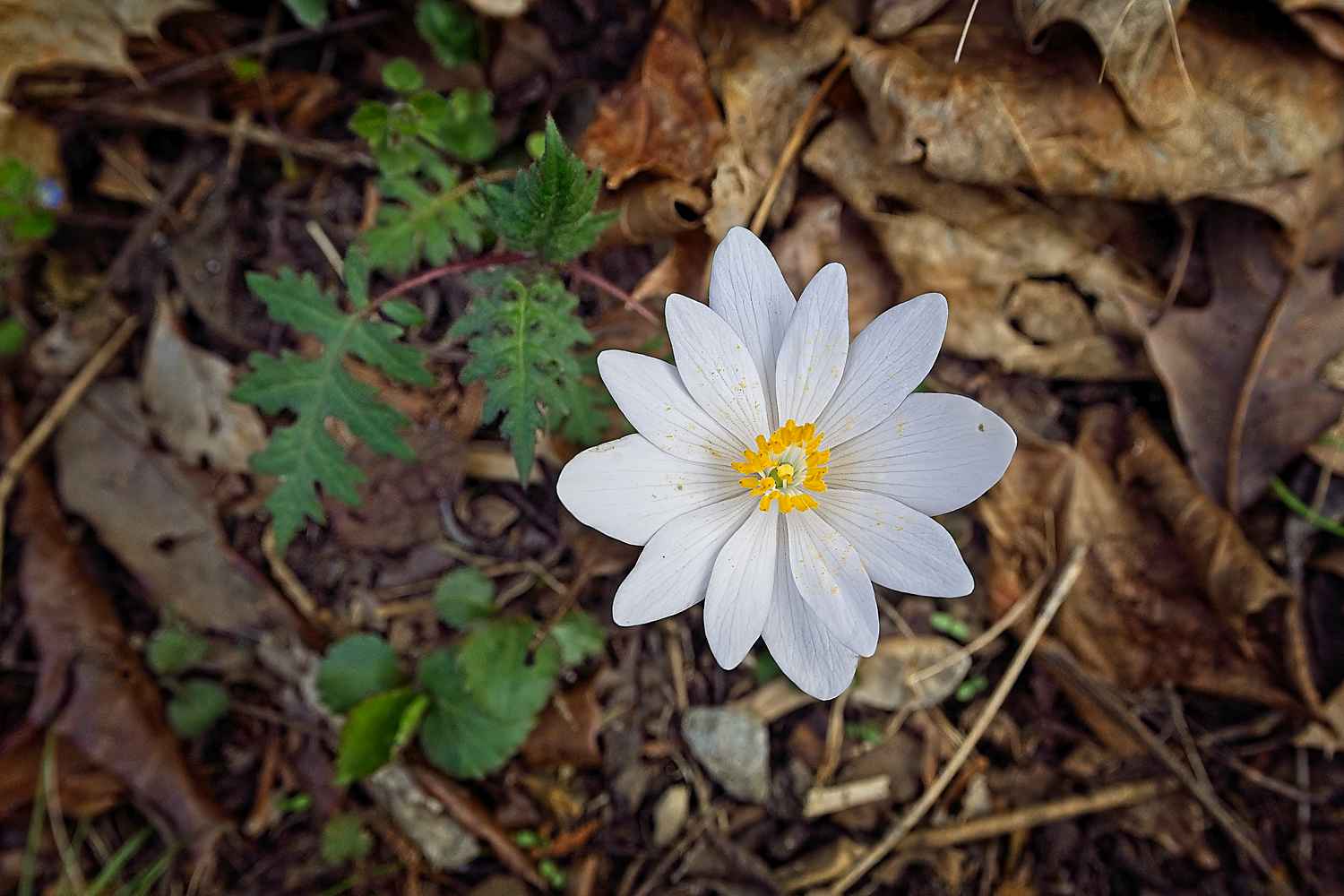
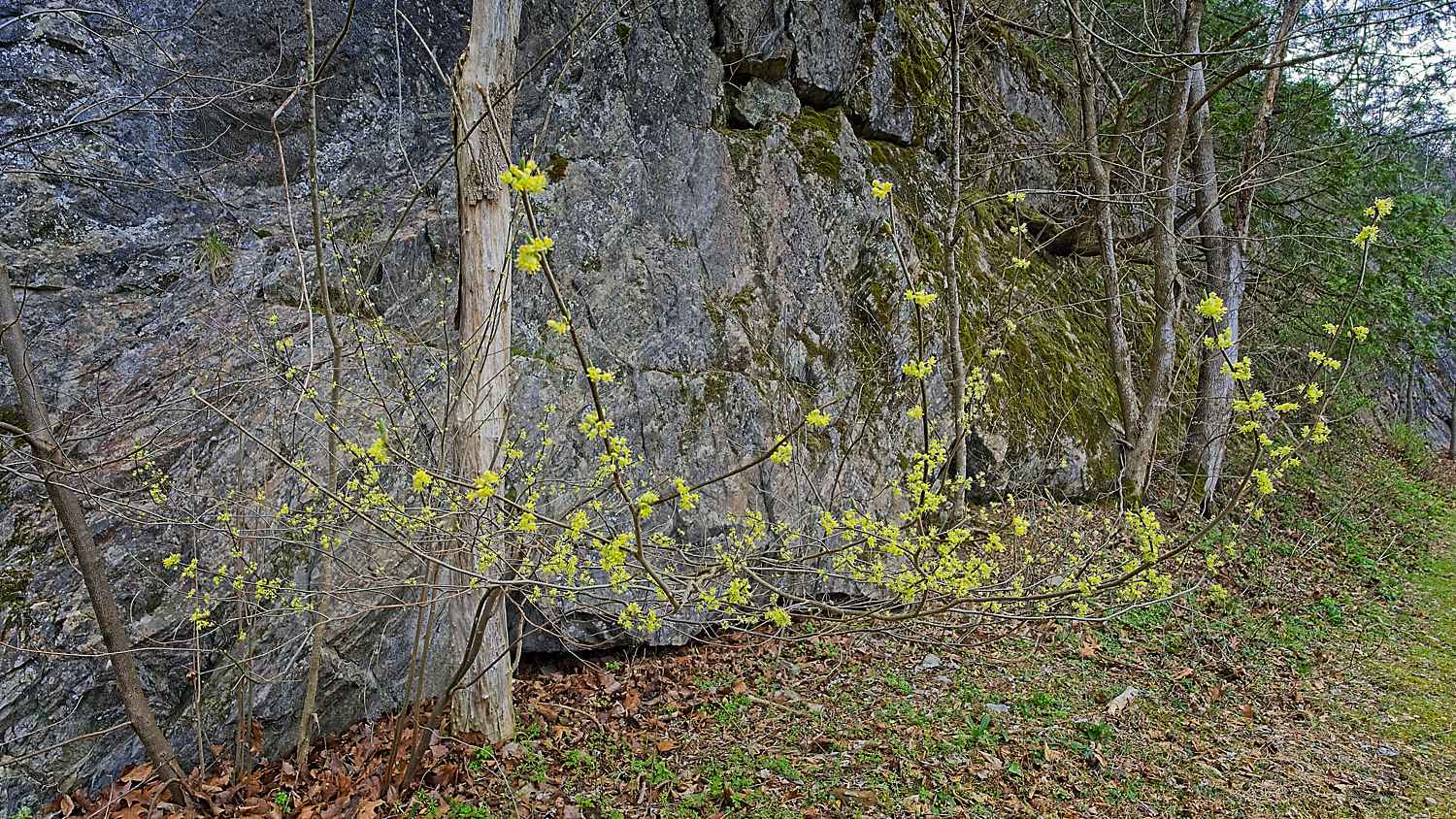
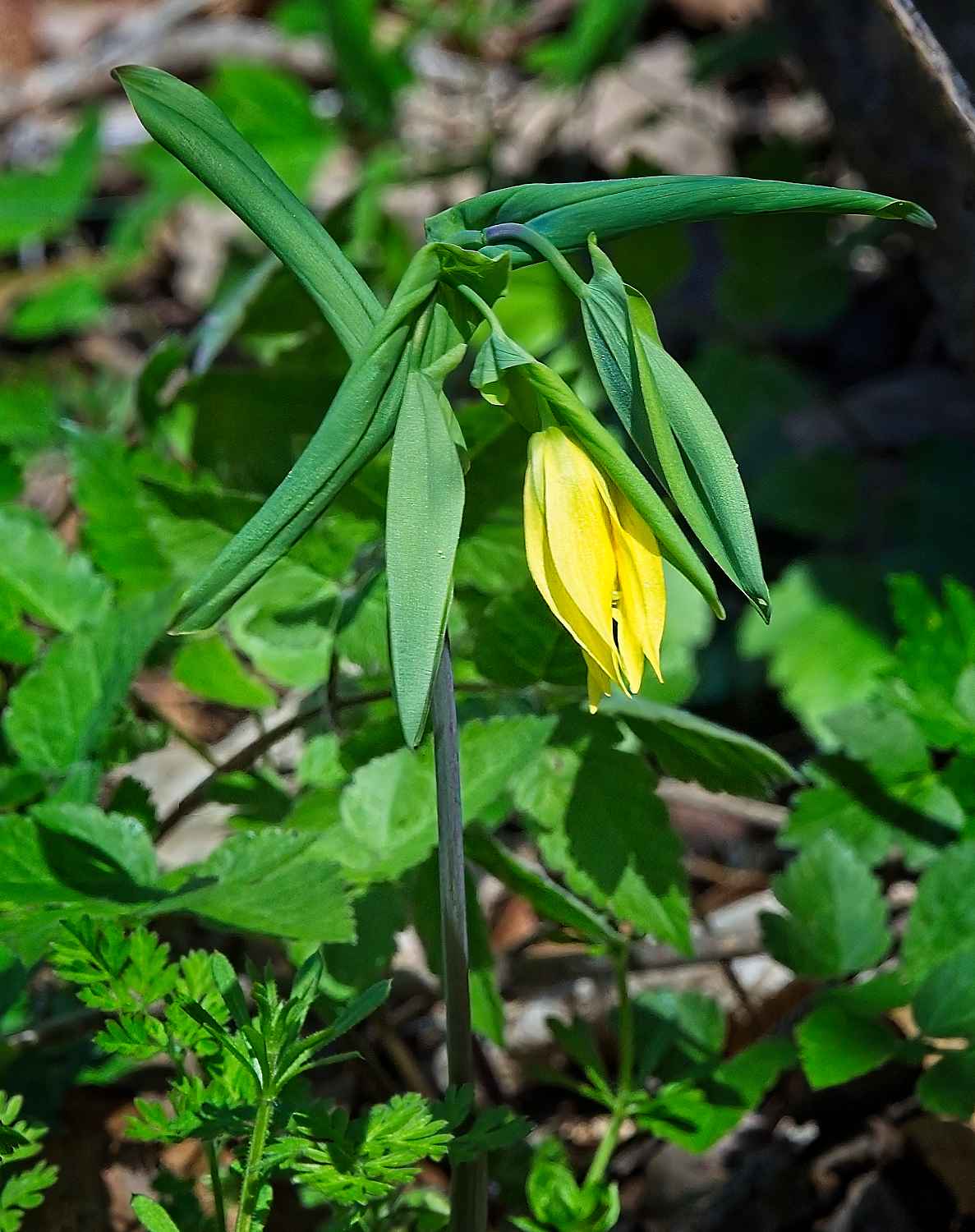
In the valleys, wildflowers rise to the sun—“spring ephemerals” they are often called, for they must hasten to complete their reproductive cycle on the forest floor before the canopy is erected. Here are some common varieties:
At higher elevations, along the Blue Ridge Parkway, there are early blossoms
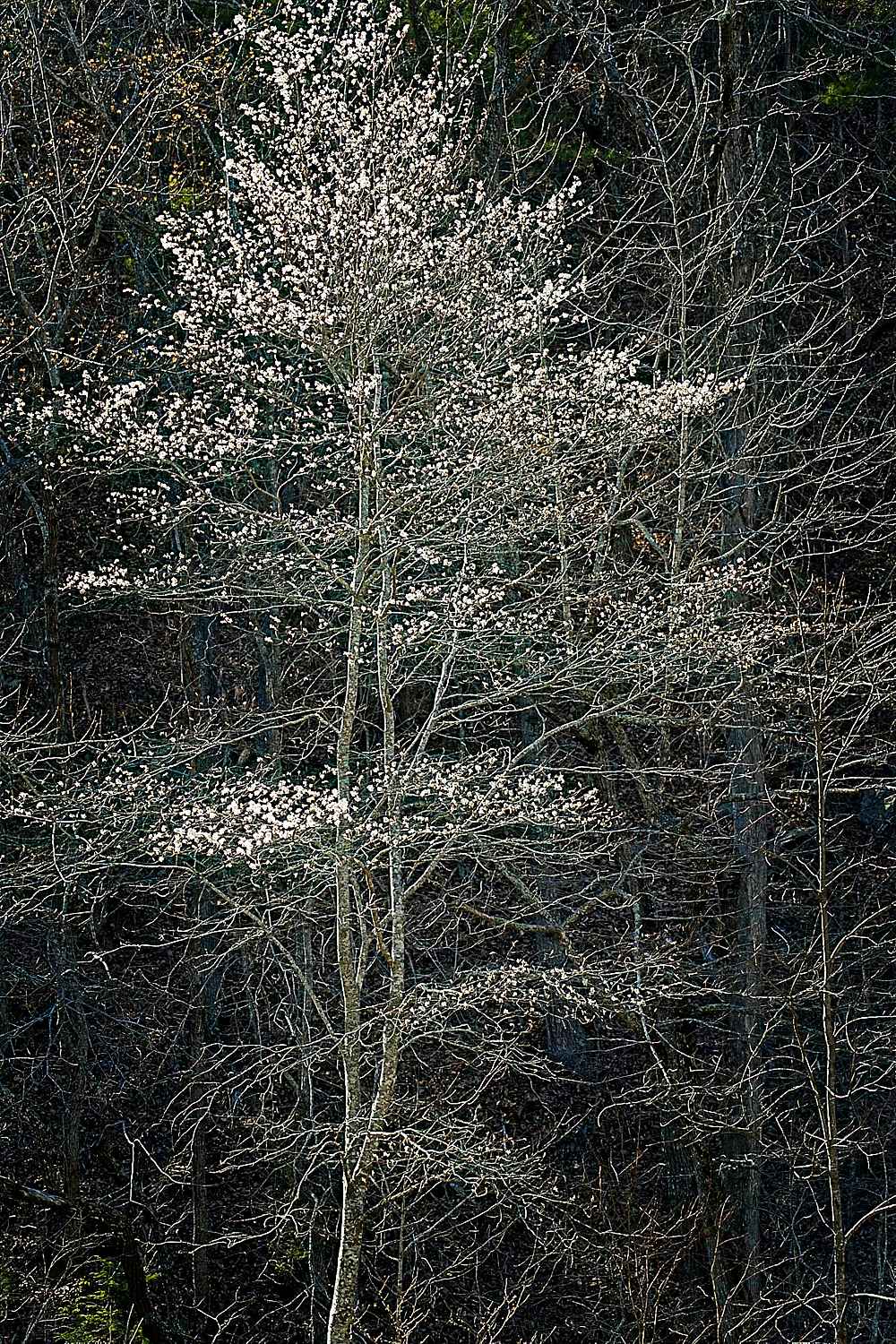
but also trees that are waiting to bud.
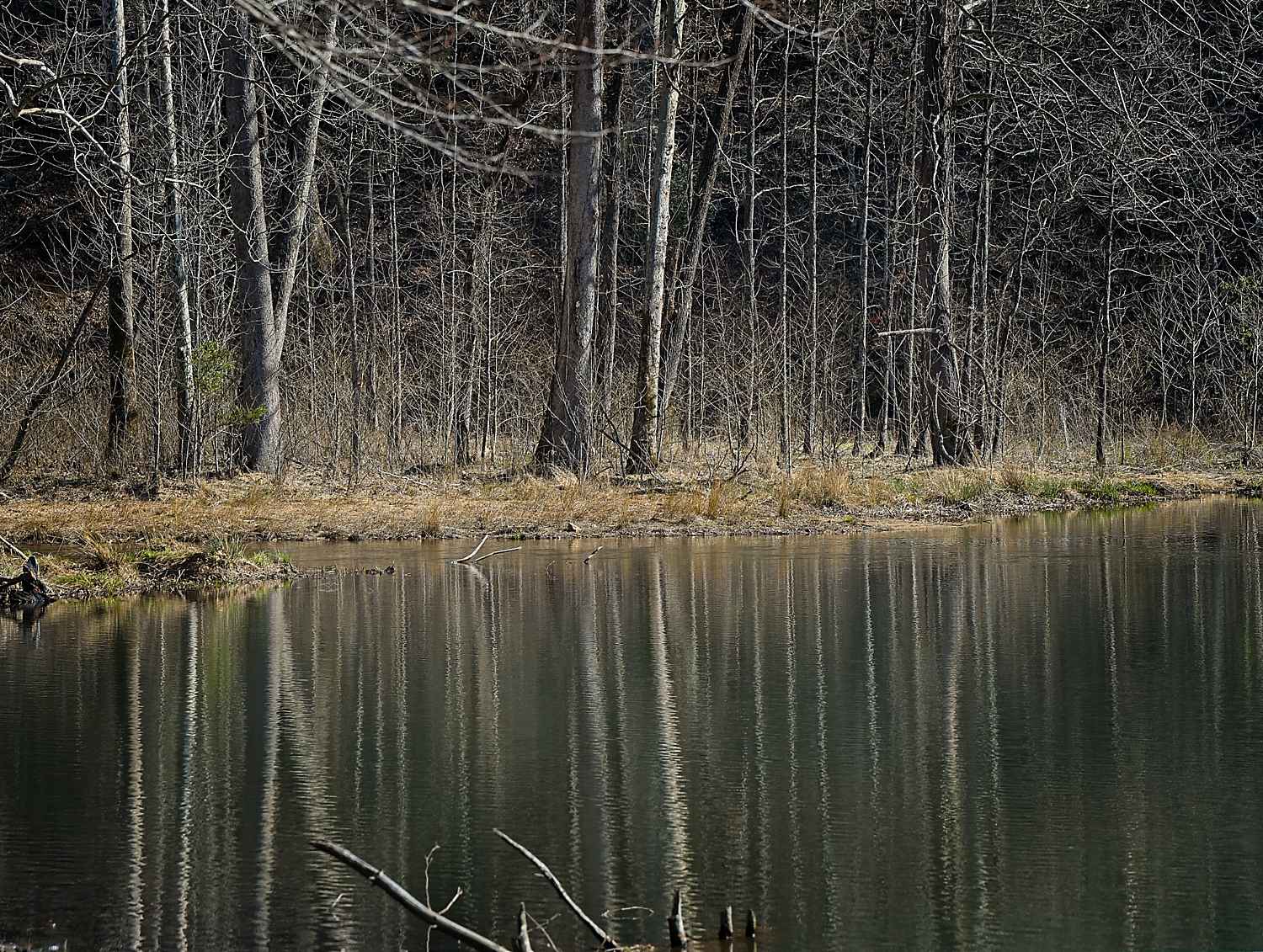
Climate change is spurring earlier growth, as in these examples:
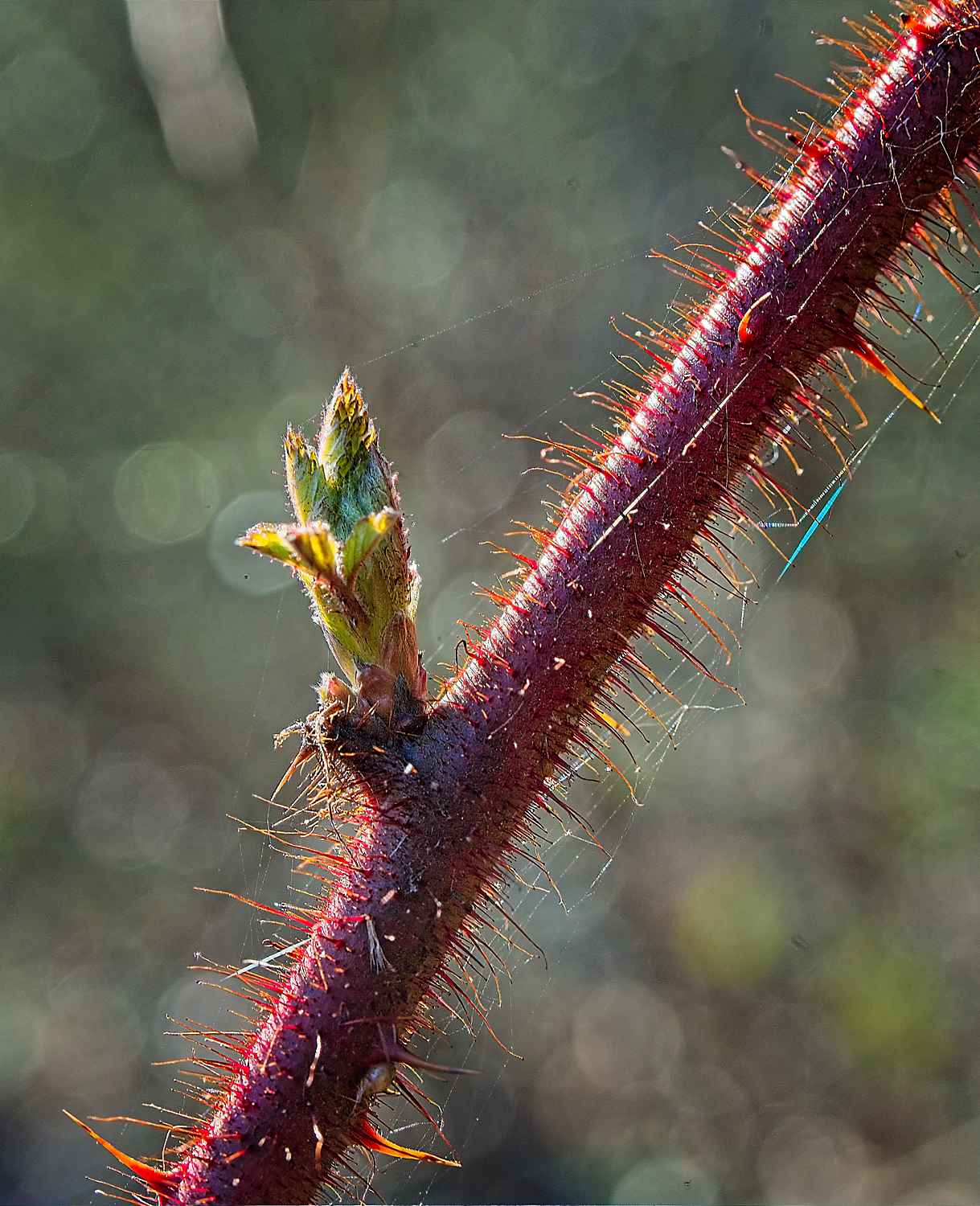
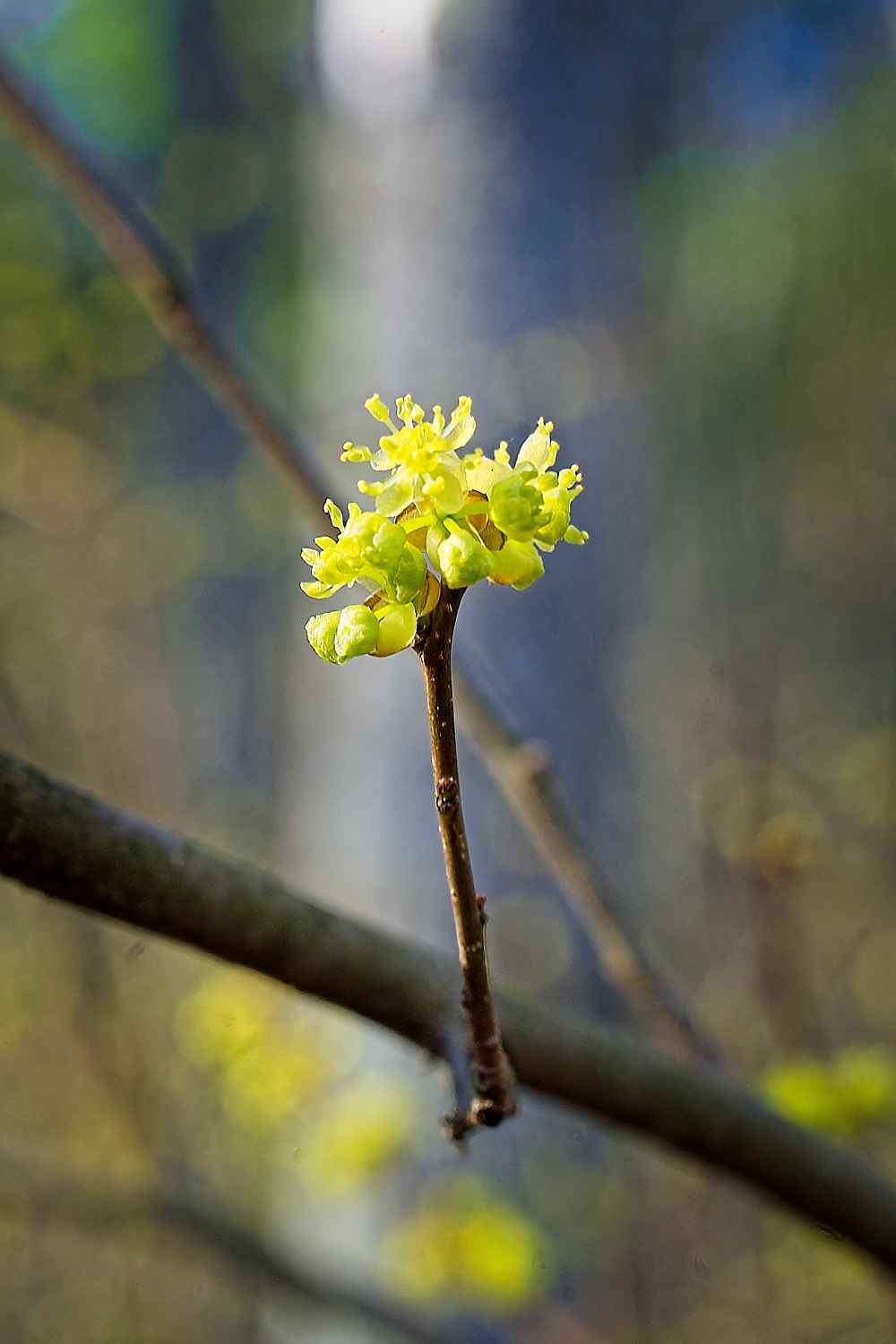
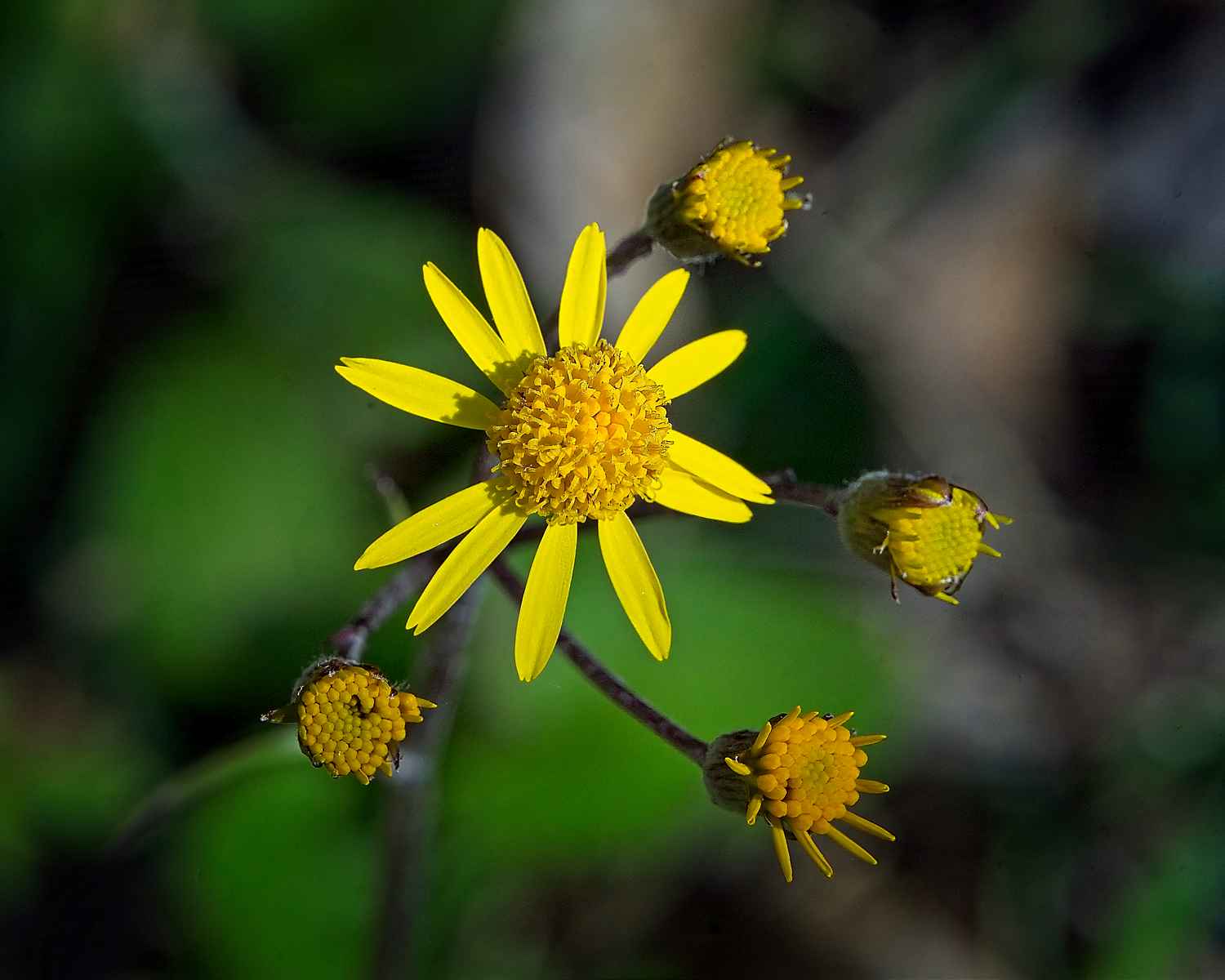
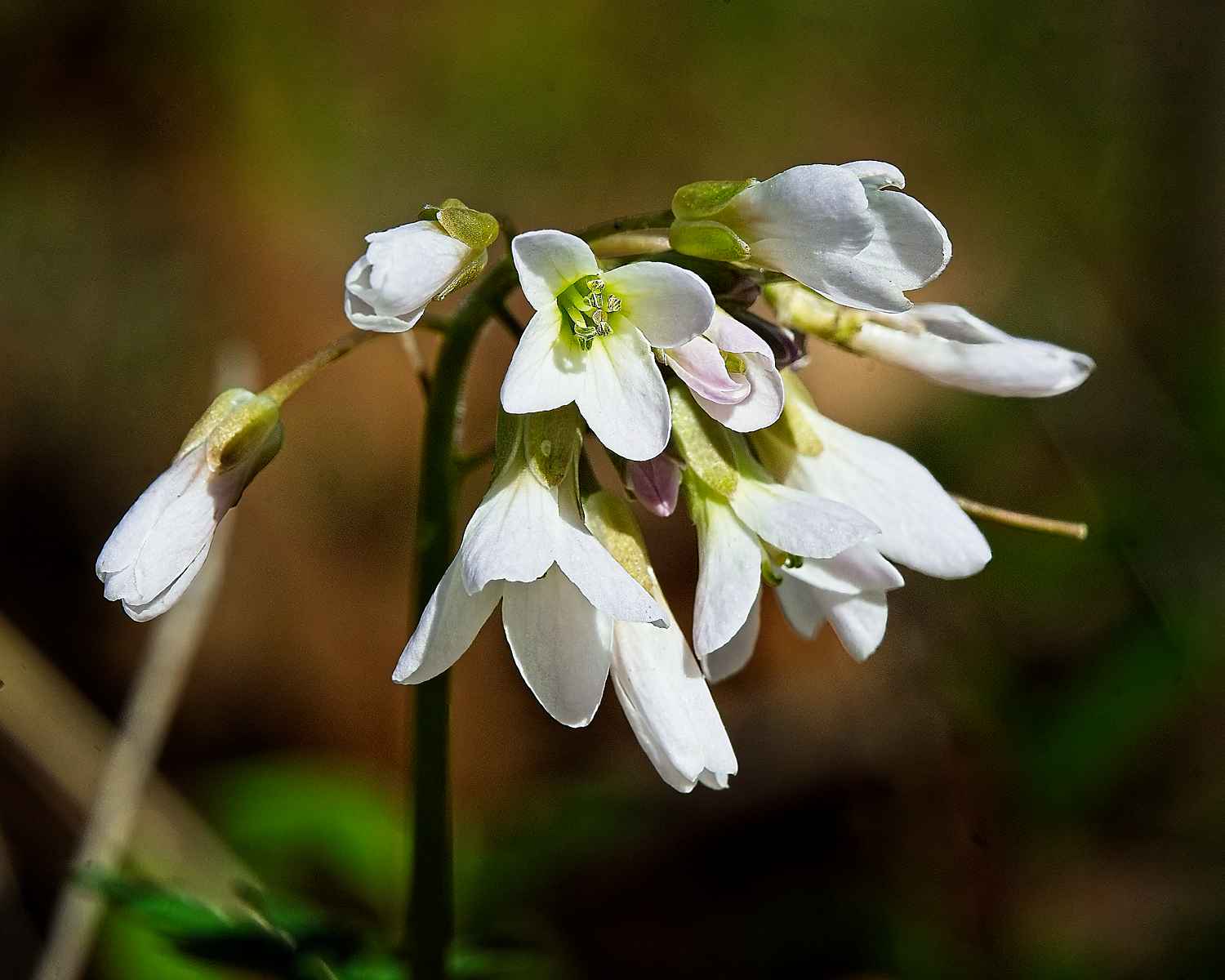
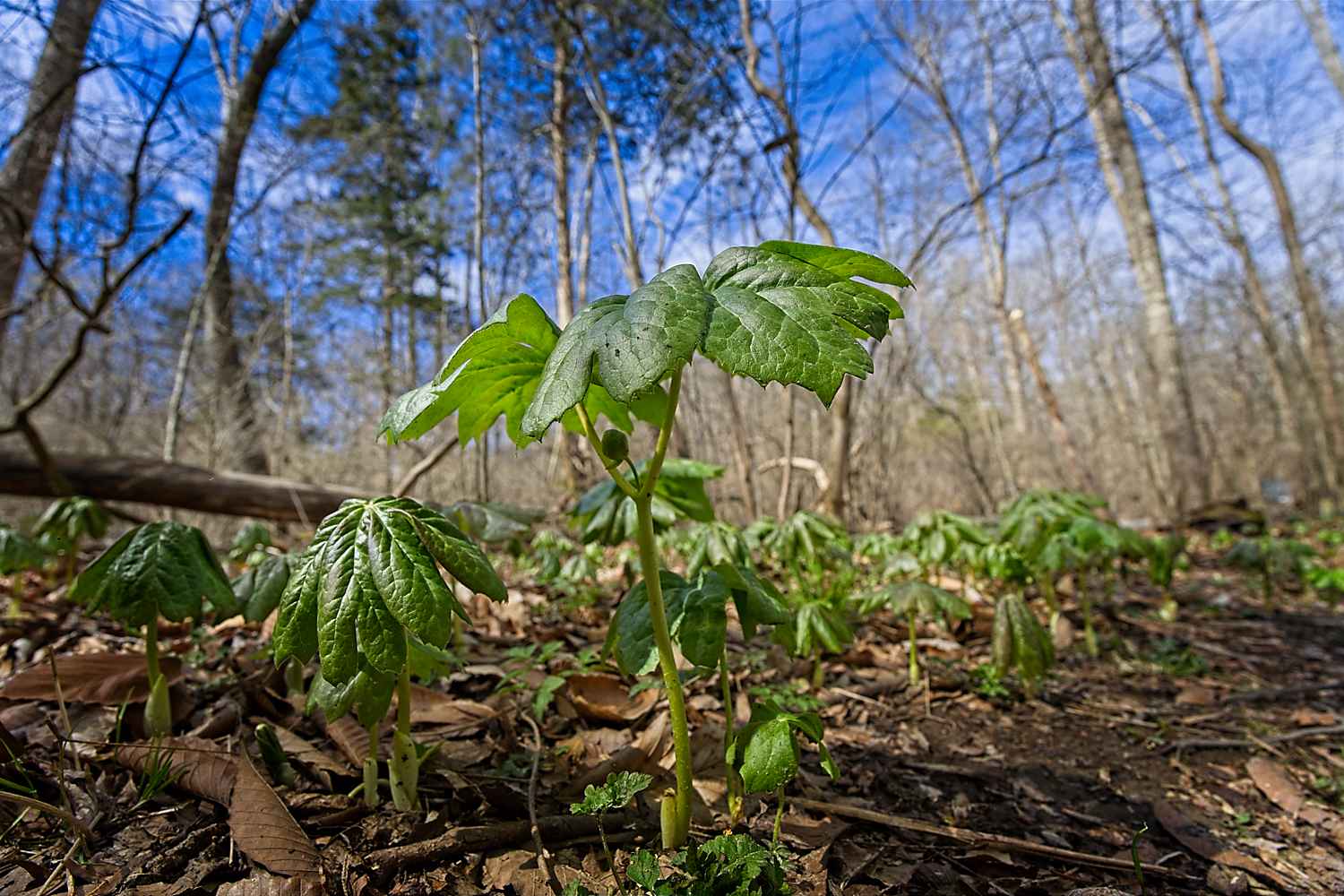
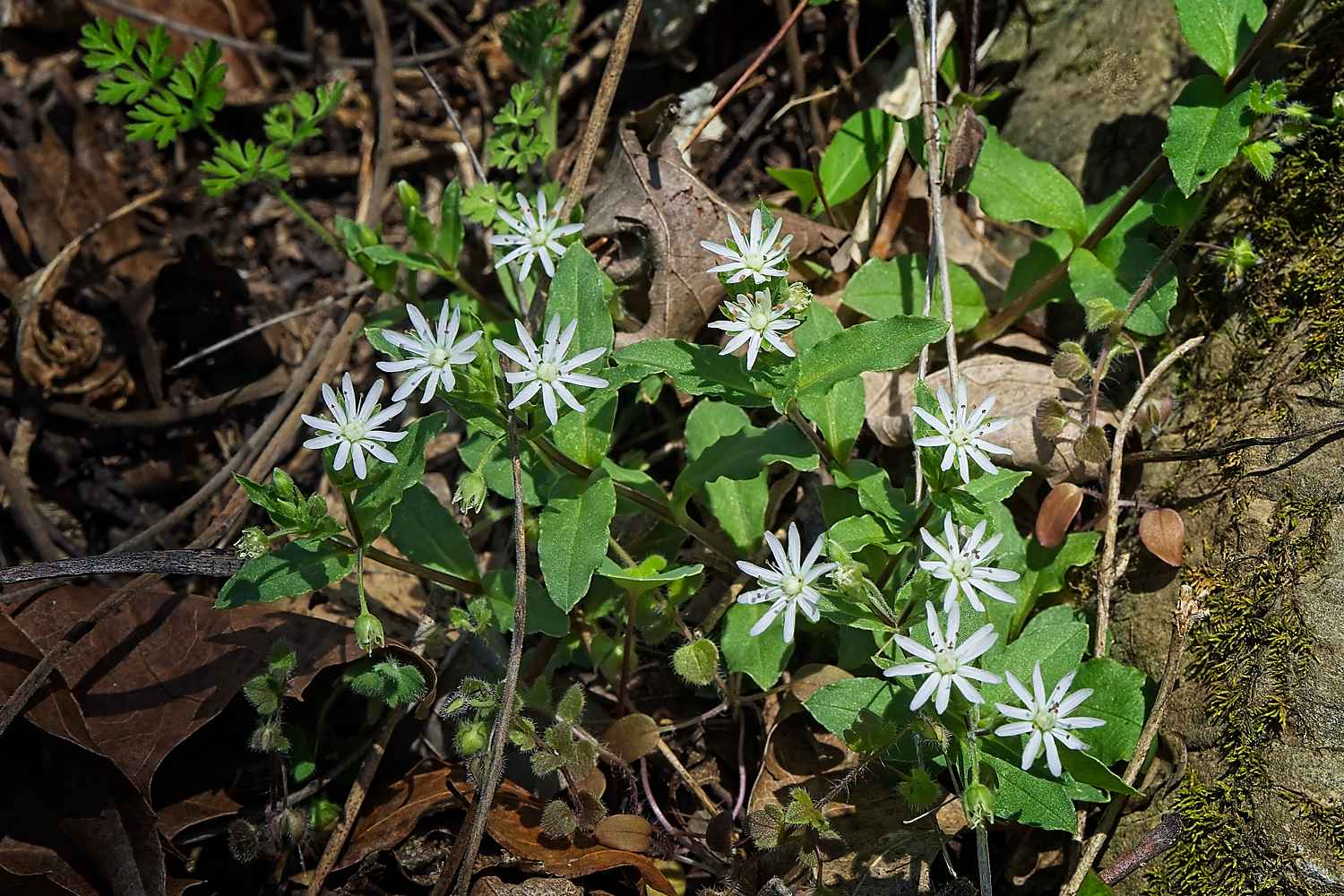
Spring is gathering momentum.