
#1089. Covid Ramblings 5: On the complexity of photographic minimalism
My previous Dear Susan post (#1081) was about light and monochrome. Reading it, my friend Lash LaRue noted that minimalism is an apt subject for black and white images, and referred me to a video by Judy Hancock Holland, which piqued my interest. So now I’m writing about minimalism. But my musings will be out of the mainstream, and I’ll ask more questions than provide answers, reverting to my teacherly past. I hope that the inquiry will intrigue and provoke, and that the images I’ve selected will assist in that process.
I have been pursuing three paths: (i) looking at exemplary minimalist images, (ii) trying to take some minimalist photographs myself, and (iii) thinking about the concept of minimalism. I enjoy the first exercise, at least in small doses. My own adventures in minimalism show that I’m at the very bottom of a steep learning curve. And the thinking raises knotty questions: what is minimalism after all? when is it effective? why is it interesting? I am far from knowing the answers. Concepts very imperfectly contour reality, and philosophical inquiry honestly pursued teaches intellectual humility, the recognition that one is deeply ignorant.
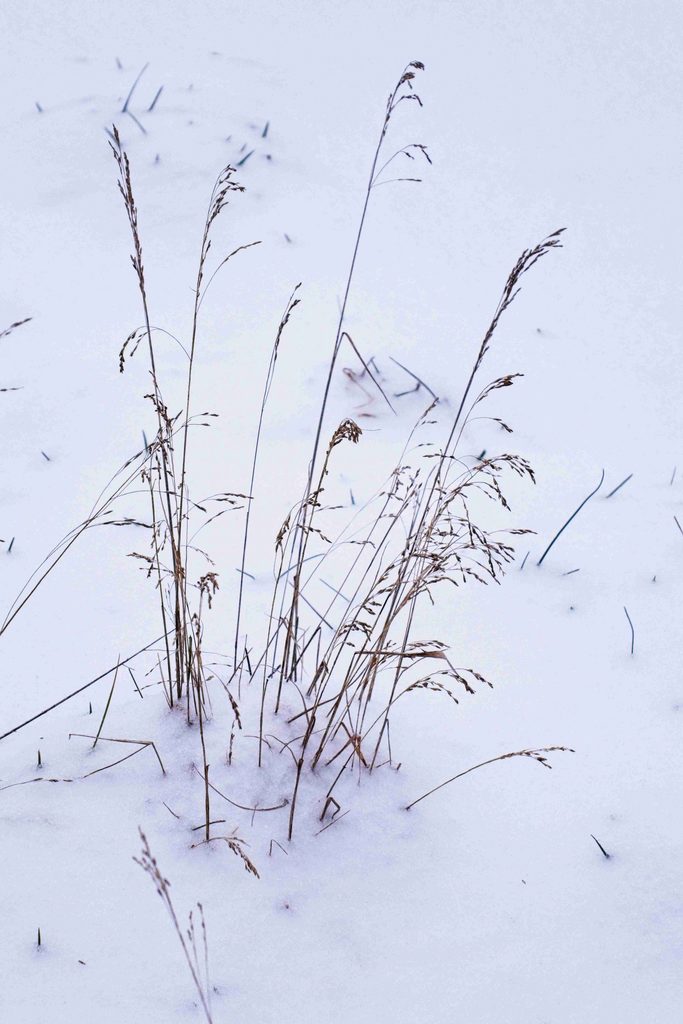
I now realize that I have long felt an attraction to something like minimalism, although I wouldn’t have put it that way until recently. In high school, I worked for a weekly newspaper in my small home town. I admired the concision and precision of good journalism, and I tried to carry this over to my student essays, eliminating excessive verbiage wherever possible; I followed the precept of KISS: Keep it simple, stupid! In college, I wrote a deservedly forgotten English thesis analyzing Ernest Hemingway’s terse style, but that fascination didn’t graduate with me; instead, I went on in philosophy.
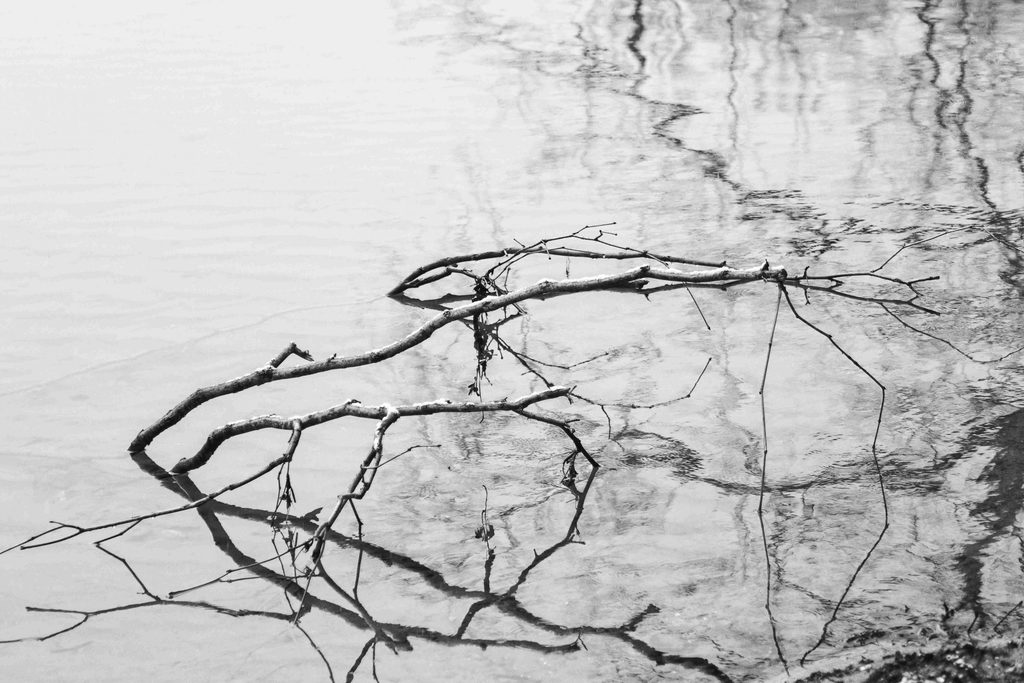
I admire concise stylists in philosophy: Aquinas, Spinoza, Russell, Quine. But then I’m bowled over by Kant, the antithesis of minimalism: complicated thoughts complexly expressed, sentences well upwards of 50 words, technical concepts, convoluted syntax. But his style quite adequately conveys his complex content. Kant has stretched my brain, and I have come to see there is room for complicated prose as well as for plain speaking in philosophy, and eloquence isn’t the same as simplicity. The writing should suit the subject matter and the intended audience. Still, minimalism does have its allure.
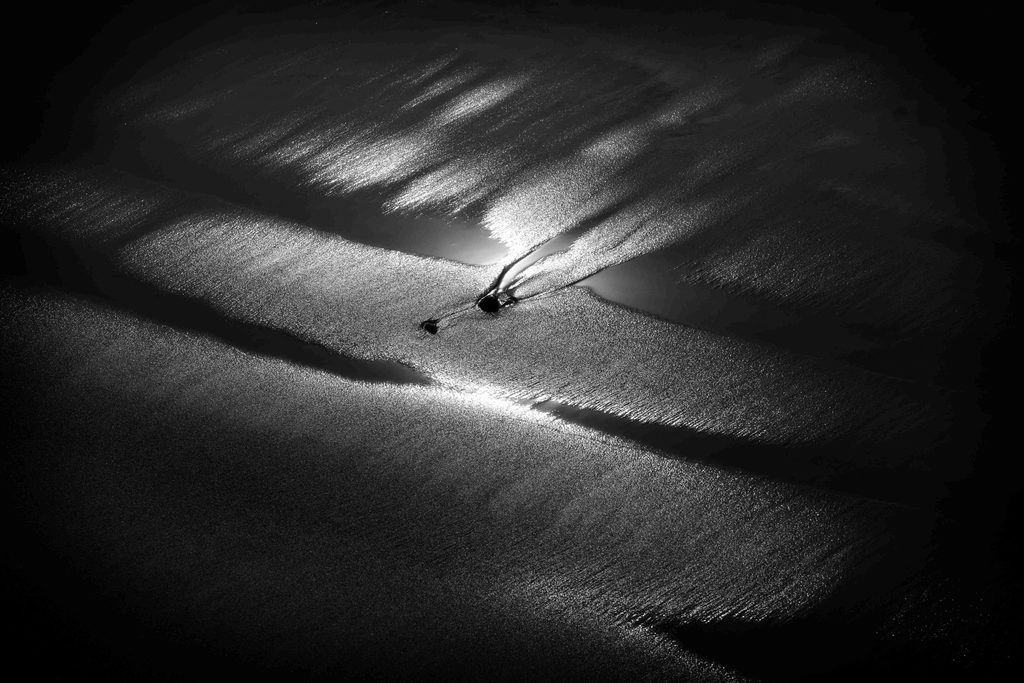
Minimalism is not one unitary thing, but many different things: It’s a style and a mood as well as a tendency or even a school, in areas as diverse as art, design, architecture, fashion, literature, music, film and much more. Haikus are minimalist, ditto Zen, Danish modern, Samuel Beckett, Mies van der Rohe, Frank Stella, Robert Bresson and John Adams. It seems hopeless to try to strain out common features. So let’s be slightly more focused: what is minimalism in photography? Spoiler alert: It may be equally hopeless.
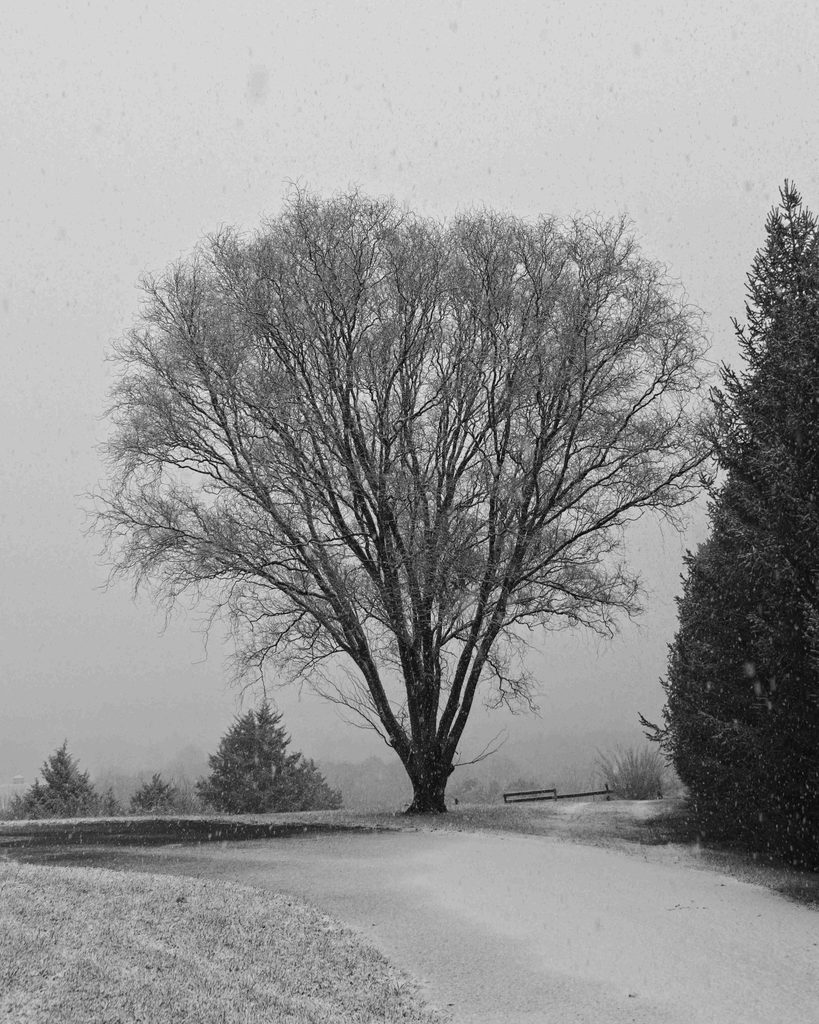
I will go way out on a limb and offer, with some diffidence, a definition of photographic minimalism that is at once itself minimal but at the same time very expansive: Minimalist images are ones with relatively few ingredients. “Ingredients” here is my inartful term for any feature contained in an image, such as objects, forms, tones, details, colors, shades, textures, etc. (Perhaps another way of expressing the same point is that minimalism seeks to reduce or minimize the kinds and amounts of information an image conveys.) This is a broad and vague definition, and may not match your intuitions (or prejudices), but I think it has its advantages. Note especially the weasel word “relatively.” It will enable us to see minimalism not as some tightly constrained and isolated category but as a way of thinking about a great many images.
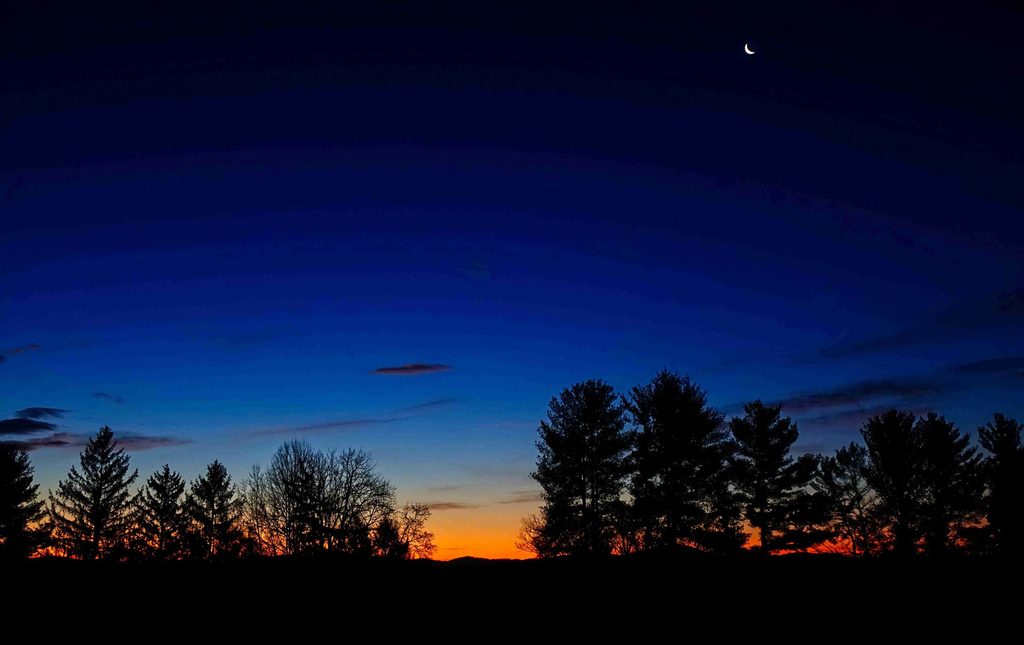
I think of a minimalist image as arising by subtraction: One reduces the number and types and degrees of ingredients that other possible images of the same scene contain. It’s an interesting experiment to see what happens when you reduce or even eliminate first one ingredient and then another: e.g., first crop out other objects, then reduce contrast, then color, and so on (there is no particular recipe; your cooking will differ from mine). Minimalism as I understand it therefore is a matter of degree: a minimalist image is more or less minimal, or minimal in some ways though perhaps not in others, or more minimal in some ingredient. The only absolute minimum would be a single tone or color or line—monotonous, uninteresting, boring. So the mantra of minimalism must be Less is more, not Nothing is more! But I wouldn’t want to over-generalize this slogan. Sometimes less isn’t more, and sometimes more is indeed more. Sometimes I prefer over-loaded images, chock-a-block full of detail and a riot of color (for example, John Wilson’s beguiling last image in Dear Susan #1084). Sometimes distraction and not concentration is the point. So, the slogan may work for minimalism but not for everything.
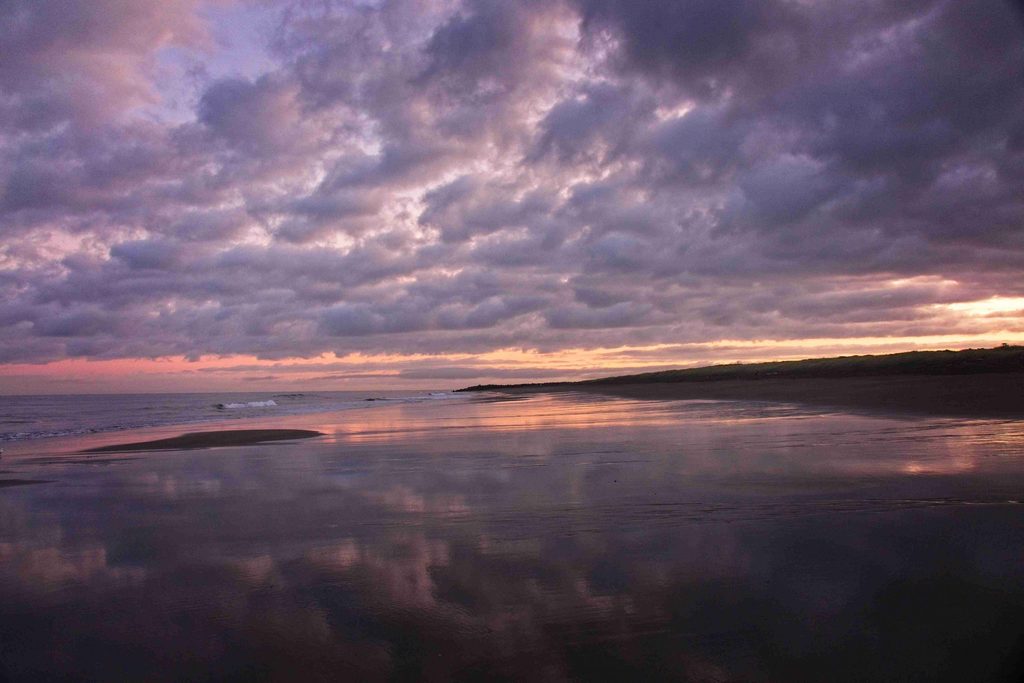
It’s always dangerous to explain concepts by images, but here’s one that might help to illuminate the concept of minimalism I’m developing: Think of a number of lines converging on a focal point. Those are my ingredients. Their focal point is the limit to the subtraction of each ingredient. Now, where in this picture is minimalism? It’s not the focal point itself, for that is totally uninteresting. But how tightly do you want to draw the circle around this focal point? How many ingredients have to be attenuated, and to what degree? I suggest that it is arbitrary to declare any definite circle of reduction to be the boundary of minimalism, arbitrary to declare minimalism an absolute category with definite boundaries. Instead, there are degrees of minimalism—more or less minimal along the line of some ingredient. (Maybe we should think of minimality instead of minimalism?). How tightly you draw the circle may be influenced by what you regard as paradigmatic examples of minimalism, or by your taste in simplicity and complexity, or historical considerations, but I hope you will at least consider expanding your range of examples. That is what the images in this post are designed to do.
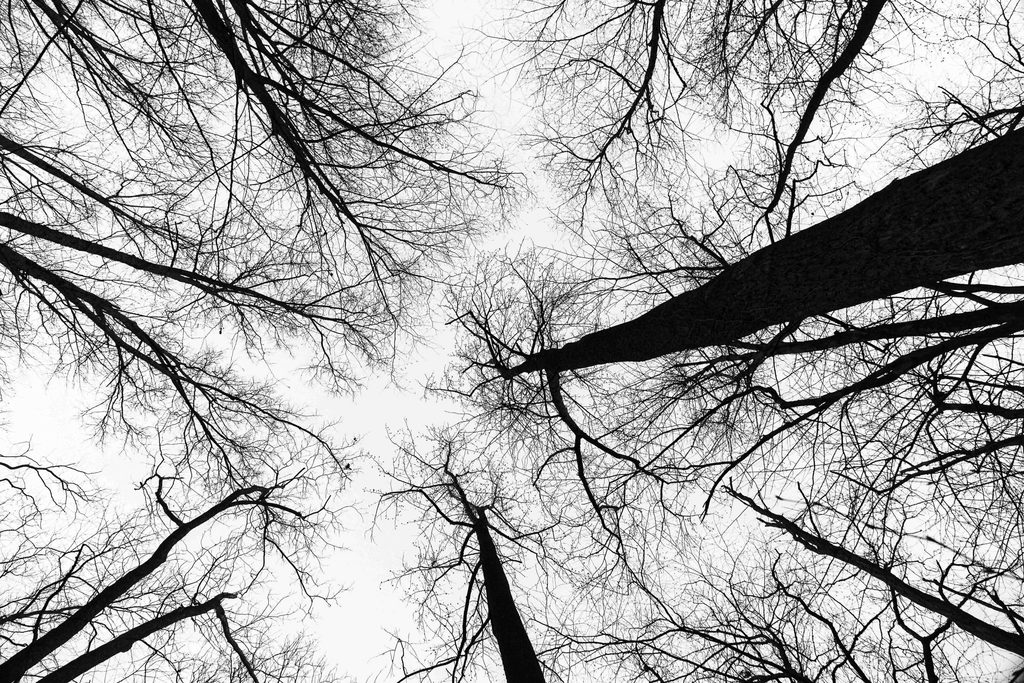
I would argue that my minimalist definition of minimalism is preferable to making larger claims, e.g. that minimalism gets to the “most basic” elements of the scene or that there are no “distractions” from the “essence” of the scene. What is basic depends on your search function; there is no single basis. One person’s distraction may be another’s attraction. And what is “the essence” of a scene, or of any appearance (like an image), or indeed of anything at all? When exactly, in subtracting or diminishing ingredients, do you reach “the” essence, and why do you think that this is the best way to find the essence? Here we are plunged into the murky depths of essentialism, and I don’t want to go there. I think you can get better mileage from thinking of a minimalist image as conveying something important or interesting about a scene without trying to convey everything, or everything important, or indeed anything important to everyone. In addition, essentialist thinking may not even be very helpful to appreciating minimalism, which has its attractions quite independently of essence: We can delight in viewing a few ingredients elegantly arranged, quite apart from what they represent or convey, whether they have an essence or whether there is no better way to discover their essence if they do have one.
Further, this minimalist definition of minimalism enables us to discern continuities and affinities with other images we might not have initially labeled “minimalist.” I don’t mean to totally fuzz up the meaning of “minimalist” so as to absorb almost any image whatsoever. But sometimes a minimal definition such as mine can help to extend our view, to increase our ability to see resemblances as well as differences, and thereby to increase our comprehensive understanding.
So, photographical minimalism tries to craft an image with relatively few ingredients. These images can be very pleasing all on their own. By highlighting a few things via eliminating or minimizing other things, we are allowed to feast our eyes upon those few things in a more attentive way. We aren’t “distracted” in attempting to synthesize multiple kinds of data; some images may provide too much information, more than we can readily take in. Moreover, viewing minimalist images can not only focus our attention but also allow us to move beyond attention to different forms of consciousness altogether, such as what is called “mindfulness” or “unselfconsciousness.” Sometimes the mind is emptied in response to an empty image.
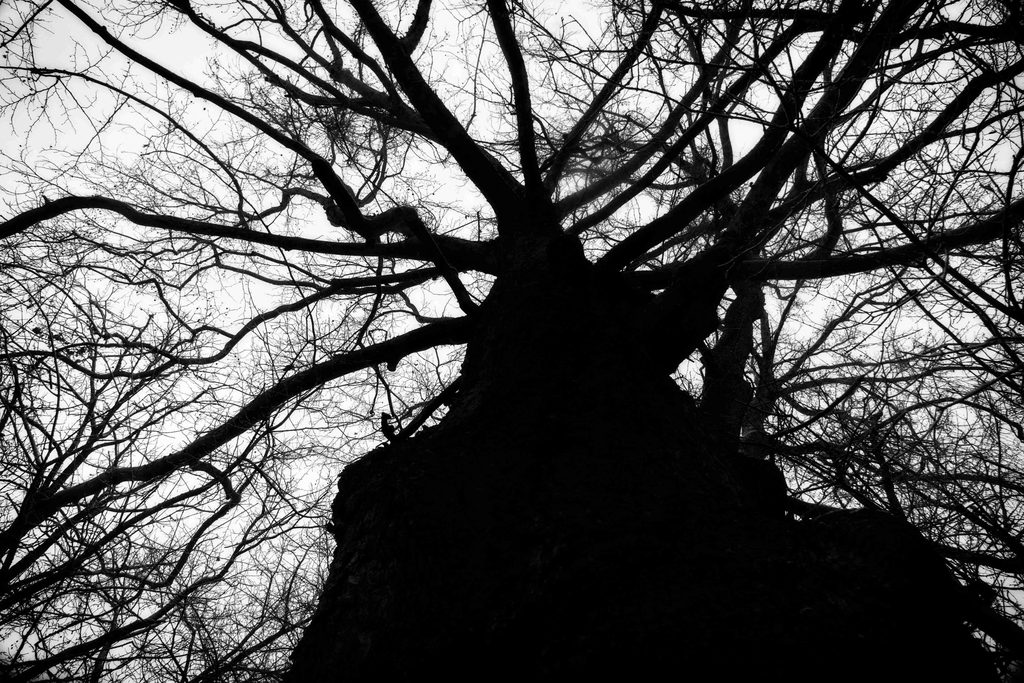
You can find many sources that try to identify the basic “elements” of minimalist photography, or provide “tips” or “steps” of how to take minimalist images. Borrowing from others, I’ll comment on some elements—or aspects I would prefer to call them—eschewing tips and steps, with some possible examples:
Simplicity is of course first and foremost: In fact, “simplicity” is just a simpler name for “relatively few ingredients.” Take objects, which are usually the subjects of images (I know, “object” and “subject” have various meanings, but I hope you follow my drift). Simplicity says: pick only one object, or a small number of similar objects (such as a flock of birds), and isolate it by eliminating other objects that might compete for attention, through cropping or changing standpoint, orientation, focal length, etc. If there is more than one object, look for simple relationships among these. Something similar can be said about shapes, colors, tones, textures, patterns, contrasts. But simplicity is more a goal than an absolute requirement, and you have to know where to stop in eliminating “extraneous” elements. It’s like sculpture: chip away at the marble block to reveal the statue inside, but don’t go too far or you’ll end up with a bunch of rubble.
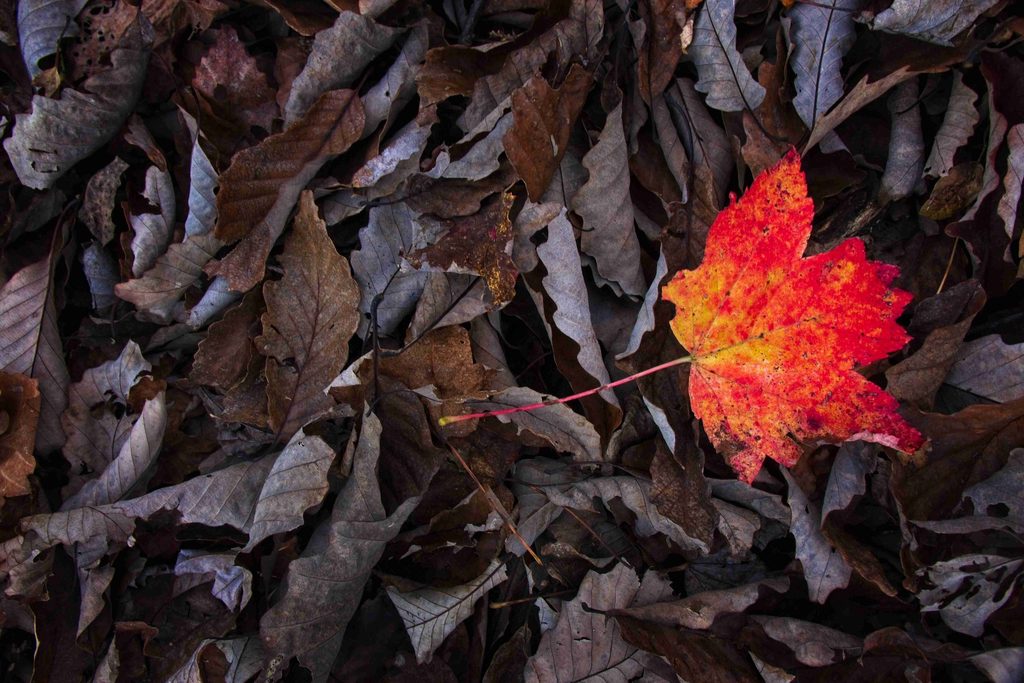
Complementary to objects is the space that surrounds them or that they occupy, and in minimalism it should tend towards emptiness. This is often called “negative space,” but I prefer instead the Gestalt language of figure and ground. (These labels are relative: Being a figure or ground is not intrinsic to something, and they could switch labels with a different gestalt or attention.) For there to be a figure of interest in an image there must be a ground that is relative to it, that sets it off, that shows it forth. Usually this will be the space surrounding an object of interest, and good use of that space can be vital to making a minimalist image work. Although there may indeed be very little to nothing in the space that surrounds the figure(s) of interest, I don’t think this should be an absolute requirement for a minimalist image.

I have come to think that even reliance upon figure and ground isn’t necessary to minimalism. I think you could have a minimalist image that doesn’t have a figure and hence no ground; it could simply be a wash of color or a gradient of tones. Moreover, there is a continuum from sharply delineated object to indistinct and fuzzy object to no object at all. Now some might object that an image without a definite figure isn’t minimalism at all. Fine, you may want to reserve the “minimalist” label for paradigm cases involving clear-cut figures and grounds. But my thought is that any image with relatively few ingredients is a candidate for the “minimalist” label.
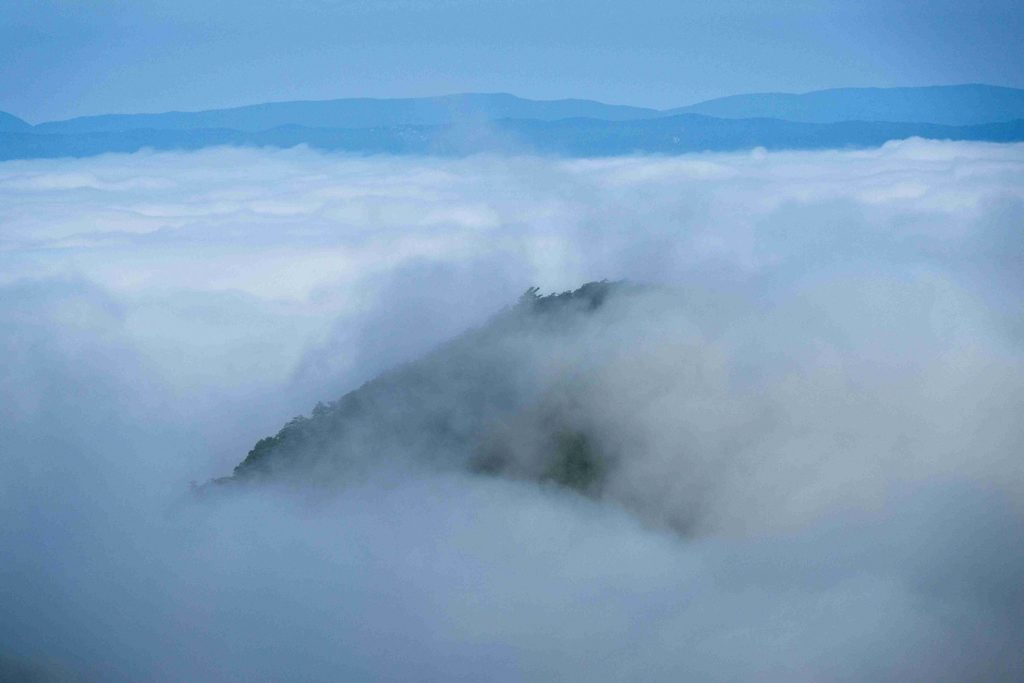
Connectedly, my definition of minimalism can accommodate both abstraction and representation. Think of them as lying on a continuum within minimalism: sometimes the content of a minimalist image is clearly representational—recognizable objects such as trees, boats, structures, all clearly delineated, in focus and standing in contrast to a ground, indeed a background. But sometimes, I think, a minimalist image can blur into the unrecognizable—fuzzy blobs, patches of sky or sea or land, indistinct lines. Others, of course, may wish to separate these categories, preferring to think of minimalist images as always representational, and clearly and distinctly so, while abstractions are in a different category altogether. But on my view, there is a gradient of abstraction from more to less minimal: e.g., Jackson Pollock is not very minimalist in objects, color, textures, although he is an abstractionist, while Agnes Martin is clearly a minimalist but also an abstractionist, by conventional thinking. In my view, both Pollock and Martin are minimalists, with varying degrees and kinds of abstraction.
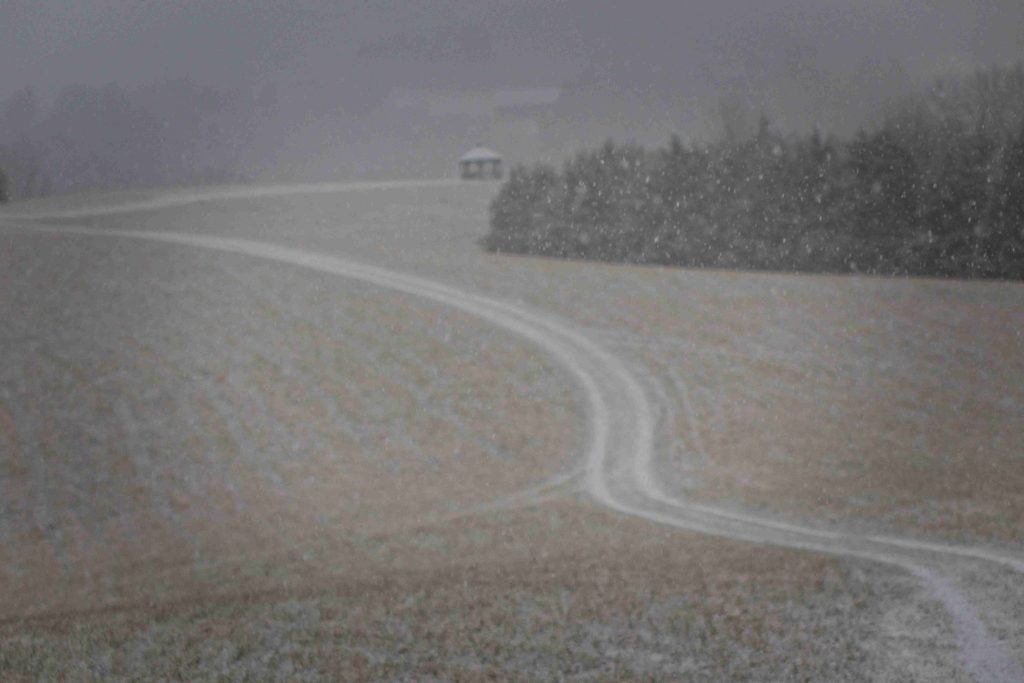
Monochrome and polychrome: Subtracting color, either entirely or all but one color, is a form of simplifying, a way of reducing or eliminating one kind of ingredient. Greyscale or black and white is one common form of monochrome, but you could also work with just one (shade of) color. Of course there are lots of ingredients remaining, such as lines and shapes, textures, shades, tones, and the rest. But monochrome is one step in the direction of minimalism—it’s more minimal than polychrome, even if you don’t want to call it minimalism.
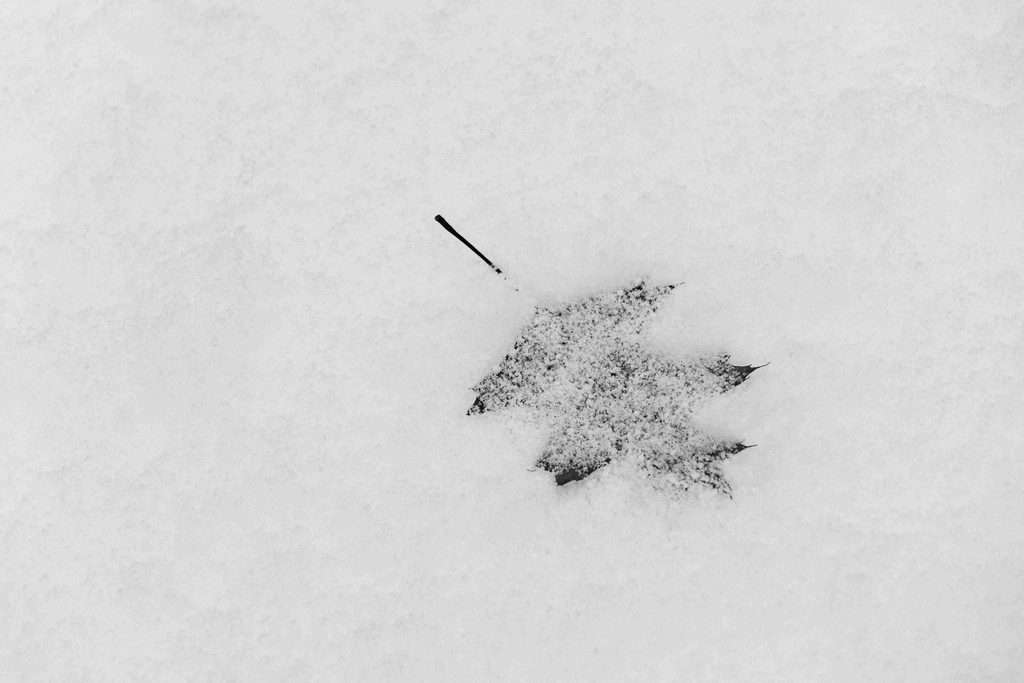
Other “ingredients” in an image can usually be diminished gradually until vanishing at the limit. Take tonality for example: Sometimes an image will have great tonal contrasts, from very bright to very dark, and these work very well in monochromatic images with lots of detail as well as in something more minimal. But these tones can be toned down (pardon the pun) to very limited contrasts; once again, the limit is uninteresting: a single tone throughout, a blank canvas awaiting content, not an image worth contemplating. Similarly one can think of textures from knobby to smooth; or forms from complex to simple; or shapes from geometrical to random; or hues from contrasting to complementary; and so on.
Here are four more features abetting photographic minimalism:
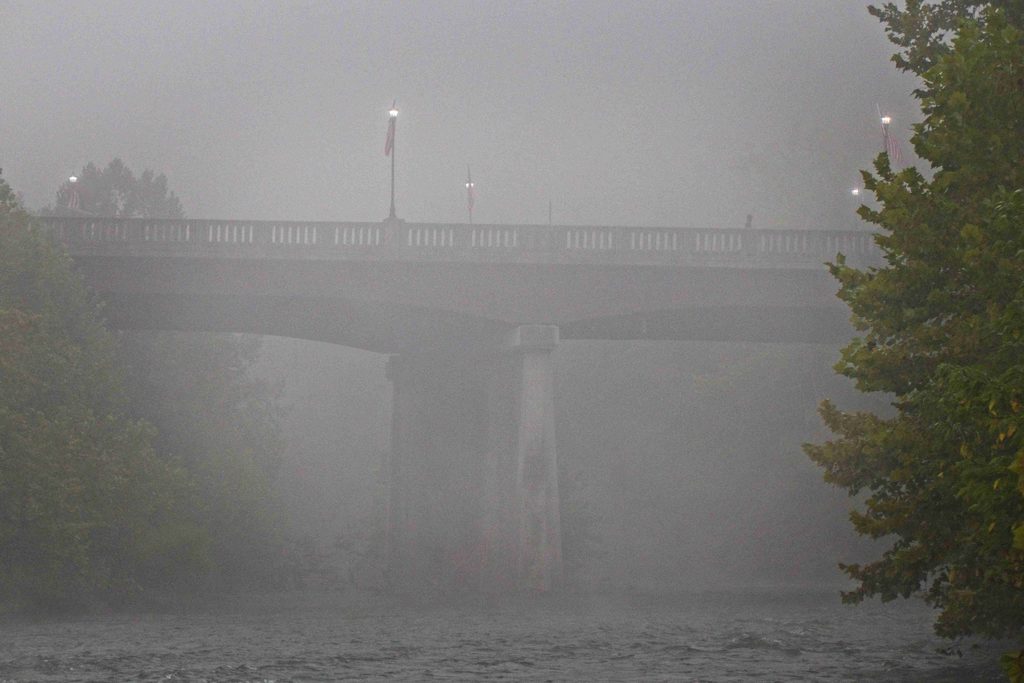
Fog and mist smoothly envelop everything and remove a lot of detail, so that a few elements can stand out—like bare trees, or old barns, railroad tracks, boats, lighthouses.
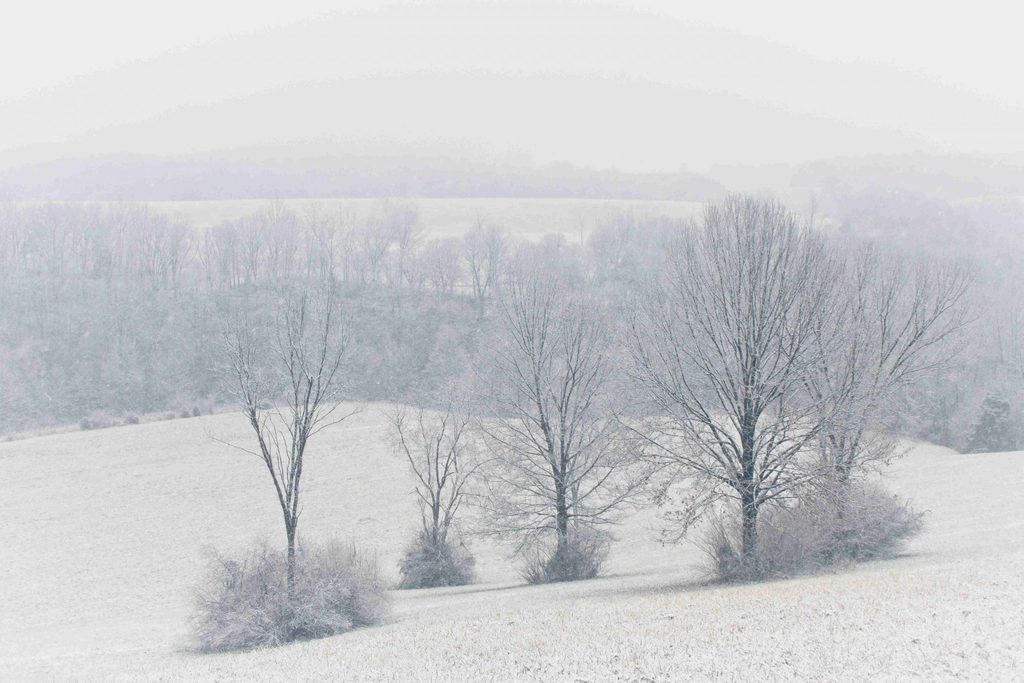
Snowy things in particular often look better in black and white—they’re mostly white already!
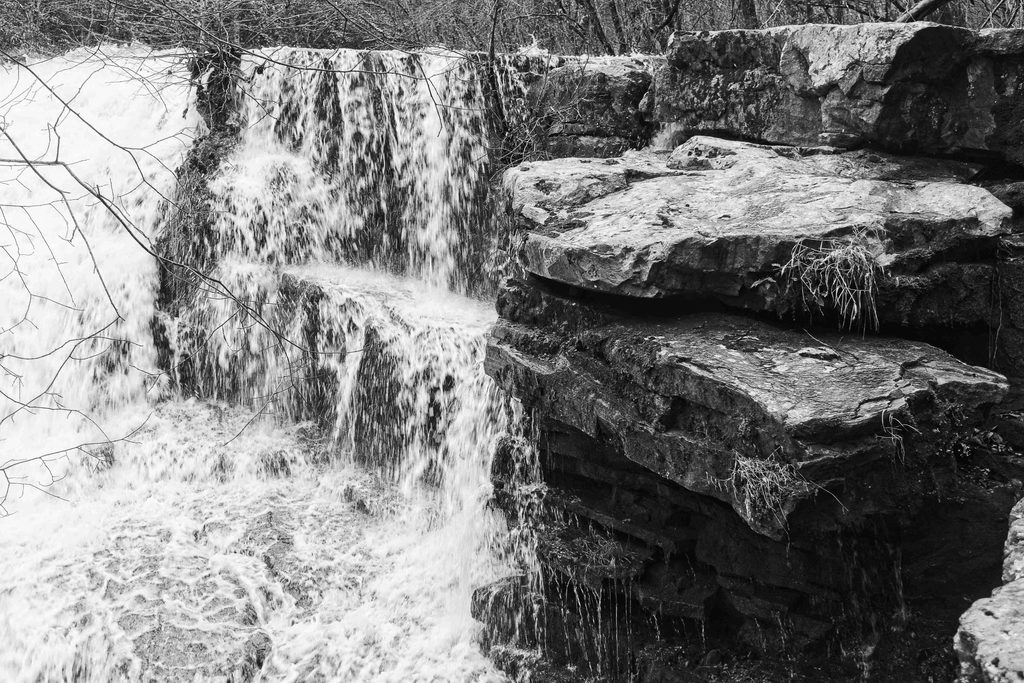
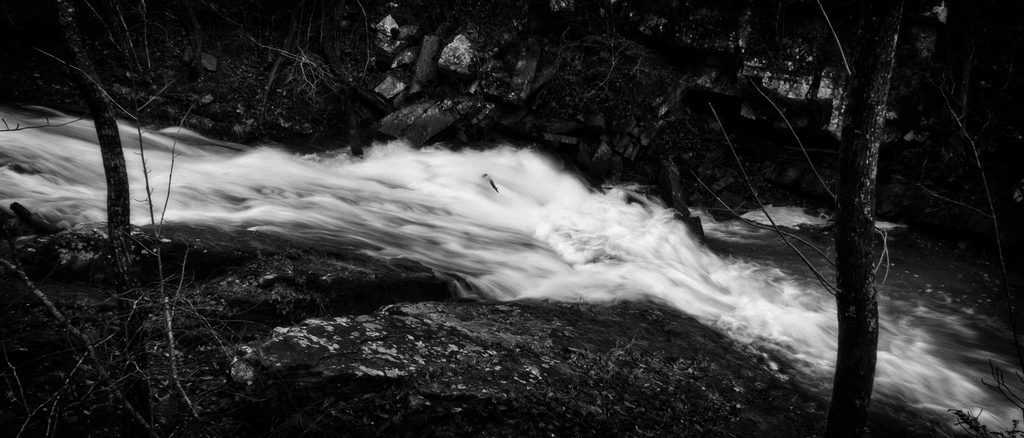
Longer exposures smooth out, and thereby simplify, moving things, whether fluids such as waves, waterfalls, clouds, vapors, or bodies in motion such as flying birds and galloping runners. A long exposure doesn’t suffice to make an image minimalist overall, as there may still be lots of other elements remaining (e.g. stream rocks), but it’s a step in that direction.
Eliminating or reducing extraneous elements is vital, and this can be done in various ways: zooming in with wide apertures, longer lenses, cropping in post, and of course that old-fashioned tool: moving closer. At the extreme, macro images are often minimalist, though sometimes they revel in non-minimal details.

So why think in this unusual way about minimalism? What good does it do? You may be shaking your head and muttering “What’s in a (expletive deleted) name anyway?” Well, there are certainly times when we want to draw distinctions, separate into categories, hold the line against agglomeration. Sometimes distinctions are the path to clarity, and then “either-or!” should be our rallying cry. That’s when we want minimalism to be separate and distinct, a world apart, an absolute category, exclusively defined by its paradigm examples. But sometimes we may want to note connections, resemblances, relationships, and then we will need to consider “both-and.” That’s when my minimal yet expansive definition might appeal: minimalism as converging lines of simplification, with some images closer to the focal point than others. I think both either-or and both-and kinds of thinking have their uses. So I guess I’m a both-and thinker in the end.