#929. A stroll in Paris Photo and Salon de la Photo.
Paris in November ... Sounds like a Woody Allen movie title but it's more about stills than video :) France's two major photographic events happen in November. We've just visited both. And it's given us some food for thought.
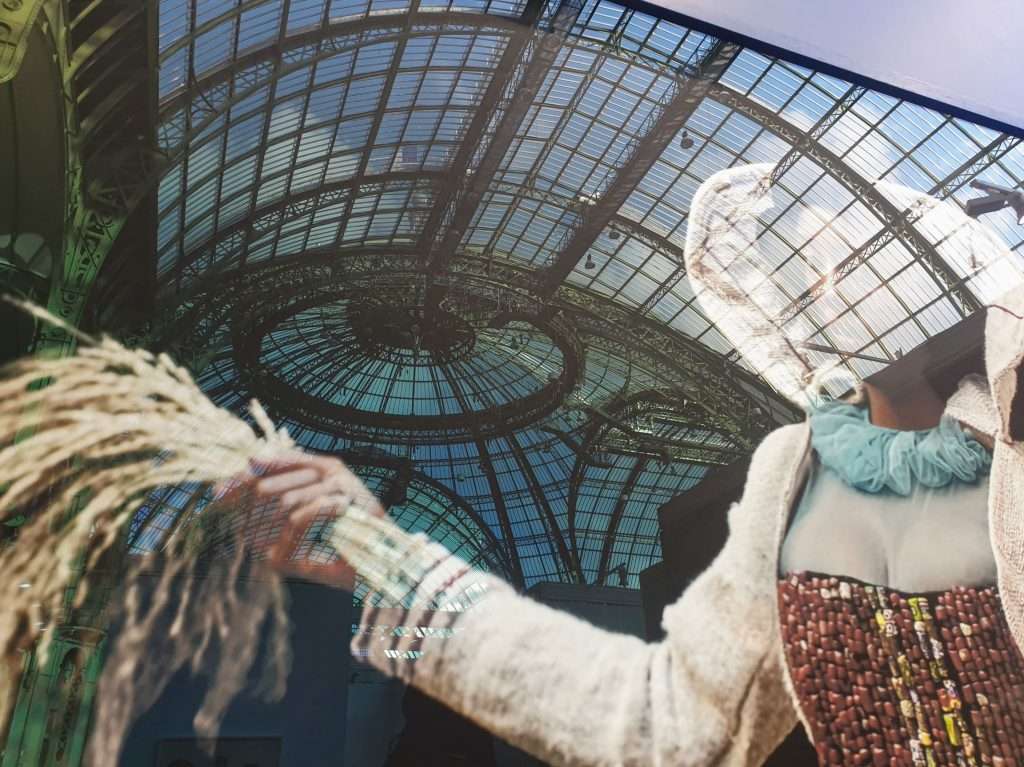
Over the past few years, I have regularly visited the Salon de la Photo, France's largest photographic gear exhibition held annually in Paris. Made contact with interesting people at Zeiss and other companies. And published the occasional report or quick review of a lens kindly loaned for a few hours. It was great fun and the only negative point (besides GAS attacks) was the fact that didn't leave me time to also visit Paris Photo, a large art exhibition also held in Paris at the exact same time and 95% devoted to prints (4% books, 1% other stuff).
It's significant of changes in my mindset that the opposite happened this year. It was my first visit to Paris Photo and that left me with an even greater virtual bill (man, is expensive gear cheap compared to cheap prints!) and a slight tinge of regret that I could not also visit Salon de la Photo. Thankfully, Philppe was able to be the Yang to my Yin (or is it the other way around) by cruising the gear stands and bringing home some great info :) Here are our reports !
Paris Photo (Pascal)
So, what's this huge photographic art fair all about ? Here are my 3 takeaways.
1. The Money and Art divide. The dichotomy is quite obvious when you have the luxury of visiting with insiders.
The money part starts when you purchase your ticket. It costs 30 euros, which I feel is very expensive, considering a visitor is potentially going to spend 5 figures or more inside and considering how much booths cost. And there are hilarious cues that some stands are here purely for commercial reasons, such as a 20 inch Ansel Adams print sold for $85,000 ... with the explicit mention "frame excluded"! Yup, for 85 large, they physically remove the frame worth 0.1% of the print. That's customer service for you.
Then, there are the world famous galleries selling only famous names, preferably deceased, and - here's the sad part - selling 6-figure prints that aren't that pleasing to look at. To me, this hints at how little some investors actually care about photography. And those galleries don't seem to host a single new artist or fresh idea either. They might as well be issuing photographic bonds. James Bonds, pereferably.
But I may be reading this all wrong. The undeniable fact, however, is that prices are high. One gallery was asking 1000€ for 2 inch family pics, bought at flea markets, that had then been scratched out in places to evoke memory loss. Nice idea, well executed. But there were loads of them and 1000€ seems like a lot of money for a private collector for such a tiny artwork. And, although I'm not an expert, it felt like the prices displayed were higher than what I'd recently seen at auction. Gallerists explain that booth prices have increased so much in recent years that no one can afford to take any chances with lesser known names. Most galleries therefore have to focus on established money makers, thereby putting tomorrow's market at risk for today's profit. Short-term institutional greed, what else is new?
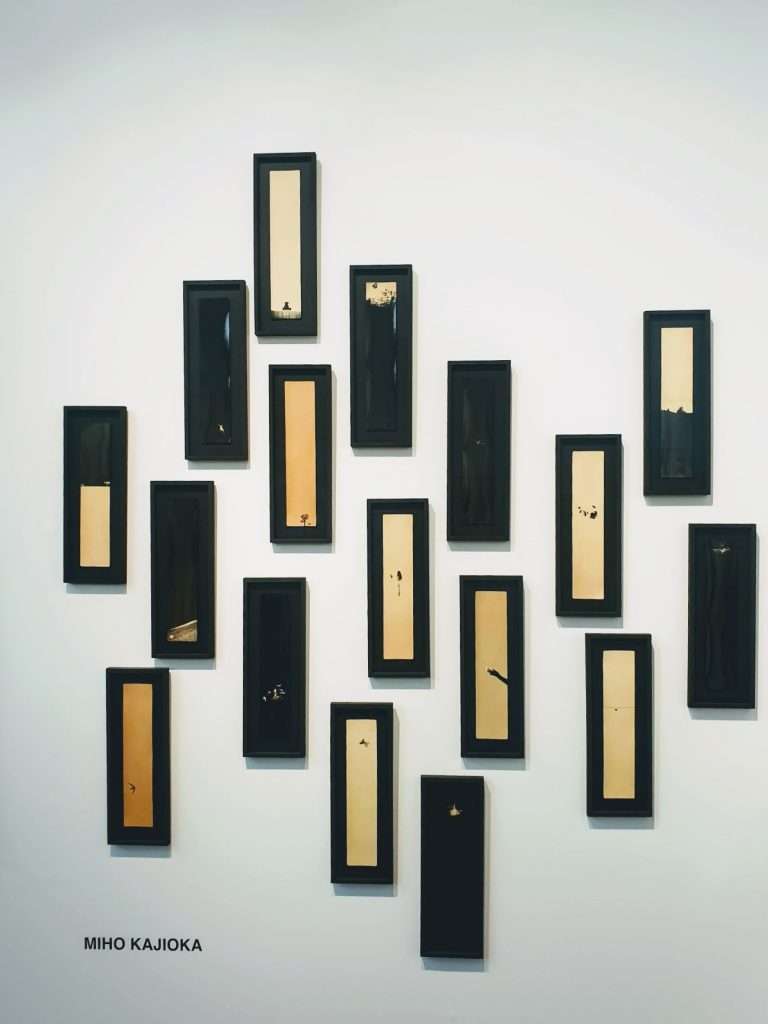
At the (figurative) opposite end of the room, some young and super talented artists were exploring inventive ideas and making old ones theirs, creating far more interesting variety and fun than the household names. Thank you to the galleries hosting them, such as Ibasho, above. I was lucky to meet and speak to a few of those and hope to interview them very soon. Stay tuned.
This obvious divide between those who want to promote art and those who want to promote investment isn't new. But I feel it's getting bigger and will inevitably lead to some sort of divorce not that far down the road. It's hard to imagine the smaller galleries continuing to push young artists in such a high ticket venue. Maybe we can hope for a split and see a photo art fair separate from the oligarch personal buyer thing ?
2. I'm loving Asian artists more and more
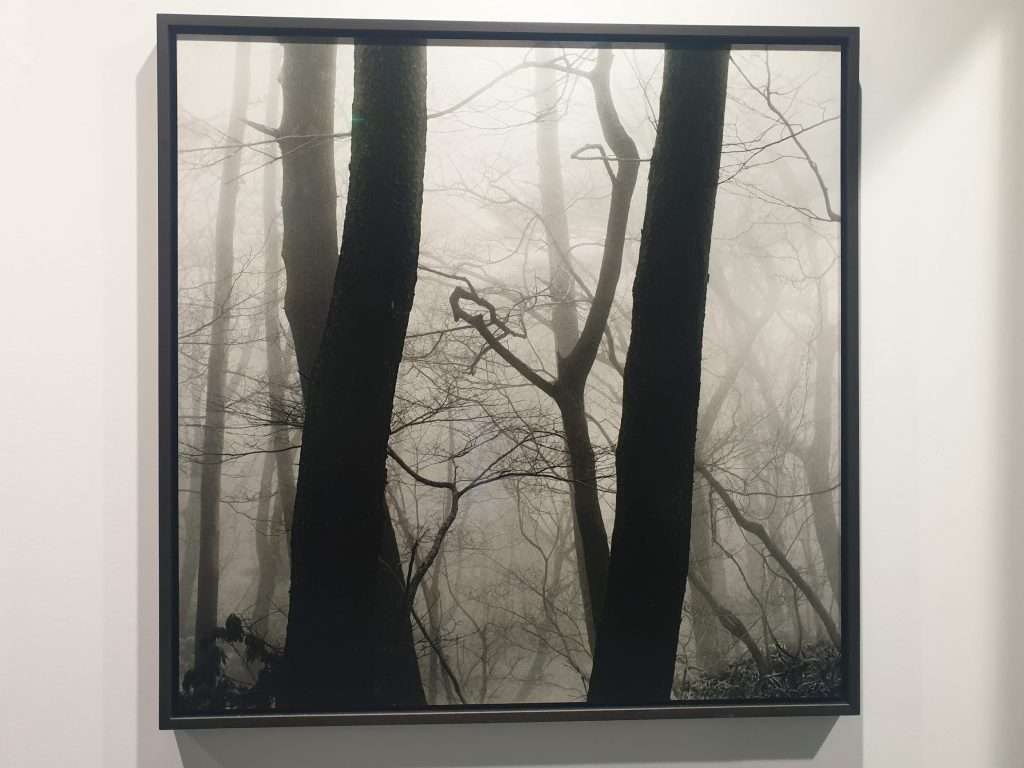
It may be a cliché to state that many Asian artist are poetic, but how else can you say it? Yes, the show had walls of Daido Moriyama photographs on display. But also those lesser known gems and I think they deserve their own show, to be honest. The Norobu Ueki photograph below was one of the most compelling at the show (for me).
3. A minor epiphany
I've regularly written that artists don't care about photographic gear near as much as amateurs, beyond the look it gives to their photographs and how adequate the handling is for their style. But that's an incomplete view.
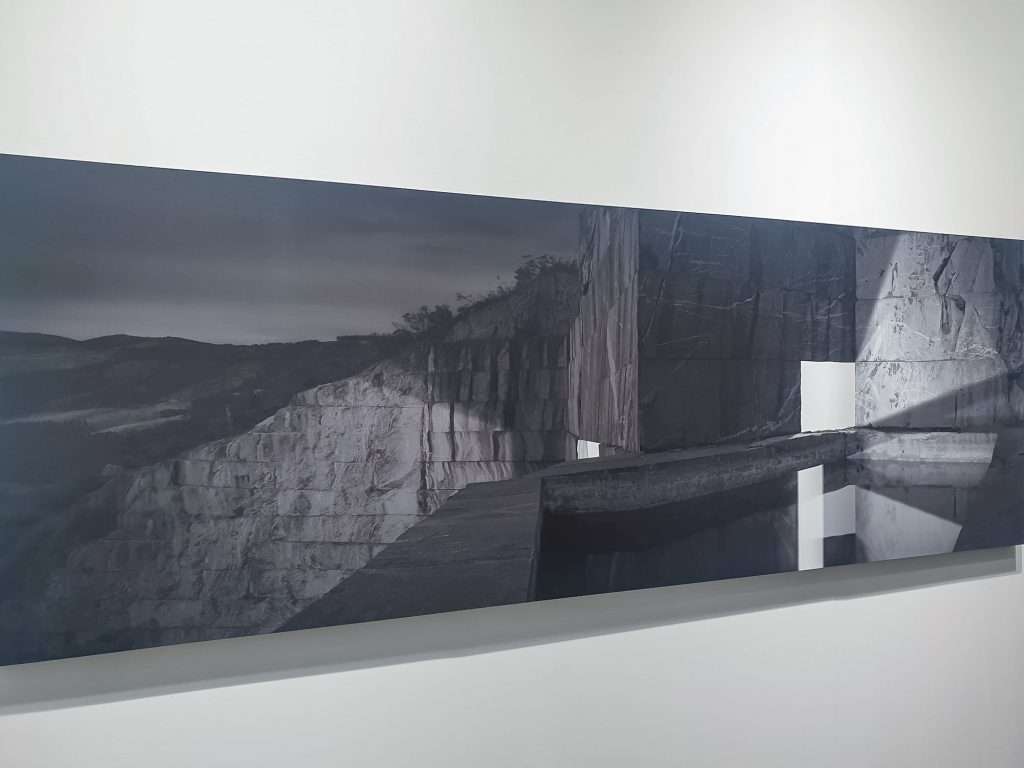
What a show such as this one highlights is the vast difference in final products that come from those artists. Axel Hütte's photographs were borderless and several meters wide. Ed Burtinsky's as well. Ditto one of Helmut Newton and a Nadav Kander tryptich. Print quality? The word efficient comes to mind. Certainly not artsy in vibe.
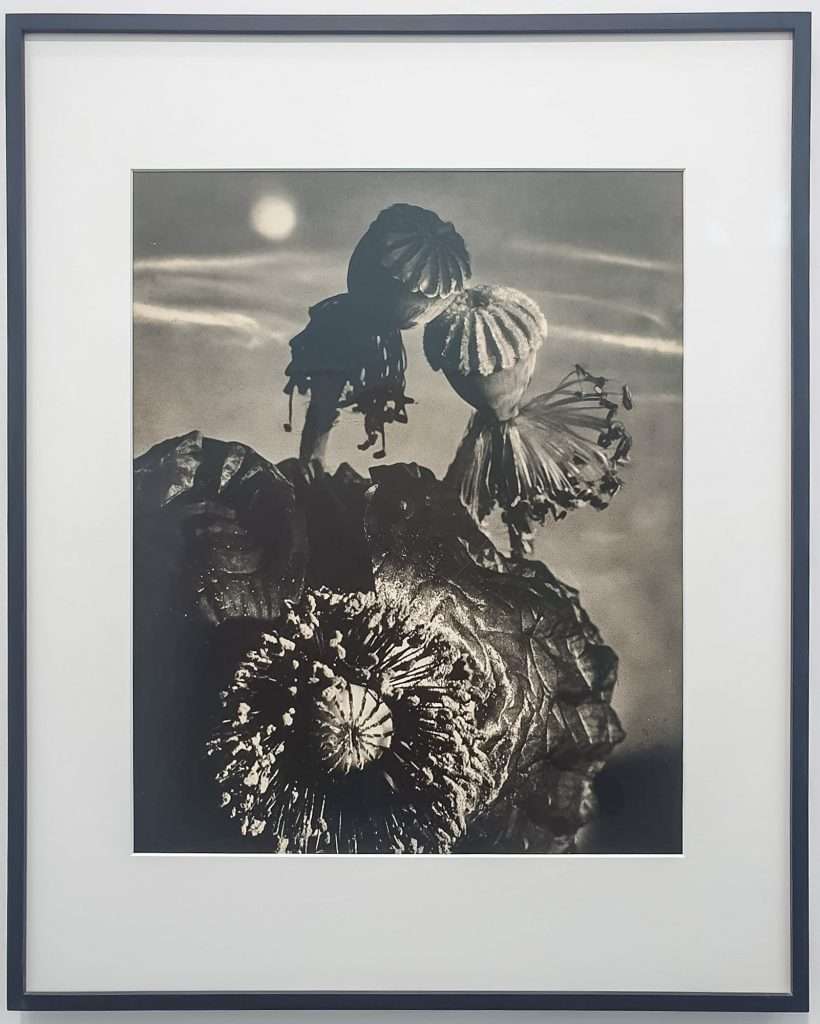
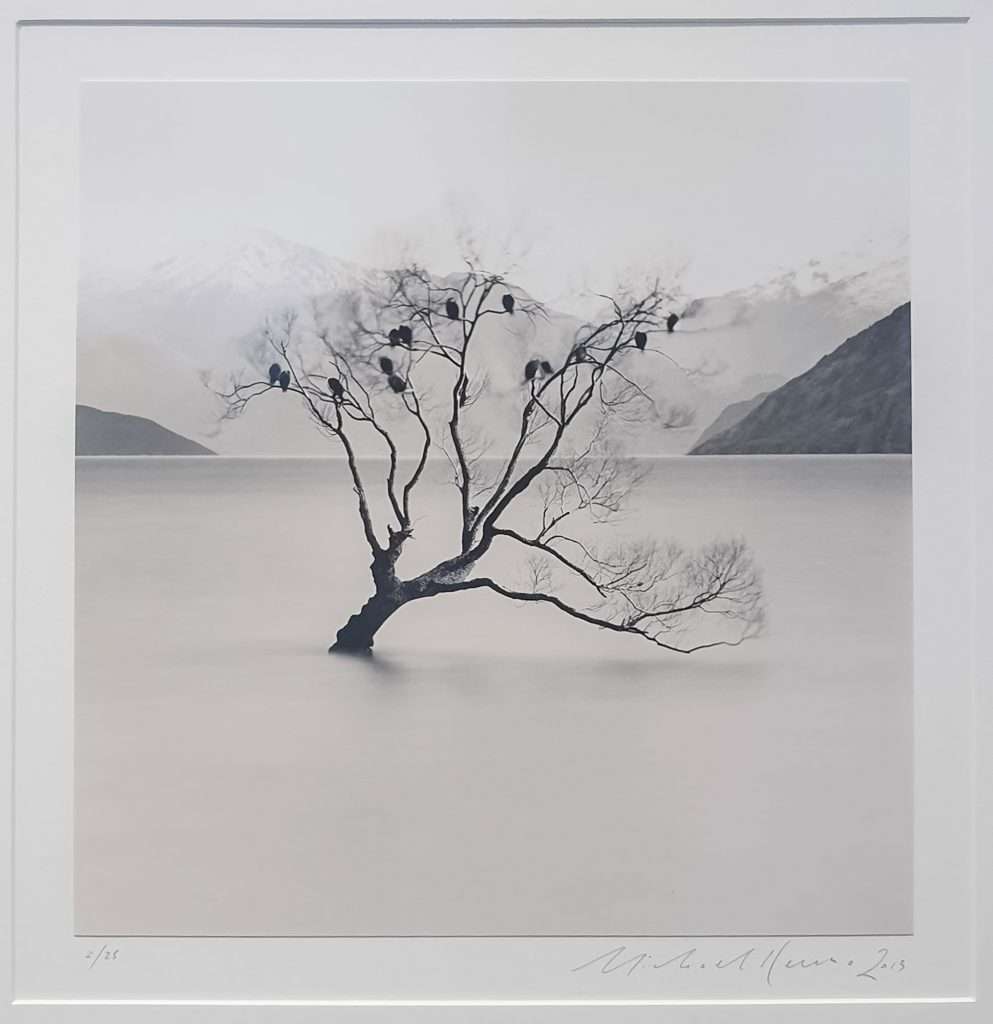
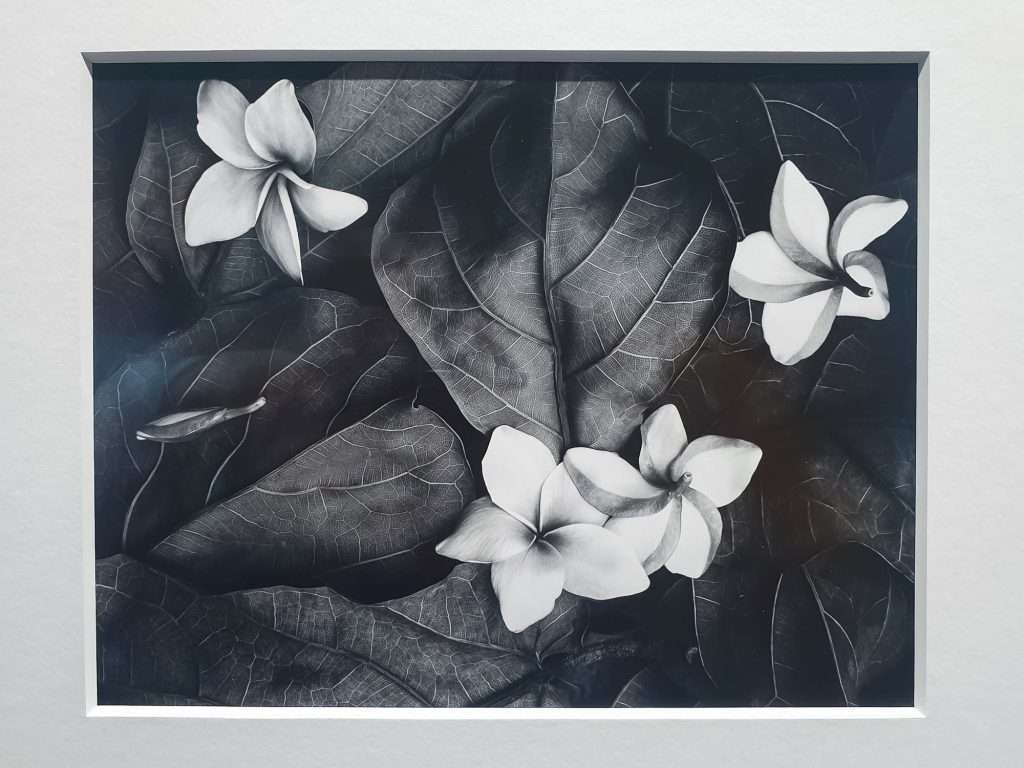
Contrast this with the tiny, delicate, gems sold by Michael Kenna, only a few inches in size (below). And how about the extraordinary photographs created by Miho Kajioka (above)? Uniform strips of what seems to be film, curved naturally by the drying process, that only reveal their microscopic universes when you get right up close to them.
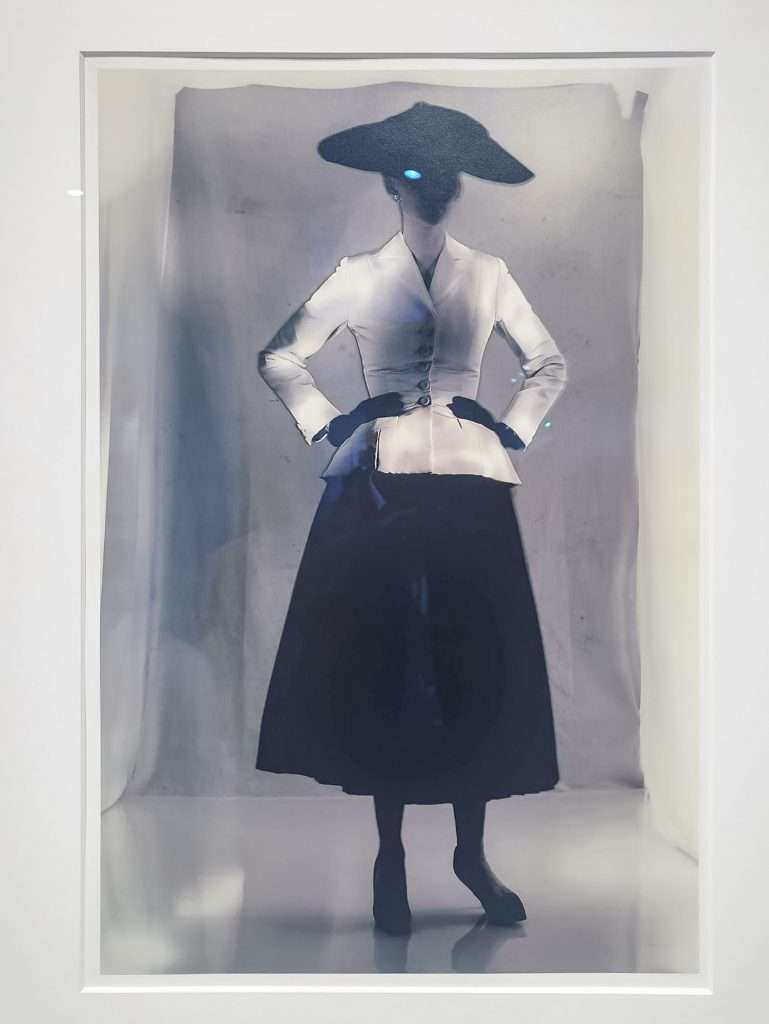
The print below, a Carbon print of a Paolo Roversi photograph, is one of the most beautiful I have ever seen anywhere, at any price. The delicacy of tones has to be seen to be believed.
The prints below, 2 from a large wall-sized collection, are small cynaotipes and palladium prints on gold leaf by Albarran Cabrera. Each is hand made and no two are identical. They were mesemerizing in their beauty.
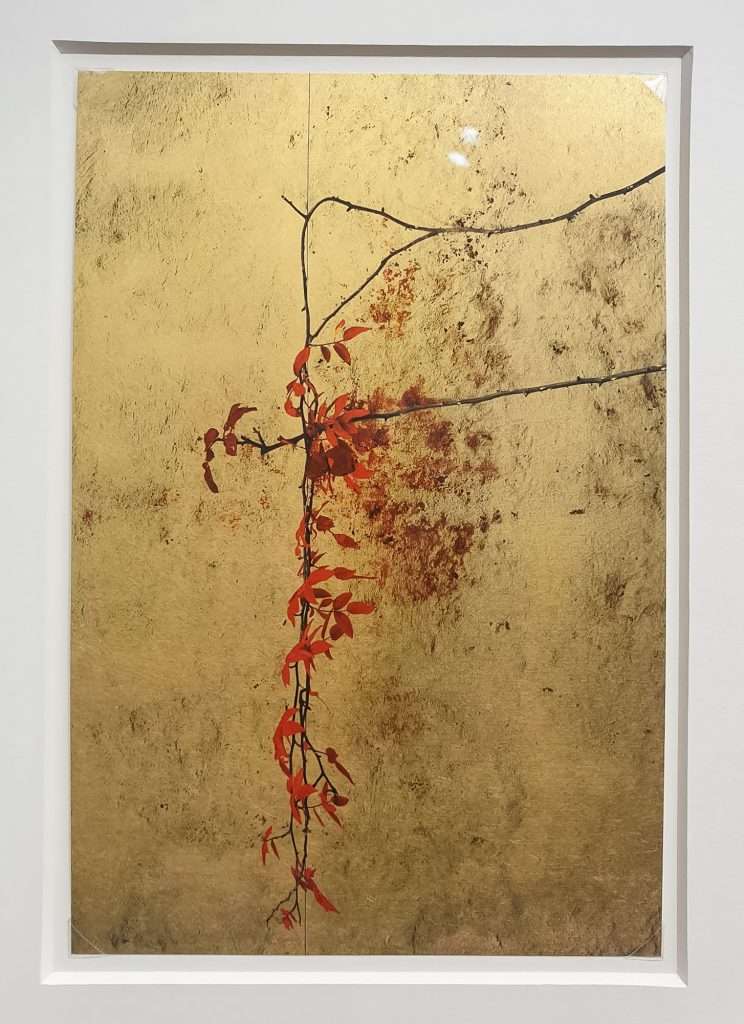
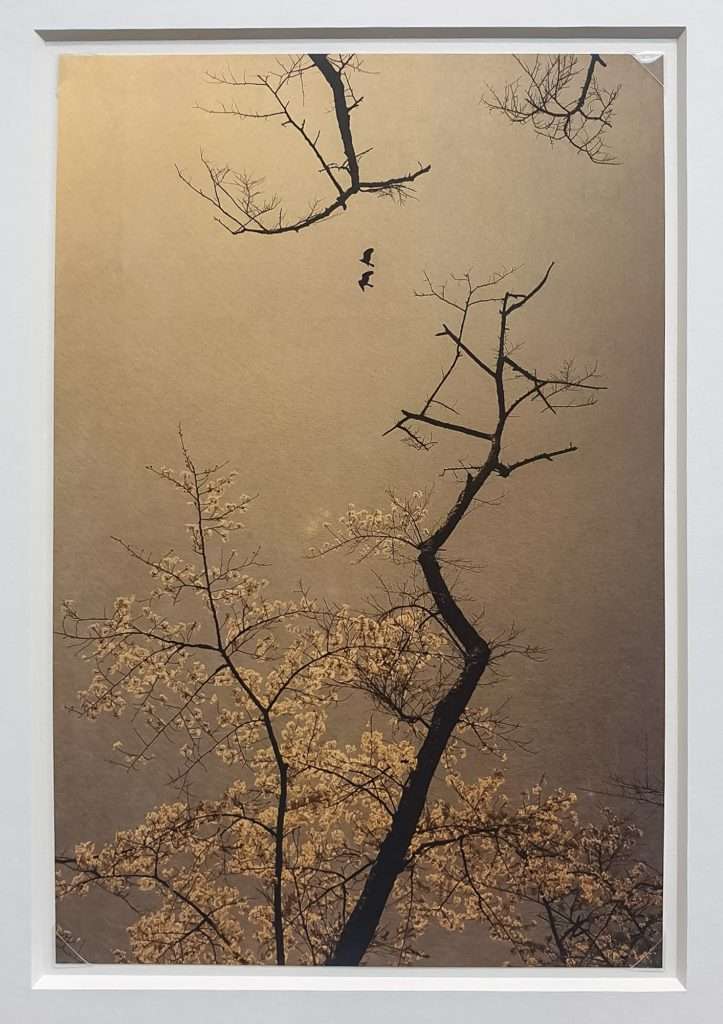
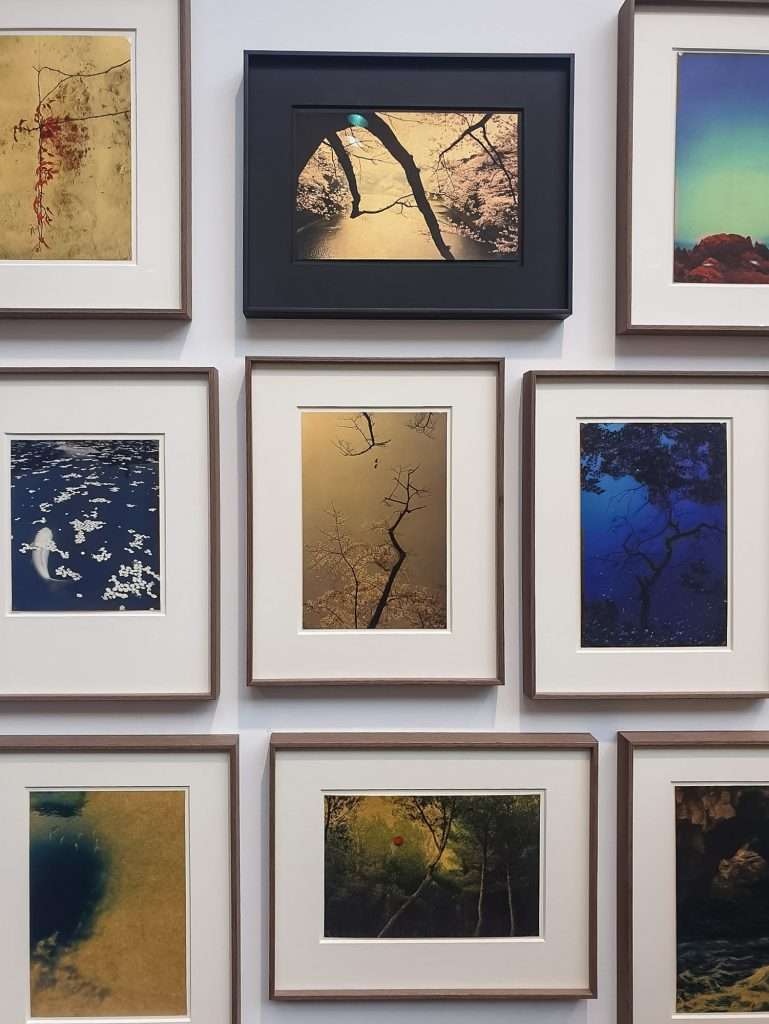
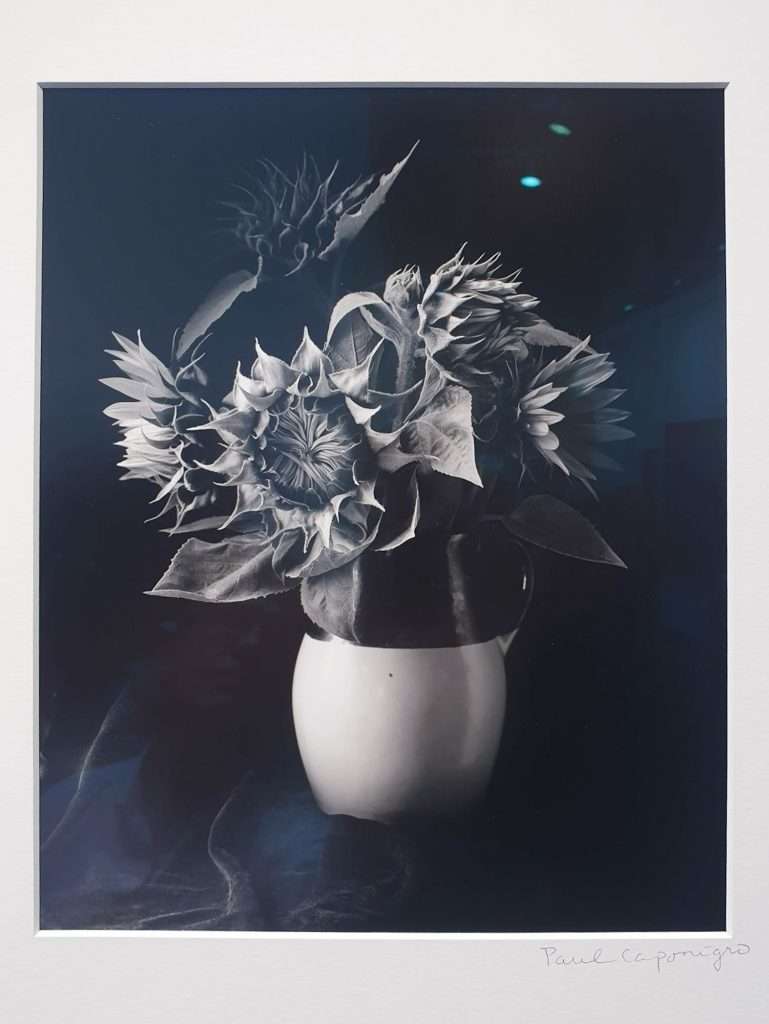
Paul Caponigro, Brett Weston, Don Worth, Sally Mann and several others were there to remind us the value of fine art printing.
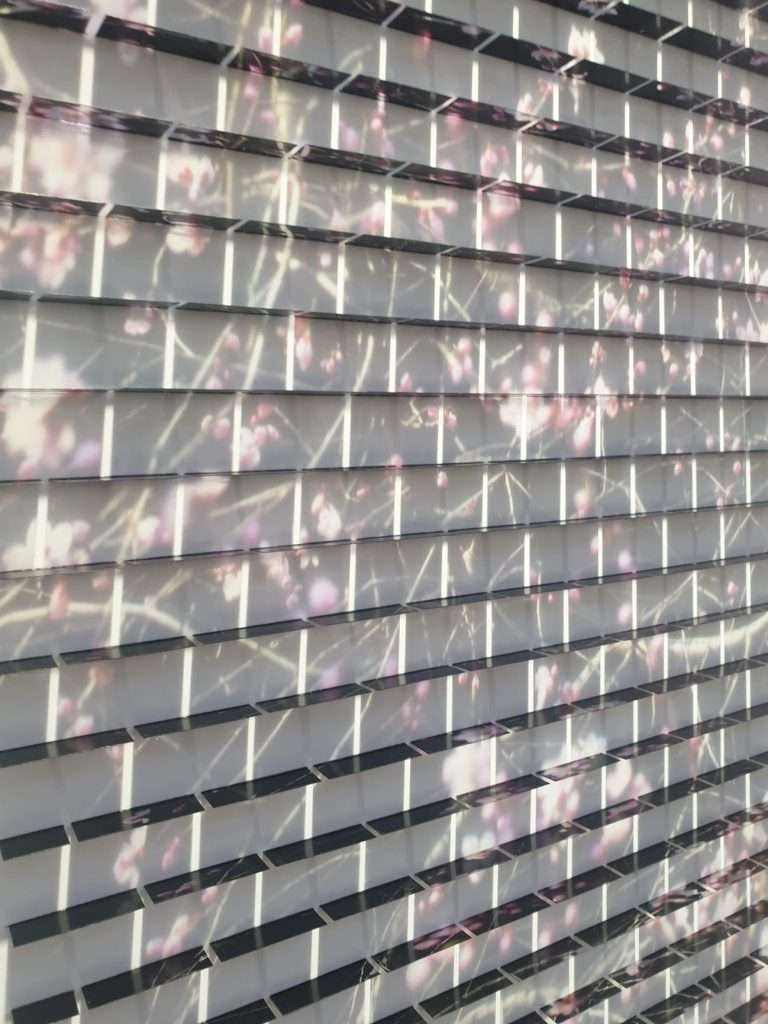
Wang Ningde, below, had cut a positive transparency of his photograph into thin stripes to allow the light falling from above to project the image on the background support.
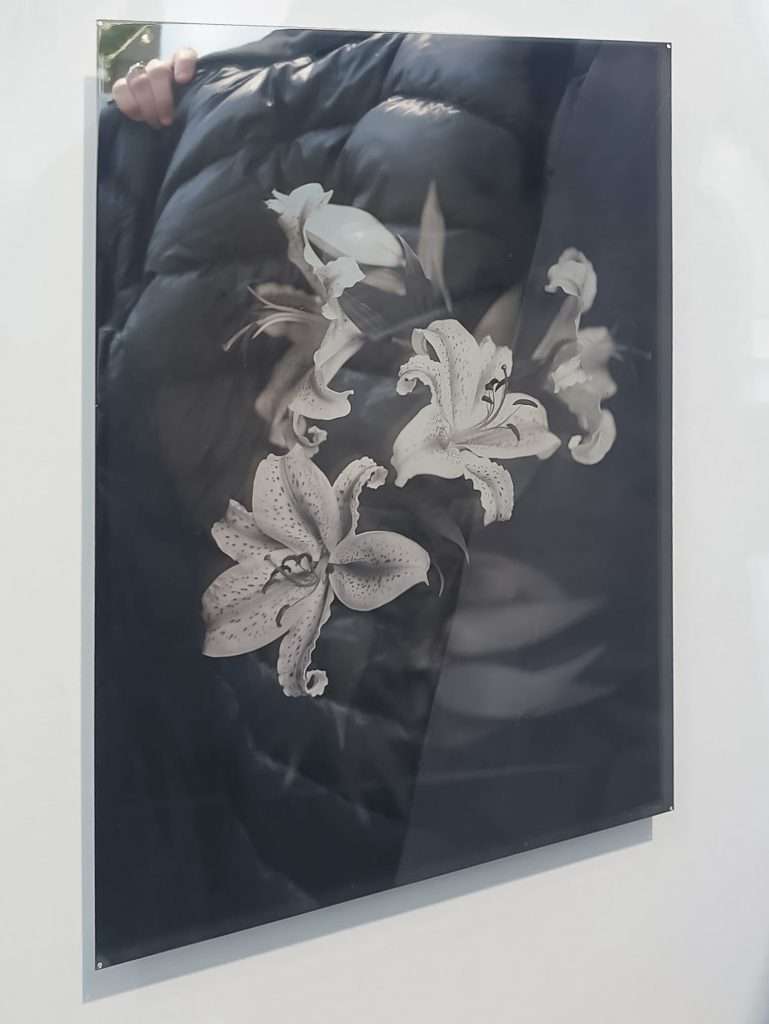
This stunning Takashi Arai daguerreotype was printed onto a mirror so as to produce an ethereal shadow in the reflection (thank you to Caroline for holding something dark in front of the mirror for me to take this photograph).
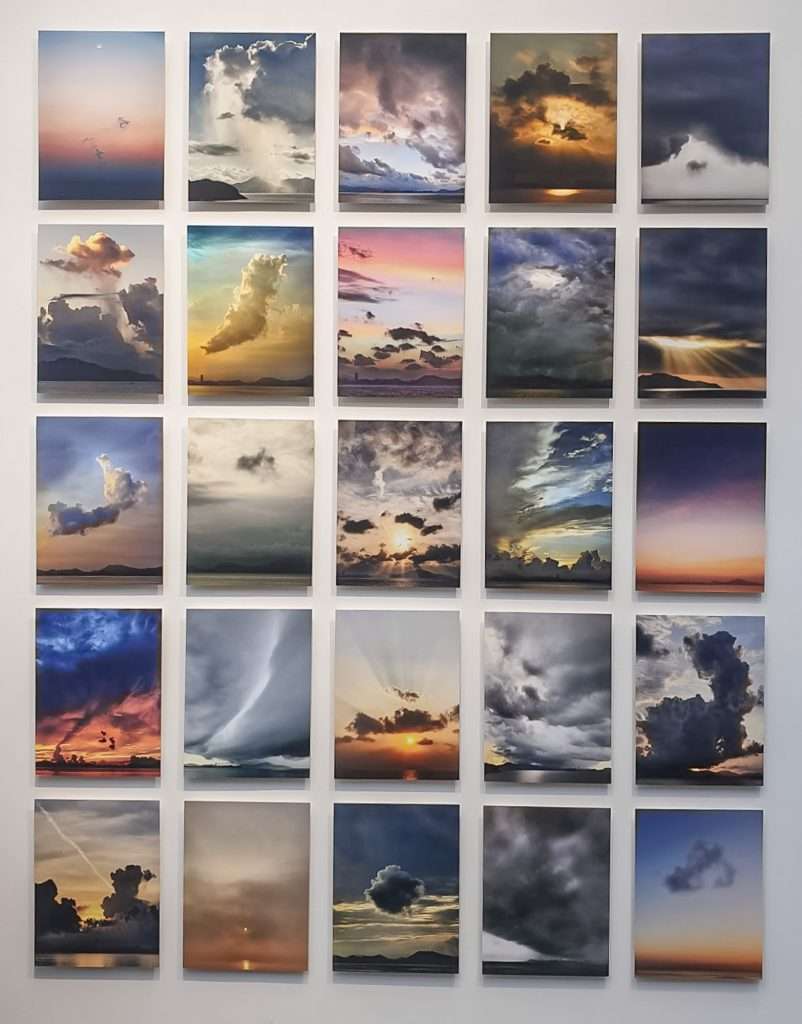
This colourful mural was one of many at the show. Some presented typography-like displays (and actual Becher typographies), others had other ideas to highlight.
And what strikes me now, then, is not that "amateurs think about gear and artists don't". It's more that amateurs think about an image. Whereas artists think about a physical object they are crafting !
That seems to me like a fairer assessment of the difference between the two populations. Also a much deeper reaching one.
Amateurs think forwards. Artists think backwards.
Most amateur see something and are happy to create something nice looking from it, for Instagram or their online gallery, or their desktop printer.
Many artists have an idea of something physical they want to create that involves take a photograph, and work their way back to the shoot from there. A gear/car manufacturer will want to sell this new thing that has 6 seats, weighs less than 1200Kg, emits less than an ant fart of C02 per week, looks typical of the brand and can be based on an existing chassis platform. Likewise, an artist will have seen something (fishemen nets, prison windows, an 18th century painting, an beautiful platinum print, paint peeling of a rusty car ...), will have an idea, a topic to explore and the two will click into a final product in his/her minds eye. From there, a building process will begin that may include a Nikon camera, a view camera, a pinhole camera, certain papers, certain chemicals ...
This is not the case of all artists of course. Some just care about the intent, (particularly those with photojournalistic roots, such as Newsha Tavakolian, whom I met there), the meaning conveyed by the image, and not by the physicality of its support. But shows such as Paris Photo or London Photo do have a lot of exhibits that rely heavily on craft. And those are certainly the photographs that draw me in most.
Salon de la photo (Philippe)
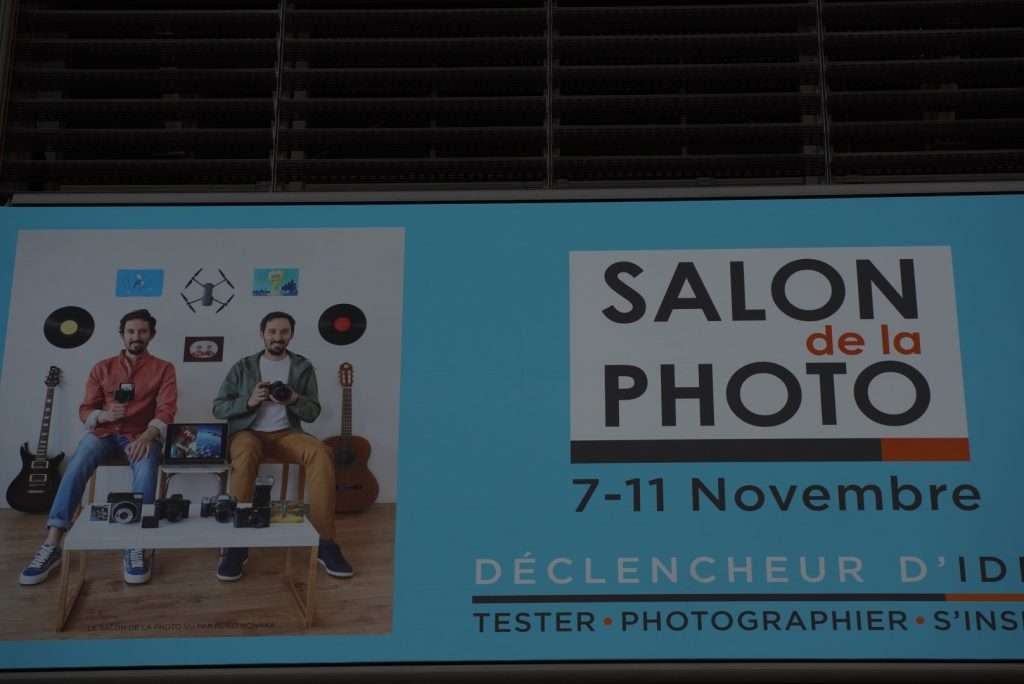
Thank you Pascal for posting such incredible pictures by great masters, and then saying: "you go next!". That is called being sent on the graveyard shift...:-) But here goes. Exhibitions are on the way out across all industries. The Internet is stealing their thunder in how prospective customers gather information on potential purchases, and manufacturer no longer use them to highlight new product introductions.
The Salon de la Photo was/is no exception, and one exhibitor told me that in 2 years it would move to a less expensive location, while the future of Photokina itself appears to be in doubt, as many exhibitors are cancelling their booths.
So, what was there to see? First, for a gear show, a lot of un-gear. Magazines, pictures one could buy, clubs, anything even remotely related to photography. And, even among the gear, lots of un-camera stuff. As though the space share of cameras gets ever smaller. Reason for that may have been that there were no new products, by that I mean none that hadn't already been reviewed -nay, dissected- on the Net. No Zeiss ZX1 camera, for example. So, who/what did show up? Canon had a sprawling venue, with a sideshow for its mirrorless EOS-R mirrorless line. Sony and Panasonic showed up big, as did Fuji, Nikon a bit less so, with focus on the Zs, and Olympus seemed almost an afterthought. Rumours that they will shutter the business within months can't be helping. Leica had a smaller booth, which is to be expected, and Hasselblad an even smaller one. Plus the usual lensmakers, Zeiss, Tamron, Sigma on their own space, and others like Samyang or Irix on their distributors'. 3 dealers/stores seemed to be doing a brisk bit of business, probably infuriating their competition.
If products were nothing new, meaning nothing really, really new, then why bother? To see what the Salon had to say as a harbinger of things to come. Here are my rambling takeways [in my best Hugh Brownstone voice]
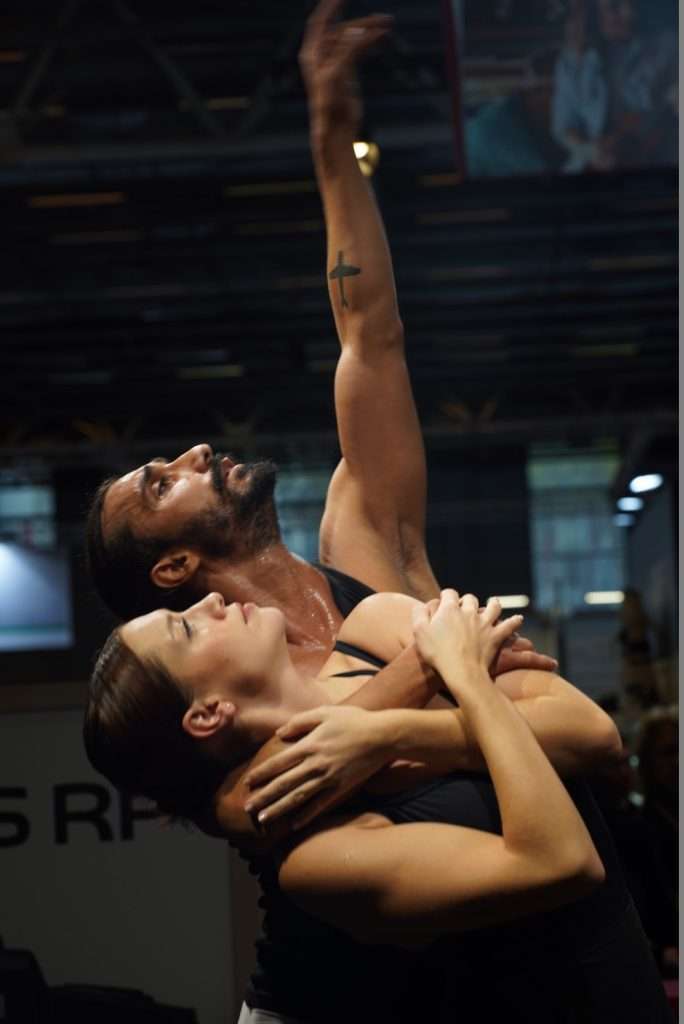
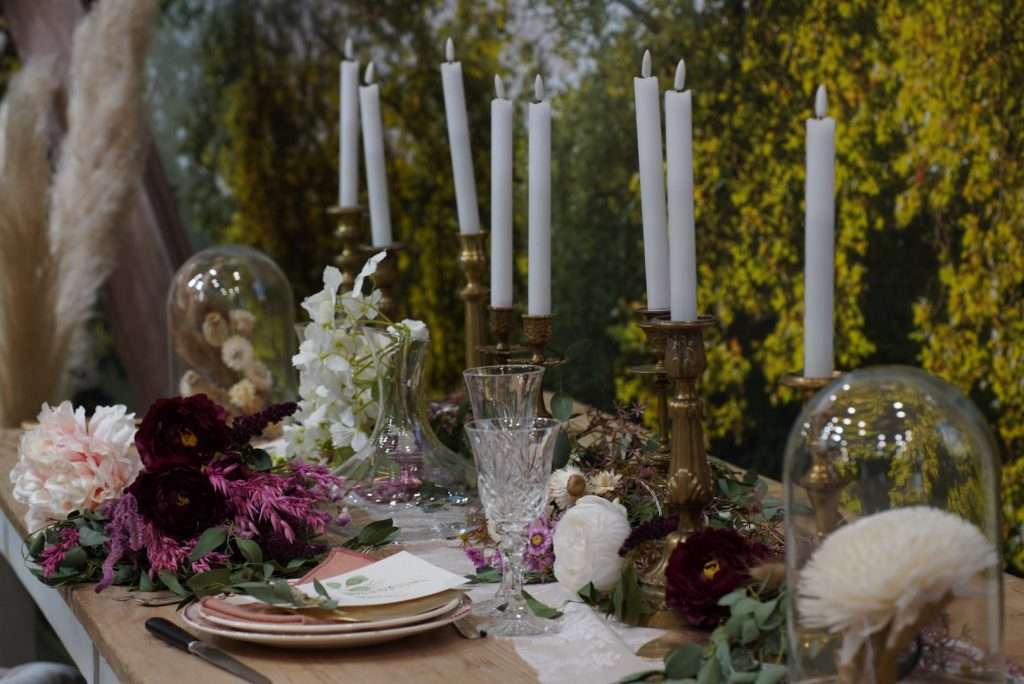
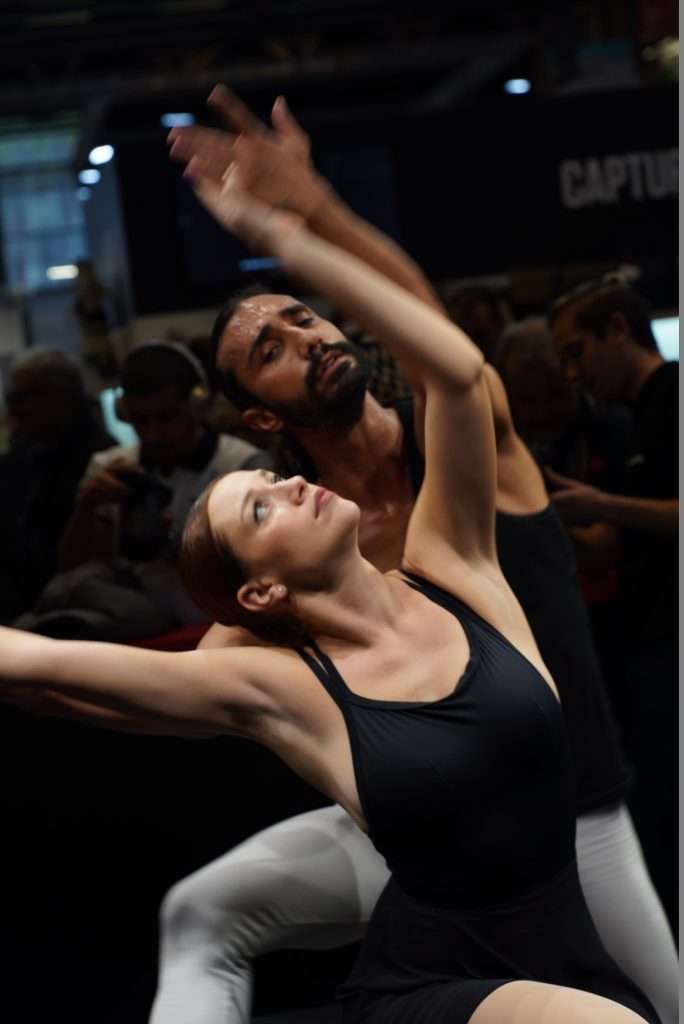
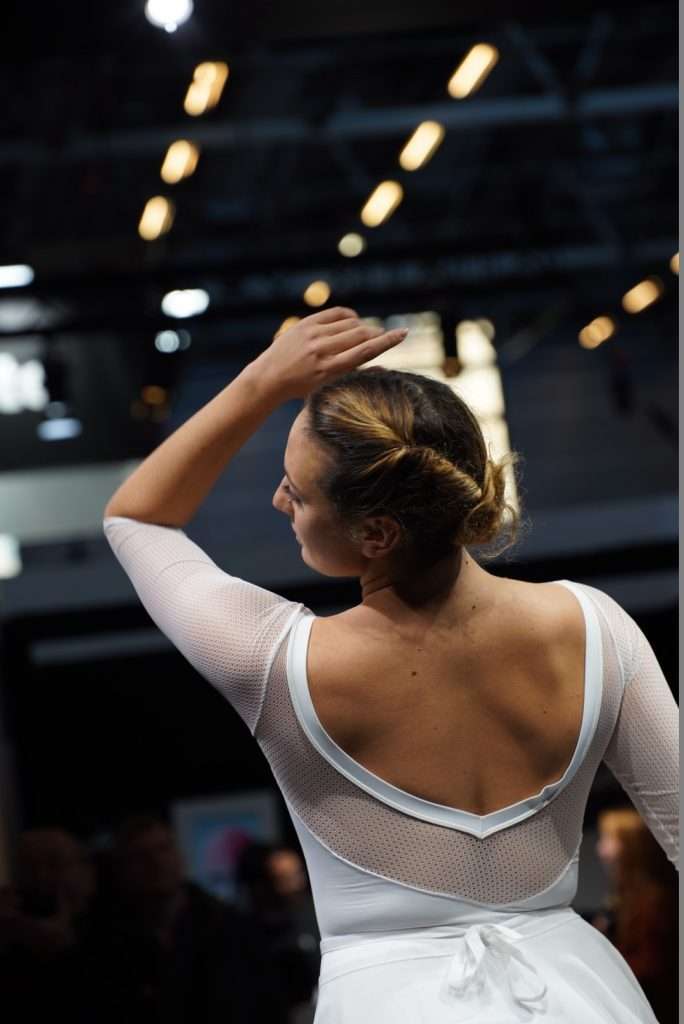
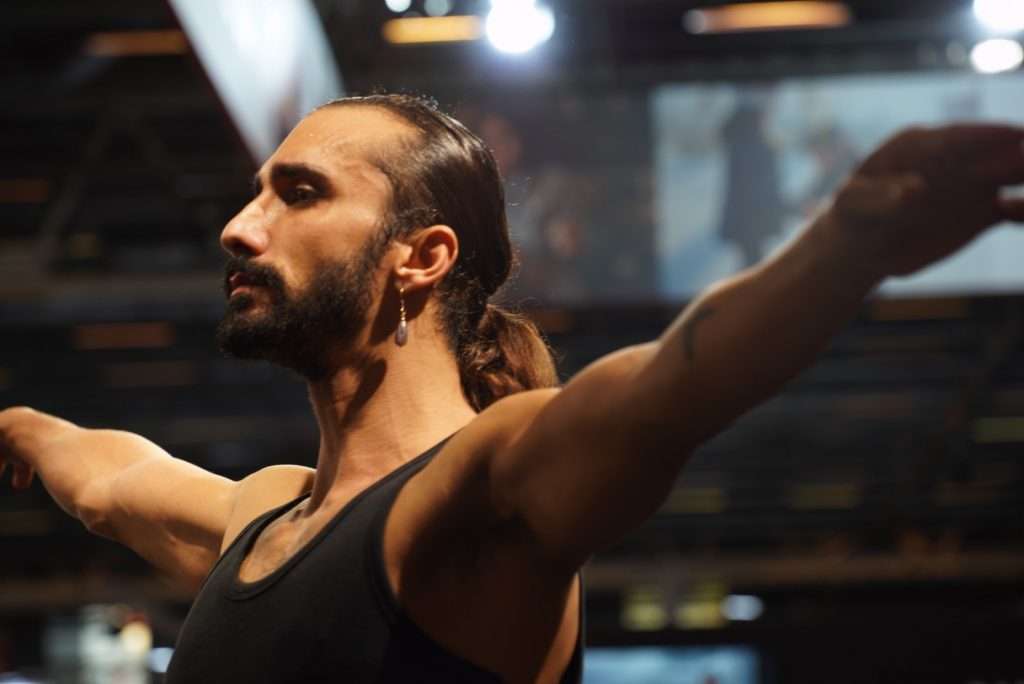
Canon had a stage, with 4 dancers performing gracefully, while Nikon, Fuji and Sony had public speakers extolling the virtues of their products, and Sony let one shoot a richly decorated table. Guess who got it right, and attracted the crowds? It was in a way symbolic of an industry hawking a mature product: people are past learning, because what is new is felt to be pretty marginal, and customers know that manufacturers are spouting marketing nonsense to try and off-load new products that don't bring that much that is new and meaningful/useful. Rather, customers revel in using what they have...thank you Canon!
Manufacturers, overall, seem to try to lure customers in one of three ways.
- with performance. Typical is Herr Doktor Peter Karbe's interview (he is the leader of lens design at Leica) with 3 Blind Mice and an Elephant. https://youtu.be/yilmHb7gx10 He defines the specs of Leica's best glass, apparently for the SL/SL2/L mount as (1) highest performance, and (2) autofocus, and (3) industrially manufacturable. Highest performance for SL primes is defined by him as maintaining at least 50% contrast across the frame at 60 lpm. Just that. Pure quantitative performance. That in itself would be enough to kill off Leica's legendary designer Dr Mandler if he were still alive. Another example of performance-based marketing are Fuji's efforts with the GFX 100. It certainly looked the part of a super camera. Super big and heavy, with super resolution (100Mp).
- with personnality. While some lens makers try to offer "the same as the camera manufacturers for less money", like Tamron, Sigma or Samyang, some try to offer products that are distinct, either in what image niche they aim for, or in how they render images. Such as Voigtlaender, Laowa, Irix, 7artisans/TTartisans, and more to come, like Rumiere (a 75mm f:0.95, how does that grab ya'?)
- with process. Obviously, it is the simplicity of the process that makes smartphone photography such a runaway success. Some camera manufacturers, though, are also trying to play that card in another way. Think of the difference between manual focus and autofocus. Think Fuji with their presets and film emulations. Think Hasselblad and slow photography. Think Zeiss and their all-in-one ZX1, at least on paper. Think AI in post processing, as with Luminar or Anthropics.
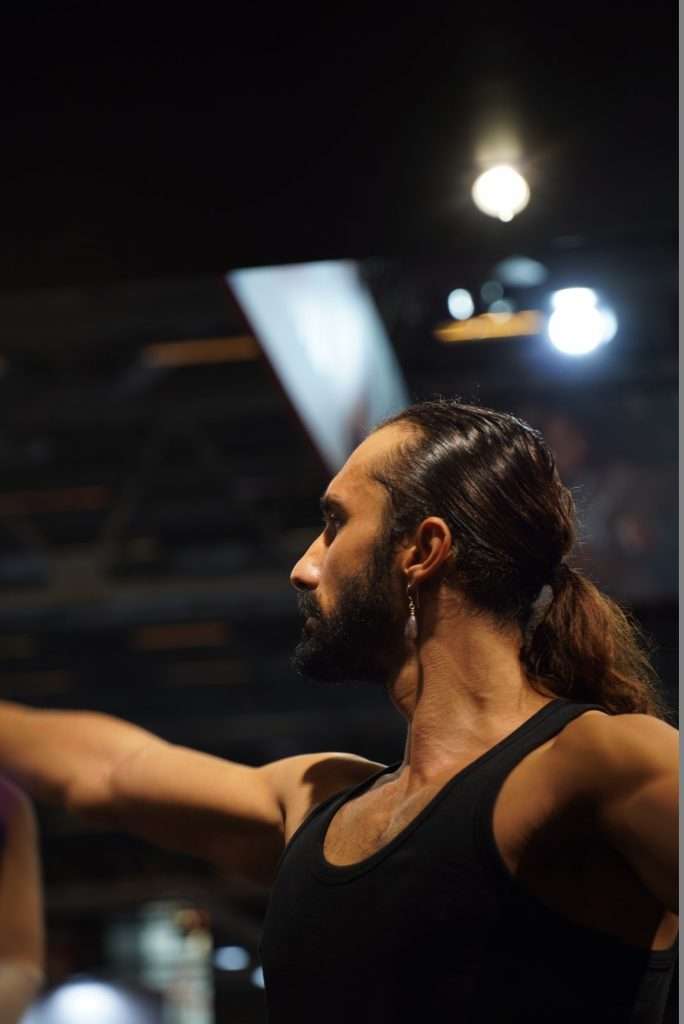
So, as a summary, this visit was like a version of Poe's Masque of the Red Death. Dancing within, the better to keep death outside. But it has already quietly slipped inside, and begun its insidious work of destruction.
For, for all the above, let's not forget one chilling fact. The camera industry peaked out with worldwide sales volume of 120 million units. This year, it expects to sell 15 million cameras. As Marilyn would have said: "something's got to give!".