
#926. The Challenge of Smart Cameras
Yes, Apple has made some improvements to its smartphone camera performance, but how significant are these - and to whom?
The new iPhone 11 camera specs:
- Camera 1: 12MP wide, f/1.8
- Camera 2: 12MP ultra-wide, f/2.4, 120-degree FOV
The iPhone 11 Pro and Pro Max
- Camera 1: 12MP wide, f/1.8
- Camera 2: 12MP telephoto, f/2.0
- Camera 3: 12MP ultra-wide, f/2.4, 120-degree FOV
Let’s start with the language. It would be a great help to potential buyers if Apple et al were to come up with a consistent and meaningful nomenclature for its smartphone cameras and lenses.
The term “telephoto” is widely used regarding Apple 2- and 3-lens camera-phones to describe what is, in fact, only a “normal” lens. In fact, the term “telephoto” is used wherever a roughly doubling of the main camera lens – i.e. the wide-angle lens -- on a smartphone camera is discussed or employed. Nor is Apple’s “telephoto” a portrait lens, though the phone’s menu indicates as much. It’s a 52mm angle of view equivalent lens, with nothing like the depth of field control that we would expect from an f/2.0! This means it sees very much the same way our eyes see the scene. Ditto for the iPhone Xs-Max, which uses more or less the same two camera lenses as on the 11 Pro.
Panorama mode on the 11 models can only be activated with the wide angle lens, which I have always found limiting except for indoor shots since it would make that which appears small, smaller. Panorama mode ought to be an option for the so-called “telephoto,” which would create more normal appearing perspectives as well as being able to display more there. On the other hand I am not averse to preparing shots for later panorama merging with third party software.
The important differences, as I see it, between the Xs-Max and the 11, 11 Pro and Pro Max are its updated software for better dynamic range, primarily by way of its "Deep Fusion” contrast control, a “Night Mode” option, and the addition of an ultra-wide angle lens for all three models. This latter, however, strikes me as a gimmick, not only because I gave up on ultra-wide angle photography a few years ago, but because it’s impractical for small device sharing displays. How do you see what’s going on when everything has been reduced to the size of a gnat. Why not simply use panorama mode! And, I would argue, that it is especially pointless for landscapes since the resulting image does not represent the view that generated that “wow” response when we first came upon the scene. In the hands of people other than experienced photographers, the ultra-wide lens becomes little more than a toy.
Ina stroke of marketing genius, the iPhone 11 substitutes the ultra-wide13mm equivalent lens for the “telephoto,” (which is the third lens thatcomes with the Pro models) thus requiring the serious smartphone camerauser to acquire one of the two Pro models. This in addition to the factthat the display on the 11 is LCD but on the Pro models, the display isOLED, which I have come to appreciate on the X-Max. (More on thedisplay in a bit.) I realize that users have different preferences. Minelean strongly (at least 8:1) to the use of the “portrait” lens (muchthe same as the 11’s “telephoto” ) over the “main” lens on the X-Max(similar to the “wide” on the 11). By the way, I don’t use the“portrait” lens all that much for portraits, but for basic street andlandscape photography. The iPhone Model 11 is, therefore, anon-starter.
An aside, digital.CameraWorld.com weighs in on the subject, thus:
Sodo you need the longer 52mm equivalent third camera on the iPhone Pro?If you have an older iPhone with a second telephoto camera you’llalready know how much use you get out of this and whether it’s somethingyou need. Camera phone photographers is typically immediate, up-closeand wide, though, so a longer focal length may not be as important as itis on a regular camera.
Yet all the images they show to demonstrate the camera’s capabilities in this regard are anything but.
Overthe years, the main lens on Apple’s smart phones has seen increasinglywider angle of views from about 32mm equivalents on the iPhones 5 and 6,to about 28mm with the 7+, 8+ and X models to 26mm for the Xs or Xs-Maxand 11 models. Depth of field, despite the fixed wide aperture, isdeeper than we might expect due to the small size of the sensor, whichis why smartphone camera photos tend to be in focus, front to back, and,no doubt, what has contributed to their popular appeal. A fixed wideaperture also has the advantage of better low light photography, as wellas inviting faster shutter speeds, thus helping to combat a tendency tocamera shake, which is inevitable given how one has to hold it toshoot. Shallow depth of field, on the other hand, which is importantfor serious photographers, has been difficult-to-impossible to achieveexcept by way of software manipulation, and then only if the subjectfills a good part of the center of the frame. This requires somethought and planning and time on the part of the user, so it is nowonder that Apple has dropped the designation “portrait” in favor of“telephoto.” Not that we have any better control over depth of field,but at least there is the suggestion that thought is no longer necessaryto use the camera.
Itake it that a longer focal length is not practicable due to thethinness of the phone body, thus folding and periscope lens designs fromcompanies other than Apple, and the "optical zoom," which I can tellyou from past experience can be drek compared to simply cropping theimage. I say this while other companies are releasing high resolutioncameras with outstanding optical zoom capability.
Thematter of “zoom” is a ready subject for another lexo/photographicalaside. It is important to understand that an optical zoom does notbehave in the same way as a zoom lens. An optical zoom progressivelycrops the image, filling the frame, while losing resolution in theprocess; a zoom lens provides an infinite progression of focal lengths,filling the frame while retaining resolution. There are essentially twoways to make up for losses resulting from an optical zoom: [a] beginwith a staggering degree of resolution at the wide end, thus permittingup to 8x “zooming” whilst ending up with an acceptable number of pixelsfor the “telephoto” image crop - this is the solution provided byOne-Plus, Oppo, Huawei and Samsung; [b] begin with a modest resolution,limit the amount of zooming to 2.0x or so, and make up for losses withinterpolating software - this is Apple’s solution, and within itsintended parameters, works well enough.
Allof which takes us to a discussion of the target market for this camera:device sharing photography, where post-processing is performedinstantaneously or by the user with the phone's software. The imagesare not assumed to be printed, which, at 12 MP, there certainly isplenty of res for (8.5x11 without resing up!), nor for work stationprocessing . . . which reminds me, before I forget, to comment on theOLED display for the two Pro models. There is the pleasure and certainutility to a brighter display for the photographer, no doubt, but thefact is easily ignored that the only people who will appreciate theextra brightness and improved color contrast are those that own thiscamera or others with this display. Nothing of this advantage istransmitted to friends unless you hand them your phone to look at yourpictures.
Somuch about this device is intended to provide immediate, automaticgratification, a trend that I've become increasingly concerned about,especially as it applies to Internet social politics and awareness ingeneral. The fact that this is all achieved by AI is all the morealarming. People are increasingly being encouraged to give up criticalthinking, which is a necessary condition for photography, as it is foroptimum survival.
Isay this as Apple invites a great number of user options to commandthis or that effect and pre- and post-operations. Yet I find theirinclusion suspect. Your average smartphone user just wants to choosethe lens for the best angle of view, and if someone or something is toosmall to see properly they can always be enlarged with a two-fingerspread. As for us photographers, expect for Apple’s built-in,judiciously applied HDR, which I do find useful to control for blowingout of bright light values, many of the other options are better servedon one’s computer. Such is my opinion. Your mileage may differ. It allcomes down to the objective of smartphone photography, which I shallreturn to shortly, following a brief confession.
Truthis I find I use my iPhone camera about as much as I do my “real”camera, but as a camera rather than for instant sharing of my life. (Perhaps if I had a life, I would see this differently!) Even so, fewsmartphone photos make my screensaver gallery, let alone prints.
So,you may well ask, what do I see is the value of smart-phonepicture-taking? There are two: the first, and by far the more popular,is to replace the wallet for the sharing of snapshots — which sharingcan be performed remotely. This is way cool and offers possibilitiesthat remind us what century we are in. In so doing, however, files aregenerally resized downwards, making the point of high resolutionsmartphones moot. Do we really see qualitative differences in imagesdisplayed from smartphone to smartphone, especially once shared by Mail,Twit, Instagroupy, or Googly Photos, that are not attributable to thedisplay itself? I suspect not.
Thesecond is to use for photography when a serious camera is impracticalor, simply, not handy. After all, we usually have our smartphone withus, but not always our camera. The resultant photos can, and should, bemanipulated in post, if for no other reason than to maintain ourcritical thinking skills.
___________________________
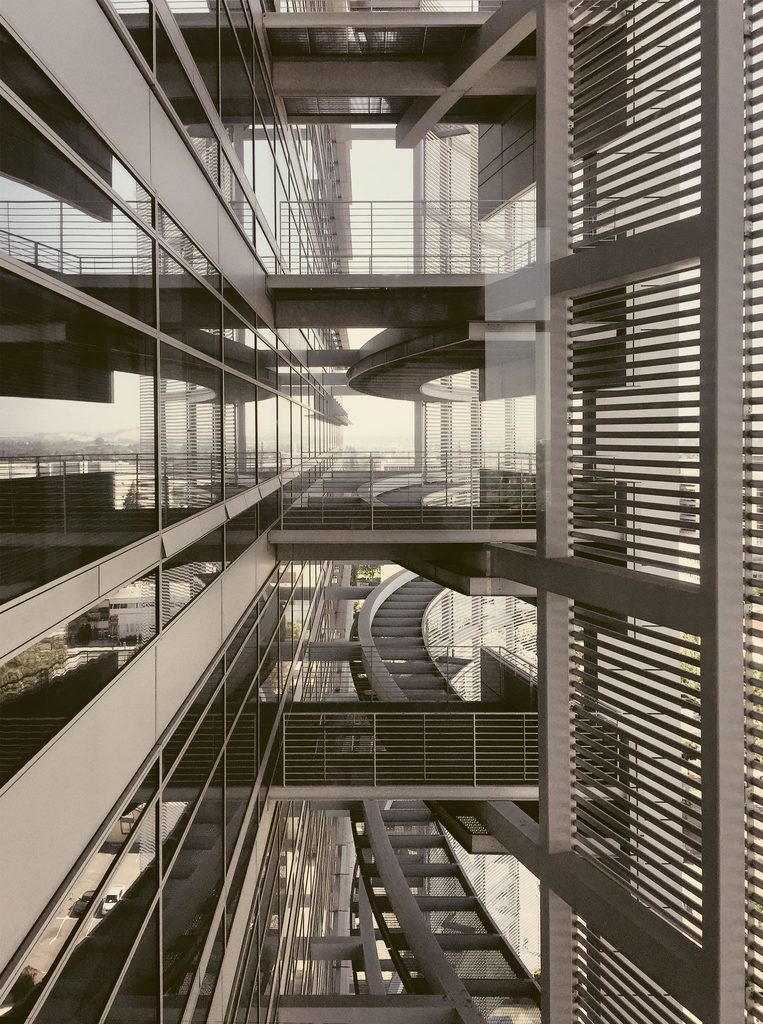
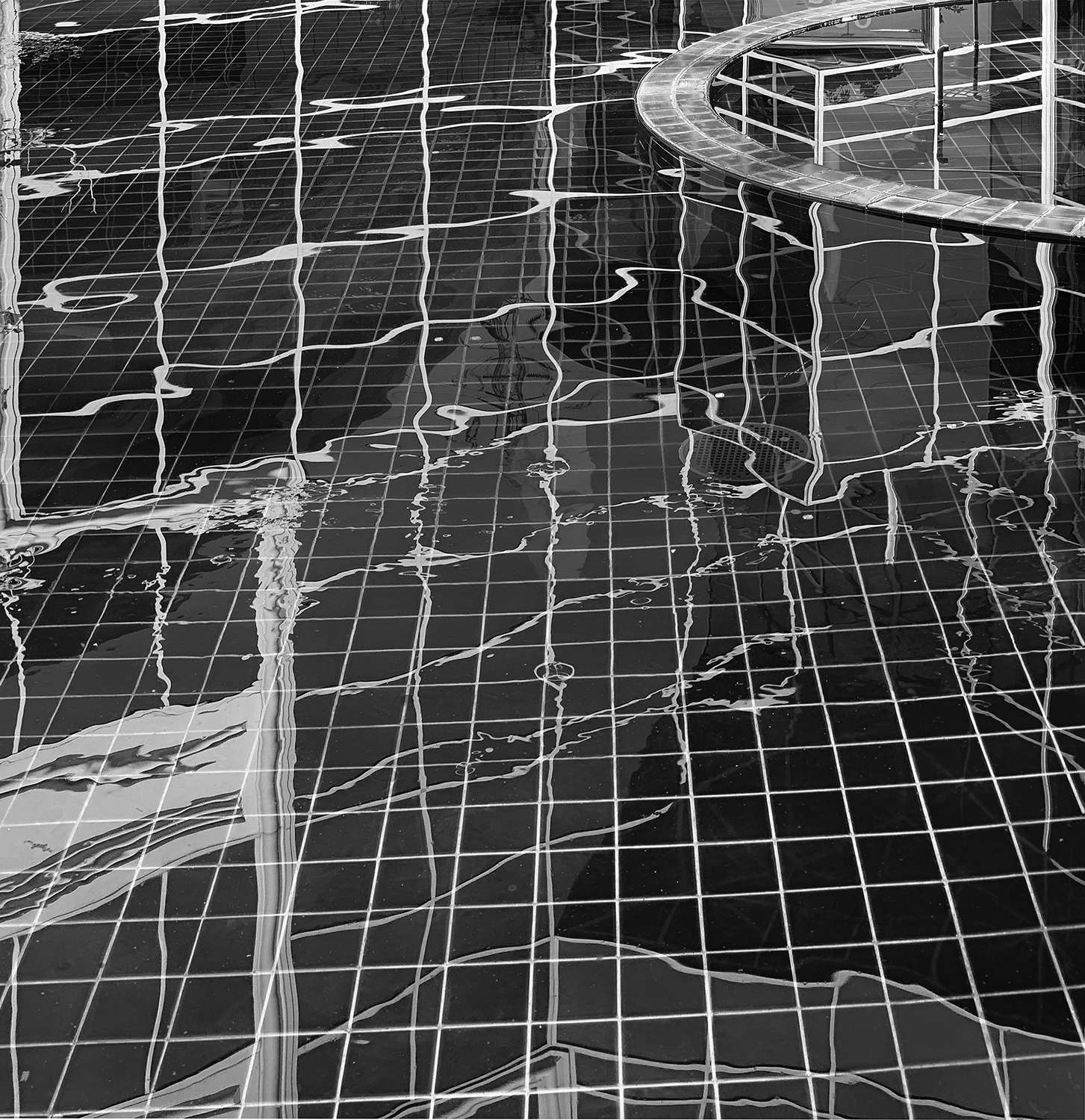
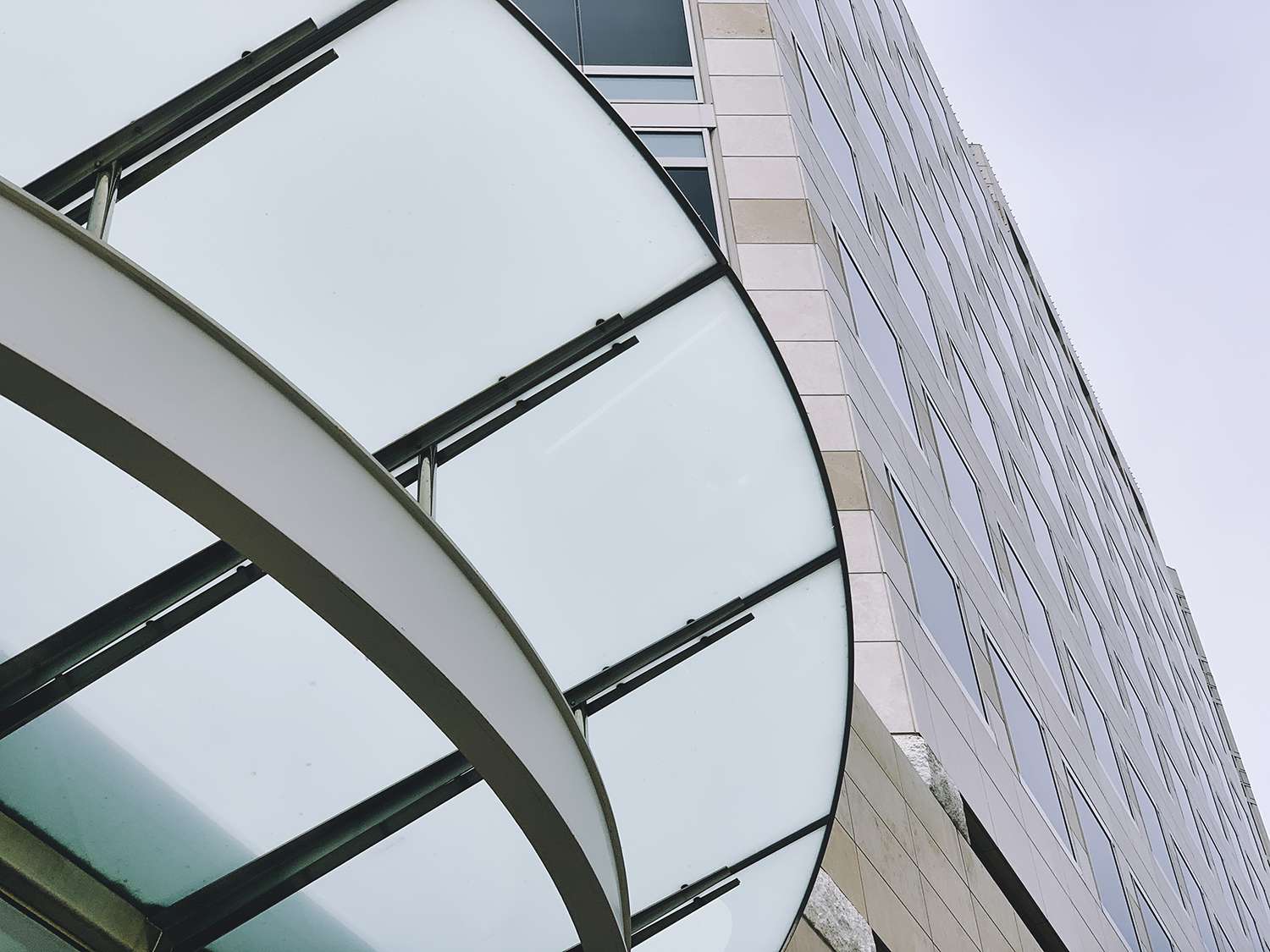
I submit a few annotated photos thus shot with the Xs-Max and post-ed:
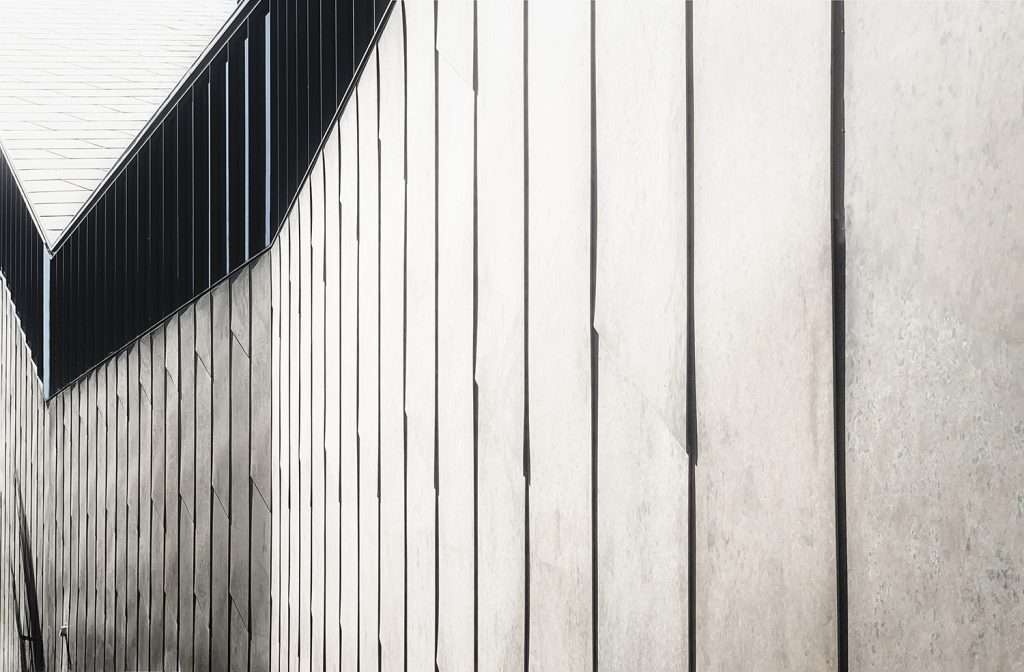
Now, two pairs of befores and afters:
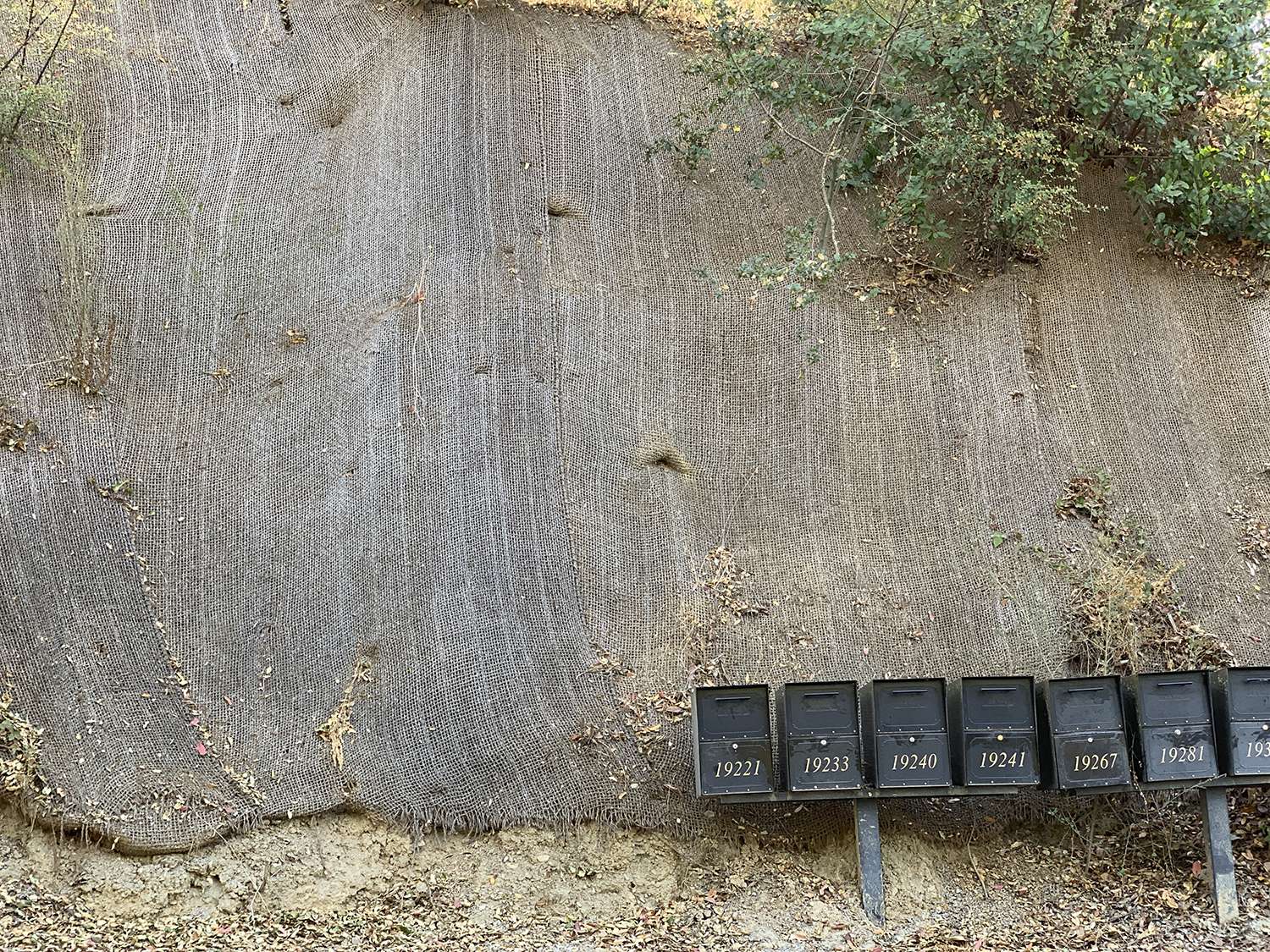
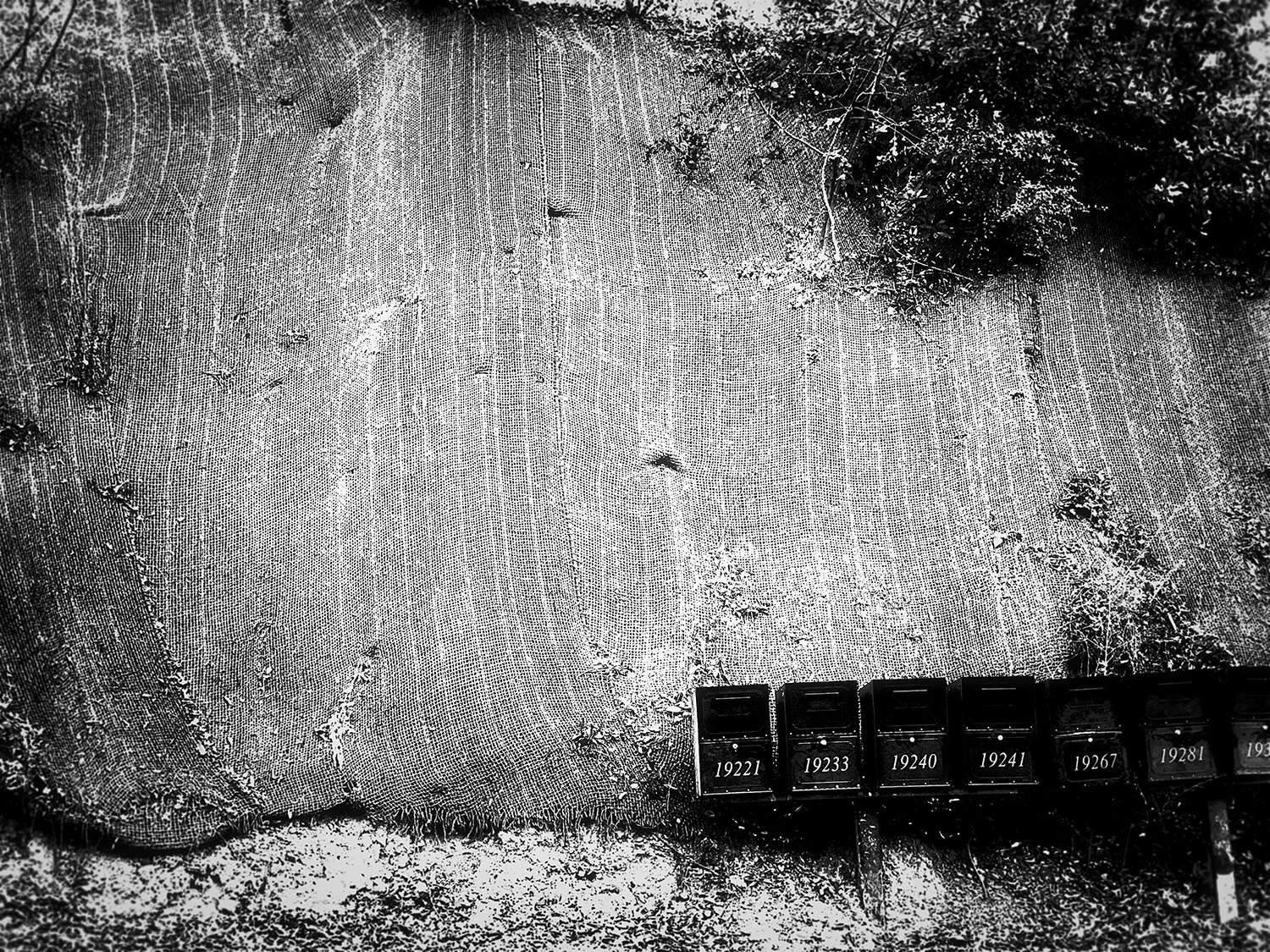
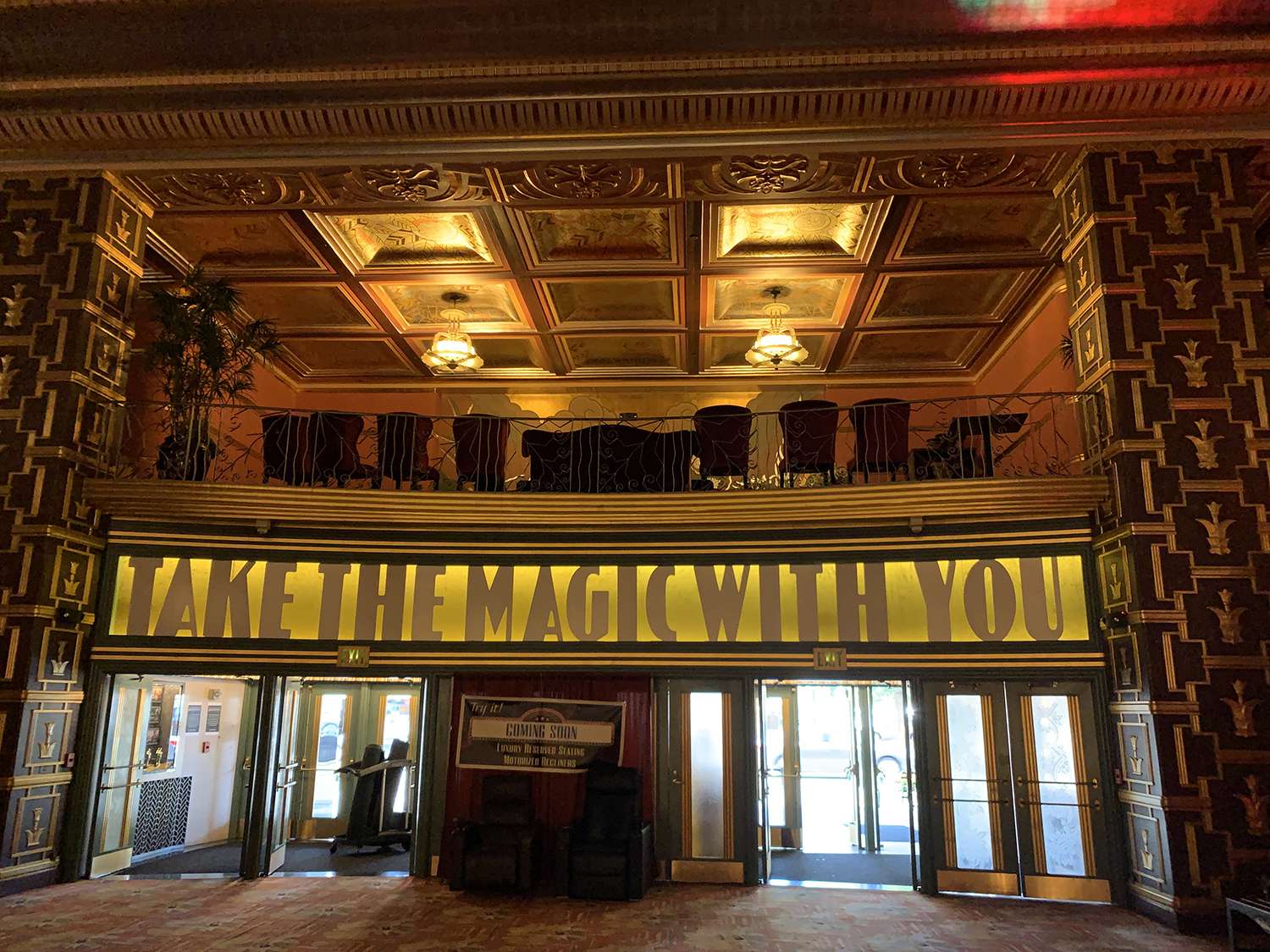
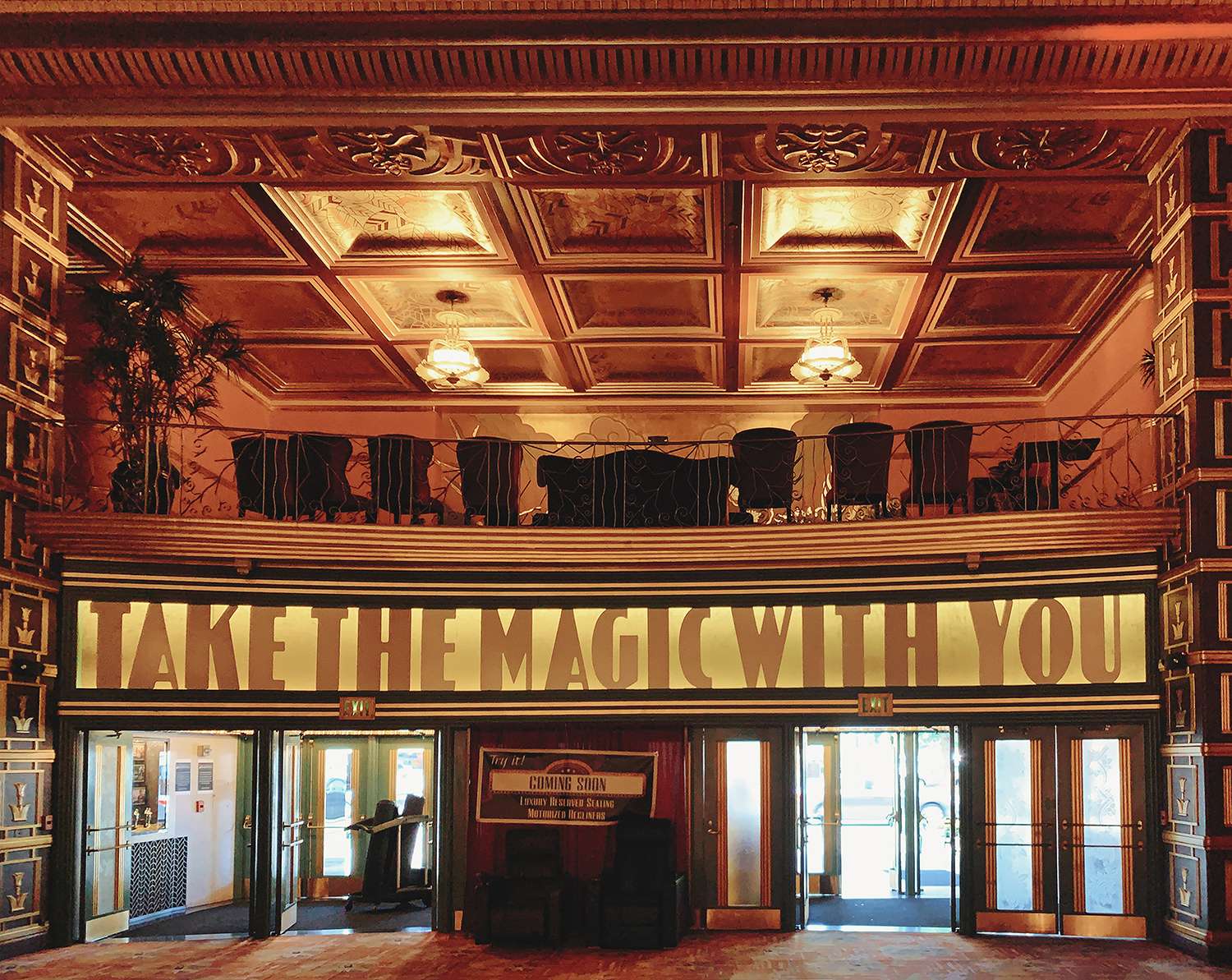
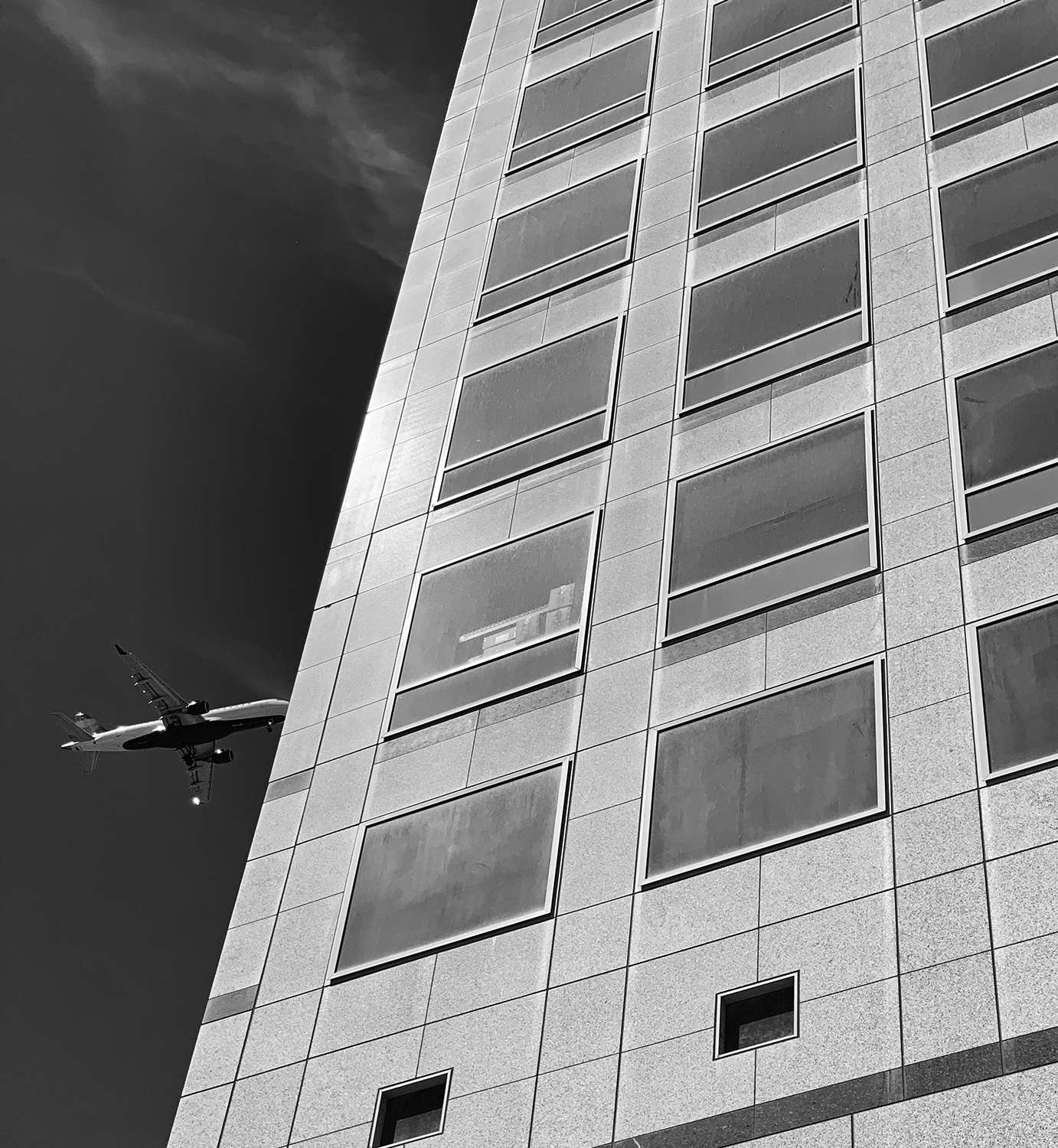
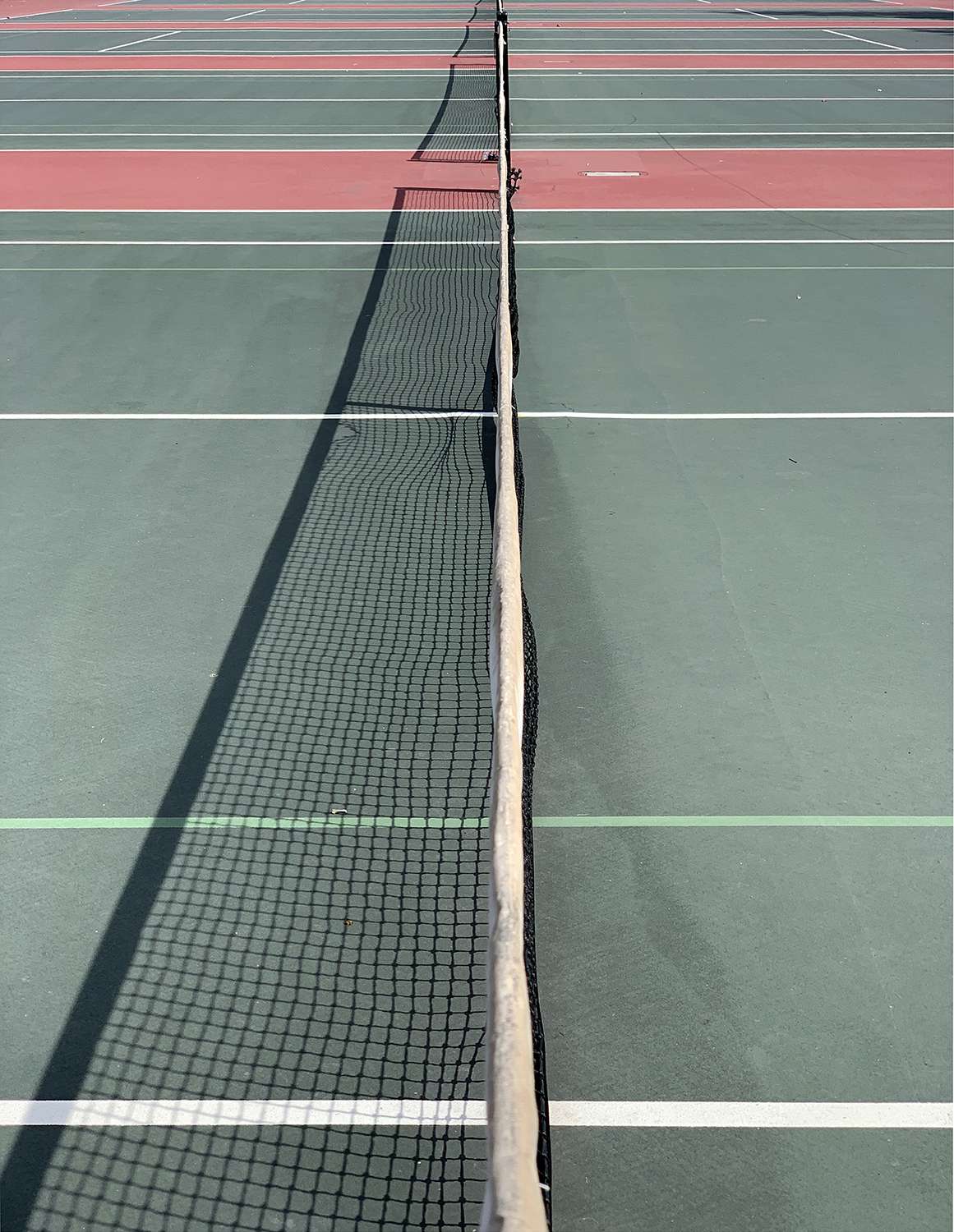
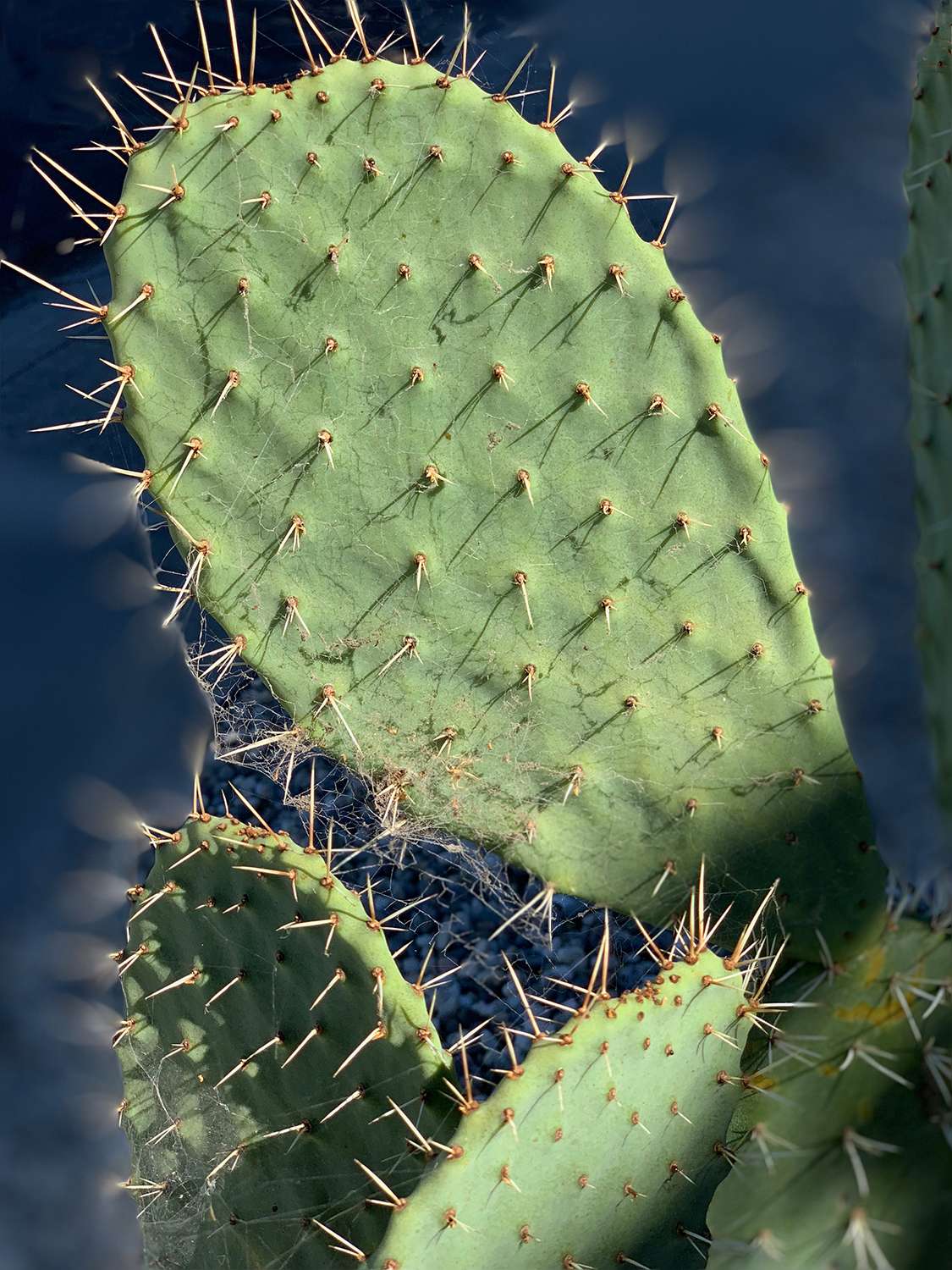
Four photos that required very little in post, but enough to turn a snapshot into, hopefully, a photo.
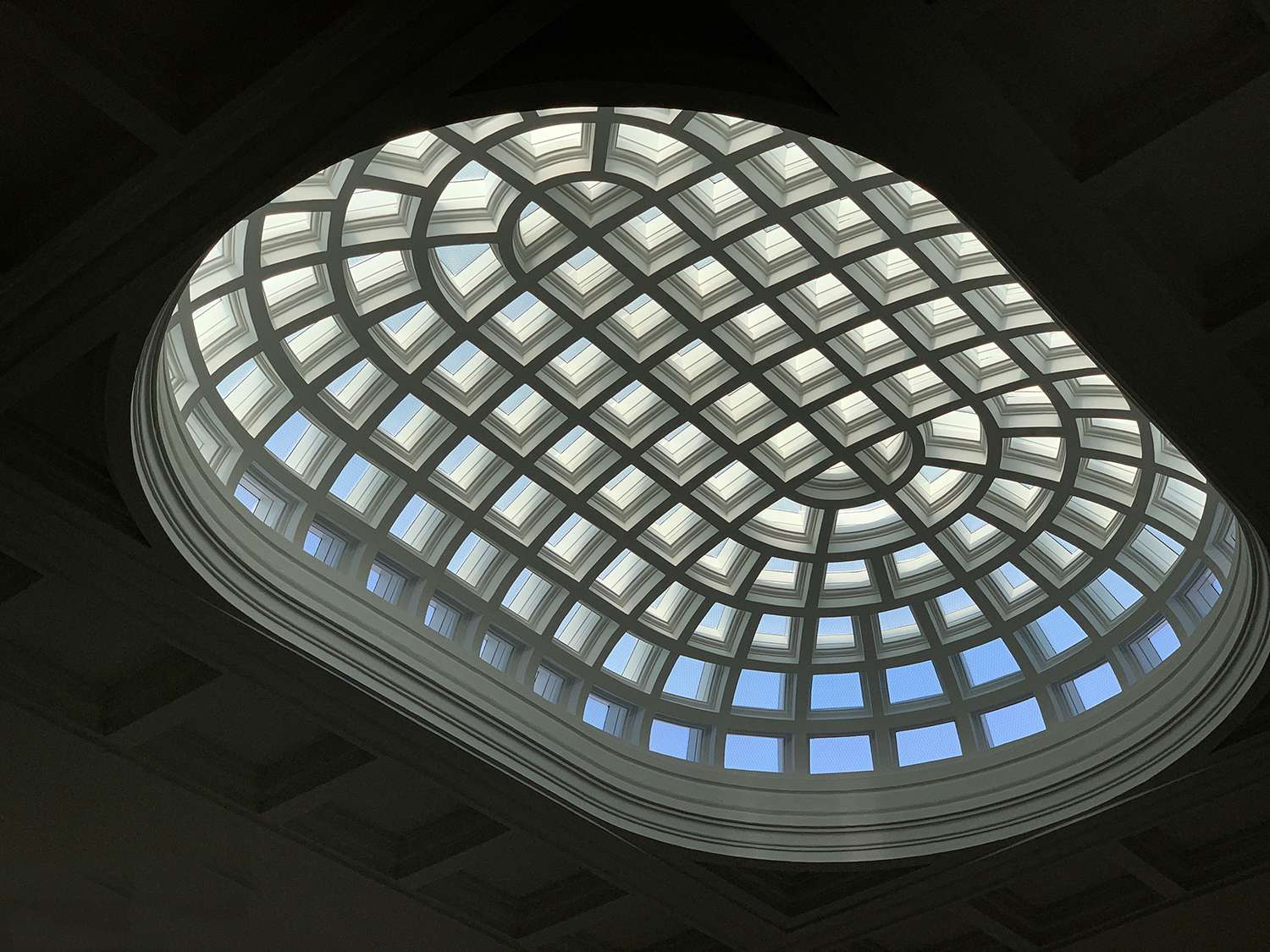
Now a panorama:
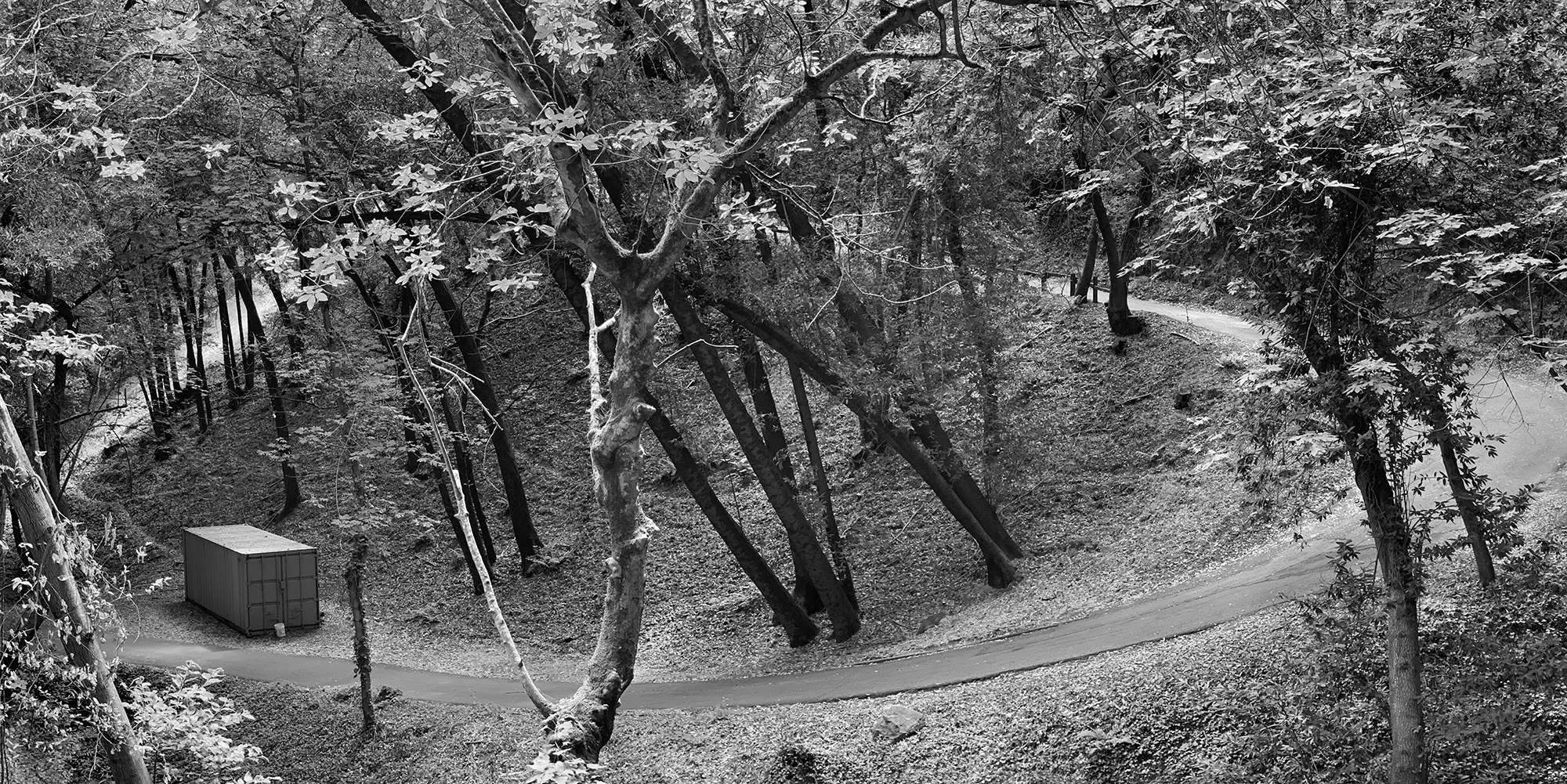
Another set of two pairs of befores and afters at the Cantor again.
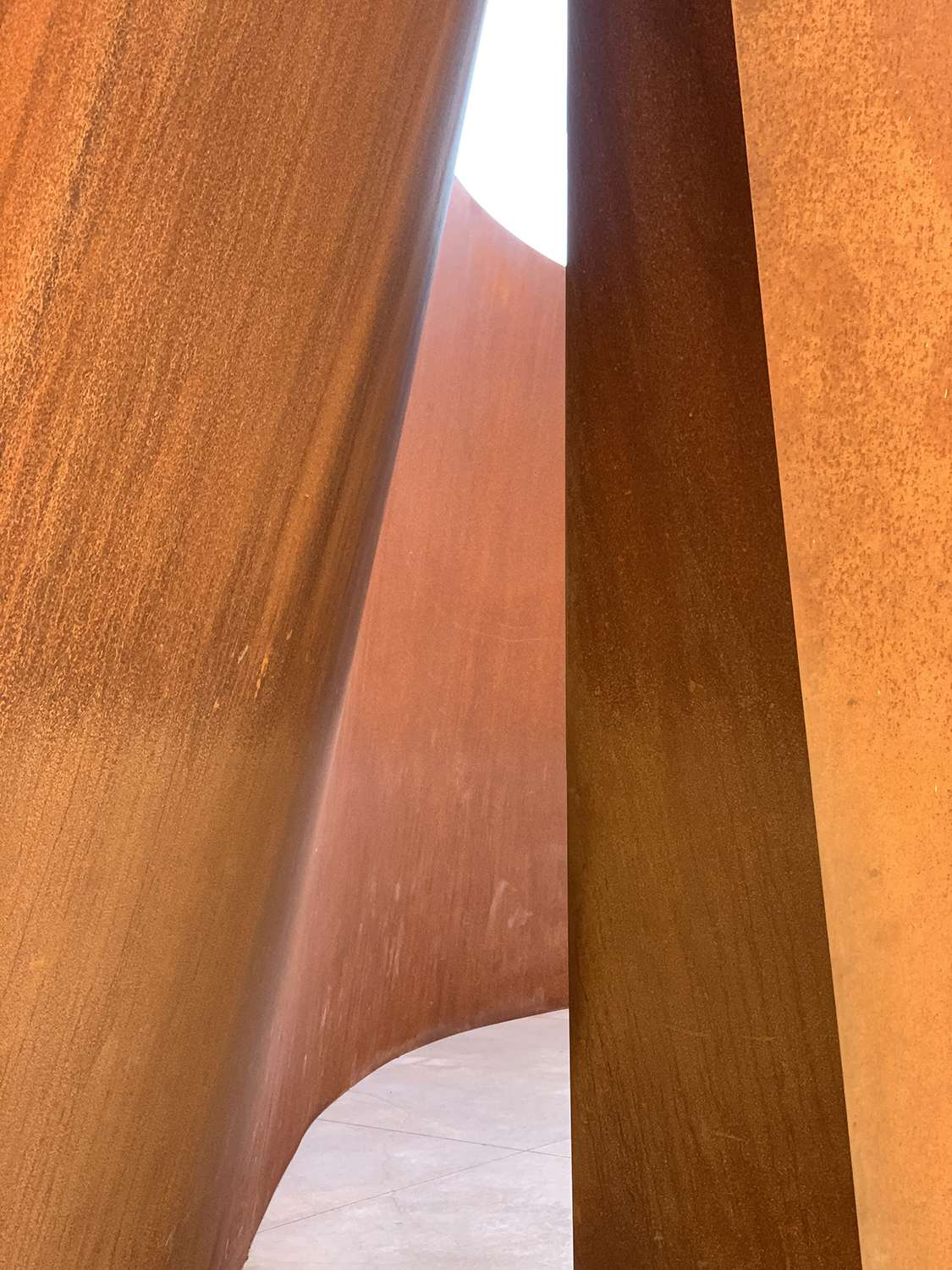
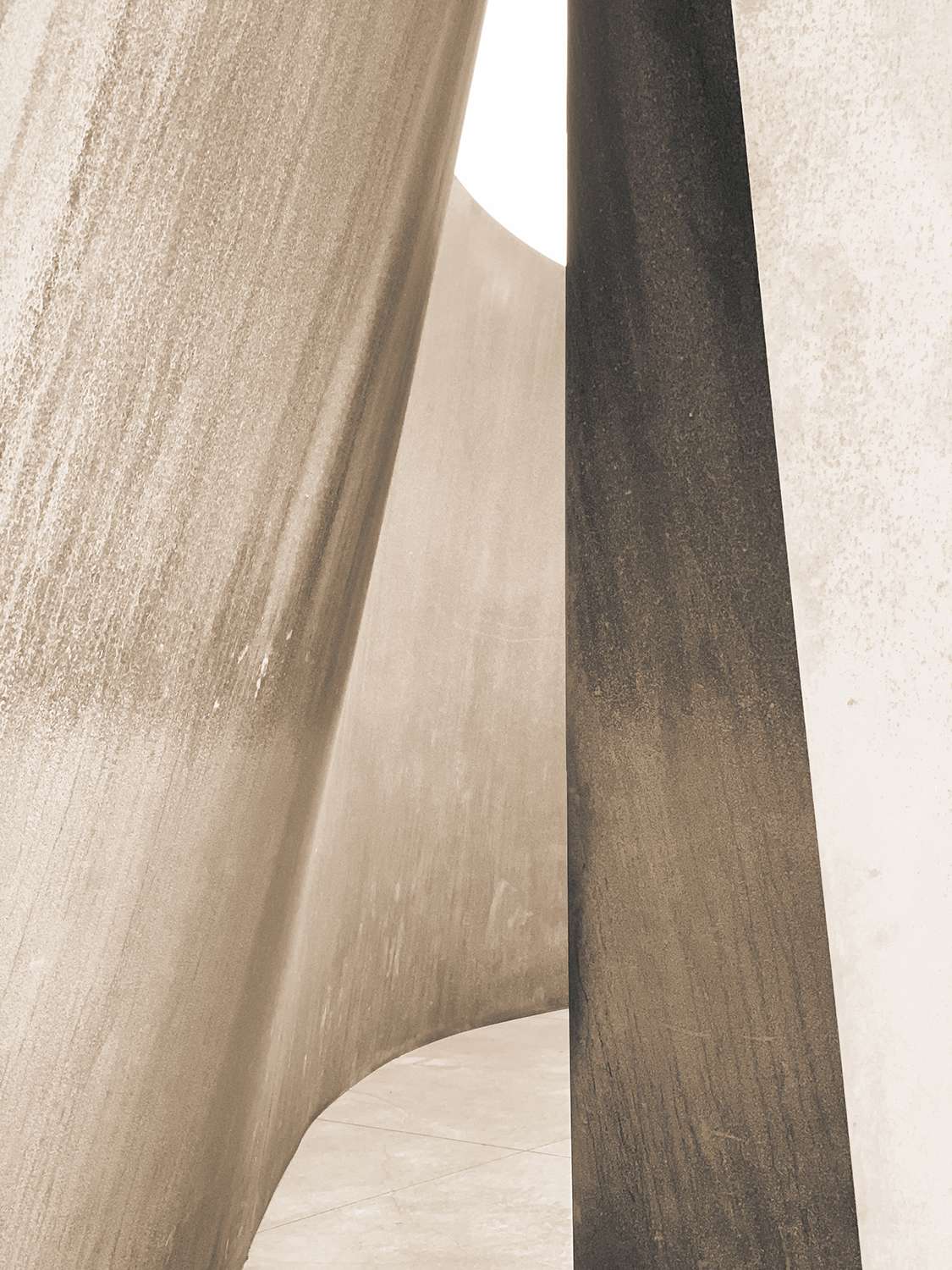
The first is of a large walk thru outdoor sculpture where light and shadow changes with the sun’s attitude. Though the original intense color is part of what caught my attention to start with, I felt the image worked better in a desaturated monochrome.
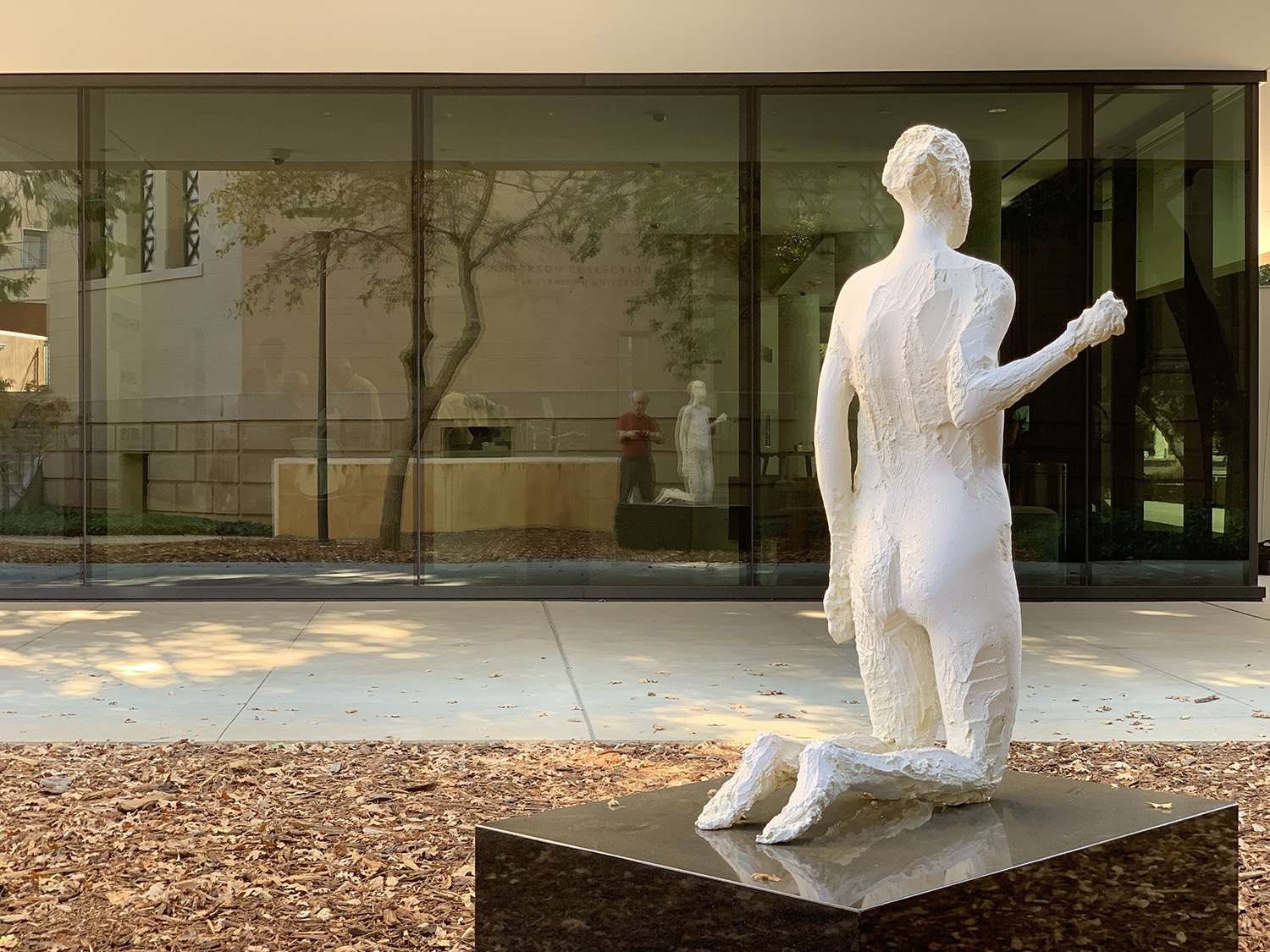
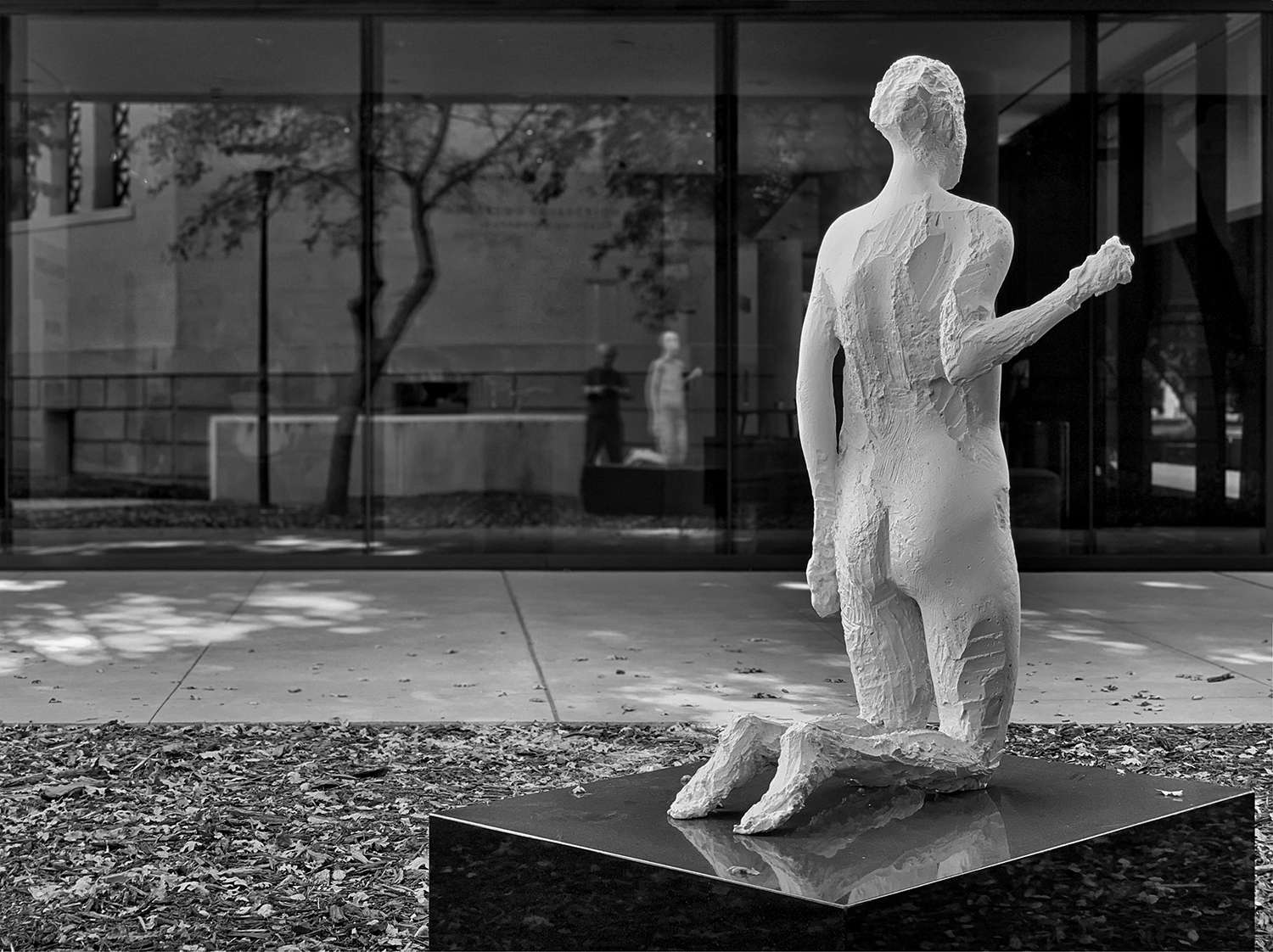
Finally, three images presented in full resolution. Click any for 100% views.
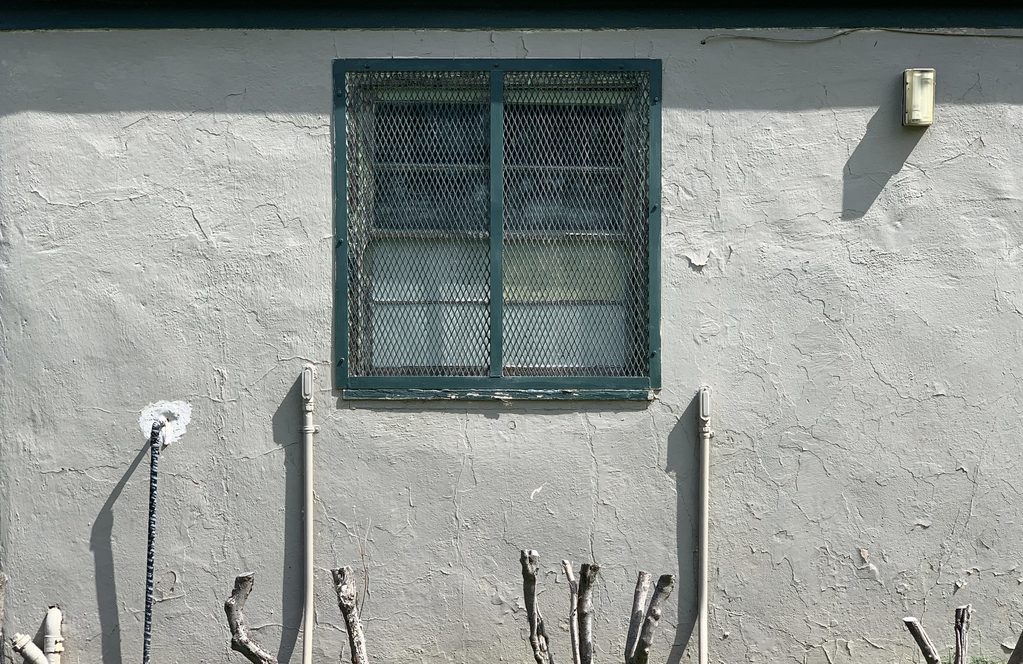
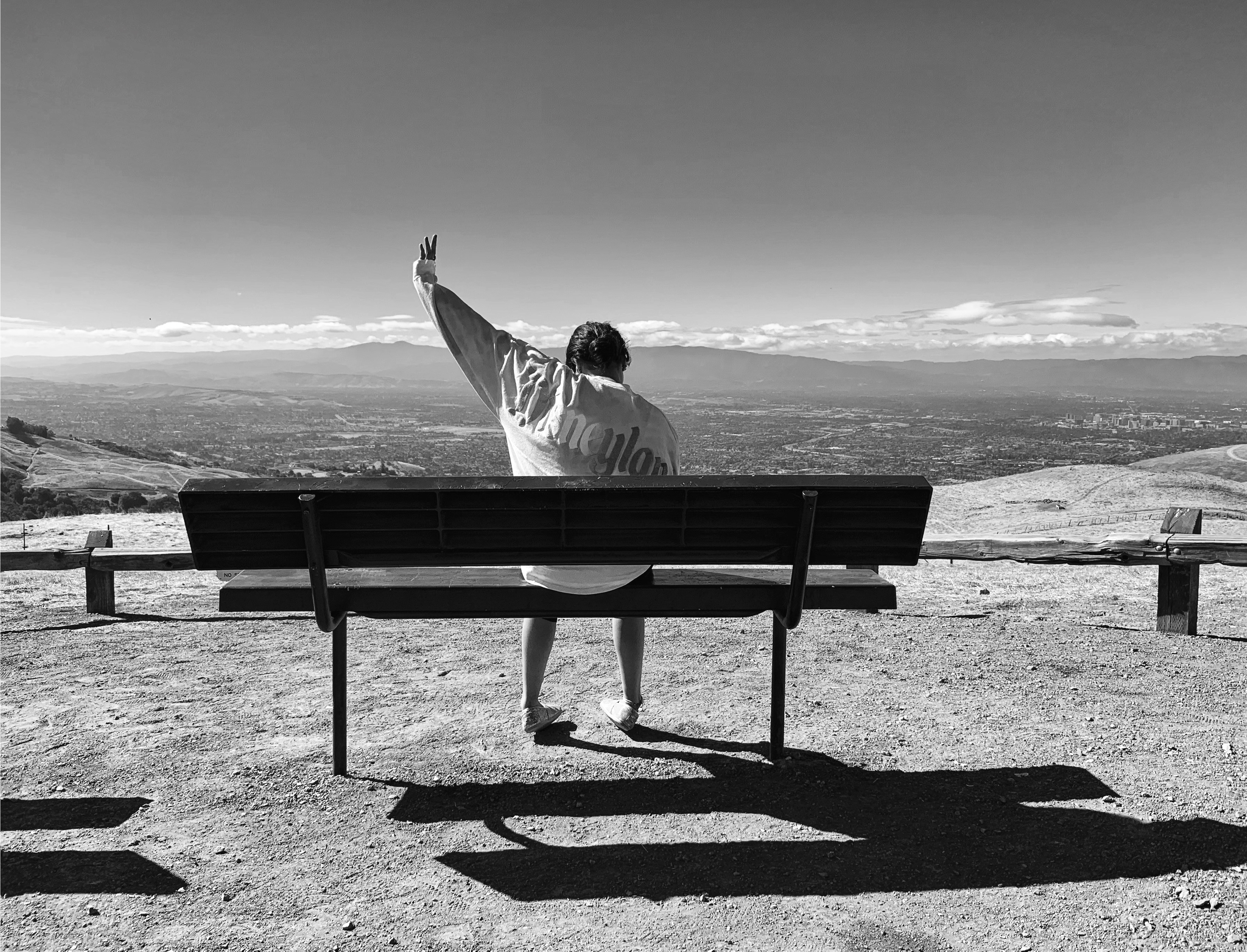
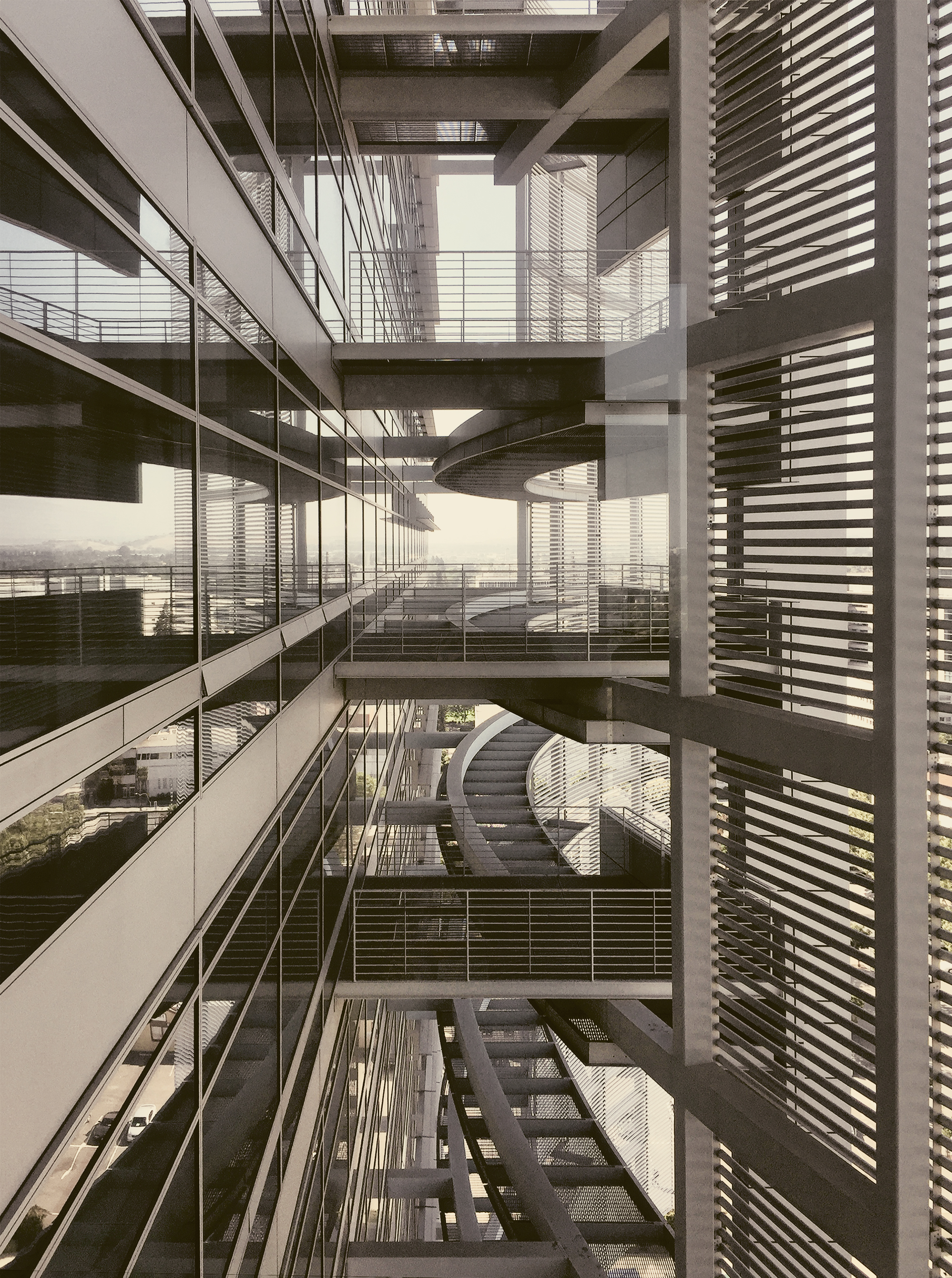
All but three of these photos were taken with the longer lens, as if in reply to those who question its usability. The three wide angle shots are: the theatre interior facade, the final shot with the 6-Plus, and - perhaps a surprise - the shot with the woman sitting on a bench. The clue is its phenomenal depth of field.