
#861. Has Huawei made an Otus?
Until recently the mobile phone market appeared to have no limit. Worldwide sales continued to grow, and manufacturers fed consumers with a never ending array of "innovation" to tempt them to upgrade. Strangely, as real innovation seemed to falter and everyone's phone already had a big enough screen and enough storage and a battery that didn't explode, Apple decided to push the price envelope with the £/€/$1000+ iPhone X. Seeing the opportunity, other manufacturers followed with flagship phones at higher and higher price points, and then an unsurprising thing happened. Consumers reacted by keeping their phones longer, buying new ones less frequently, and global sales plateaued, or even declined.

Manufacturersobviously still needed to try to drive sales, but clearly the number ofprocessor cores or the battery life weren't enough to tempt consumers anymore. However, everyone knew thatconsumers love social media and taking photos - mostly of themselves - and sothe mobile phone camera has remained at the vanguard of "innovation"and the assault on consumers wallets.
Having successfully killed off the consumer market for inexpensive pocket cameras, phones are going up market and want to take on "proper" cameras. One camera is no longer enough, when 2, 3, or even 4 can be fitted to the back of a phone and offer different focal lengths, 40 megapixels, enhanced low light photography, and funky portrait modes to make your small sensor photos look like they were taken with a big sensor camera and a fast aperture lens.

Phone makers are no longer content with being the camera of choice for some selfies infront of <insert obligatory Instagrammed "must see" bucket listed tourist hotspot here>, or applying some chinzy filters to a shot of a iced grandissimo mocha-choca-coco-latte to put on your SnapFace story. AR dog ears are soooo last year. Now, they want to be serious photographic tools that can be used for every situation - low light, travel zoom, high resolution, do-it-all monsters.
Of course, the ironyof all this is that for the price of the latest premium "must have"phone, consumers could buy a very nice camera and possibly a couple oflenses. Except that in general,consumers have stopped buying cameras and lenses, because they have beenseduced by the ubiquity of simple cameras attached to the front and back oftheir phones, and the ease with which their always on connections to theinternet allowed them to share every moment of their lives in all it's filteredself-glory.
And so we reach aparadigm. Consumers have ditched complexcameras with lots of lenses and options in preference for a simple one clicksolution attached to their phone, yet now the same phone wants to be more complexin an attempt to widen their shooting envelope.
At the same time, there is some evidence that the social media platforms have plateaued, or may be in decline. Certainly, user numbers aren't growing like they used to, and measures of user engagement seem to indicate waning interest. Facebook has been exposed as misusing customer data and being a platform for misinformation. Instagram "influencers" have been revealed as being paid for their opinions, and must increasingly declare their commercial relationships. Does anyone even remember those SnapChat glasses with a camera built in?
So where does itleave phone makers? In trying to beeverything to everyone, have they thrown away the simplicity that madeconsumers like using camera phones in the first place? In trying to be more complex, with morelenses and more shooting modes, will they become less appealing to consumers,who may no longer be willing to pay for a premium model who's complex featuresthey don't want?
So where does thisleave consumers?
Probably wanting something further down the food chain, if they even want anything at all right now.
Recently, I needed to buy a new phone at short notice. As I prefer "dual SIM" models for their travel benefits, and since I also didn't want to spend the equivalent of the national debt of a small South American country, after a read of some online reviews I quickly gravitated to an Honor 10 Lite. Honor is a brand owned by Chinese giant Huawei, and many of their Huawei and Honor branded handsets appear to share near identical specification, although the Honor brand offers more dual sim models and are often slightly cheaper.
Anyone who read my recent article "is your camera like your car" will know how much I feel that products are marketed by segmentation and spec sheet comparisons, often damned with feint praise or unfavourable comparisons within or across perceived product "class". At £169, my new phone would probably be regarded as an entry level mid range phone, yet it manages to use the same 8 core processor from last year's Huawei flagship, and with attractive specification for its screen, cameras and battery. Huawei claim it uses an "AI" processor, but since silicon cannot change its behaviour, I interpret this to mean the firmware adjusts the processor clock speed or use of cores to maximise performance or battery life as needed. Generally, it runs smoothly and feels snappy, and the battery lasts well even with heavy use. Given the hardware requirements of the relatively resource hungry Android, I regard this as a significant achievement at the price.
Not so many years ago, even an expensive phone had something like an 8mp rear camera and a 1.3Mp front facing camera for video calling. Now, my inexpensive phone has a modest 13Mp rear camera behind a 26mm f1.8 lens, and an astonishing 24Mp front facing (selfie) camera with a fixed focus 26mm f2 lens. Both cameras vary the output file size by shooting mode and lighting conditions, down-sampling the photos to reduce noise.
The front facing camera automatically starts in "Portrait" mode for obvious reasons, and has "beauty mode" turned on by default. This can be adjusted or turned off, and performs some airbrushing on faces, smoothing skin tone and removing spots and lines. Up close the results look a little lacking in detail and skin texture, but at full screen size they look surprisingly good, and far better than the worst excesses of the breed. I wouldn't hesitate to use it if I wanted to avoid manually retouching files later or wanted to flatter. The camera can perform face detection, release the shutter when smiles are detected, or count down with a hand gesture, but will shoot at up to ISO2500 File quality is fair - there seems to be quite a lot of processing being applied to reduce noise and sharpen the images that doesn't look particularly good at 100%, but is actually quite pleasing when seen full screen. This was undoubtedly a deliberate choice by the developers, and I regard it as a intelligent one. Consumers don't look at their selfies at 100% - they want them to look good on the phone screen.

The rear facing camera is probably of more interest to those whose photography doesn't centre entirely on themselves. The Huawei camera app has a wide variety of shooting modes, including panoramas, time lapse, light painting, HDR and a "pro" mode. The latter offers full manual control over metering mode, ISO, shutter speed, exposure compensation, autofocus mode and white balance. The rear camera has 2 modules - the 13Mp picture taking camera, and a secondary 2Mp sensor behind an f2.4 lens that is used in "portrait" and "aperture" shooting modes. Both of these create a shallow depth of field effect, where apparently the second 2Mp camera is used to capture "depth information". Since the camera offers near infinite depth of field at normal subject distances, the point of focus can be placed almost anywhere in the frame post capture, and then a simulated shallow depth of field is applied. The depth of field can also be varied by adjusting an aperture value between f0.95 and f16. The result is akin to the Lytro field camera.

It would be easy todismiss this aperture mode as a cheap gimmick that could never achieve the sameresults as from a "proper" camera, but there interesting things aboutwhat it does. The depth information thatit claims to capture from the low resolution second camera does appear to allowsome approximation of subject distances for different things in the frame, andas a result different amounts of blur are applied, sometimes with a true senseof depth. In the photograph below youcan see that the railing on which the pigeon stands is blurred as it moves awayfrom the camera, and the birds on the ground behind the railing have varyingamounts of fall off from focus.

Of course it's notperfect, and it can break down when the software has difficulty distinguishingedges of overlapping objects, of with complex objects at different distances -for example, background seen through bars of a nearer fence, as can be seen inthe example below.

The other interesting shooting mode is "night". This is Huawei's alternative to Google's own "night vision" camera mode, and shoots a series of different exposures over a 4 second period that are then instantly aligned and combined into 1 photograph. The result won't appeal to purists, as it creates a very heavily sharpened kind of "ultra HDR" effect, but the photographs are quite clean and vivid, and suit some subjects.
Now to bring us back to our earlier discourse on camera phones, and whether very expensive models that try to do everything are what consumers want. Firstly, let's admit that for some consumers, having the latest premium handset is important in itself for vanity and the "cool factor". A £169 phone certainly isn't cool. When I met a friend for drinks shortly after I'd bought it, he immediately turned on the camera and took a selfie and said the photo was very bright and clear, and then in the discussion that followed he commented that it didn't really matter whether a phone was expensive or cheap, because most people just wanted social media and a decent enough camera. I strongly believe that the law of diminishing returns sets in quite low down phone ranges, and clearly a £1000 phone isn't 6 times better than one that costs £169. It may not even be twice as good. Then we come back to the premium phone camera as a do-it-all master of all situations - ultimate travel zoom, ultimate low light, ultimate resolution - and whether it's what consumers want, or whether it's enough to tempt them into a £1000 purchase rather than a £200 one.
To answer that, weshould reflect on what it is that can be good about the camera phone.
Firstly, to quote that tired old cliche of photography, "the best camera is the one you have with you", and the benefit of the camera phone is just that - you always have it with you. So when you come across something interesting or unexpected, you are ready.
Photographers fromthe past become so steeped in mythos that we lose sight of what we have in ourpockets. HCB used Leitz cameras becauseat the time they used a smaller format that allowed the cameras to be smaller,more portable and more discrete. Couldanyone seriously argue that he would choose to use a Leica now, when the mostportable and discrete camera now fits in your pocket and is effectivelyinvisible in social situations? Modernphones probably have far more ability than the cameras that HCB used tophotograph the streets of Paris. If youput my phone in manual focus mode and set the focus distance to about a meter,you get near infinite depth of field and a fast shutter response, so that's theother photographic cliche of "the decisive moment" taken careof.

There is another advantage of camera phones that I wasn't initially aware of. Having always used 135 format cameras that took photographs in 3x2 ratio, I'd always been slightly uncomfortable with moderate wide angle lenses, as I never seemed to be able to get comfortable compositions. I'd never understood why many street photographers and the cameras and lenses they liked were often around 28mm focal length, as I always found it an awkward field of view. Last year, to say goodbye to a phone I was replacing, I undertook a project to use it on holiday, as described in my article "are I going crazy? (using an inexpensive camera phone)". The phone has a 28mm f2 lens, and I found that I really enjoyed using it. It wasn't until I was in discussion with Pascal about it that he commented that 28mm of the 4x3 format that most phones use is somehow easier to compose for, and somehow more "relaxing" for a wider field of view.
Most phones come with a lens with an equivalent full frame focal length around 24-35mm, and most use a native 4x3 format sensor. I don't know what sensors made for phones are in 4x3 ratio, but I think it's attractive for wider focal lengths. Again, when we put all the mythos of HCB and 135 format to one side, what we are left with is a format whose size and ratio has it's origins in movie film, which happened to be small and convenient for smaller and more portable stills cameras. Would 3x2 format be so dominant now had it now been for the accident of history and the rise of 135 format? 4x3 ratio makes for much more comfortable compositions and framing when used with wider lenses, and suits group portraits and other subjects much more than the 3x2 that resulted from the historical tyranny of Leitz.

The final thing thatcould be good about camera phones is that they can have a"look". What instantly struckme about the aperture mode simulated shallow depth of field effects from my newphone was their visual quality. Backgrounds aren't just blurred, there is some sense of a threedimensional scene, and out of focus specular highlights are rendered as discswith a very slightly hardened edge, just like real lenses with less thenperfect bokeh. Depending on the scene,such as the example below, there can even be some nervousness not far behindthe simulated plane of focus, with the "wirey" look that some lensescan give to things like foliage.

The developers could have aimed for a "perfect" blur, like that produced by lenses such as the Minolta 135mm STF with it's apodisation filter, but instead they seemed to opt for something with a little character. The results can sometimes look quite "painterly", and I find them genuinely attractive and appealing. The aperture mode pictures also look good when the default Huawei black and white filter is applied, which I think gives a very classic feel to the results. Pascal suggests that character is better than technical perfection, and I'm inclined to agree. It's why camera phone apps have so many filters that ultimately try to make bland modern photographs look interesting.
In the weeks after I got the phone I sent a few samples to Pascal and we discussed phones and their merits. When I sent him the sample below, hastily snapped in the garden a few days after I'd bought the phone and curious to see how well it close focused, his reply was "The look on that file would make an Otus owner swoon. It is so delicate". For full disclosure I told him that the original had been underexposed because of the bright sky, so I'd had to adjust it in an app on my phone, recover some detail in the blown highlights of the sky, and applied a filter, all from a jpeg. I regard his comments as high praise for a photo from an inexpensive phone crudely adjusted using simple apps on a 5" screen

That a cheap phone and free software that requires a few swipes of the finger produces something that might be compared to the delicacy of an Zeiss Otus lens just shows there is simply no point in sticking your head in the sand, going into denial and trying to stop your world from changing.
I'm torn between the idea of the camera as a "do it all" photographic tool, and Pascal's "keep it simple" philosophy. Some phones take great 4K video, but their 28mm lenses are useless to capture action at a stage event. Wide angle lenses sometimes make for difficult compositions, and wouldn't be my first choice for a portrait. Recently, with the ever increasing capability of cameras that broaden the shooting envelope, I've always asked "what can I use this for?", whilst many enthusiast photographers who may be resistant to change adopt a Luddite attitude of "why would I want that?"

When I think about the pocket cameras that I've most enjoyed using, they weren't the ones with crazy zoom lenses or that had the manual control of an SLR, they were "point and shoot" fixed focal length cameras. There is a freedom and greater sense of enjoyment when using a simple camera with a decent lens, as it means that the photographer's attention is on the composition and the pictures, not worrying about settings. That's exactly what our camera phones give us: a point and shoot camera, usually with a decent quality fixed focal length lens, that allows us to think more about pictorial quality and less about settings.
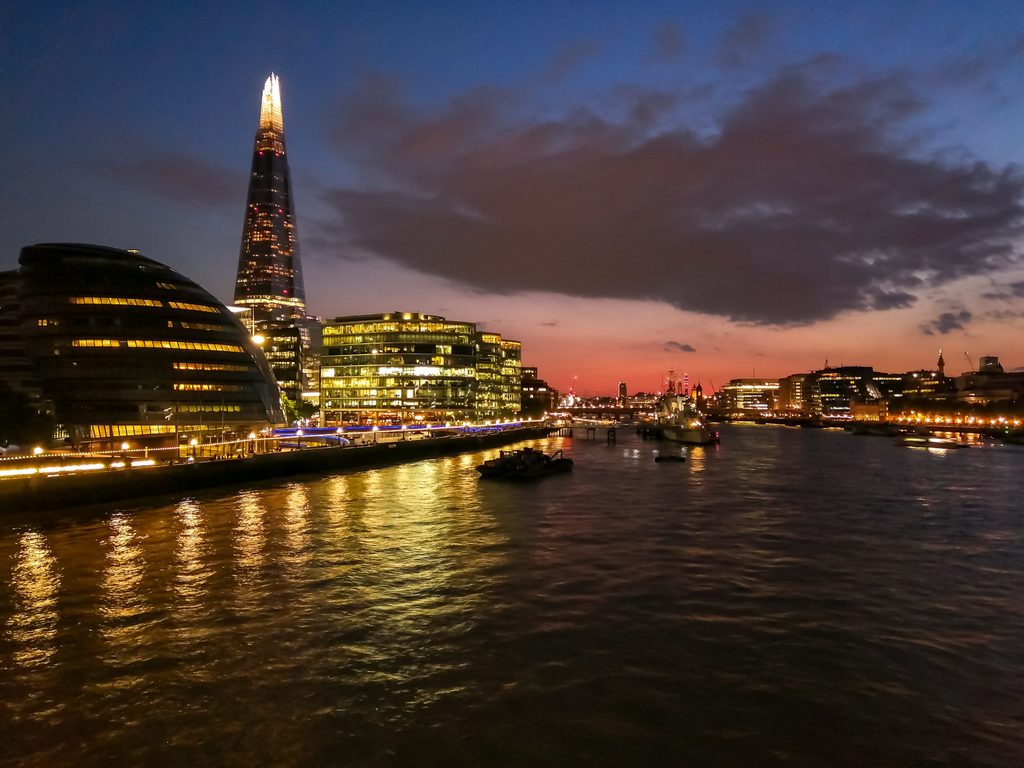
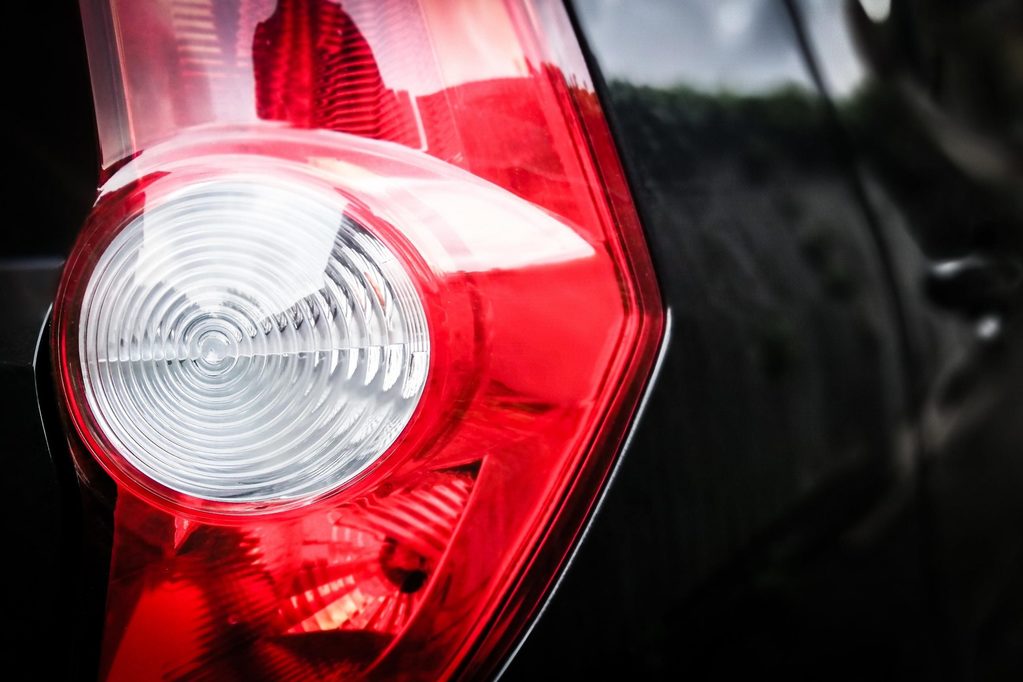
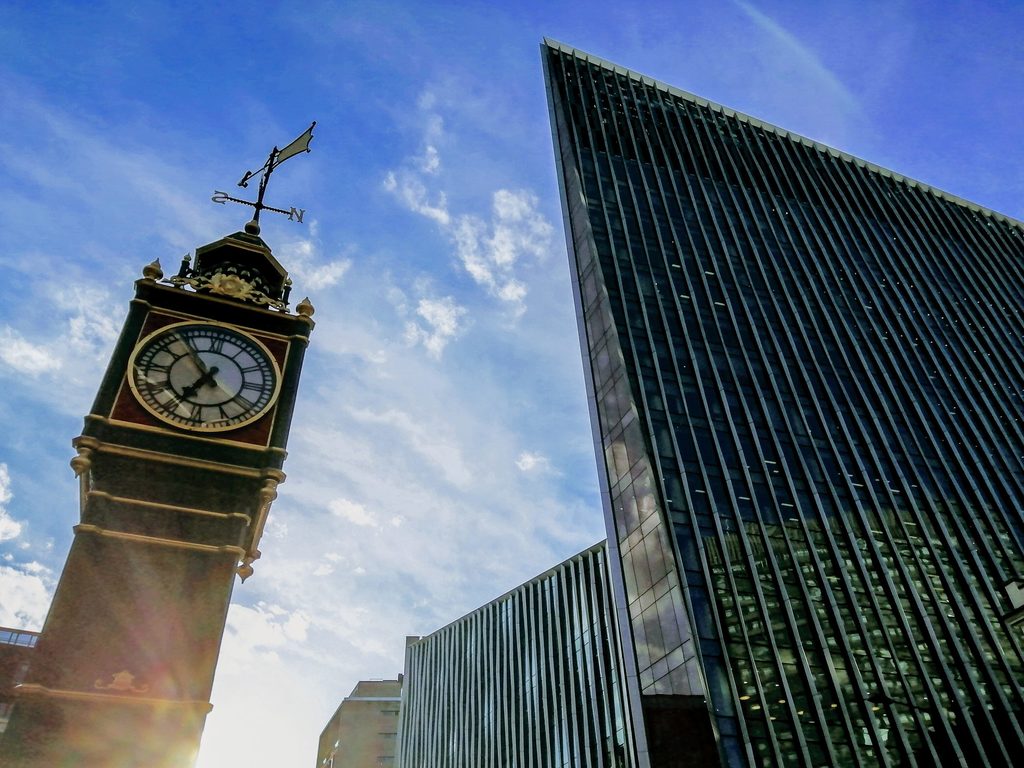
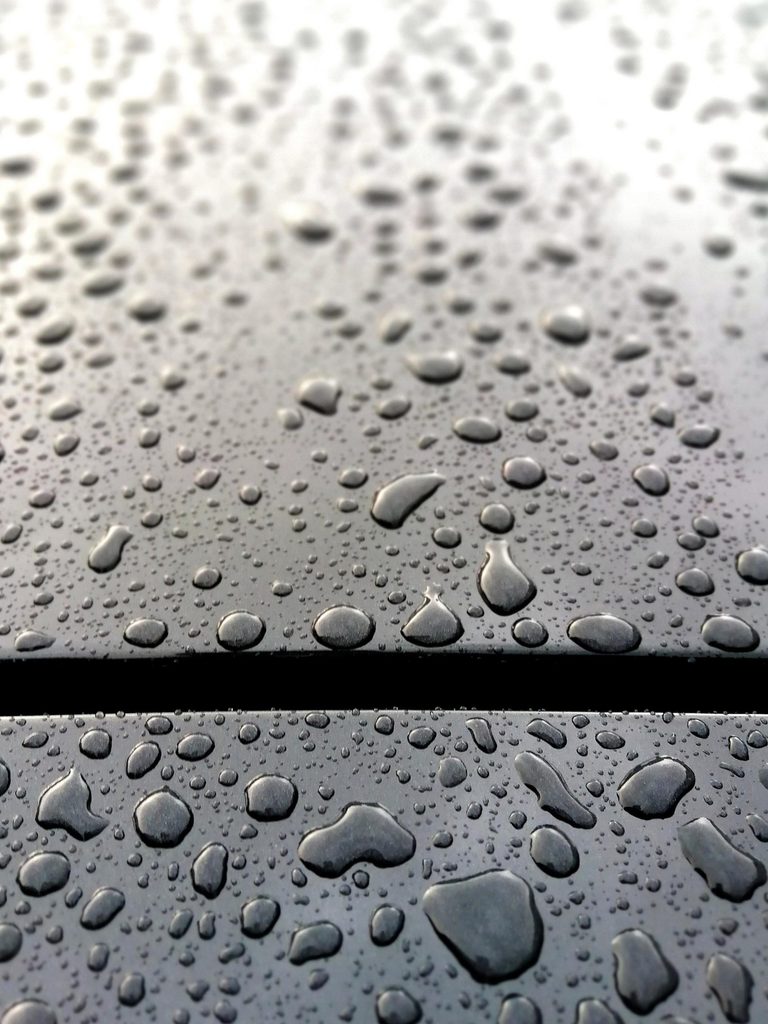
Photos in this article were all taken with an Honor 10 Lite phone and post processed to taste on the phone using Huawei Gallery, Adobe Photoshop Express and Snapseed, and are included here at full resolution should you want to inspect them more closely.
Pascal adds
Phones get a bar rap because so many people are using them that the average Joe is not interested in quality photography. Just like the average Joe 40 years ago, except he didn't take photographs at all. But phones are great photographic tools.

As Adrian writes, it's the camera that's always with us. But to me, it's the instinctive use and the look that make it most precious.
You try things with phones that you wouldn't get your expensive kit out for and those often turn out to be good pictures. There's something fresh, almost naive about phone photographs compared to so many "real camera" pics that can feel so belaboured. They sometimes smell of sweat where the phone's offerings carry the scent of mountain dew ;) And the seemingly infinite depth of field is so useful in many circumstances.

That being said, I wonder whether manufacturers aren't trying too hard for their own good. Probably not, as punters buying phones for personal photographic creativity are probably vastly outnumbered by those who enjoy the pixel count of the selfie cam (I thought Adrian had made a mistake when he explained selfie cams are higher quality than the back facing cam !!!!! What a weird old world).
Still, the fun aspect could be lost if these beasties ever become complex to use and too expensive. My old Galaxy S6 had a nicer look (but was lousy at night) than my current S9. It was also a heck of a lot cheaper and more solid. I do think Adrian is on to something with cheap phones. Find 3 with different looks and you'll have spent less than on a soulless lens and less than half what big Apple is charging for top of the line ego boosts.
Go cheap phone, go!