
#801. A photo trip to Japan - part 1
Like every country with a rich culture and history, Japan offers many facets to the visitor. Unlike most countries, though, it exposes a layering of ties between past and present and the contrast between modernism and past is very striking, a fact I only barely scratched the surface of, during my first ever visit, a couple of weeks ago.
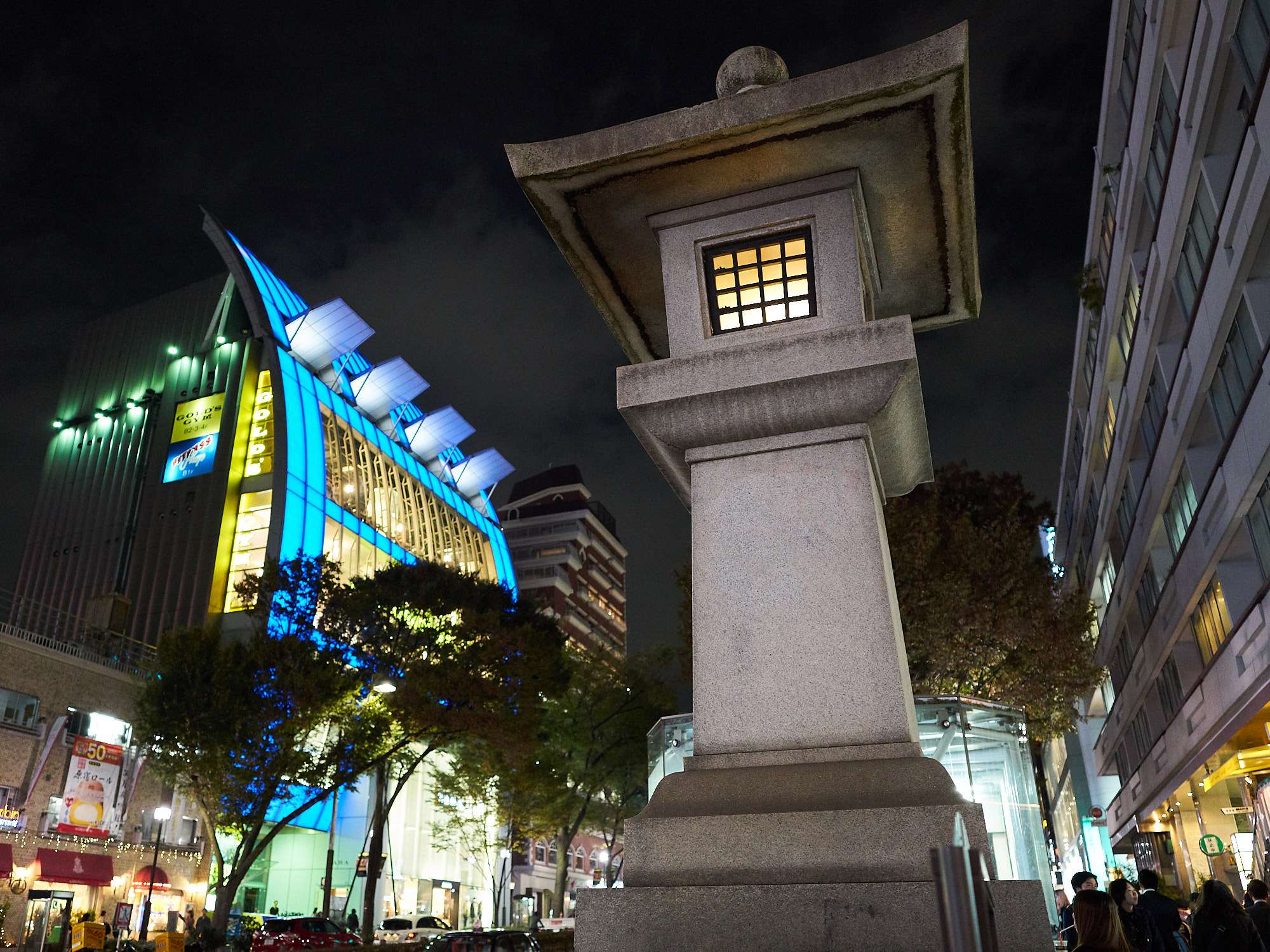
Of course, you can chose to discover the country in whichever way you prefer. During our recent stay, we rubbed shoulders with westerners who limit their visits to two words and one activity ("get wasted"), and gallon-sized plastic bottles of (really) cheap whisky are available for all to purchase in liquor store to support that vision of tourism. We met others who raided temple after temple their noses in books and eyes full of knowledgeable wonder. Others still seemed to enjoy touring famous sites on buses with stops at every popular landmark. Others shopped till they dropped. Others must have visited every museum and gallery in reach. More than anything else, humanity is an organism that thrives on diversity, and tourism highlights this fact in interesting ways.
We (my wife and I) set out on a walking holiday. We chose to walk (over 140 miles !) in between the places we had planned to visit in order to discover the little streets & alleys that lay in between and house everyday life in the country, and peel the different layers of time we met along the way.
Now, I've never been very good at history, neither enjoying it, nor understanding the urge of our school system to force feed me a discipline of which the various learnings are so obviously ignored day after day by the powers that be. I couldn't care less about this king or that bishop and their lust for conquest and power, just glorified animals with the ability to speak and kill more efficiently. I loathe having to learn anything that has no relationship or impact on my life just because someone in an office decided it was important. Famous ruins leave me cold, just stones on the floor and ink in books, not even telling a story. To be honest, I was not a very good student at all, back in the days. But history was a particularly low point on my scorecard ;) (btw, I ended up getting a pretty good PhD in Machine Learning some years later. So if your kid is a dunce, don't worry, just help him/her find out what he's passionate about. Pareting advice, over).
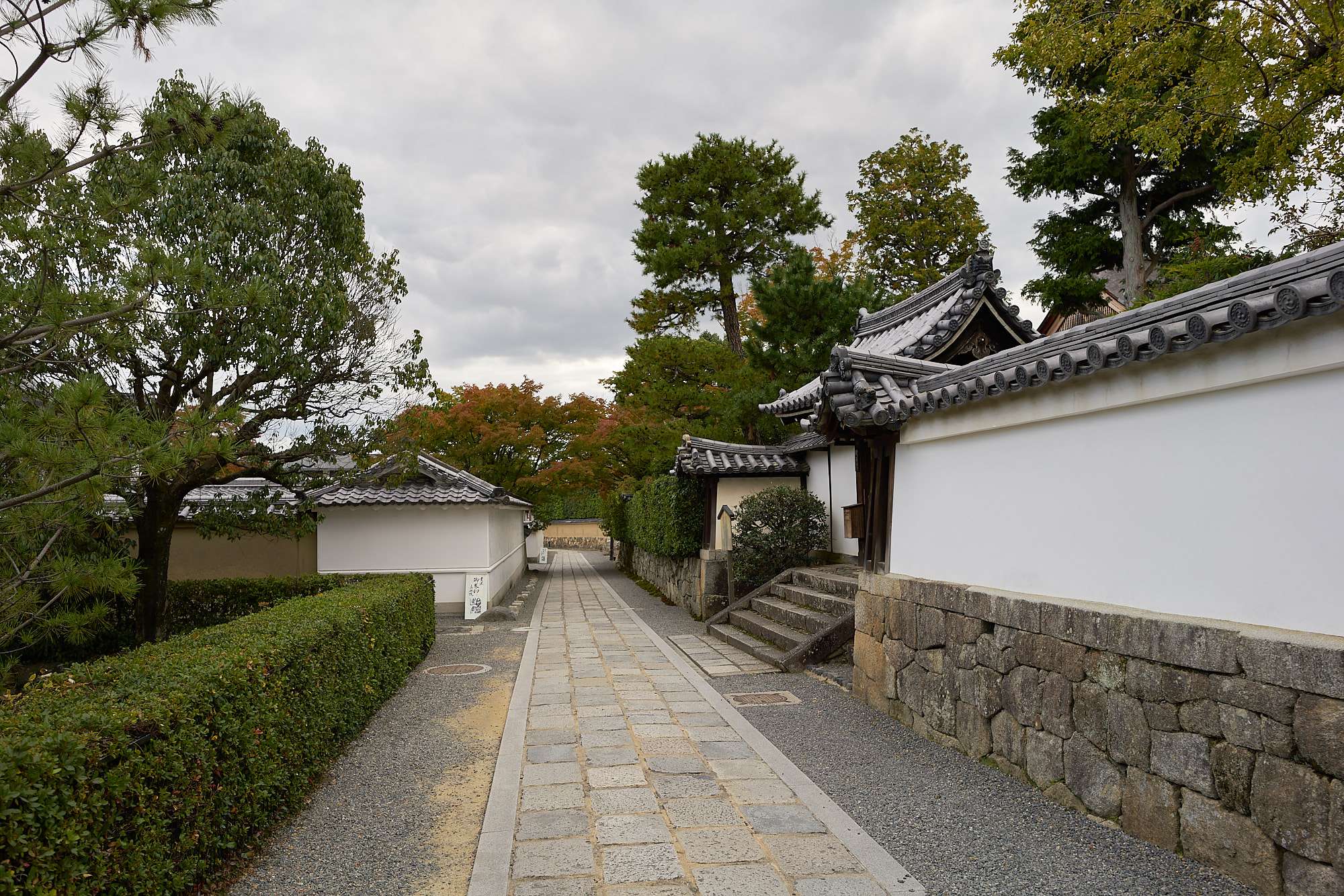
But Japan ...
Japan has a deep respect for living history that is so contagious that even a duffer like me can only pick up his jaw from the floor and start listening to the stones.
I don't care whether it's older or less old, more or less authentic, than a roman street or a greek ruin. What's fascinating is that it feels alive, it's respected and it's used daily rather than sanctuarised.
In Kyoto, 700 year old temples made of wood are visited and explored by millions of people every year, every nook and cranny exposed and pounded (fragile paintings are often protected), floorings squealing as they flex about their ancient nails. Cars drive about in little stone alleyways, swerving around the maintenance teems keeping them fresh and dapper.
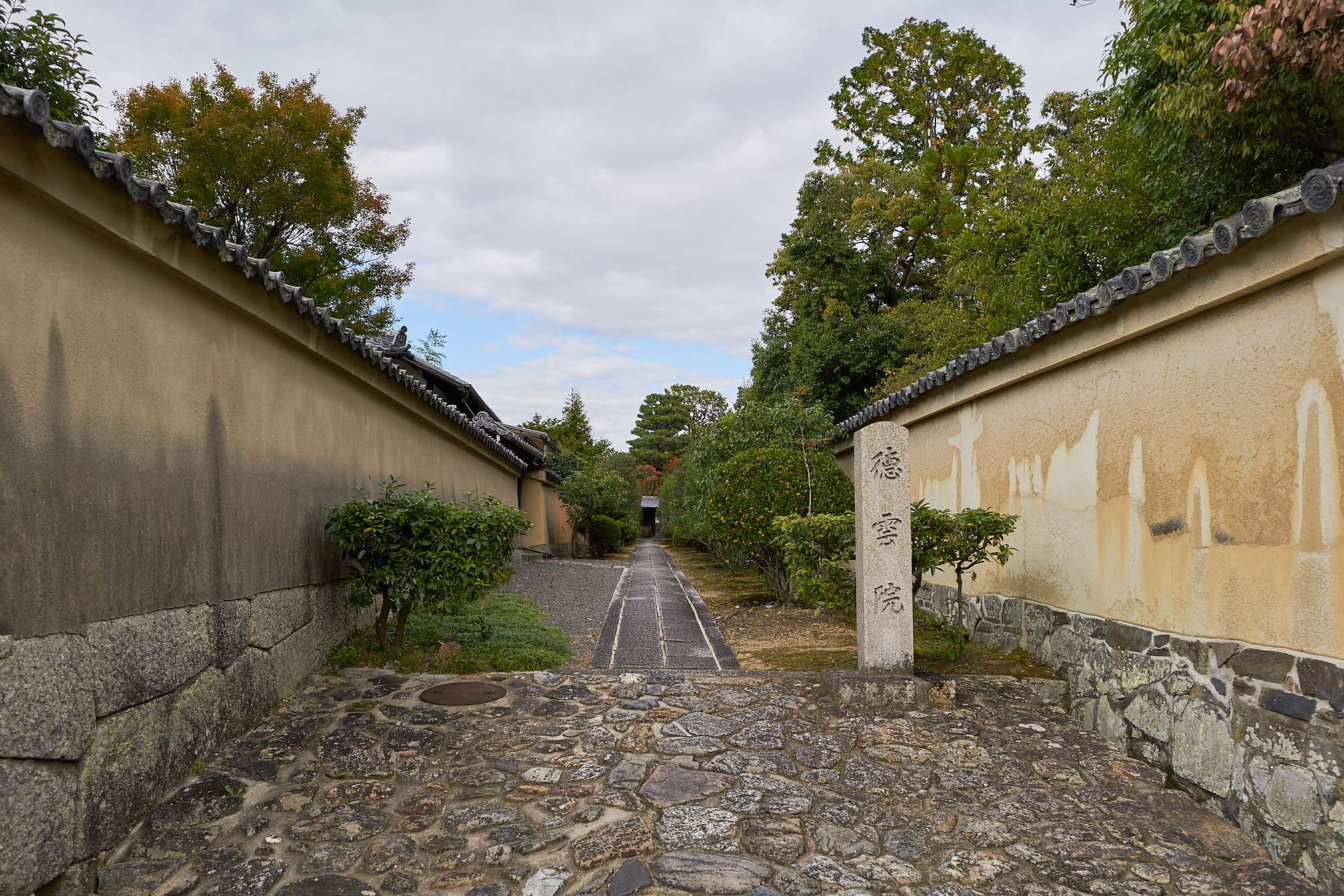
When something gets battered by a rival clan, a fire or an earthquake, it is rebuilt, using the same wood and exact same techniques that were employed all those centuries ago. This gets documented and exposed, rather than hidden as a humiliating sign of youth. It's a very different approach to preservation. Not one that would speak to everyone but one that gets my vote. If they rebuilt a roman villa, I'd visit that. Rubble on turf? Not so much ;)
In Oceania, rock paintings tens of thousands years old are constantly being added to by current dwellers of the land, updated, edited, alive. Maybe it's a Pacific thing. A different relationship to the past.
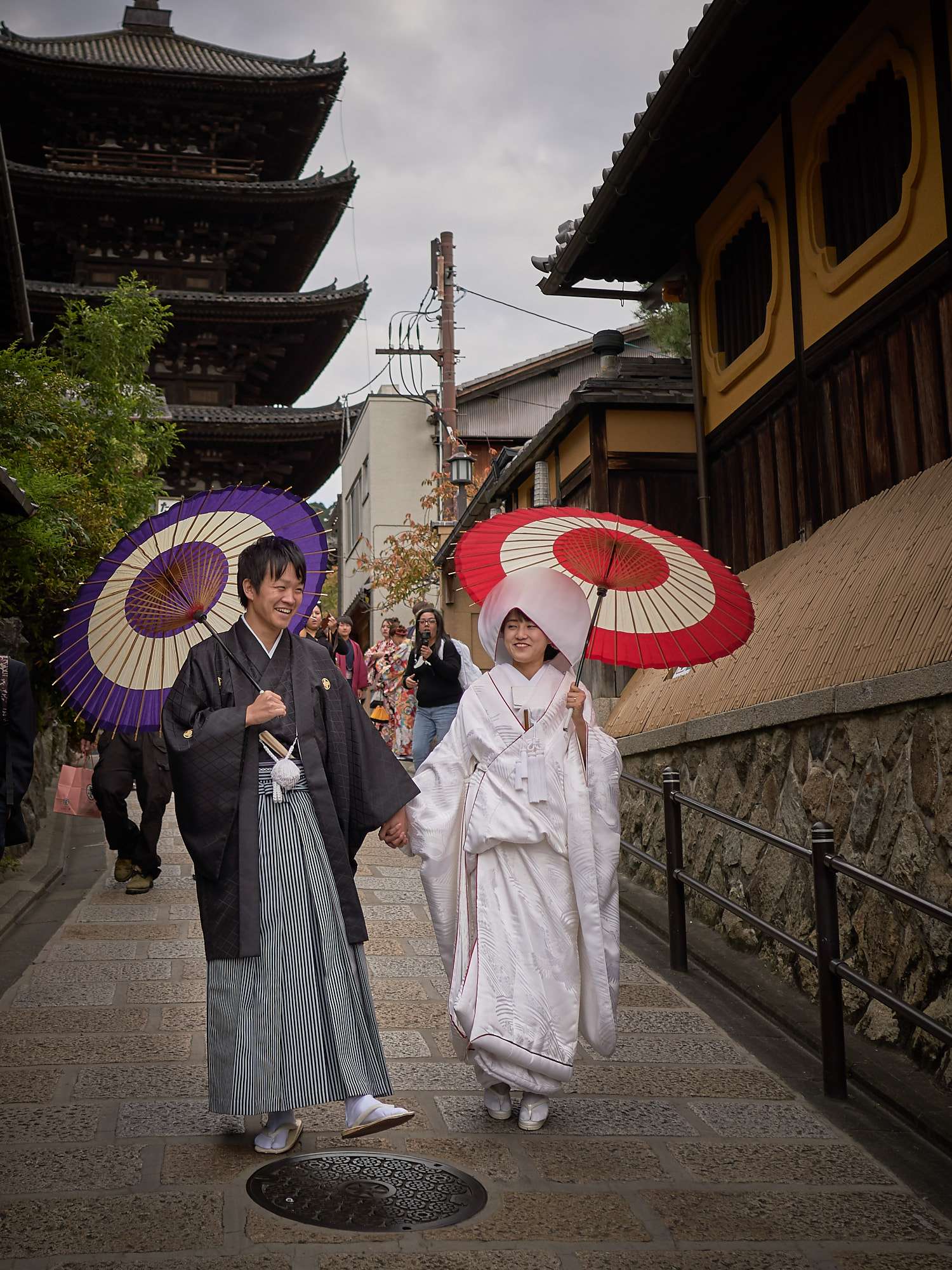
What's really interesting in Japan is the interplay between modern life and history. All around temples and gardens, you can find Japanese tourists being photographed in traditional clothes and drones of young women walking the cities in colourful kimono.
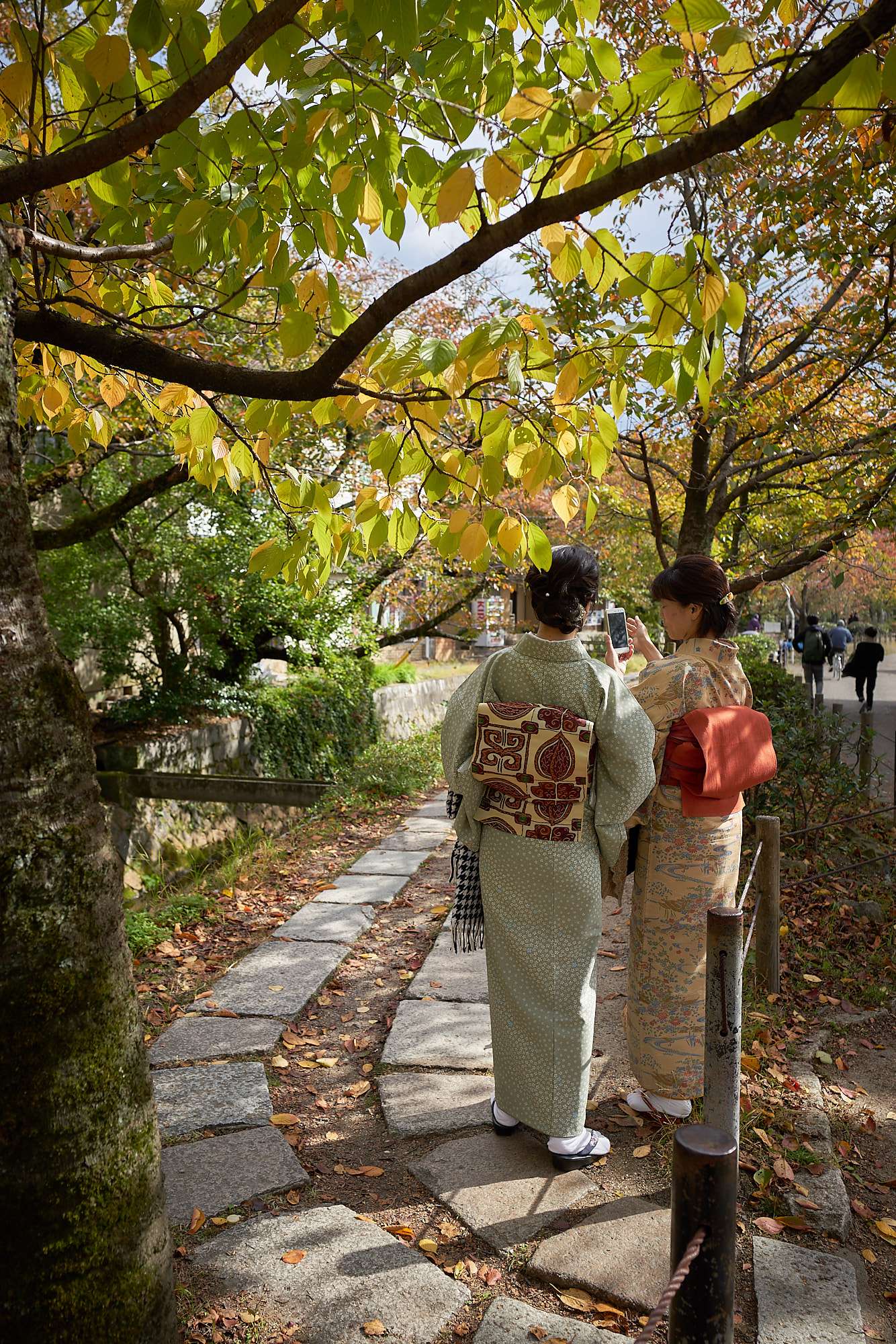
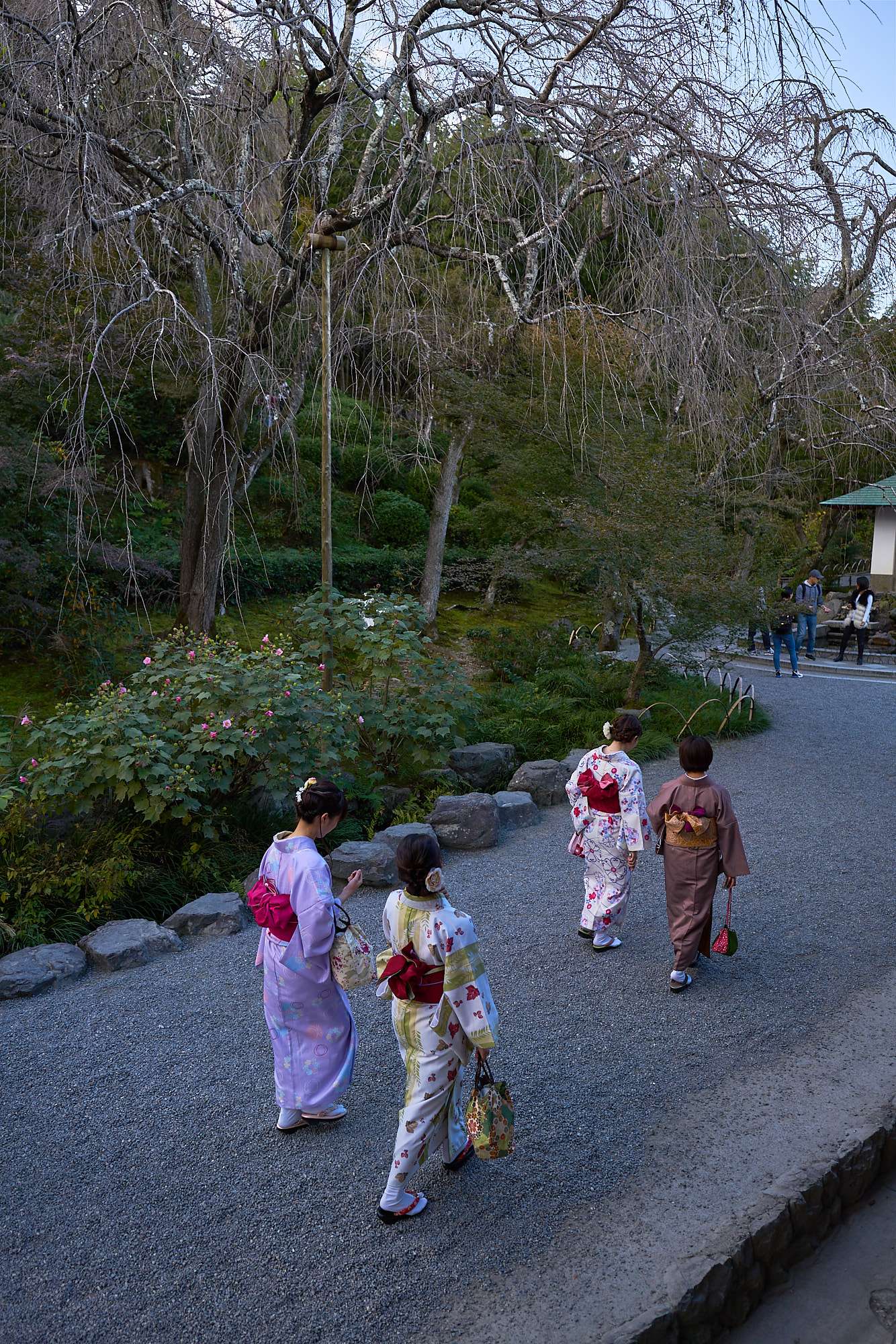
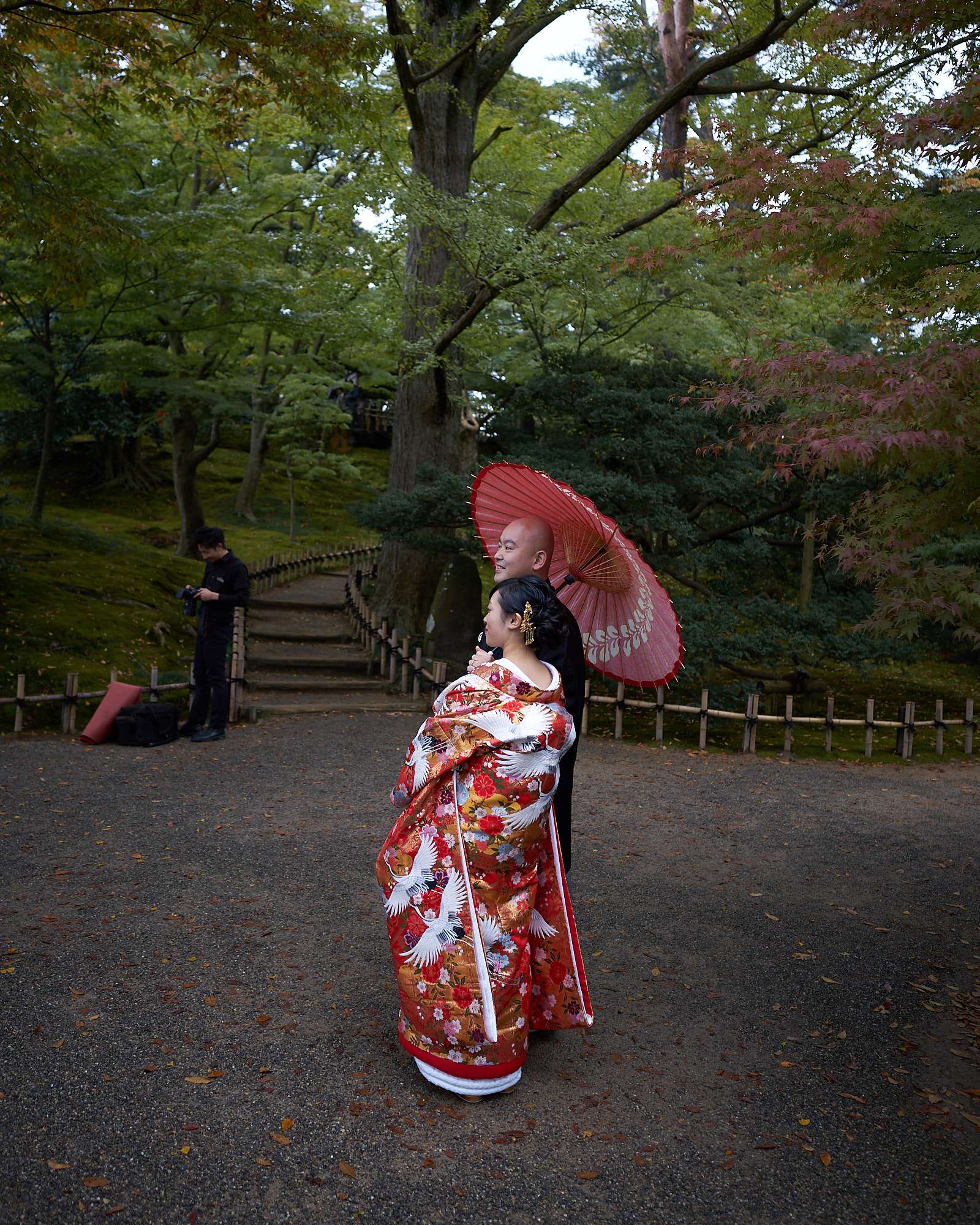
But in Tokyo, you will see women wearing similar garments in their everyday life, and do they look elegant in those!!! Traditional mixes with contemporary everywhere. Tiny temples nestling in between tall towers. Whole areas of tiny wooden houses dating from the 1920s and that miraculously escaped the bombings of WWII. Samurai homes that were inhabited up to 20 years and now open to all (literally open, in the street, with no guard, no entry fee, no visible supervision!!!). Geisha and Maiko invited to fusion cuisine dinners.
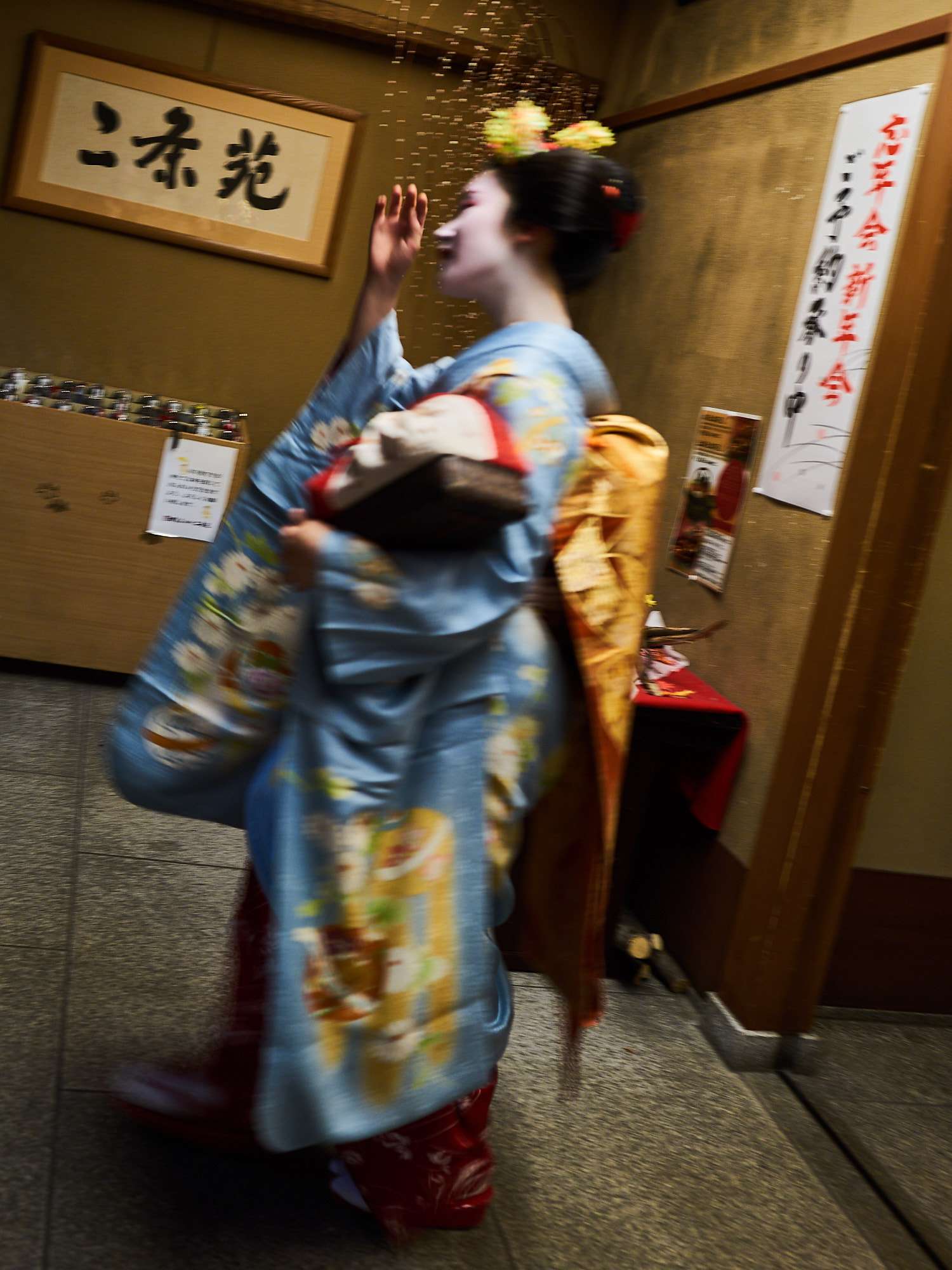
Not only does there seem to be great mingling between periods of history, but everyday Japanese life also seems to be a complex mix of modernism and tradition, of the archaic and the contemporary. Nowhere is this more evident than in the extraordinary rail service which will start you off in a futuristic machine and will deal with the final leg of your journey in something straight out of the history books.
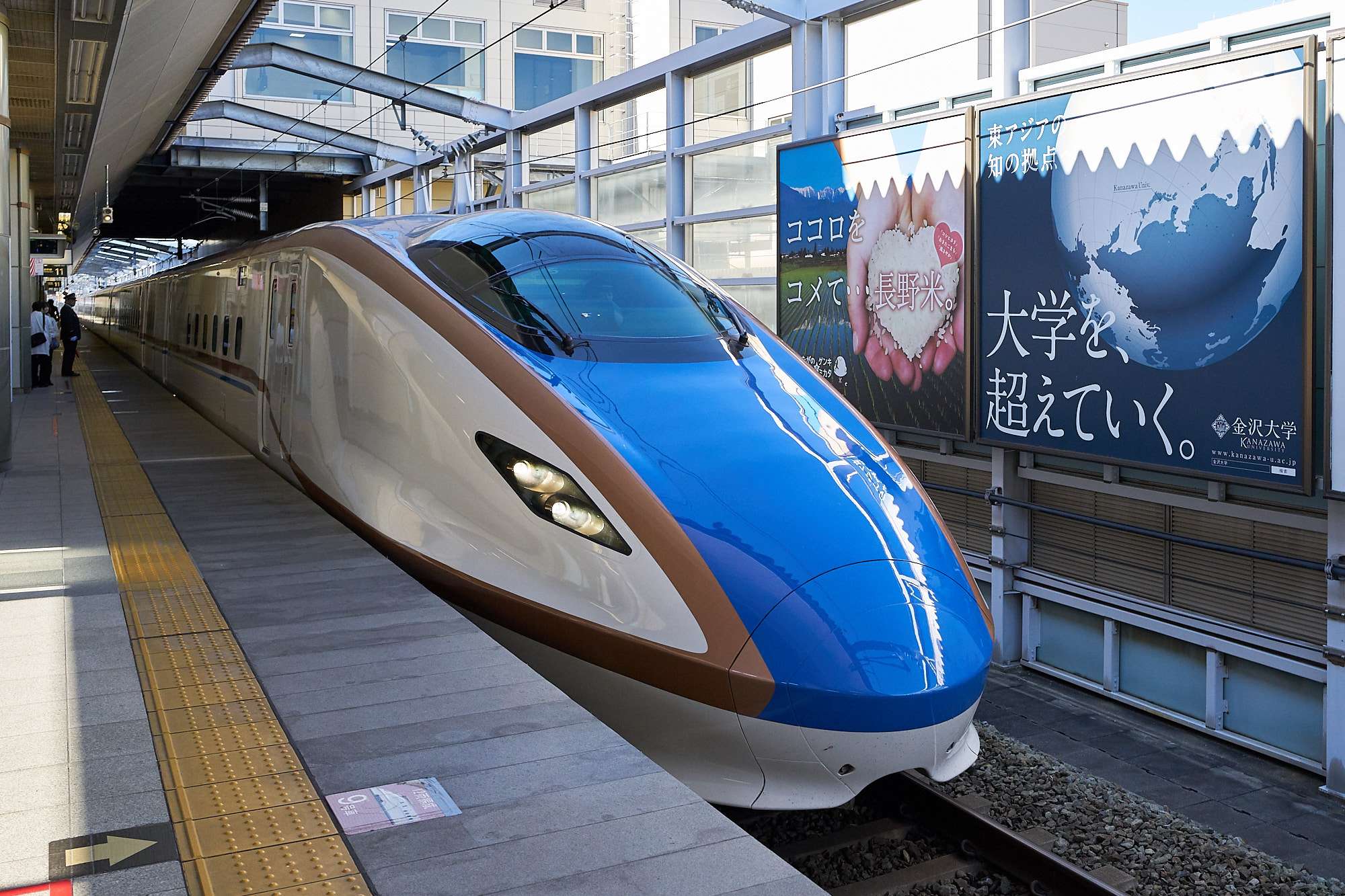
Architecture appears to follow a similar logic. Instead of distroying whole swathes of their architectural past as China is doing in cities such as Shanghai, the Japanese make the old cohabit with the new. This leads to very chaotic scenery, but one that is full of soul and charm, unlike the alignments of glass buildings that only herald our fear of death.
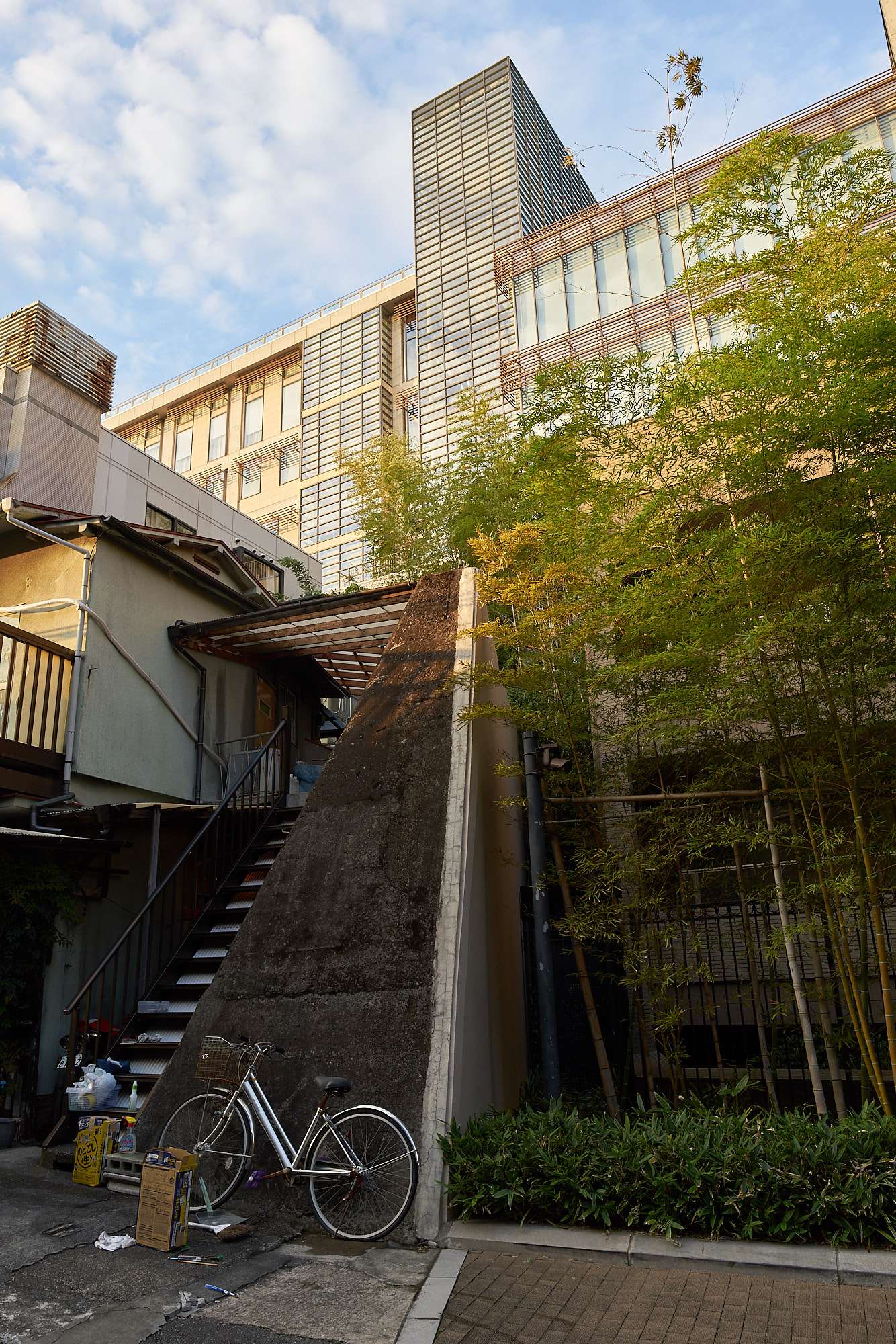
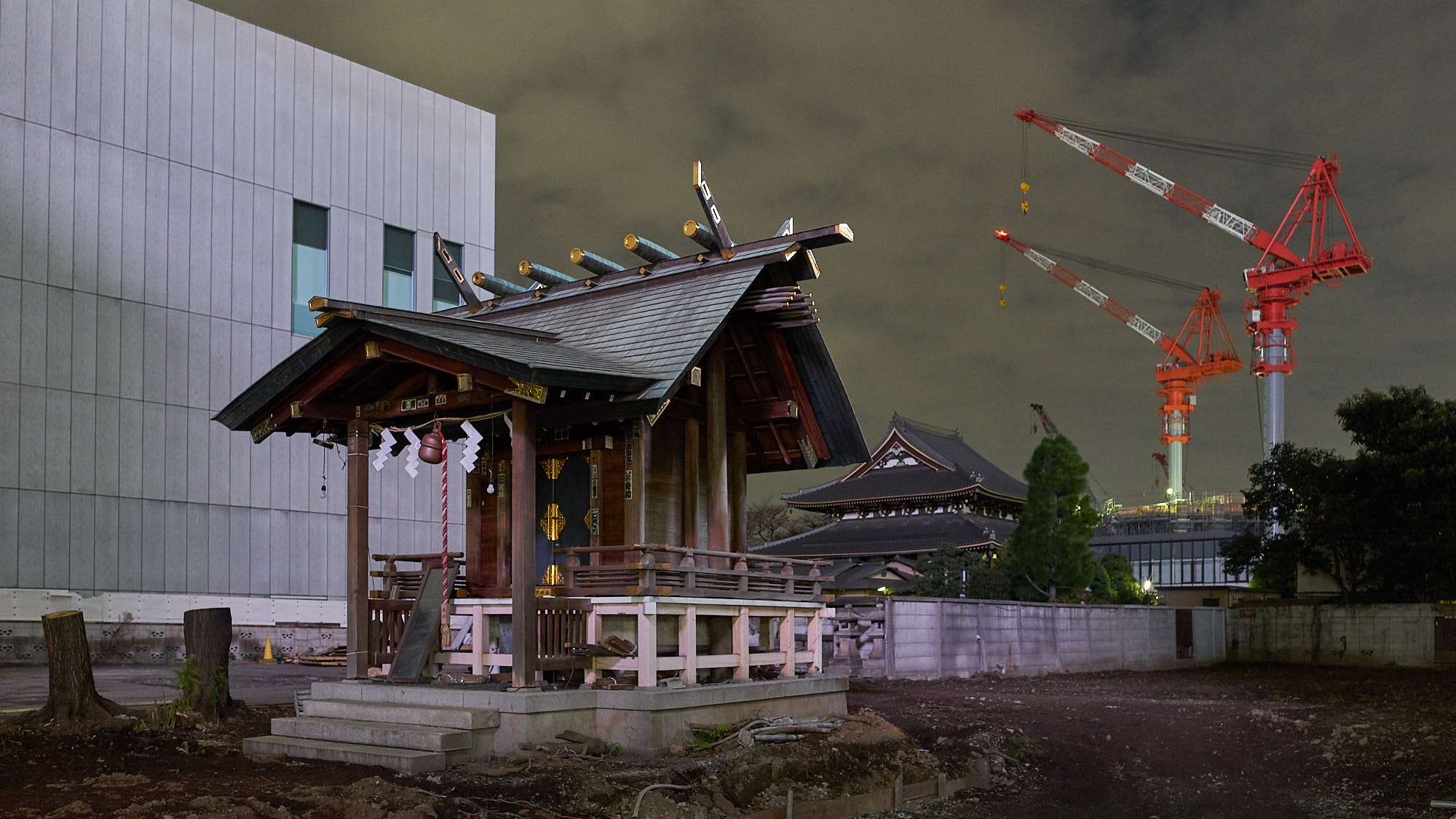
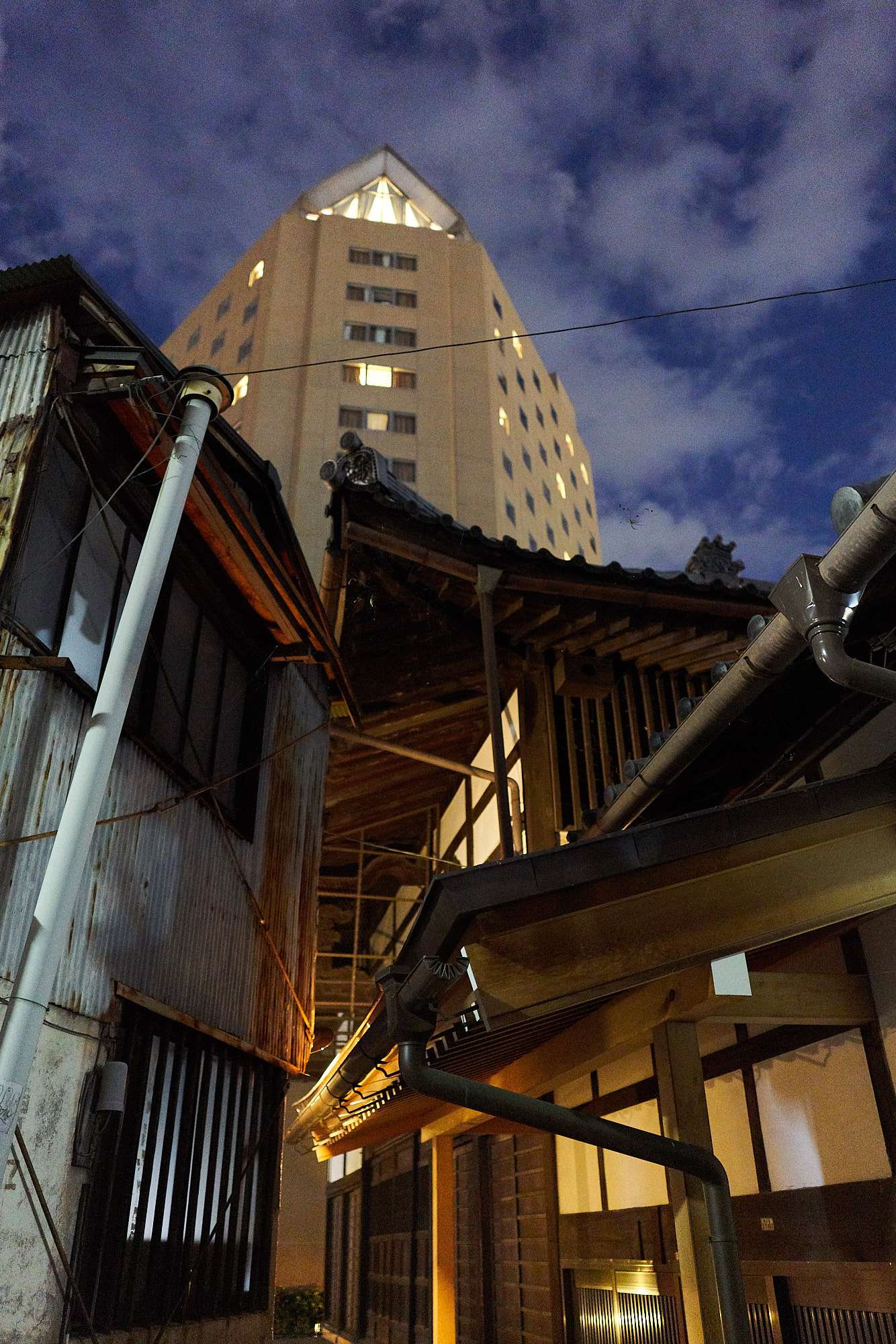
In fact, could it be that our very different relationship to death (reincarnation vs this is the end, my dear friend) helps explain a lot of the differences between our cultures when it comes to history and historical artifacts? We make a big deal about the Elgin marbles and Pompei, for example. It seems to me that preserving them behind chain or glass is just trying to fight entropy in a puerile attempt to preserve the past from death, while killing its significance in the present. Why not let everyone explore freely, touch and why not recreate some buildings to fuel the imagination? If some parts get damaged, so what? That's the cycle of life and death. Just get people to rebuild, nurture a living tradition, create exotic jobs, involve others rather than sanctuarise and protect at all costs?
Anyway, enough with the long intro ;) This is just to say that what I found the most fascinating in Japan was the coexistence of time frames that we, in Europe would have segregated. And that's probably what guided my camera the most.
But back to this series. How can I make it useful to you, the reader?
I guess I'll just take it area by area, describe what I found the most visually interesting and give the practical hints and tips I wish I'd known before arriving. My very limited experience of the country extends to parts of Tokyo, Nagano, Kanazawa and Kyoto. So I'll deal with those cities in turn and provide pics, facts and guidance for each.
It would really be great if those of you with more experience added info via the comments so that these pages could become a living resource. I would then update the pages accordingly.
So, let me give you a quick taste of things to come.
Tokyo
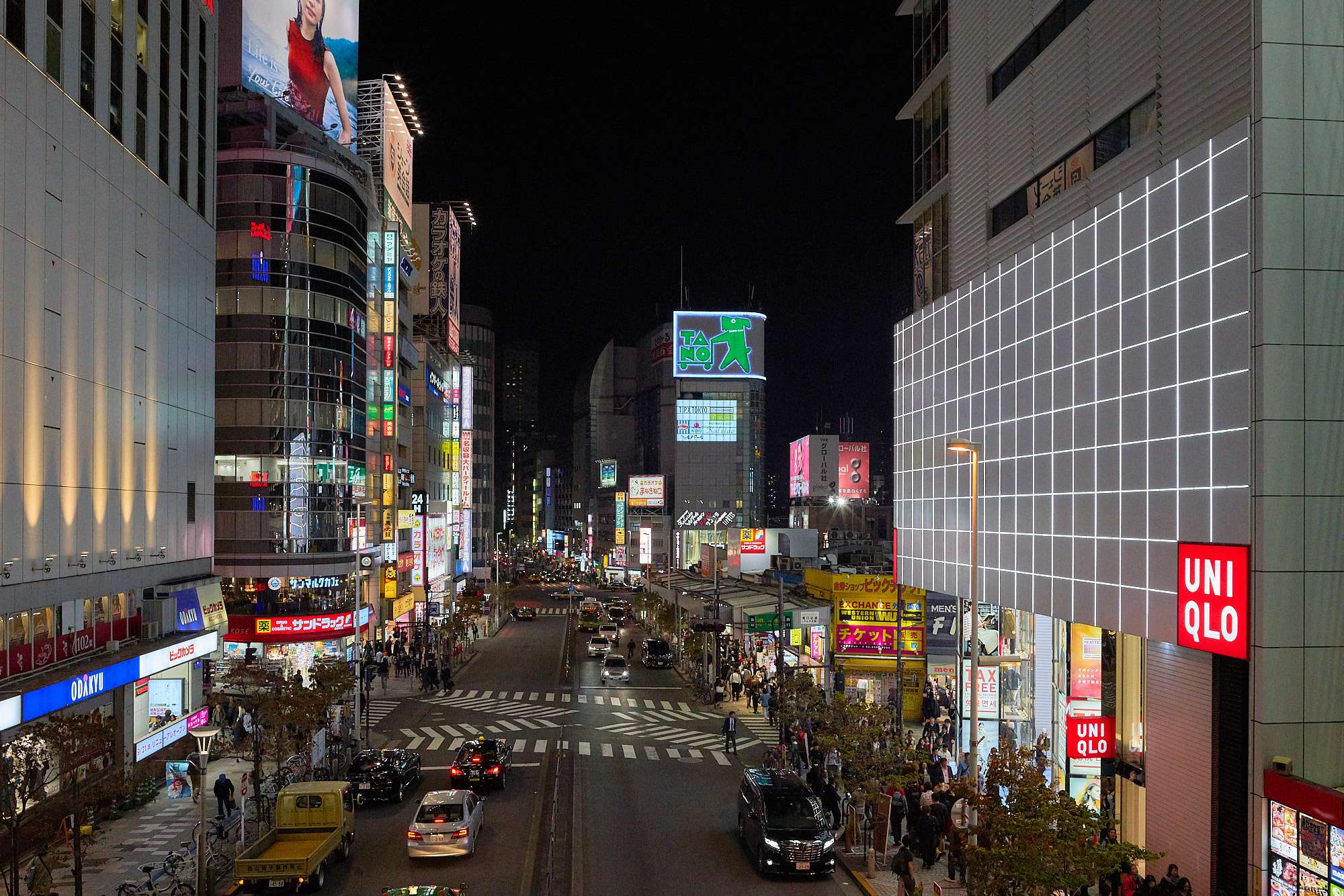
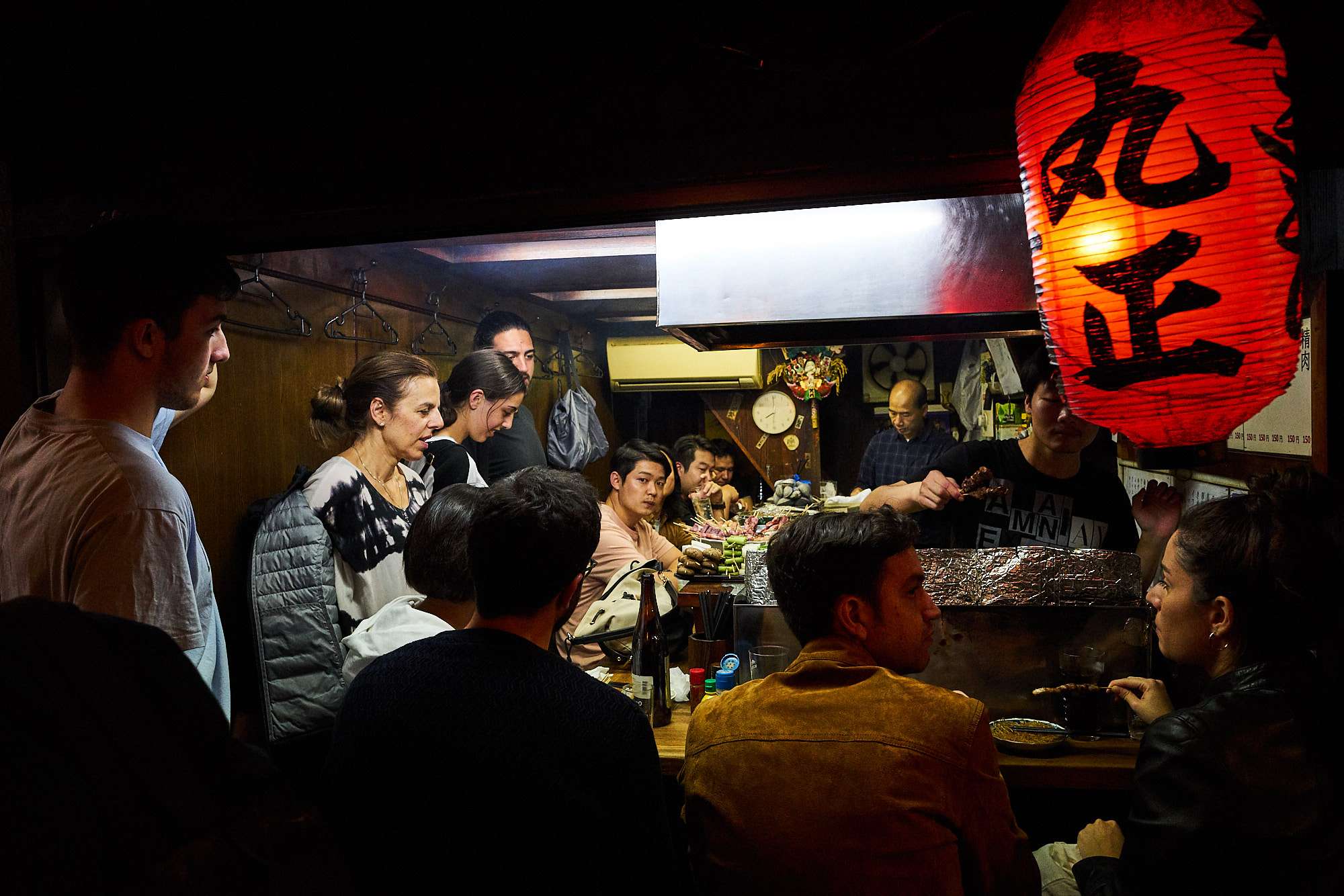
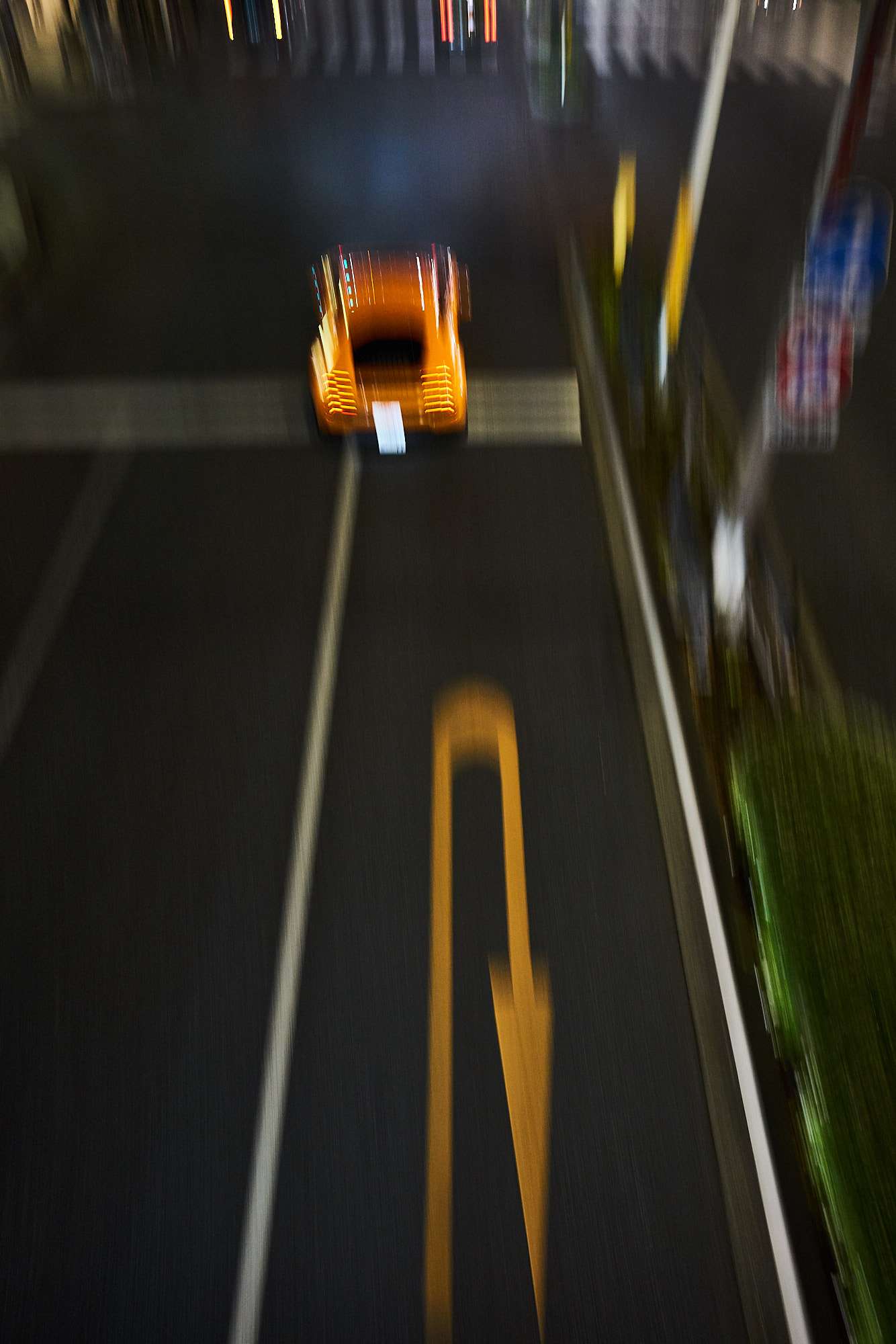
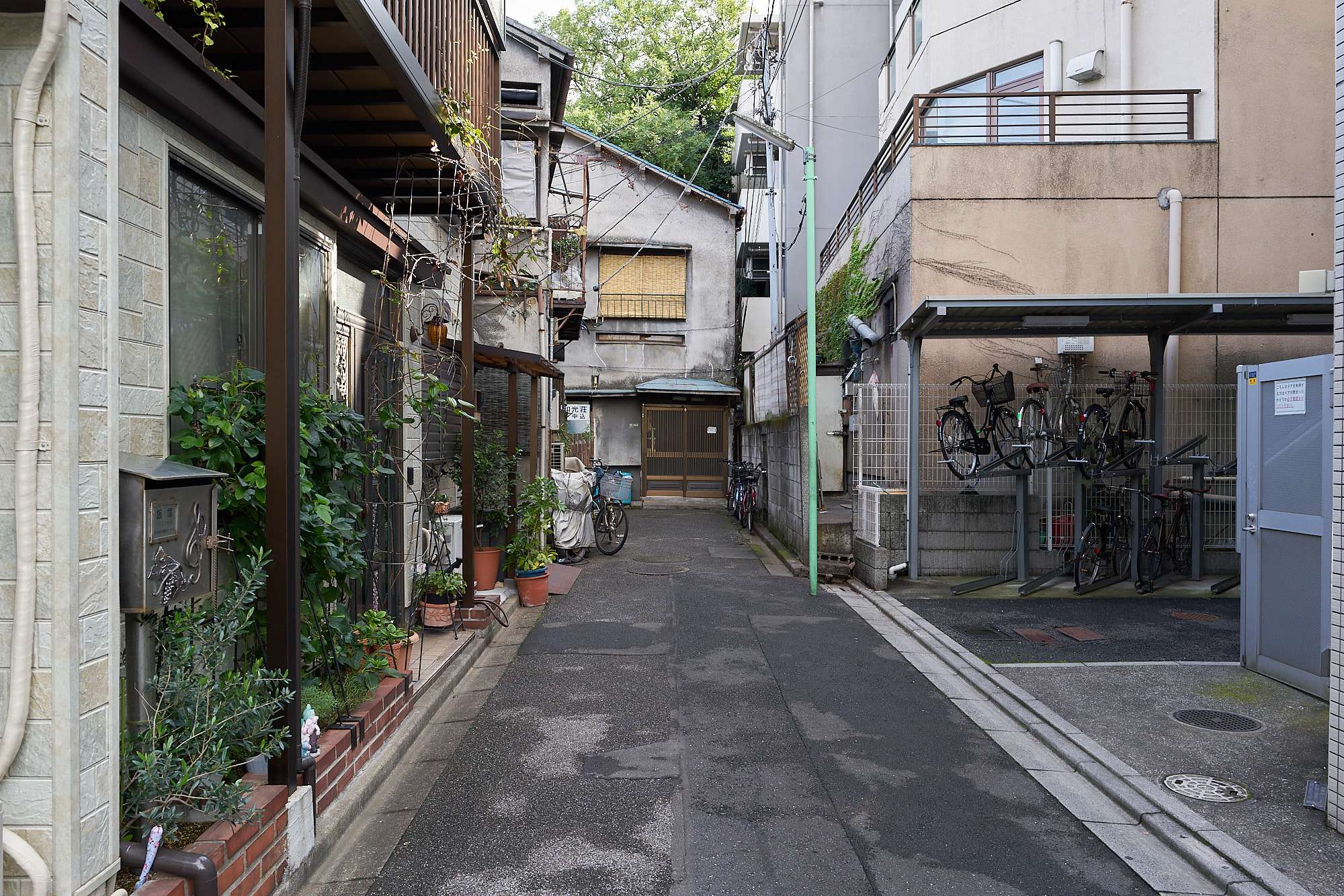
Abfab. My favourite place of the tour. My wife prefered the more tranquil Nagano and the network of lovely villages and mountains it serves as a hub to. Tokyo has the famous neon signs, the shopping, the crossings, the museums, the temples. Think of a Japanese image and you'll find it in Tokyo. What sticks to my mind most, besides food that's too good to be true, is the maze of little alleys in between the main arteries. Here, we found artisans carving wood in minute workshops, others working ceramics, others polishing knifes sold for the price of a small car ... and a tranquility that's distinctly at odds with the image of the stressed out salary man shoved into a packed train and returning exhausted and half drunk to a home 60 miles away. Not that that isn't a reality. It's a reality you can chose to see if you wish to but really won't come across when walking through that magical city unless you deliberately chose to.
If you can only visit one city, to me, make it Tokyo (others will recommend the more relaxed Osaka or more historical Kyoto). Tokyo, like London, is one of those cities you can return to over and over again and not ever get bored of discovering new stuff every time.
Nagano
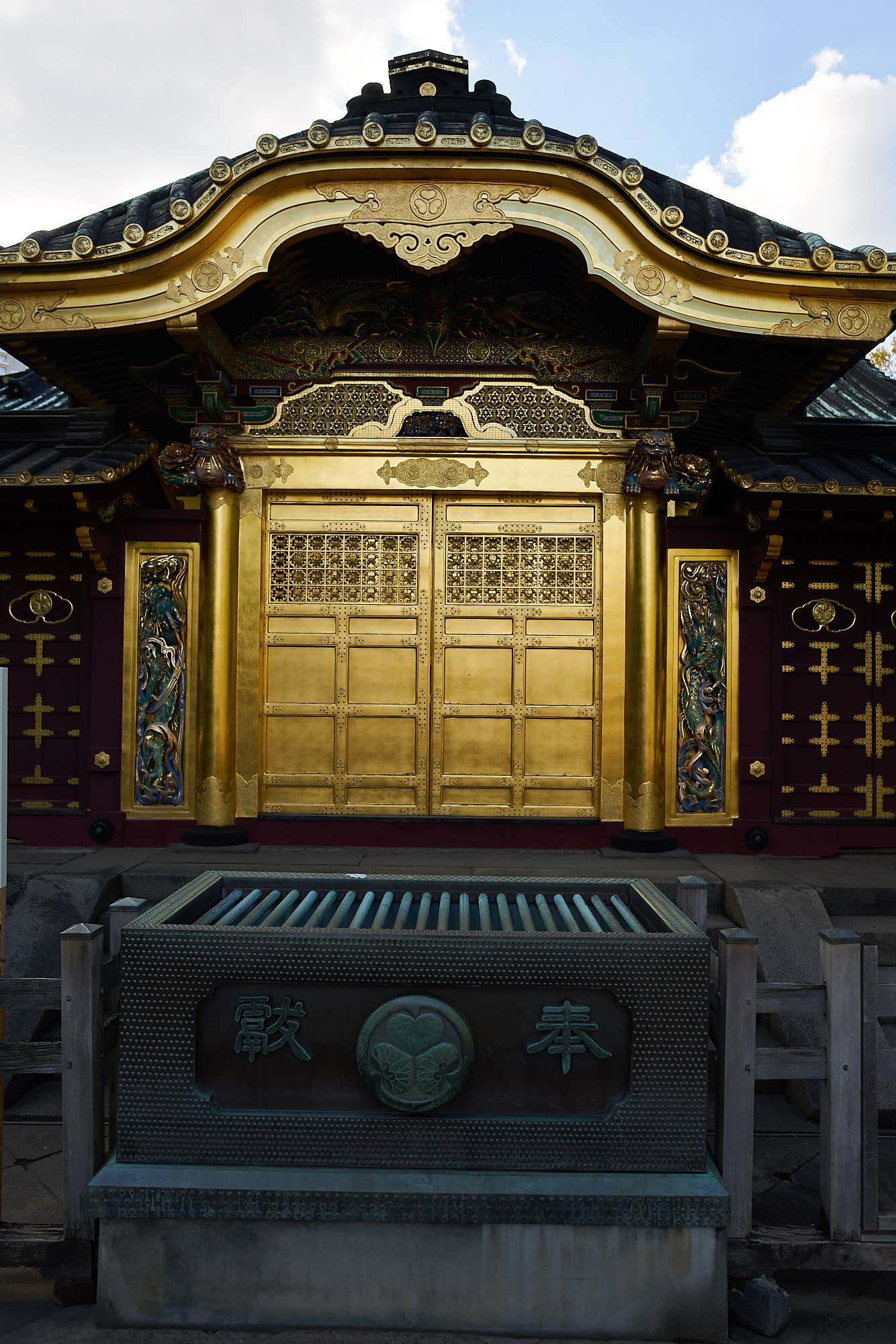
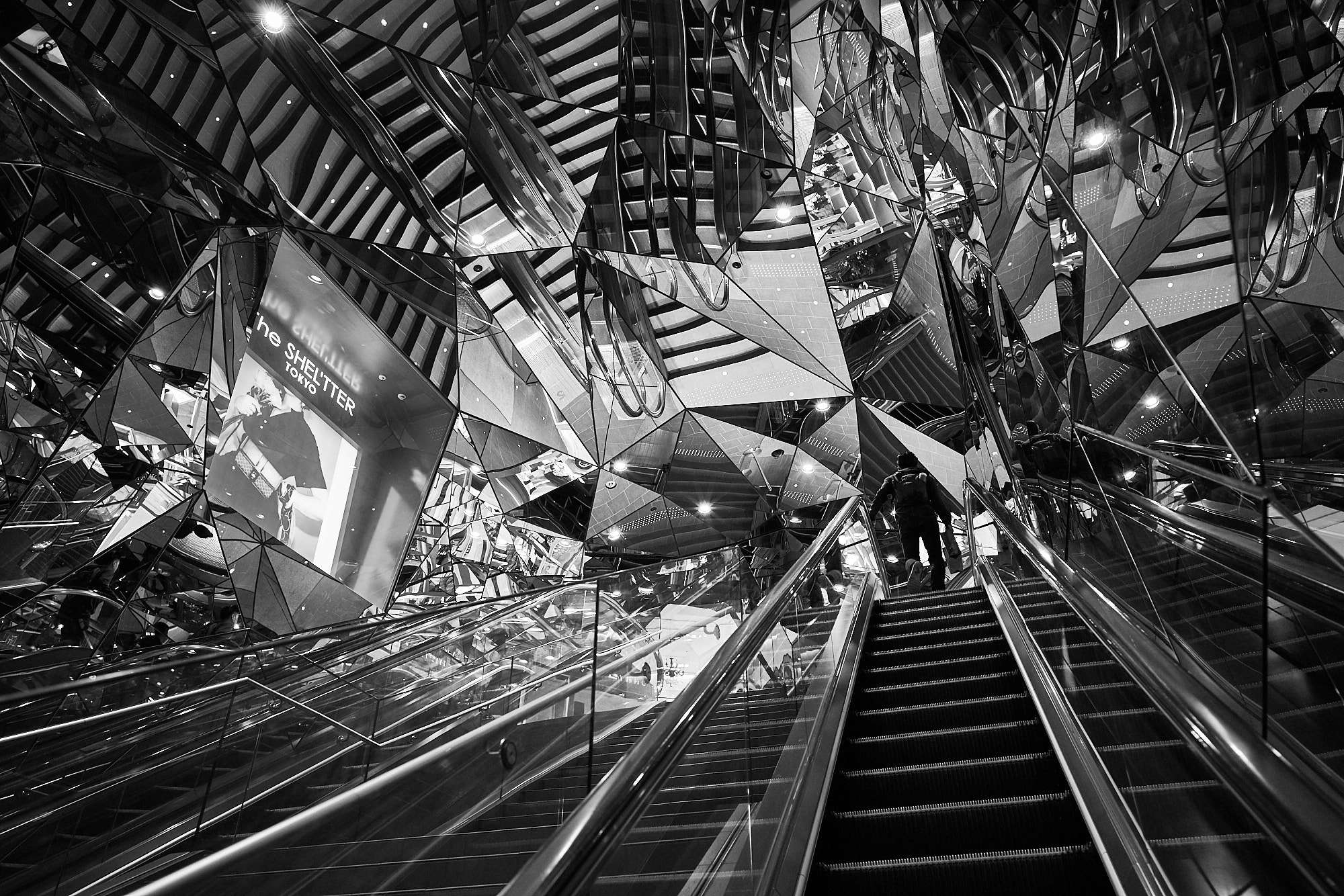
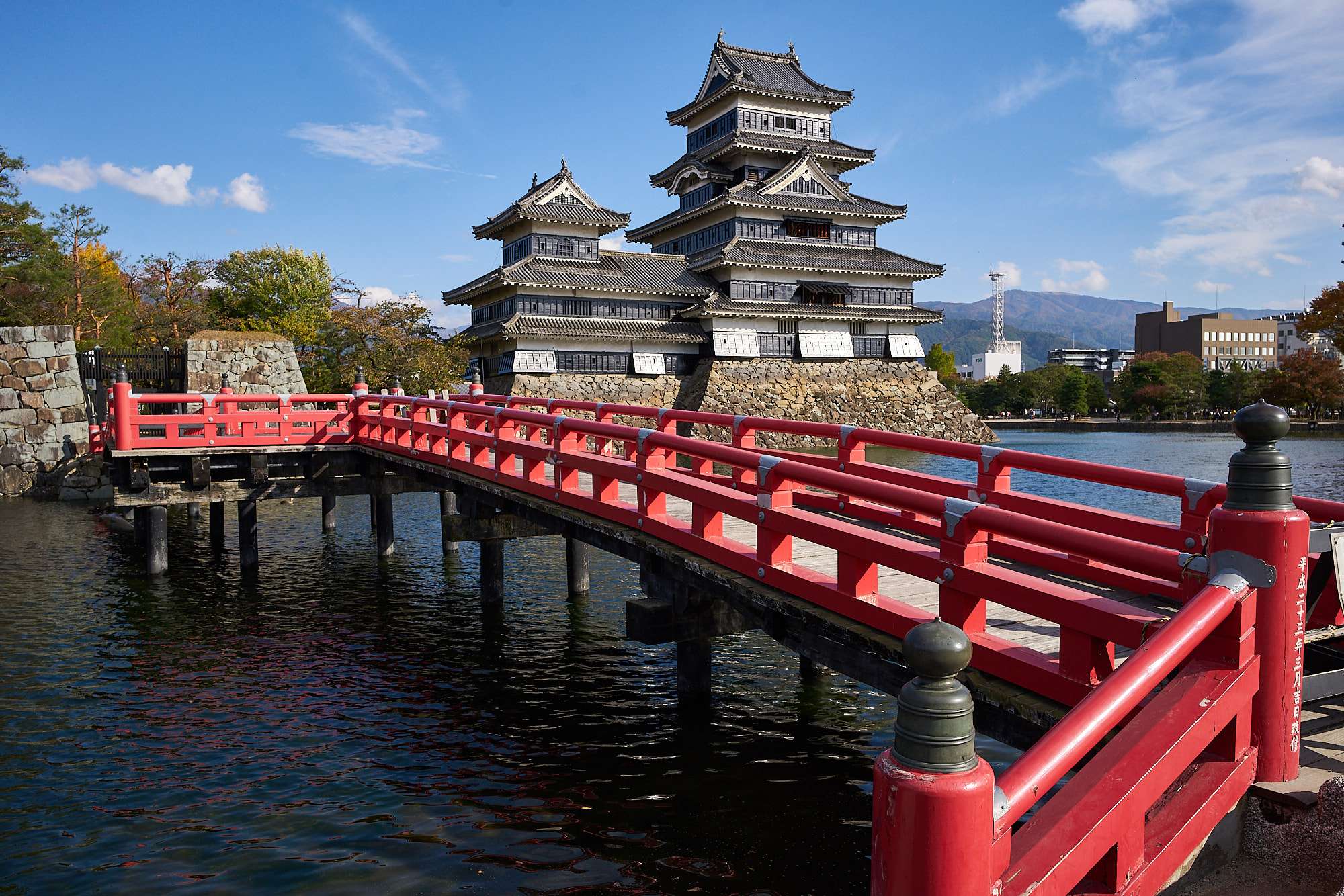
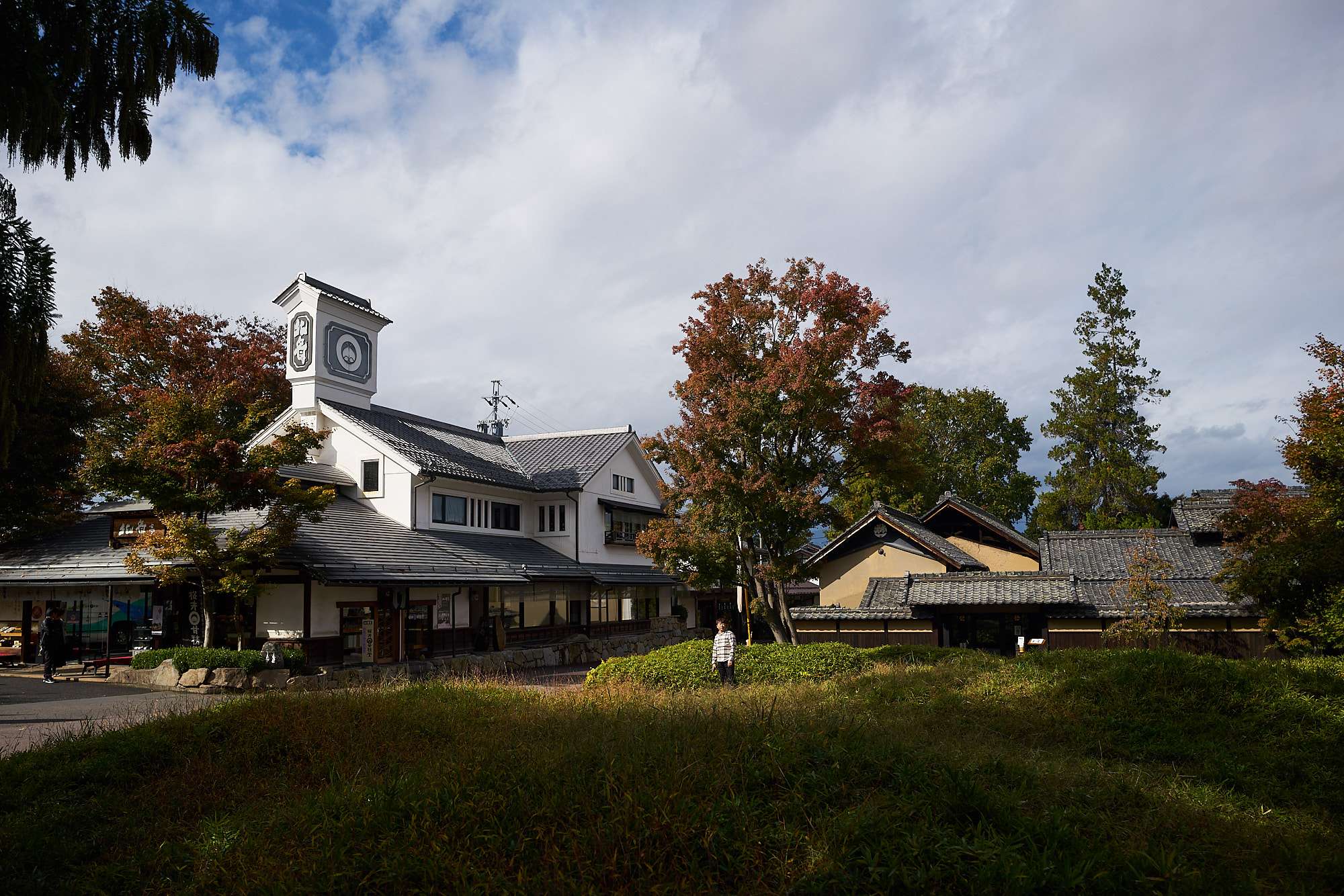
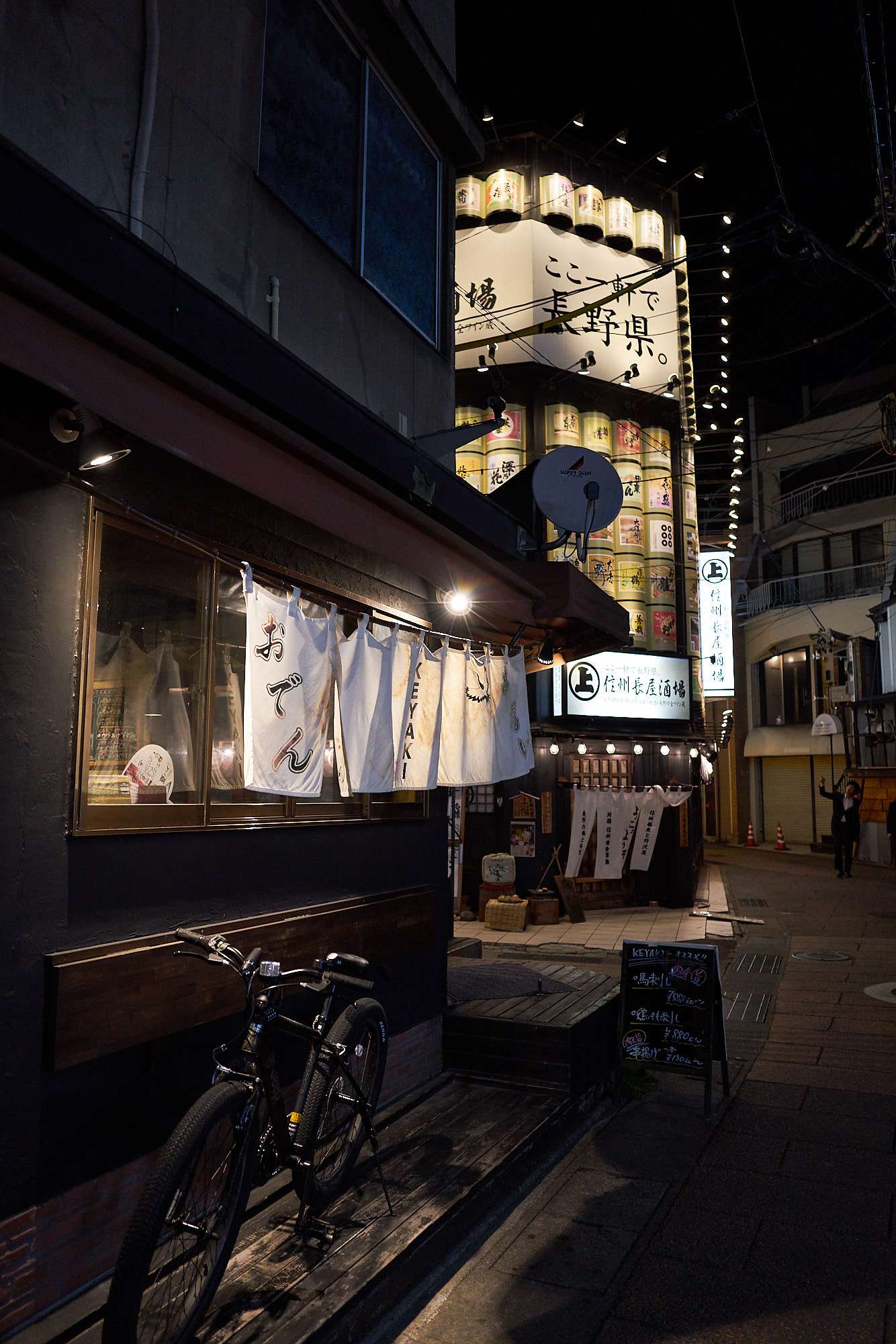
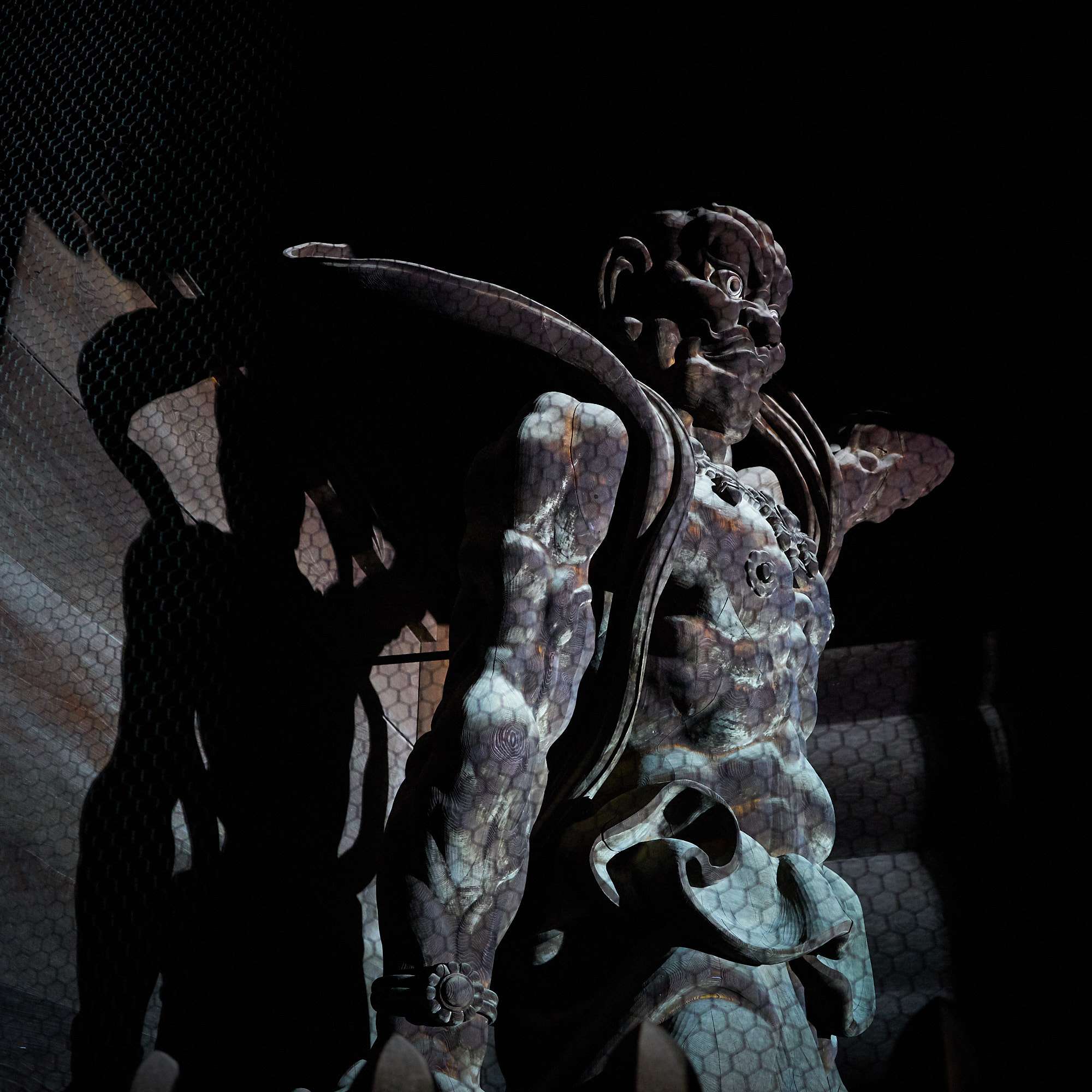
Nagano was a complete surprise. We stopped a couple of days on the way to Kanazawa, to take a stroll around Matsumoto castle and visit Obuse, the last dwelling of fantastic artist Hokusai. It turns out Nagano is really a great base for exploration of the nearby mountains, a fascinating place in its own right with, again, fantastic food, and temples - both in town and in the hills - that could keep a tog happy for days and a really nice art museum. If we had to do it again, we'd probably skip Kanazawa and spend more time in Nagano.
Kanazawa
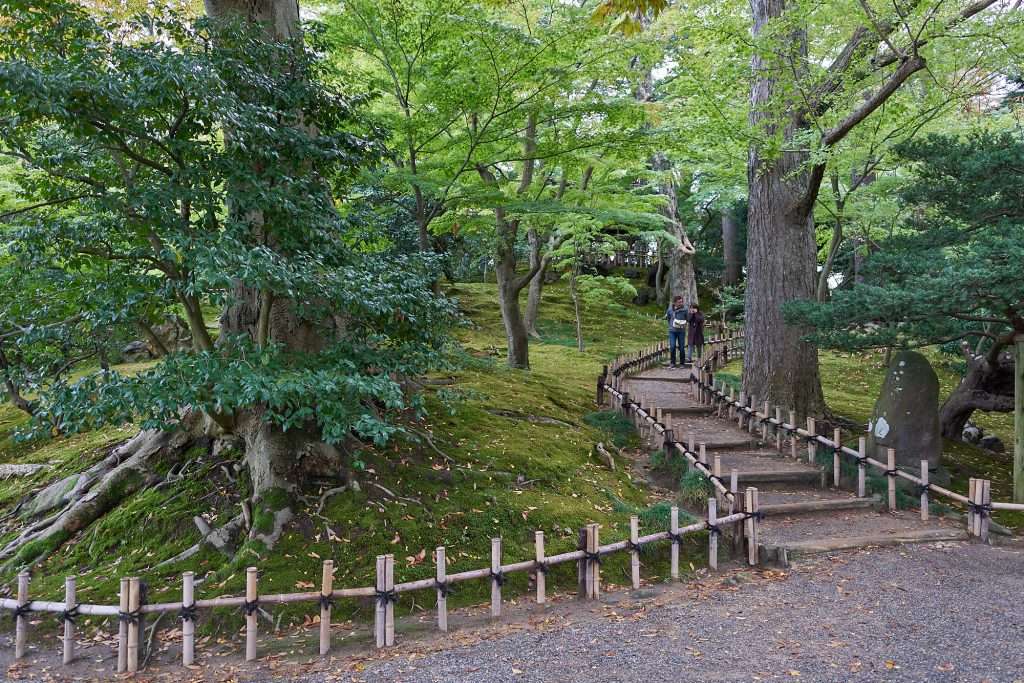
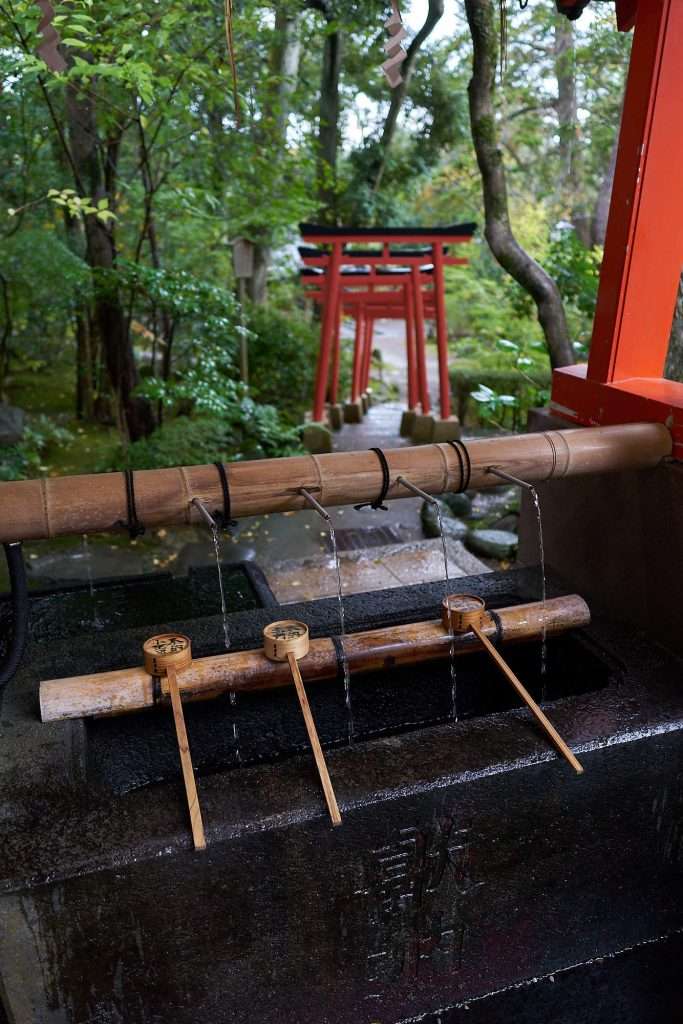
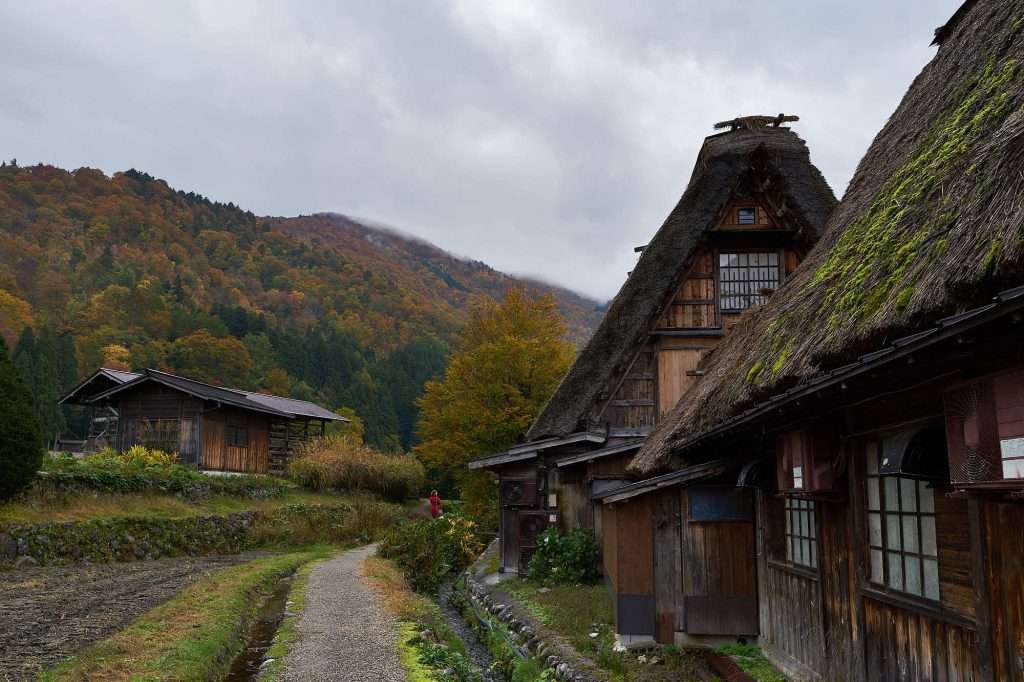
The city has one of the most enormous castles you can think of, with some highly entertaining educative material about building techniques and a very nice modern art museum. Next to the castle grounds is a garden famous throughout the world : Kenrokuen. An hour's bus ride away sits the little village of Shirakawa-go that has preserved 250 year old thatched roof houses that people still live in.
Kyoto
Hmmm, Kyoto ... A polarising one, that one.
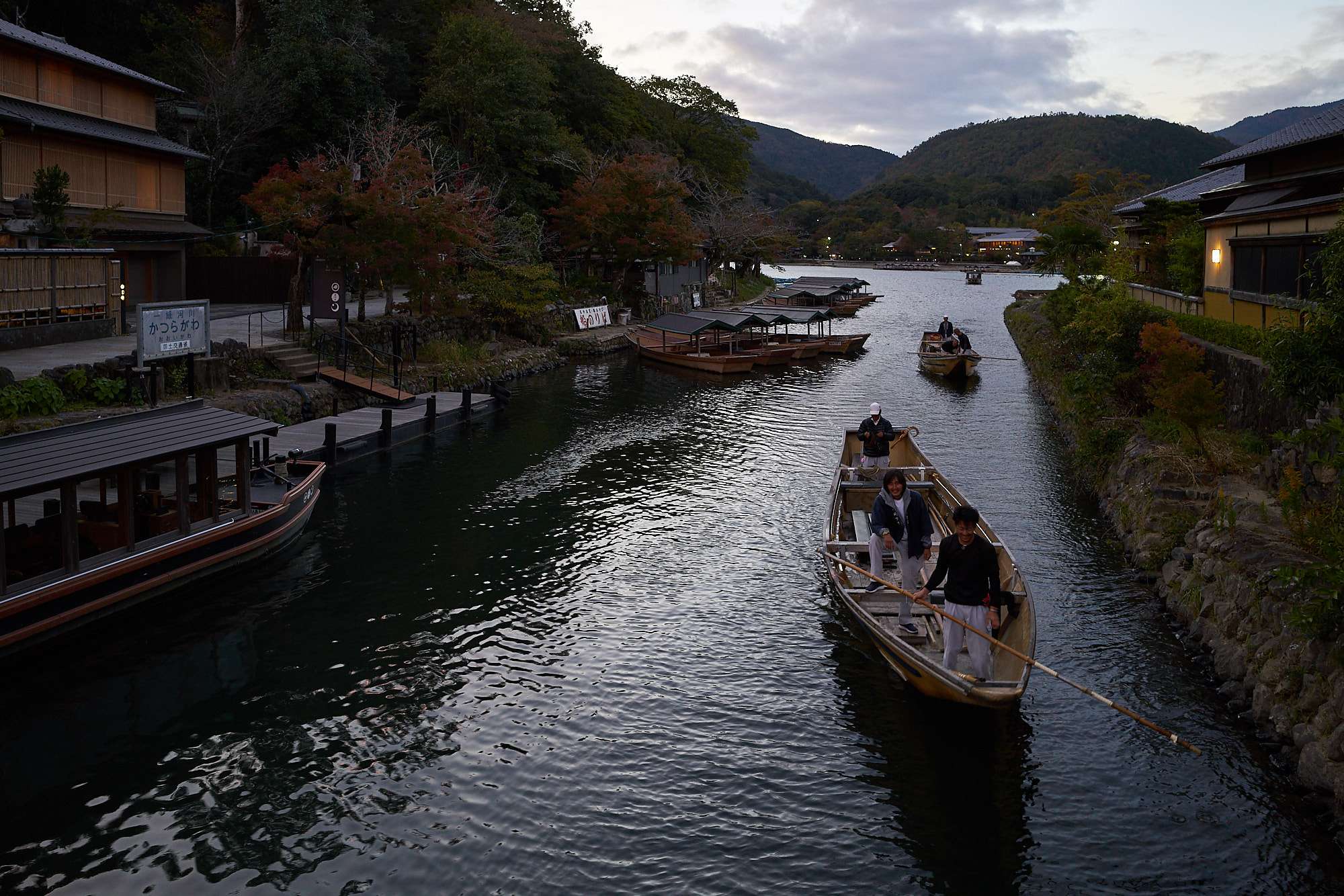
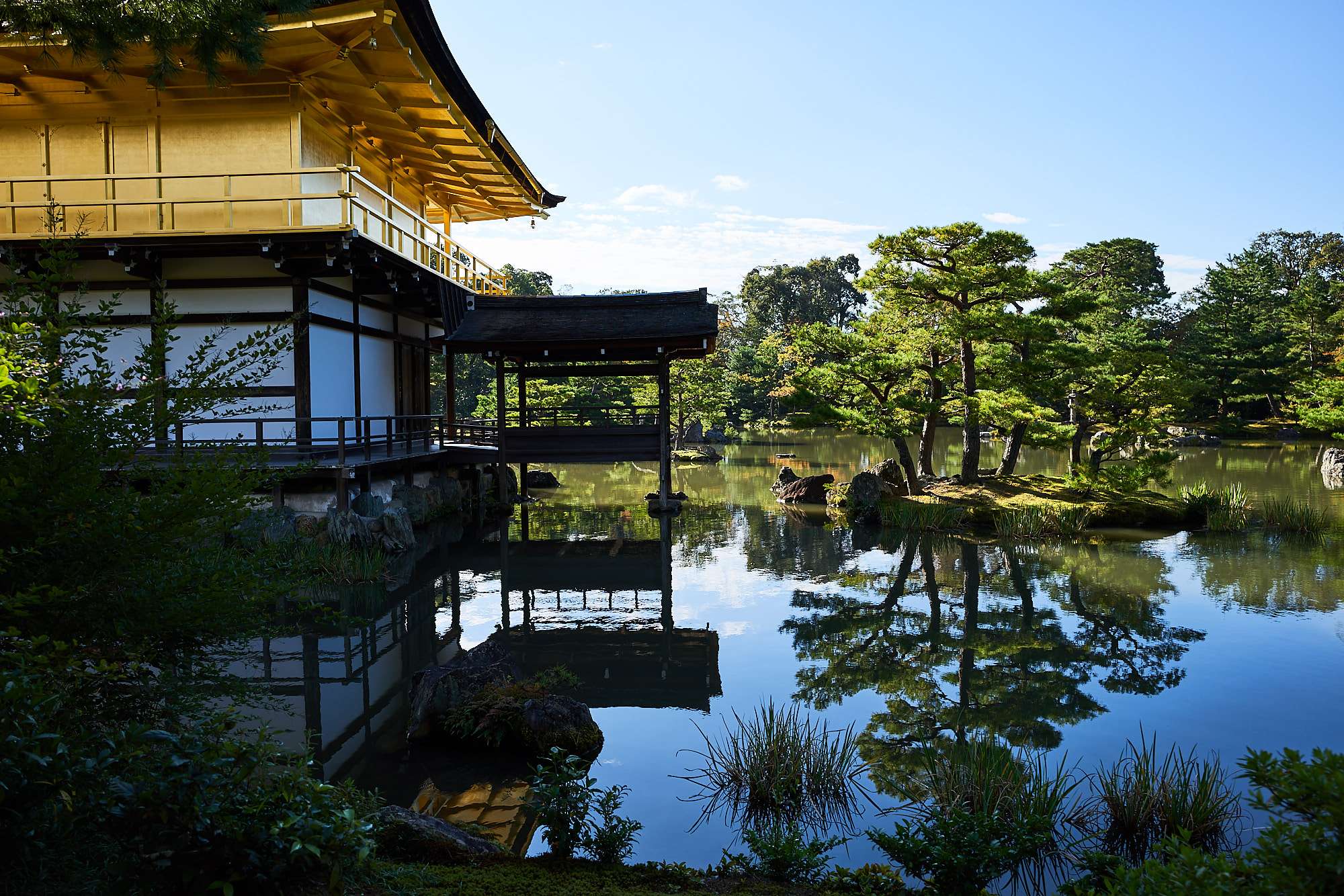
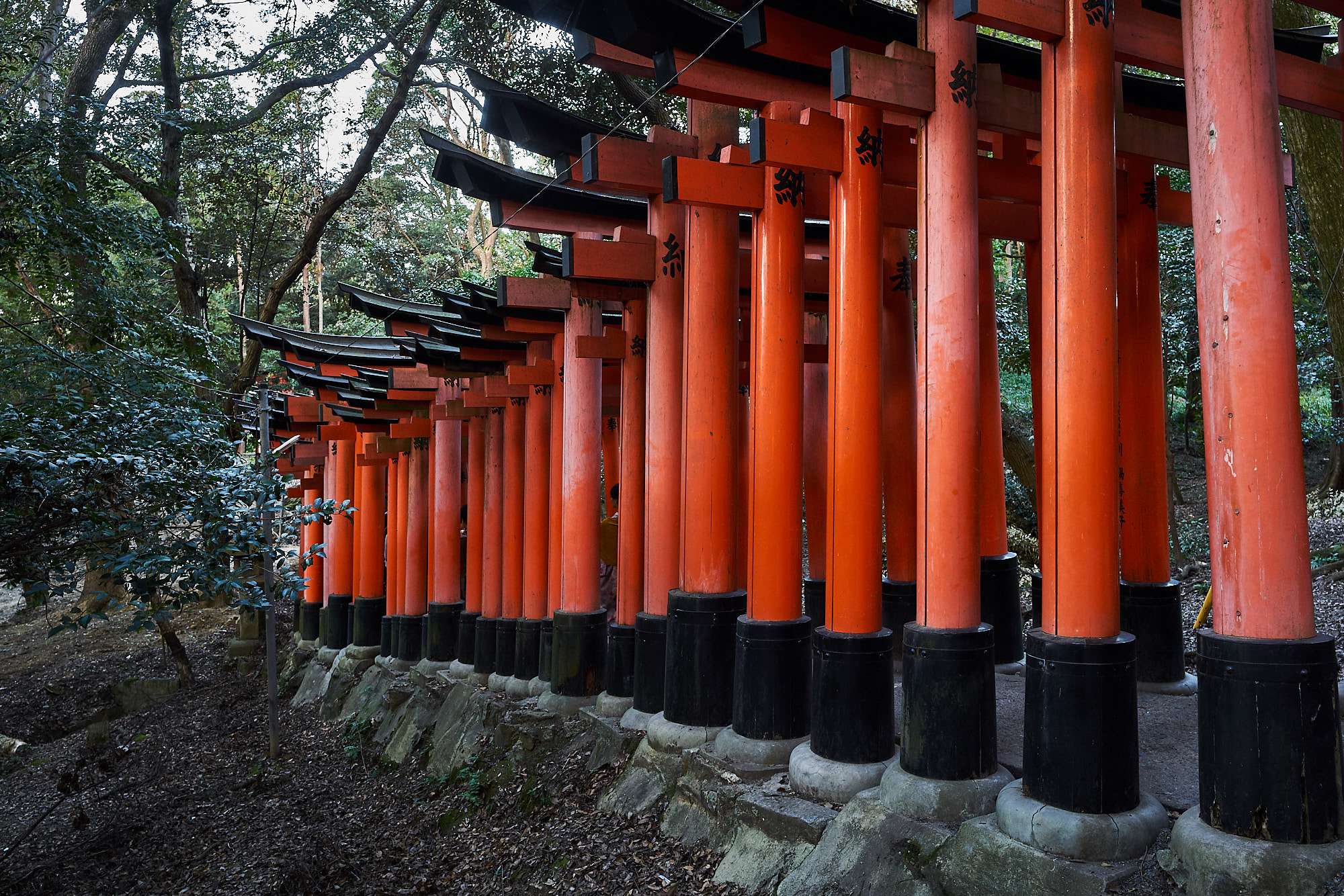
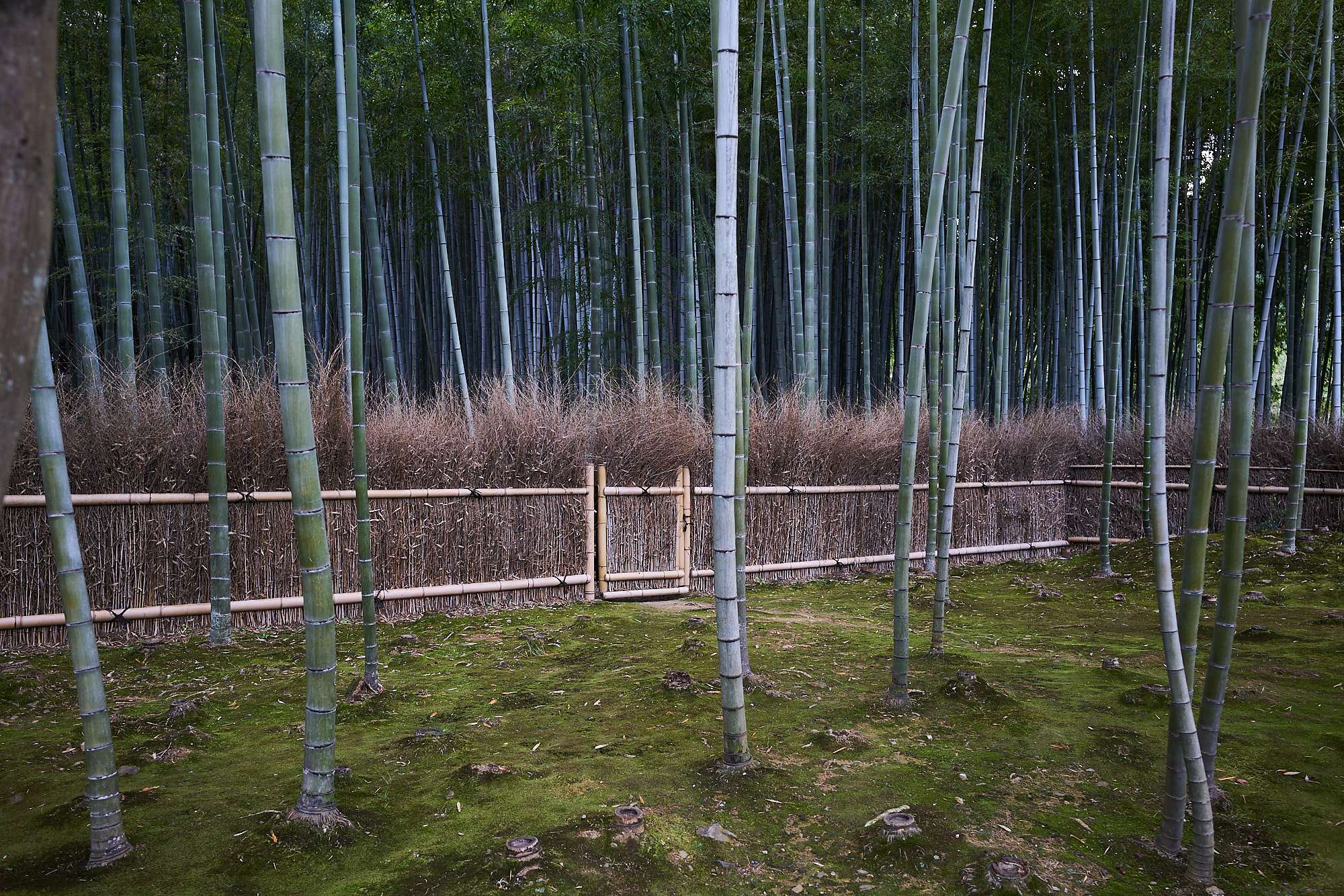
On the one side, Kyoto has, by far the most impressive temple complexes and it would take you weeks to photograph them all. They are truly beautiful and vast.
On the other, Kyoto has by far the most tourism, with all the negative side effects. Some parts are really disappointing. Some are enchanting.
To me, Kyoto is best appreciated if you're not discovering but have researched. If you're there with a purpose, visiting for a reason, it is unique in the world. But as a photo destination, it can be tough, with zillions of people all over the shop and opening/closing hours that do not play well with the best hours of light.
Recommendations
Without getting into the specifics of every city, here are a few general recommendations that have made our own trip a lot sweeter.
Get a JR Pass. Unless you plan to stay in a single area, the Japan Rail Pass offers a very easy way to travel. Just show your pass to the guard at the turnstiles and you're through. If you use it a lot, the sense of freedom it offers is priceless. Note that many trains require previous booking, which you can easily do in the ticket vending machines in most stations. But many others don't. About 50% of shinkansen offer non reserved coaches, which are occupied on a first come first served basis.
Get an unlimited data SIM card. You'll find plenty of those at the airport. Or you can book in advance and have it sent to your hotel, if yo know your way around your phone's settings. You can get a 3Gb card or an unlimited one. Unless you're on a strict budget and will only use data for some messages, go for the unlimited package (about USD 60 for 15 days unlimited data). The transfer speeds in major cities is science fiction to me and the ability to use Google Maps all day long and to backup my photographs on the fly made this card an absolute no brainer.
Create a Google Map of the areas you want to visit: go to Mymaps, click "Create a New Map", search for a place, add to map. Done. When on site, just clic on the icon you want to get to, click itinerary and off you go on foot or on public transport. Not once did we get lost and we got to see far more than if we'd relied on old school maps or guides.
Learn a few words. Basic Japanese is simple and pleasant and people really appreciate you trying. Just a few words gets a large smile on most people's faces. Of course they (mostly, not always) speak far better English than I speak Japanese, but those "Hello", "Please", "Thank you", "Have a nice day", "Goodbye" ... really are great icebreakers that also show your respect.
That's it for now. Please, do share your feedback and knowledge of the area to make this series an engaging one for those who have yet to discover it :) Thanks! Arigato gozaimasu.
Update
Readers have begun to share their photos and insights. Thank you very much.
- Stephen Cysewski shares beautiful photographs of cities mentioned in this post but also of many others such as Nikkon, Hiroshima, Takayama, Miyajama and Hakone : http://www.cysewski.com/asia/japan/index.html
- You can find all our Japan-related posts here.