
#671. Opinion - What serious photographer would use a phone camera ?
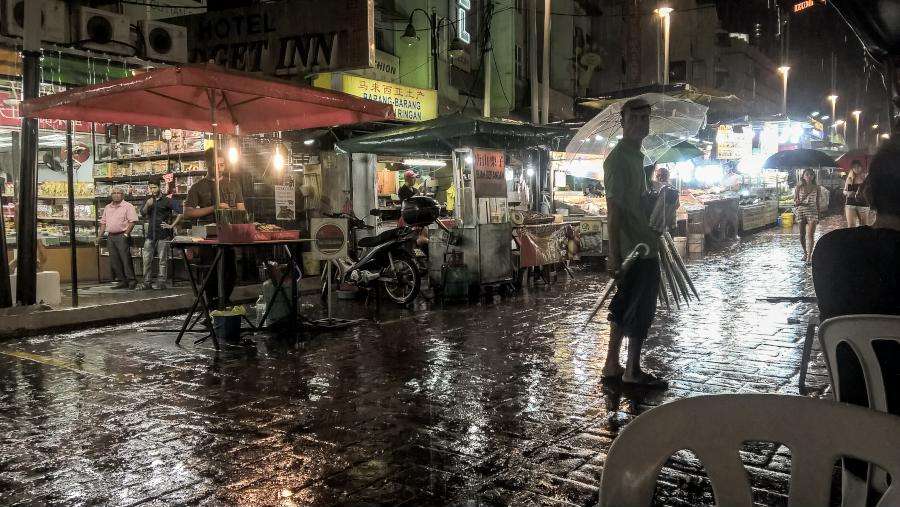
Sometimes Dear Susan articles are the result of private debate between it's contributors; sometimes it is something that triggers inspiration and the desire for one of us to talk about something. Pascal has recently been telling us and Dear Susan's readers how much he likes using his Korean fancy from the house of Samsung, much to the derision of some of our other members. Recently, whilst using the LED flash on my phone as a torch to try and find my mother's cat, it befell an accident and had to be replaced - a sad day as it had accompanied me through 2 years of travel, its huge battery battling through days of heavy use and its huge screen a great way to show potential subjects my portrait work. It's funny how attached we get to the most unlikely inanimate things, and I lamented the passing of a trusted friend. When setting up it's replacement, I happened to be looking through the pictures I had accumulated on my old phone, and I was quite surprised by how pleasant some were. As a camera phone luddite, it was then that an idea for an article started to formulate, as I know Pascal had been experimenting with his camera phone, but others – including me - somewhat dislike our phones as photographic devices. It came to me as although I don’t ever really use my phone as a camera, I came across a few photos I had taken with it a few months ago, and quite liked one or two of them, so I asked Dear Susan's other members to submit camera phone photos and share their thoughts. Inevitably, as Pascal likes his camera phone so much, he was the first to reply. Pascal (Jappy): I violently agree. The obvious caveat is that people who don't like phones will not do their best to make the best possible pic with the phone... For example, against the sun with a greasy lens and with a completely black foreground Adrian: Well I don’t think anyone should be aiming to create a deliberately bad picture! It’s just an excuse to make us luddites try something new – and then we can all bitch about how bad the results are and how much we disliked using our phones! Steve (Mallett): OK, I’ll play. I realise it has never occurred to me to clean the lens on my phone so I won’t be needing to grease it up! Philippe (Berrend): Hard for me to not disagree when Pascal violently agrees. How did he know that I would grease up my lens and shoot against the sun and a black background? In earlier times this man would have been burned at the stake! He'll freely admit that he's sold his soul to some kind of Korean deity.... Still, I'll play along to show all of you unbelievers... Adam (Bonn): I don’t even know what my phone is called…. It might be a galaxy s4 mini. I had a quick look through the photos on it – but they’re mainly from Ikea from when we moved here (when you have to know where to look in the warehouse for the tat your wife wants)Speaking of my wife - I’ve arrived home to a note saying our daughter needs passport sized photos for school, and can I do the necessary. What’s the going rate for that? She’s always saying I give away too much photography for free. Dallas (Thomas): I'm in I'll just have to ask Anne how do I take a photo on my phone! Steffen (Kamprath): What's the idea behind it, the story, the take-away? Adrian: Well given that Pascal likes his phone, but others of our number seem to positively dislike, I thought it was an interesting exercise – 'we are photographers, who mostly hate phones, but here are some of our efforts'. To try and get us going, I submitted some of my existing photos first. Phone: Microsoft Lumia 640XL (13Mp Carl Zeiss f2 28mm equivalent) I was walking past the Park Ventures’ “Ecoplex” building on T. Wittayu in Bangkok, and stopped to take a snap. In this photo, although the ISO used was quite high and therefore caused some noise, I thought the geometric composition suited a 16:9 frame, and the contrasty scene created a graphic image that hid some of the noise in the shadows and played to the strengths of a simple camera. The Windows Mobile Lumia Camera App allows manual control over all shooting parameters if required, and has a multi-shot HDR mode. The lens tends to create a lot of “bloom” along bright edges of contrast, such as some of the lighting up the building in this photograph. Edited with Ichikawa Software's "SilkyPix for Jpeg". 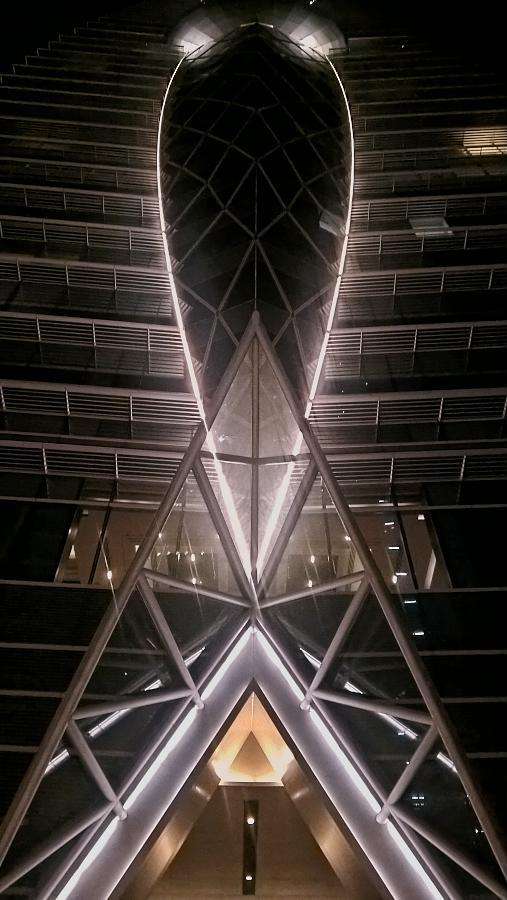 I was dining on the street under a parasol in Kuala Lumpur during a tropical rain storm. The heavy rain had emptied the street, and I liked how the bright lights reflected on the wet surfaces. Too lazy to take out a "proper" camera over dinner, I took a few photos with my phone. The composition isn't perfect, but I like the light and atmosphere. Processed on my phone using Adobe Photoshop Express for Windows Mobile.
  The photograph of Singapore's "Atlas Bar" was another snap taken over coffee, where the scene suited a vertical 16:9 composition. The camera records a surprising amount of detail when the lighting isn't too difficult. Edited with Ichikawa Software's "SilkyPix for Jpeg".
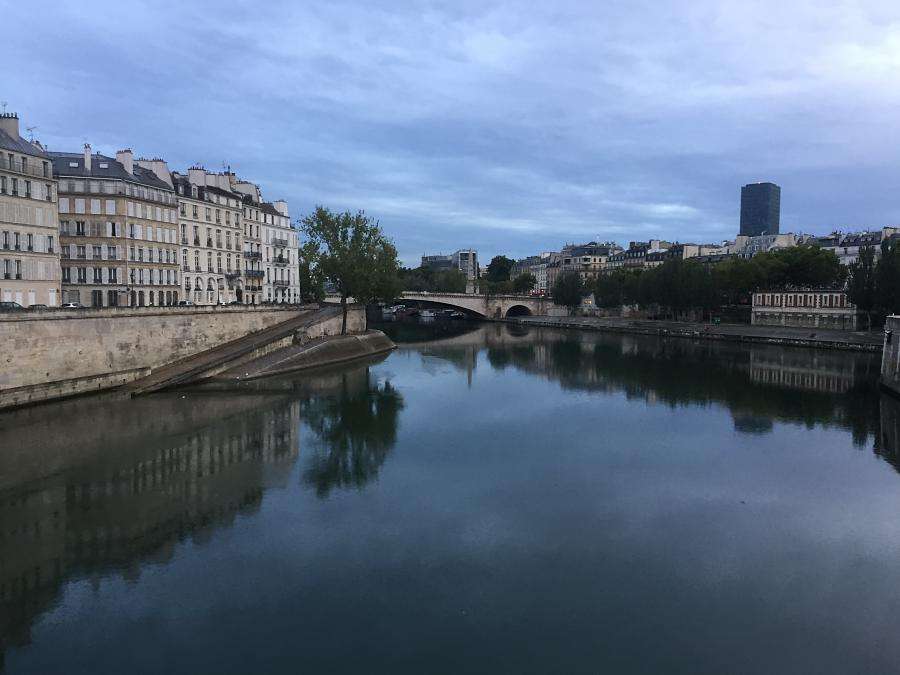
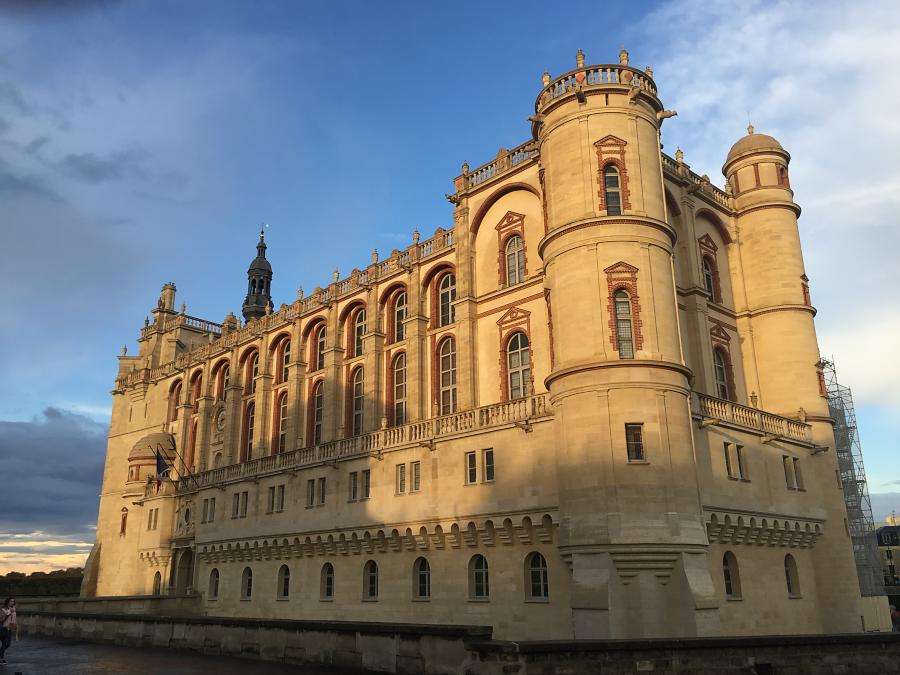
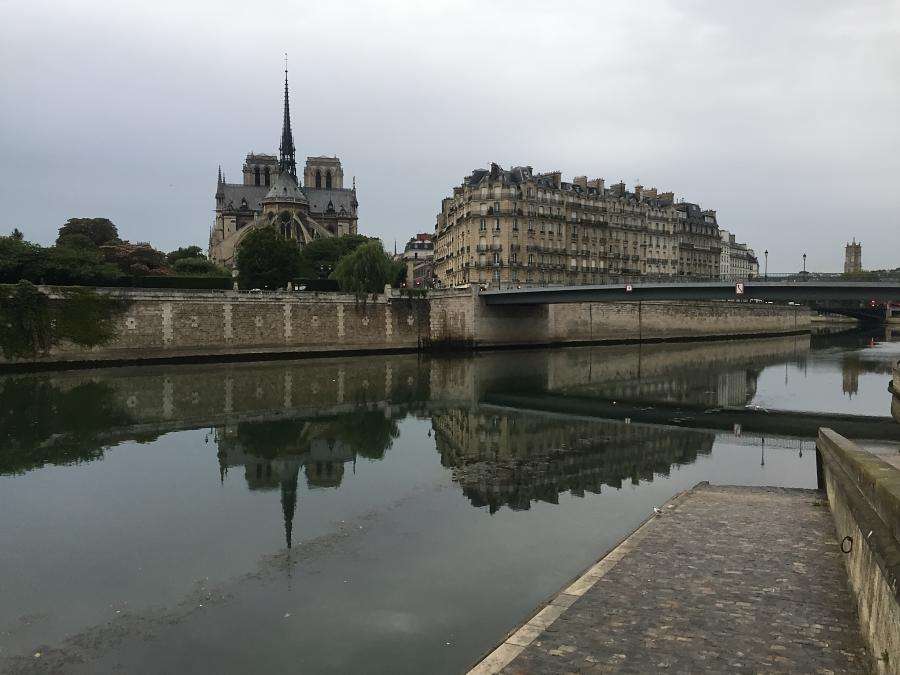
  I rarely use my phone to take photographs, but occasionally something grabs my attention and I want a “snap” that I can easily and quickly attach to an email or a message. When I do use it, I am often surprised by how decent the photos are – I wouldn’t print them to hang on my wall, but for looking at on a screen, they can be surprisingly good. My most common reason for using the camera in my phone is as an excellent way to remember things – people, places, things, stories, articles, addresses. I find it particularly useful for making a record of useful tips and travel information often found at random when reading in-flight magazines! I generally dislike the process of trying to take "proper" photographs with my phone because I dislike the ergonomics - holding it at arm's length, prodding the screen whilst trying to avoid camera shake, unable to see the screen clearly because of the ambient light. However, having found these photographs lurking in my phone and taken a look at them on my computer, I've been pleasantly surprised how nice they are. For me, pictures with even light without too much contrast, or simple graphic compositions, often seem to look best. I might even try taking some more pictures using a tripod at base ISO, just to see how they look, although I think the dynamic range will be limiting for high contrast scenes, as is my phone's inability to record raw files. Philippe: Wow!! That first picture shows that the phone has serious distortion!!! Turning a sailboat in this! What? You mean it is not a sailboat? Then what is it, a ladybug? See, i told you so!! Here's mine. Phone: Apple iPhone 6 (8Mp f2.2 29mm equivalent lens) The smartphone (at least my iPhone 6) can do well enough if there is nothing particularly subtle or difficult, and if it is the "general impression" that matters, like the blue-hour picture of Paris or the golden-hour picture of the château de Saint Germain.
  As you can see, the next photo I decided to do the obvious, and submit a postcard picture, the way many users would. To be honest, it just took me 10 seconds, because I actually live there, and no care was taken to "make it better", either upon shooting or in post. Thus I consider it fairly representative of smartphone use for photography. The only "plus" is that the light was really nice.
  Then, if the light gets more intense, the picture gets gradually flat and washed out. Detail evaporates, colours are both undifferentiated and unappealing. That is the case of the rear view of Notre-Dame.
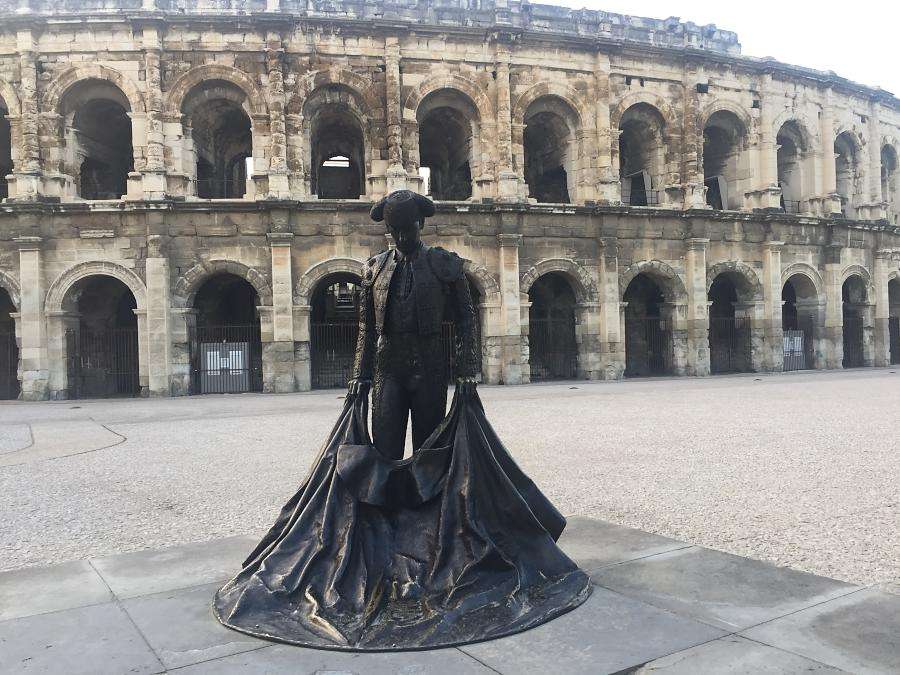
  Then an afternoon picture of the Arènes de Nîmes, with quite a bit of contrast (we're past 6pm in April, it is still far from a high-noon glare), and the picture falls apart, hardly useable even for keepsakes. The image is downright unpleasant and painful to look at, so who would want to store such an image? in this instance, I just used it to send to someone to show where I was, and that I had arrived.
  My comments, not wanting to belabour the obvious - easy to use, shoot--store-send, the 3-"S" trifecta of the Smartphone (that is a total of 4"S"). In summation, the camera phone is useful in 2 respects: in showing how easy, cheap-and-cheerful, universal photography can be (and, frankly, ought to be). And in showing how conservative, stuck-in-the-mud, snobbish, near-autistic, milk-the-market-till-it-dies the traditional photography companies are. Steve: Here are a couple of decent iPhone pics. Like others have commented phone camera is incredibly useful as an aide memoire for snapping random stuff I might want later. Phone: iPhone SE (12Mp f2.2 29mm equivalent)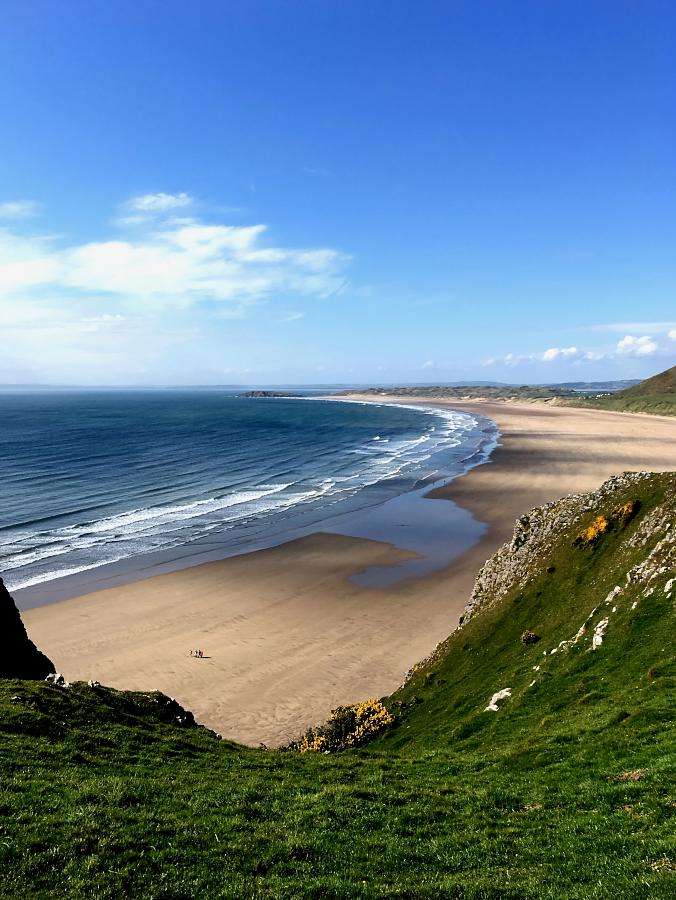
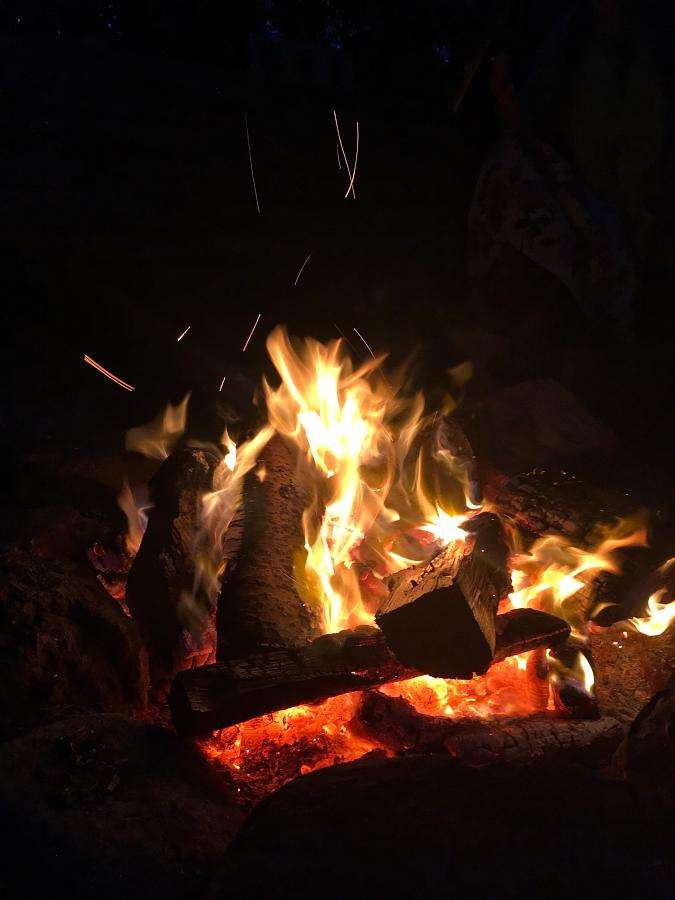 Pascal: Well, I'm happy to see you are all hammering 9 inch nails in the mainstream camera's coffin. These are very good. The sky is a tad too blue, nothing selective de-saturation can't handle. And, after all, we all PP our photos. Steve: Of course, we are clearly demonstrating, they’re useless in low light....
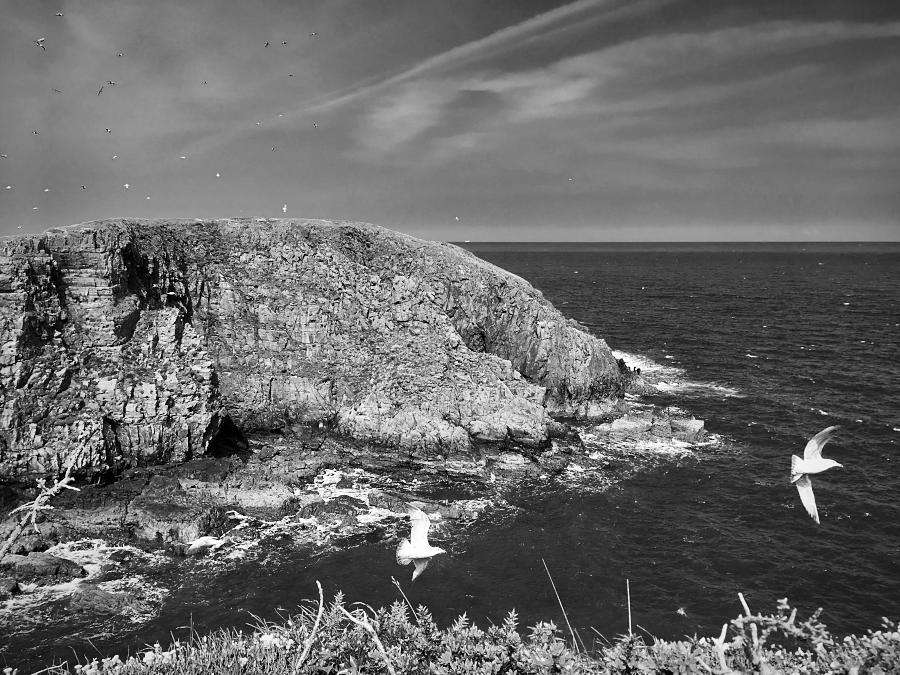
 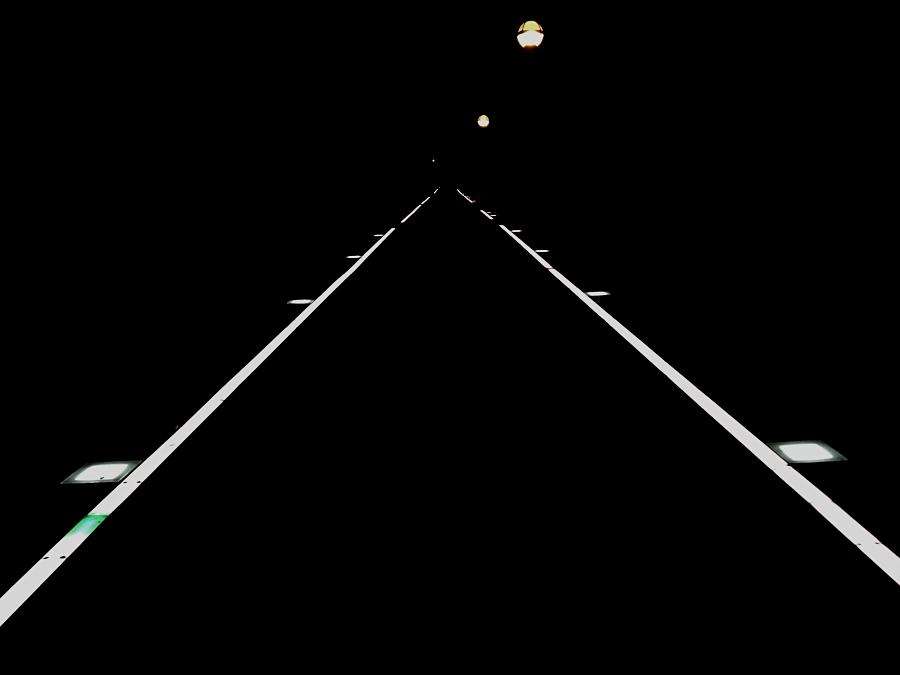 Pascal: Ahem. I beg to difer. That's a brilliant photo. Steve: I thought I’d throw one more into the mix, in black and white. It was the people jumping off the rocks that caught my attention and trying to capture them with a phone was absurd but the gulls flew up from the cliff below to make something of the image.
  Dallas: I'm going with one photo only. Phone: Apple iPhone 4S (8Mp f2.4 35mm equivalent)
 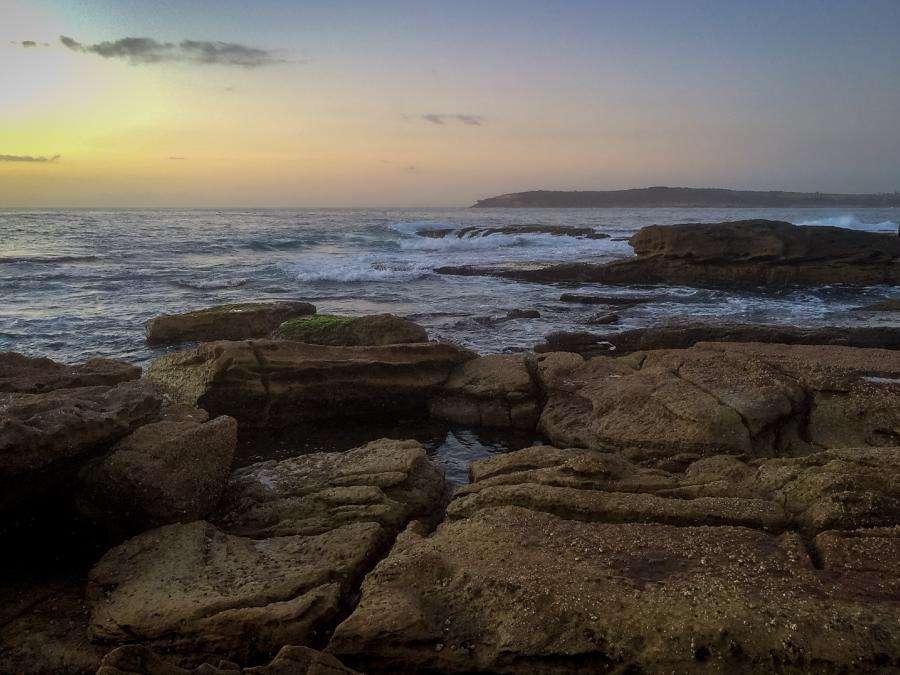 Firstly I very rarely use the phone as a camera, I’m a snub. I actually hate using it, I will concede it is convenient. Phone cameras have there uses but not for me. My partner Anne users hers all the time and get some great results - an example is below.
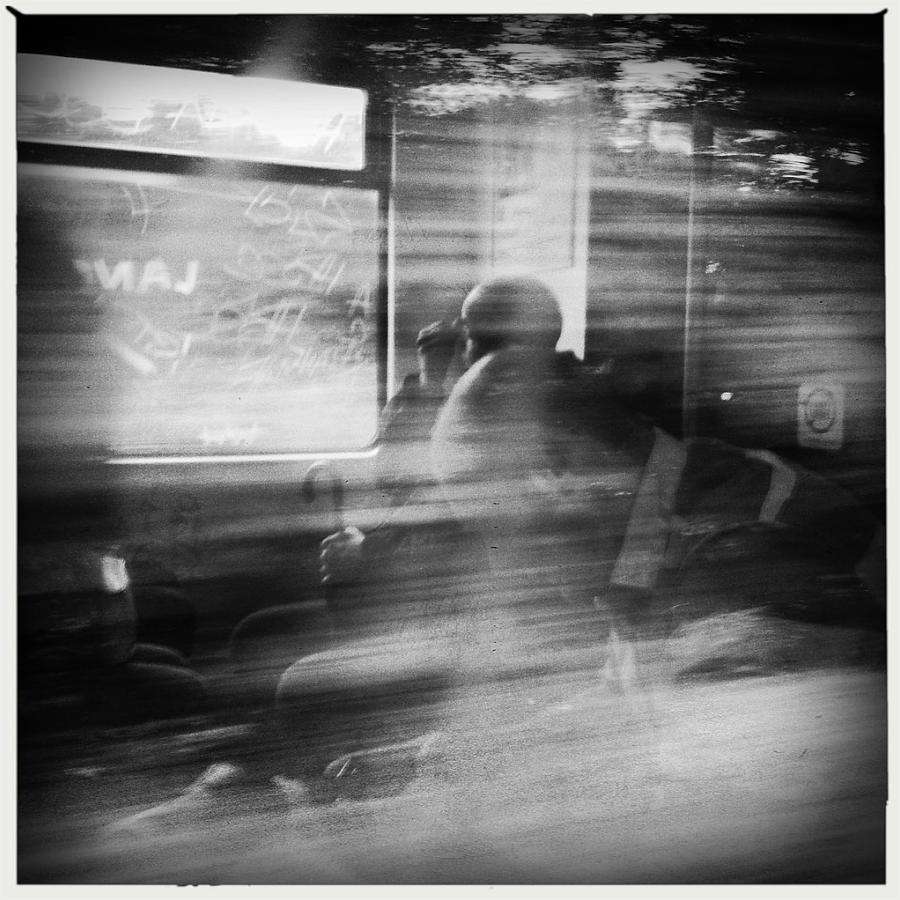
 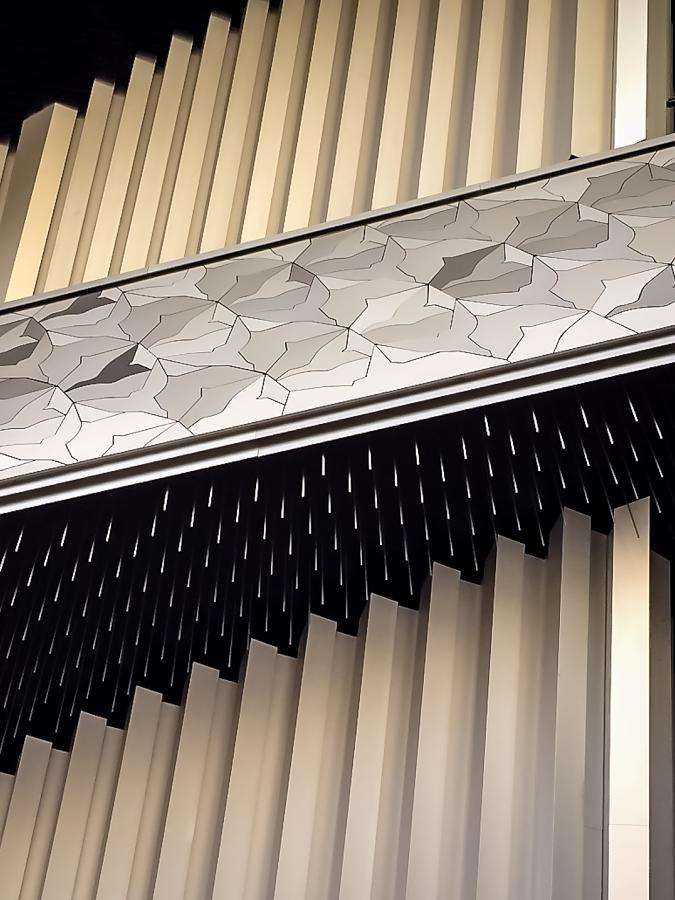 Steffen: It hurts my heart to cull down to just 3 but here we go: Phone: Apple iPhone 4S (8Mp f2.4 35mm equivalent) Some years ago, I was regularly commuting. I used the time to do some music or snap some shots. I particular like this photo because of it's fleeing character, mysteriousness, grittiness, and many layers.
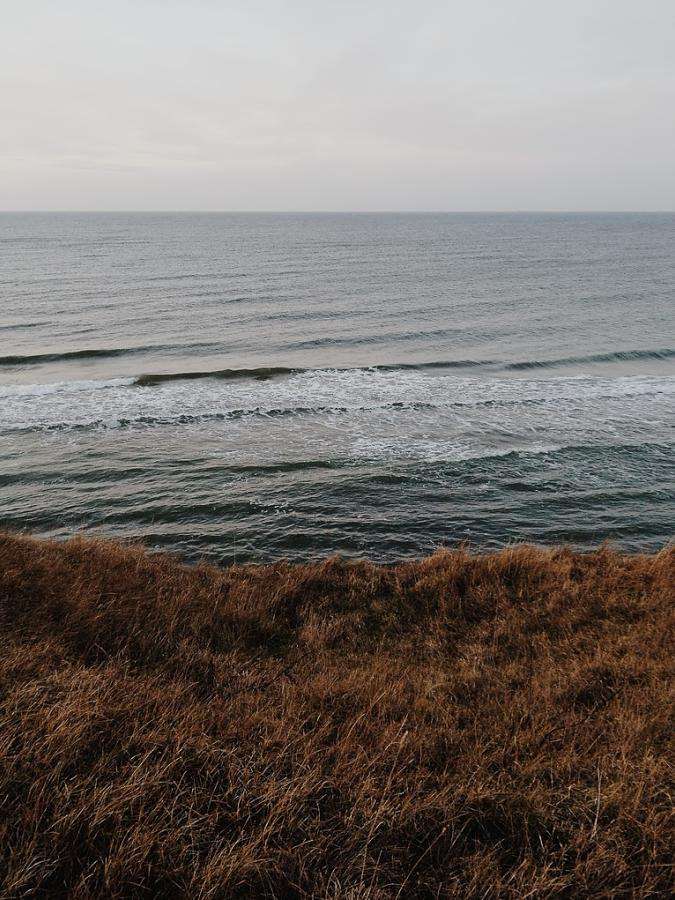
  This is the coast of Rügen island in the Baltic Sea in autumn. I really like the simple composition and colors here. Actually I had this photo printed and framed for a couple of years hanging in my living room.
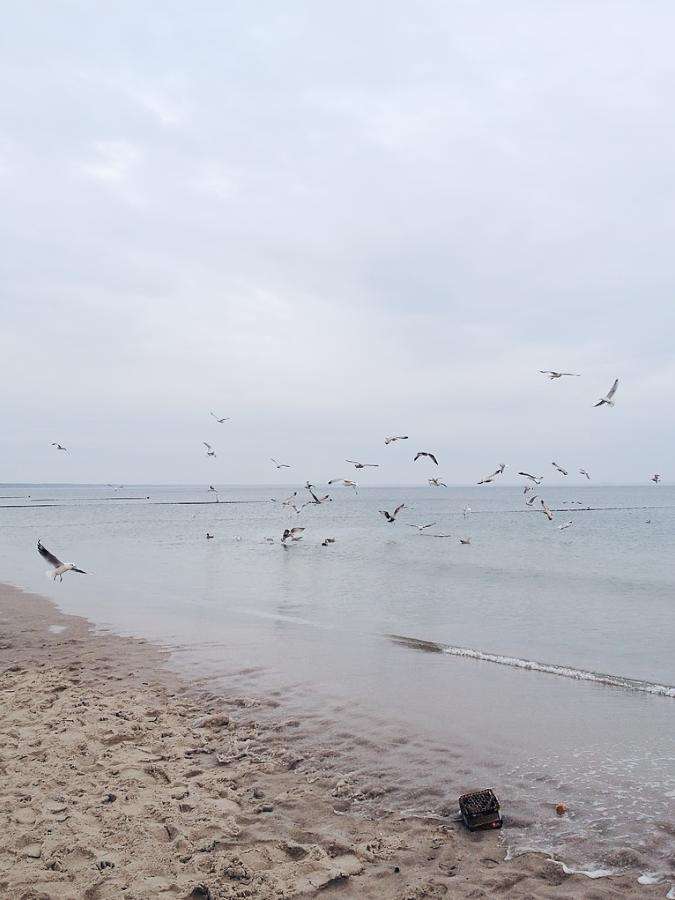
  Another shot from Rügen and a year-long wall hanger. I really like the composition, action, and motif.
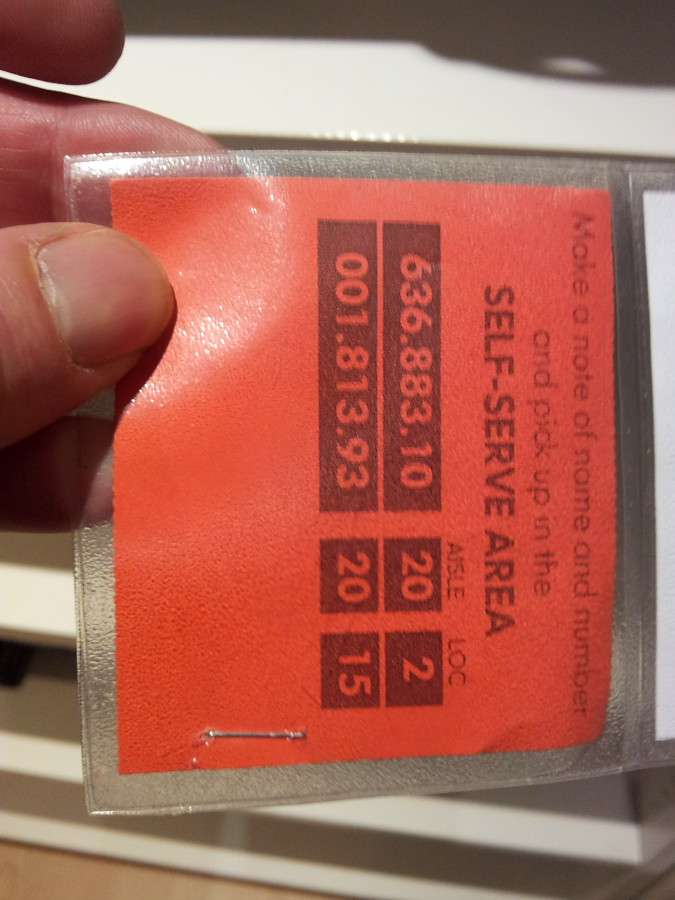
  I used to photograph with my iPhone much more often in the past. I actually used to side-by-side with my DSLR for close-up action shots. It had this different aesthetic, that easy feeling, that "in the moment"-look. I often used Hipstamatic to intensify that feeling. So I had my clean DSLR files on one side and those "raw" snaps from my iPhone on the other side. But now with the A6000 I can have both. I'm not striving for that Hipstamatic look anymore, but I can still be within the action with the smaller camera. Today, I mostly use my iPhone to take visual notes only. Another major use case is video because I don't like to edit them – and actually viewing them. Apps like Spark or Cinamatic help me to capture small clips, already cut to handy pieces. And of course I use it when I don't have my camera with me. But I much more often don't take the shot at all. And I shot with the plain camera app and edit it within my usual Lightroom flow. Adam: I had a quick look through the photos on my phone – but they’re mainly from Ikea from when we moved here, when you have to know where to look in the warehouse for the tat your wife wants. Phone: Samsung Galaxy S4 Mini (8Mp f2.6 28mm focal length equivalent)
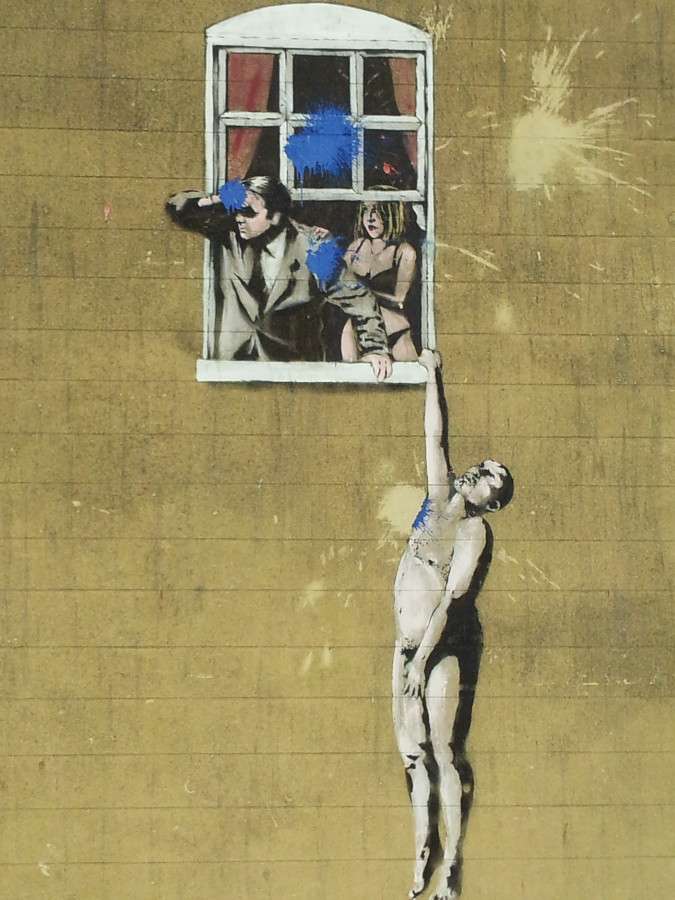
  Graffiti in Bristol by Banksy.
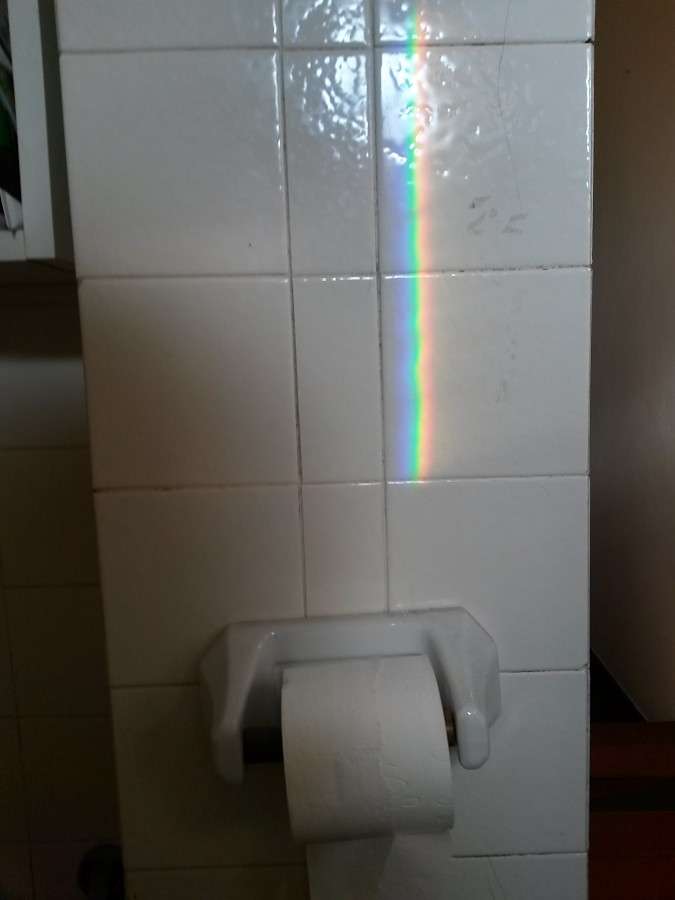
  The ‘rainbow’ and the toilet paper amused me and I turned it into a ‘pot of gold’ gag on Facebook.
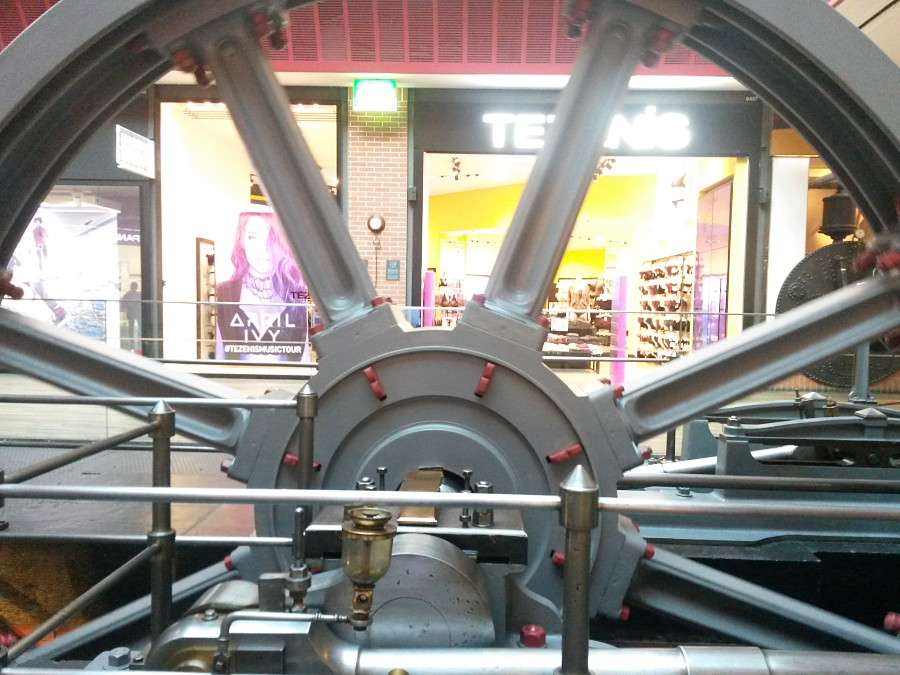
  This final shot is some age-old steam machine that runs (on electricity) in the local mall. This is the only shot I took specifically for the article.
  Pascal : I think phones get such a bad rap from traditional photographers because of the way some selfie-tourists use them and because we don't exercise the same caution (good light, stable hand ...) with them as with our more expensive cameras (nor do we give them the same PP love). Unfair comparisons. Biases get us nowhere. I love the phone for 3 reasons.One is the obvious convenience. Pocketability, auto-pano, auto-storage & backup, one-click PP, easy sharing ... Phone: Samsung Galaxy S6 (16Mp f1.8 28mm focal length equivalent)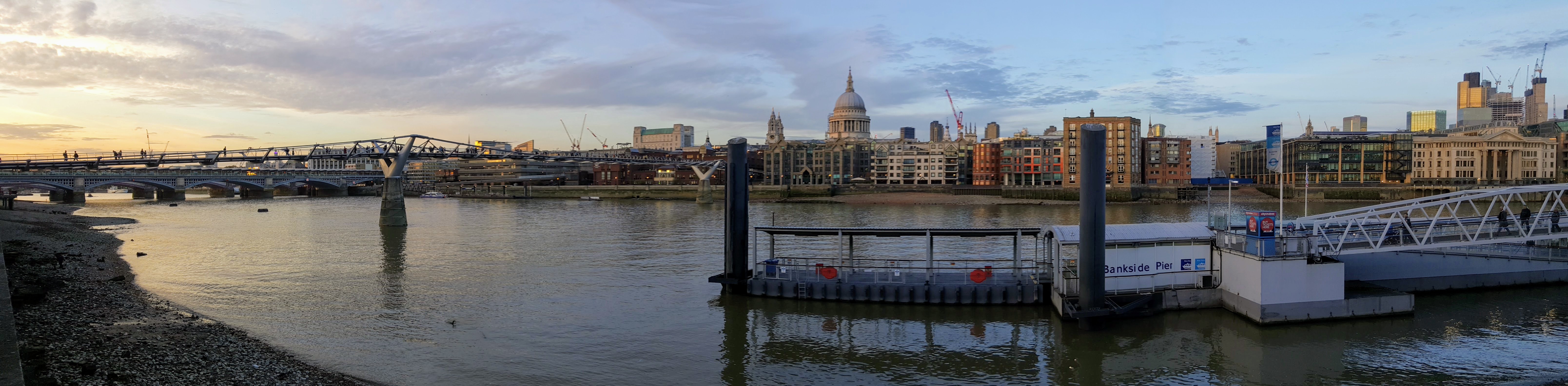
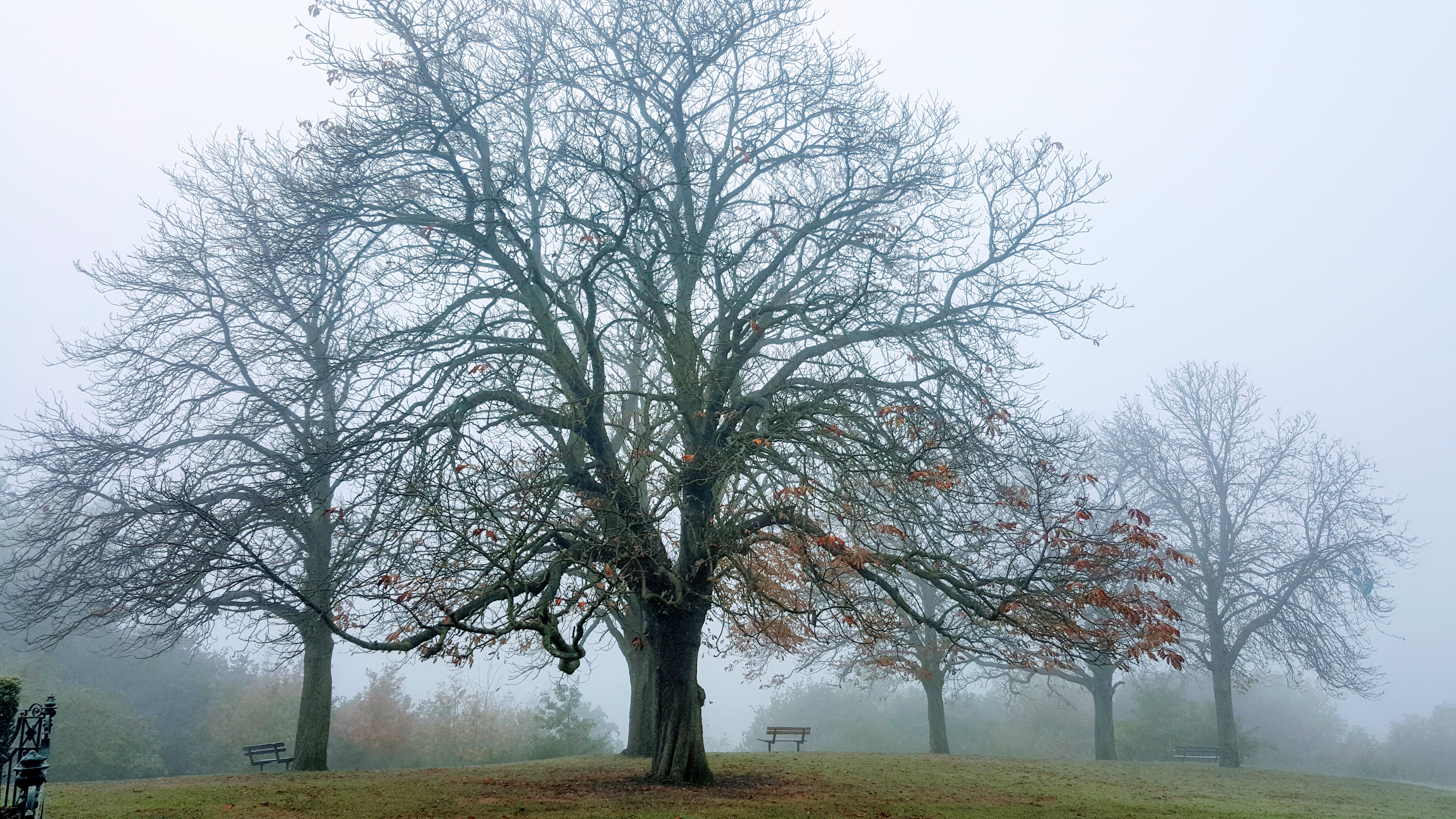 The second is the look. Yes, my Sony is far better technically, but sometimes it's just impossible to replicate the look of a camera (lens) with another and sometimes the phone camera is just the tool for the occasion.
 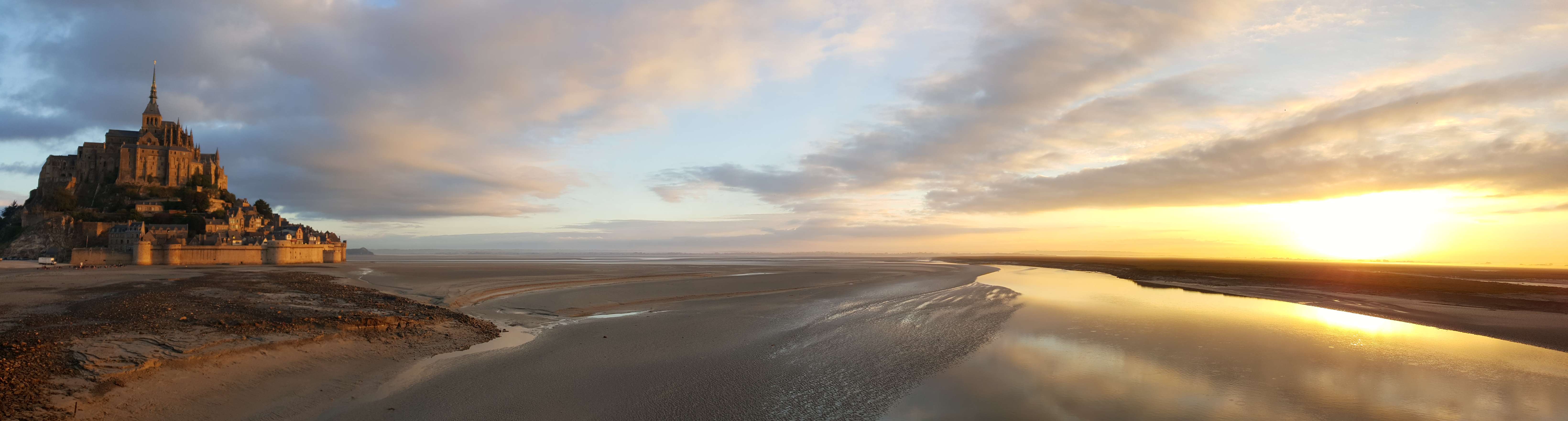 The third is the ability to practise composition anytime, anywhere. Much like film directors carry viewfinders with them, I tend to pop out the phone from my pocket when something appeals to me, even if there's no time to turn it into something good, even if I know the end result won't be of high enough technical quality.
 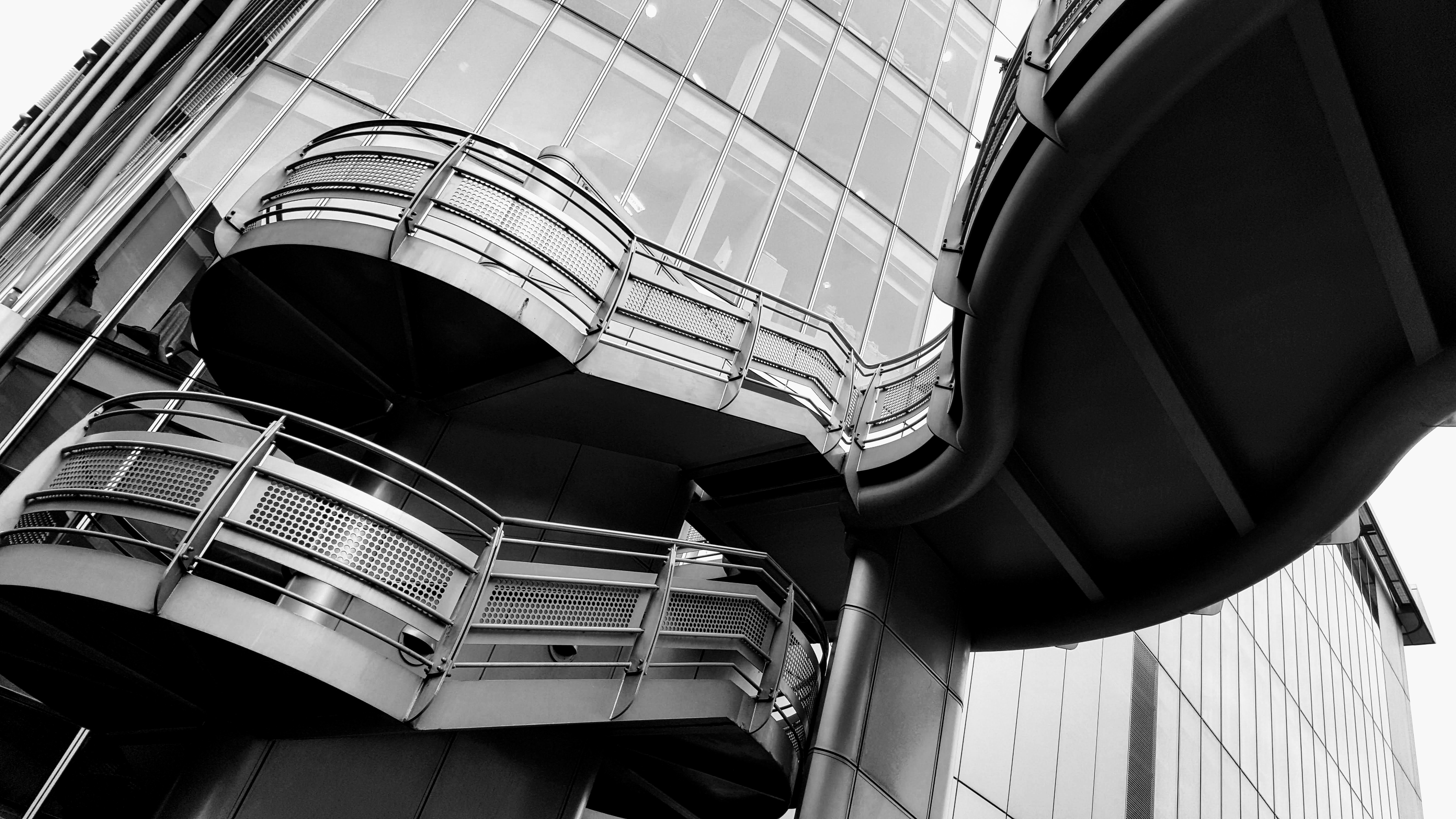 I'm not selling my beloved lenses anytime soon but, to me, the phone is a great photo buddy that deserves better consideration than it's getting because of some tourist stereotypes :) Unfortunately, I also feel that phone makers are losing the plot by making their products more complex and trying to compete with traditional cameras on image quality. Stupid and deleterious on both counts, but they're the boss ...
 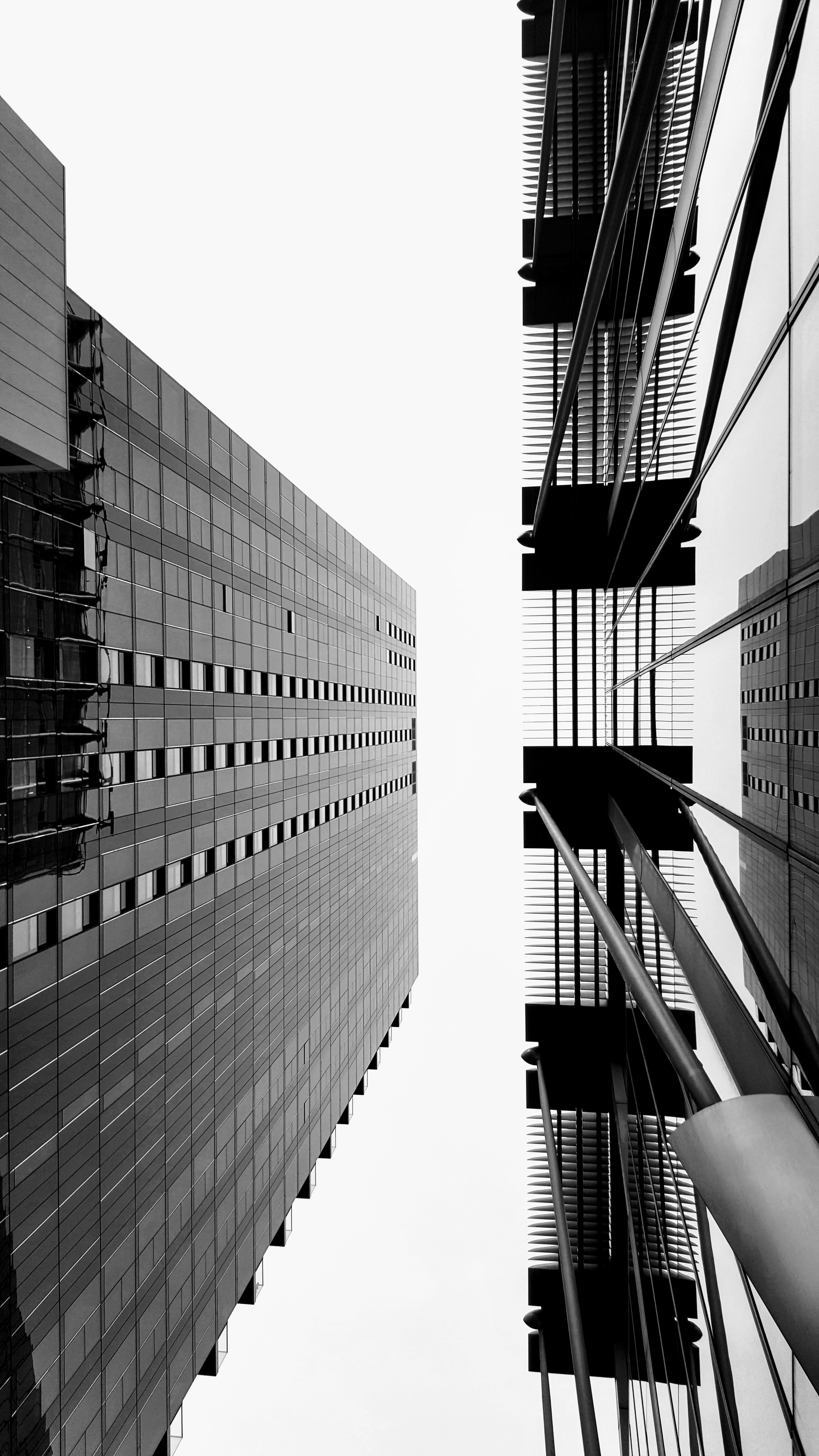 When I asked an innocent question about where a particular members phone created raw files, there was more vigorous debate. Steve: In answer to the question, “does my iPhone shoot RAW”; I had no idea! I have an iPhone SE which is a 6 in a 5 casing as I wanted a pocket-sized phone. Turns out it does but not with the Apple camera app but various other apps do shoot raw including Camera+ which I use sometimes. I notice I have some resistance to the idea as it adds another layer of complexity that I’m not sure I want but I’ll give it a go. Bob: It kind of defeats the main objects of mobile phone imaging - immediate, flexible and geared up for messaging and the brave new world of the internet? Casual snapping with communication and aide memoire in mind - the modern Polaroid. Philippe: I agree with Bob, any PP runs against the main advantages of the smartphone IMHO. Steve: Tosh! If you want to take the best possible image with your phone, raw and pp makes perfect sense. If you want a copy of a bill then jpg rules. The great thing about this happy band of marauders is that we agree on almost nothing... Bob: Indeed re the “happy band of marauders", but I must ask why would anyone wish to spend too much time (if any) processing mobile phone images if one aspires to a (much) higher standard as do most enthusiast and other serious snappers? After all, before digital, all film based imaging was essentially JPEG and without the ability to adjust those JPEG images in processors such as Lightroom unless scanned digitally. If the sensor, processor and subsequent image quality are “good enough”, the end result should be so, regardless of the image taken device. But I doubt that the mobile phone would meet my long-term satisfaction criteria.I must admit that I mainly use my iPhone both as a “Polaroid” and to GPS locate the images I take on my more serious kit as, for some reason known only to the major electronic companies who make my “serious equipment”, they see fit not to include something as relatively simple as GPS into their expensive cameras….!!! Adrian: I think mobile phones have spawned a new type of “Photographer”, who take their Instagram snapping very seriously. Their quality bar may not be the same as a D810 user, but they probably know enough to understand what raw is, and maybe perceive a benefit using it.Film was only “jpeg” for mass market consumers who let the lab do their prints. Film was also a raw file for those who did their own darkroom work – so they could dodge and burn and all the other things (paper, chemicals, etc) to get a specific result they wanted.I certainly agree that for the most consumers “good enough” is all that counts, which is why phones have killed off cheap compact cameras. But there appears to be a smaller subset of phone users who perhaps aspire to something more. Look at the way Apple market their phones as cameras, and how some other phone makers spend a lot of time with large sensors, high pixel counts, and brand name lenses etc. Bob: I know I’m an old fart Luddite but I fail to see how this immediate, instant and throw away Instagram/Facebook generation and culture can be regarded as “serious”.Colour film was very limited, especially transparency film, in respect of the latitude of which it was capable (light years away from modern digital sensors) and is something to which I return often, as I have a huge library of such images, and simply shake my head at how comparatively poor even a well scanned, medium format slide is compared to even a modern APS-C sensor digital image, never mind a full frame or medium format one.As I said, each to their own and all in the eye of the beholder. Adrian: Whilst I completely agree that the (online) world is dominated by people on social media who have been seduced into spending a great deal of time promoting themselves and their faux “perfect” lifestyles, I think you are being unfair to a decent number of people out there who are using camera phones with real talent. You only have to look in places such as Instagram to see that there is plenty of art and creativity, just not expressed at the standards that we, the “old guard” of photography, believe is “proper”.There is talent out there, but it’s often lost in a sea of self-aggrandizing mediocrity and vanity.Surely it’s about the message, not the media? Bob: I'm sure you're correct, Adrian, but I simply don't have the time or patience (or ultimate interest) to wade through the acres of, at best, mediocrity to get to the gems which exist. Pascal: All I know is that many of the photographs on this page are far from ridiculous. Some, I think, are really good. Given the negative bias of most of their users, I'd say that at least vindicates the phone as a potential image making buddy/tool. A buddy/tool some like and others don't, but one that can't be brushed under the carpet so easily.
 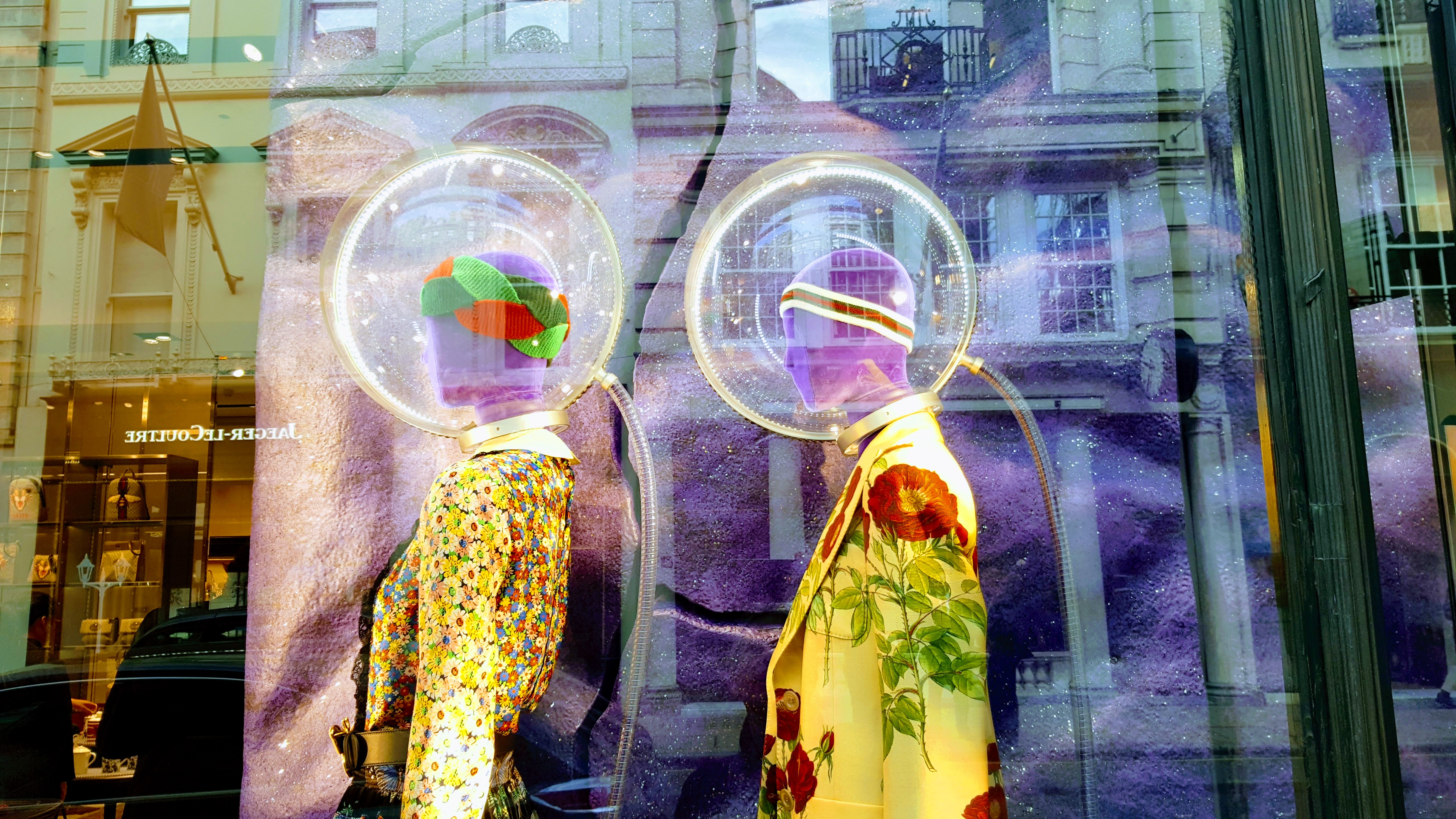 Adrian: I have also been impressed with the quality and artistry of the photographs. It was only when I reviewed some of the photos on my old phone that I realised how surprisingly good some were, even though I wish the ergonomics were better. With such a diverse set of images and such diverse attitudes and interests, it's hard to make any strong conclusions. Some of us don't like the ergonomics of the photographic experience, others don't care. Some of us use our phones as a photographic tool, others regard it as a form of heresy close to devil worship. Some of us make creative use of the cameras on our phone, others just use it as a way to remember something later. The one thing we do seem to agree on is that although we all use the cameras on our phones to photograph different things, we all find them useful for something - and that is probably what the phone makers wanted: being ubiquitous. Except selfies - nobody used them for selfies.
[hcshort id="7"]