
#1419. Should I Touit?
Lens choices can be bewildering because we are now faced with so many options. As well as the camera brands, lenses come from the long established third party makers such as Sigma and Tamron, and a host of other newer manufacturers from China and Korea.

If you want something like a 50mm lens, the choices are almost endless, with tens of different models from third party makers. Even the camera brands make multiple lens models for the same mount, with differing maximum apertures and features. Photographers now exist in a land of plenty (of choice).
However, when the first mirrorless camera systems were launched between 2008-2010, buyers were limited to a choice of lens models the camera manufacturers had released with their new systems. Before I made the switch from DSLR to mirrorless, I spent a lot of time looking at the lenses available for different systems to check they had the focal lengths I wanted, and mostly it was a choice of one, if they existed at all.

Sigma was one of the first lens manufacturers who released a limited range of lenses for early crop sensor mirrorless cameras. Perhaps surprisingly, Carl Zeiss entered the market for crop auto focus lenses in 2013 with their "Touit" branded lens range, which were available in Sony E and Fuji X mounts.
They initially released a 12mm f2.8 and 32mm f1.8 lens, followed by a 50mm f2.8 macro the following year. When announced, the 12mm and 32mm were priced around €900/$1100 and €700/$900 respectively, with the 50mm macro later released at a price of €750/$1000.
When the Touit lenses were released, I wasn't interested in them. At the time, the Sony E mount bodies did not include image stabilisation, and the Zeiss Touit lenses were significantly more expensive than any equivalent Sony lenses, several of which also included in-lens stabilisation (Sony's "OSS"), so I never considered them as an option, particularly given their price.
The relatively high price of the Zeiss Touit lenses may have made them a difficult sell, particularly when the initial reviews were guarded in their compliments. They were generally reviewed as optically good, but empirical comparisons with equivalent lenses - resolution charts and measures of chromatic aberrations - didn't always favour the Zeiss models, especially when considering their price.

The Touit lenses suffered further when Sony released mirrorless cameras with phase detection autofocusing (PDAF), as the lenses needed to be returned to Zeiss for a firmware update to make them compatible with it.
The Touit lenses were unusual as they were Zeiss lenses openly made in Japan. Zeiss released a very beautiful marketing video promoting their "hand made in Japan" quality. This caused some debate from commentators who didn't seem to think they were "proper" Zeiss lenses. We will come back to this shortly.

Only 3 Touit lens models were released for APS-C cameras before Zeiss announced the Batis range of autofocus lenses for the full frame Sony E mount cameras in 2015. The Touit range never grew, but the original 3 models remained available for sale like an unloved orphan of their wider lens range.
I have to admit that after the initial launch of the first Touit lenses, they never really entered my consciousness again, and I had forgotten all about them until last year when I was discussing Zeiss lenses for Sony E mount with Pascal.
My Sony 10-18mm f4 wide angle zoom had developed an intermittent fault, so I became interested in the Touit 12mm lens as a potential replacement. However after looking at reviews, I was also curious about the 32mm as YouTube channel GxAce had made a very beautiful video review where he had commented that it had a very classic Zeiss look similar to the 50mm lens they made for the Contax G system.
When the 50mm Touit was released, reviews highlighted the common praise and complaints about many macro lenses - very well corrected clean image quality, but also a rather modest f2.8 aperture and sometimes slow autofocus.
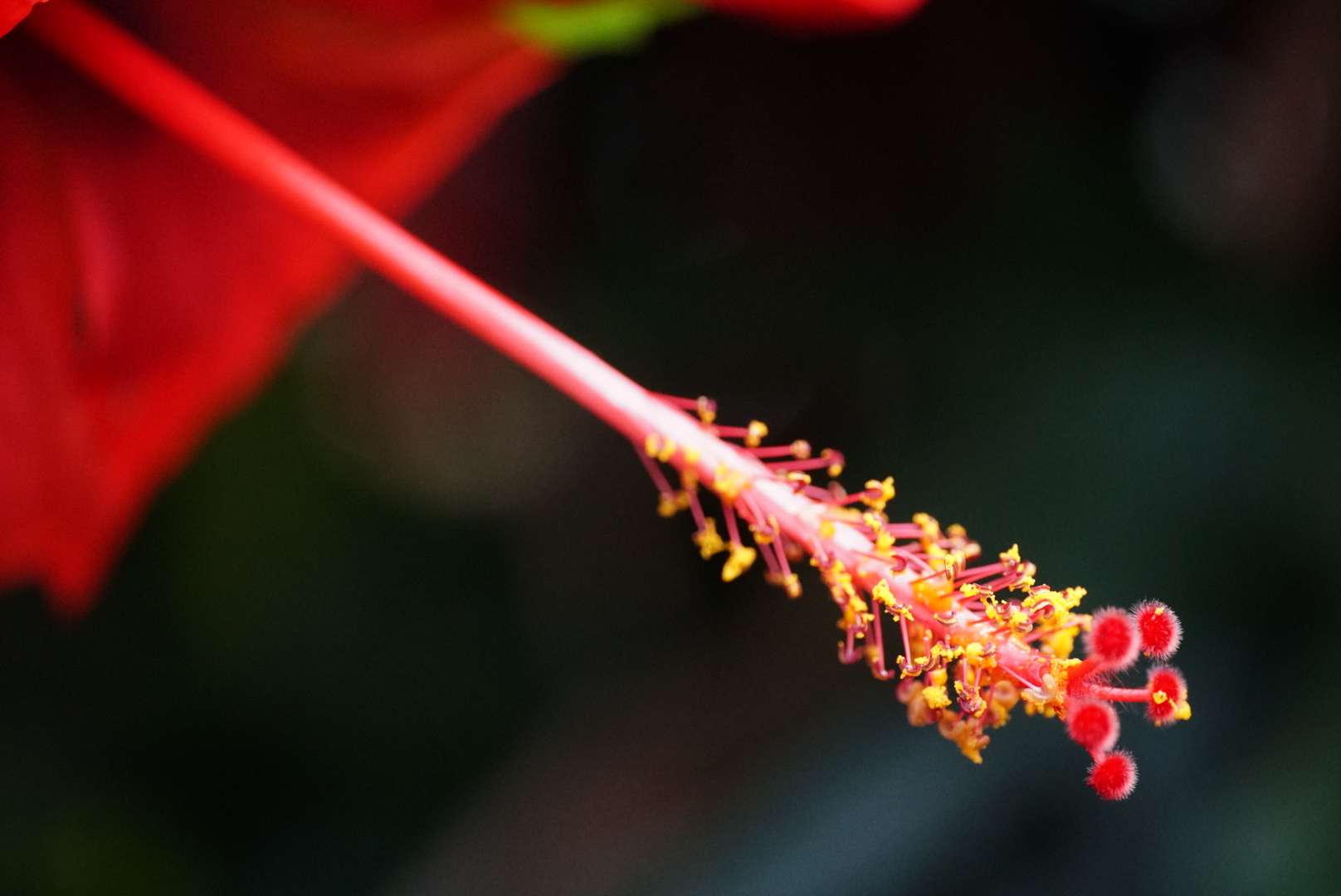
In the end I was curious enough about the performance and character of all 3 Touit lenses that I purchased them, as used prices were rather more attractive than they were new.
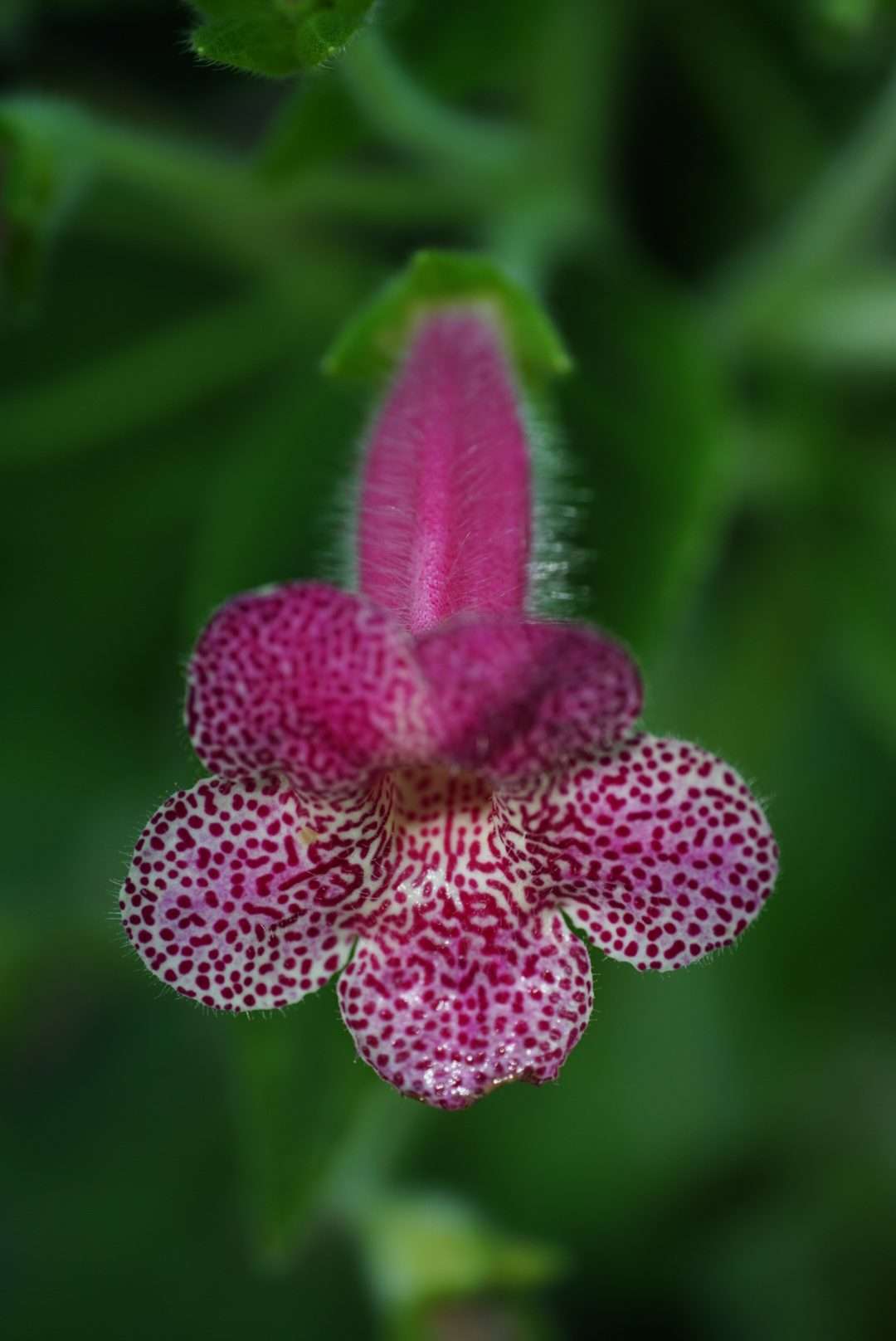
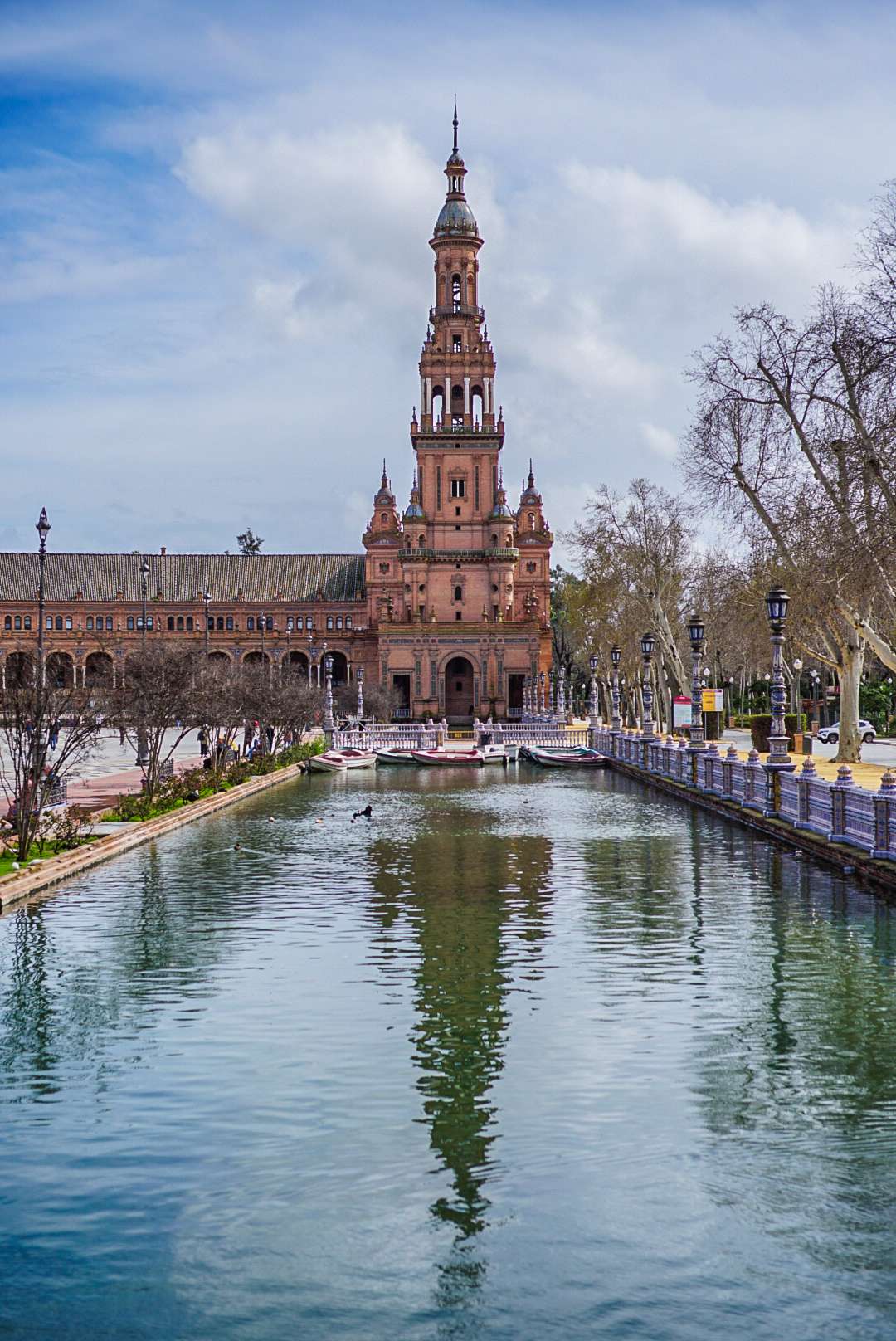
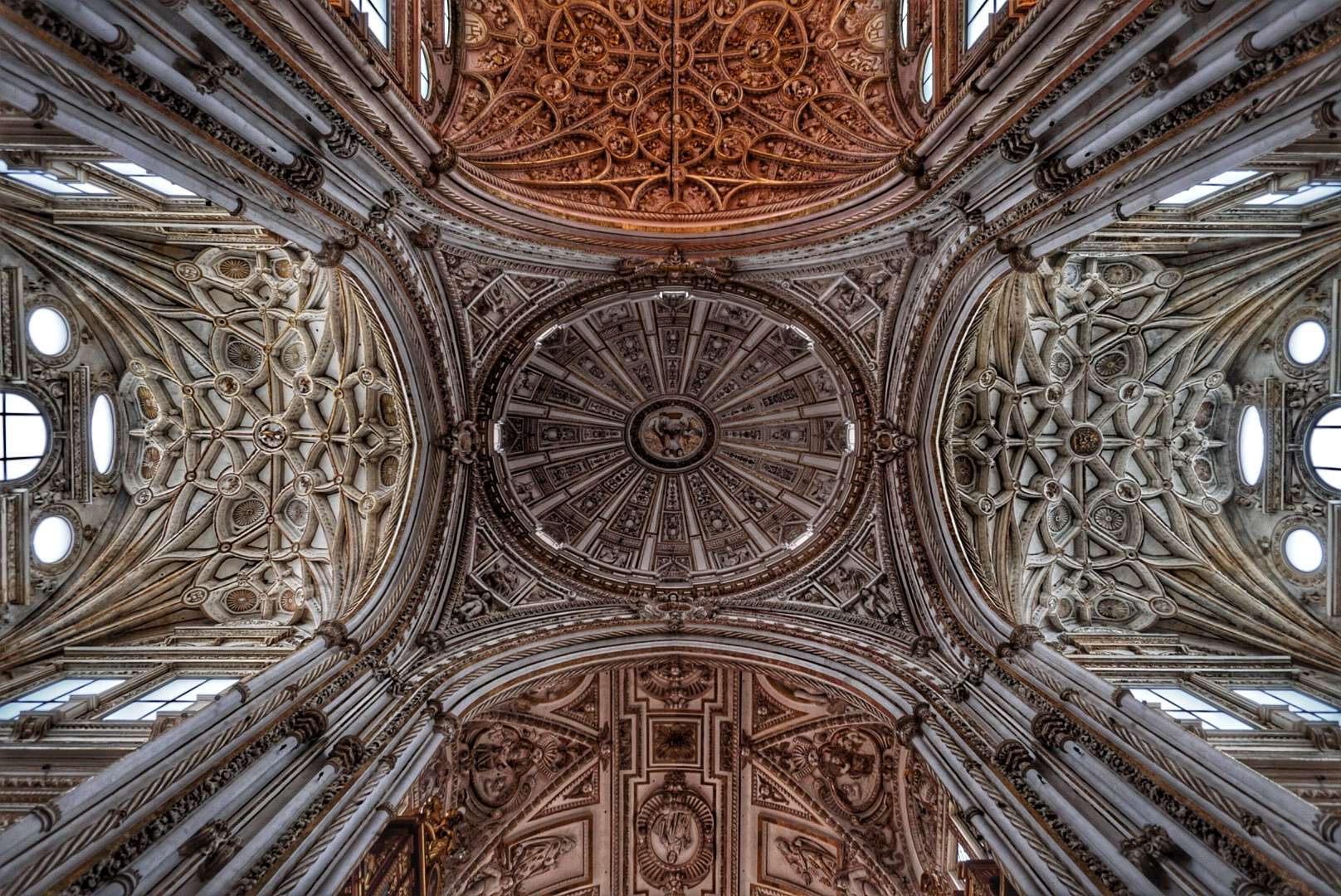
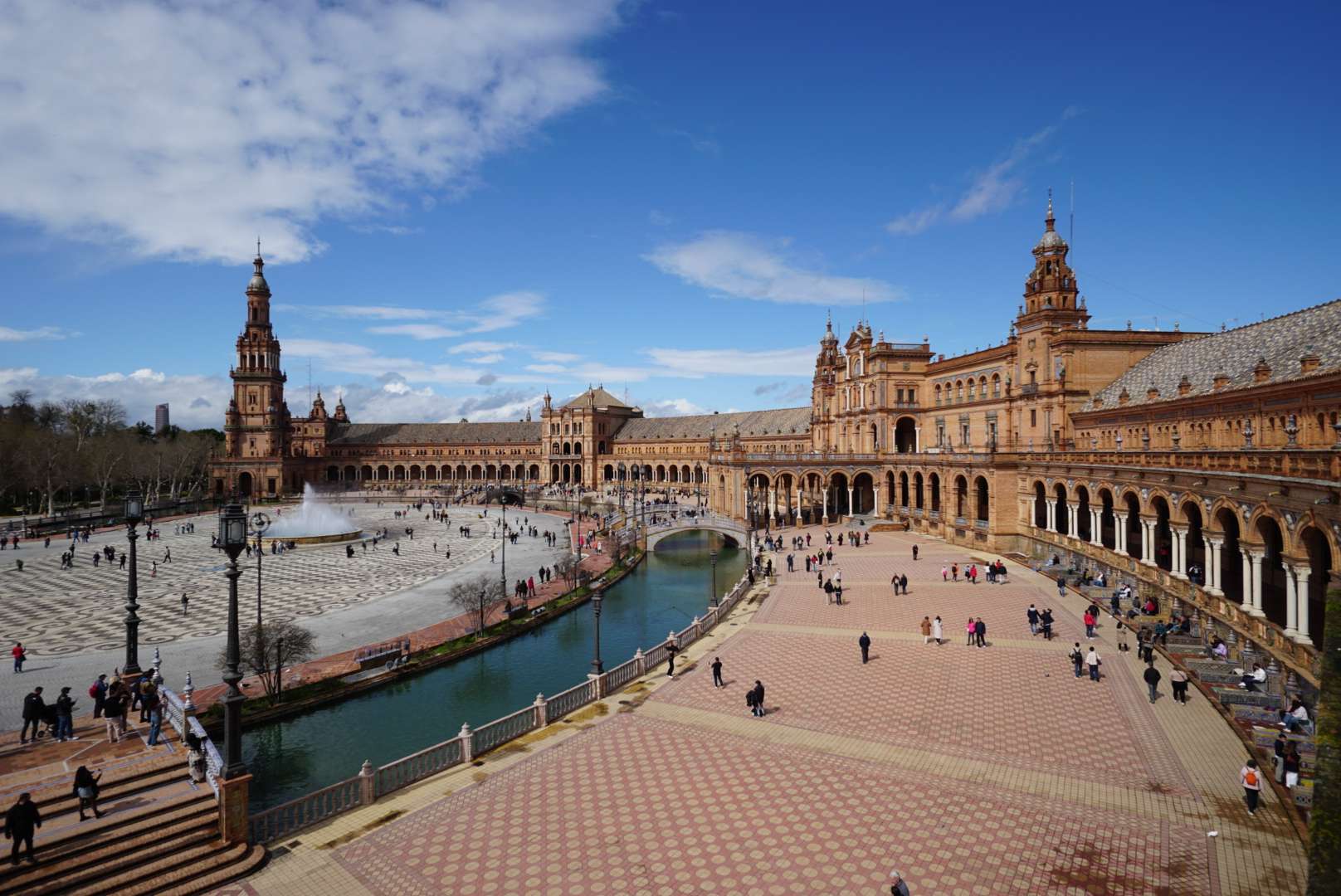
This year I took all 3 of them on trips to Seville and Stuttgart. The Touit lenses are fairly small and light, and their 18/48/75mm equivalent focal lengths are complimented well by the similar Sony Zeiss 24mm f1.8, with it's 35mm equivalent focal length.
All 3 of my lenses have updated firmware, making them compatible with Sony's on-sensor phase detection autofocusing ("PDAF"). However, they all focus more slowly that Sony's own 24mm lens, and with less confidence and more noise - you can hear the internal focusing moving around and clicking. The 50mm macro has no way to limit it's focus range, and sometimes hunts slowly from close focus.
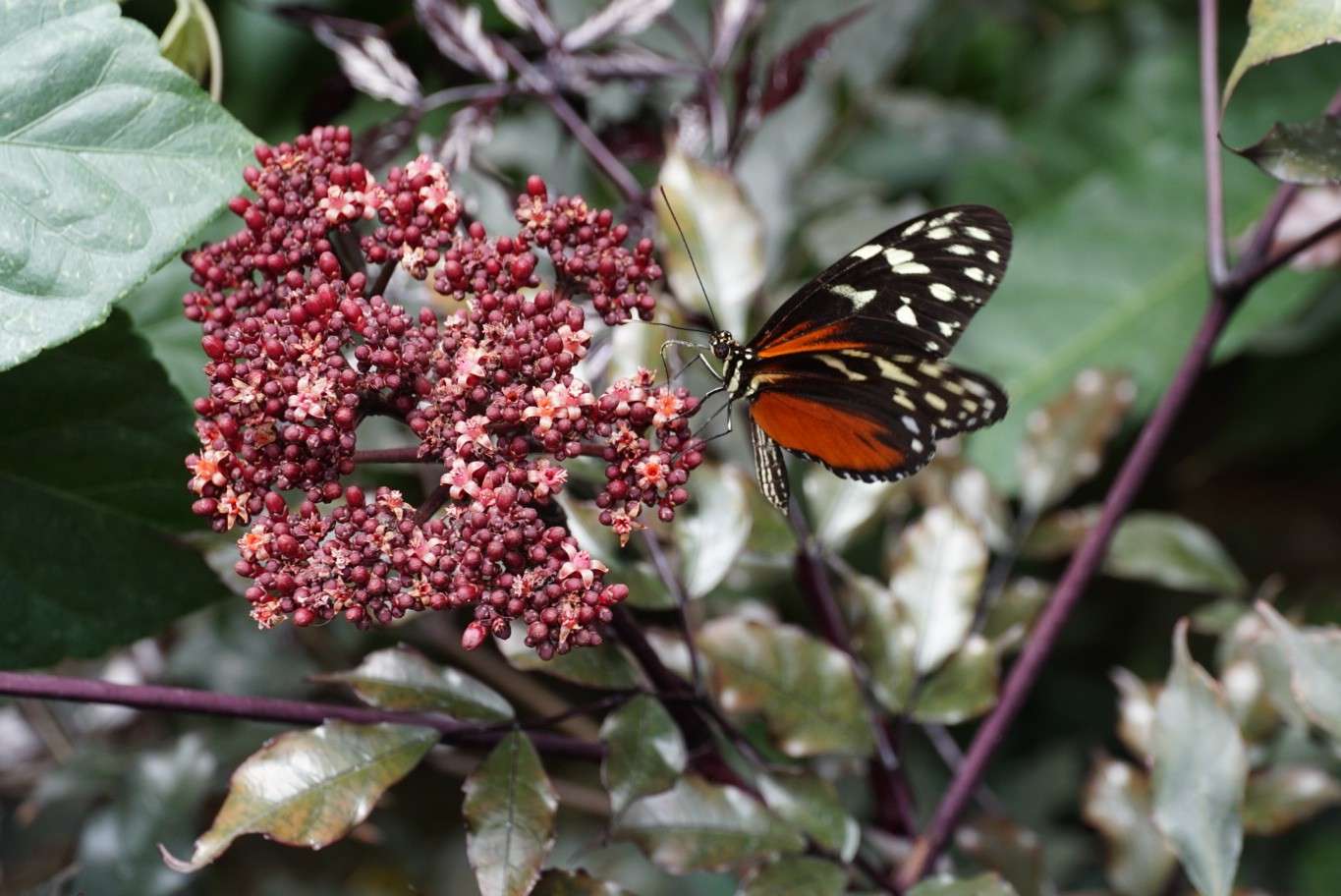
Pascal had commented that he thought these 3 lenses had "fallen far from the Zeiss tree", meaning that optically they did not seem to have much in common with the look from other Zeiss lenses.
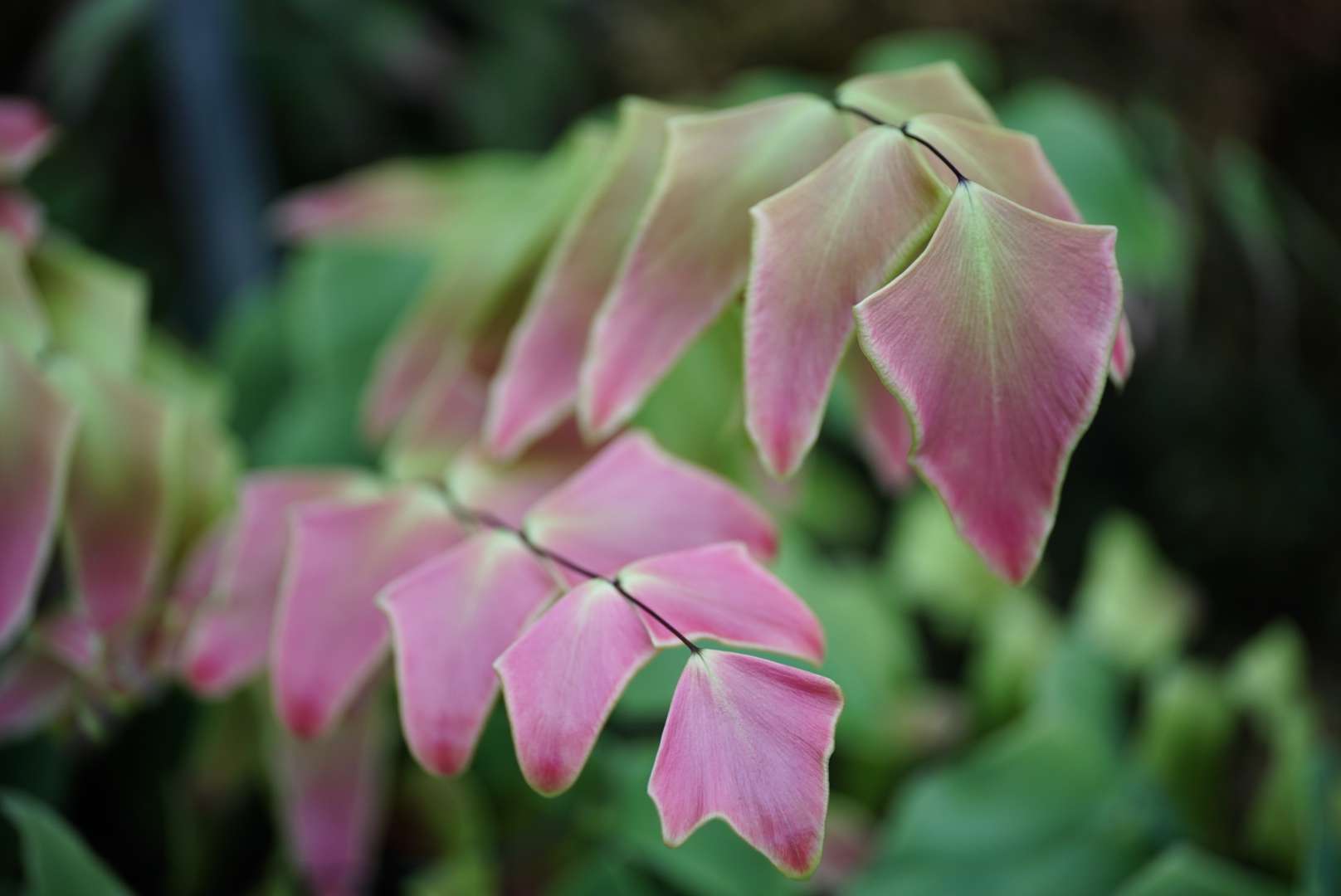
Initially I agreed with him, since the lenses did not obviously have much character. Their optical performance is excellent, and all 3 have a quite cool colour rendering that seems reasonably well matched. With use I noticed a richness to some of the photos, and a sense of "realness" that was hard to define.
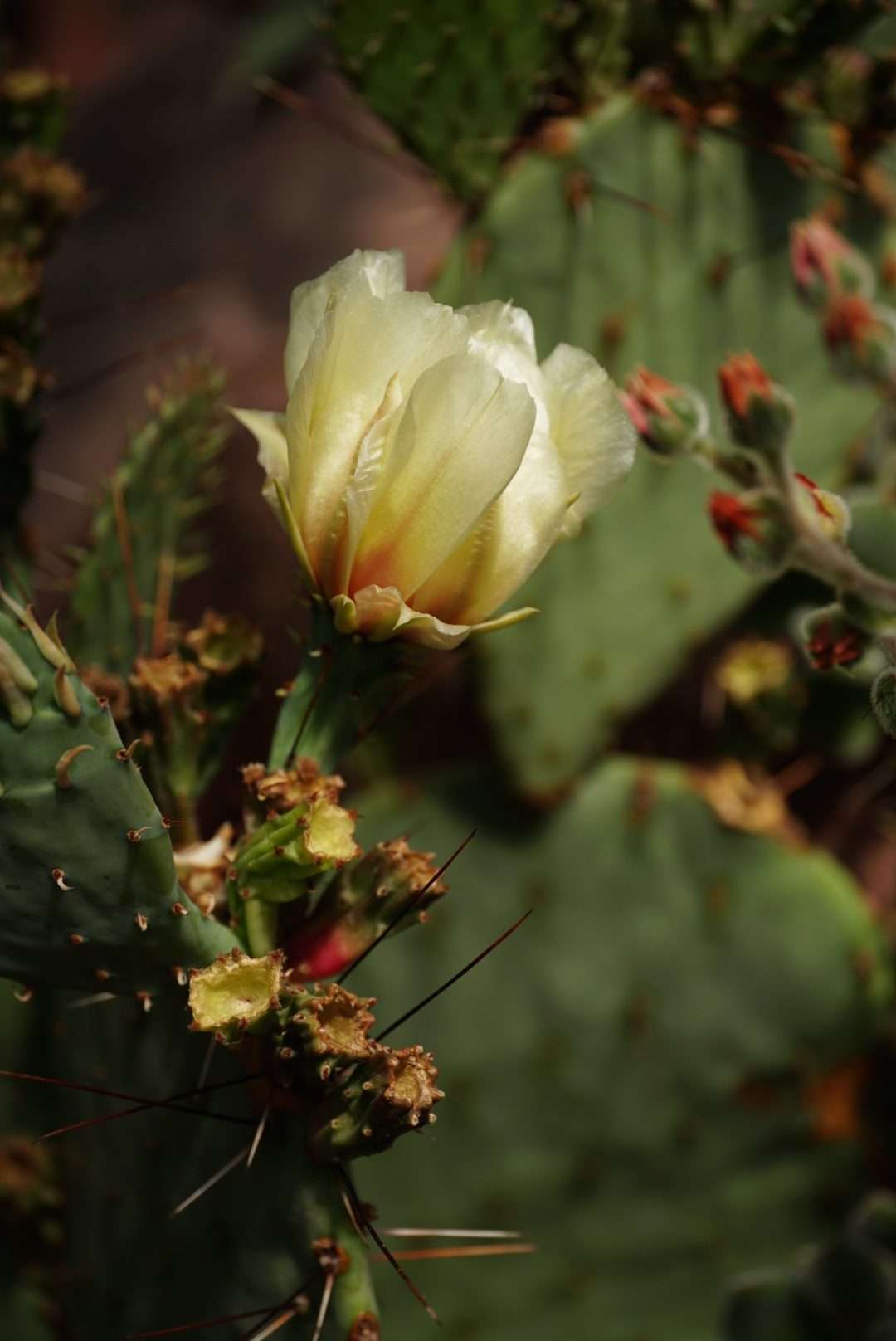
When I shared some samples with Pascal and we discussed them, he commented that the look was quite "technical", and I used the worded "etched" to describe their clarity and contrast. Occasionally a picture would impress me, particularly from the Touit 50mm macro. Their character is probably cool and sterile, and different to the slight warmth and saturated colour of some Sony Zeiss lenses I own.

The other lens I used on my trips was the Sony 20mm f2.8 pancake lens. It's an APS-C lens, so gives a 30mm field of view, and fits well on the smallest Sony E mount cameras such as the A5100 (descended from the NEX3 product line). The body and lens will easily fit into a pocket, making it ideal for carrying around, perhaps as a cheaper alternative to a camera like the Ricoh GR.

I should note that the consumer Sony E mount cameras like the A5100 lack the physical controls of cameras like the Ricoh GR, and therefore would not suit some photographers. I tend to use mine in aperture priority with wide zone focus, with exposure compensation assigned to one of the "cursor key" buttons.
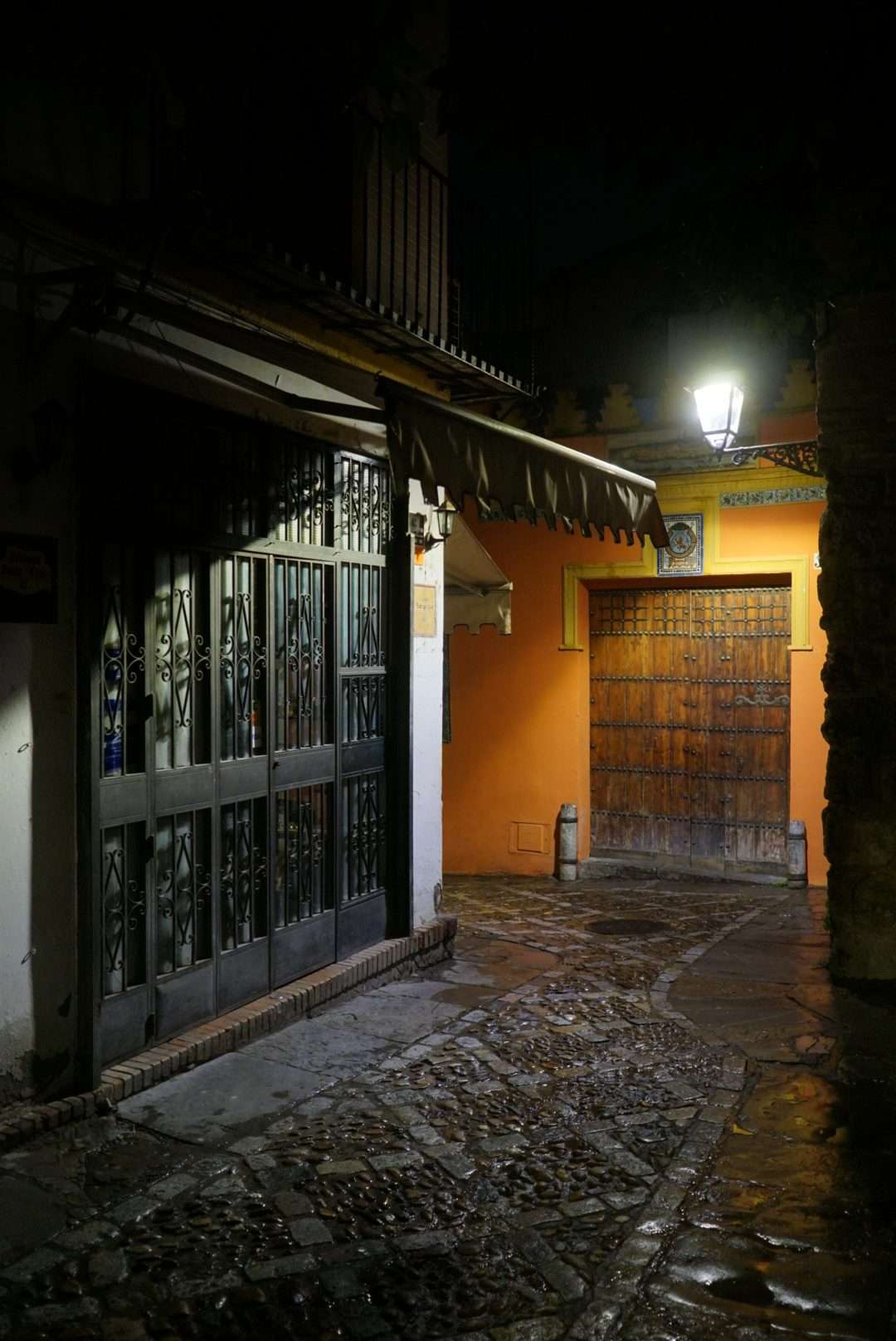
The Sony E 20mm f2.8 is a tiny pancake lens, but was damned with feint praise by some who felt it did not have enough resolution. I saw tests using the early 16Mp E mount bodies which showed it was very consistent across the frame. I would agree with that - at any aperture the centre and corners are consistent, but it is unlikely to blow anyone away with exceptional resolution or contrast.

For me, it's 30mm focal length is more comfortable than the more common but "slightly too wide" 27-28mm lens, and it's small size make it convenient to carrying around for some casual street photography at night.

This article is not intended to be a review of the lenses, but if I had to sum them up, I like them. They all have excellent detail from open aperture, and are well corrected using in camera distortion correction. Their colour rendition is a little cool, and they all have excellent contrast which enhances detail. Like their full frame Zeiss Batis cousins, they are consistent.
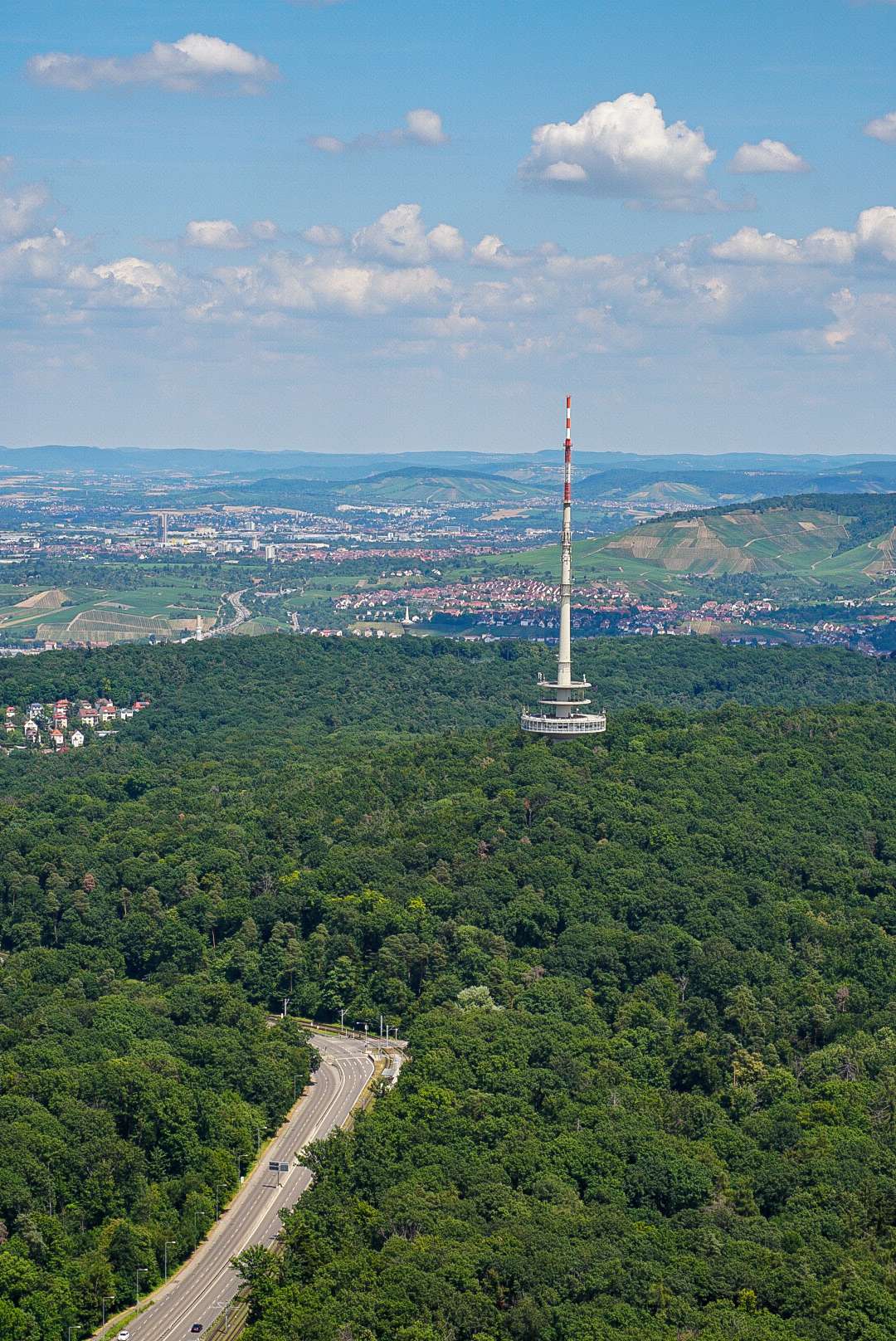
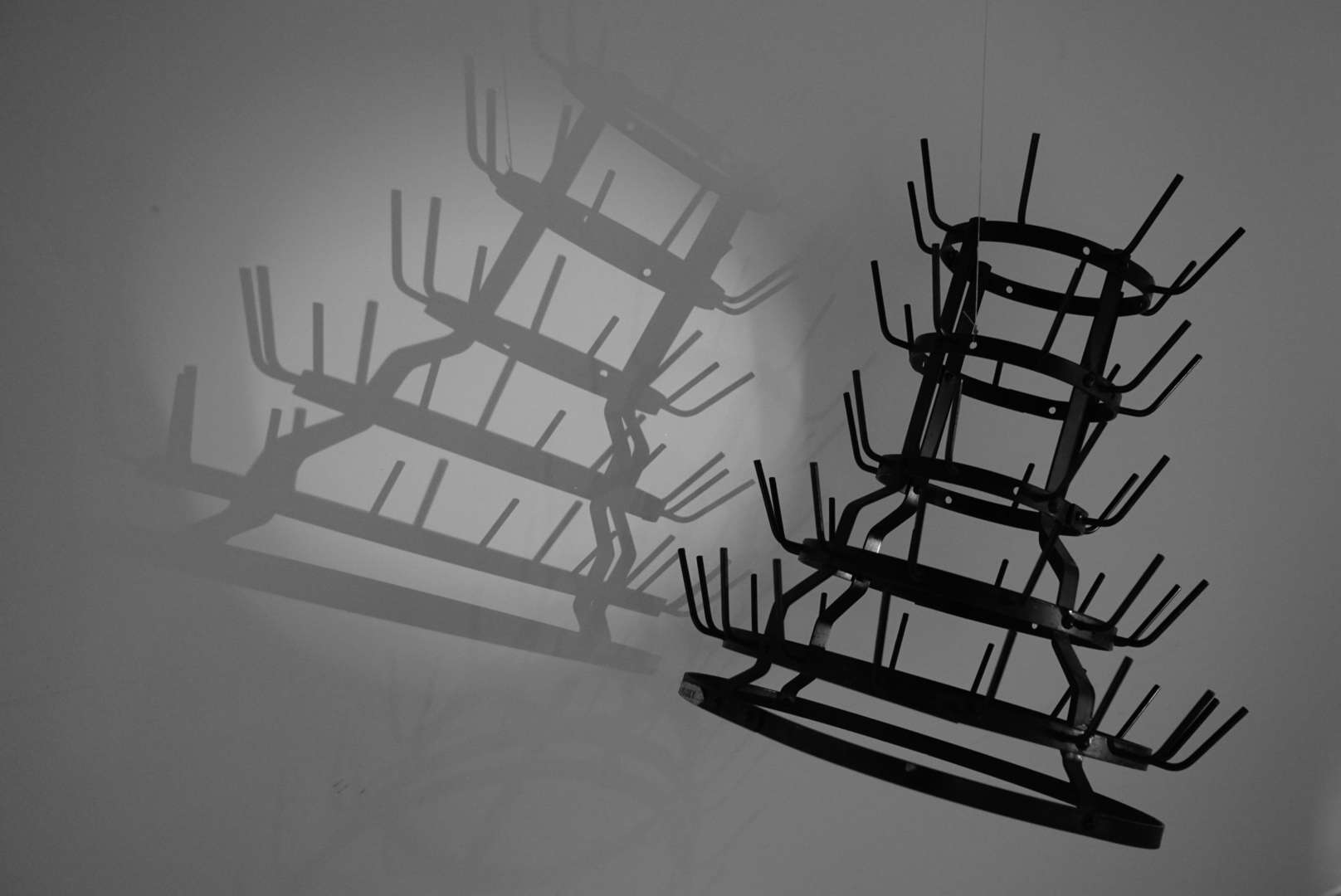
The Touit 50mm f2.8 macro is the biggest surprise. It's the lens I was least interested in, but it has surprised me the most, and been the lens which has produced some of the most attractive photographs in a way that I can't really explain.
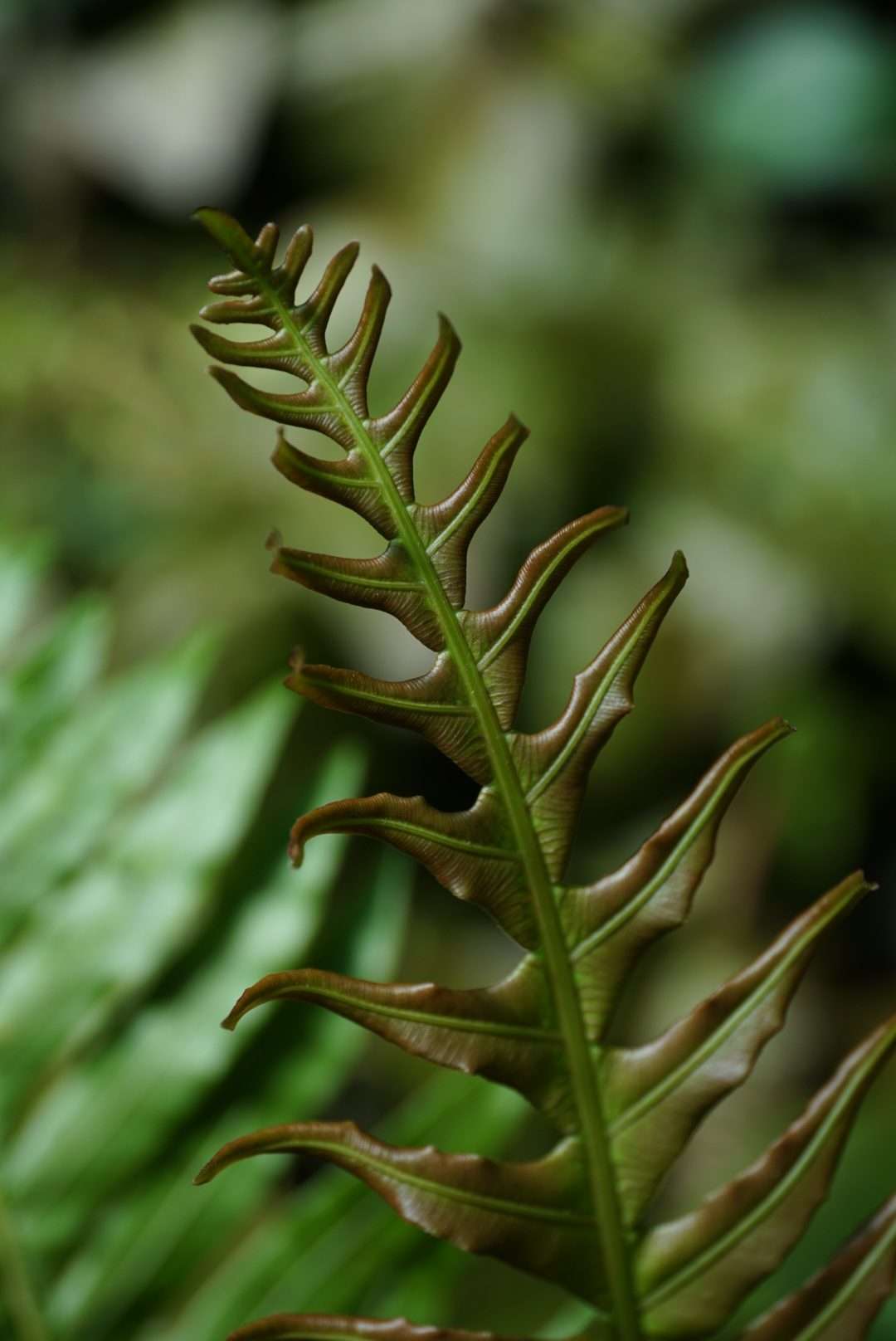
The Sony 20mm f2.8 pancake is unassuming. It is a decent lens, but unexceptional except for it's size, which makes it pocketable and as small as many compact cameras when used on a small body.
Photographs in this article were taken with a Sony A6500 and A5100 and many were edited to taste.