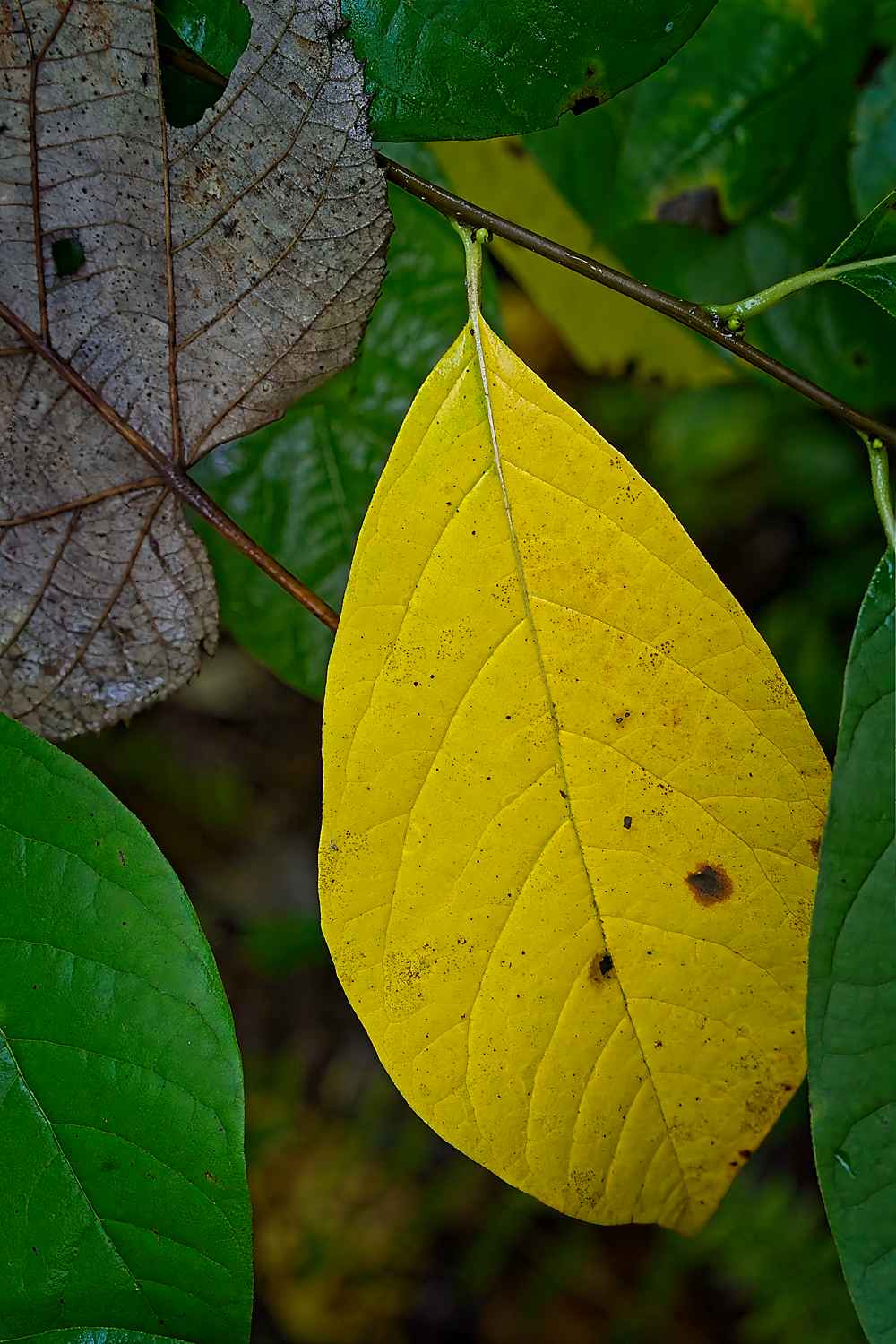
#1406. Appalachian Seasons, Fall. I. September.
Fall goes out in a blaze of glory.
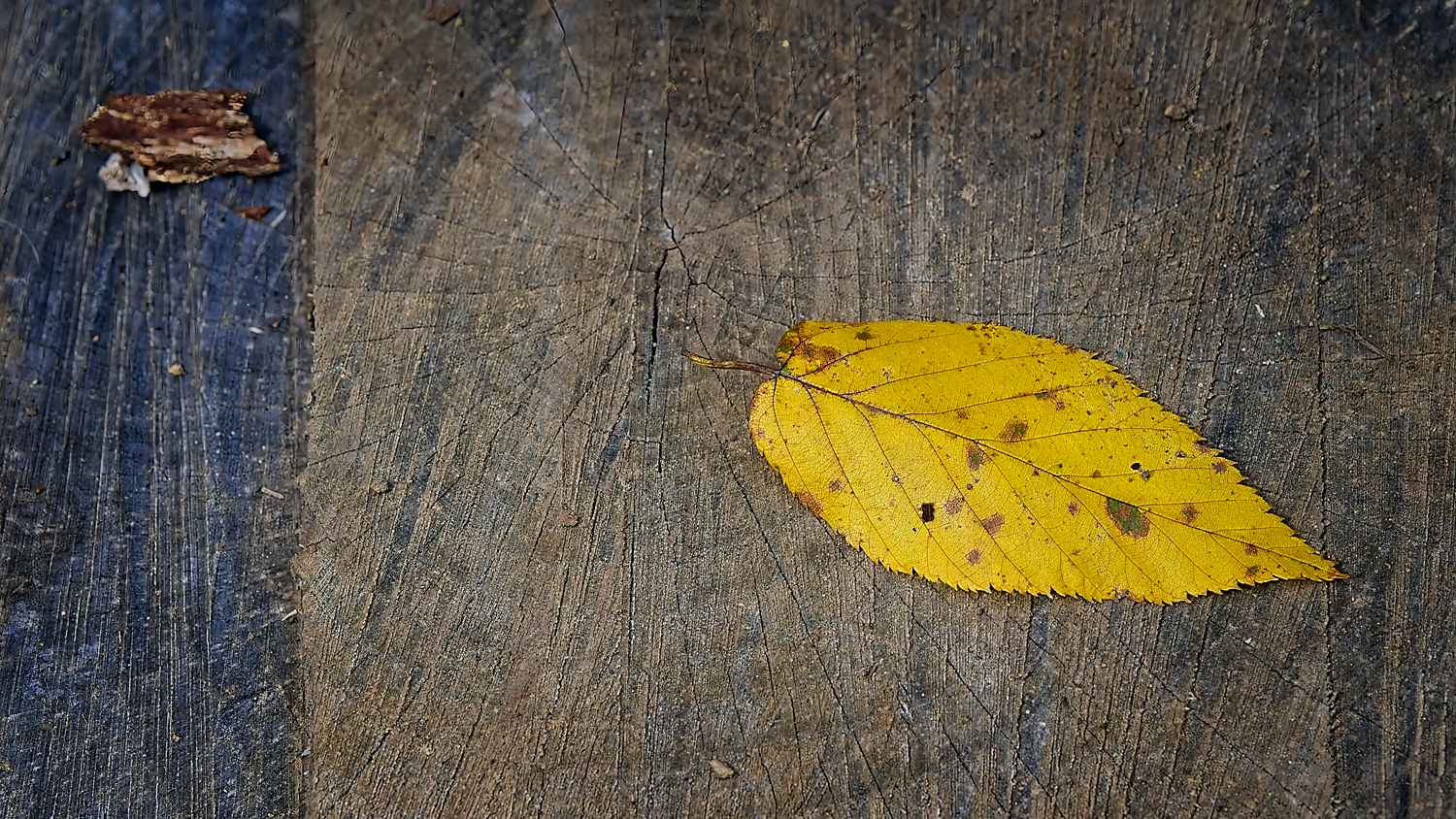
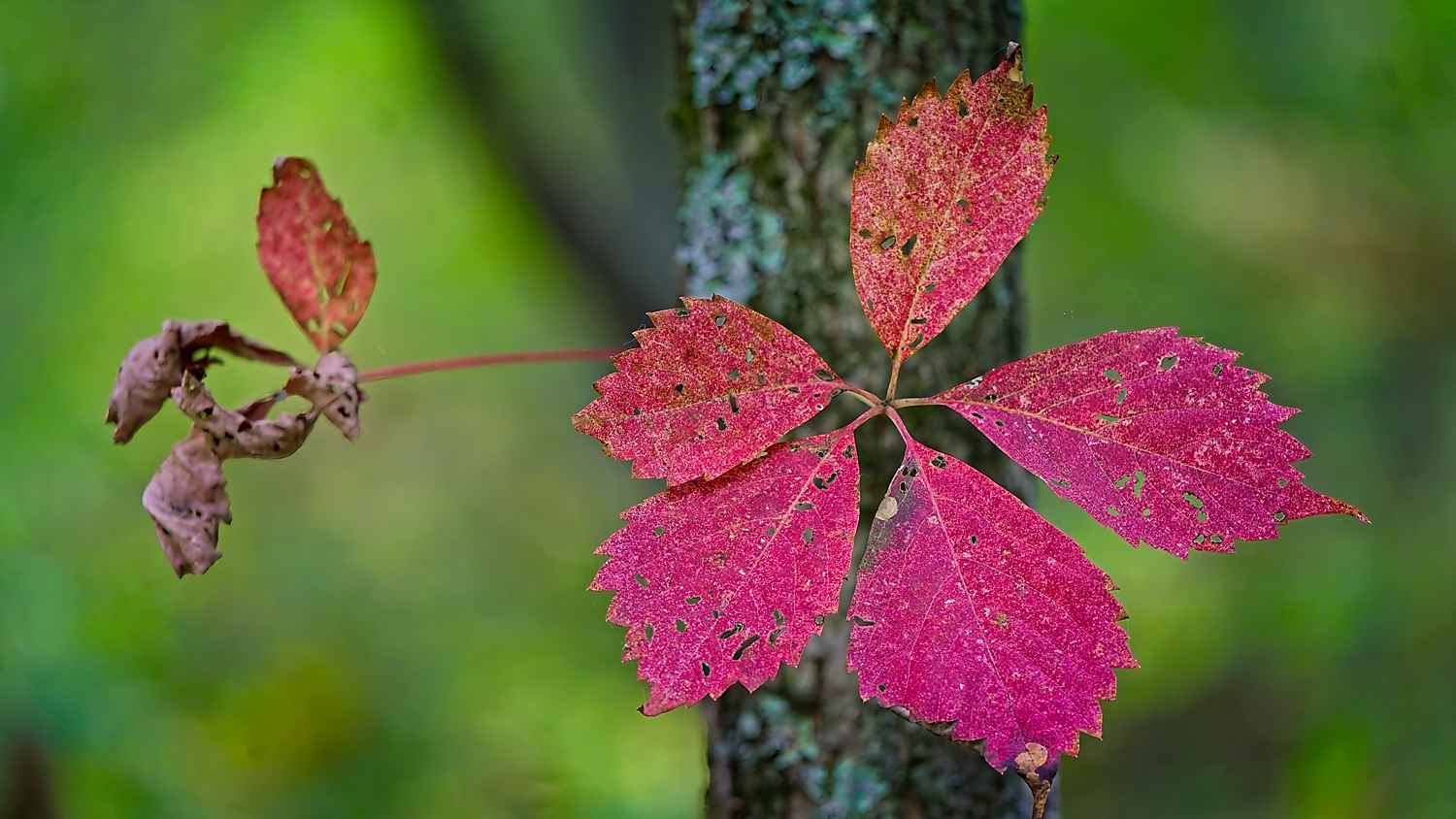
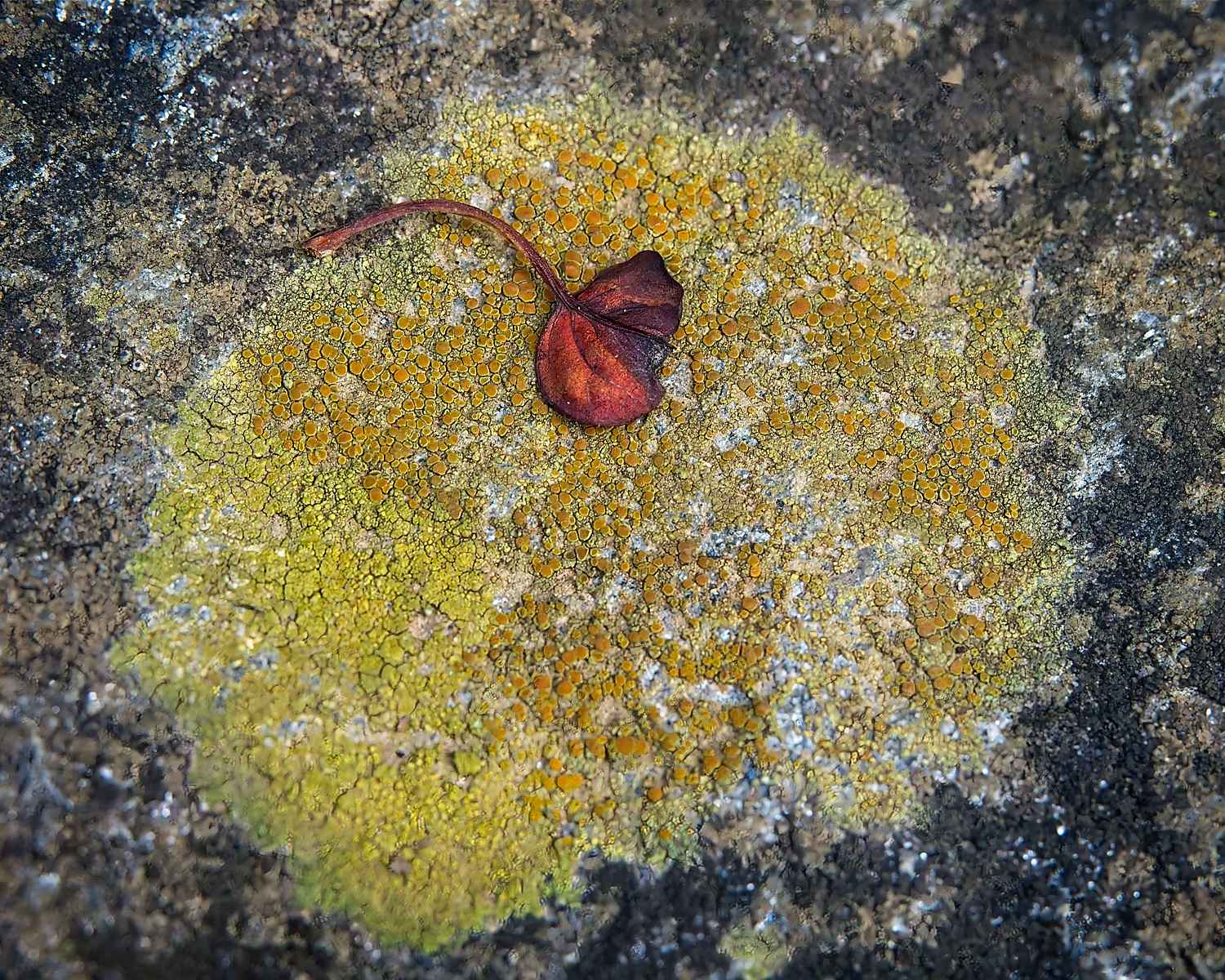
In mid-fall, leaves turn red, yellow, orange—draining the green chlorophyll so that the underlying colors can emerge. The reality becomes apparent. This post is a further extension of my seasonal tour of the Appalachian forest, or this small part of it, and I hope to convey a sense of fall’s passage, from full green in early September to glorious gold in late October to bare limbs in November.
Plants are indeed changing during this time of year, and for someone accustomed to a tropical climate, they look like they are dying: leaves turn color, shrivel, fall to the ground, denuding trees, shrubs and vines. Of course the plants aren’t dead, they are merely going dormant so they can withstand the rigors of winter. Still, the annual decline of Fall is a recurring momento mori, just as Spring is a rebirth of hope (hope may spring eternal, but it is most common in Winter).
SEPTEMBER
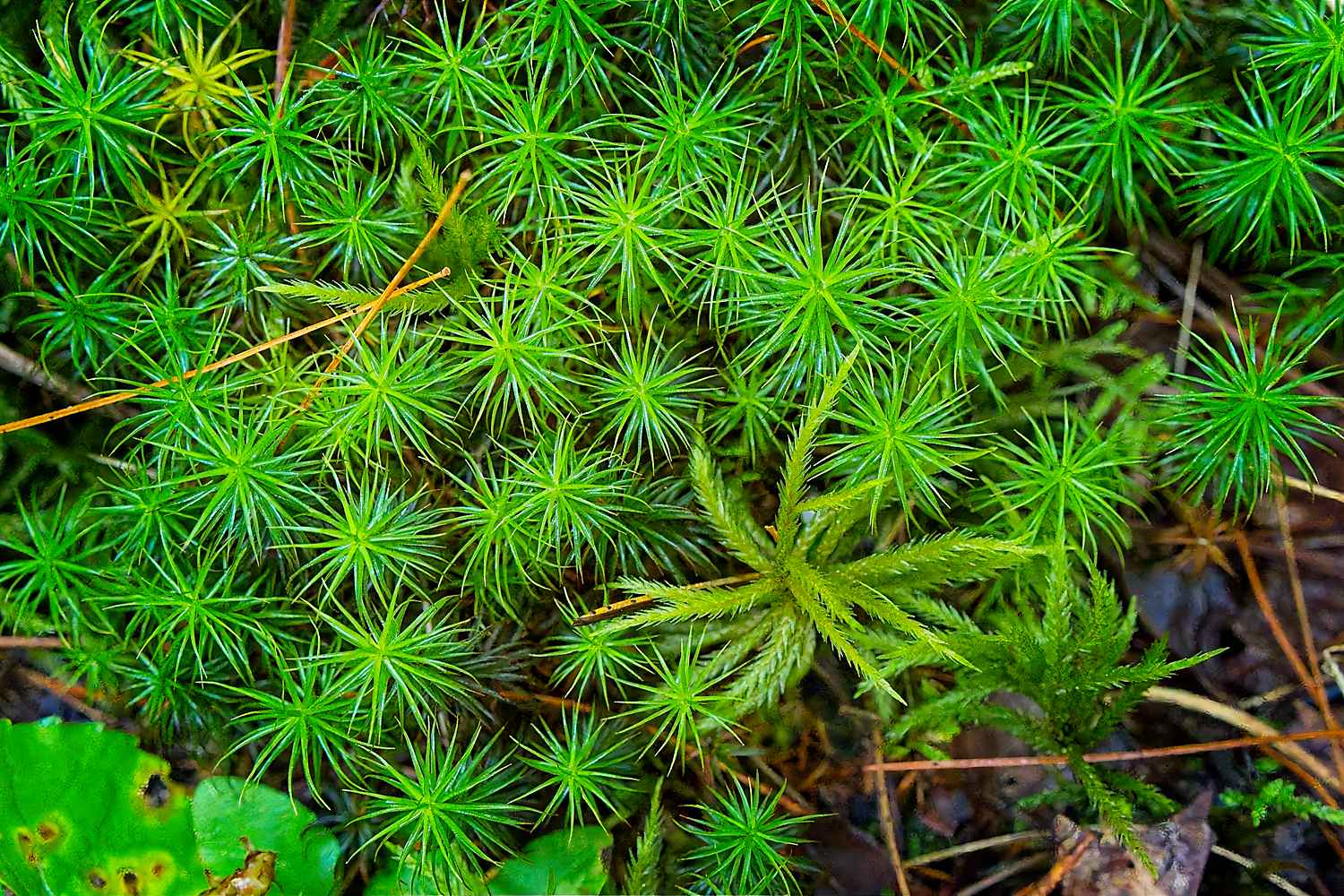
September is a waiting time, a time of preparation. Many things are green, especially with a little rain, not least these lowly mosses,
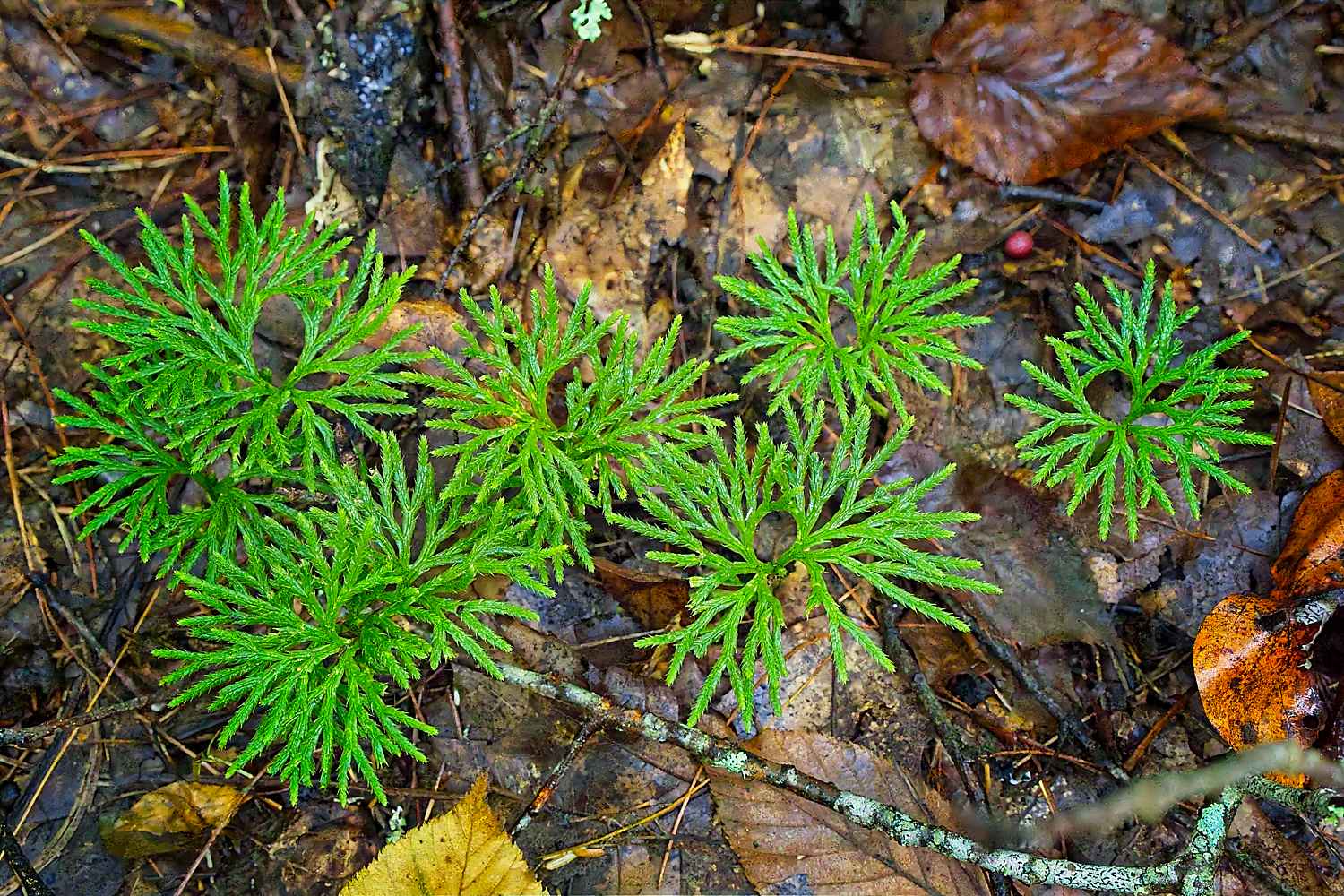
club mosses,
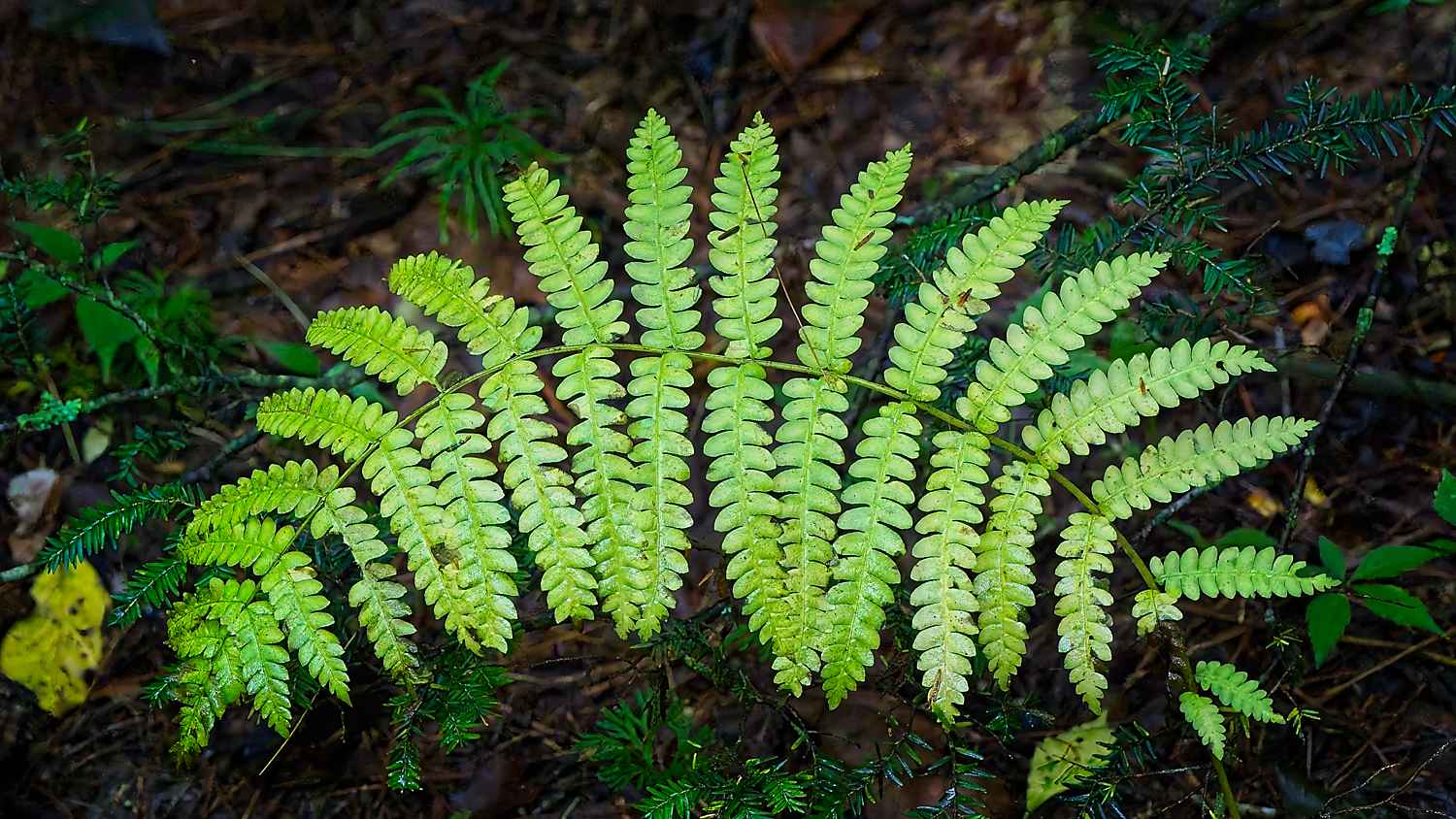
and ferns.
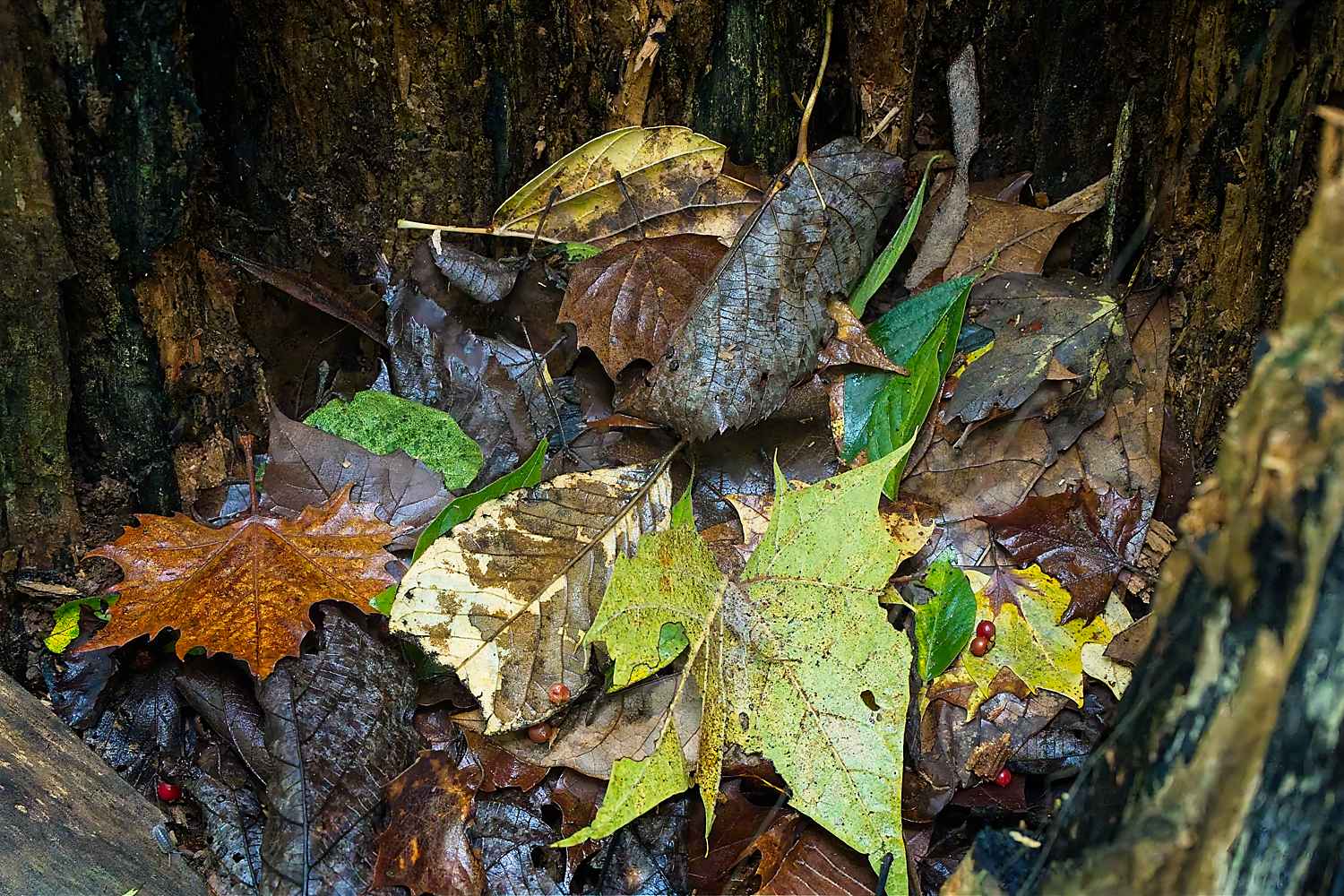
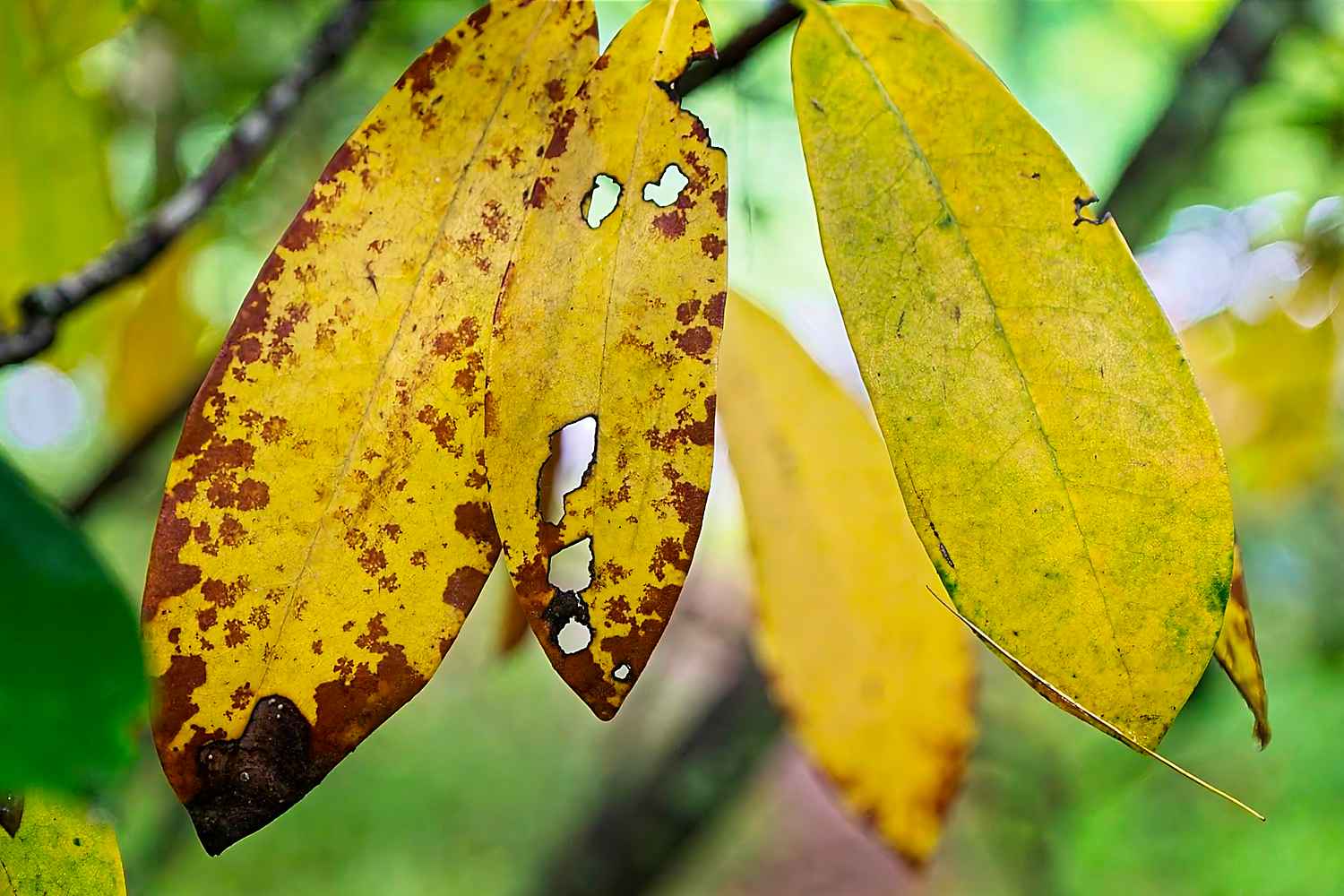
But the deciduous foliage is often tattered and faded, with waning photosynthesis.
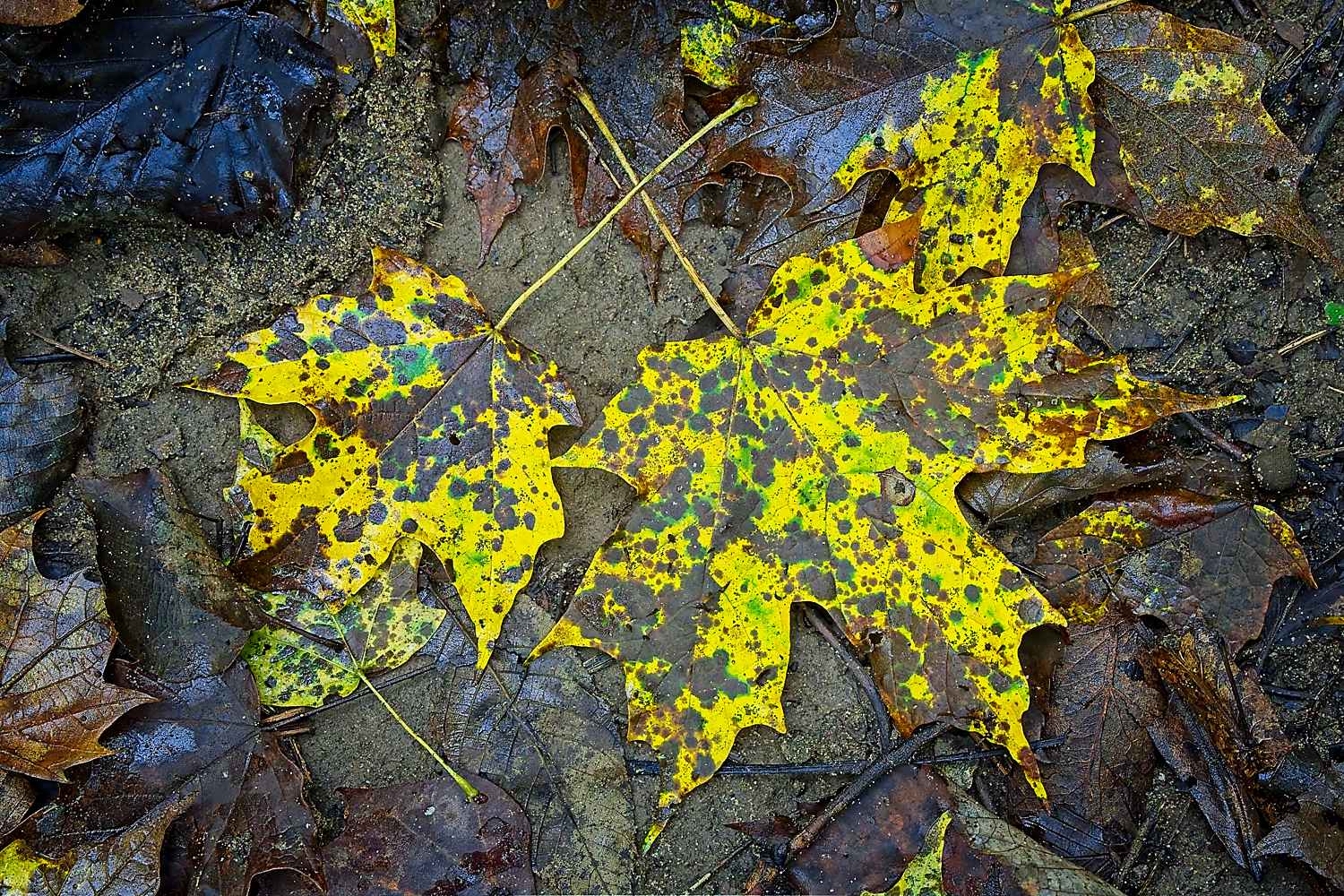
Heavy rains at month’s end spruced up the greenery, perfect for my kind of photography.
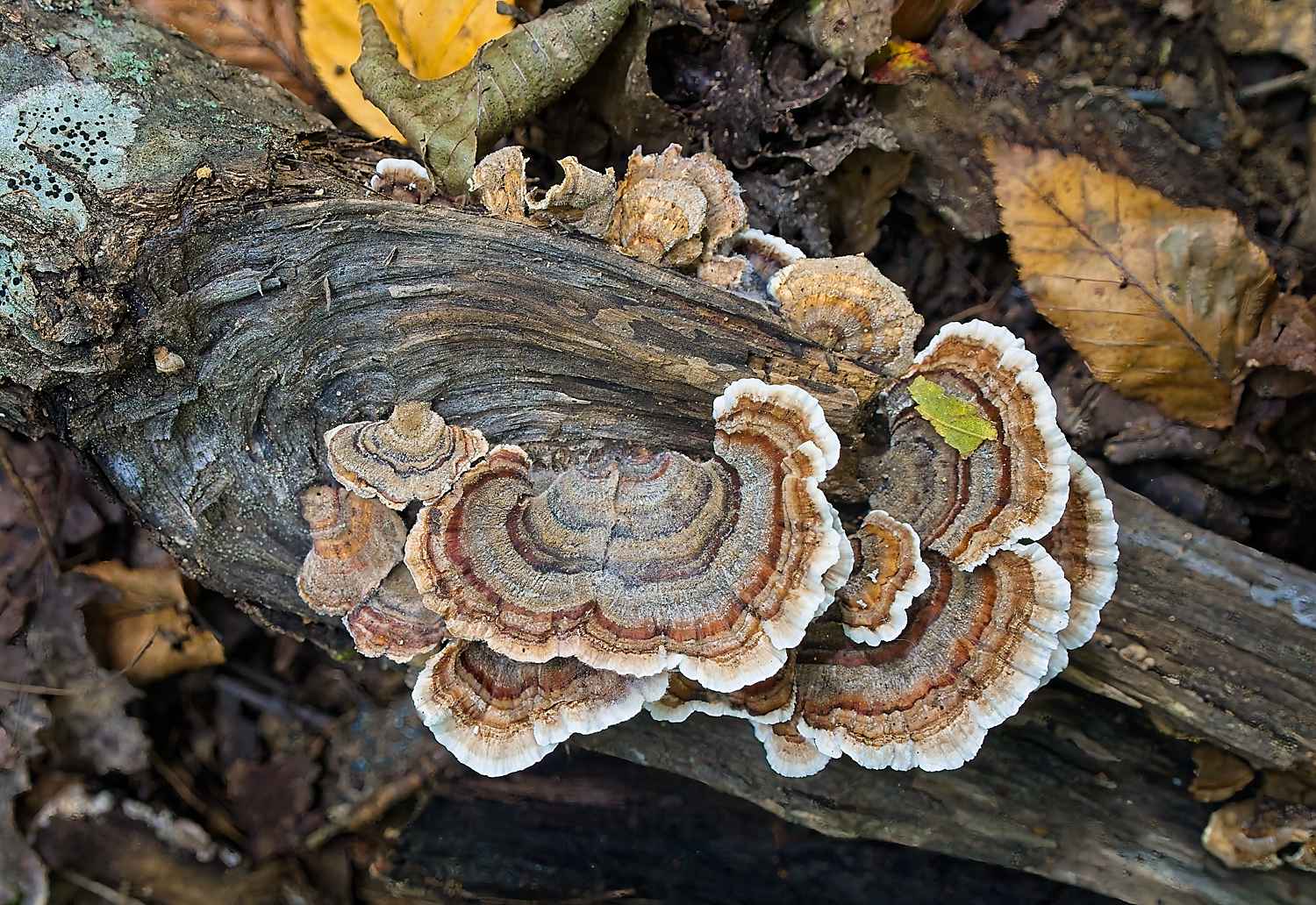
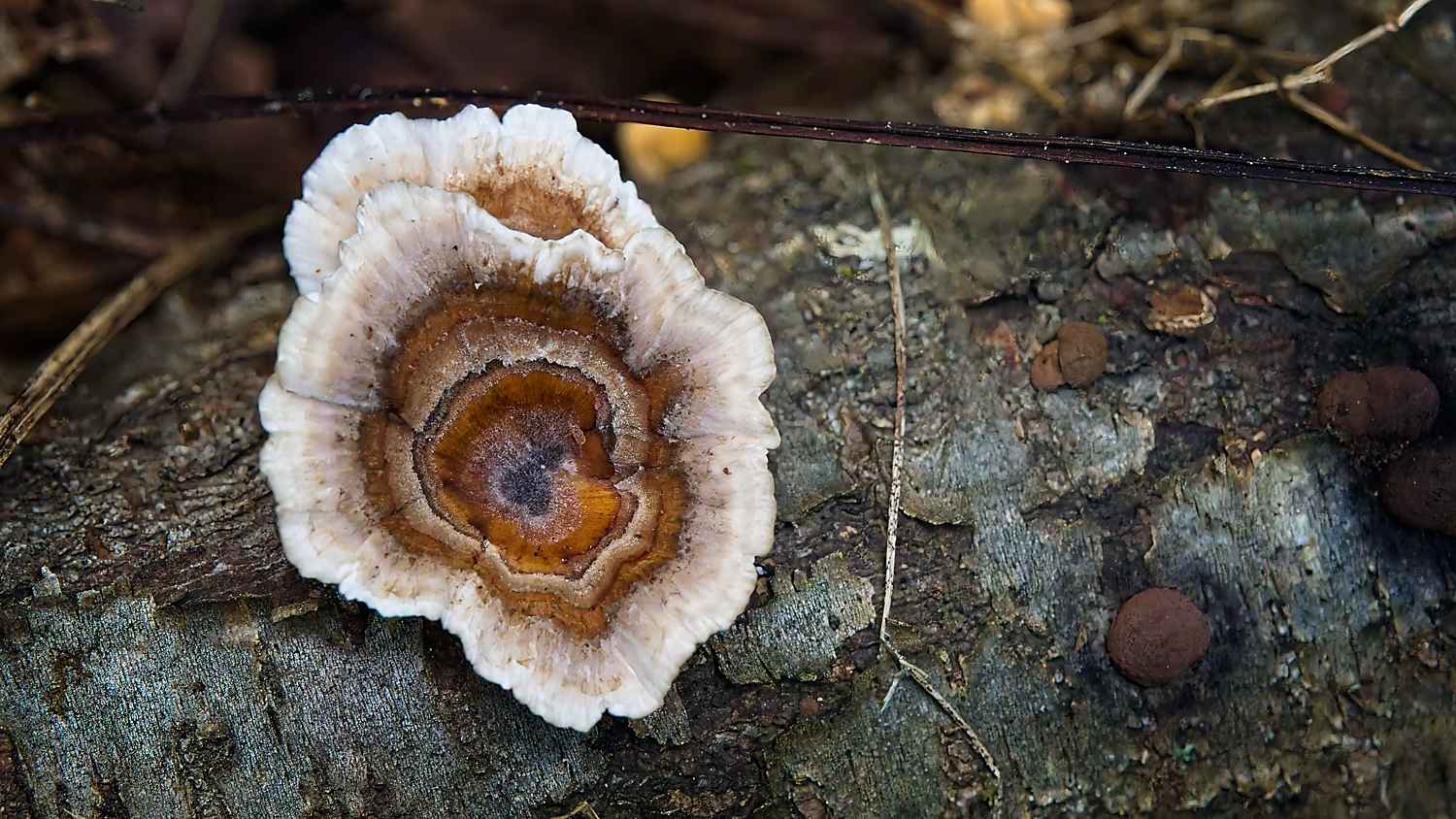
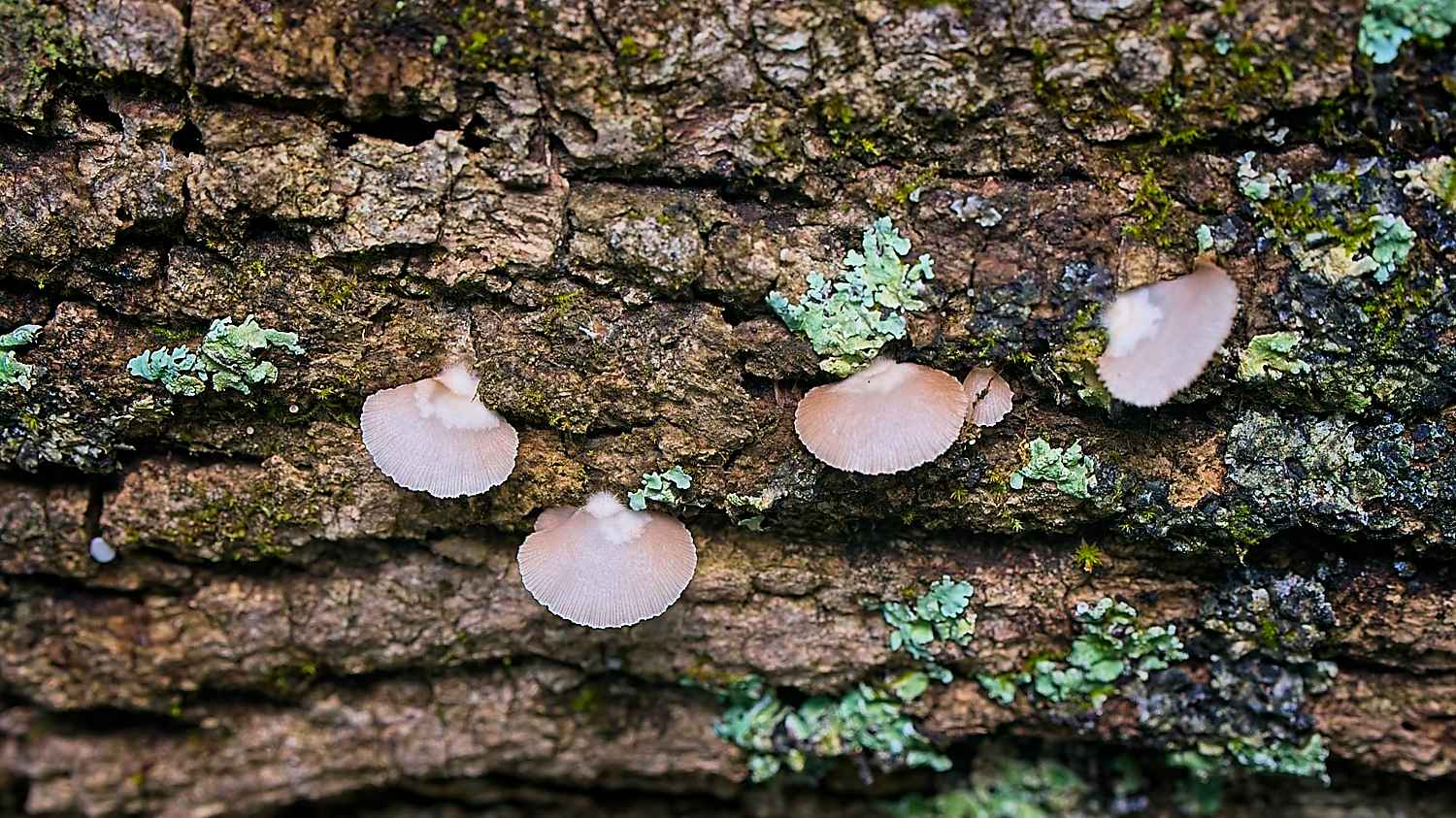
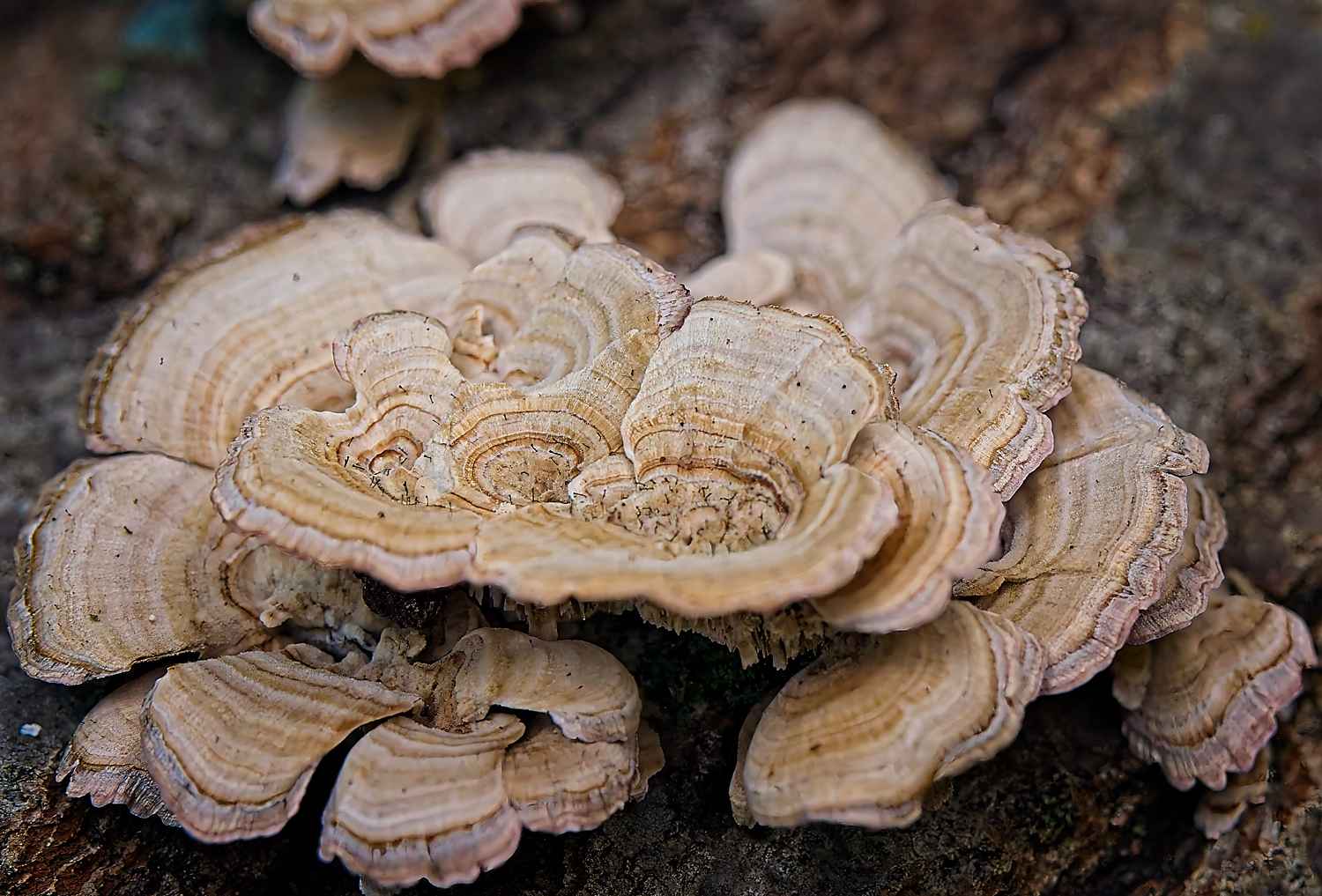
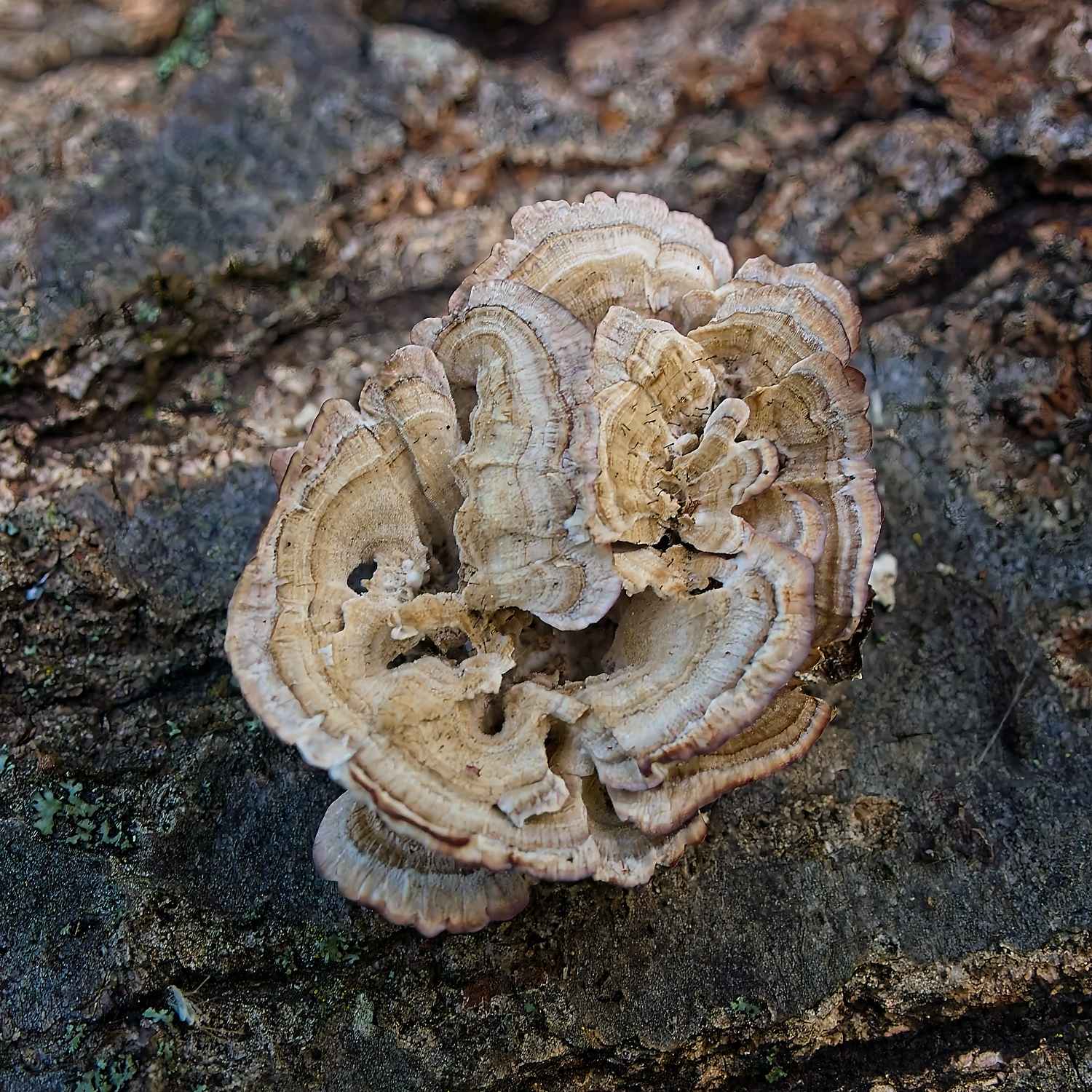
Mushrooms appeared everywhere; I’m always amazed at how quickly they appear—and disappear.
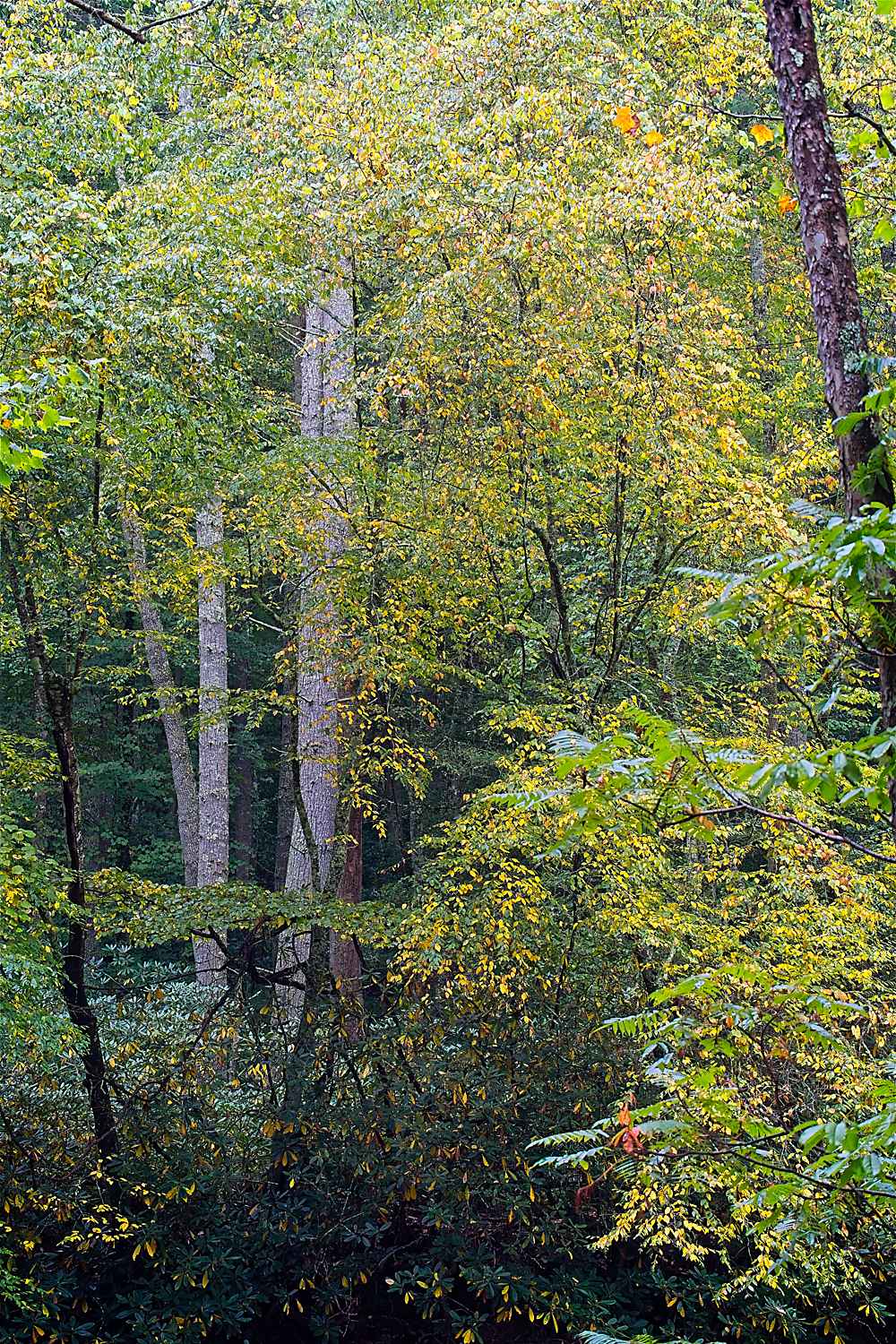
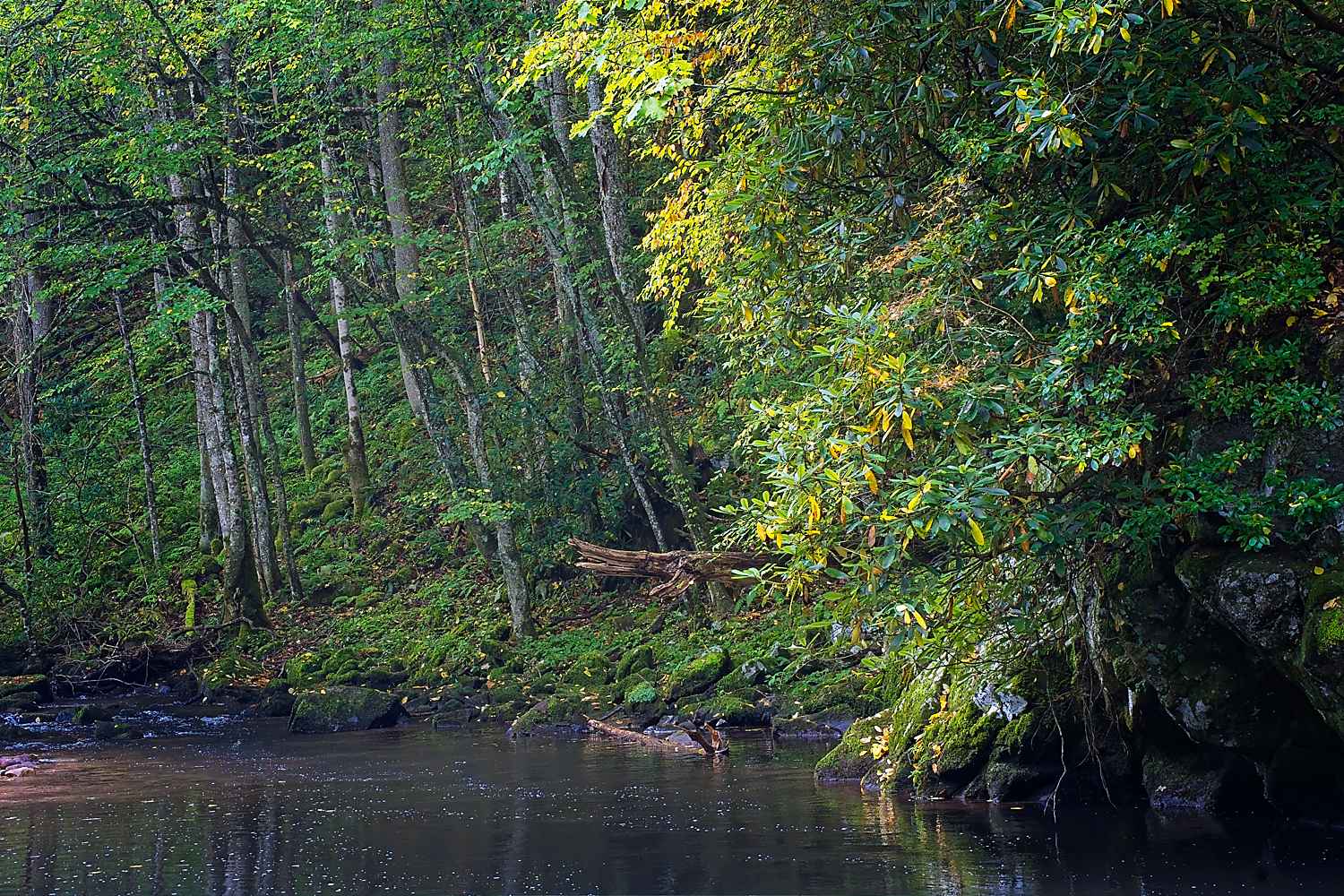
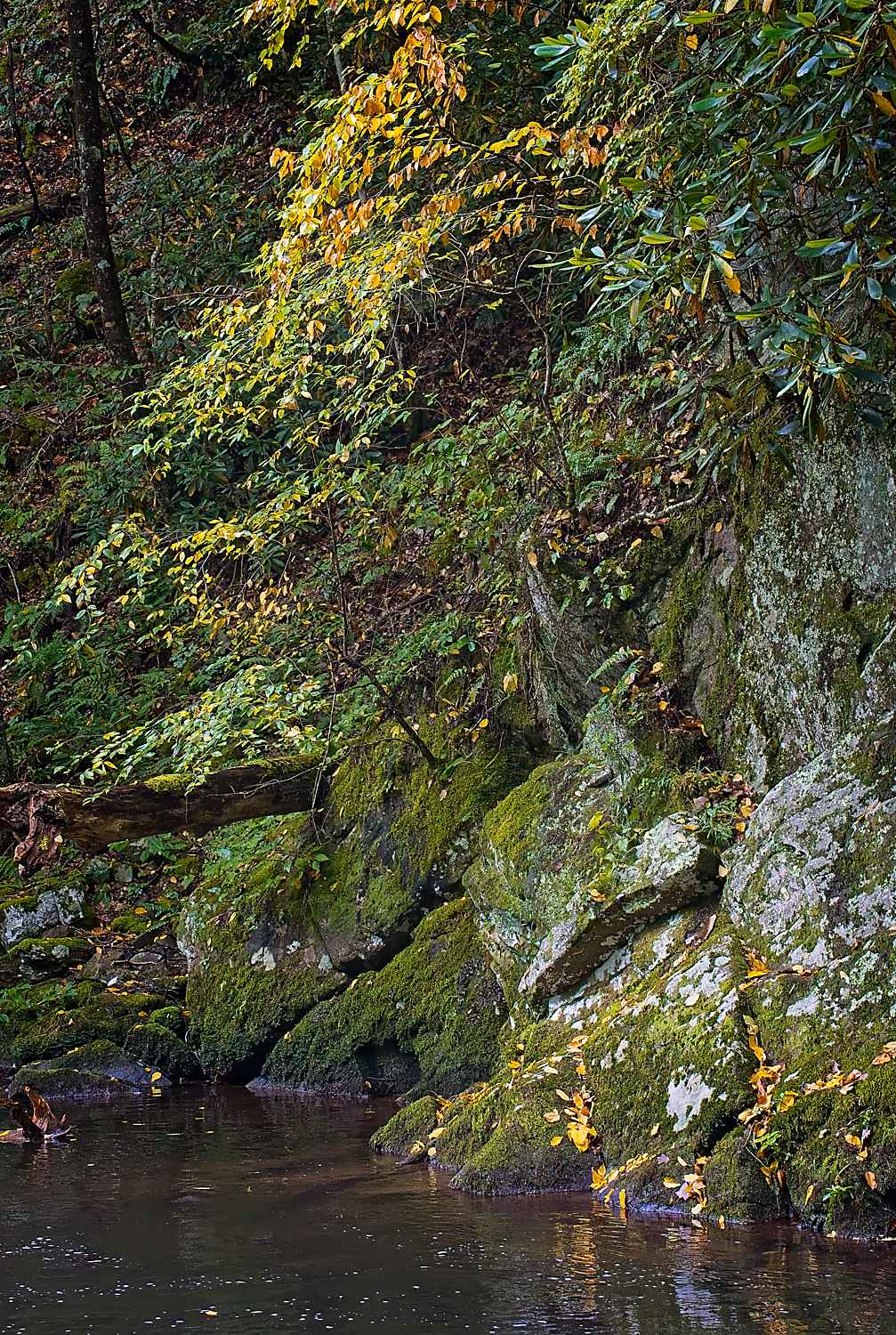
A few trees and bushes are tinged with yellow and occasionally orange and red.
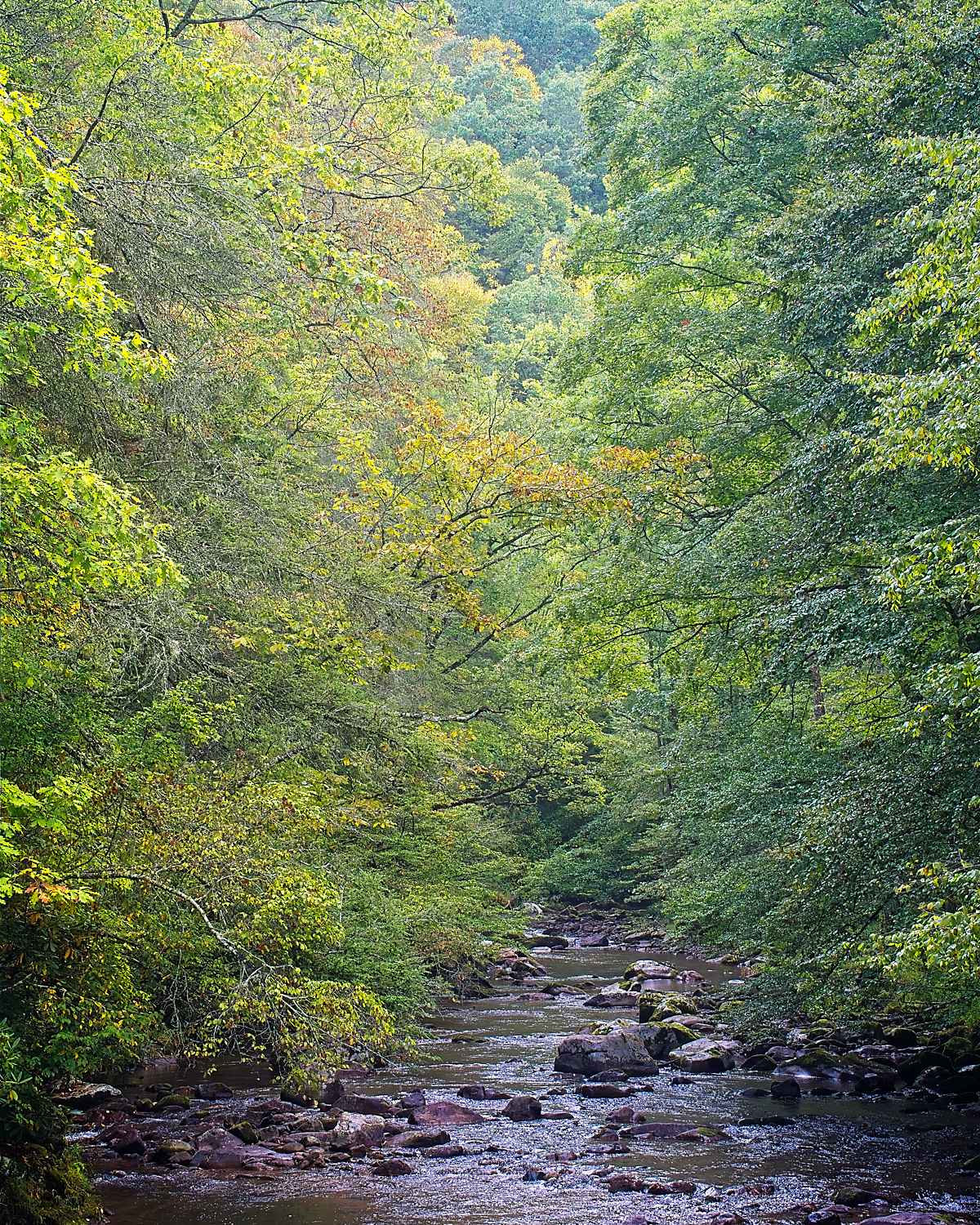
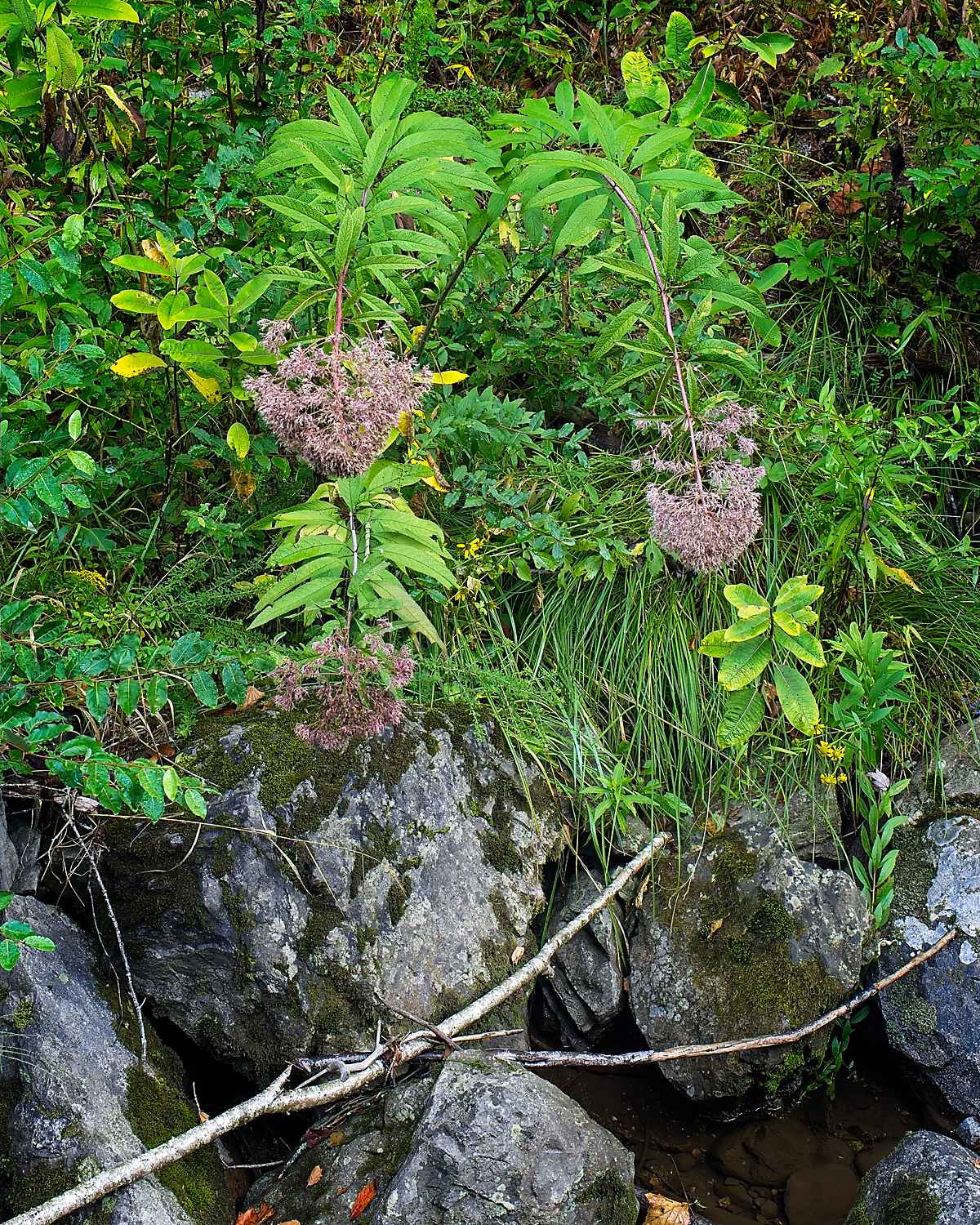
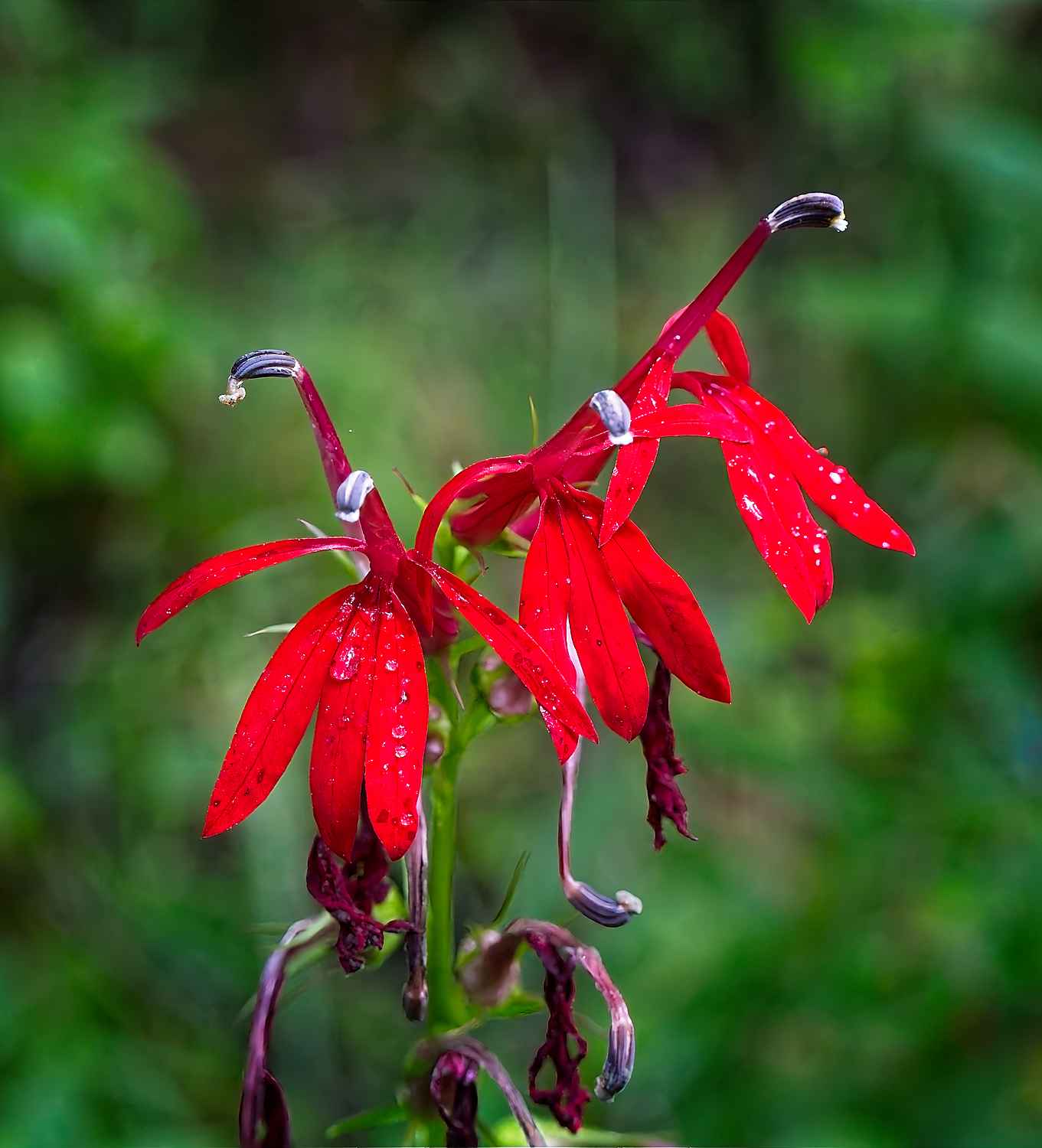
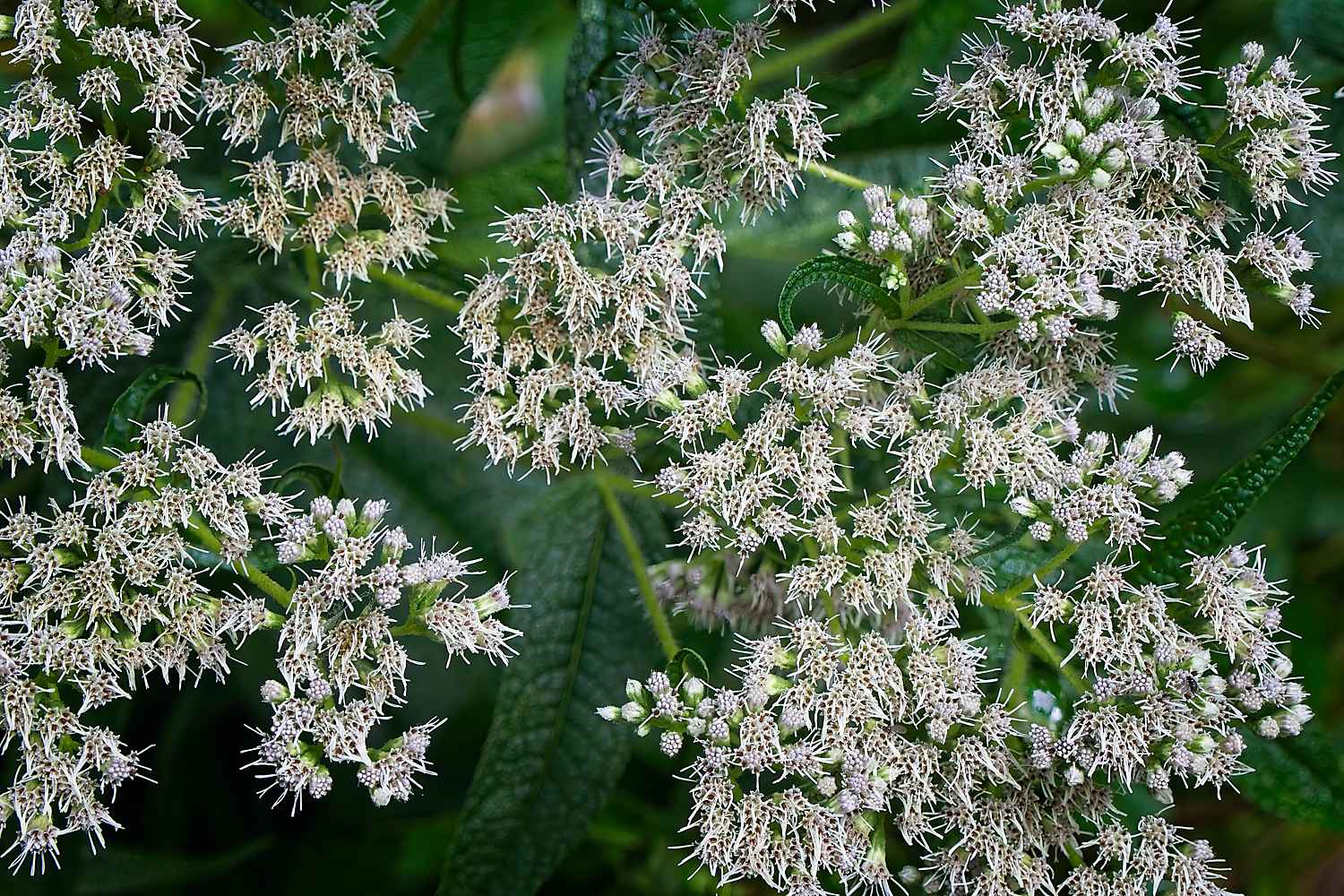
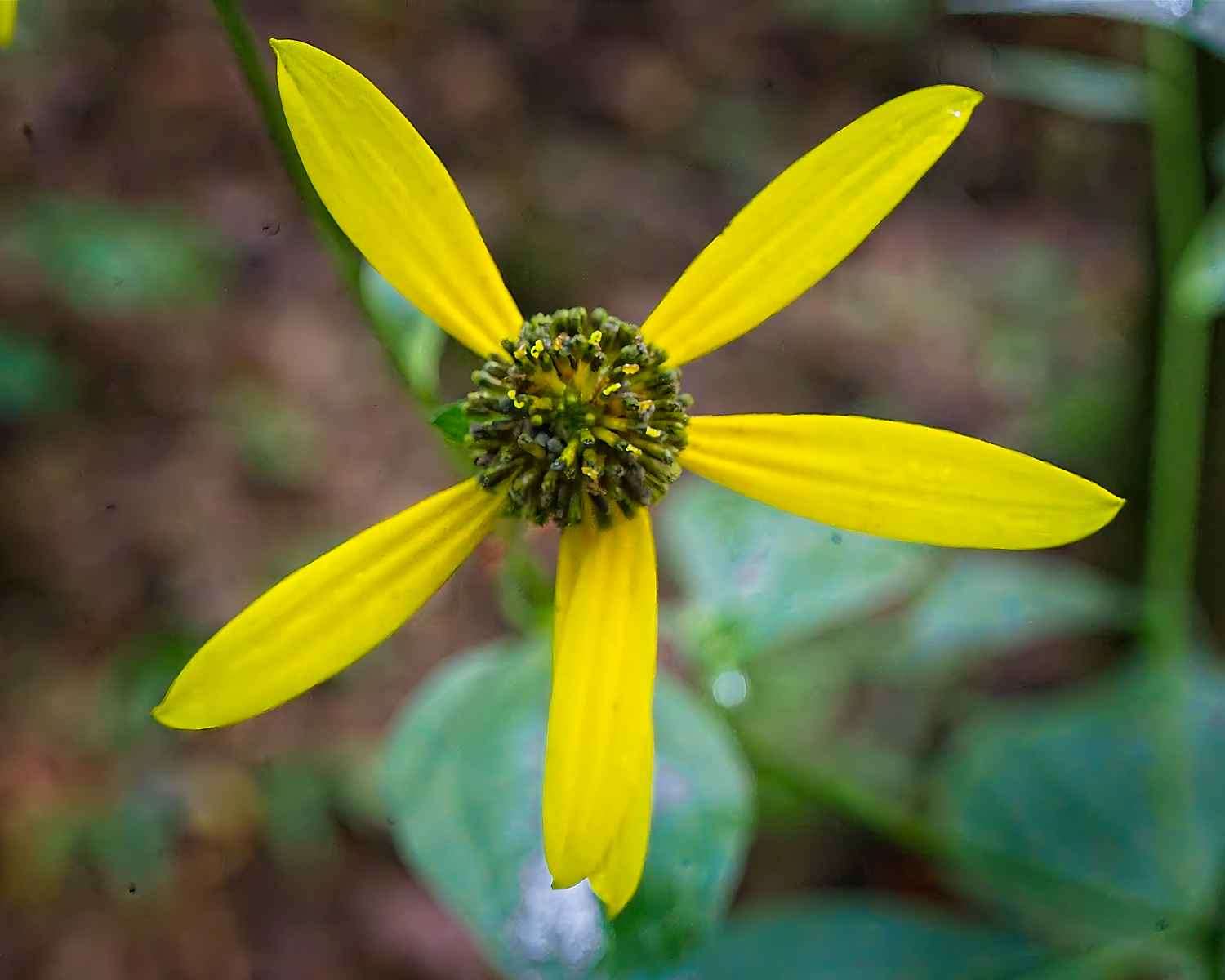
Some late flowers have their moments of glory.
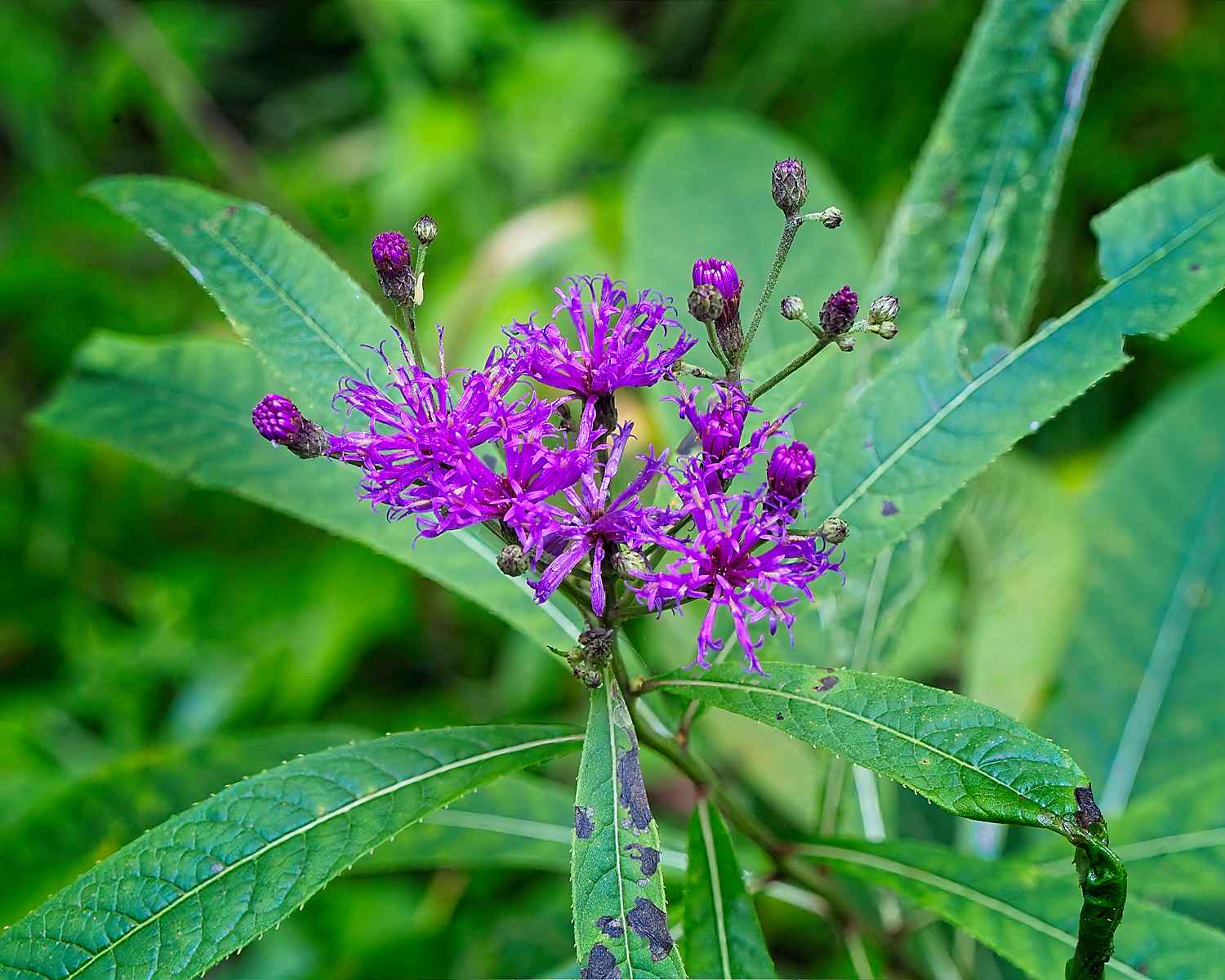
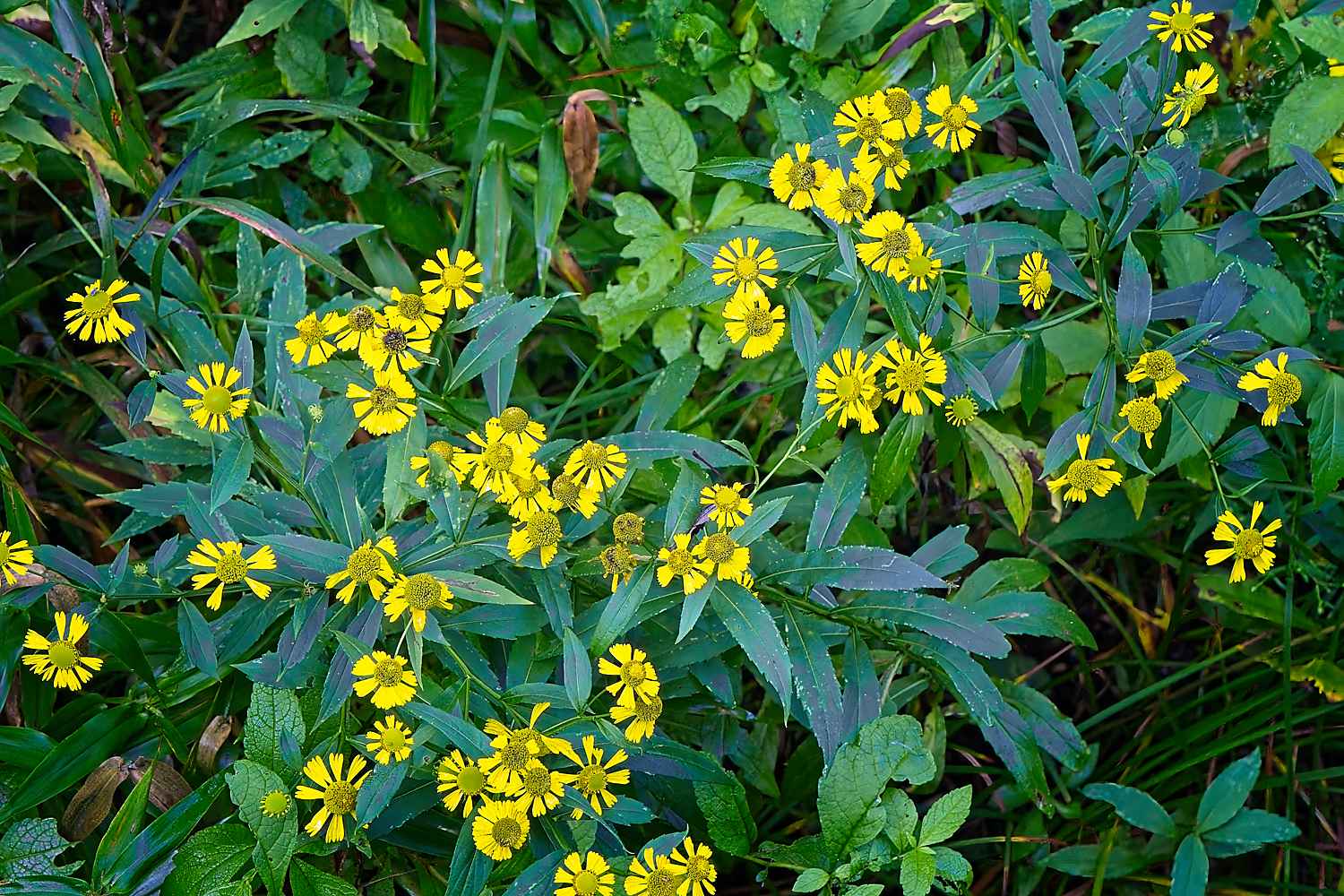
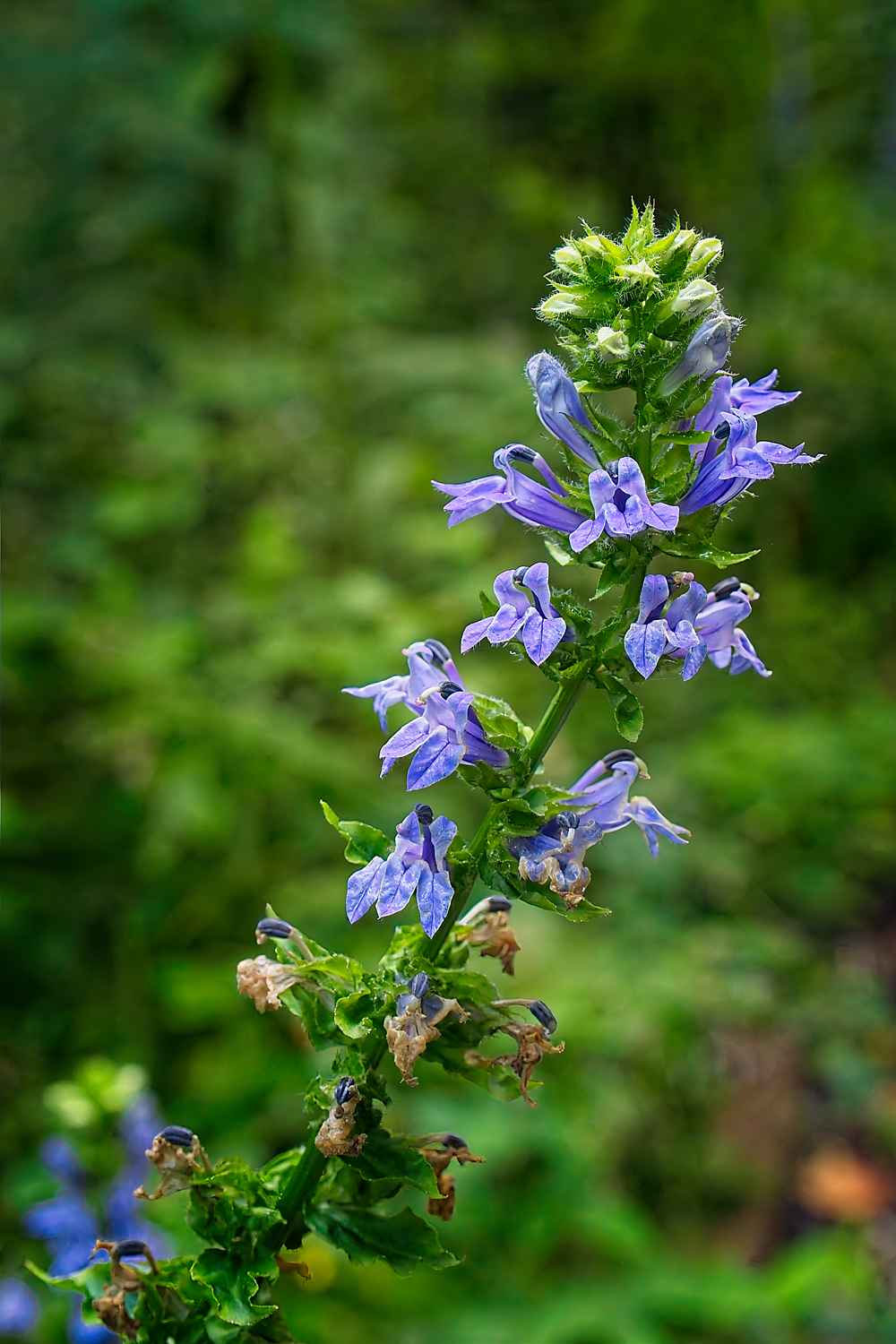
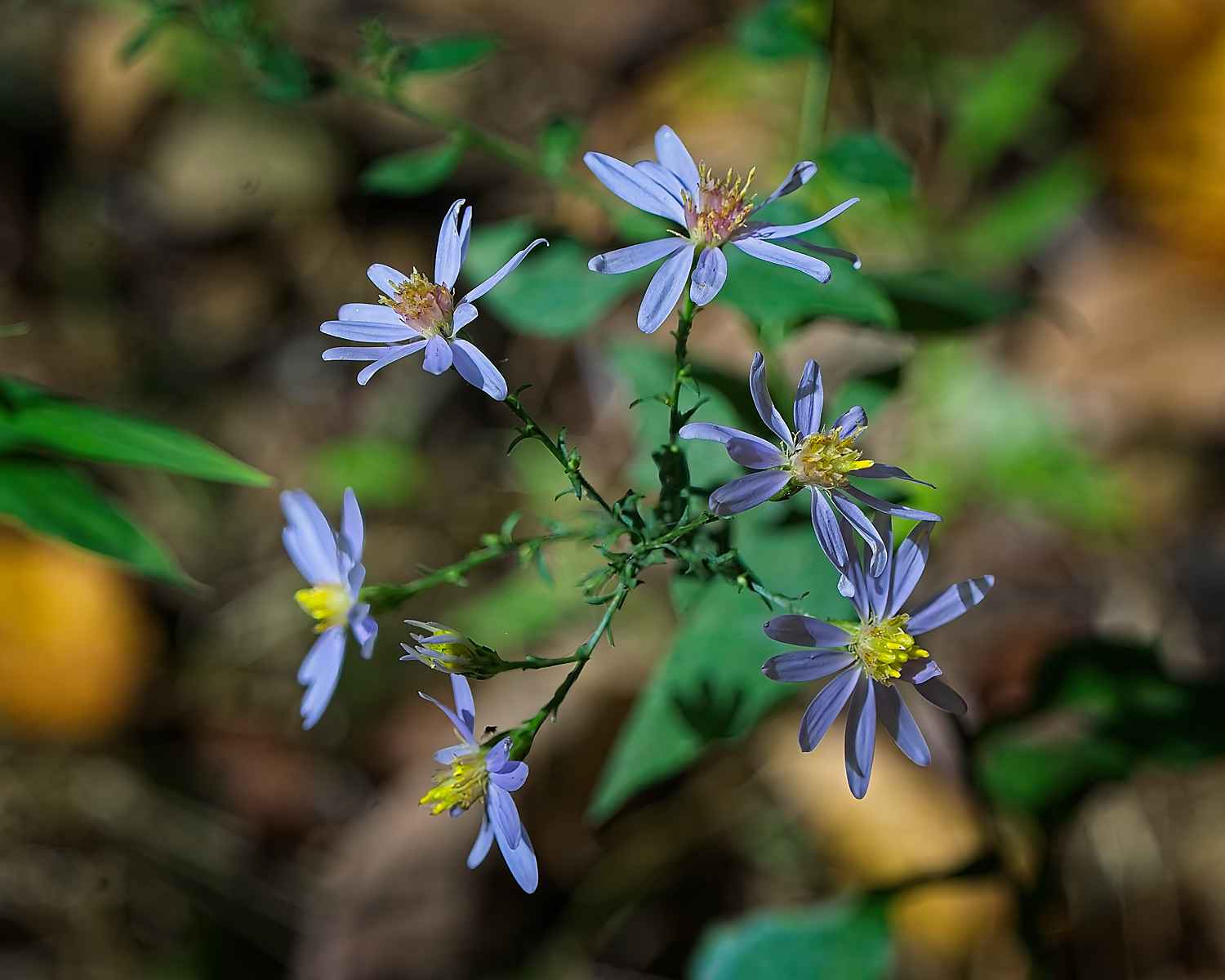
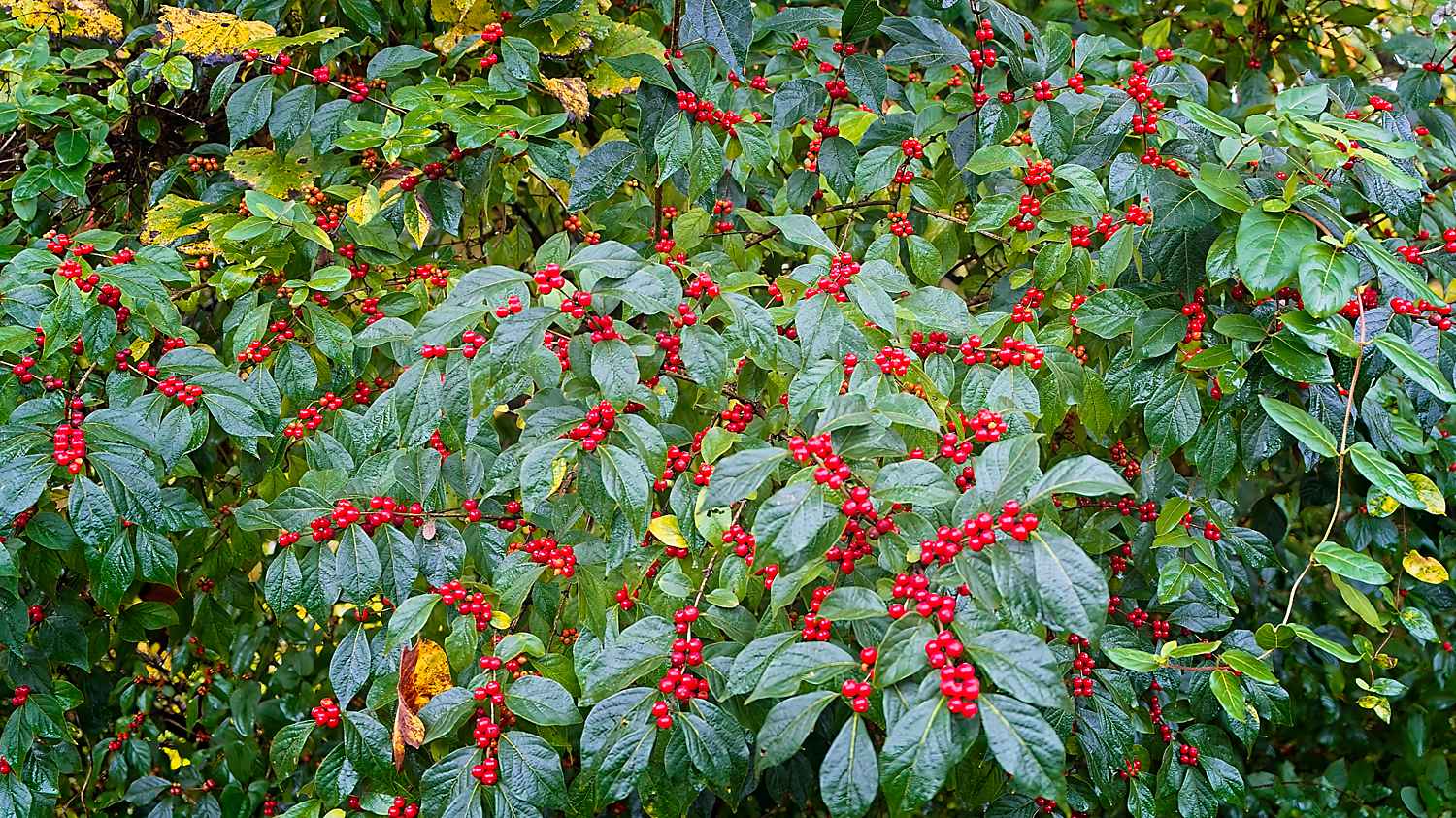
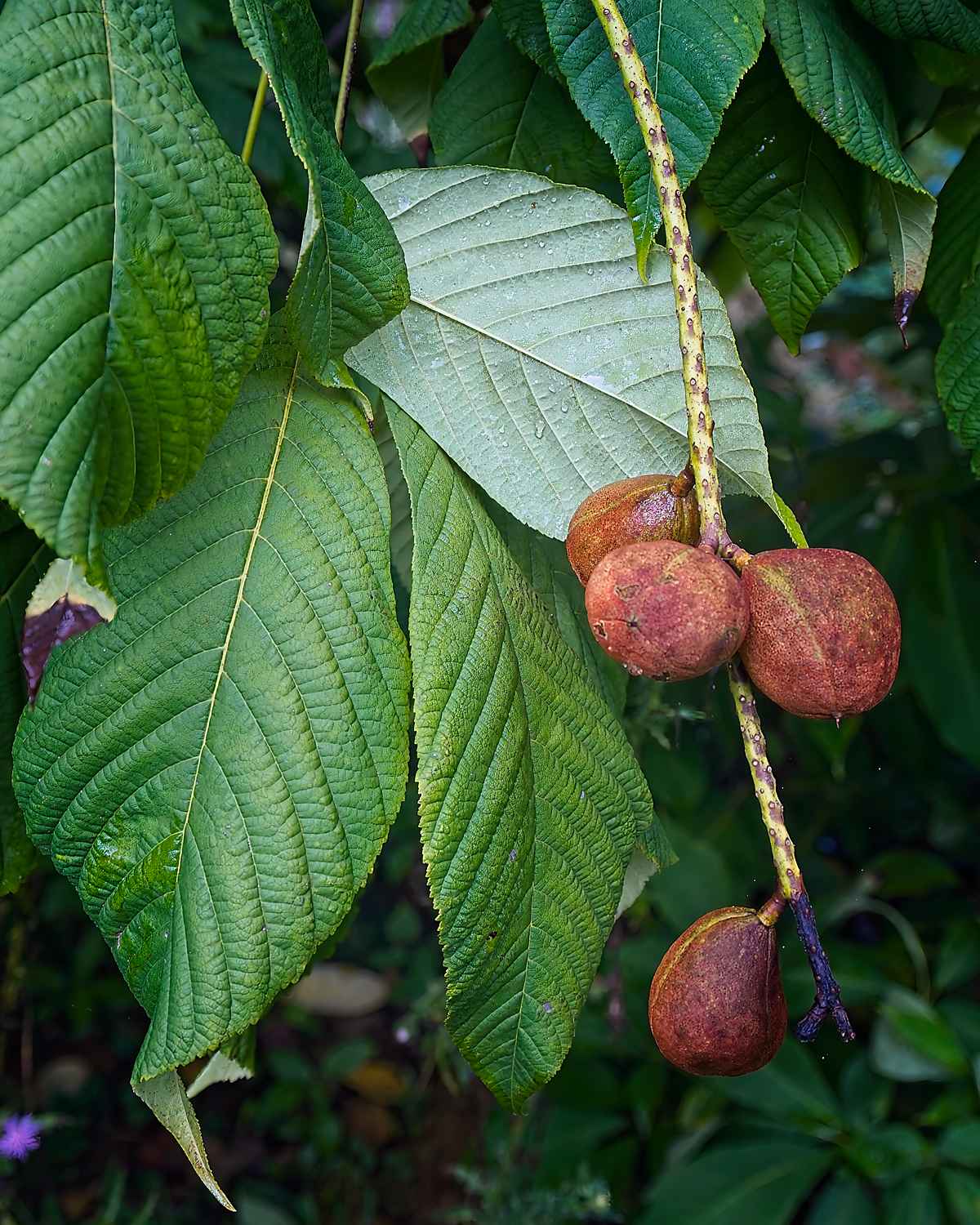
The predominant tendency is towards fruits, berries and nuts, conserving the future in attractive dispersal packages.
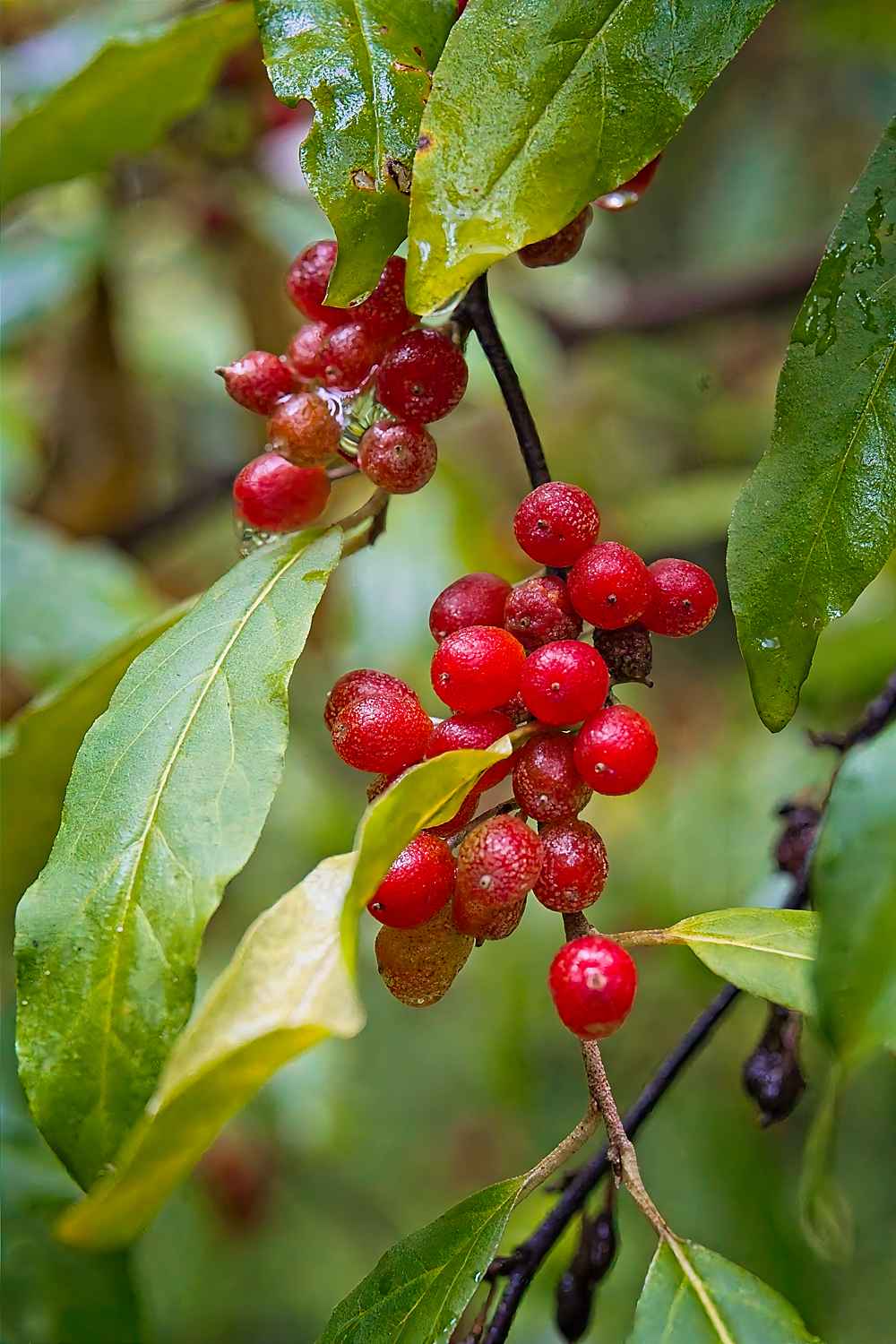
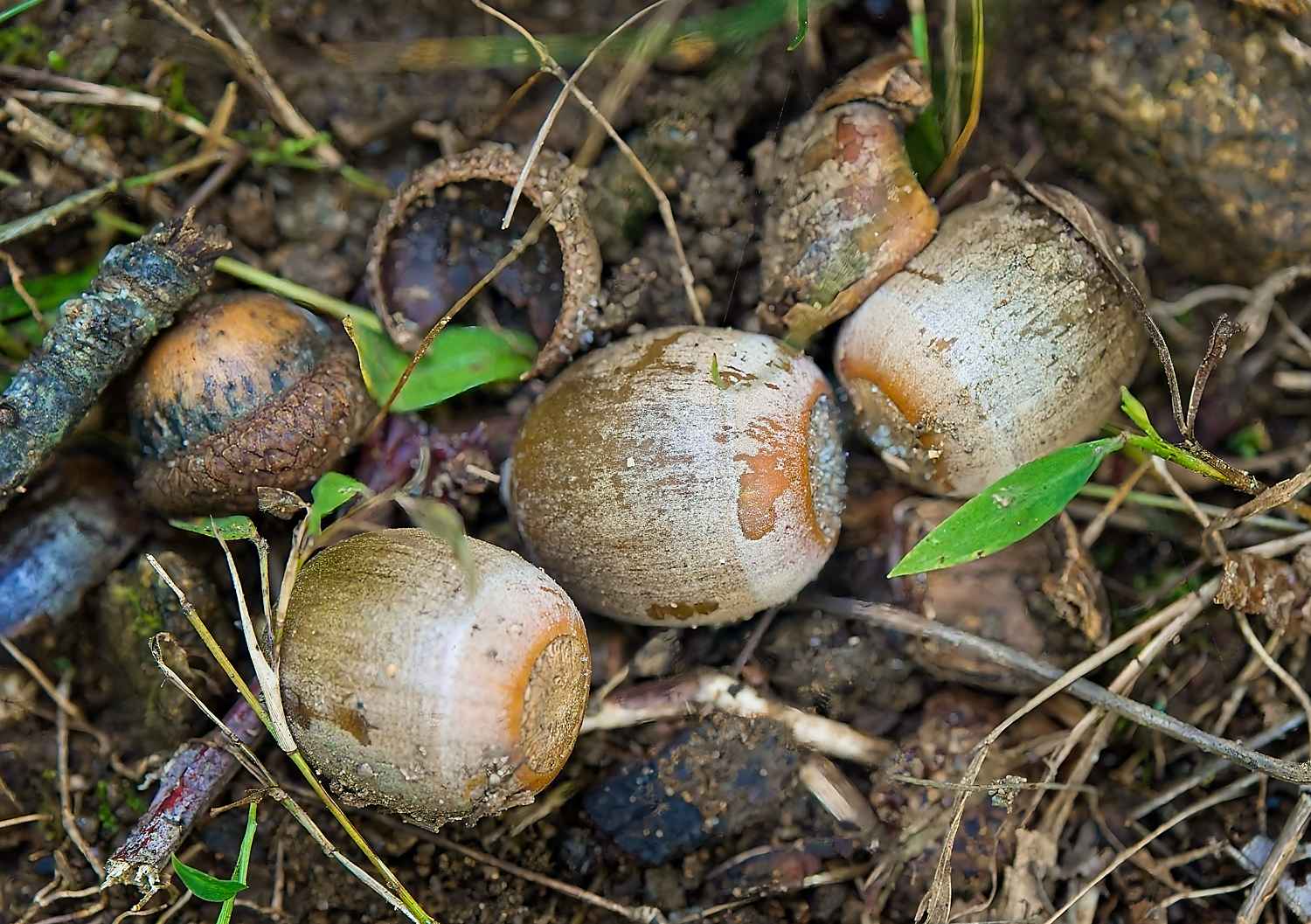
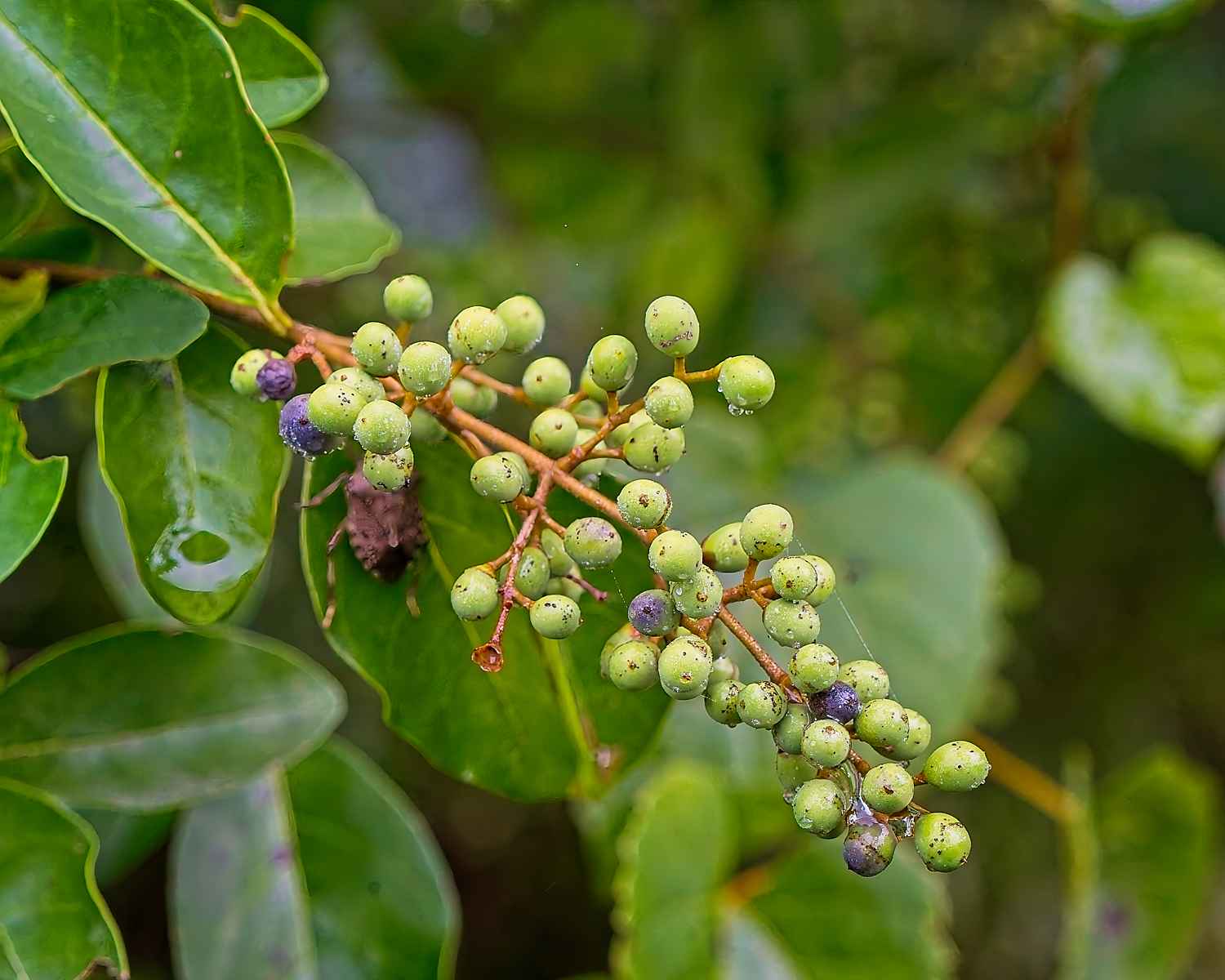
Still, a foreboding sense of future decline pervades the forest.