#1388. Appalachian Seasons, Summer.
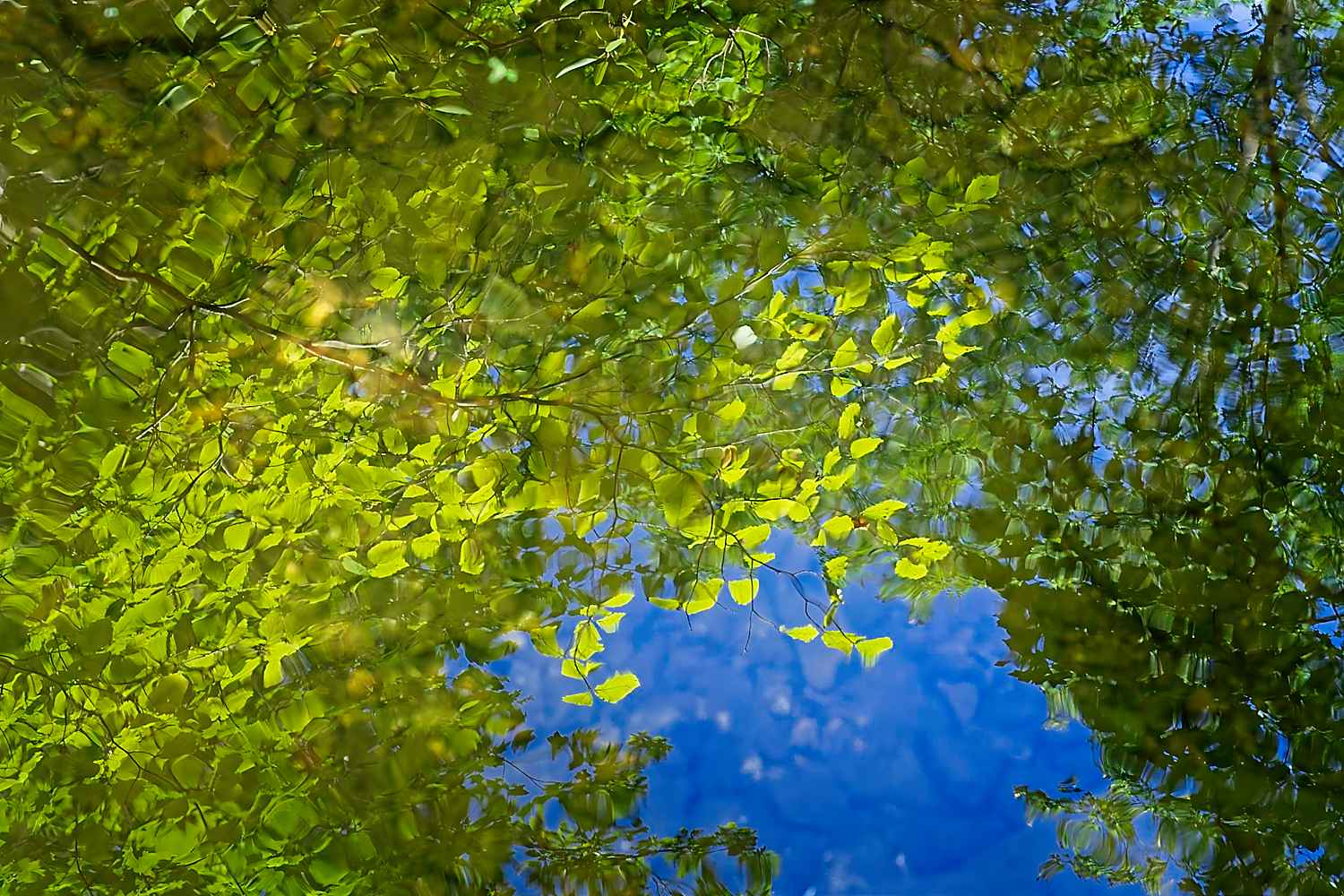
Summer (June through August) is a green riot in the Appalachian forest, a time when chlorophyll factories are running at capacity, manufacturing food out of thin air, gorgeous even in reflection.
The forest canopy has fully extended, and although early flowers have departed, floral life still abounds. This forest I can walk into all around me is a very rich temperate biome, with a great variety of fungi, lichen, mosses, ferns and plants. I can only show a few of these disparate forms of life, but they represent the whole. This post is a continuation of a series on the Appalachian forest in every season, one month at a time from March through February; it’s impressionistic not comprehensive, evocative not descriptive, serendipitous not systematic.
Part IV: June
As the sun reaches its most northerly point on the horizon, it appears exactly in the notch between two hills to the west of our duplex.
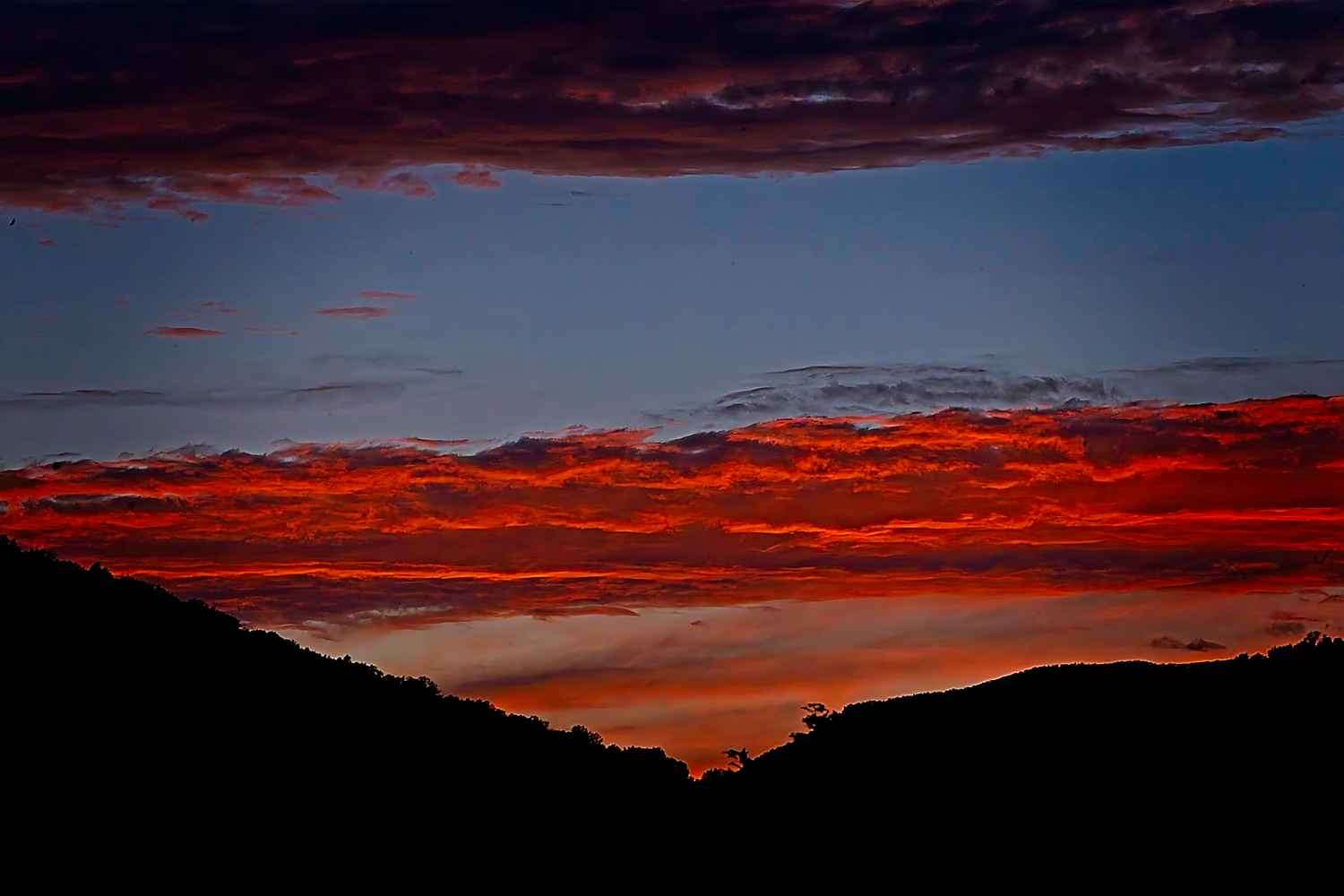
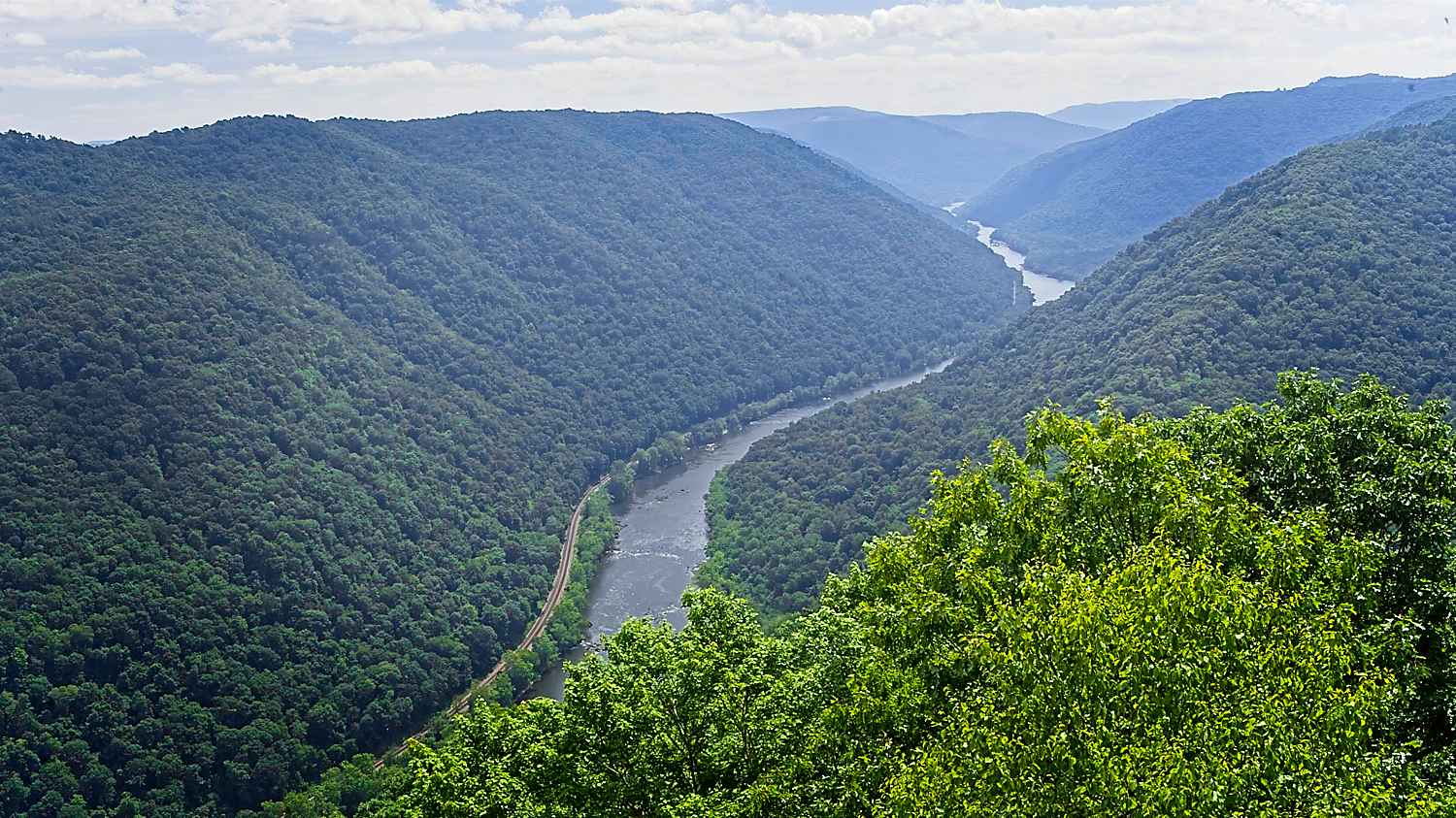
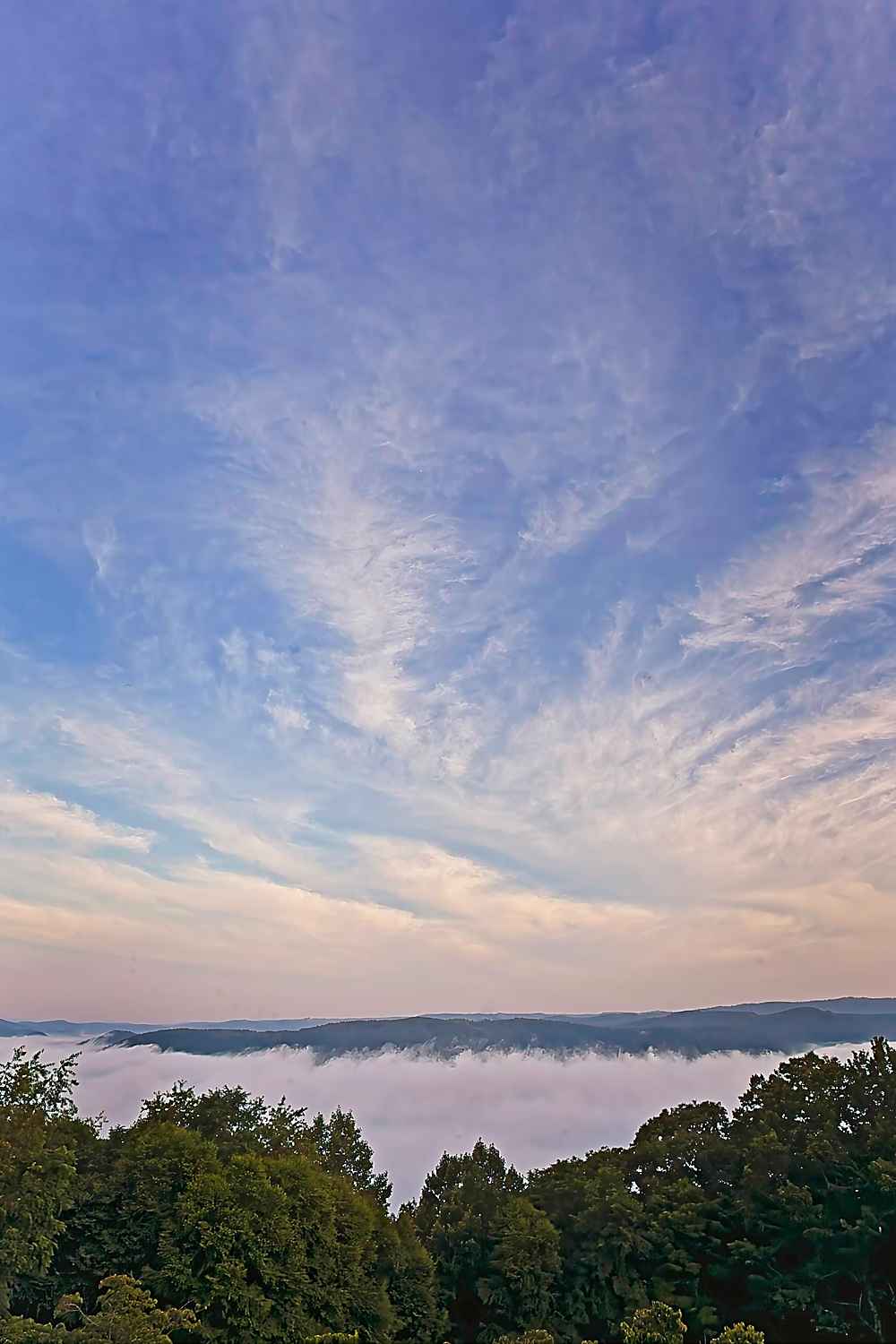
We actually celebrated the solstice during several days at the New River Gorge National Park, about 125 miles west of here in West Virginia. (Needless to say, it’s the same forest.) The vistas were lovely and the sunsets gorgeous.

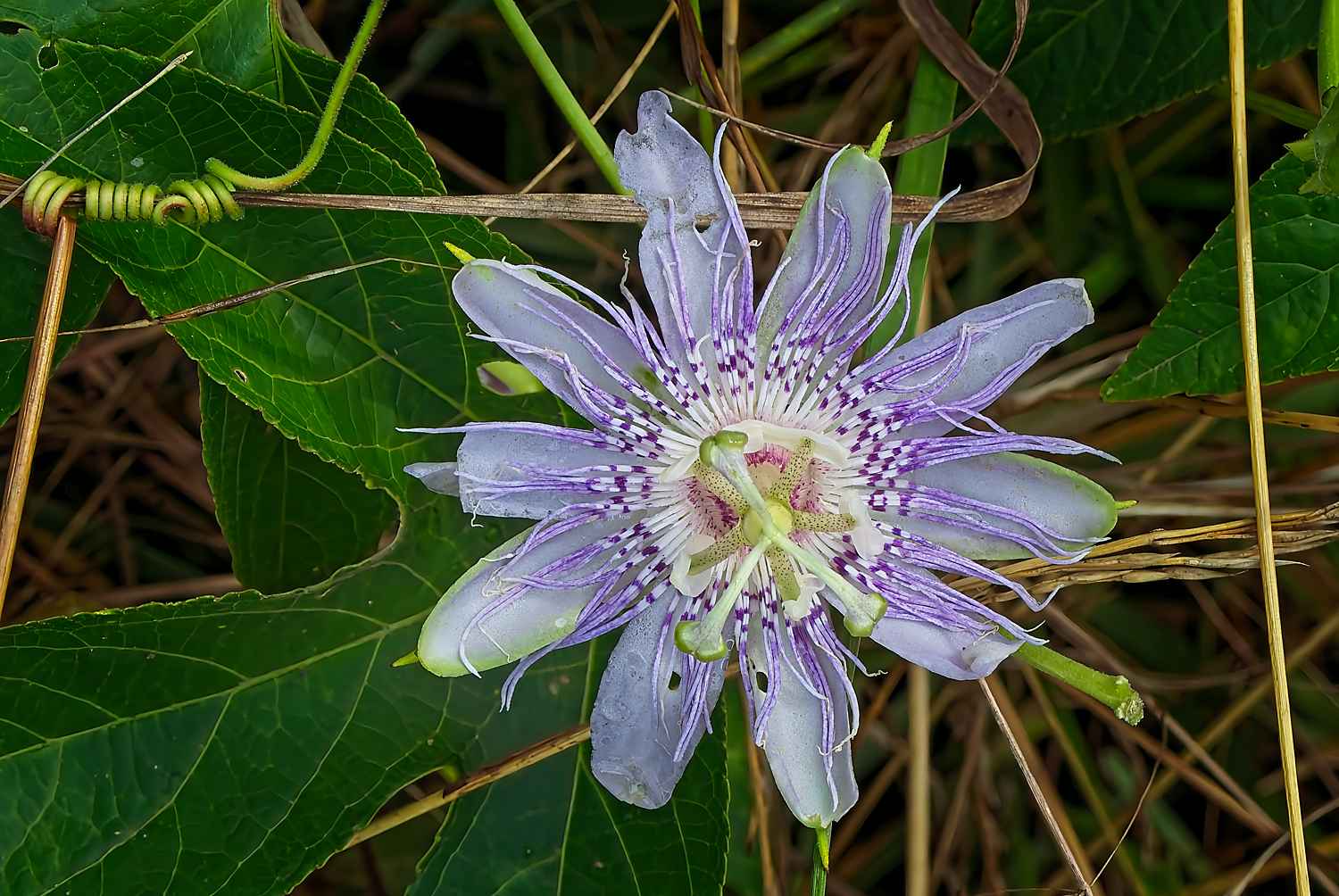
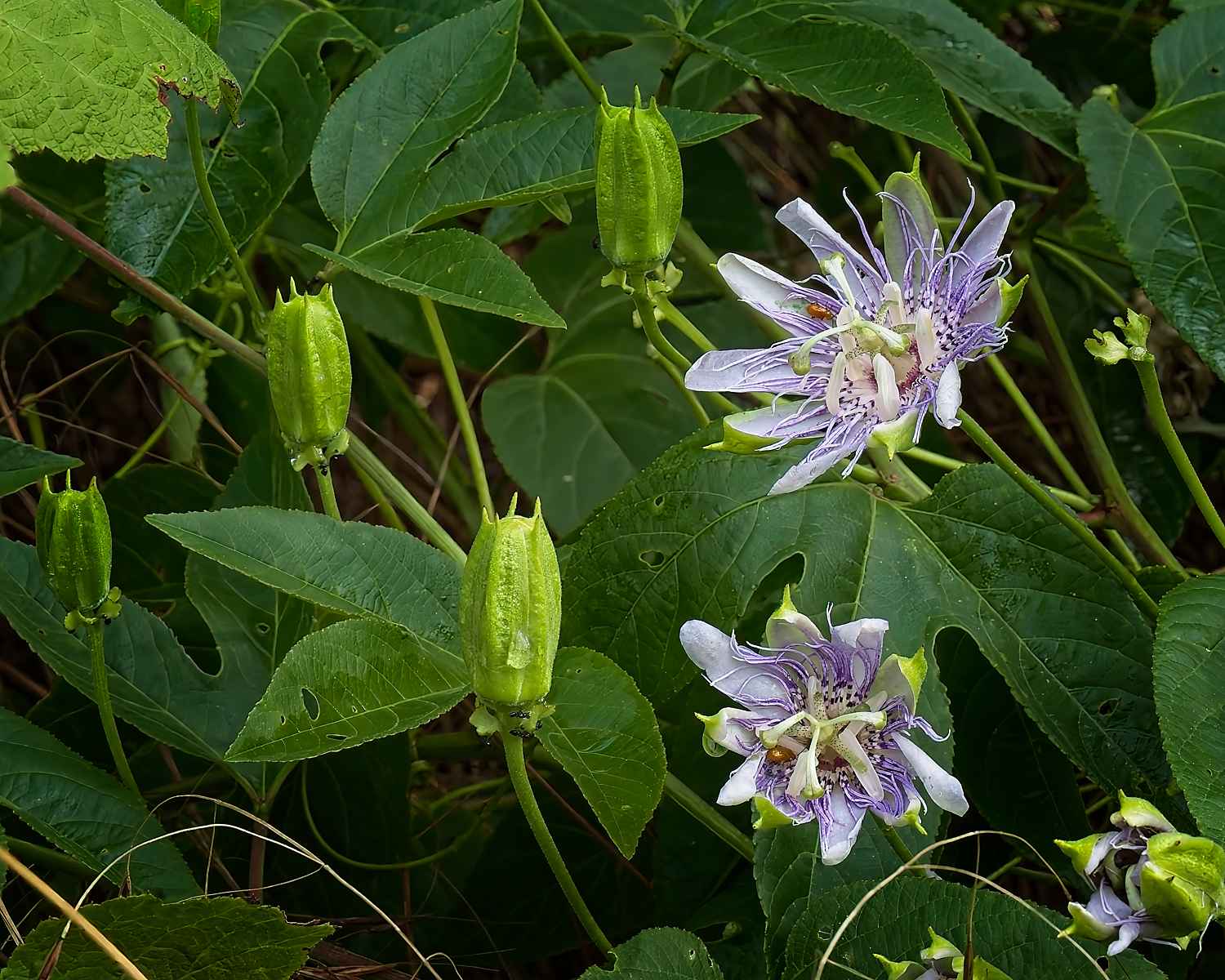
Enjoying the strong light of mid-summer are later-blooming flowers that are as lovely as the spring ephemerals, such as these intricate passion flowers (Passiflora incarnata) ...
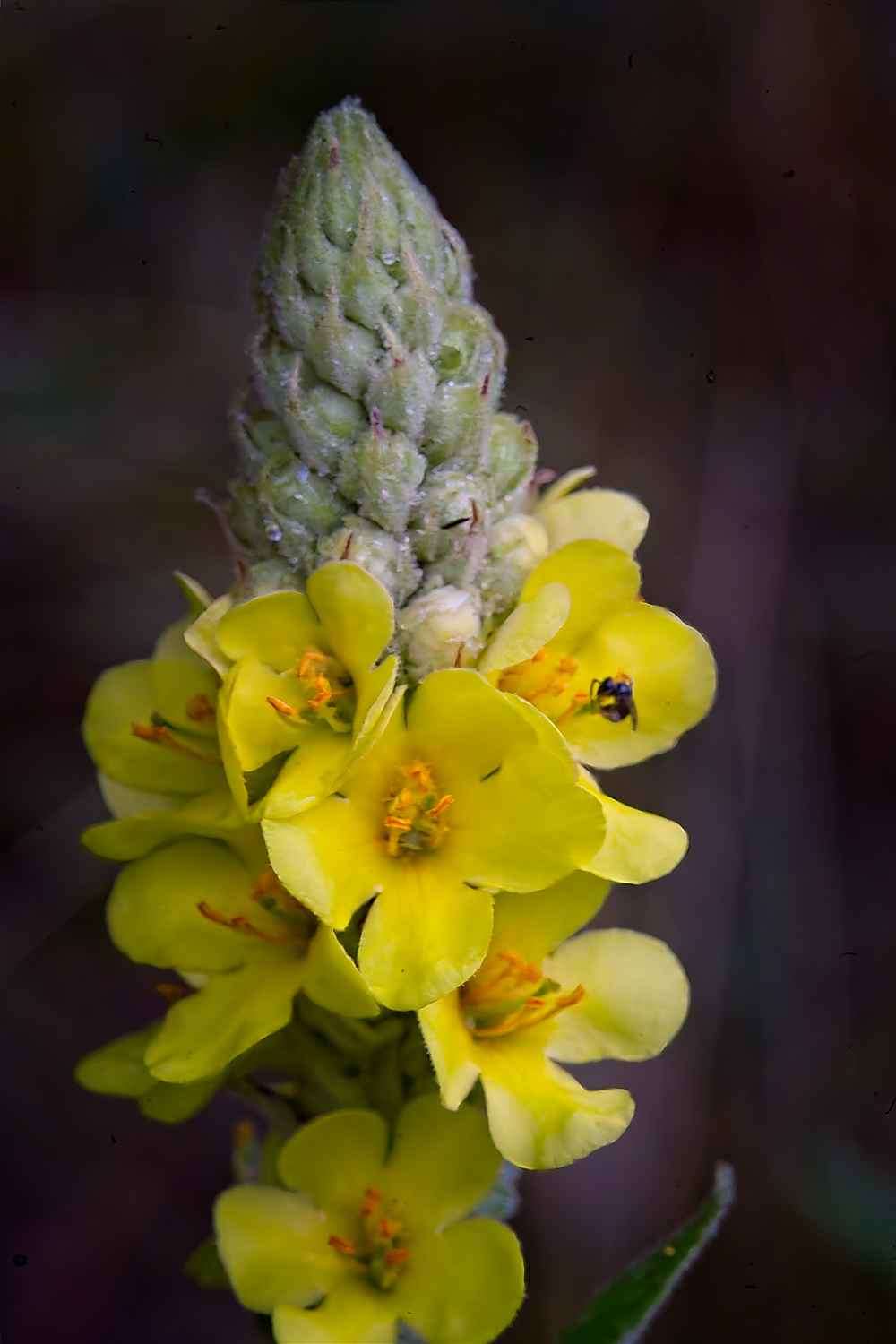
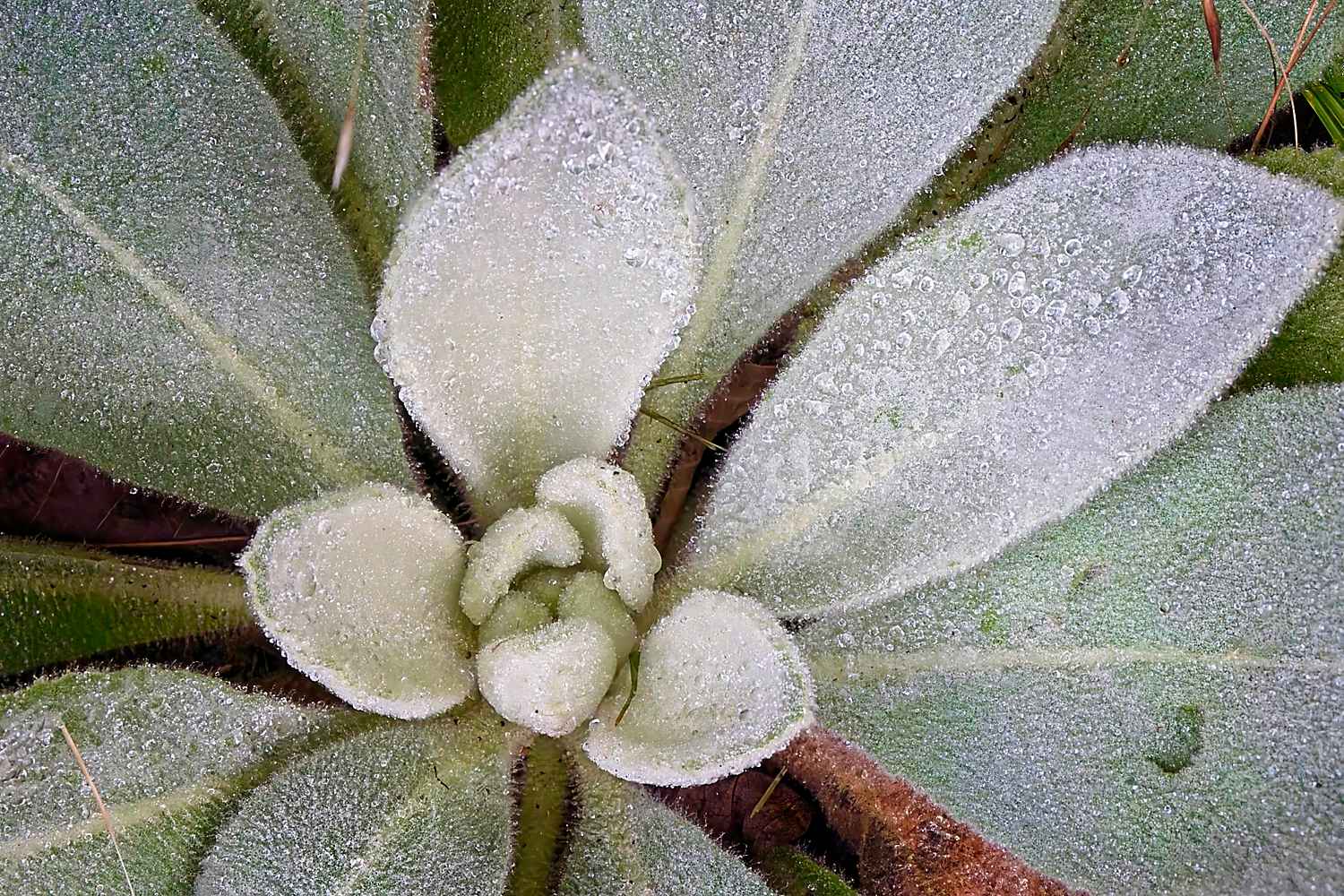
... and common mullein (Verbascum thapsus), a tall plant spiking up from velvety leaves, with incongruously small yellow flowers at the very top.
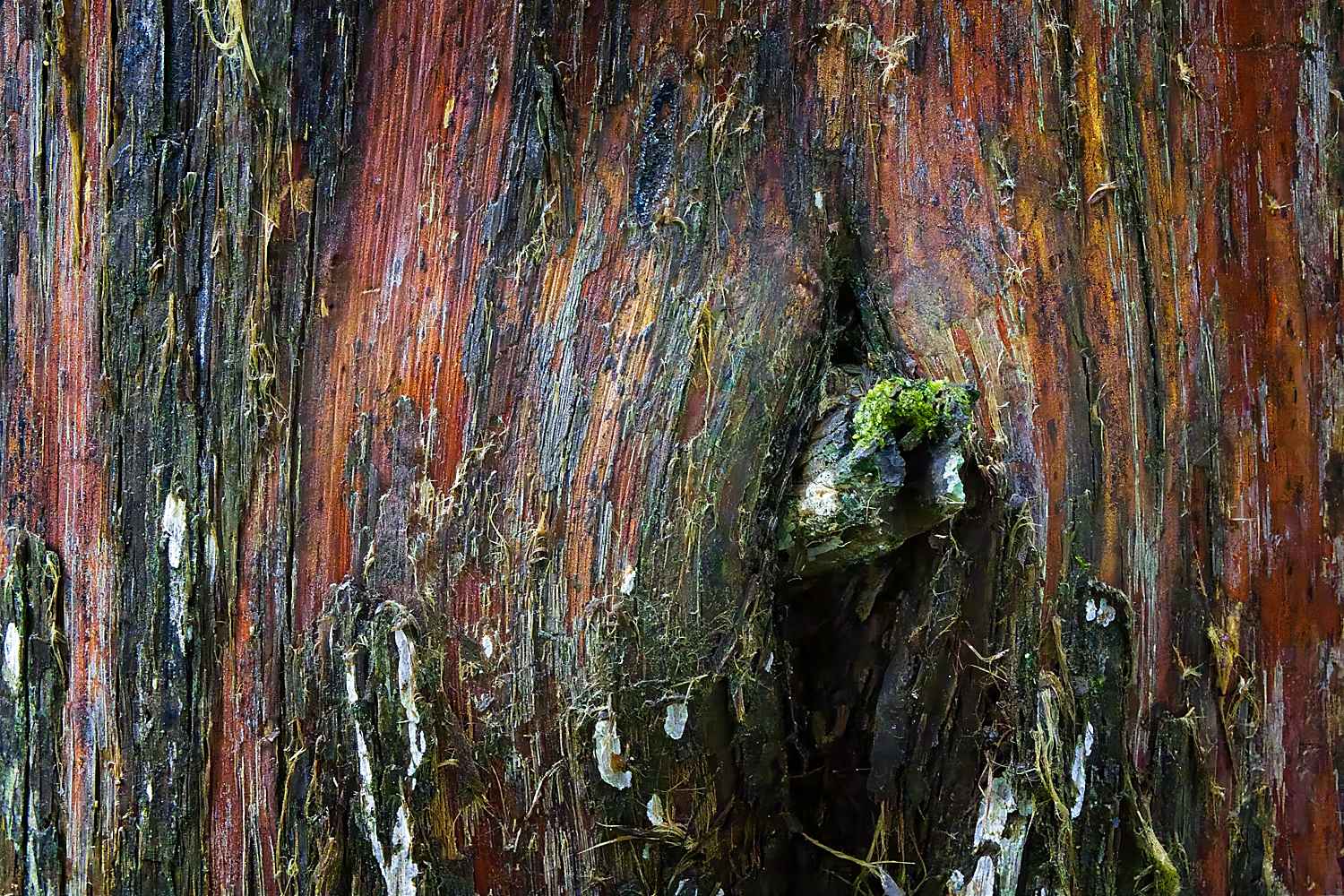
Lichen thrive best on rocks, but this red cedar provides sufficient support for a small colony.
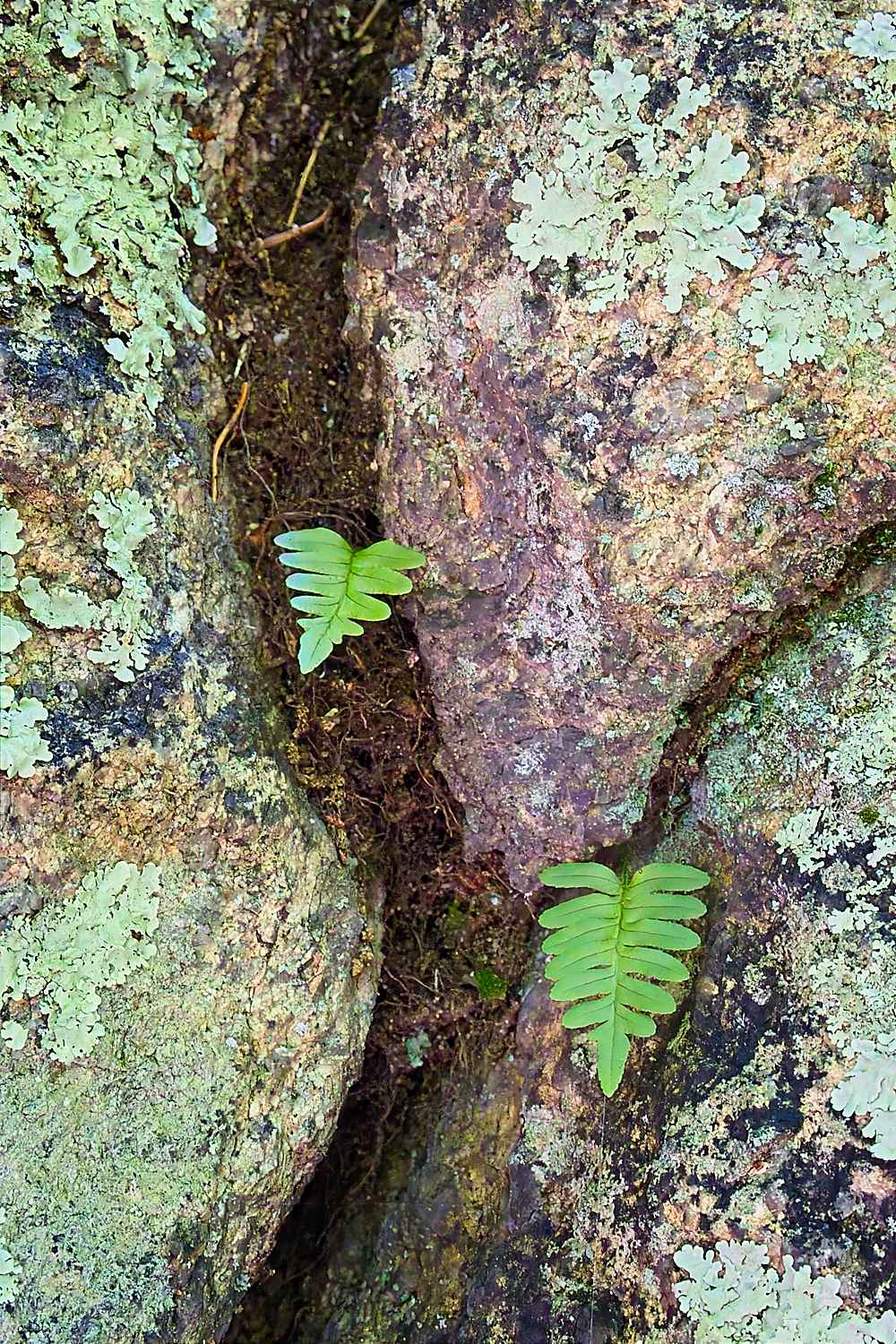
Ferns are also resourceful, preferring moist shady forests and acidic wetlands around here, but also thriving in rock crevices
Insects are eager to sip the nectar of flowering plants, such as this lavender.
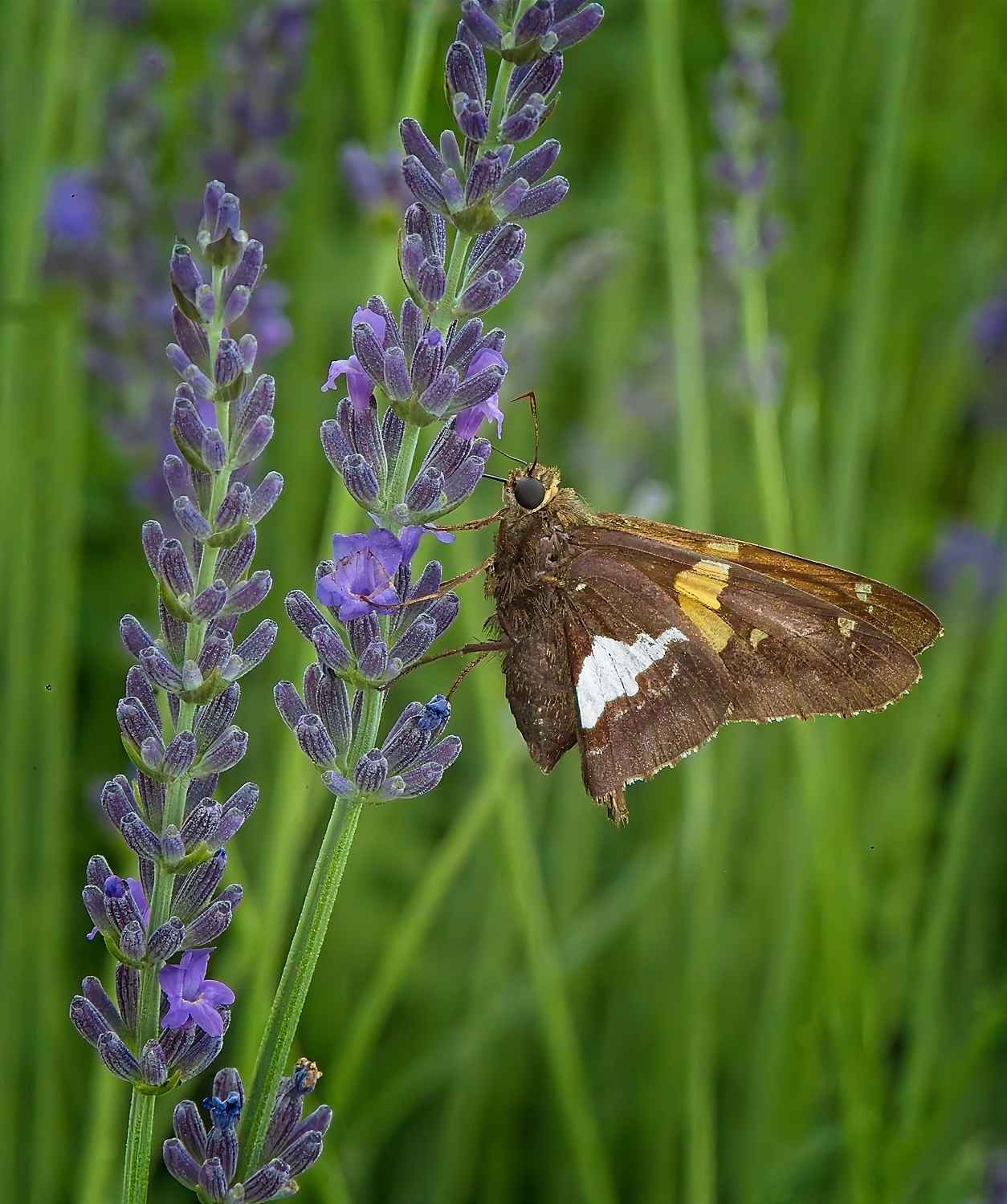
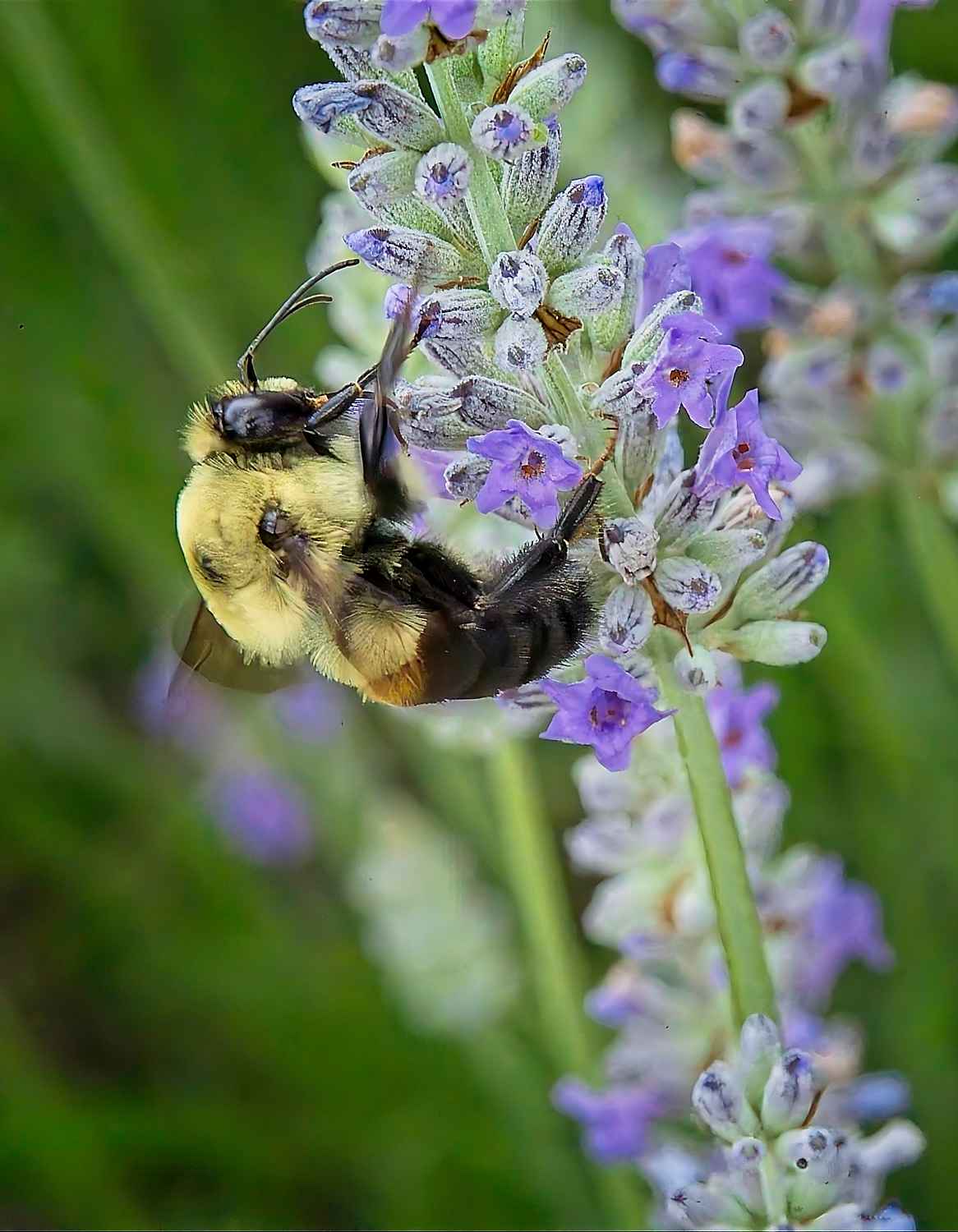
It’s a mutual admiration society, exchanging food for pollen distribution.
Some seeds tempt ingestion (and hence propagation) by encasing themselves in edible fruits, such as these wineberries (Rubus phoenicolasius) ...
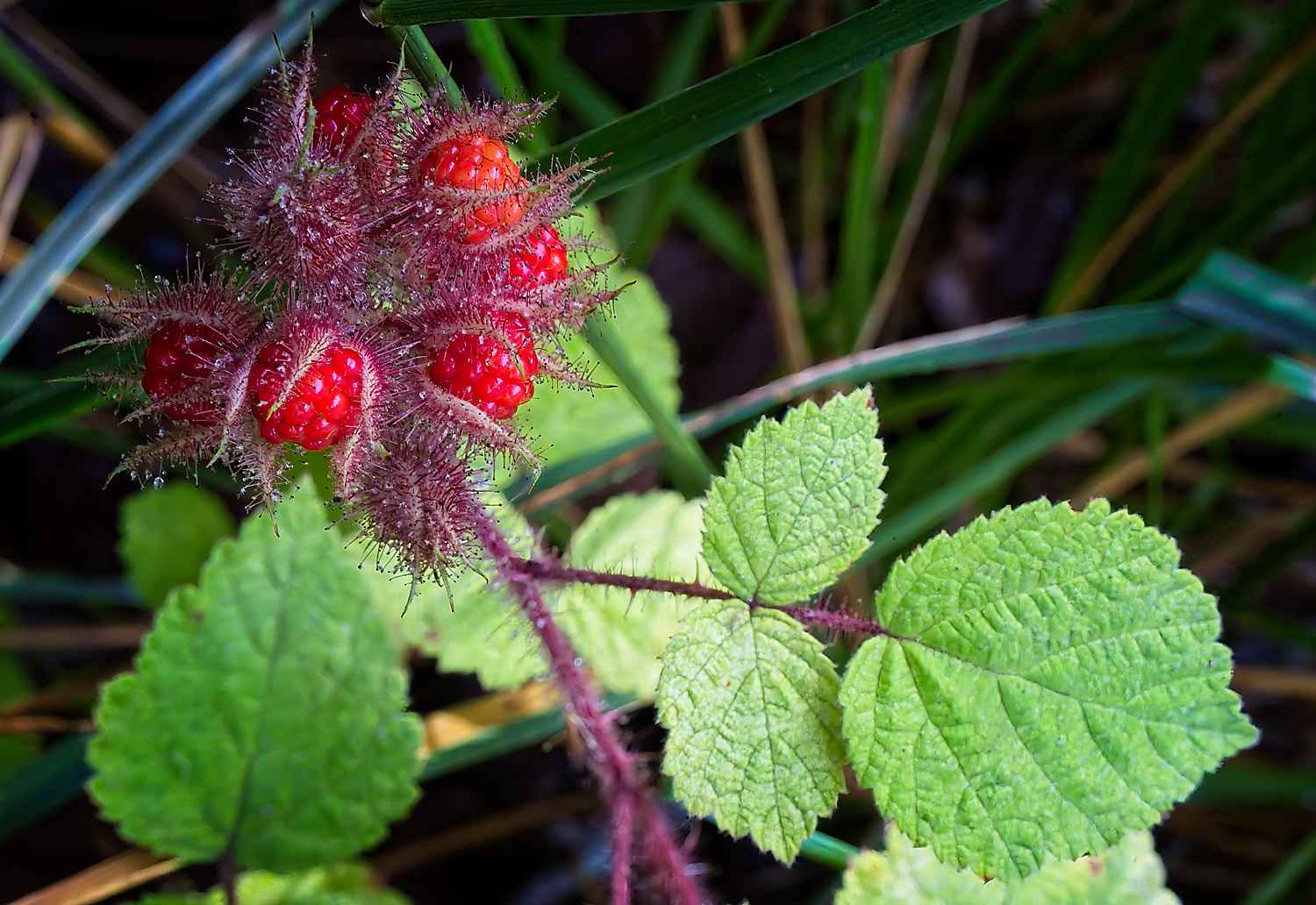
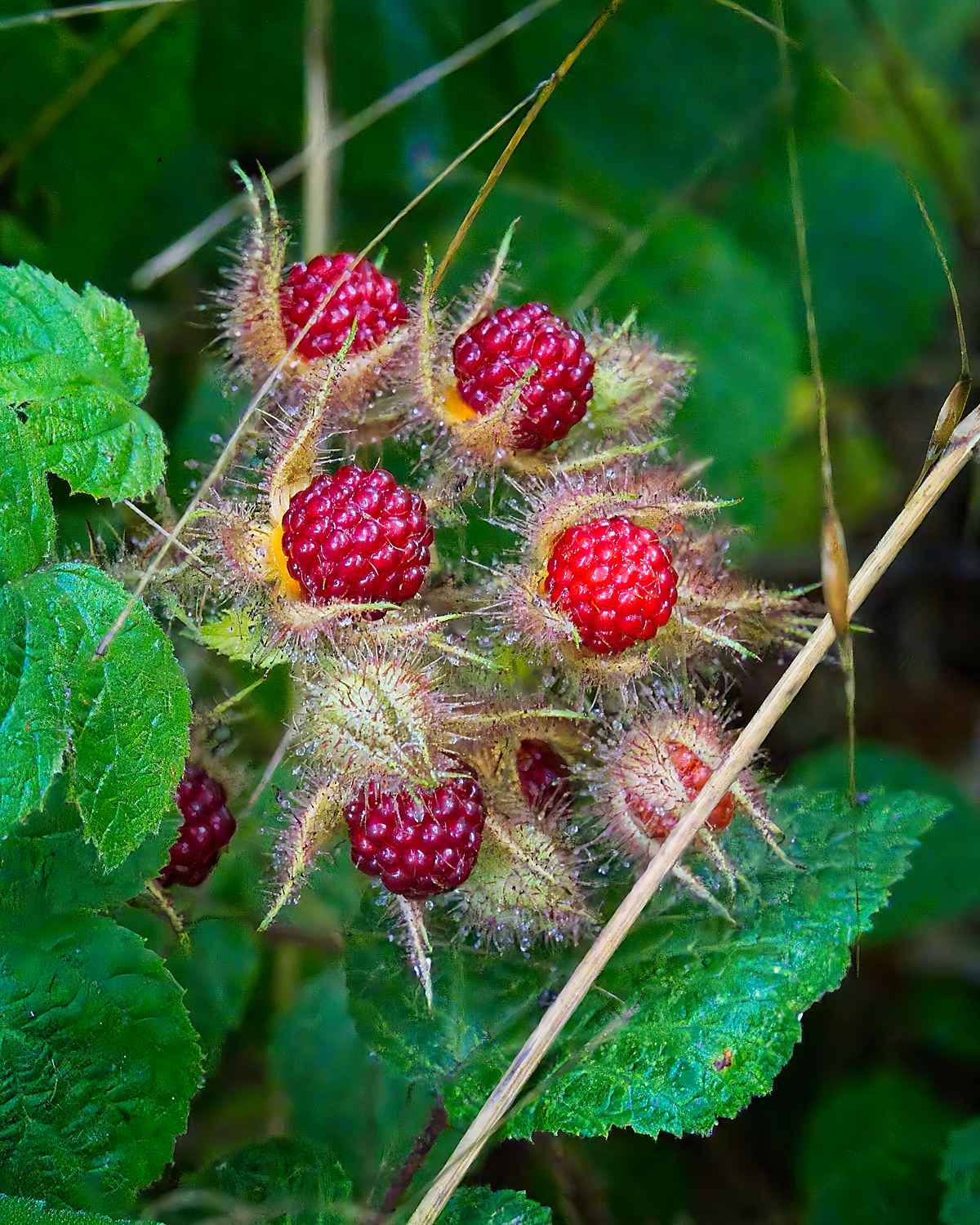
... a very tasty Japanese import that has naturalized in these woods.
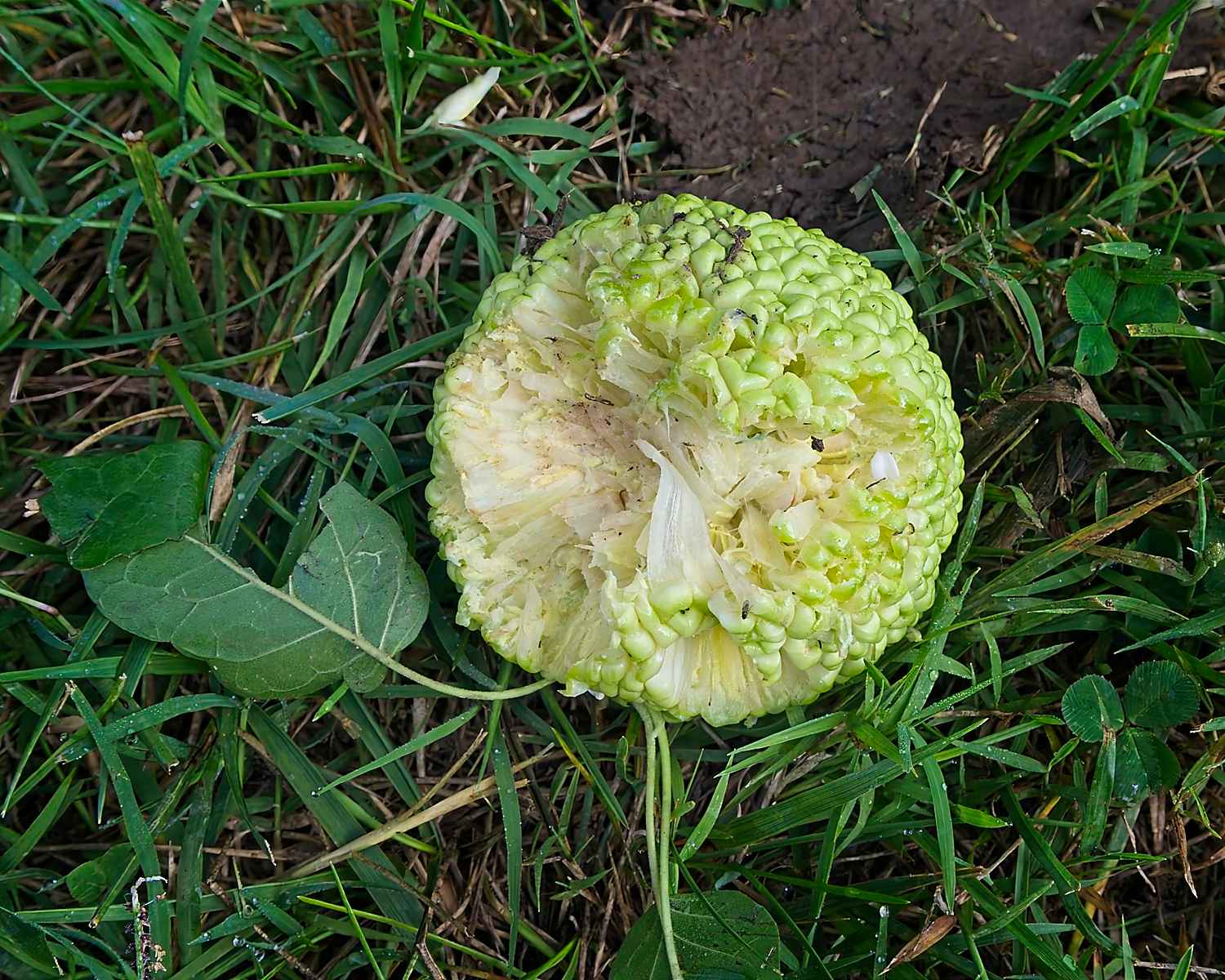
But some fruits are inedible, or nearly so, such as these large fruits of the Osage orange, Maclura pomifera, a kind of mulberry
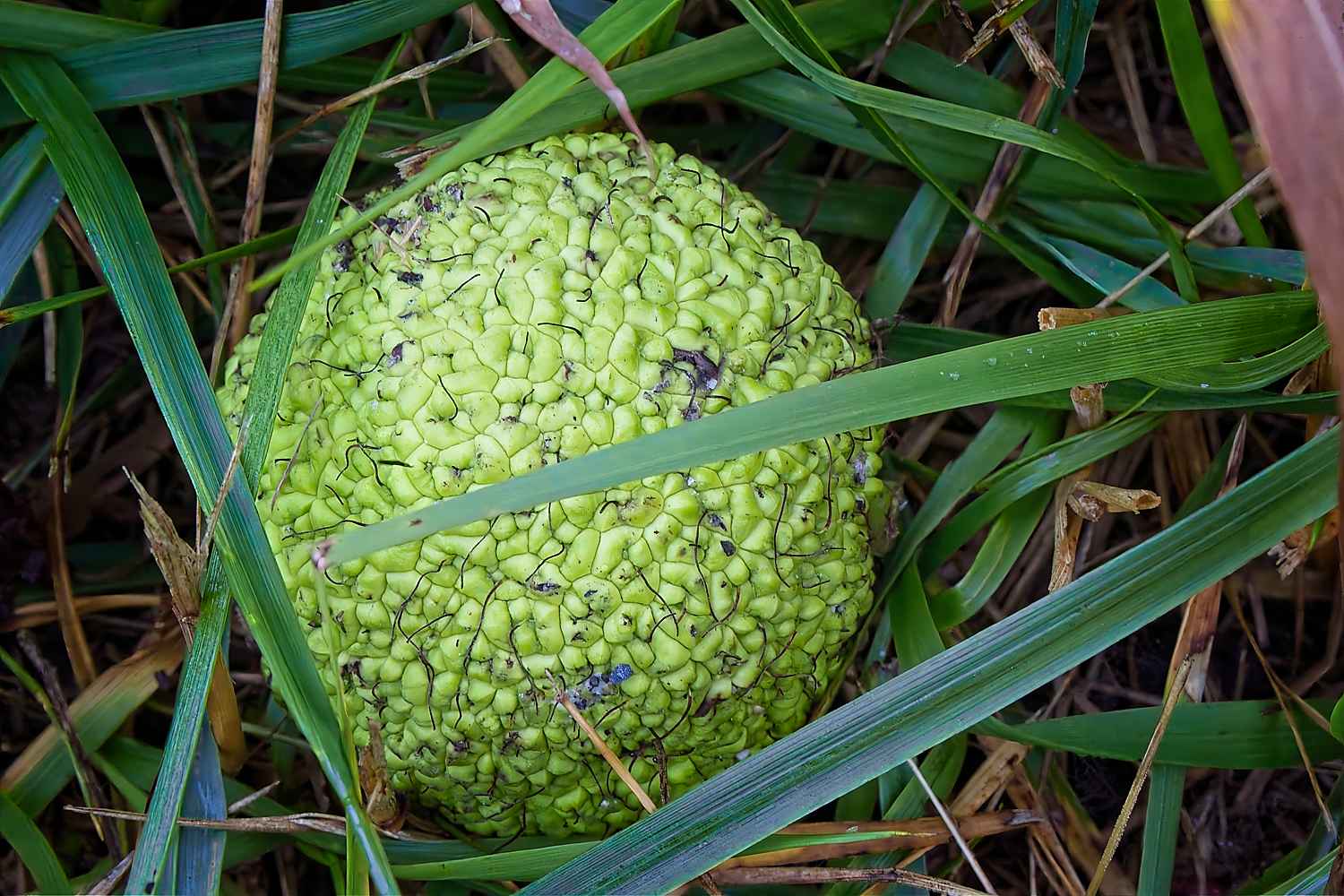
A controversial theory holds that the original consumers of the fruit, and thereby dispersers of the seeds, were now-extinct megafauna able to swallow fruits whole. Today the “oranges” (no close relation to citrus) roll down the hill, propagate in place, or get consumed piecemeal by small animals.
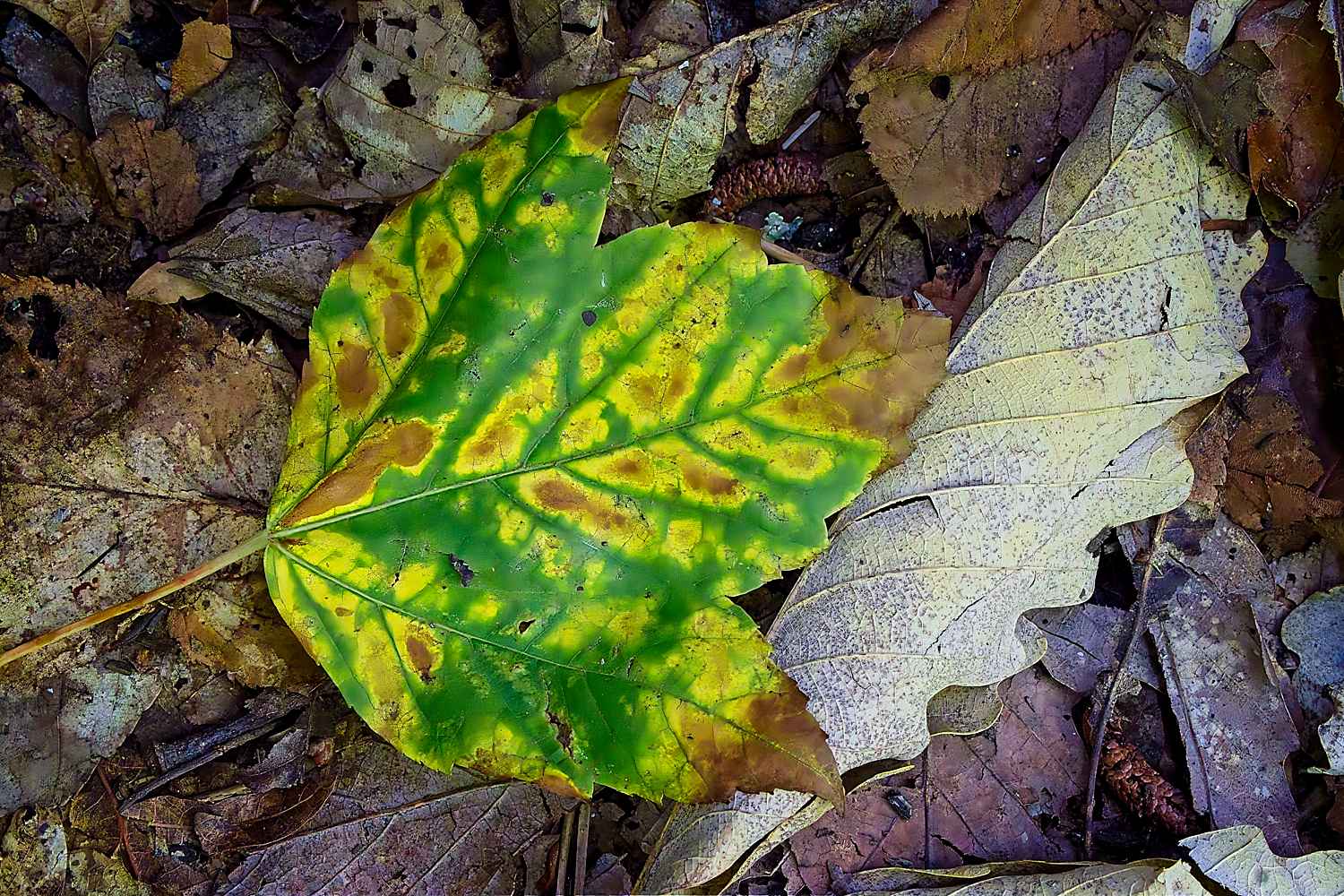
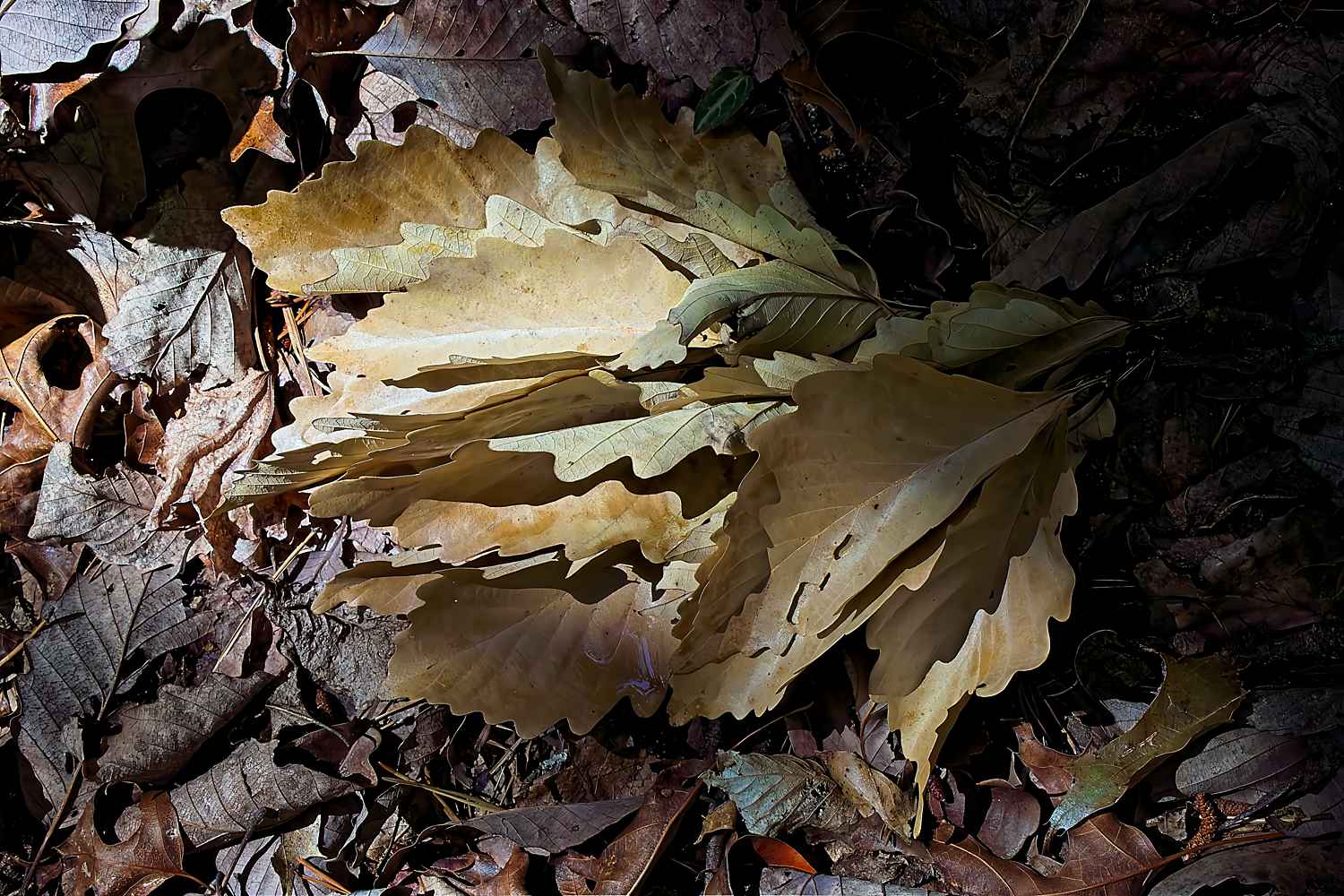
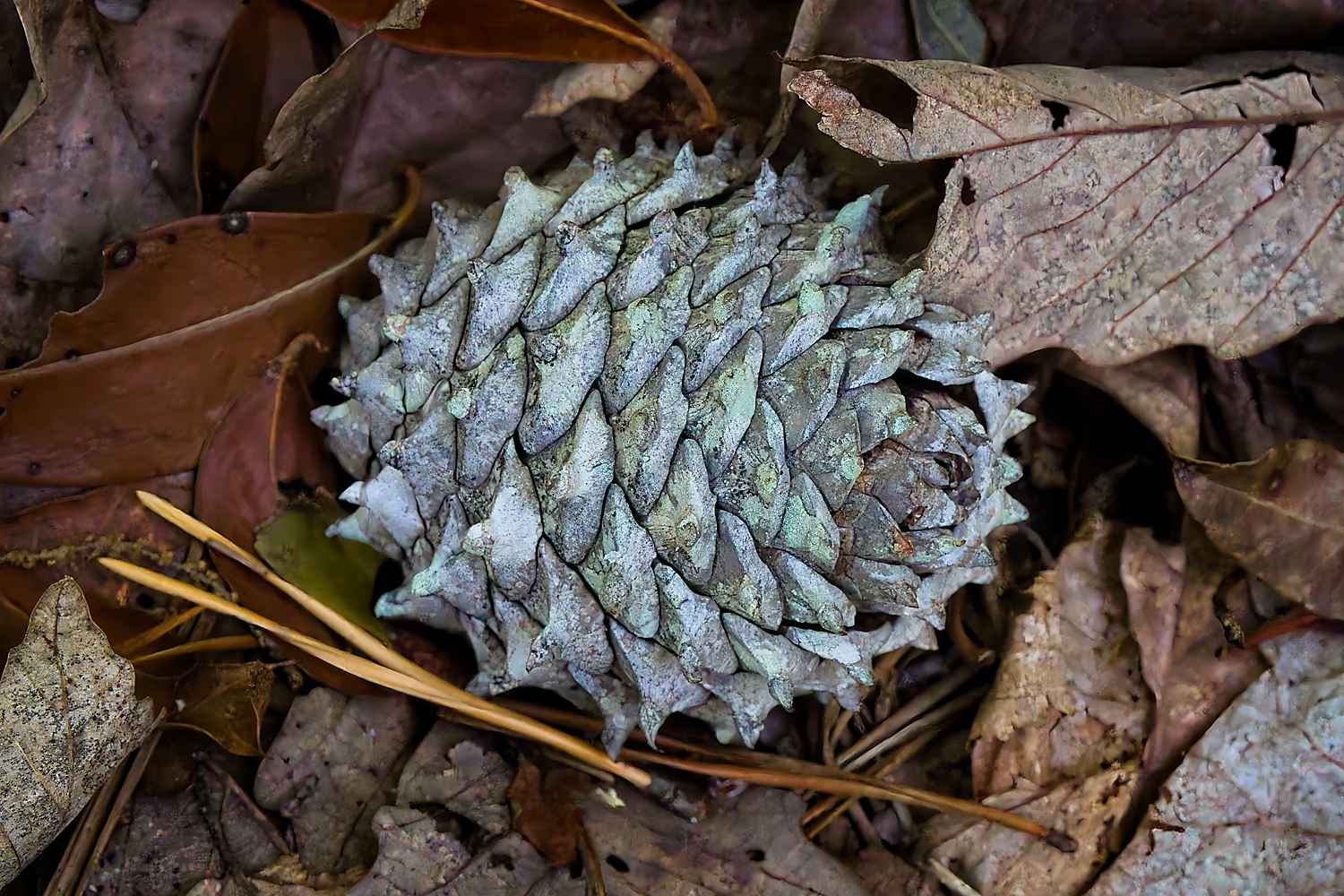
Even at the apogee of summer there are hints of what is to come, in dead leaves and pinecones.