
#825. Wabi Sabi & photography, part 2. Challenge results.
Assembling this post was once again one of those "what did I get myself into?" moments ... How do you organise the photographs of others around such a philosophical concept as Wabi Sabi ? Well, this time, I chickened out, I simply am presenting your photographs with very little comment, leaving myself time and a different setting (third post) to complete this trilogy with more information about the lifestyle, arts and philosophical aspects.
In order to set the thone, here are 3 of mine, through which I will try to explain a personal view on what is Wabi Sabi and what isn't.
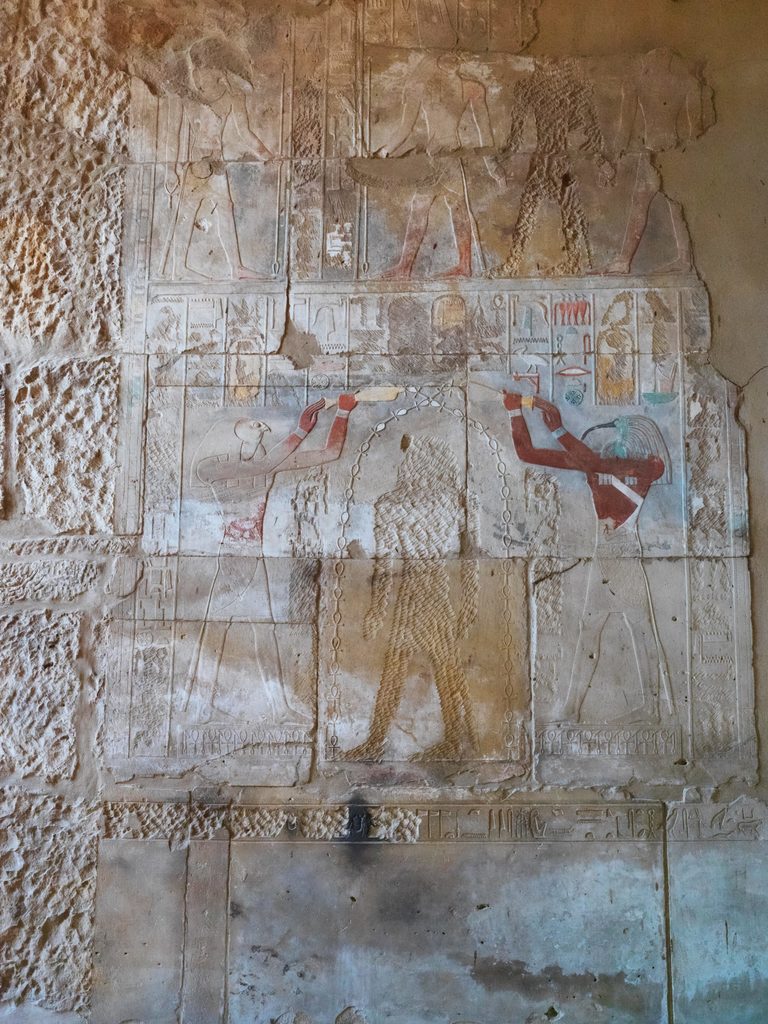
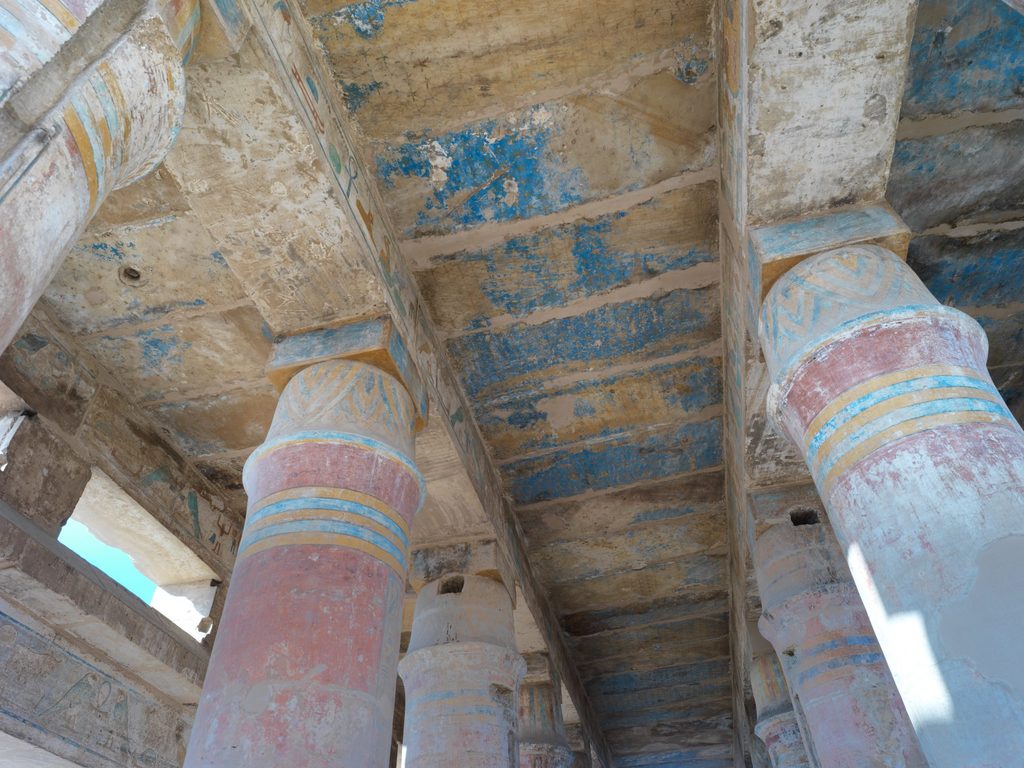
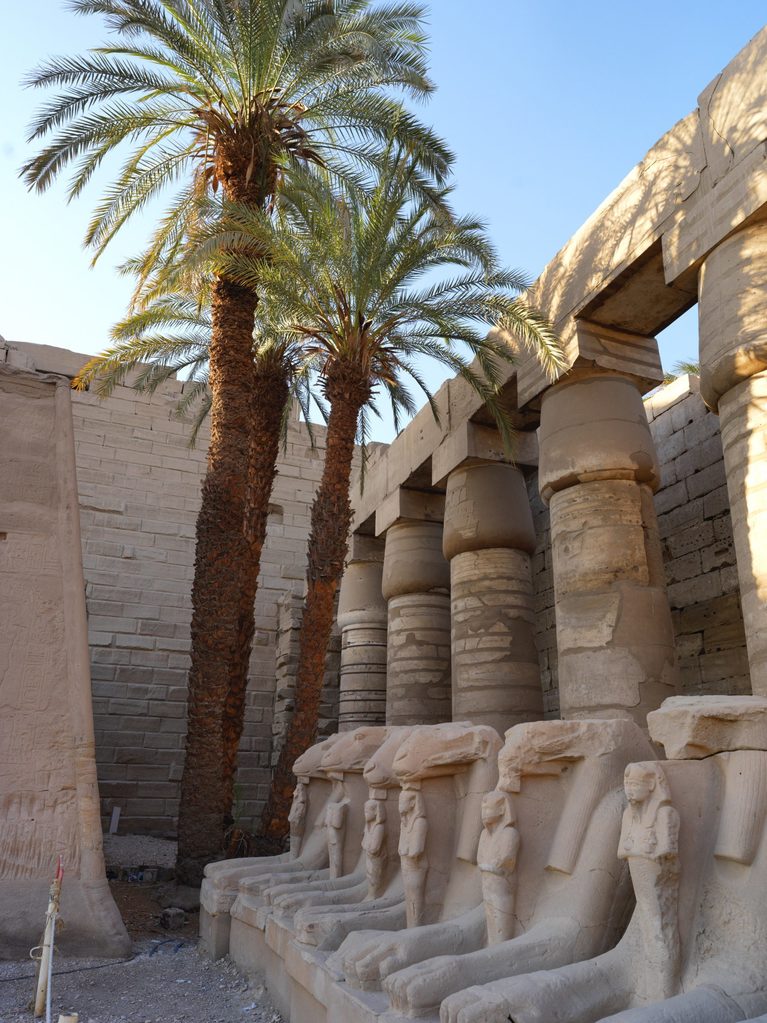
To my eyes, the first and third work, but not the second.
The first is a photograph of a wall inside Karnak temple depicting a pharaoh recieving immortal life from the Gods Horus and Thoth. The carvings and pastel hues are beautiful though clearly fading, evocative of a passing epoch in human history. And the chiseled out pharaoh (vandalised either by a successor or by visiting copts) sends a harsh message of disappearance: by removing the pharaoh from the scene, the vandal is essentially depriving him from eternal memory. Every corner of the photography contains a trace of decay or destruction and I've left it very slightly off-balance to give a feeling of toppling. But the photograph is still pleasing visually. There's nothing grim or desperate about it. It's an optimistic and admirative deptiction of irreversible and natural fading.
The third is much simpler. The lack of detail makes the erosion less palpable. And, although most of the statue heads have been broken, the global structure is still very much present. There's fading alright, but there's new life in the form of palm trees, it's a bright sunny day. The sense of loss is much less palpable and this is a souvenir photograph of beautiful old stone. Only the barrier at lower left breaks the illusion of arriving at an ancient temple after crossing the desert. That barrier is what creates the tension between peaceful decay and death. It brings us back to today.
The second is even less powerful, to my eyes. There's plenty of decay, but little sense of "spriritual longing". The temple is falling to pieces, and that's it. That photograph just says: a fantastic temple was built here and it's not being looked after. There's little beauty or nostalgia in it.
Of course, that's my interpretation and your nileage (see what I did) may vary. Onwards to the submissions, in alphabetic order, with small commentary from me whenever I can think of something vaguely worthwhile to add ;)
Pascal Bérend
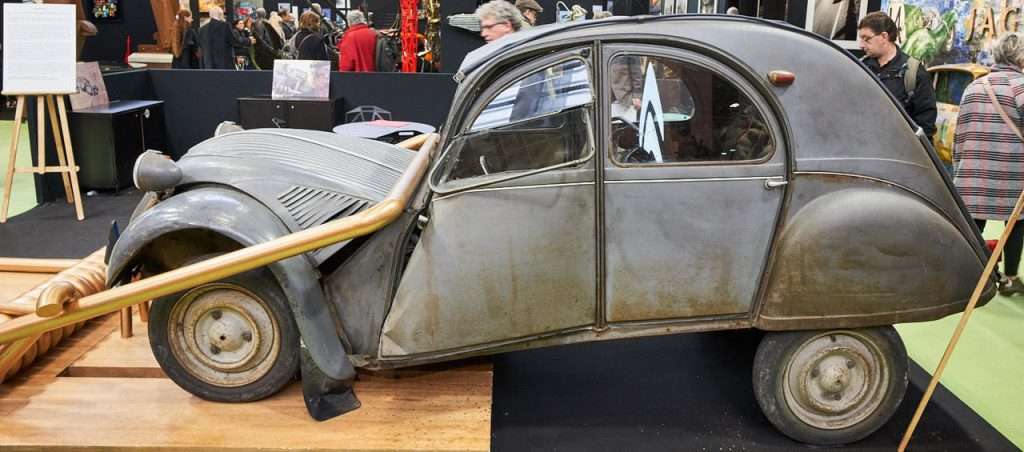

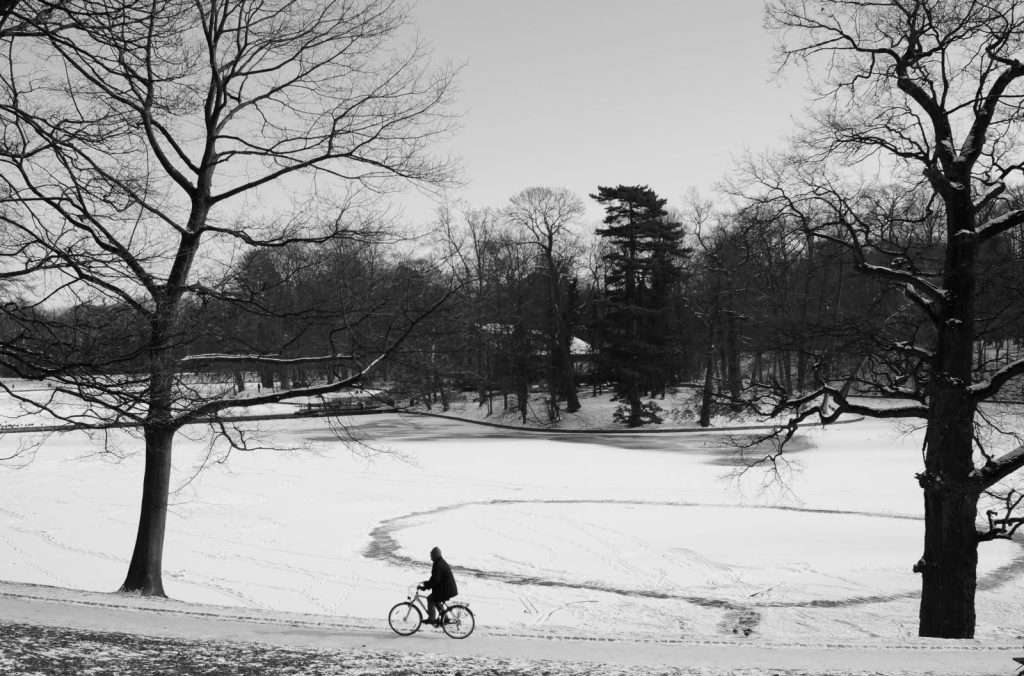
Oh, my! Can you think of a better contrast between slow, elegant decay and that violent death? Pascal has captured a better Wabi Sabi mousetrap (sorry). As for the third photograph, well I wouldn't have thought about snow and ice as Wabi Sabi concepts, but they obviously are. What can be more beautiful and yet impermanent.It reminds me of artist who create their works in the dew, taking hours to craft something that will last only a few minutes. The passing bicycle accentuates that sense of passing through and breef human contact with that fleeting beauty.
Philippe Bérend
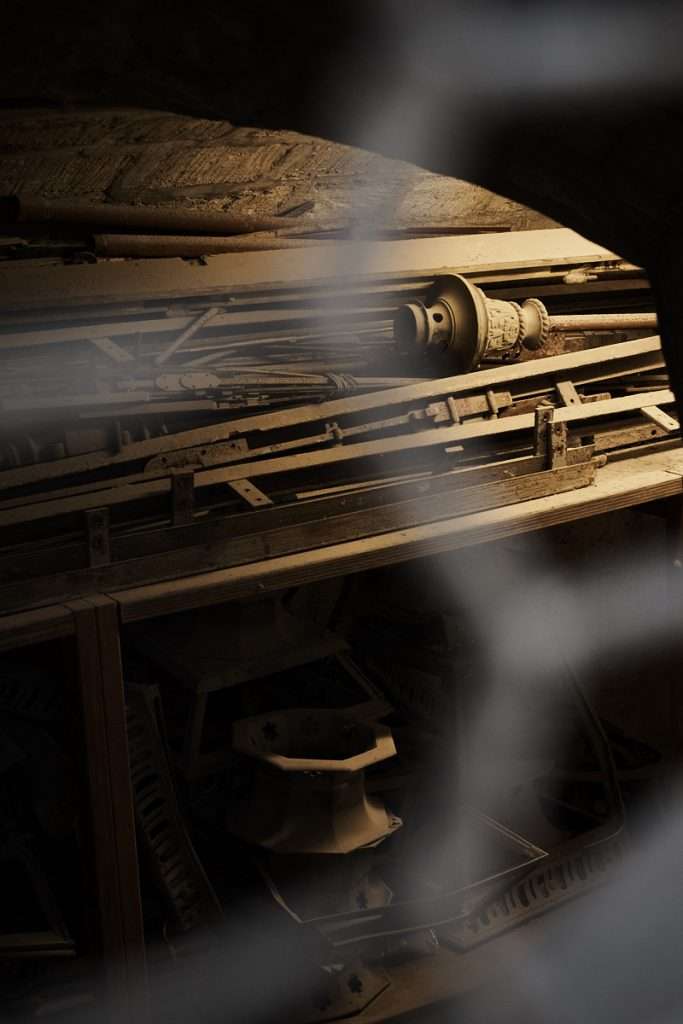
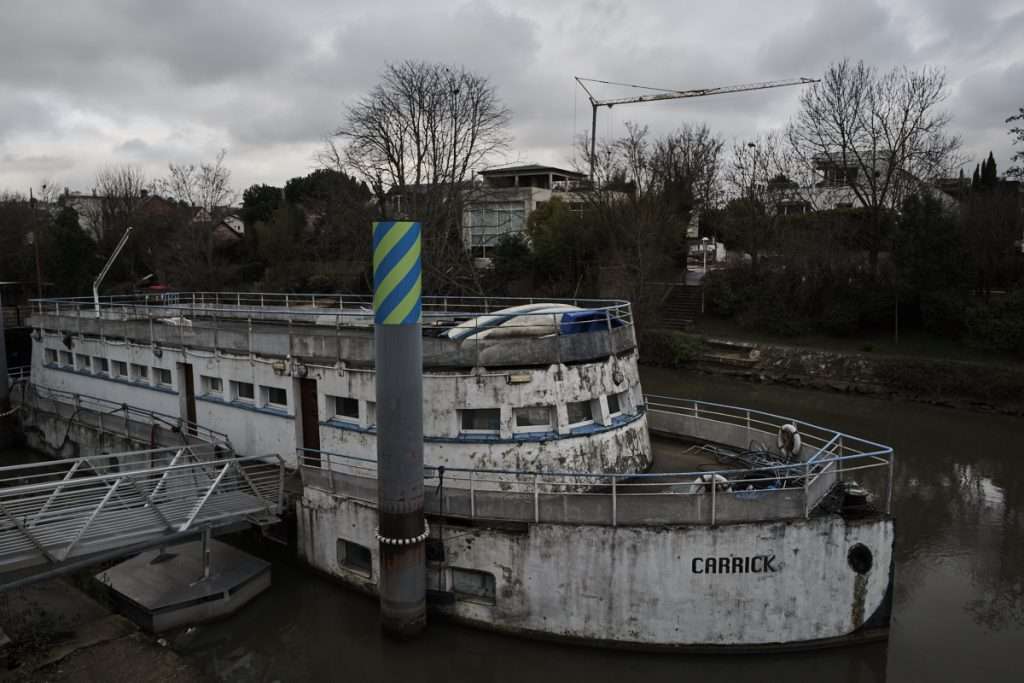
Wabi Sabi in transports, from Philippe ? ;) Carrick, the ship, looks sick. Can we call that graceful decay? I'm not sure. But it appears to be afloat and a new ramp indicates there is passage on to and from it. So Carrick could well be fading but much alive.
The first photograph evokes a tube tunnel full of abandonned junk. But the golden light gives it some nobility. Again, is this just broken crap lying around or something more noble waiting to be used in a more dignified way? We don't know and that's the value of both photographs. How typical of Philippe to send us into such interesting reflections using simple objects.
Bob Kruger
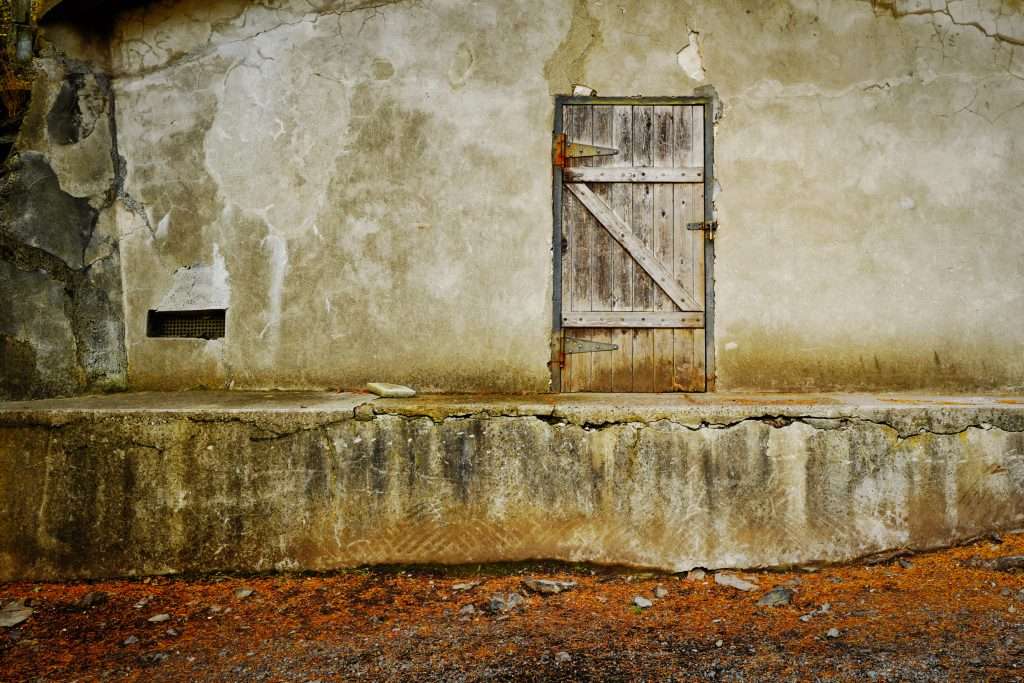
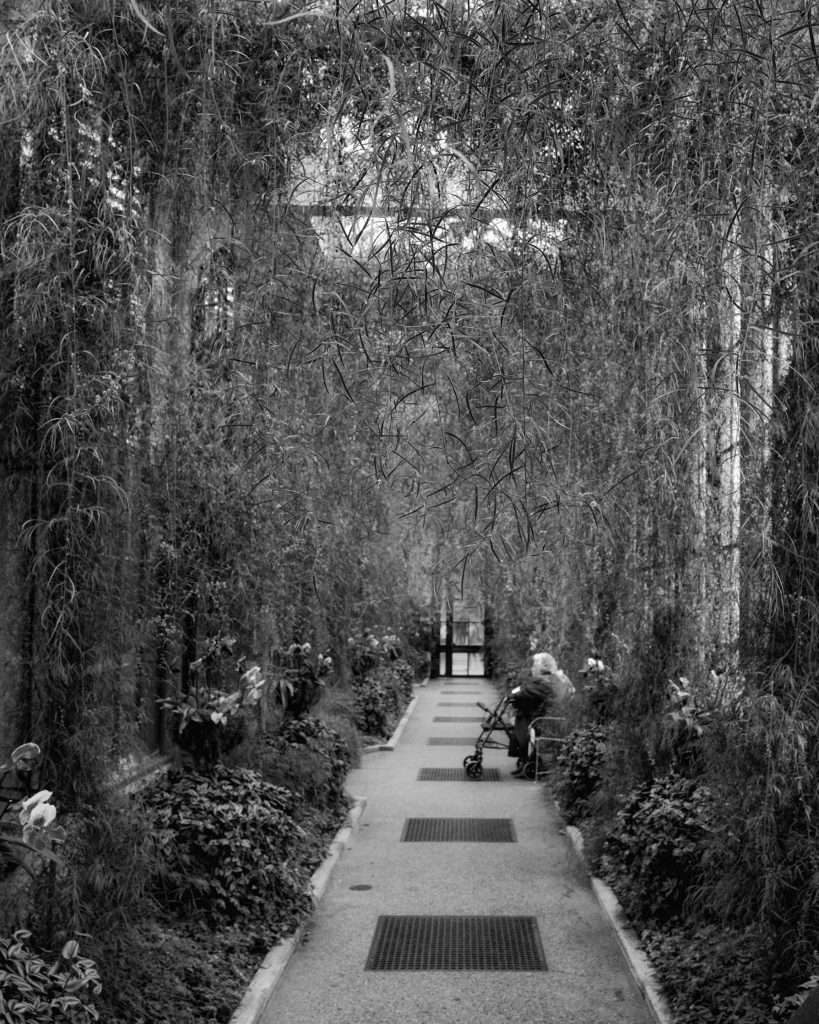
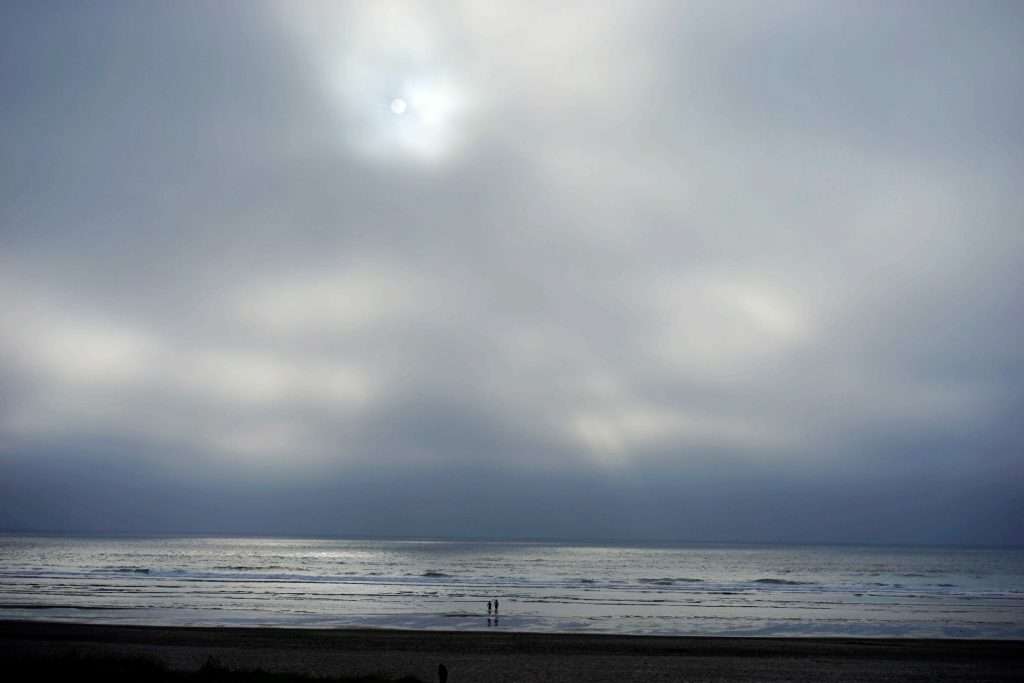
Walls have been a major source of inspiration for this challenge and this is a superb example. The ageing door and warm PP contribute to the peaceful vibe. This could have been made to look harsh and desolate with a different PP, which just shows the importance of the final steps in making what you want to say very clear.
The elderly person passing through what looks like disheveled vegetation is also very evocative of potential disappearance. And the third photograph is full of slightly bitter, slightly happy nostalgia, enshrined in subtle, muted tones. Well done.
Pascal Jappy
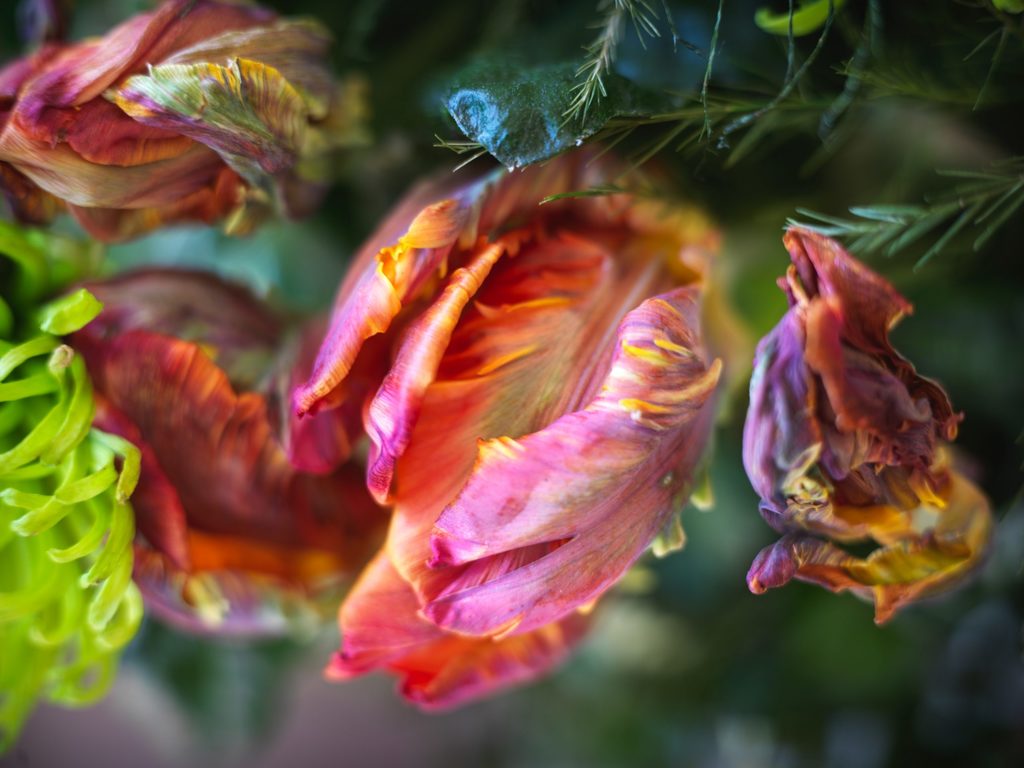
Picture this. It's Valentine's day. I come home with a huge bouquet of morning-fresh flowers and my wife tells me they're sick! (sic). Sure n'uff, barely a couple of days later, she (the daughter of a Dutch horticulturist) is proven right by the tulips, who begin to die off before even opening up, in a flourish of sickly colours. This is what this photo is about. It is the oppositve of Wabi-Sabi (and quite typical of some aspects of Western culture) : brash colours covering up a crumbling life-structure.
Noel McCoombe
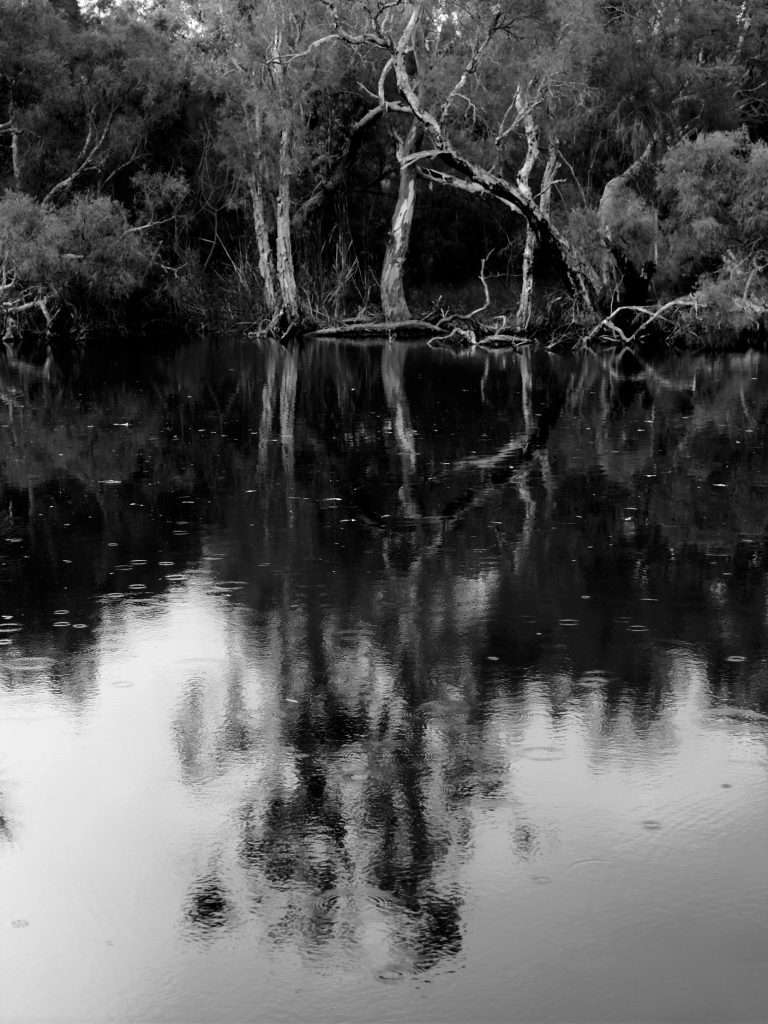
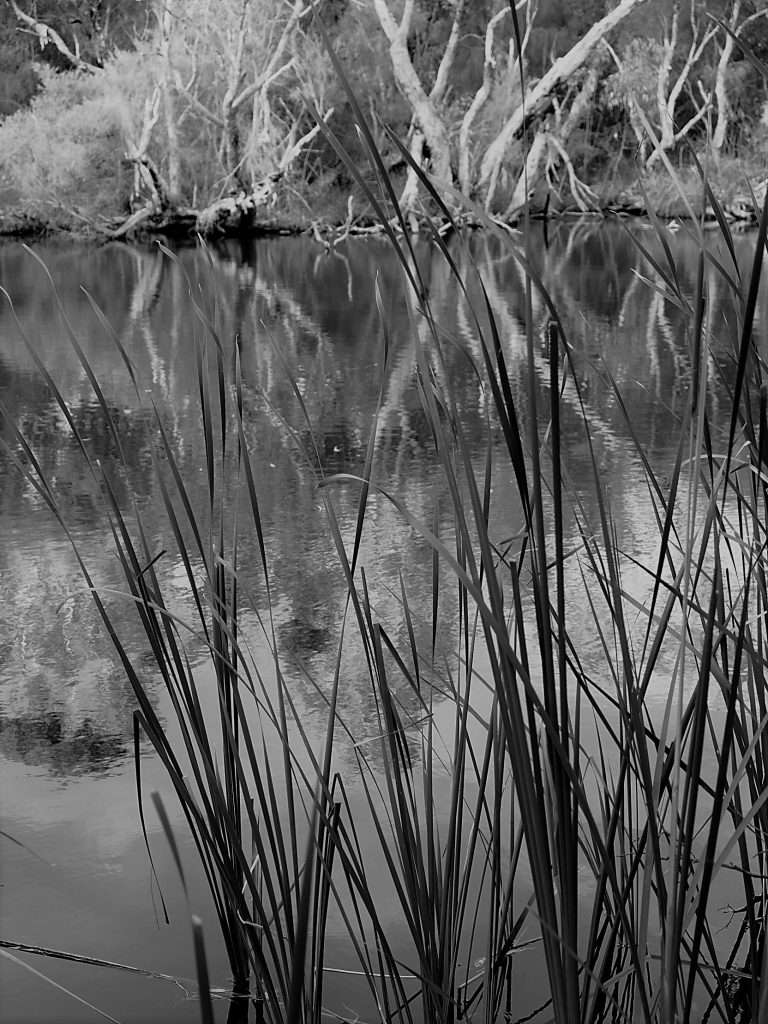
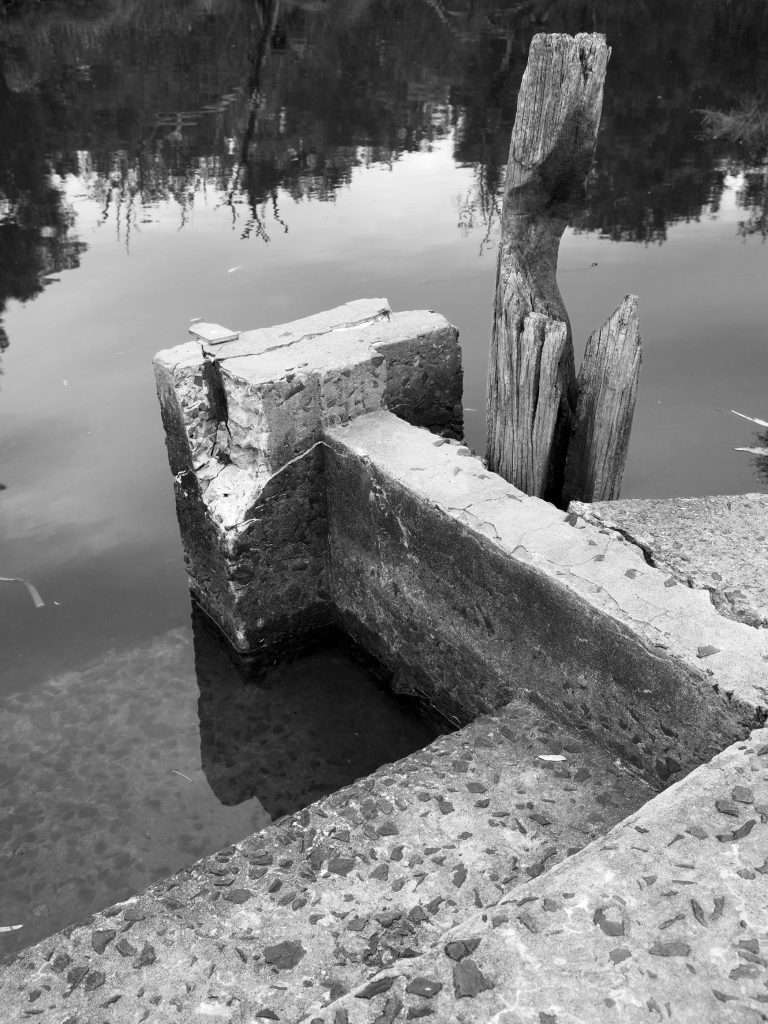
Noel made the first two photographs specifically for this challenge, then went out to make the third after my second request for proposal changed his feelings about the nature of what was expected. I've chosen to publish all 3 (and hope that's OK) because they all say something different.
The third has the more obvious signs of graceful decay on the concrete stairs (thanks the the B&W PP) and even more on the wooden remains.
But I really like the first two as well (are they paperbarks ?) mostly because of the evocative reflections. One of that copse that seems to be crumbling in real life, yet dominant in the rain-dotted reflection on the water. And the other because the young grasses have a similar shape to the ageing leaning trees in the background.
I'm guessing neither of these two would be immediate picks for a traditional understanding of Wabi Sabi but they do exhibit the main components of the passing of time and appropriation / reinterpretation are both important aspects of living art. Me likes a lot.
Paul Perton
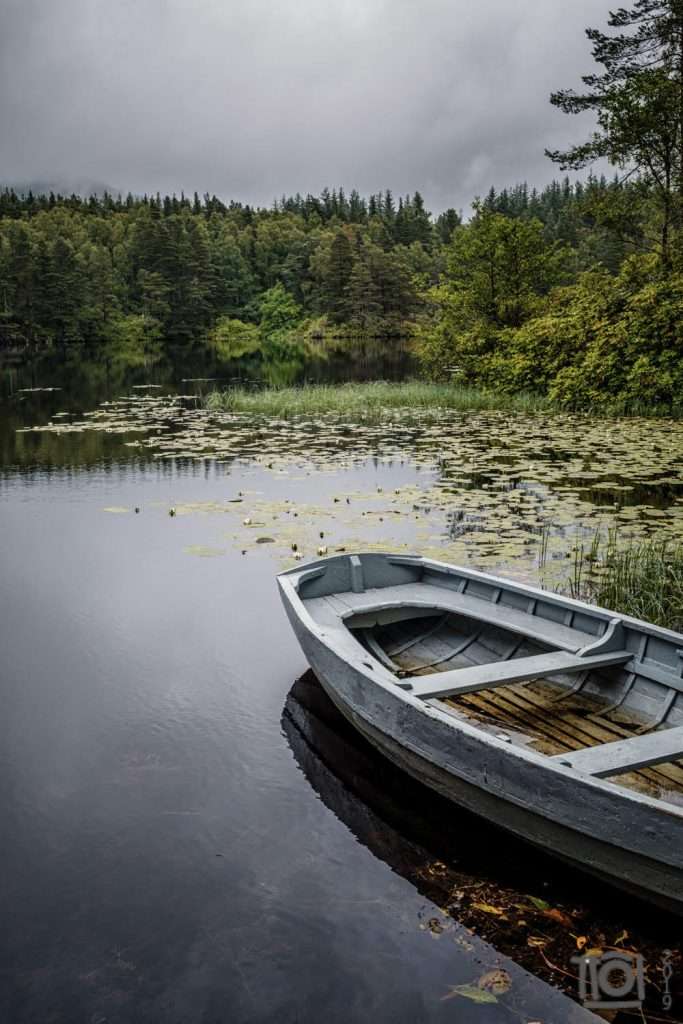
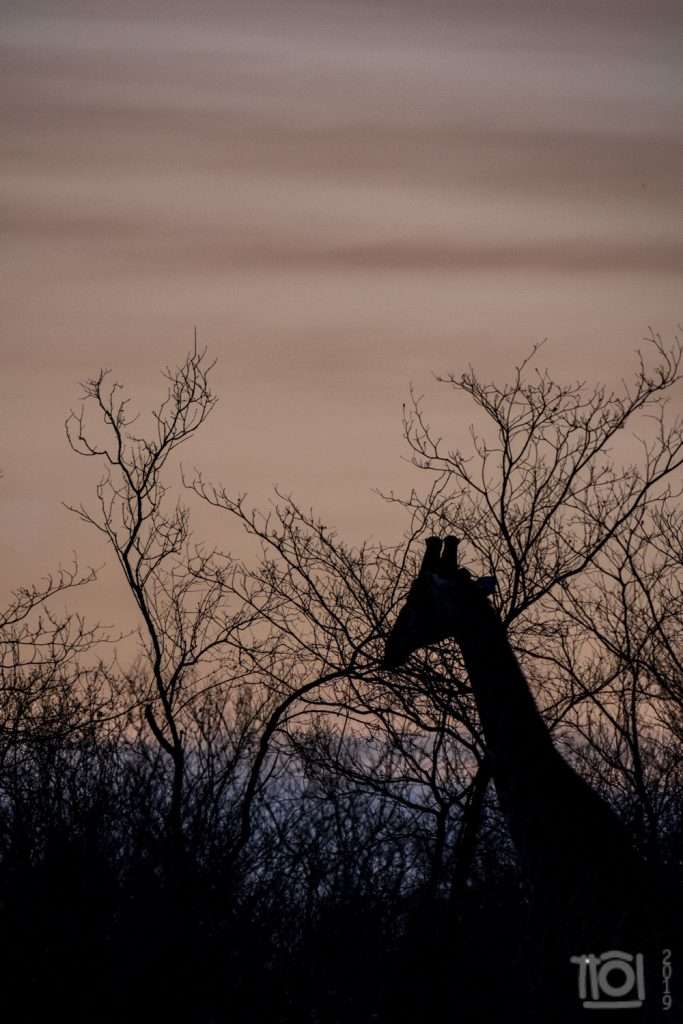
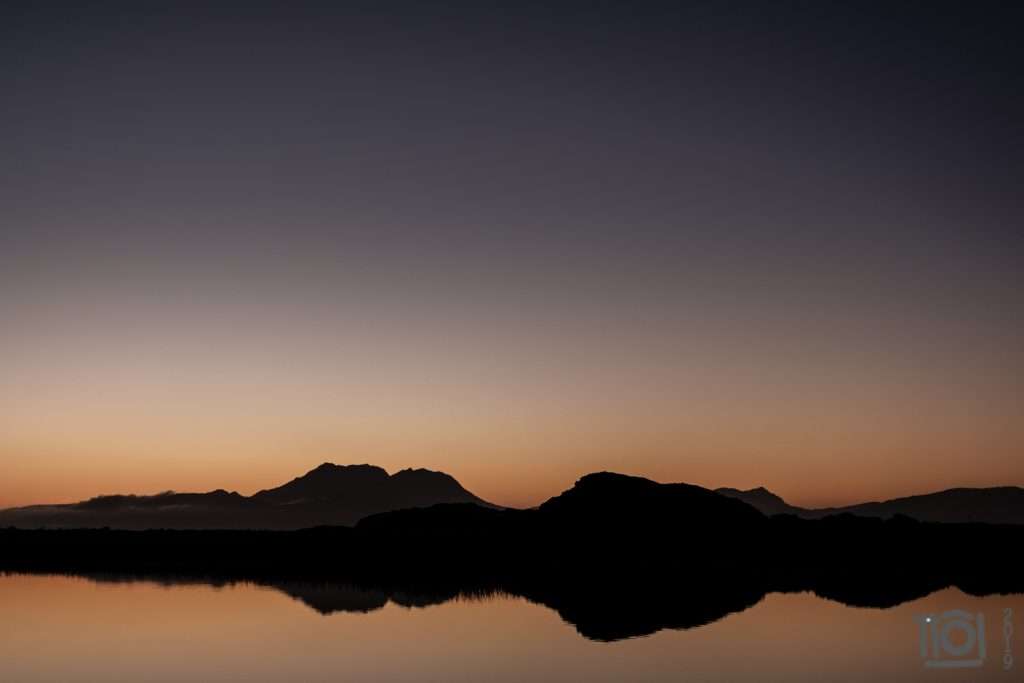
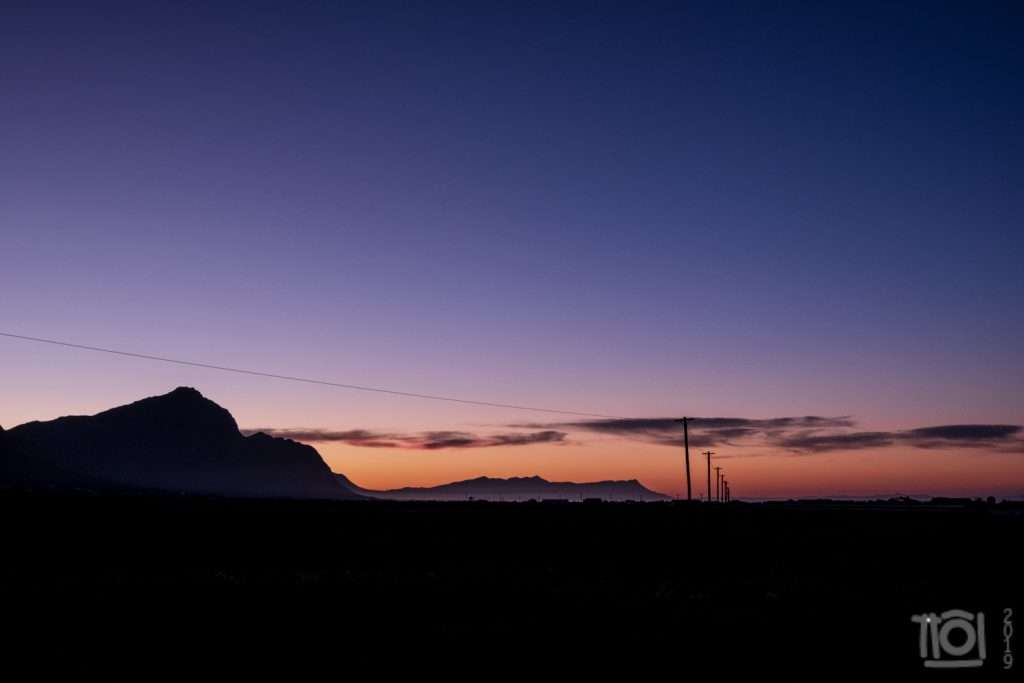
Another interesting and beautiful set by Paul. Here's I'd say the photographs (particularly the last 3) are more evocative that descriptive. The first is a gem after The Lady of Shalott, and pre raphaelites were nostalgic of pre-renaissance art, while the other three hark back to The Remains of the Day ;) Of the 4, I feel the first two come closest to the aesthetics of Wabi Sabi, bbut all four evoke a sense of passing. All in typical PaulPertonian semi-abstract sobriety.
Pascal Ravach
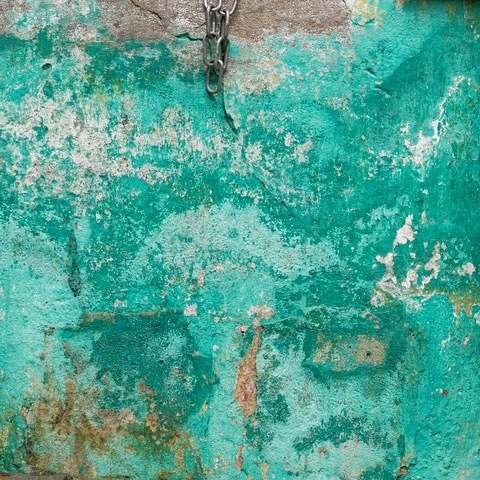
Pascal has sent me a lot of wonderful wall photographs. Only one is published here because I hope to convince him to publish the rest in a separate post, as there is far more to them than pretty textures. Stay tuned and enjoy this first sample :)
Lad Sessions
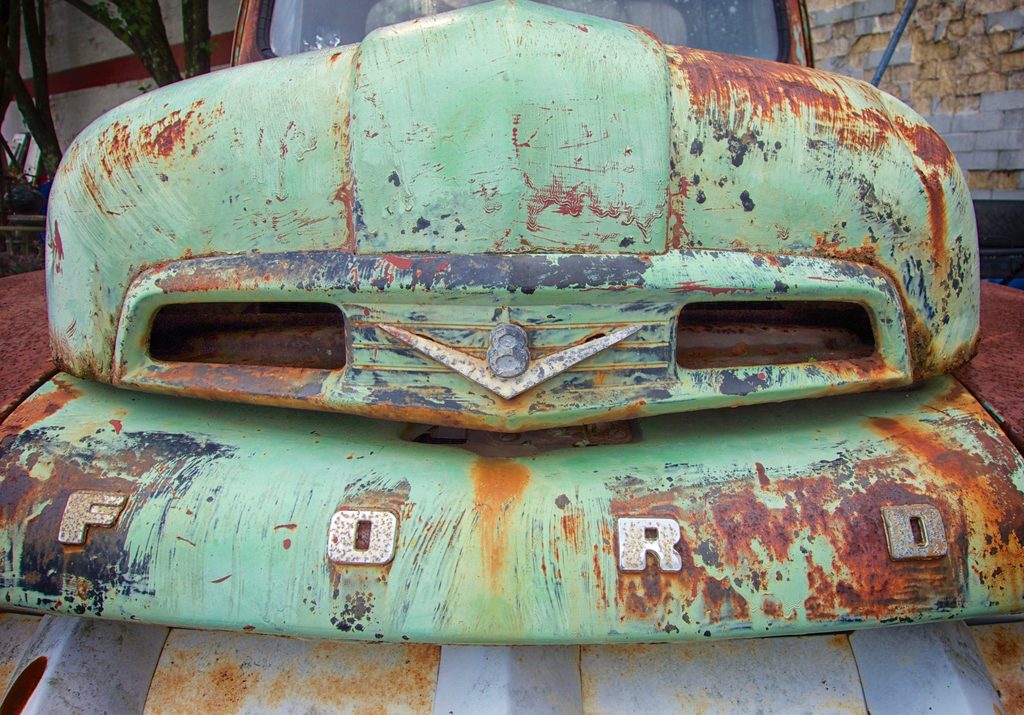
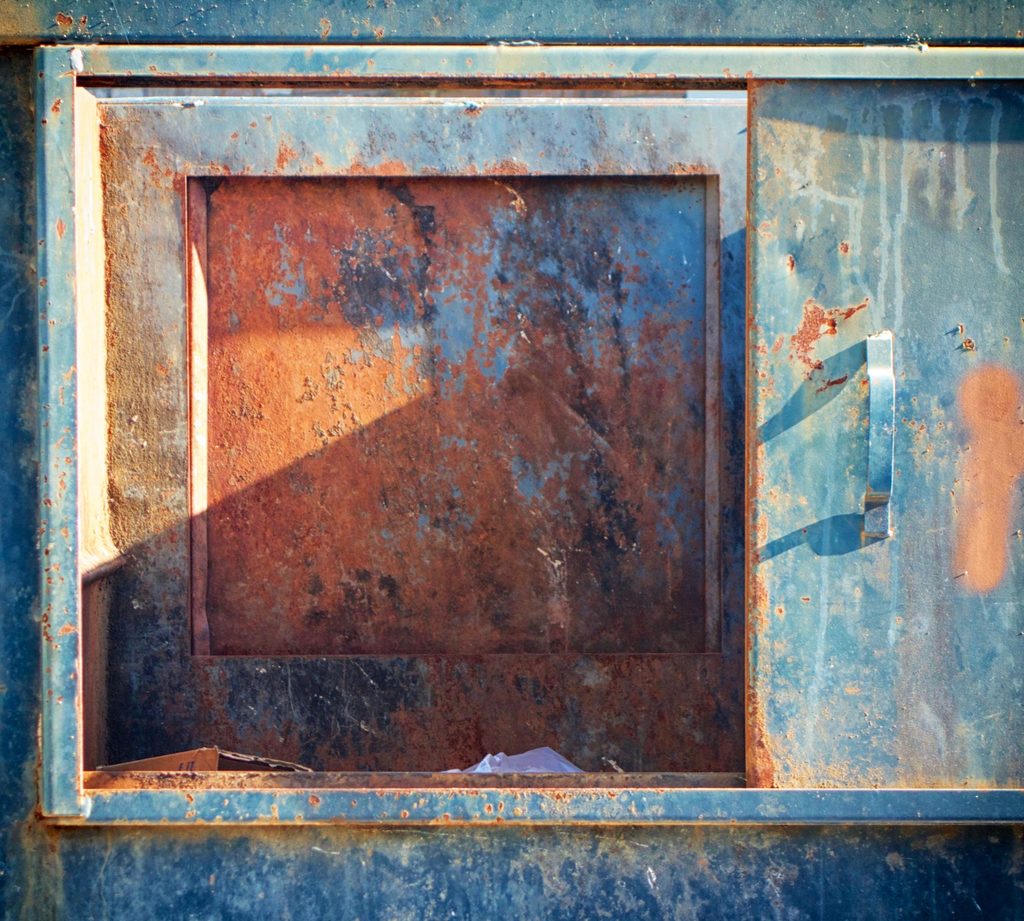
You may remember those two photographs from the previous challenge. Lad didn't ask me to use them a second time. But his lovely series was so obviously about decay (I think it actually gave me the idea for this Wabi Sabi topic) that I chose to pick them again. They speak for themselves. And, as with previous photographs on this page, it is a reinterpretation of the concept because the colours are so strong and bright compared to anything that would come out of Japan (to illustrate W-S, at least).
Kristian Wannebo
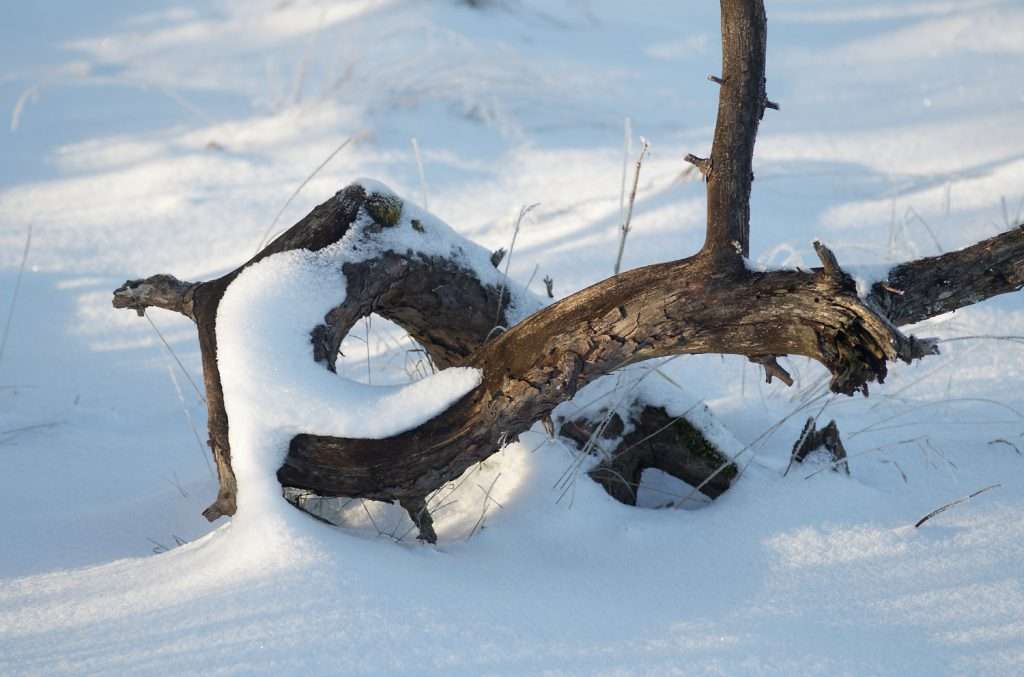
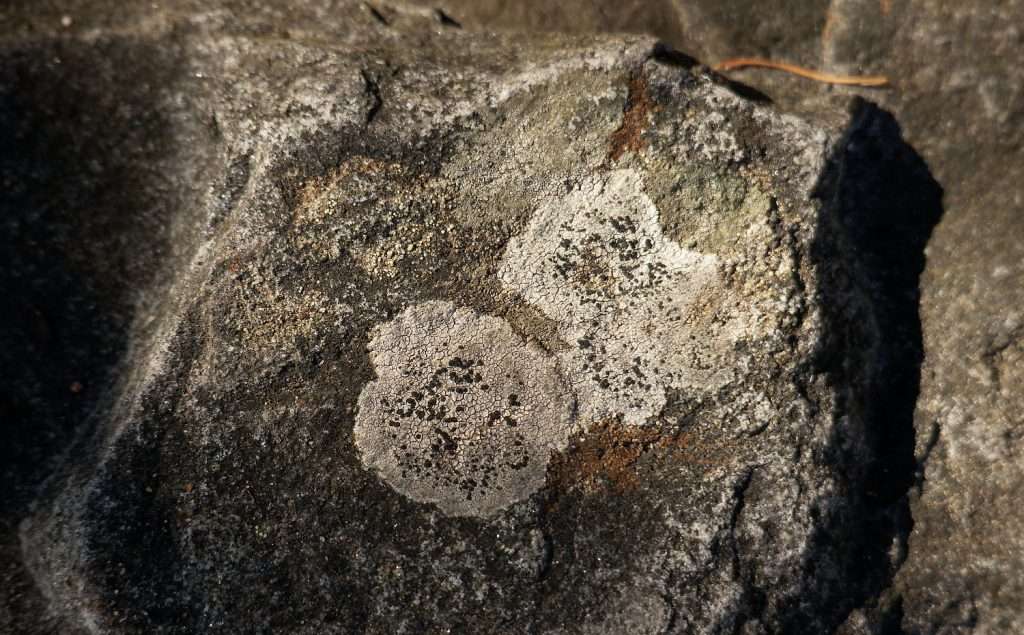
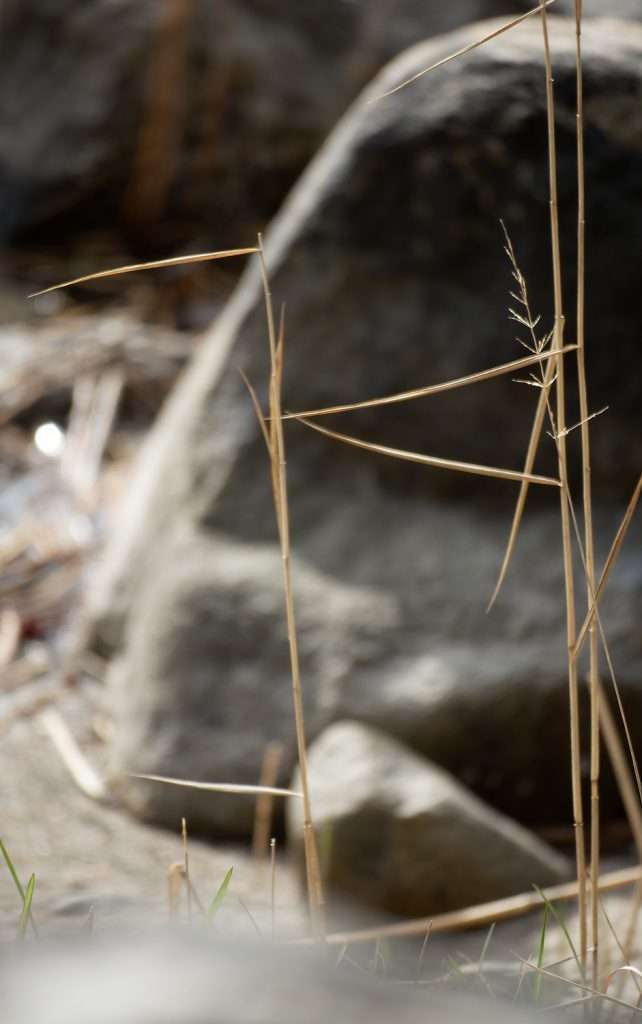
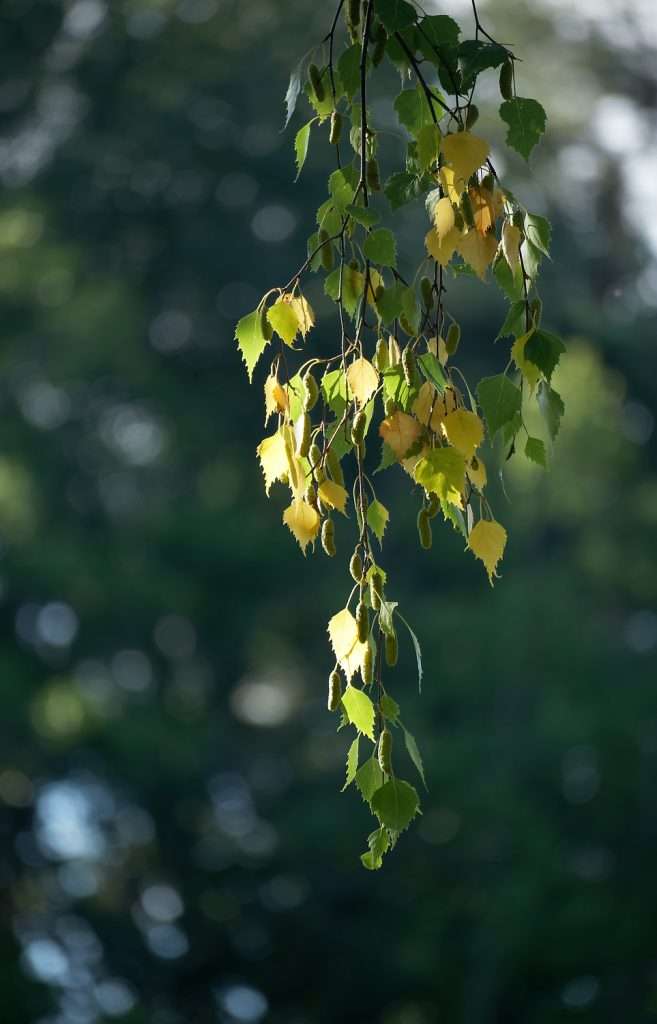
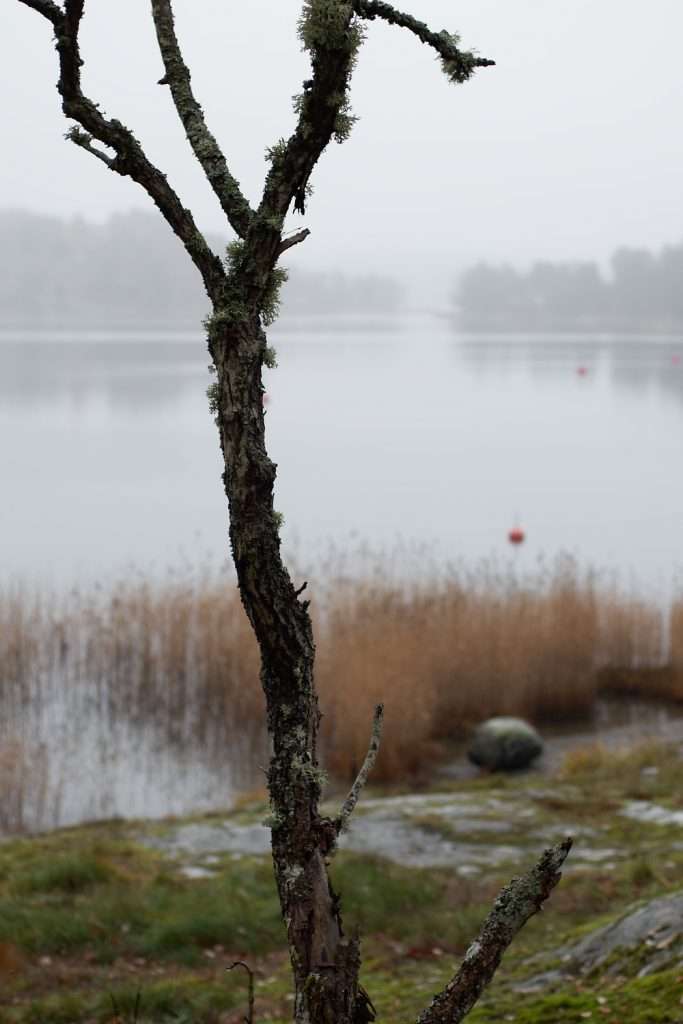
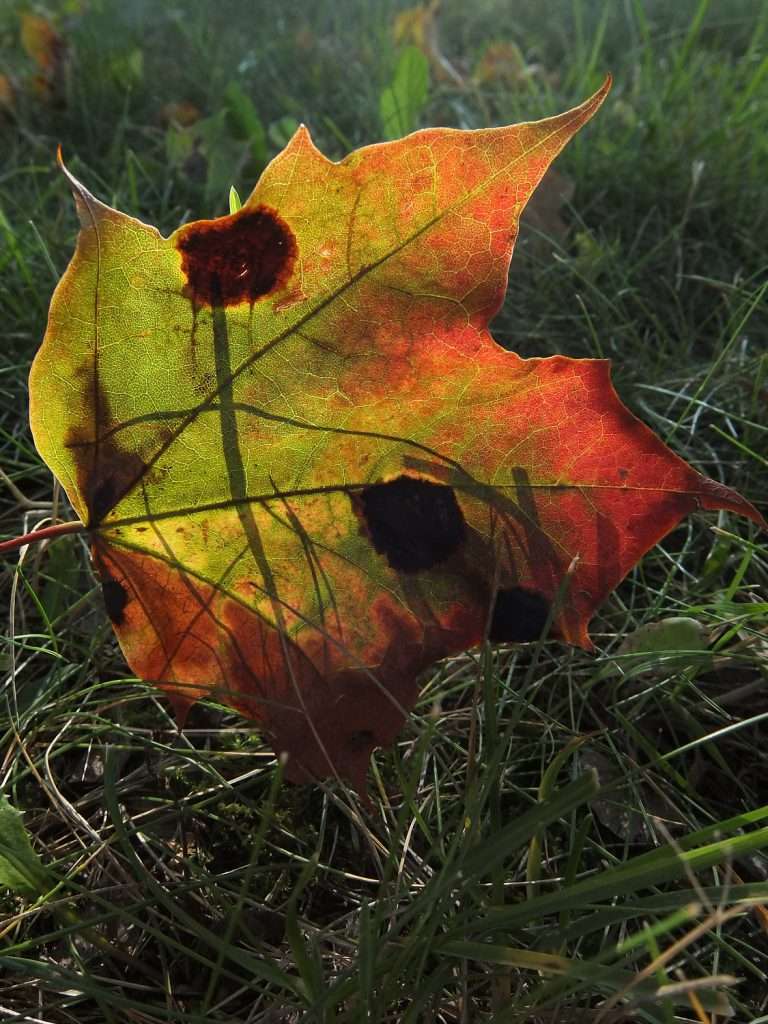
A great display of fall (autumn, for those who drive on the other side of the road) inspired photographs here from Kristian. And, if winter is rest, fall has to be decay. The colours are just lovely and there is a fragility in just about every main element (the snow about to melt, the falling leaves, the frail twigs, the moss, the leaf landed on its side). To me, the stone, twigs and lake are the most Wabi Sabi of the lot, but the others evoke the right feelings even if they don't strictly adhere to the aesthetic specification. Nice!
Julian Warde
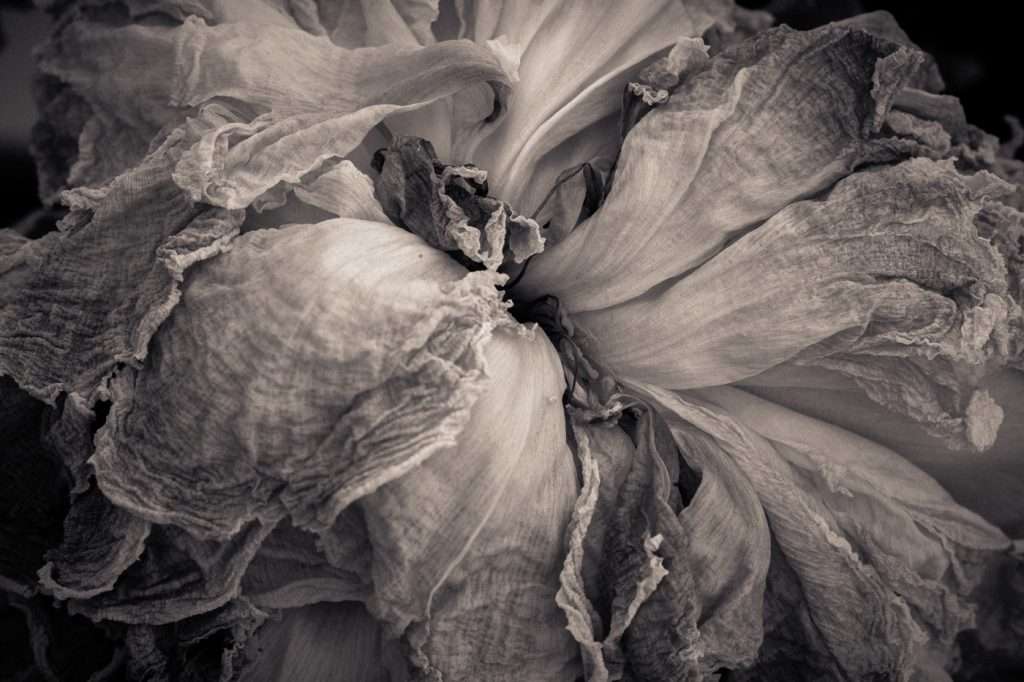
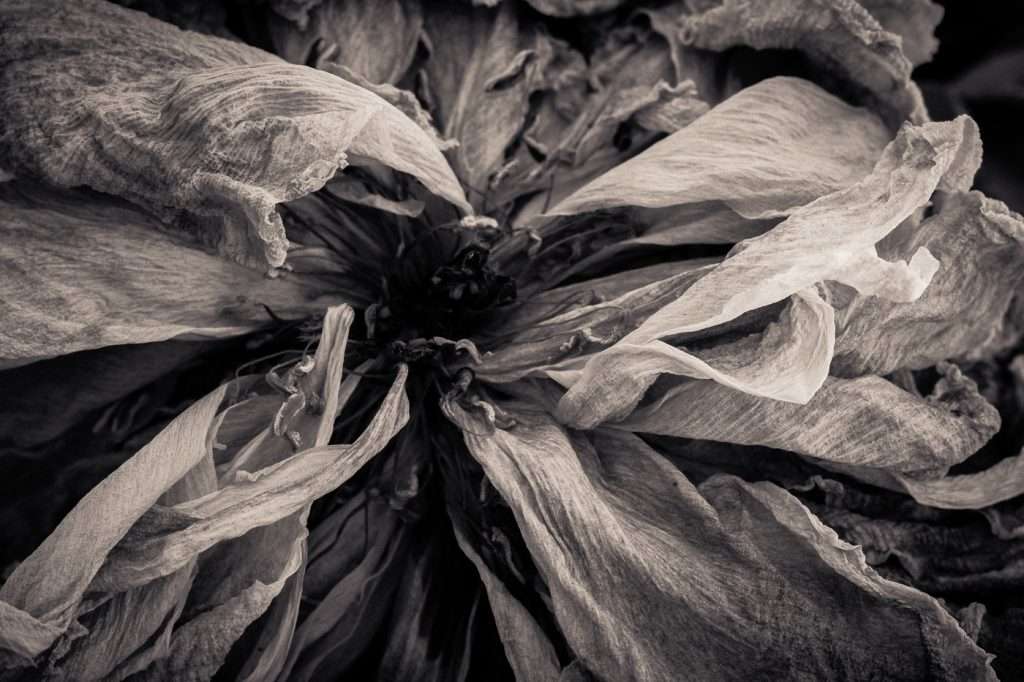
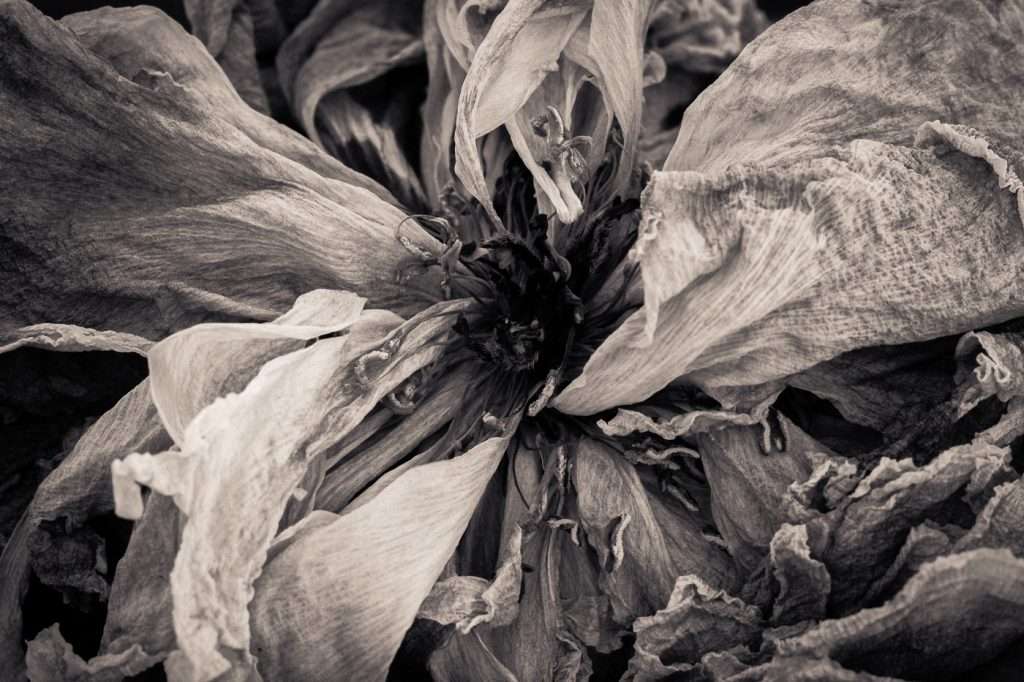
Aaah, to me, those are Wabi Sabi on so many levels ...
First, there's the subject of ageing flowers. While not in their prime, their petals look like gauze or draping. And they have the elegance of an old lady.
Then, there's the toning. Warm and nostalgic.
Then, there's the imaginary printing. As soon as these turned up, my reply to Julian was to ask him whether he would consider Palladium prints of those images. They just beg for that sort of de-digitising. Turns out, the answer is yes. Kallitypes may well be produced of these lovely photographs. Julian is studying the process. So please join me in collectively twisting his arm to tell us all about it and share results when the time comes !!! :)
John Wilson
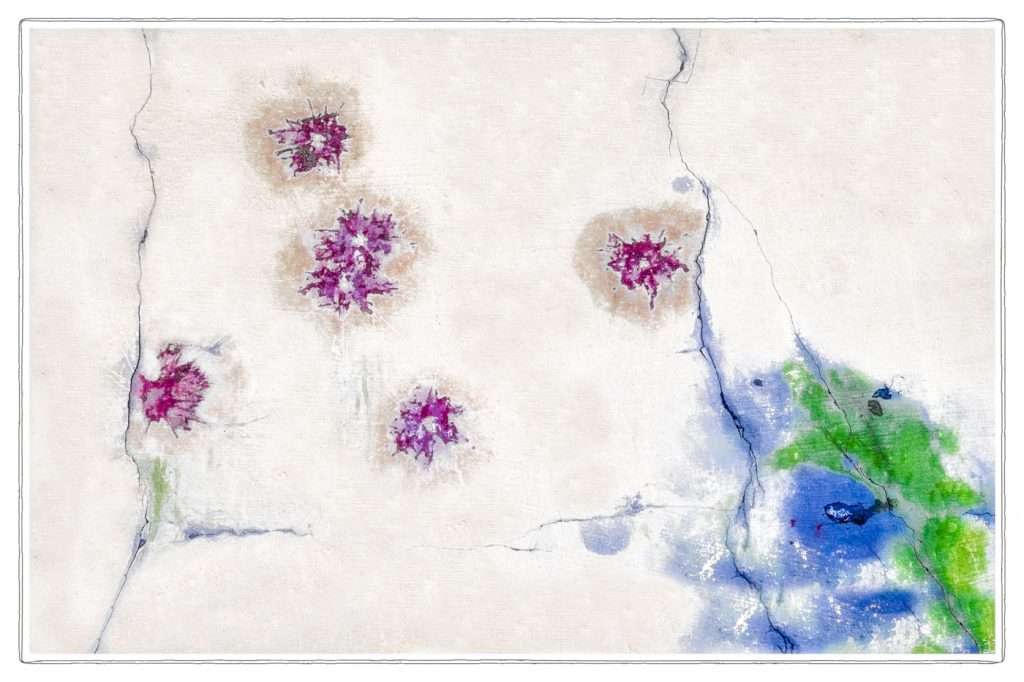
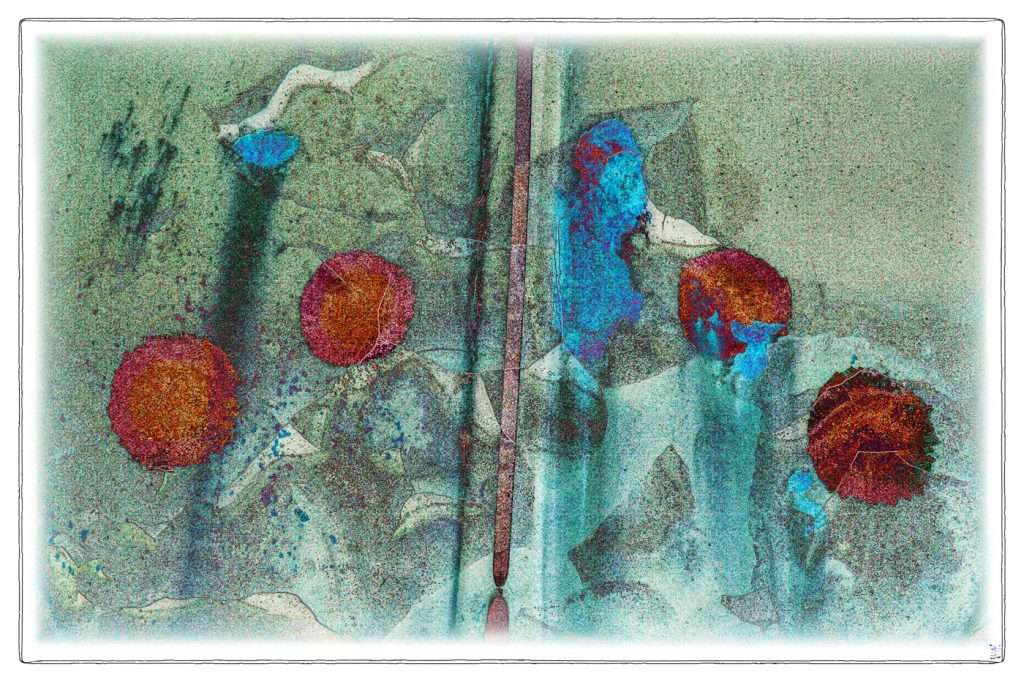
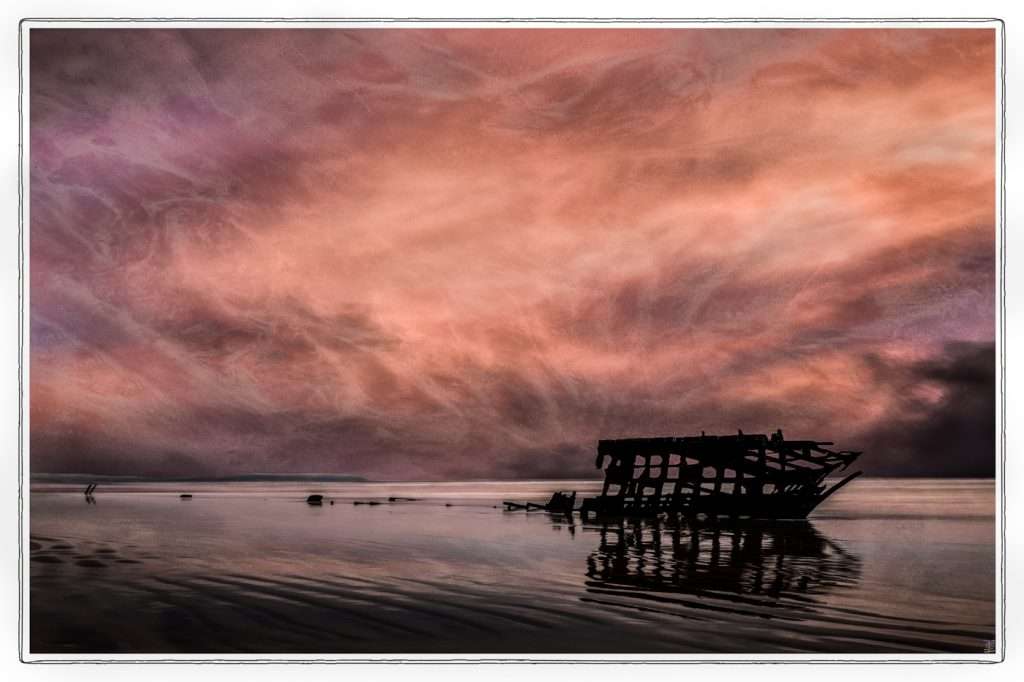
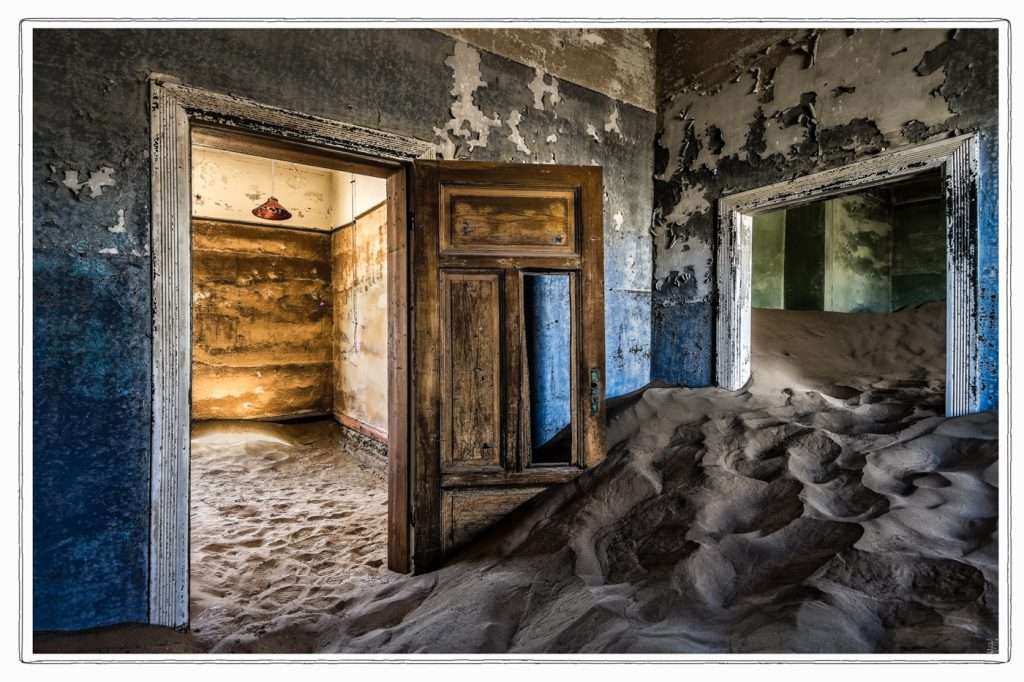
Well, well, well. A post within a post from John. Actual decay and muted tones (Namibia ?) , bright but pastel colours in moss (?) and cracks in a lovely composition that looks like a Japanese fabric, multiple exposures to blend grain and mute colours in an abstract composition and a sky from another planet over the remains of a building or ship. Is there a subsection for Wabi Sabi storytelling, I wonder ? ;) Great pictures !
Conclusion
Who have I forgotten ?? Ahem, please drop me a line if that's you ... I was away when most of these turned up and really hope no one slipped through.
Thank you all for sending these photographs. What makes DS readership such a blessing to me is the variety of intelligent thoughts and approaches. I'm sure no one actually went through a thought process to create Wabi Sabi images. They are all instinctive and intuitive. But they create such a varied study of the idea that I hope many readers will find at least a few ideas they hadn't thought about thanks to your images!
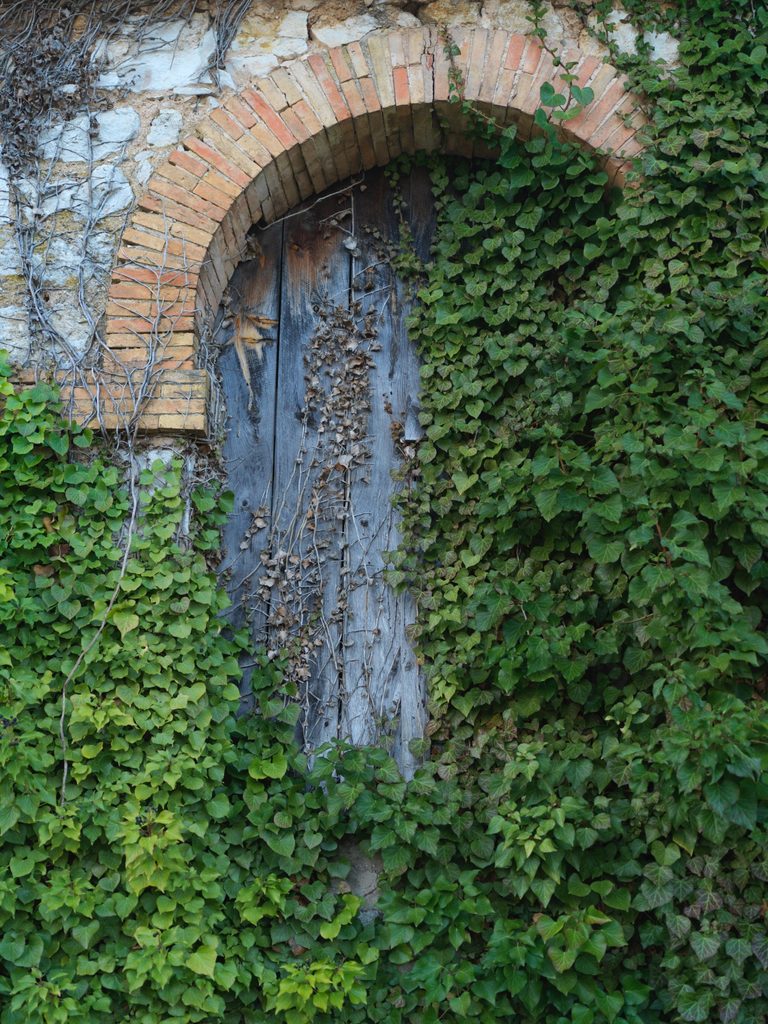
To me, Wabi Sabi is a fascinating topic and not just a design element for elegant homes. It is intimately linked to how we perceive ageing and death. It is closely related to entropy, which is a subject that deserves more attention in the art world. And I'll end this Wabi Sabi trilogy along those lines in a a future post. In the mean time, get ready for a new challenge in a few days ;) And what are your thoughts on those images? Whether you made them or not, would you have interpreted them differently? Cheers.