
#582. Un-destination photography in Aigues-Mortes, France
We recently argued that lesser-known locations provide as much, if not more, opportunity for great photography than the iconic places of beauty many photographers rush to in the hope of creating masterpieces. This is our first attempts at proving out point. Philippe and I recently joined up for a 2 and a half day work (during the day) / photo (morning and evening) meetup in the lovely little city of Aigues-Mortes located on the western side of Camargue, in the South of France. 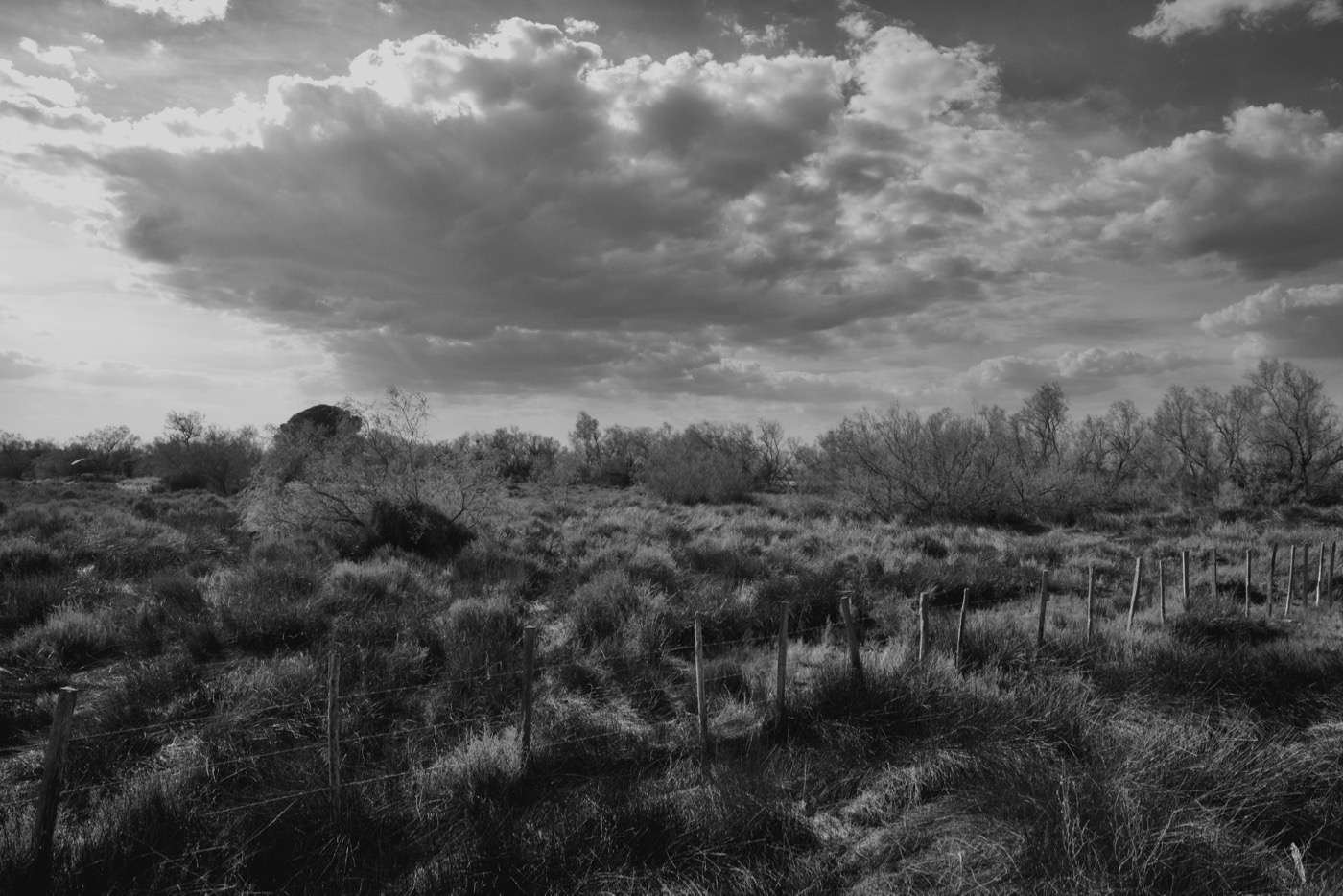
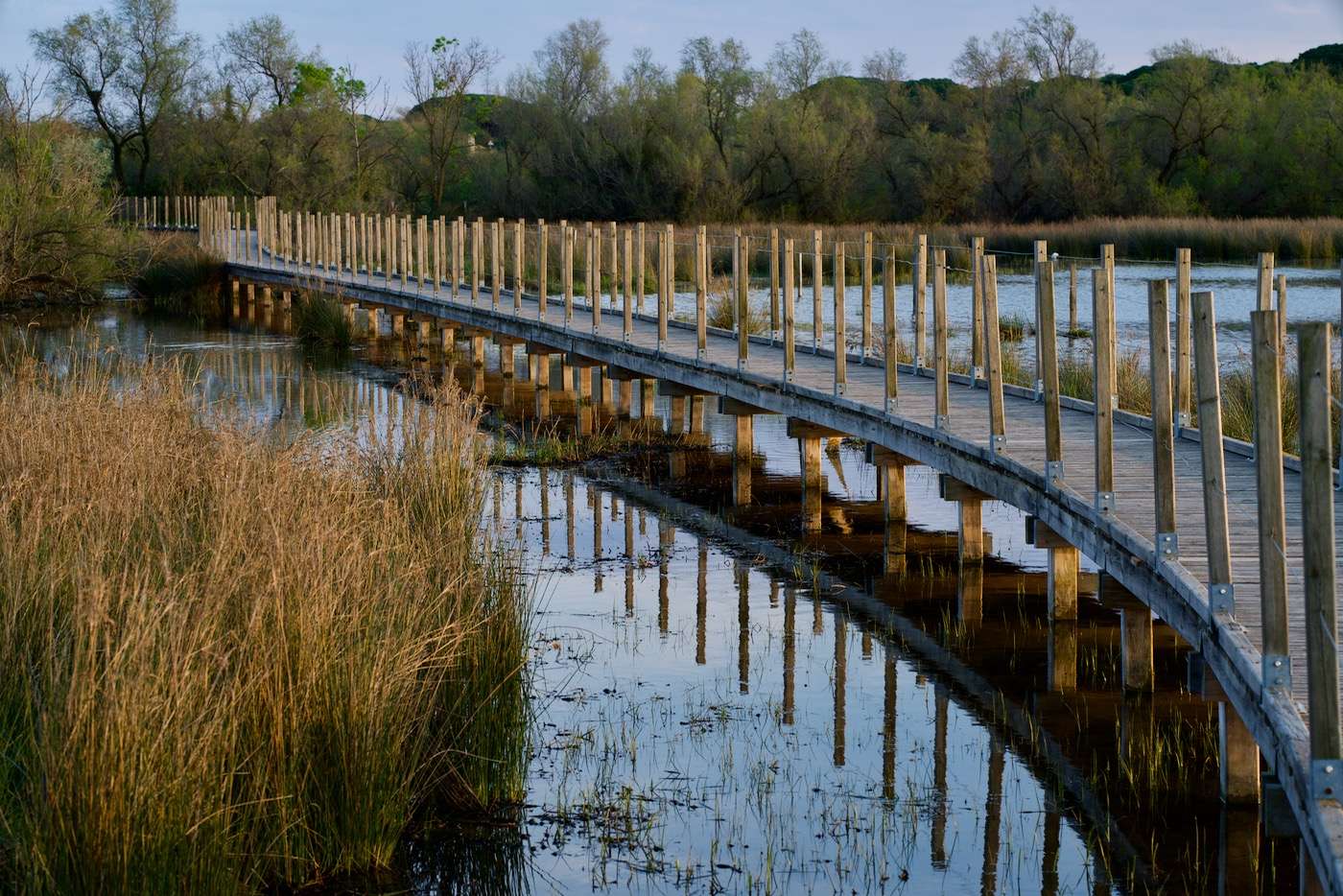 Philippe's takeAigues-Mortes is a port city in a part of France, the Camargue, an area more or less bordered by Nîmes, Arles, Montpellier and the Mediterranean, full of old traces of civilisation. While it is definitely busy in the summer, it is nowhere close to the mobbed seaside resorts. And, off-season, it is quiet. We were there during the Easter school holidays, and there were precious few people around, to the extent that our best choices of restaurants were more often than not closed (though we did manage to eat well, thanks for asking).
 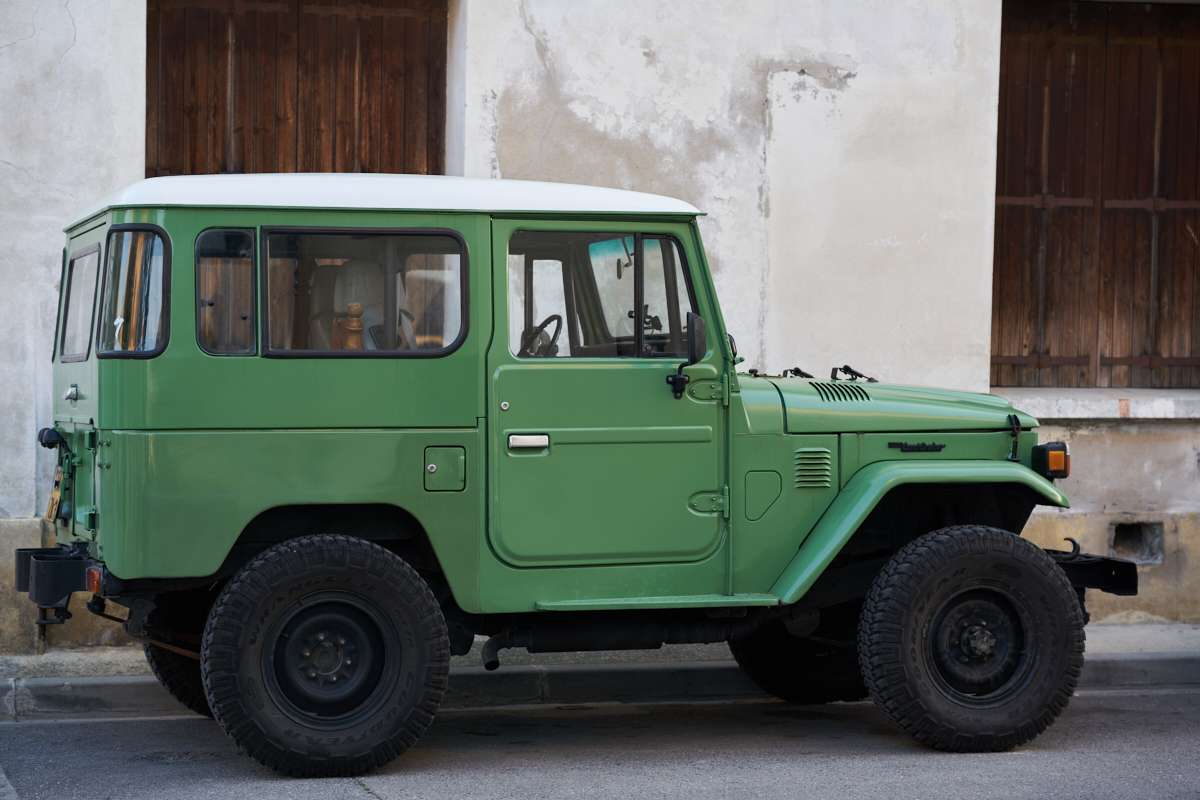 Aigues-Mortes felt like a good choice because it is not only interesting, but very close to many other points of interest. It took a 45-minute drive from Nîmes (an interesting city in its own right, easily accessible from Paris by plane of TGV train) to reach it. From there, we never drove more than 30 minutes, and found at least 5 groups of spots worth shooting, though we couldn't know for sure how rich the opportunities they would offer.
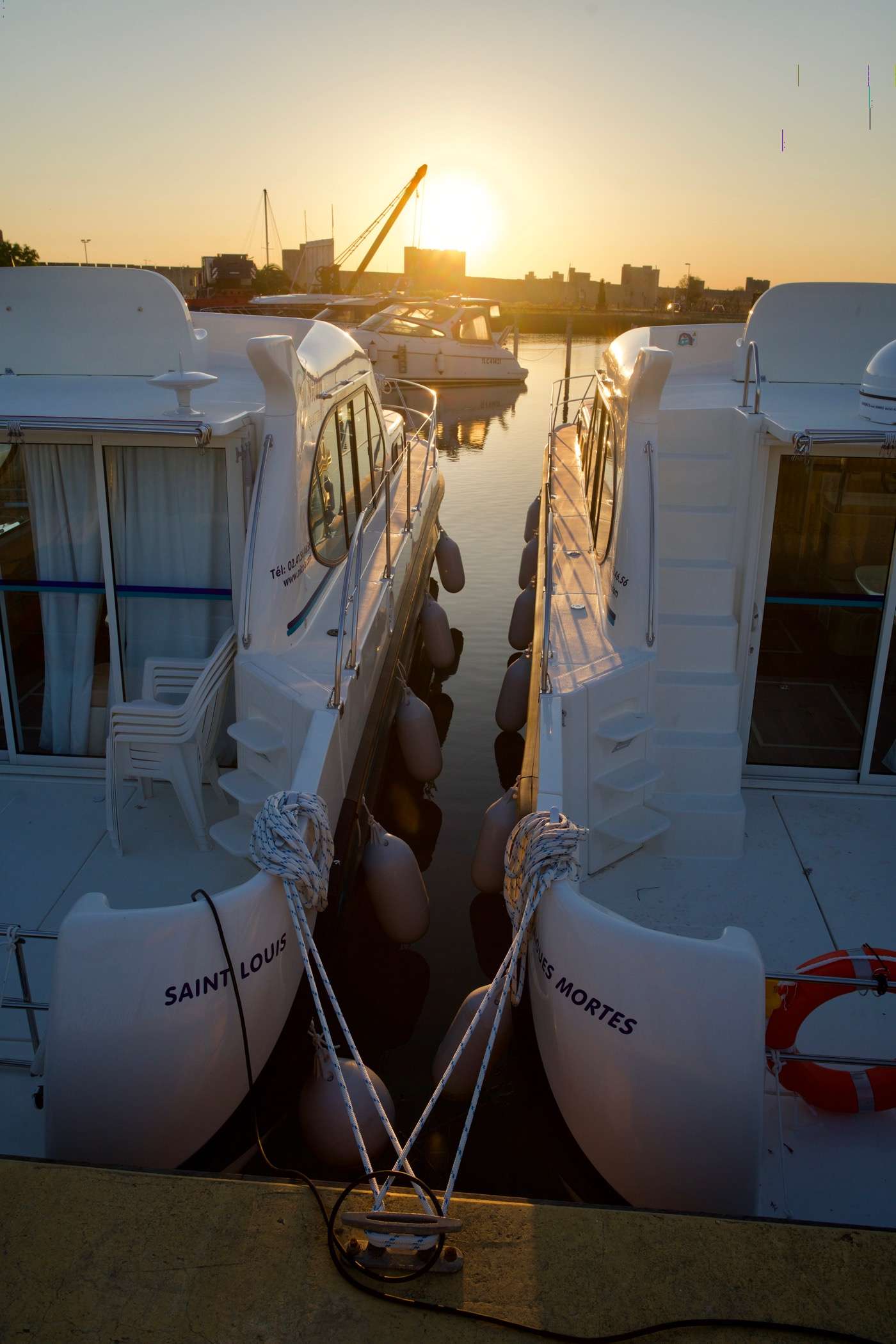
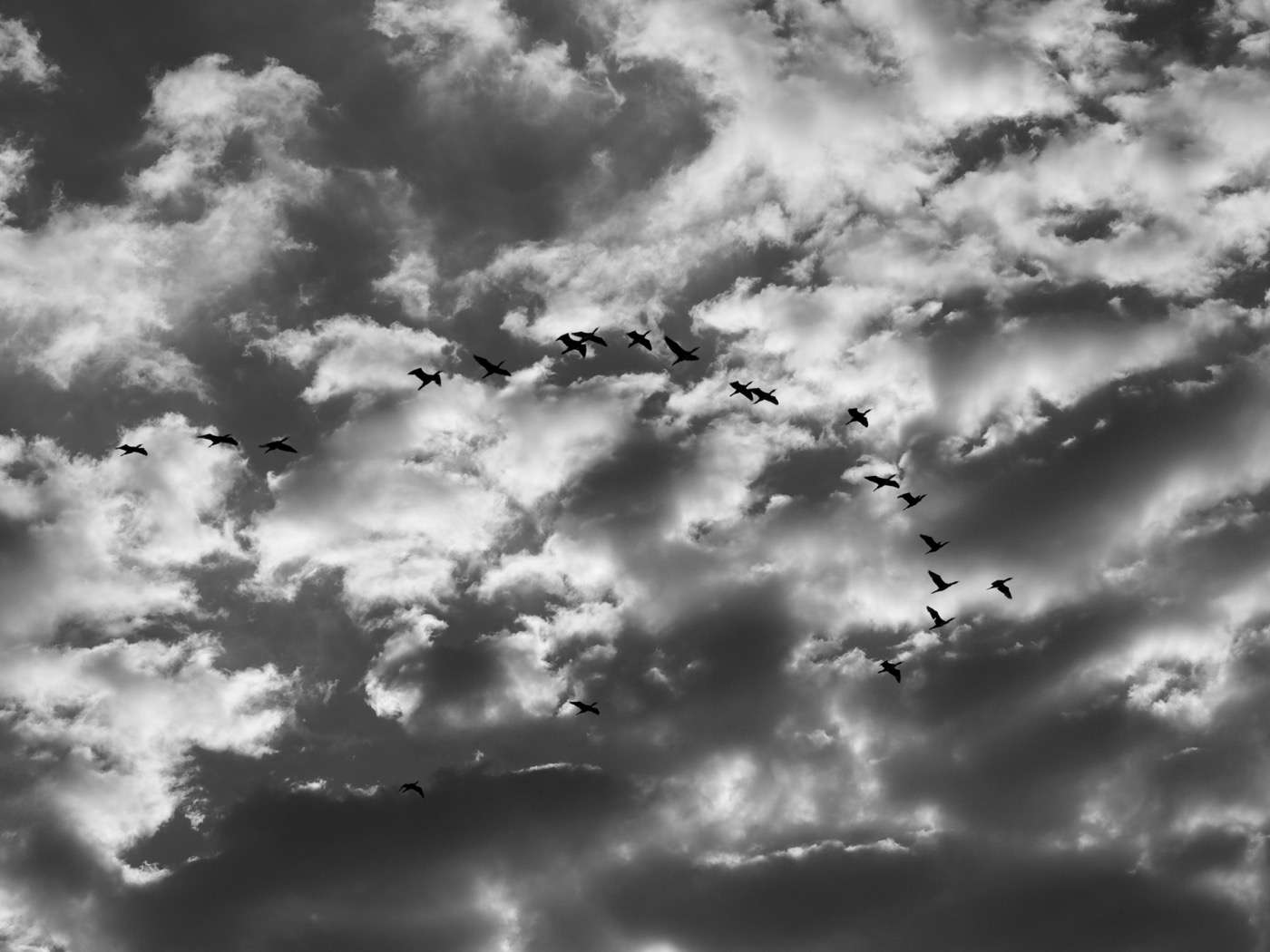
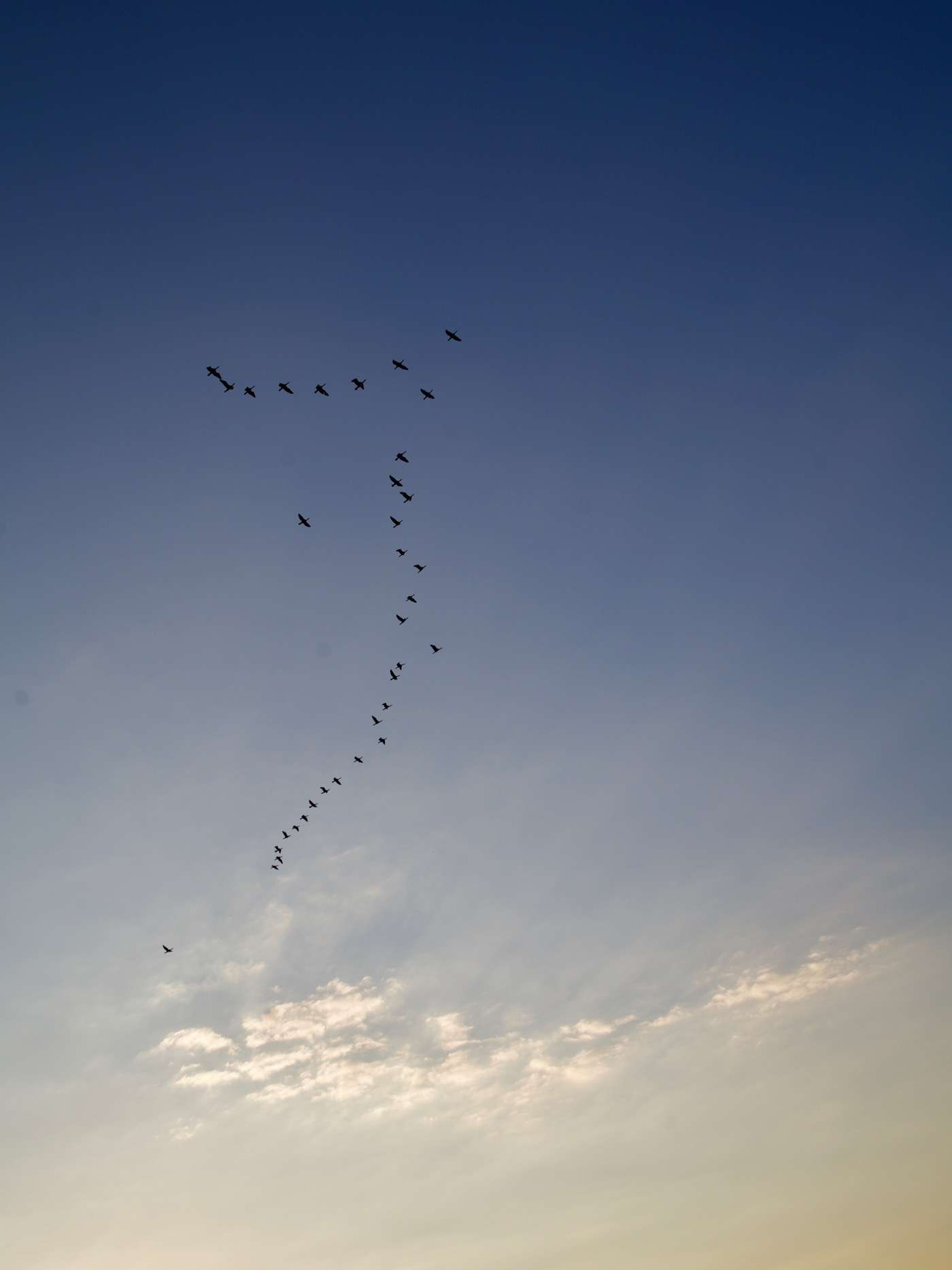
 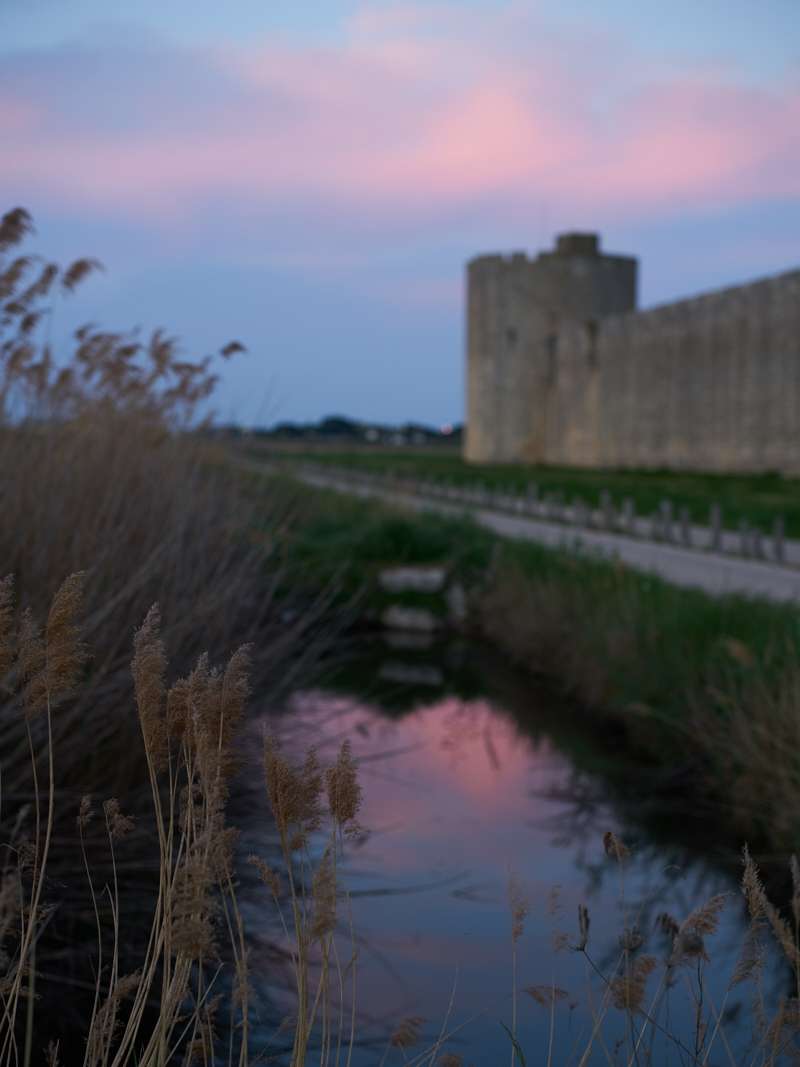 As destinations for photography in France go, Aigues-Mortes would definitely not make a top-30 list, maybe not even a top-50. But I have to say, the pictures tell another story. It offers beautiful possibilities, and very diverse to boot. Marshland, fortified walls, wildlife, seaside port, Provençale city, horses, bulls... In short, a fine destination for un-destination photography.
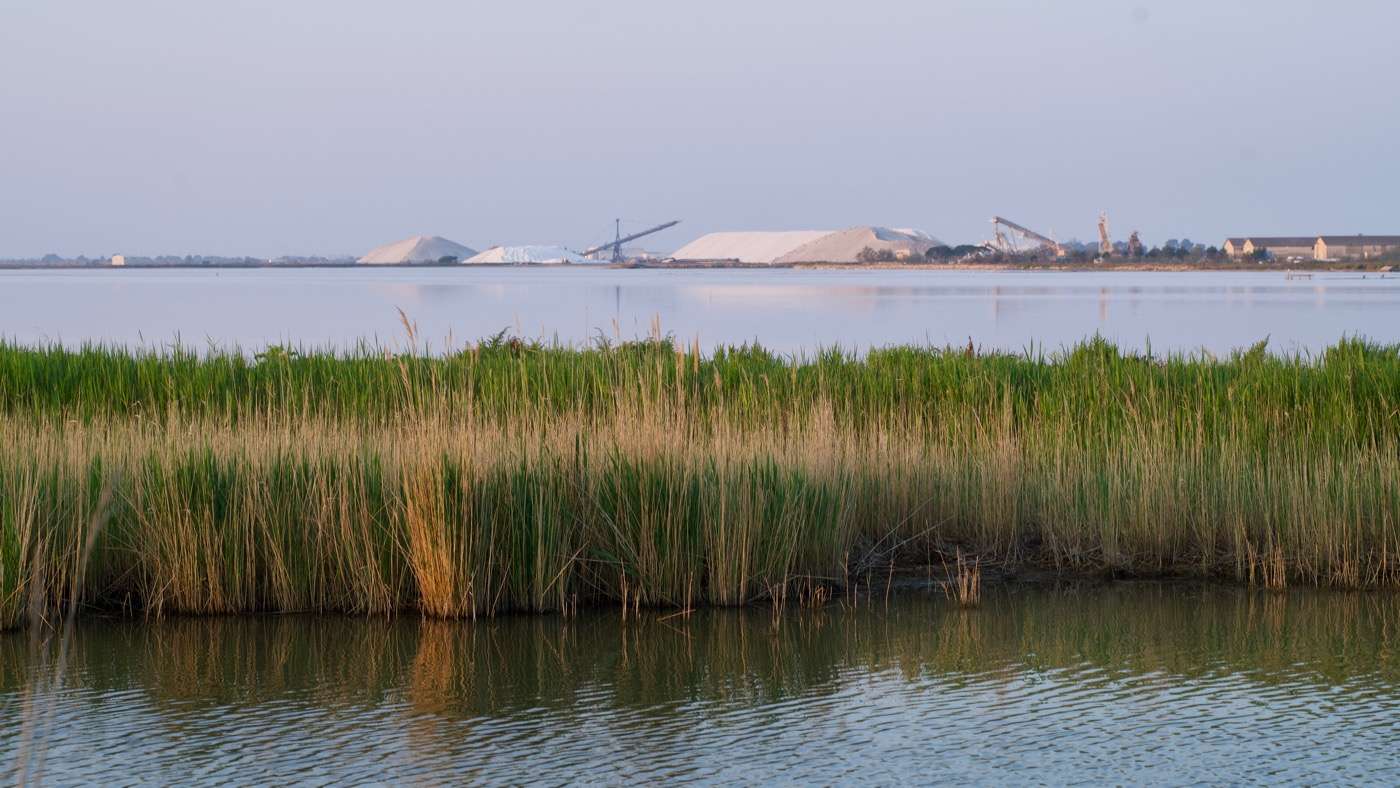
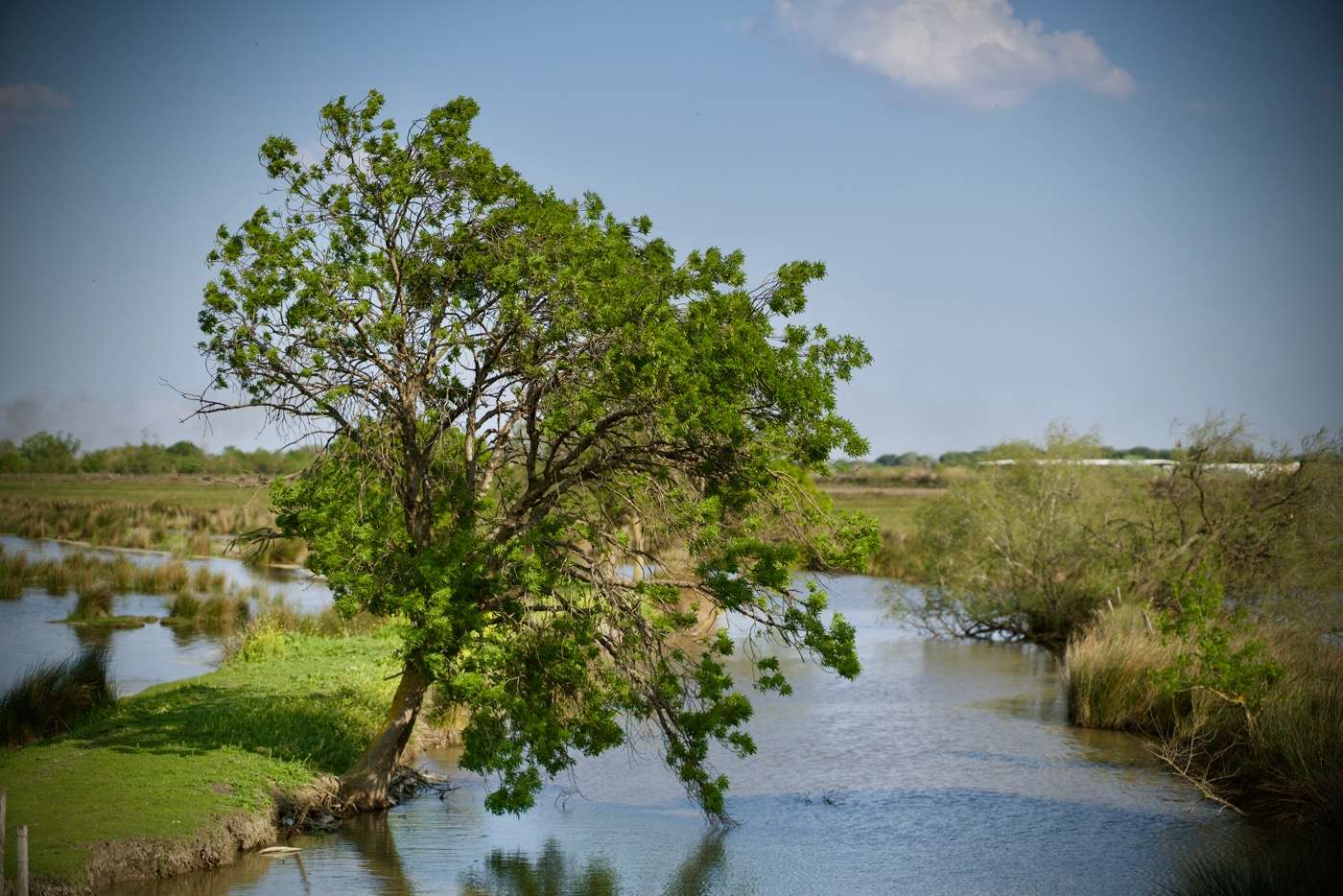
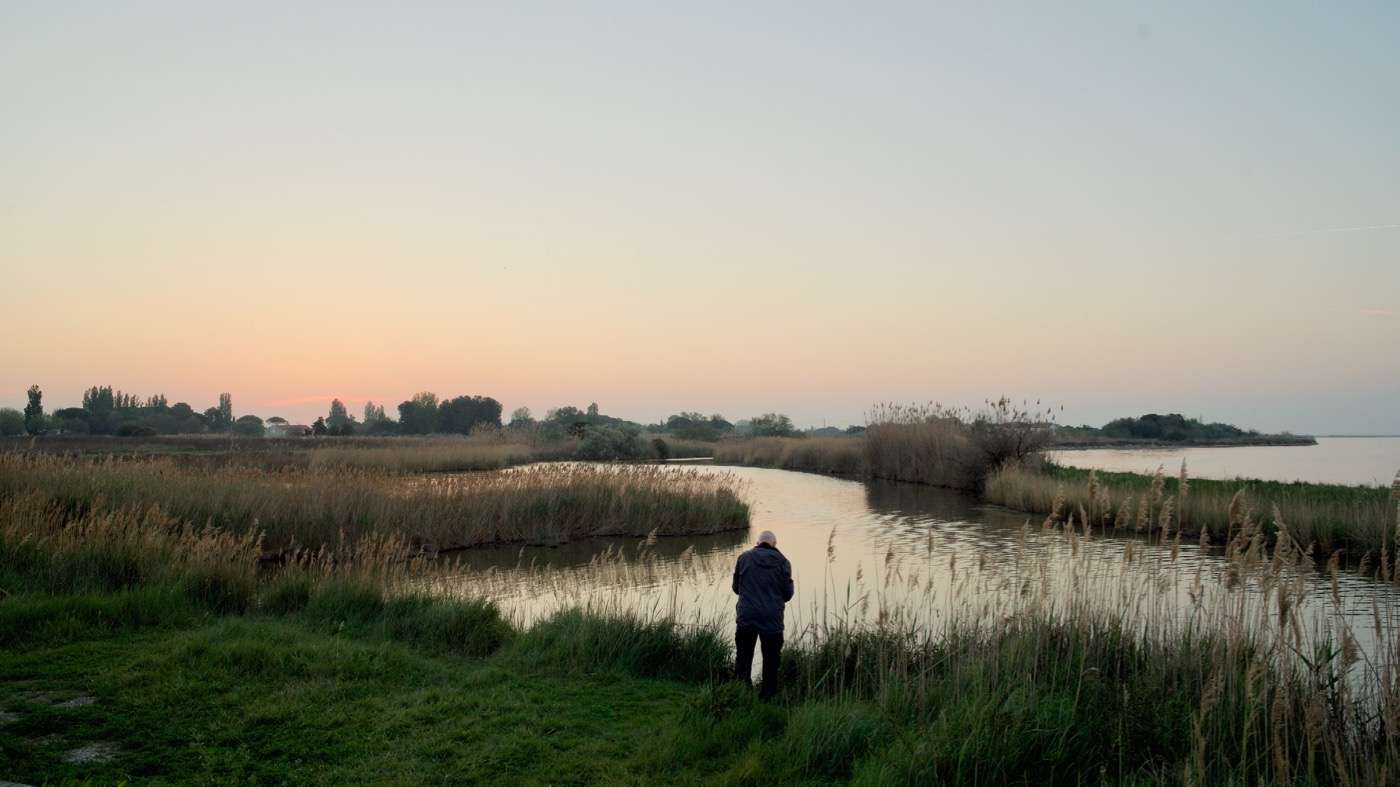
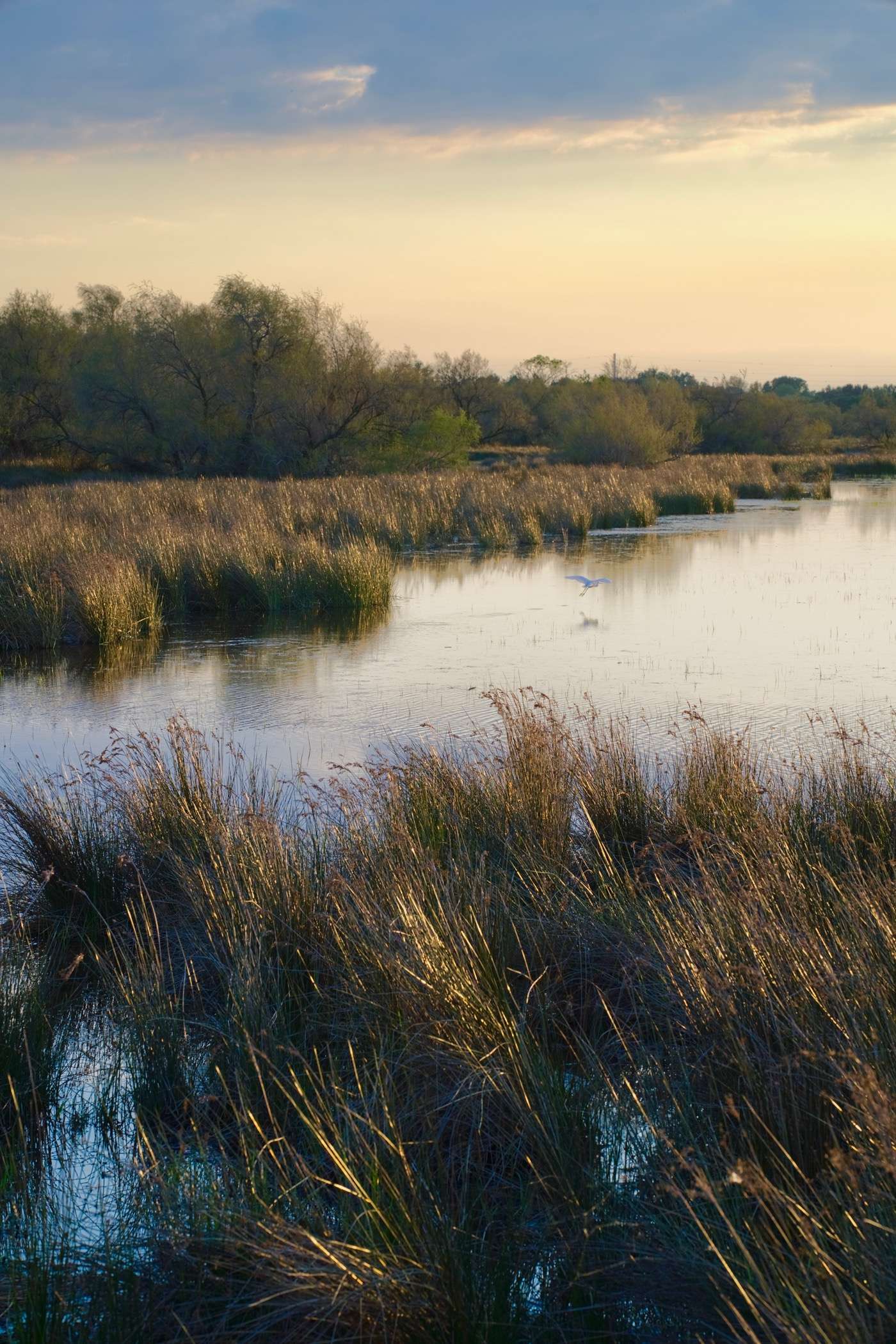
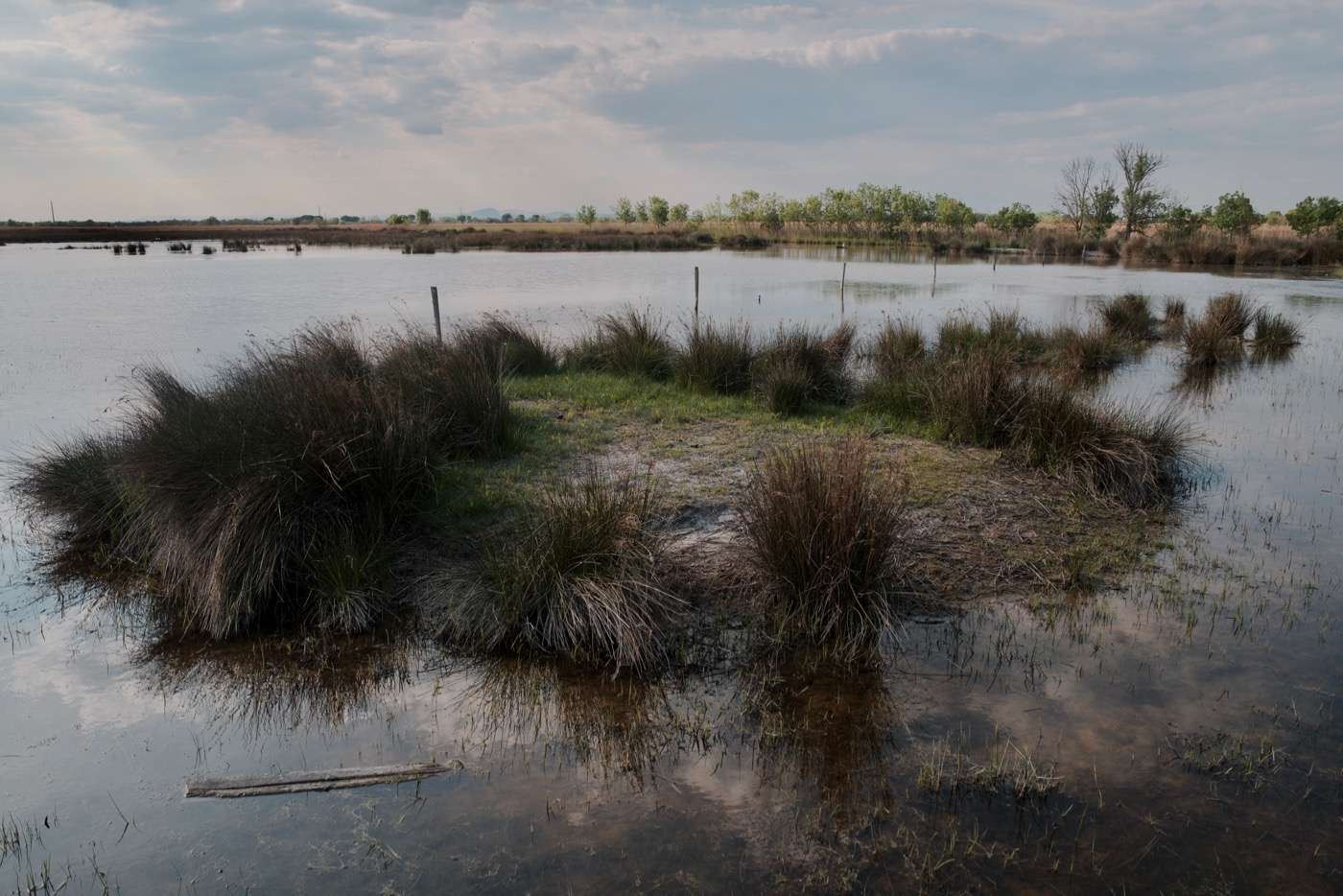
 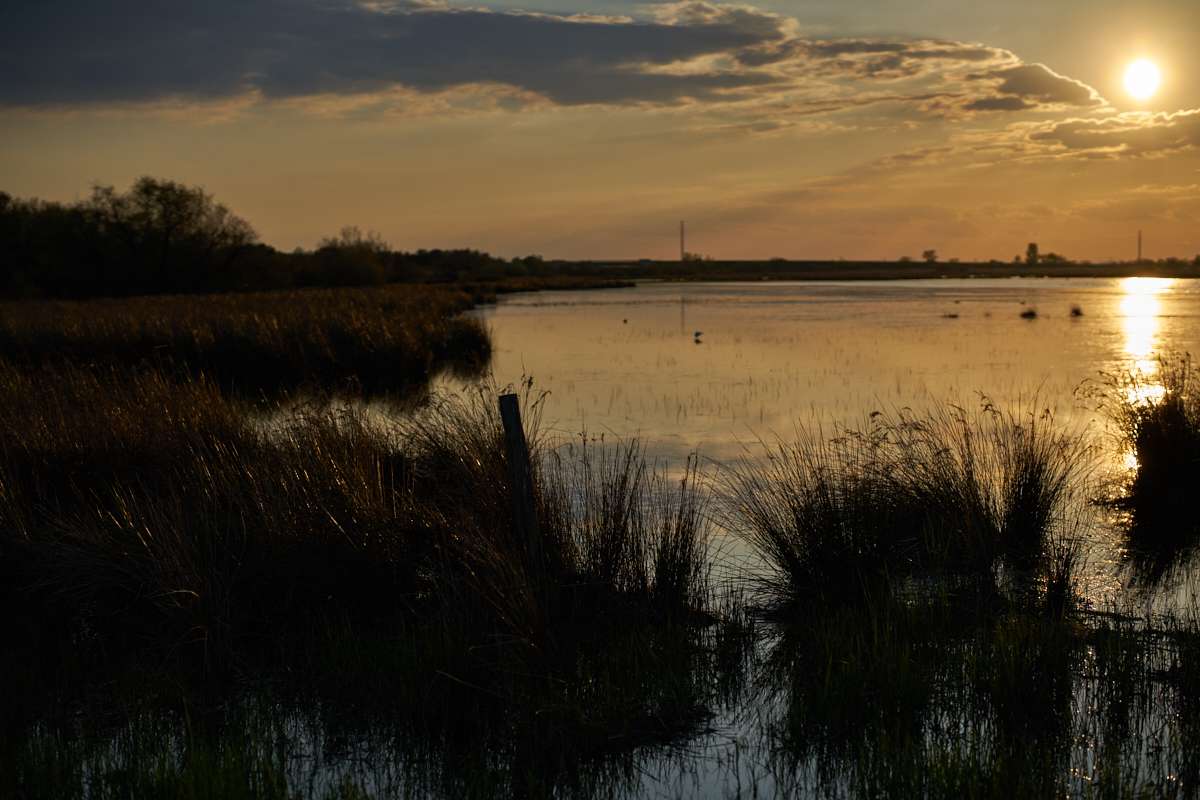 First shot, the marshlands. Literally 10 mn from our B&B deluxe. Sunset deluxe, too. Opportunities galore, though the spot itself is small, maybe a 10 mn walk. Once more, Pascal and I have quite a different take, which testifies to the possibilities.
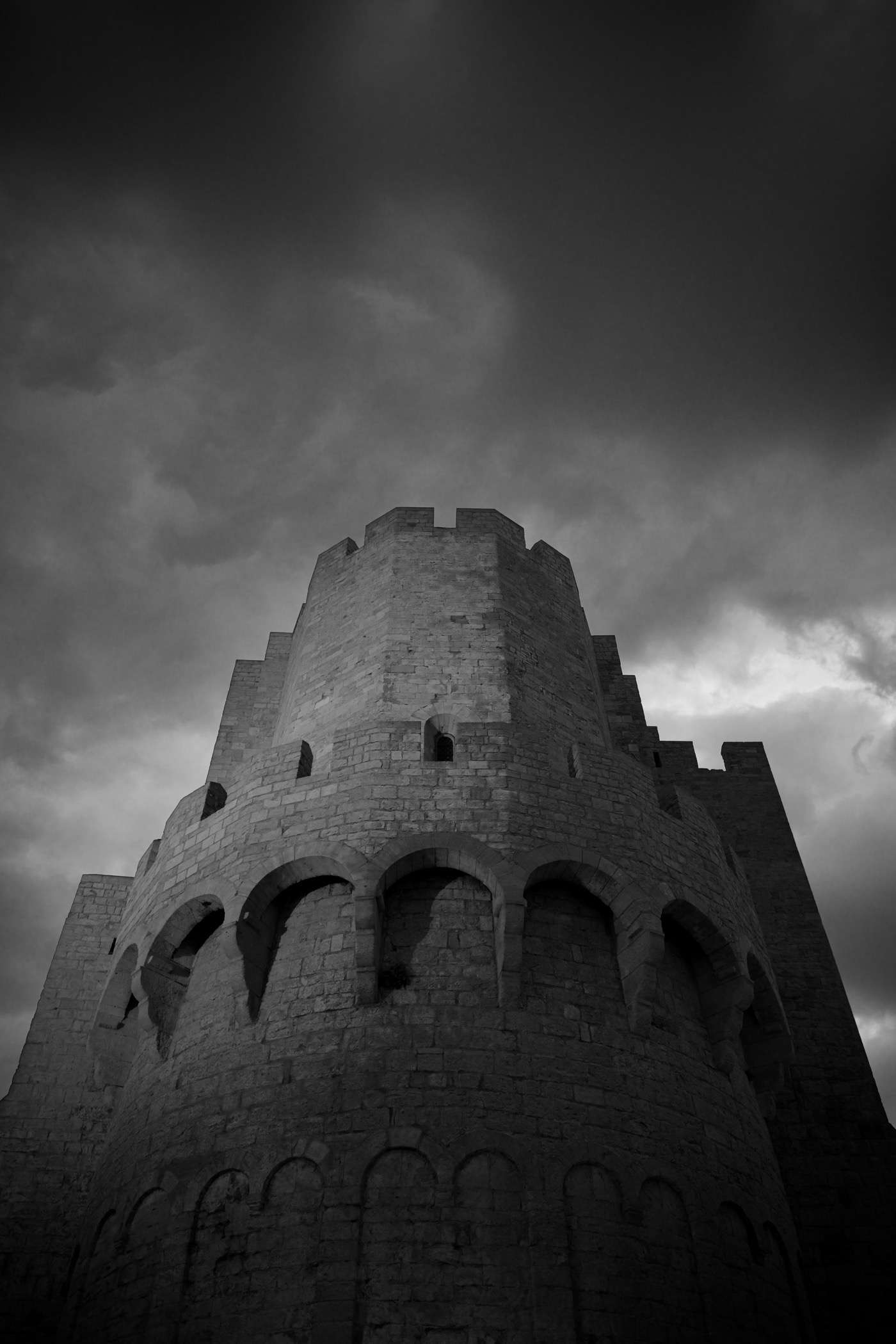
  Second shoot, sunrise over the fortress walls. Something I am really not good at, and it shows.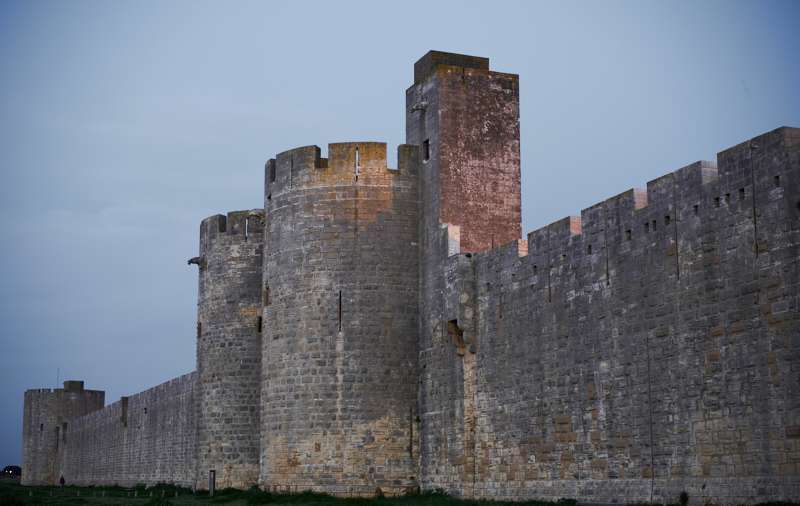
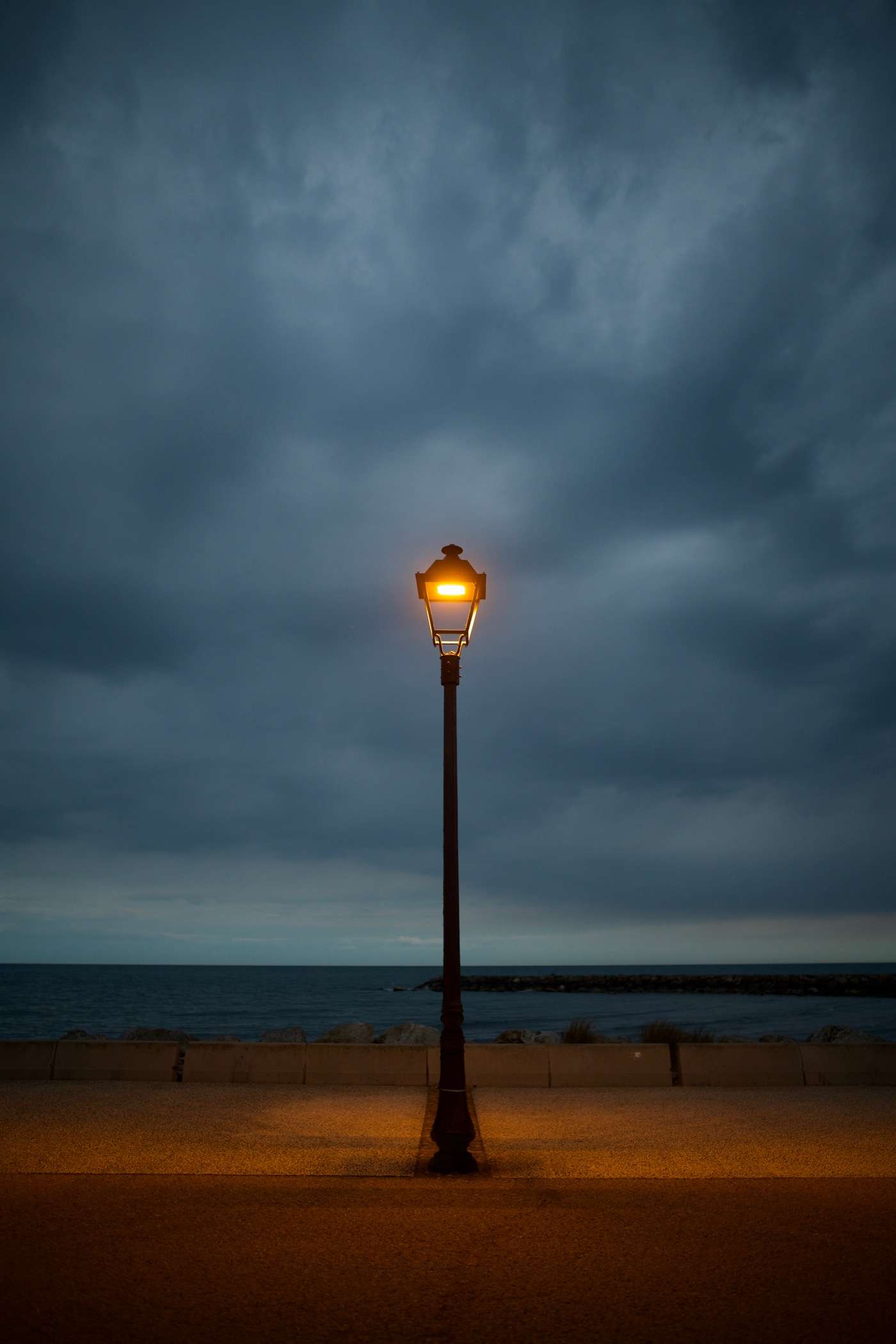
 Mid-day shoot at the Grau-du-Roi, on the seaside.
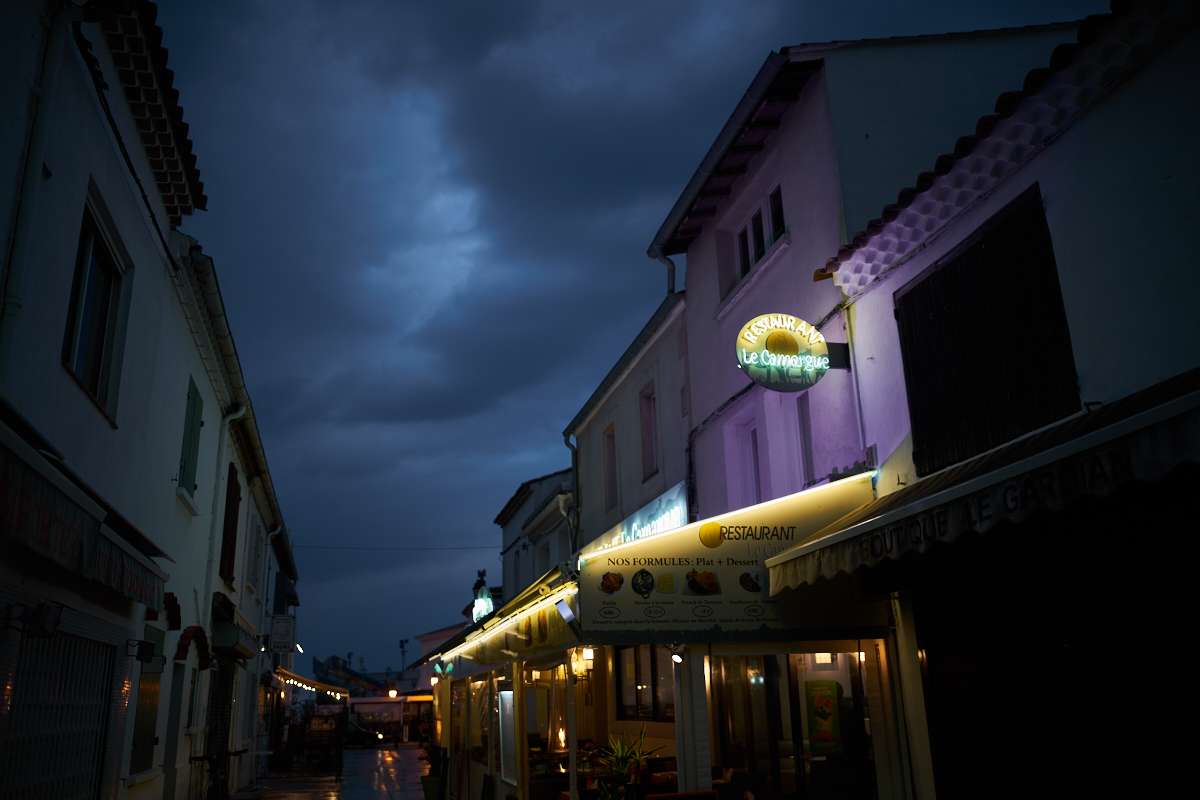
 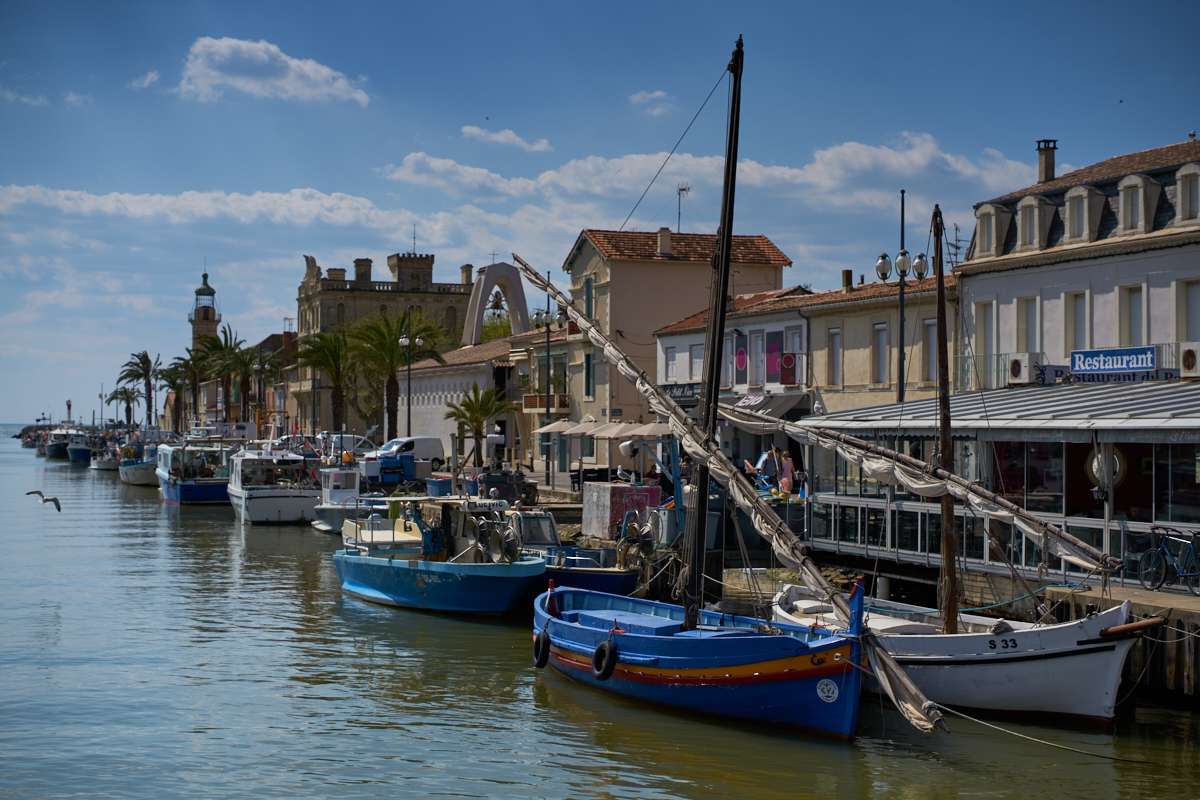 Again, not a huge site, but opportunities to keep Pascal and I going for well over 90 minutes. Evening shoot in the rain in another town, les Saintes-Maries de la Mer. Questionable place if you think tip-top world-quality, but the pictures are again different and rewarding.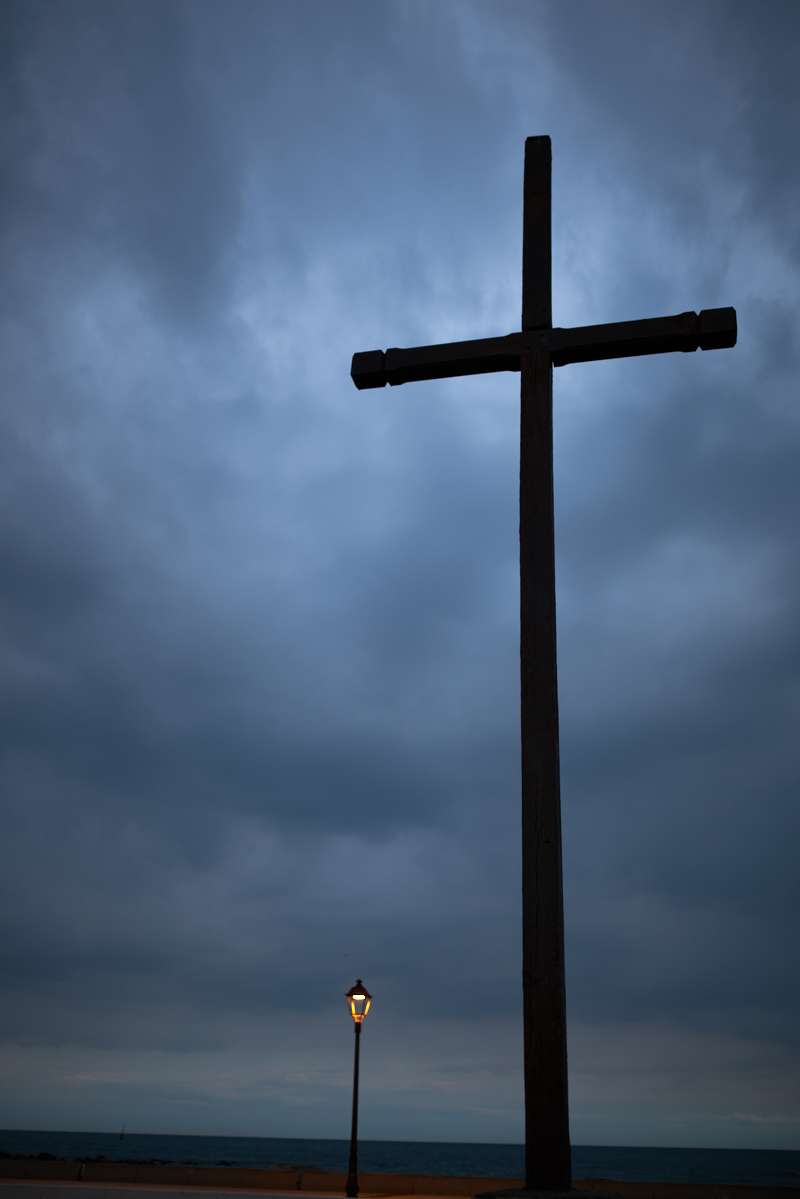
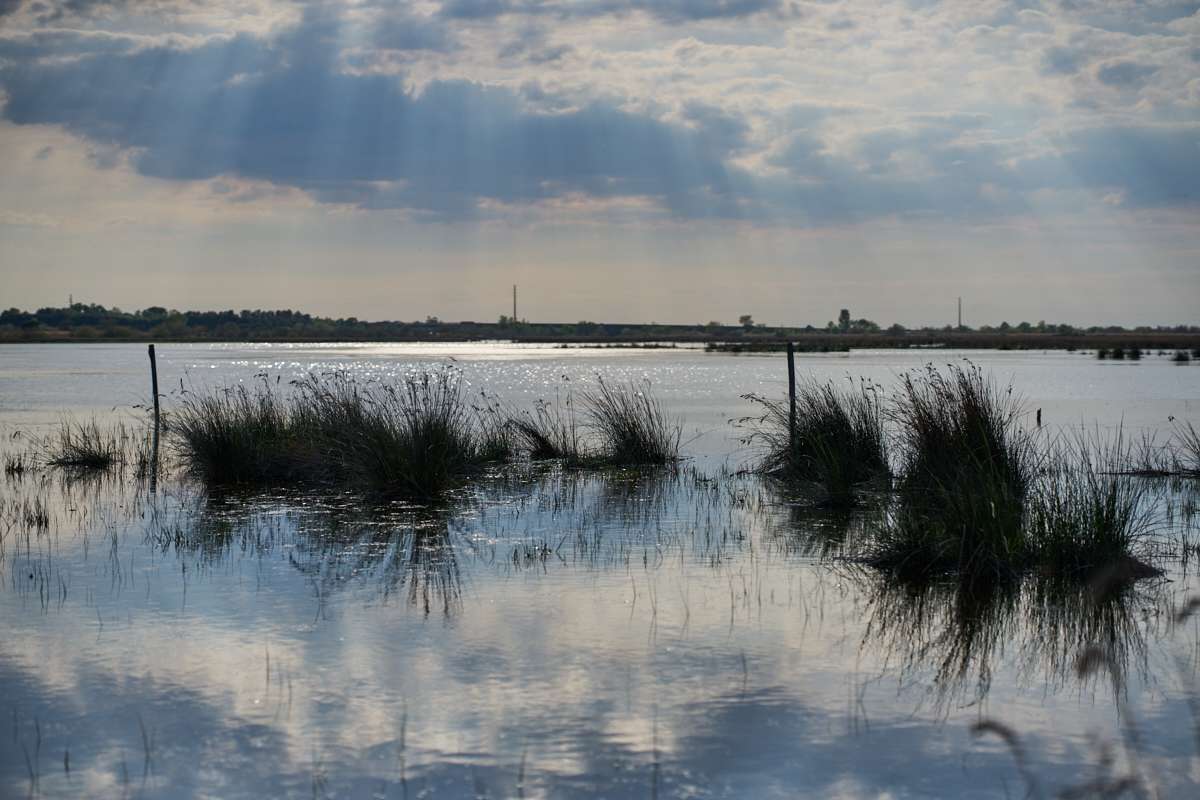
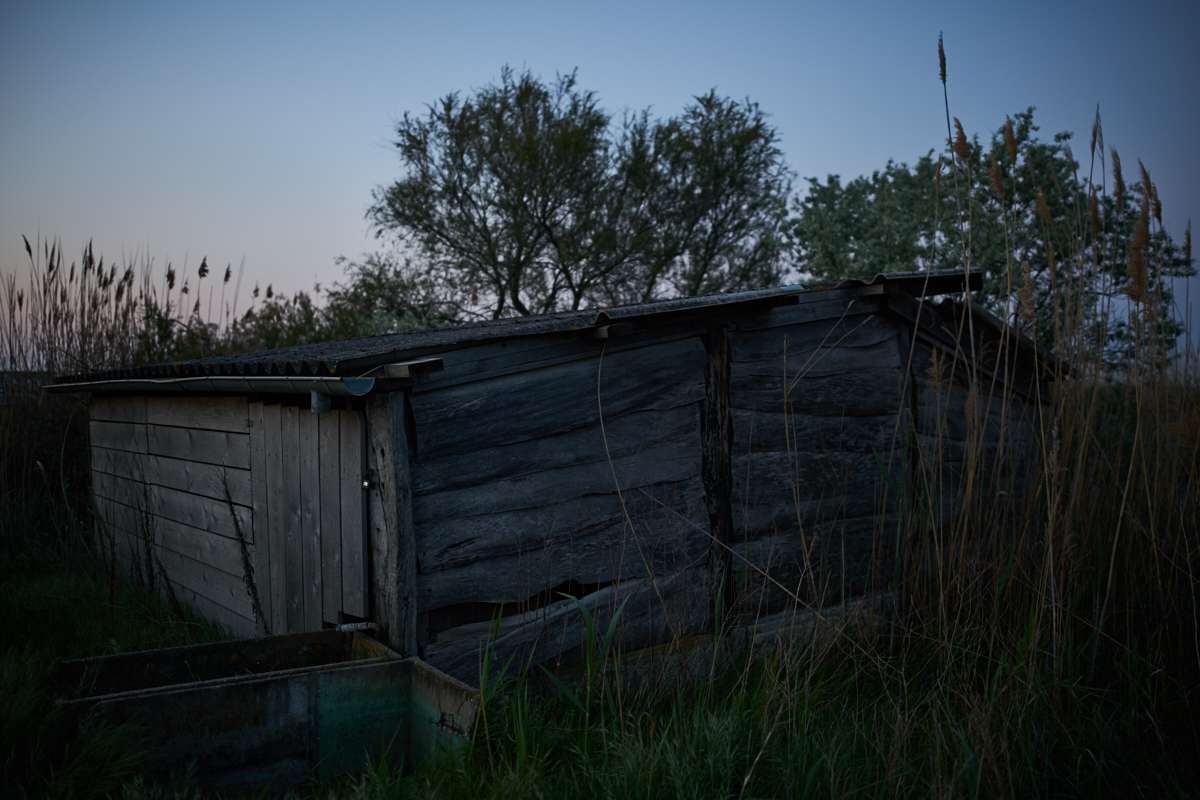
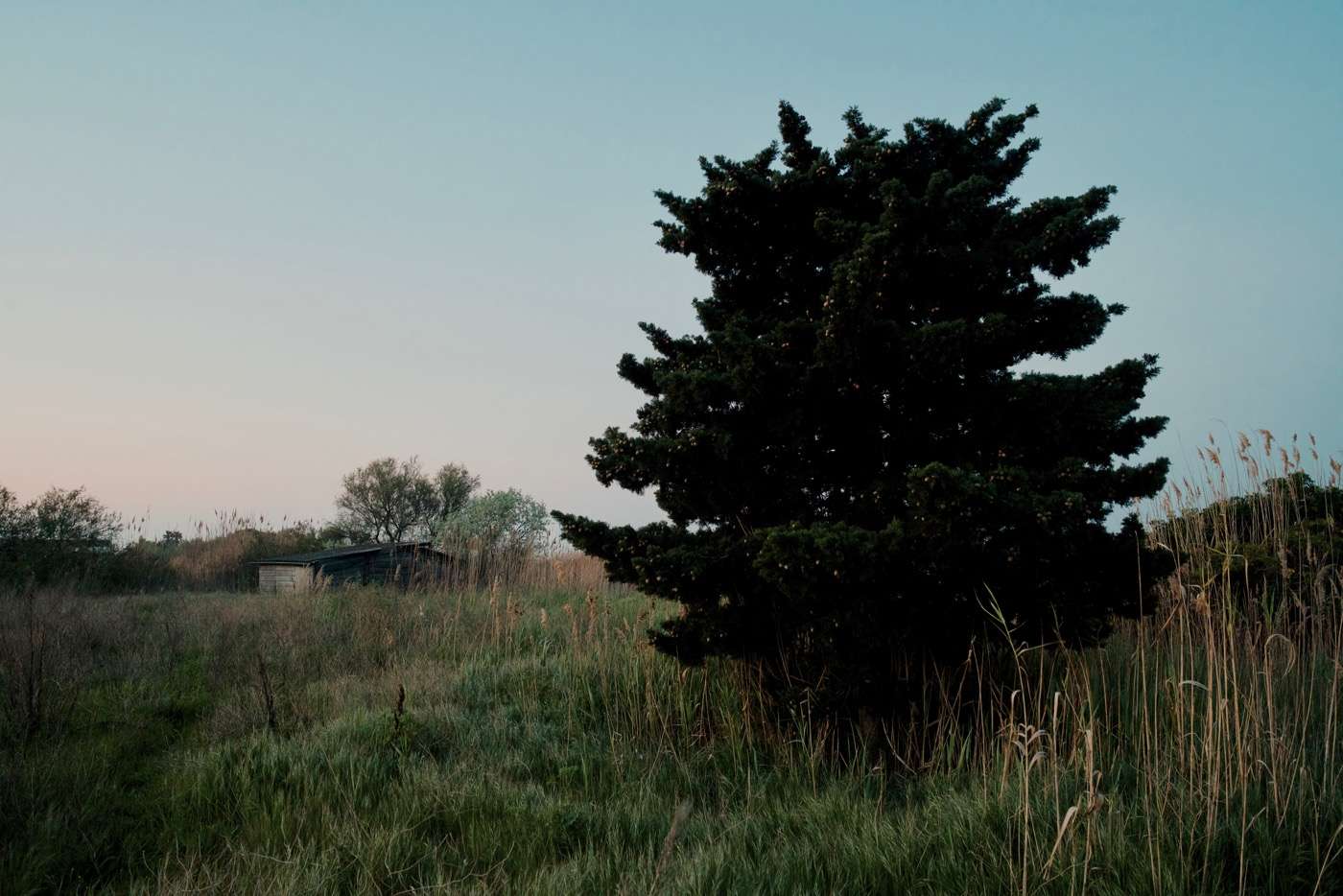
 Last shoot, next morning, another crack at the fortress walls yielded more marsh shots, and a lonely cabin.
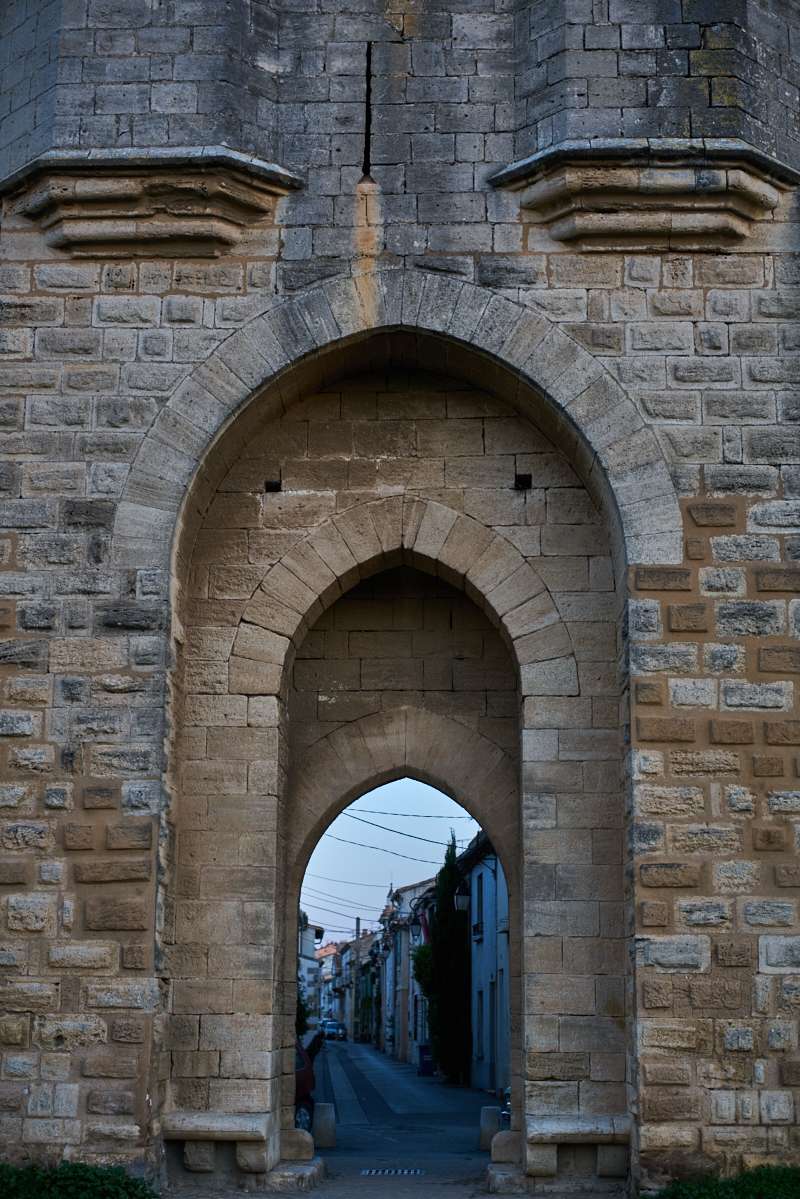
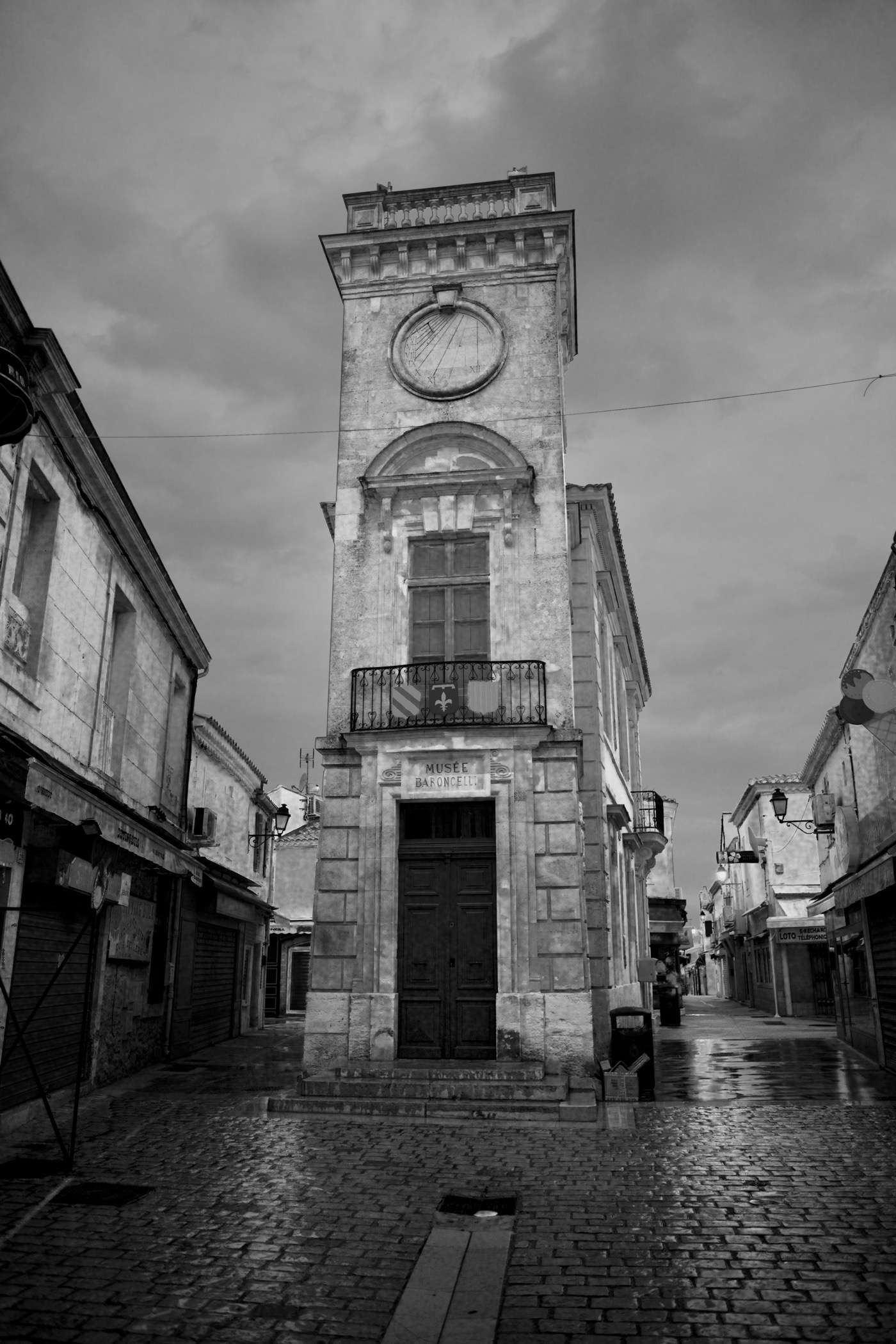
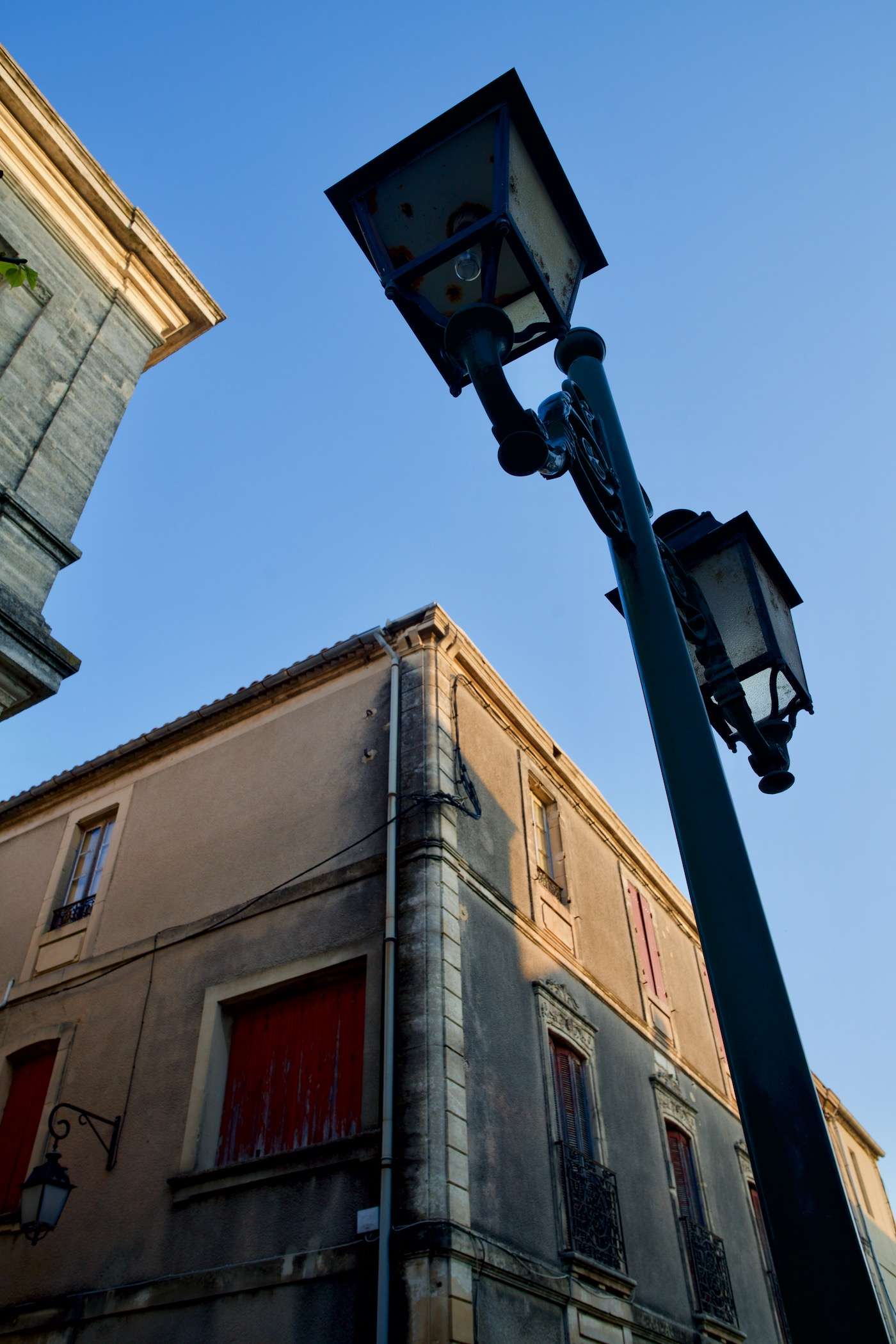
  Then a shoot inside the city, not an exercise for wimps. So Pascal shines, and I wilt.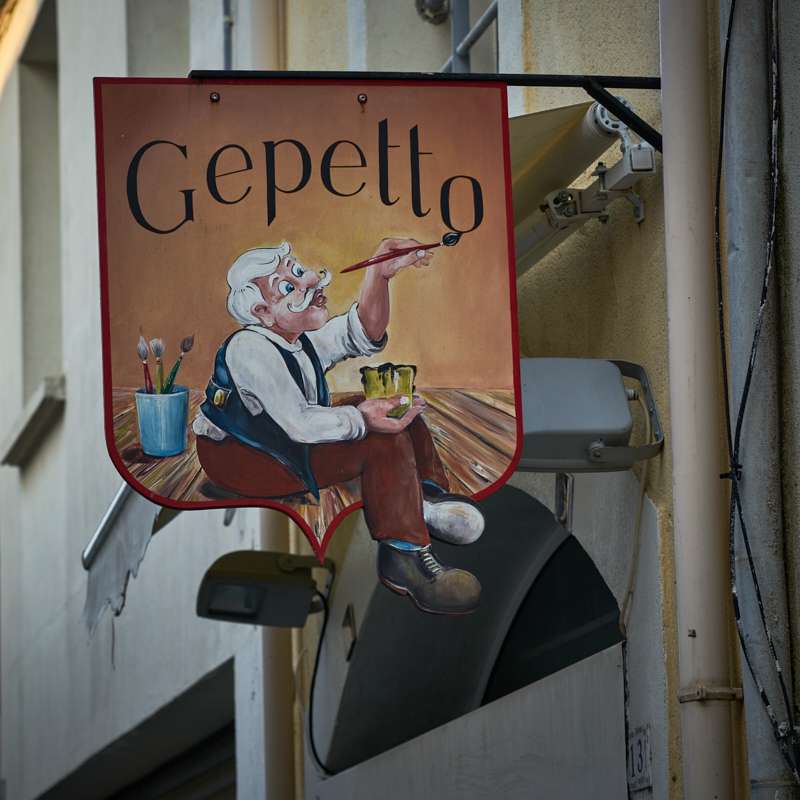
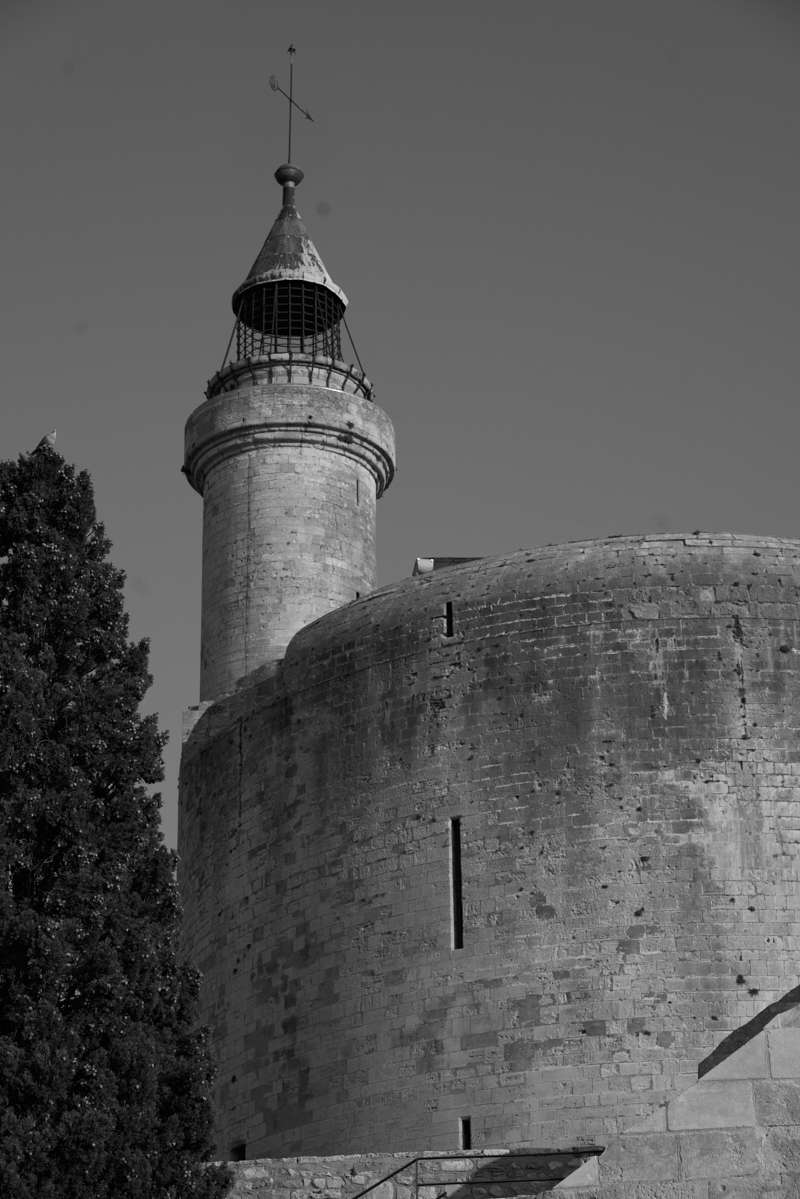
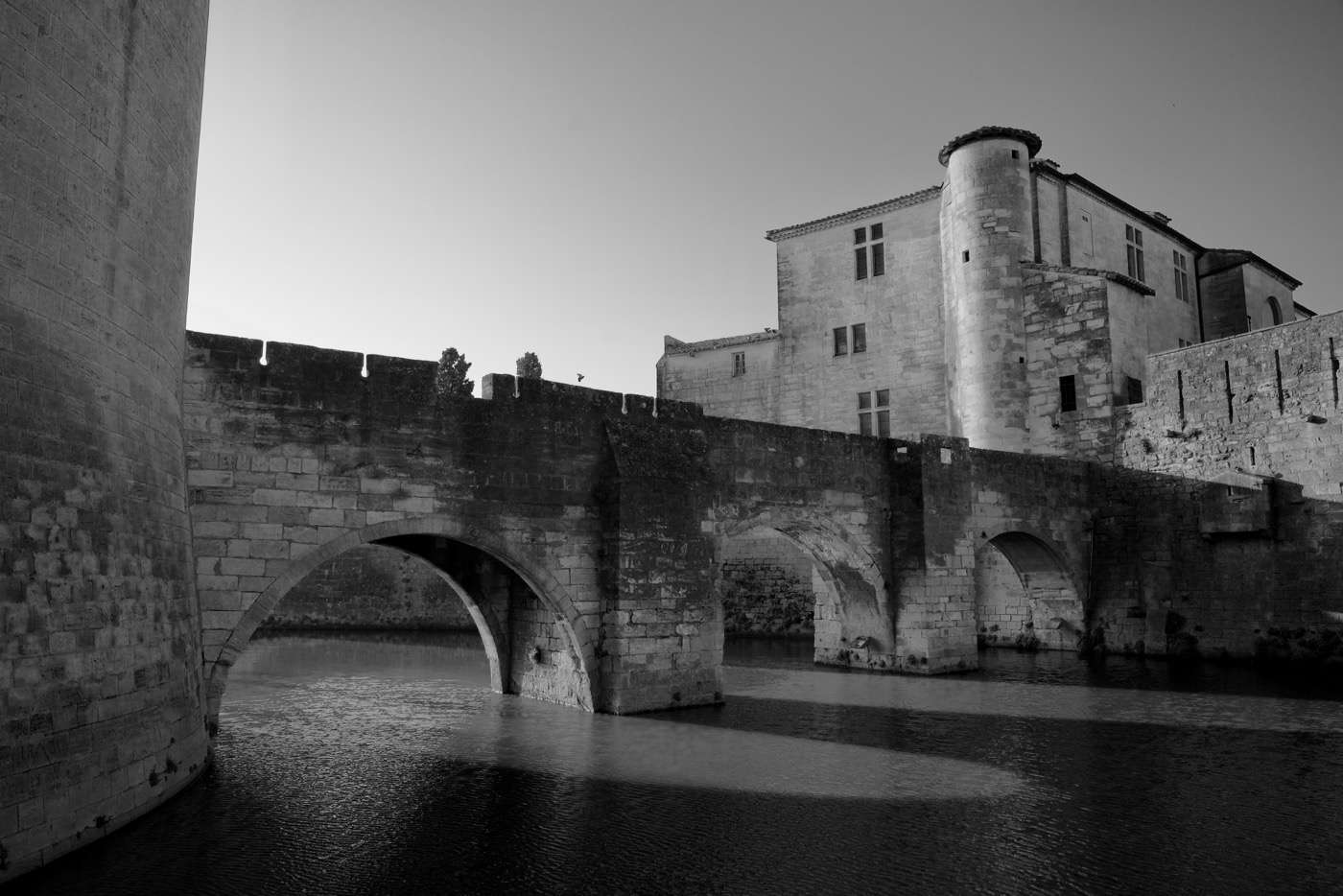 By then, both he and I were quite tired, our work (yes, it was a work meet) was well advanced, and it was time to go back to our separate homes. Pascal addsAs a cheap and antisocial so&so, I've always been drawn more towards this ...
 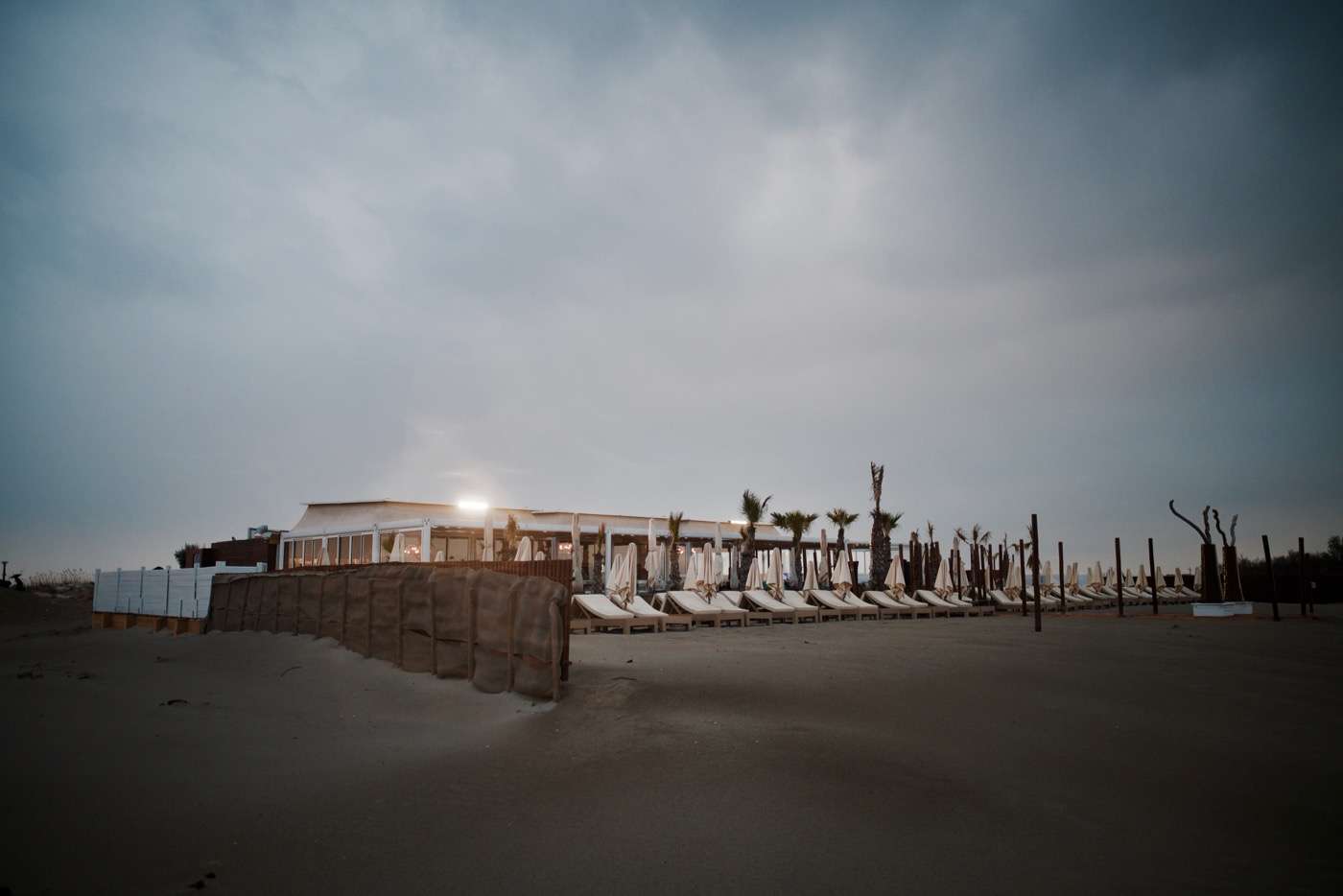 ... than to lining up in front of a famous cliff or castle, at the other end of the world, with 12 other togs, even knowing the social impact of my production would be far less spectacular. So my natural instincts take me to small villages close to home rather than to world-renowned waterfalls or tropical beaches. Plus, the idea of busting my whatsit in an attempt to recreate a photograph that's been done a thousand times, and probably not as well as the others before me, doesn't appeal much. So the concept of un-destinations really works for me.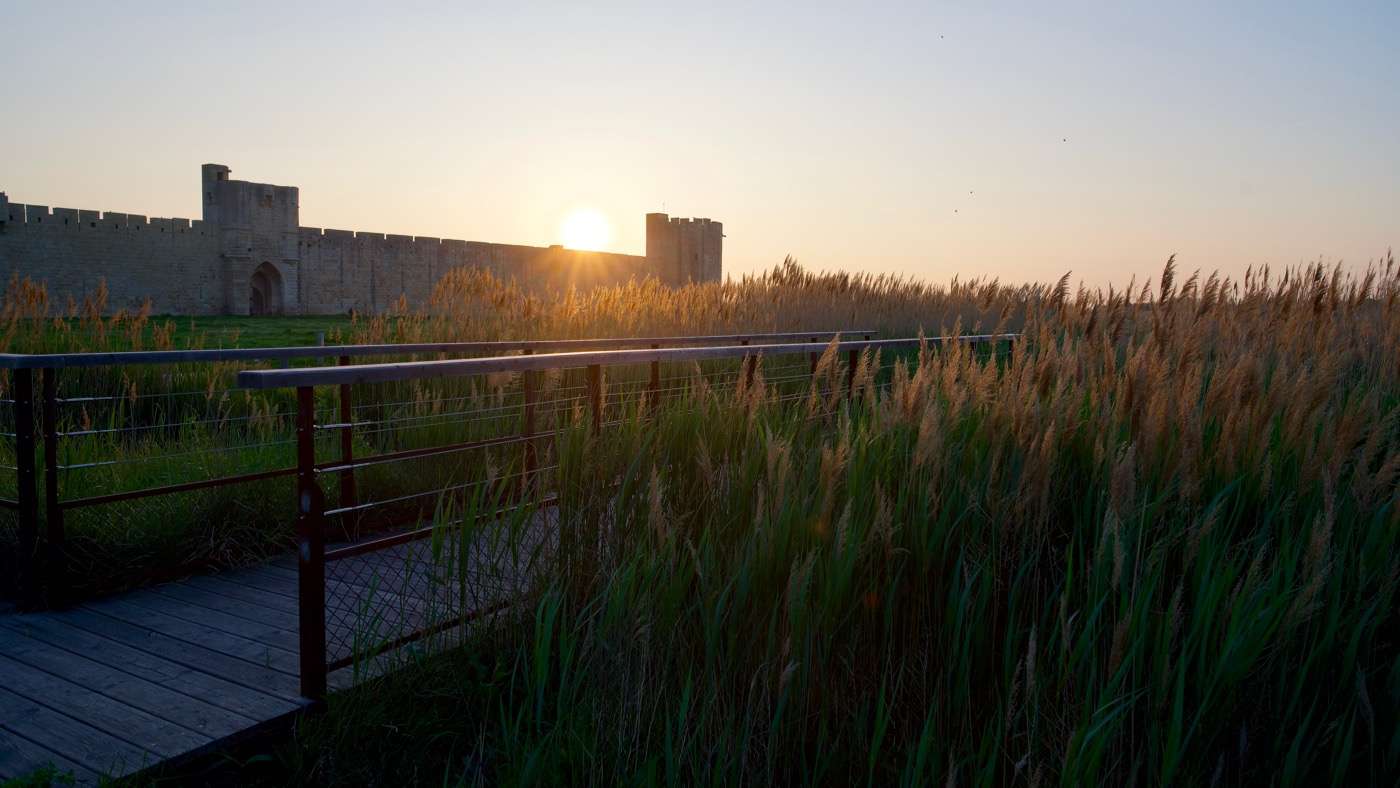
 To paraphrase Philippe's article on the subject, here are the rules of undestination photography :
- Close to home. Why fly to the other side of the world when others are flying to the other side of their world to visit places close to where you live?
- Cheap. This goes hand in hand with the previous point. A half-decent workshop in the Kimberleys will set you back 5-10 grand. A couple of nights in the hotel of the next-door village feels like pocket-money in comparison. How much more often can you afford that?
- Non iconic. If it appears on a google search for the "top 50 places for photography" it's a destination, not an un-destination.
- Photographs have convey a sense of place. An abstract of your foot on tarmac could be done in any location. Un-destination photography is about the area.
 This not to say that famous, remote locations such as the Grand Canyon, Uluru, Torres del Paine, Sossusvlei ... should be avoided. Take a look at Wild Places, Boris Buschardt's fantastic gallery, and you'll see just how magical those areas can be and what stunning photographs can reward your efforts. But there's the catch ... Boris is :
- Super talented. Everyone can work on that, not everyone goes that far up the ladder.
- Super dedicated. And can't stress this enough. Just read his comment on the introductory article on un-destination and you'll see just to what lengths someone really dedicated will go to create optimal conditions.
- Super committed. He'll scout for hours before any trip and go back to a promising location over and over again just to check whether the odds aren't better than during the previous visits. I've never had the pleasure of shooting with Boris (yet :) ) but Philippe has, and his admiration is boundless. Watching someone fight 60mph sub-zero gales for extended periods in order to secure that 1 long-exposure picture, does that to people.
Shiprock Storm, one of my favourite landscape photographs of the past years, tells a similar story about its author, Mitch Dobrower : 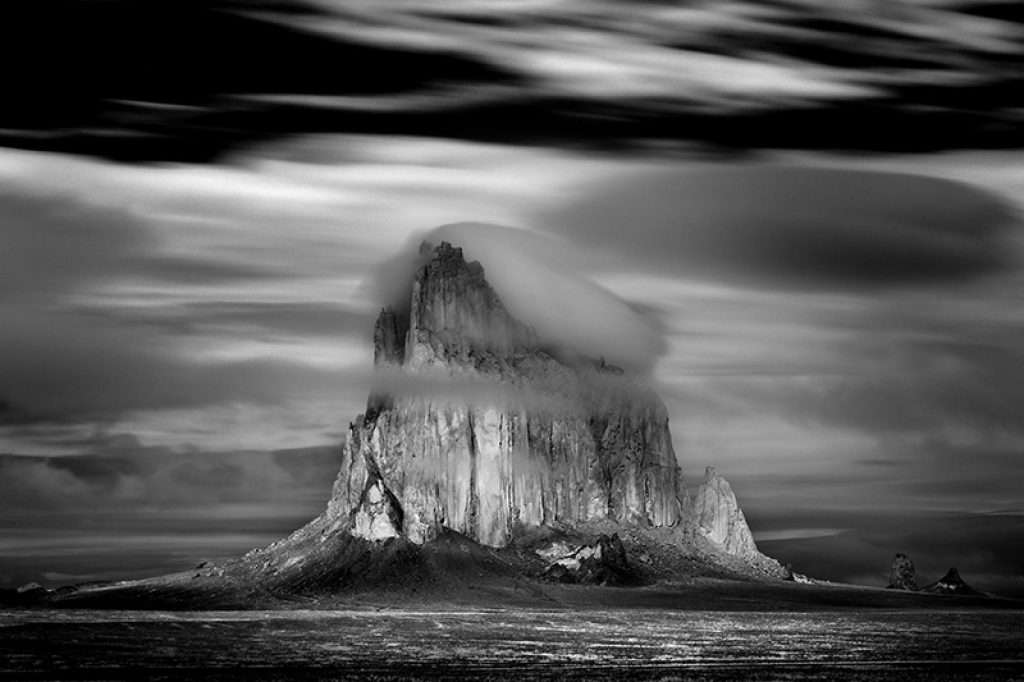 In an interview by George Barr, he explains his 100 miles daily return journey, through rock, snow, mud and sand at 4.30 AM for 8 consecutive days just to scout the photograph !!!!My point is that, unless you are prepared to approach iconic landscapes with a similar mindset, you're only setting yourself up for disappointment. There's a reason pros have 50 photographs in their galleries and 100 000 on their hard drives (most of which, most people would consider fantastic in their own right but don't make the grade for their author).All the inspiring pics of these famous places are really not representative of what even a good photographer will achieve without that sort of approach. Visiting one after these masters of the craft is like dating a porn-star's ex ...Un-destinations do not set the bar at any height and you're happy to return with a good photograph, even if it doesn't match the sublime light someone else managed to get after 11 visits.
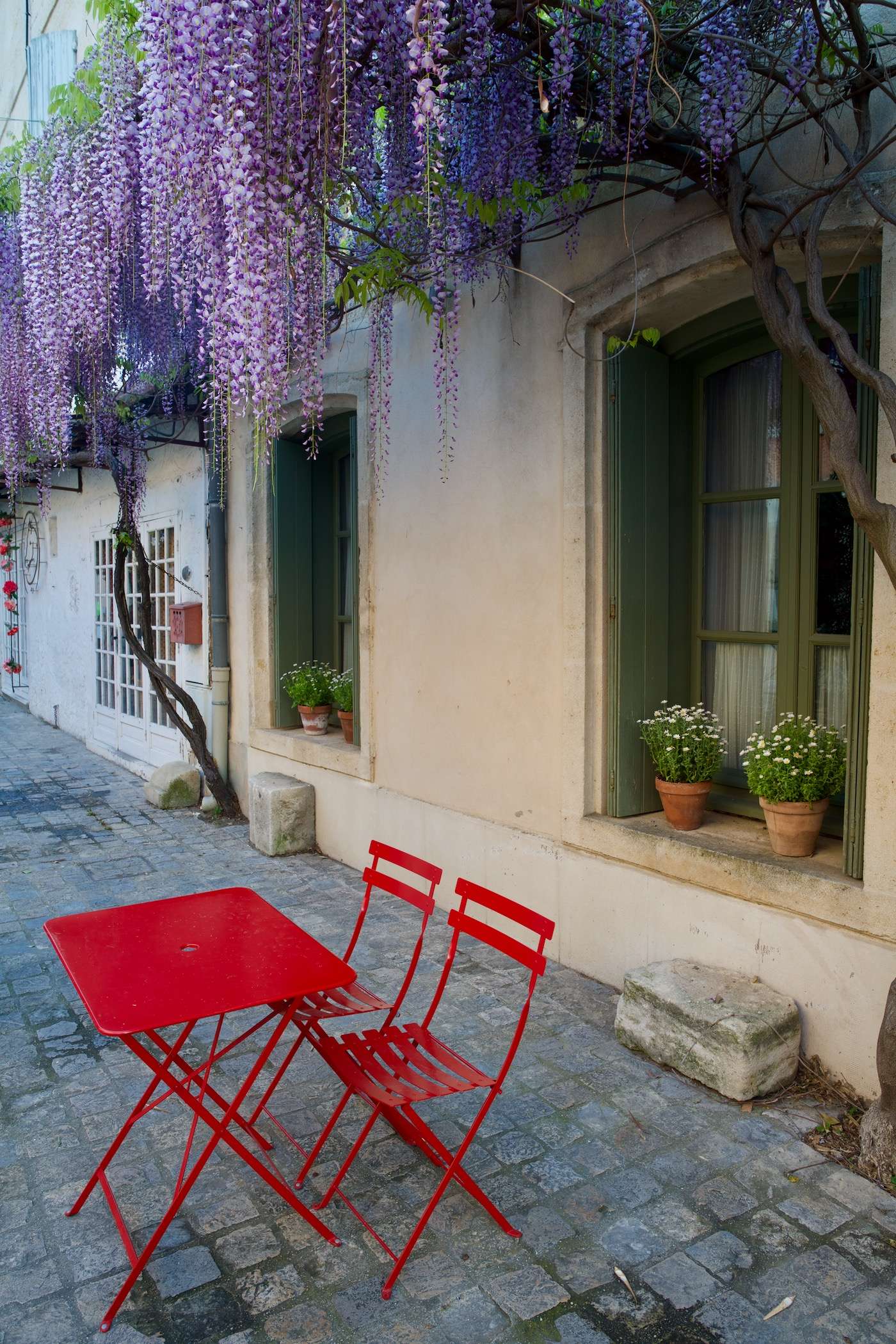
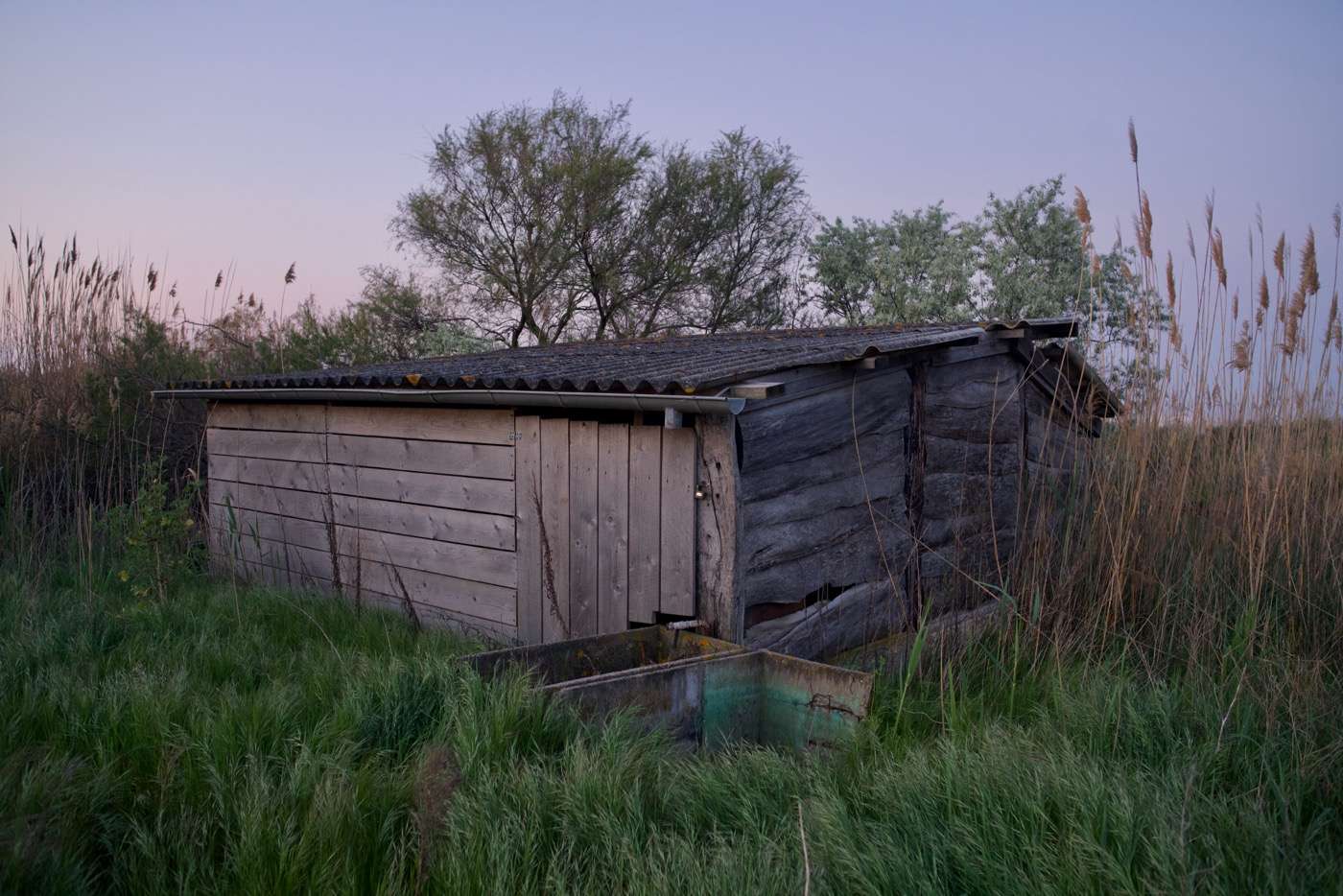
 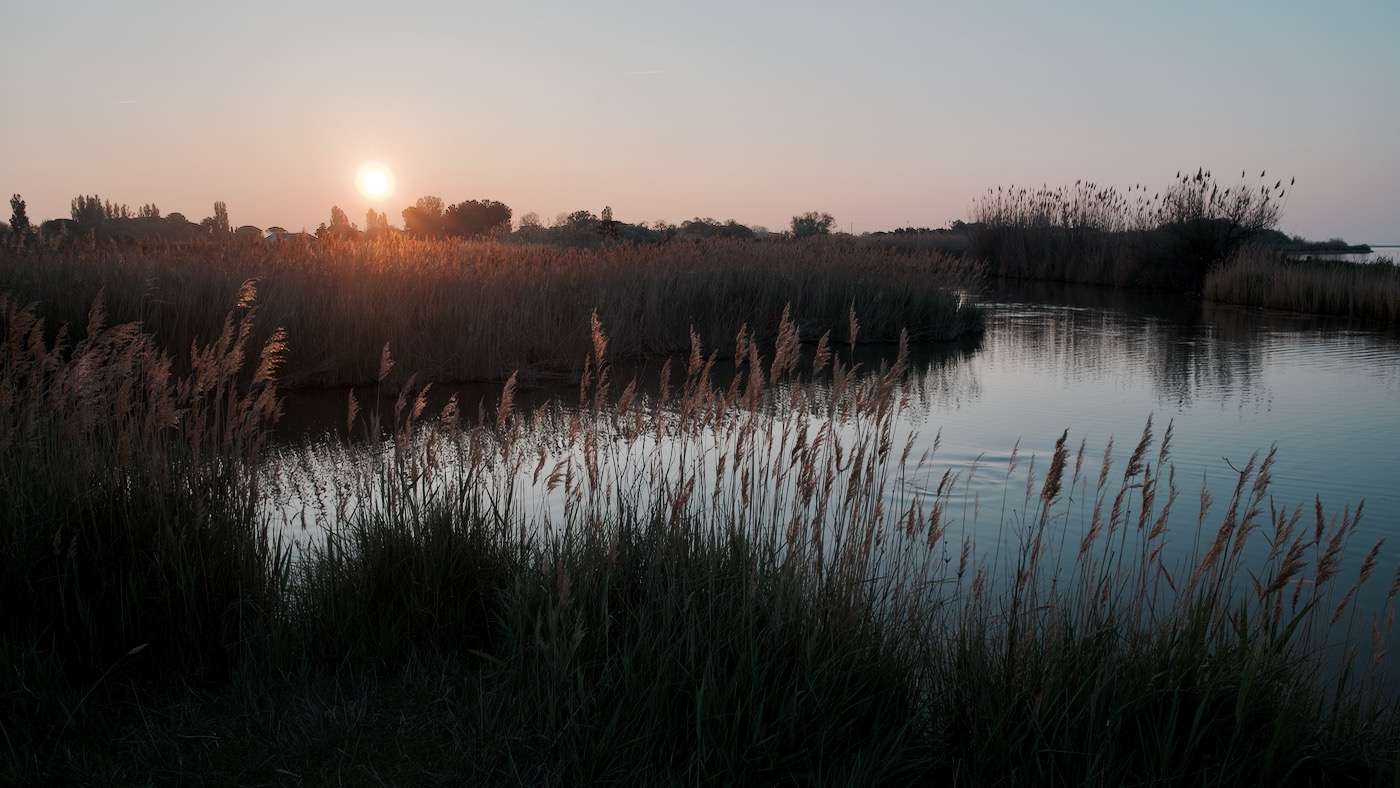 A second point in favour of un-destinations is the joy of discovery. Turn to Google's images result for Aigues-Mortes and you'll see that, except for a salt-marsh that turns red-pink in the summer, there's not a lot to feel amazed at. In a way, that's a double-edged sword. The joy of shooting "uncharted territory" is mitigated by the very distinct possibility that you'll waste some time on uninteresting tosh.That happened a couple of times during our stay but not one of our 5 shooting sessions was a complete waste of time. We were always able to walk about and salvage something like the wisteria above or the horse and the derelict cabin below, all of which are really representative of the area.
 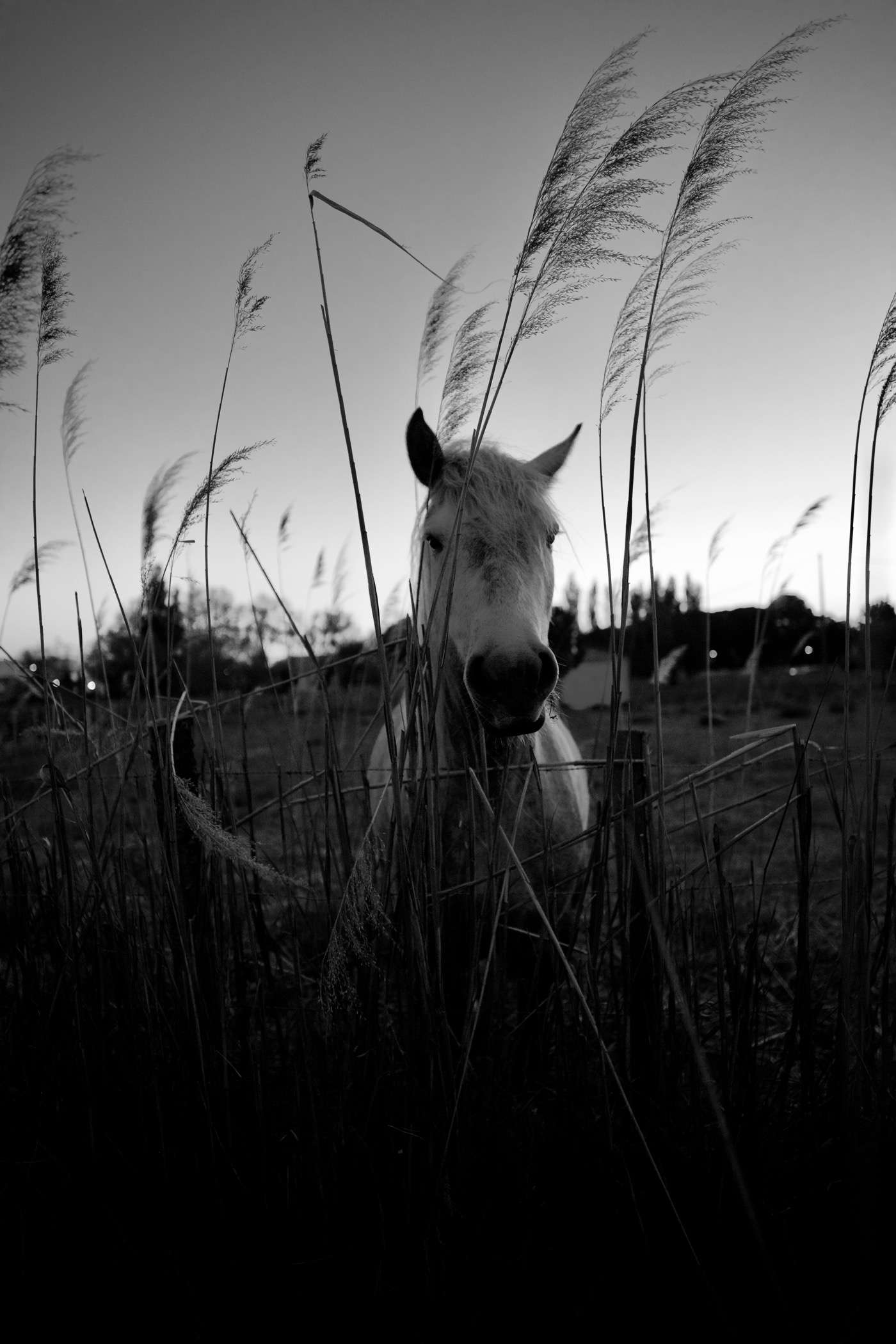 None of those is going to win a landscape photography competition, but all 3 are good photographs in their own right.
  Shooting as a duo opens up endless possibilities for fun, too. And, although that's a topic for another article, I do feel that being in a low-expectation location favours the fun-factor by lowering stress and obligation to deliver. Had we been on a schedule to produce the goods, I'd have probably left Philippe do die, eaten by this rataconda, a local 24 foot monster that terrorizes tourists during the summer months.
 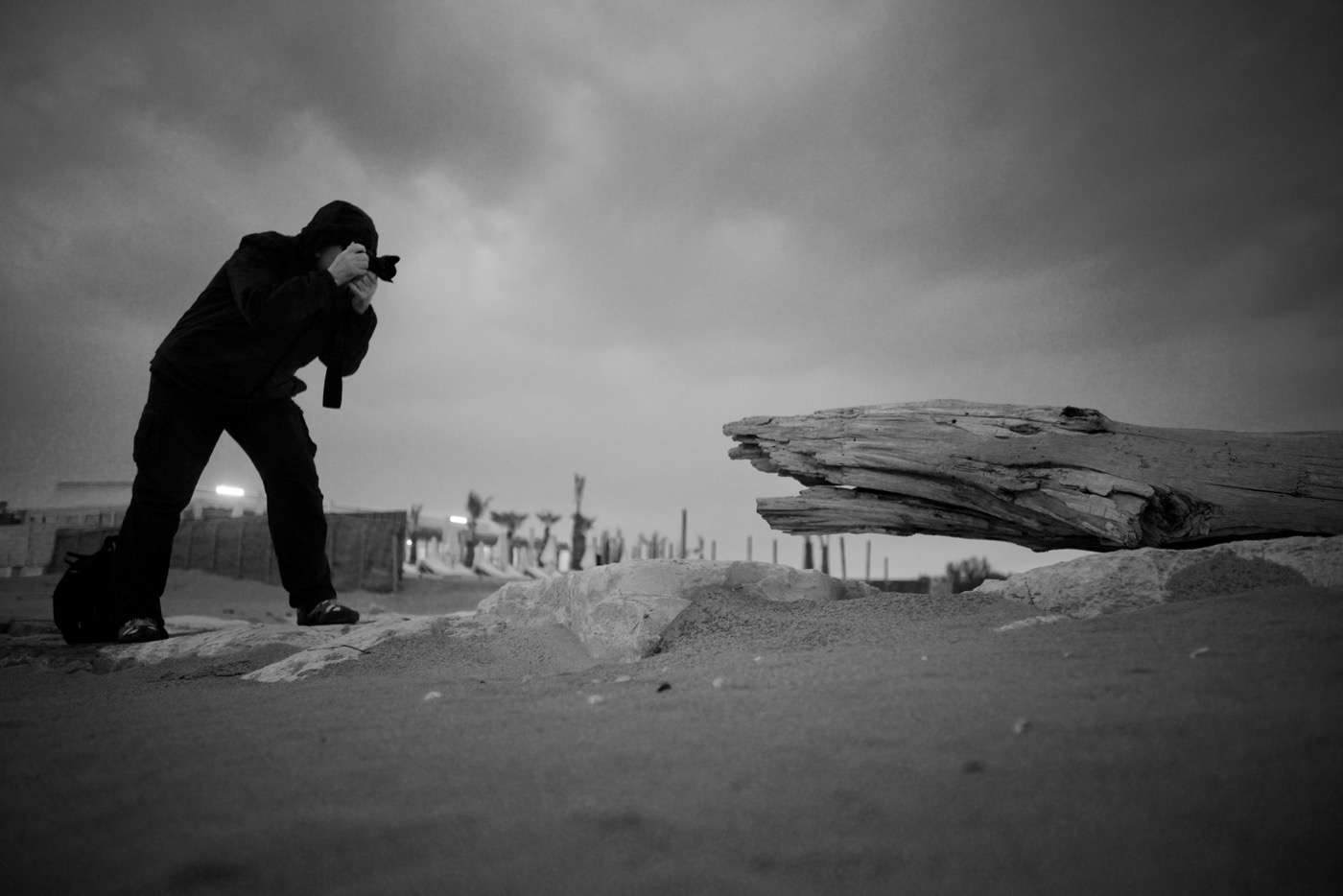 Add the cheaper costs (we set ourselves a 400€ budget, travel included and were roughly on the mark) easier planning, greater contact with local culture and you have yourself a winner.
  Downsides ?Well, as Boris explains in his comment to the previous article in this series, he'd rather create one masterpiece of a world-class location than 1000 merely photographs of a less spectacular one. This is not what Aigues Mortes, or the concept of un-destination, have to offer.And, apart from the previously mentioned possibility of wasting your time here and there because few people have scouted for you, there's one other that really comes to mind.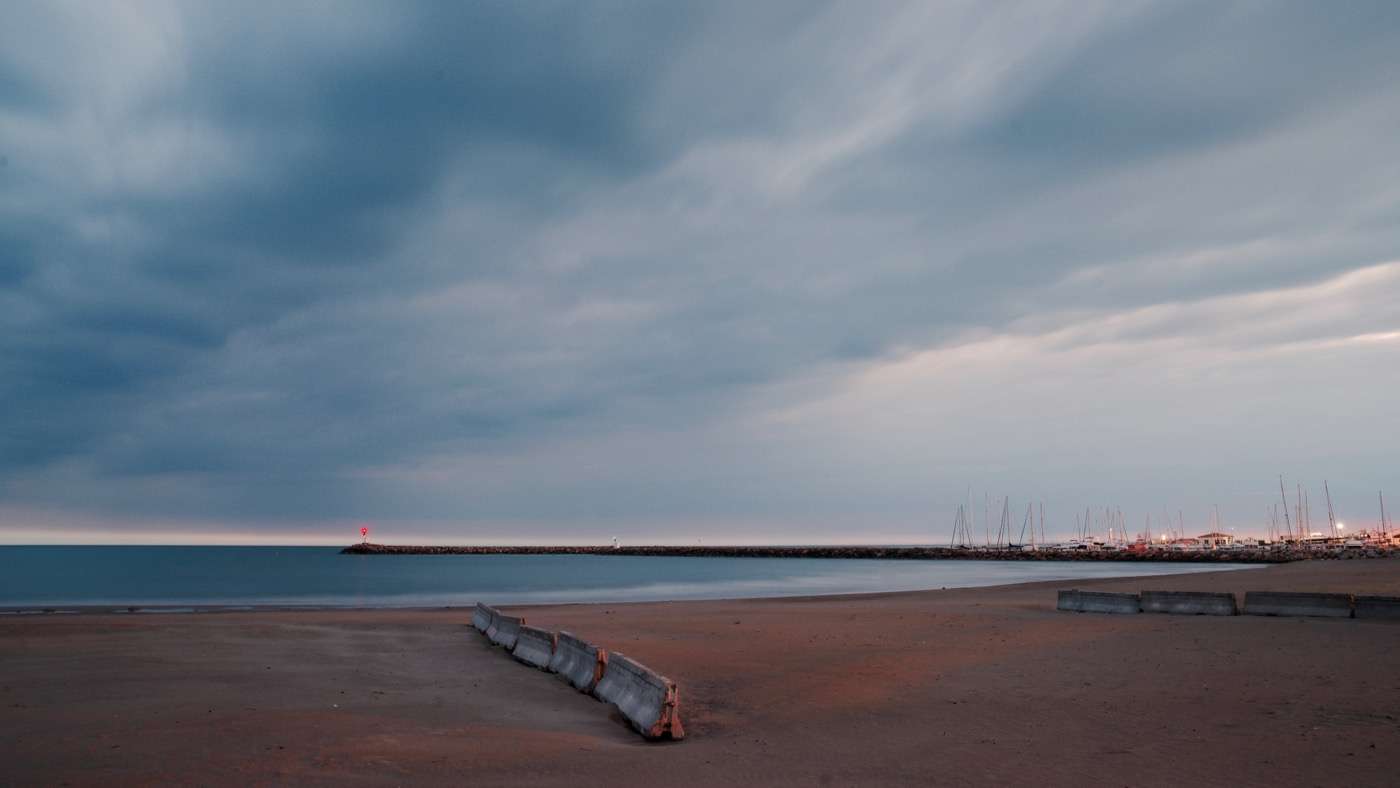
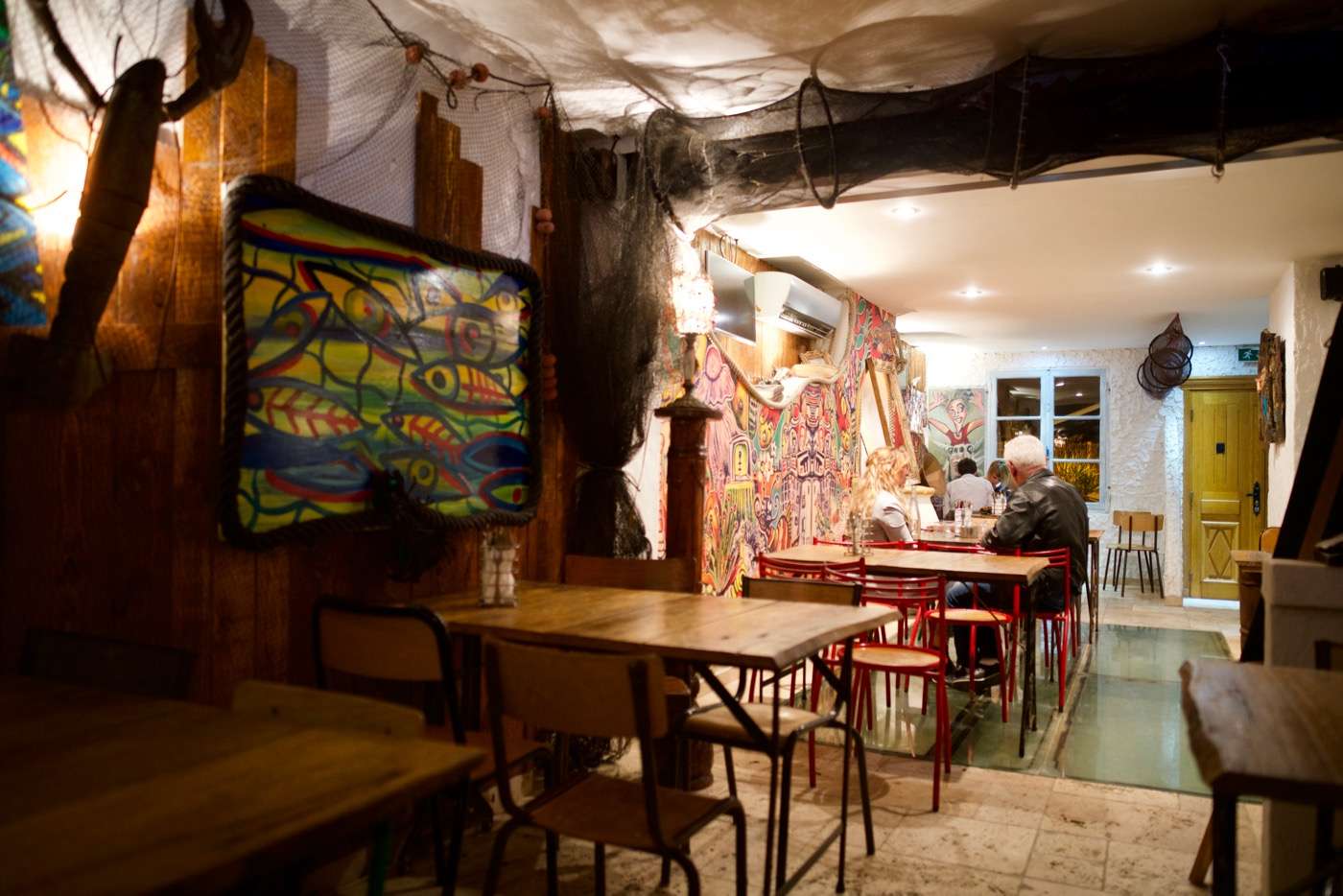
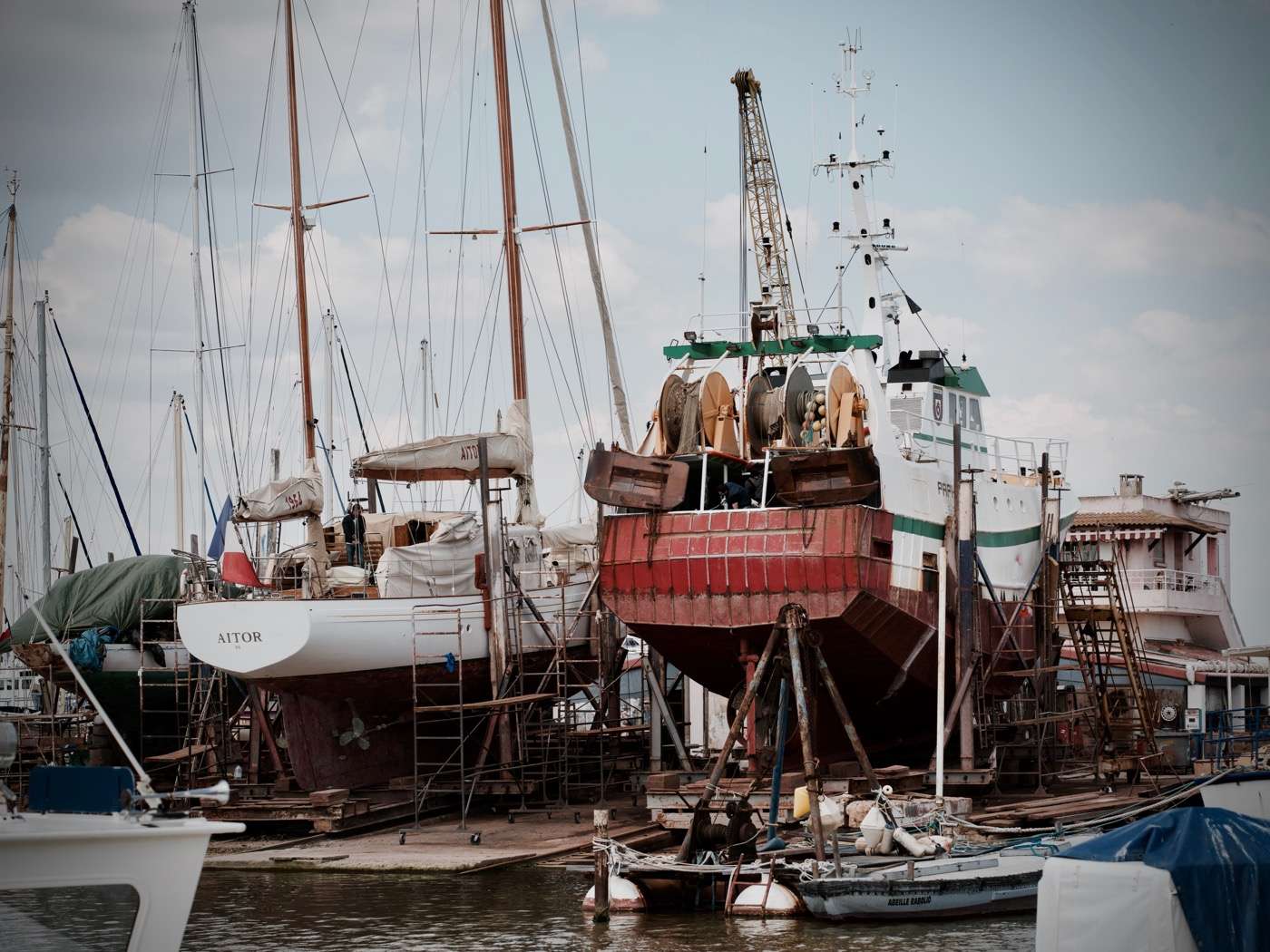 Mentally, it can be quite tiring. Unlike facing the Eiffel Tower from the Pont de Bir-Hakeim or the Houses of Parliament from the London Eye, you have to look hard for your photographs. After 90-120 minutes of that, I was usually completely out of mental steam and in need of food and rest.
 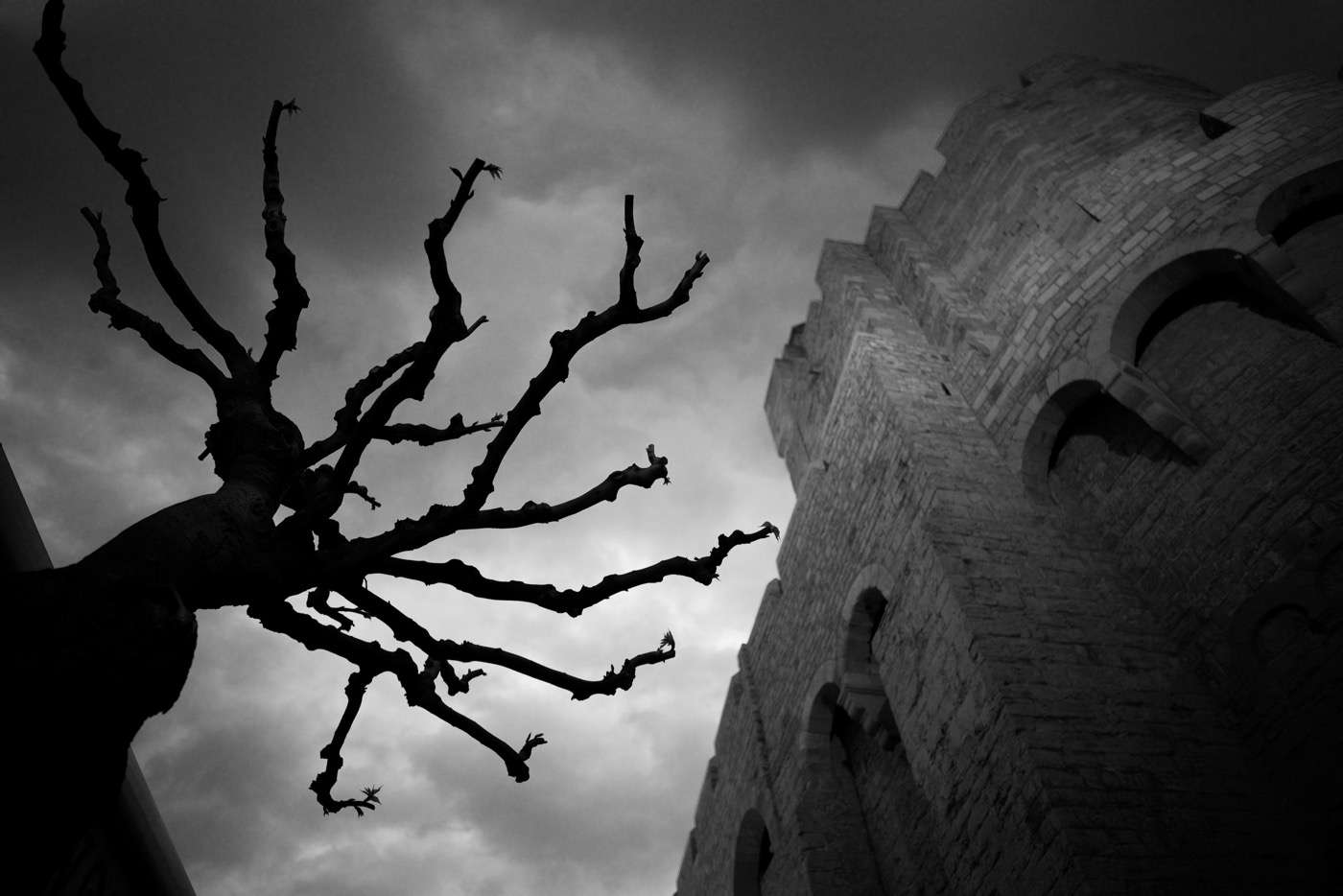 Besides, off-season often goes hand in hand with this off-the-beaten-track school of thought. So, sometimes, it doesn't feel worth the effort. But it always is ! We hesitated several times about leaving our comfy room for a stormy and uncertain shoot but, in the end, were always happy that we had.
  One final thought : photography websites are partly responsible for creating the problem of over-crowding in many beautiful areas of the globe. So it might not be considered very logical / fair / responsible to complain about the phenomenon and contribute to it by writing articles such as this one. Hypocrits, us ?My reasoning is the exact opposite.There are maybe 100 really iconic spots on the Earth and maybe a 100 times more promising un-destinations. So, by encouraging you to visit the latter, we're probably unclogging the former ever so slightly. Therefore, we shall soon create a small photo guide of the area, and of each of our next un-destination trips !So, if you'll excuse us, we need to collect our Peace Nobel Prize lolly for that exemplary deed, now ;)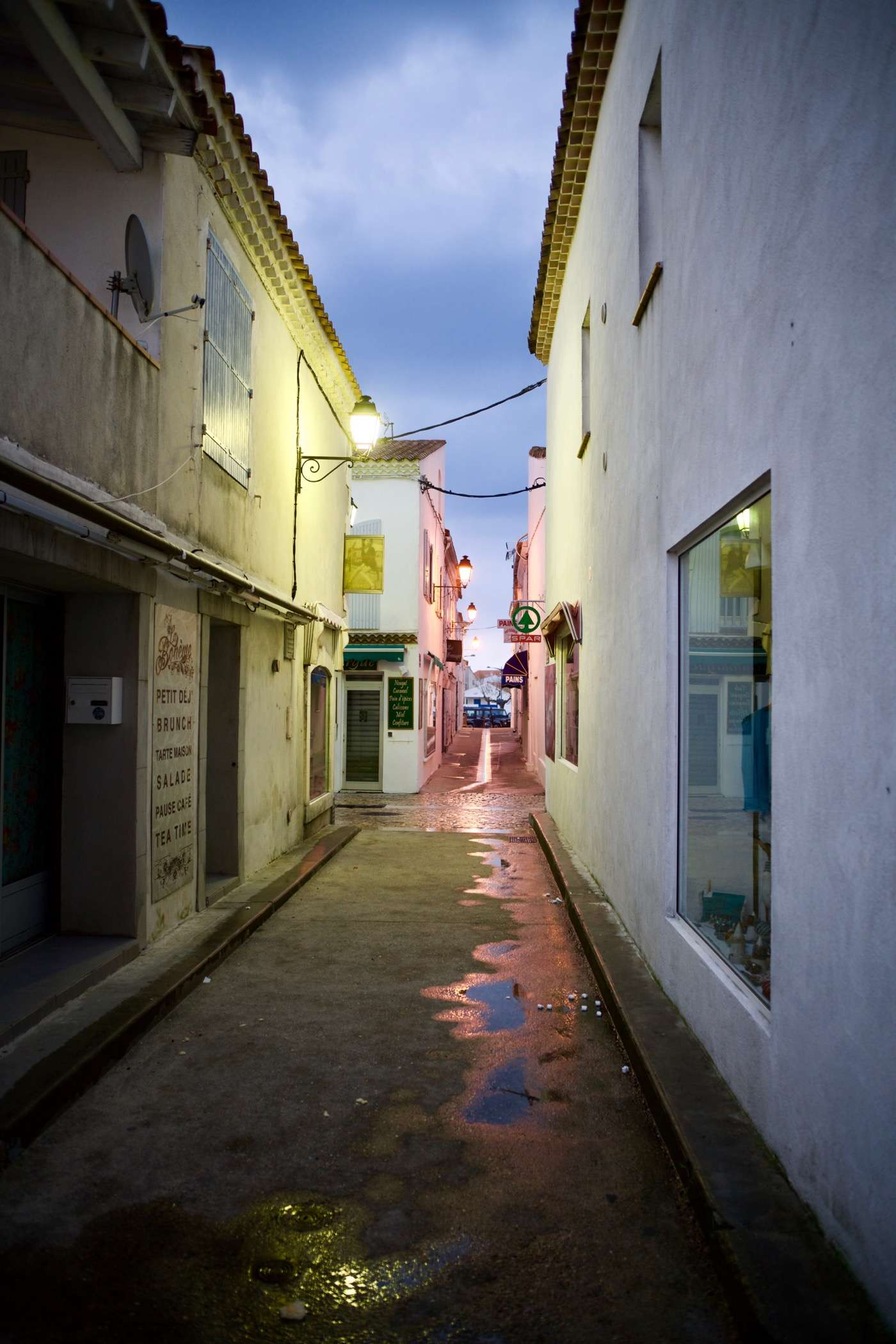
 OK, how did we do ? Are we close to convincing you to focus your photography trips on the less-frequented areas or are we just off our rocker ? ;)
[hcshort id="7"]