
#302. What is Travel Photography, Anyway?
A very interesting recent exchange with an InSight: Guide reader brought to the front this important question : what is travel photography, anyway ?Our reader quite justifiably expected our guides to contain much more information on how to photograph the iconic sites of the cities we cover in a novel or advantageous way. Which we don't, and don't intend to.The desire to photograph famous buildings and locations is legitimate. But it comes at the expense of far more fruitful experiences. 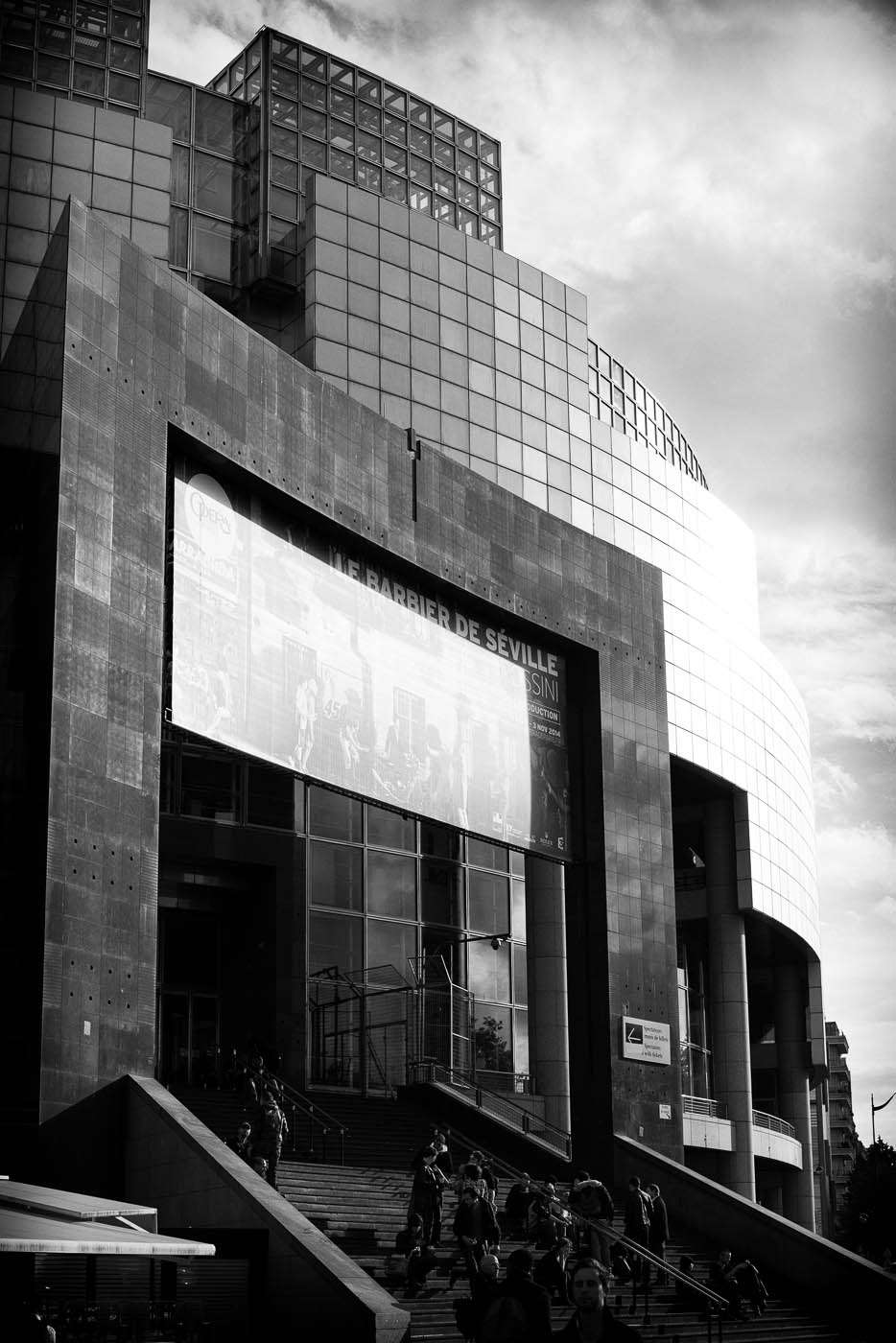 You need to examine your reasons for wanting to do so. After all, famous isn't always beautiful or photogenic.Of course, there's always the "me in front of ..." justification to elbow rubbing for prime tourist real-estate. And it would be a great satisfaction for me to be able to take the "culprits" by the hand and show them how to turn that pouting-mouth V-sign simili-portrait that will fade away with the million others into a work of art they would justifiably be proud of for decades to come. But that would be stealing their fun. No good.There are also all the enthusiastic first-time - or, even once in a life time - visitors to a distant city that want to bring home the magical moments in a digital card. And there too, how magical it would be to pass a wand over the camera and turn every frame into a Peter Turnley or Ernst Haas masterpiece. Wish I could do that to myself, if I'm honest ...Then there's the trophy collector instinct that has to be fought with utmost willpower. Buy a hard-rock café T-shirt instead and focus on meaningful photographic experiences.All this may sound very pompous of me but all of us here on DS have spent far too many miles in the air between countries, exhausted far too many shutter blades and made so many rubbish shots that we have learned the hard way the disappointment that comes with crappy photographs with no lasting impact of what seemed so exotic and wonderful just days before.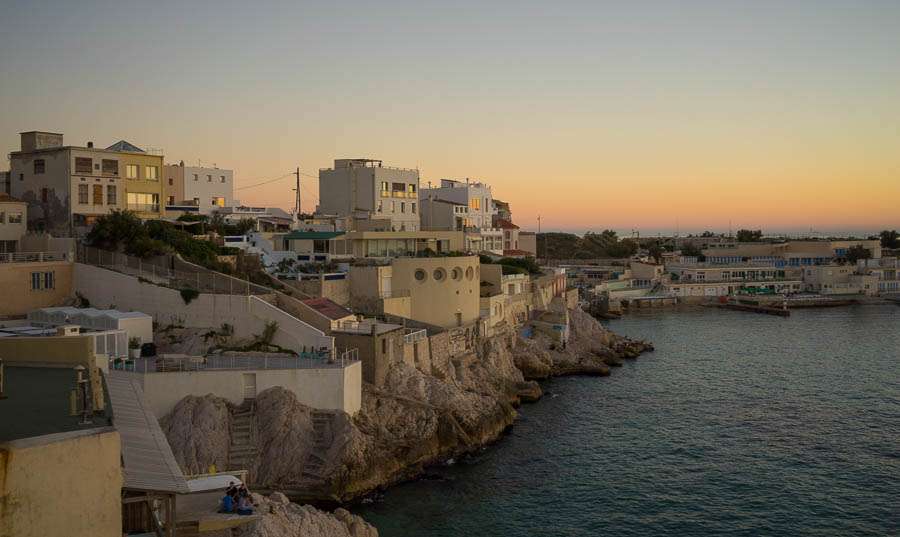
What is wrong with photographing famous buildings, then?
In no specific order: hordes of tourists, groups, buses, sign-posting, security, and other photographers, just to begin with.Also, the images we associate with travel have become iconic. We come to them with an idealized mind picture far removed from reality. Ask children to draw a house and some sort of archetypal response will lead them to draw a double roof, windows on either side of a door and a nice chimney. We bring the same mental constructs to the Eiffel Tower, houses or parliaments or Sidney opera. And while some of these places come close in real life (the Taj Mahal, for instance) most rarely do.Then there's the fact that we come to them with pre-conceived expectations. Anyone having admired Clearing Winter Storm will be disappointed with the actual valley scene on a sunny summer day and with their own photographic rendition. The truth is St Ansel didn't just stumble upon that scene (although he apparently did stumble on Moonrise, Hernandez). Yosemite was his playground and he returned numerous times to this spot before the conditions aligned for the keeper shot. You should read the story behind Mitch Dobrowner's stunning Shiprock Storm. After an 800 mile drive to Navajo land, Mitch drove and walked hours in the freezing cold morning after morning, waking up at 4 AM for 8 days until the right conditions presented themselves.That isn't travel photography ! 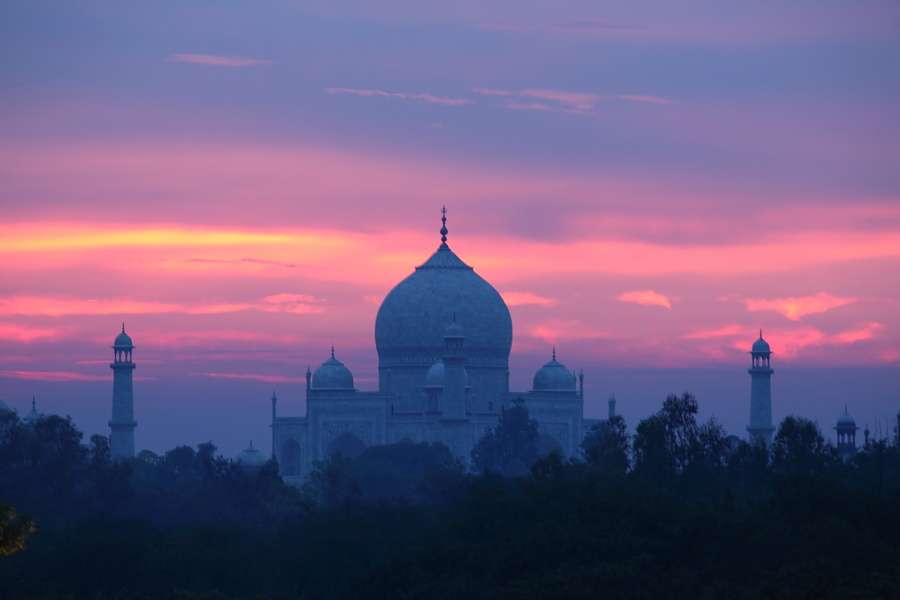
So, what is travel photography, after all ?
Bear in mind this is my personal point of view.But certainly not this ... ;) 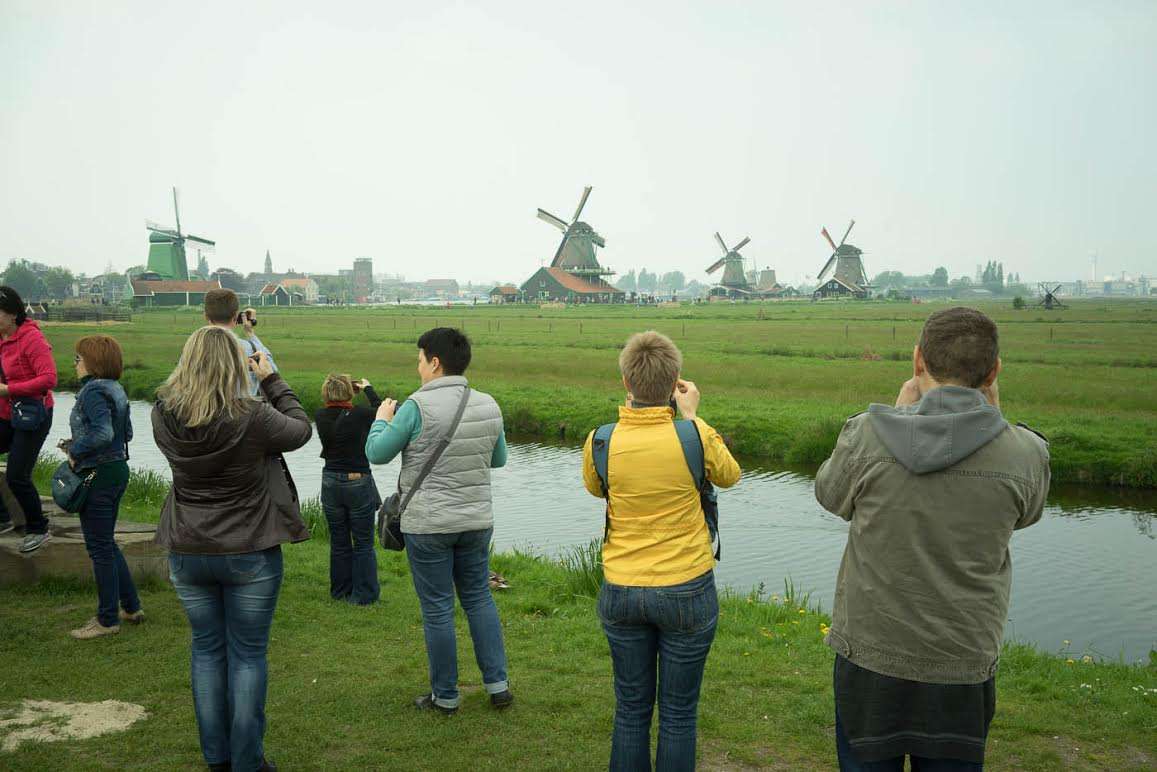 Have you heard about Corrine Vionnet ? If not, take a look at this fascinating gallery before reading the rest of this page (be sure to view picture 19/20, by the way, and compare with the photo above)
 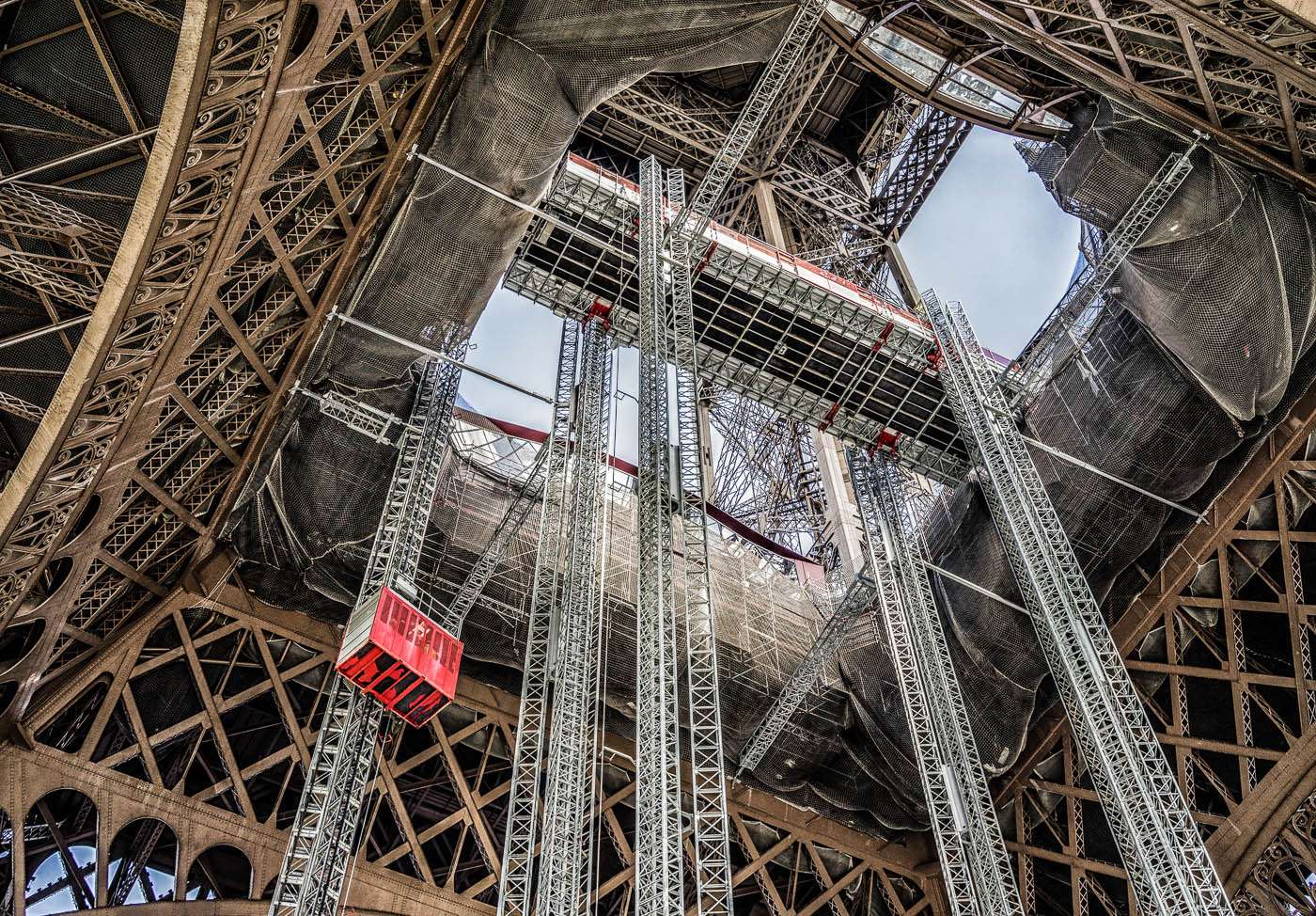 What you've just seen are superposed images of thousands of tourist photographs of famous icons found on photo sharing websites. Those photographs are so depressingly similar that they can be overlaid and shown to match more or less exactly.Above is a view of the Eiffel Tower, which I find much more interesting that your usual pointy thing image (which, from the Trocadero is shot directly into the sun and very rarely pleasing). Read more and compare the two images here.Second piece of evidence (but finish this page before you read that, it takes a little longer) : On Photography, by Susan Sontag. This blog is called DearSusan because of that book. You owe it to yourself to read it at least once in your life but let me sum up one important take away : photography done as a recording medium for memories is bad. The book will explain why ;)
 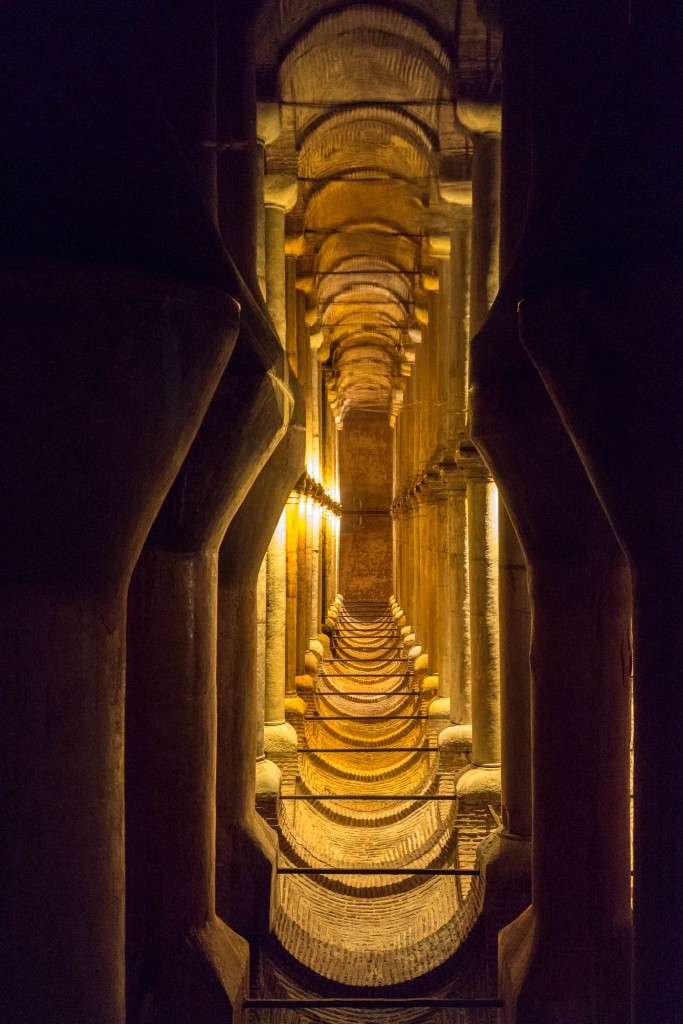 Having made clear that, for me, travel photography isn't about famous icons, I'll venture it really is about finding yourself in a spot you resonate with and getting your creative juices flowing to produce a piece of art that describes your feelings.Travel photography is first of all about photography.So, in spite of Jonathan Jones' peripathetic meanderings, it is about creating art. It isn't called travel trophy collecting. It isn't called travel adherence to social convention. It is travel photography and provides you with an opportunity to express yourself freely like few other situations do! Make the most of it. Don't stick to conventions. Find what you love and create great pictures from that raw material.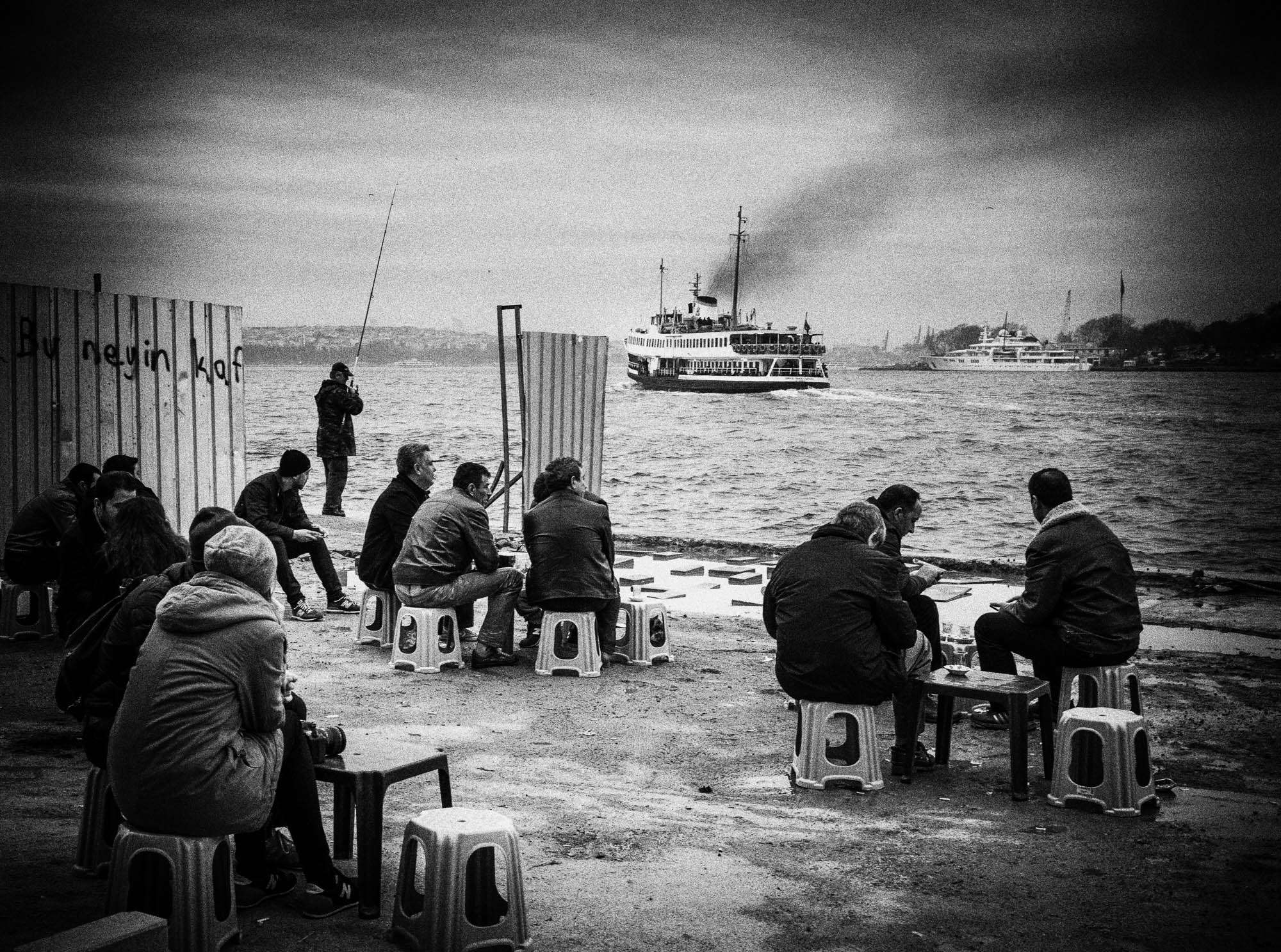
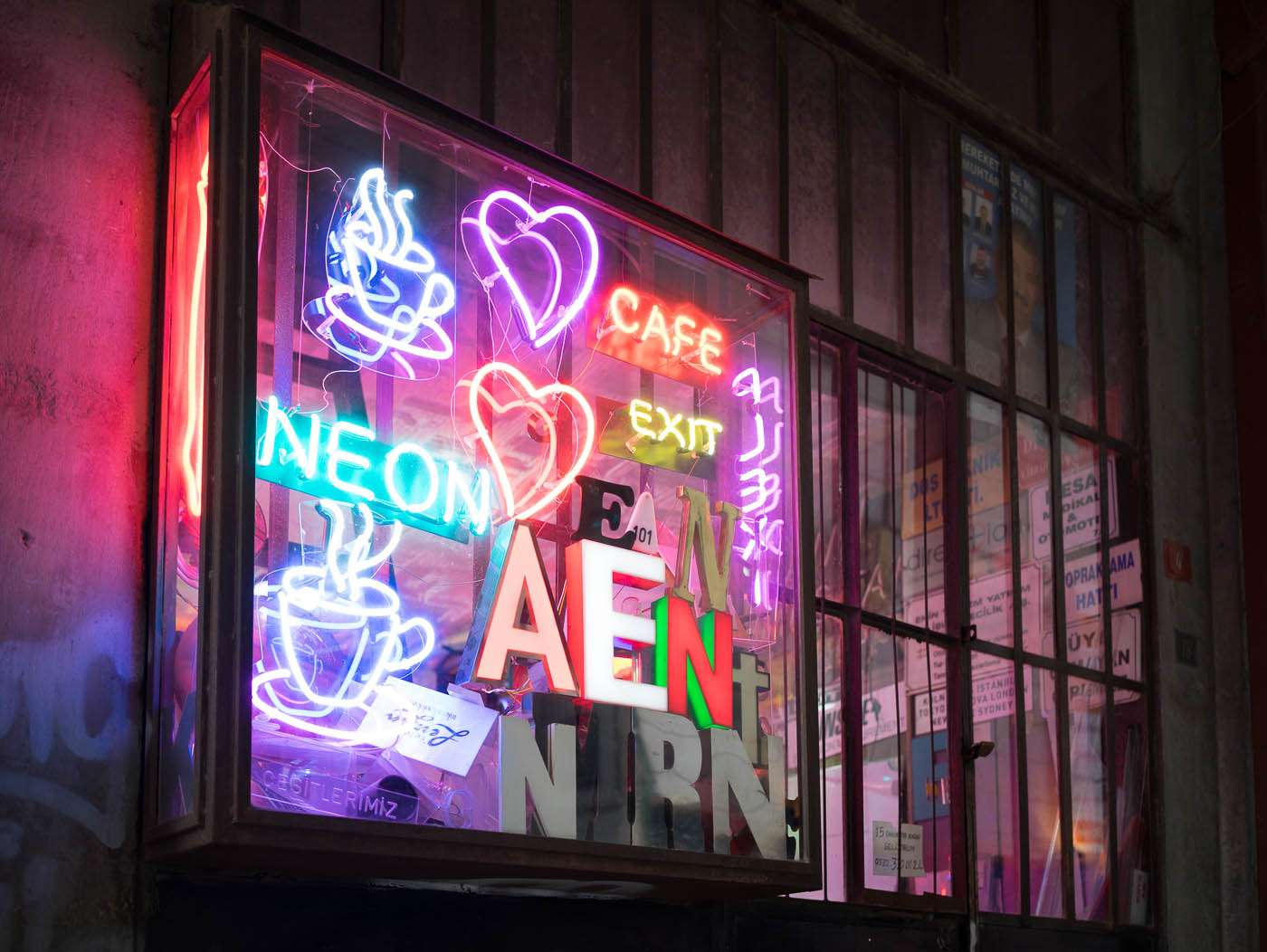
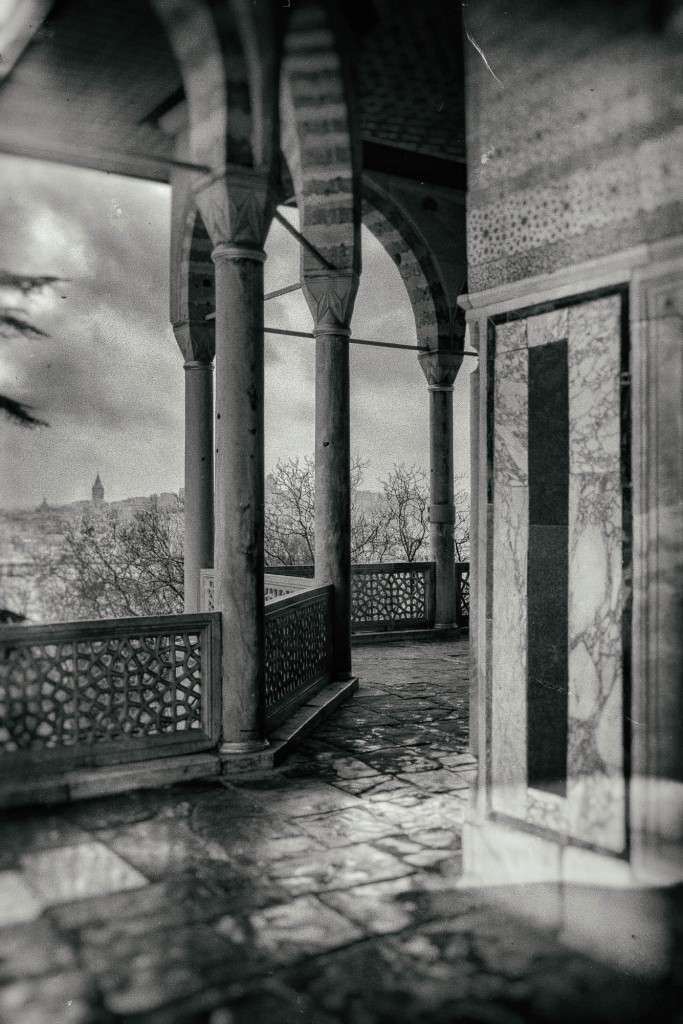
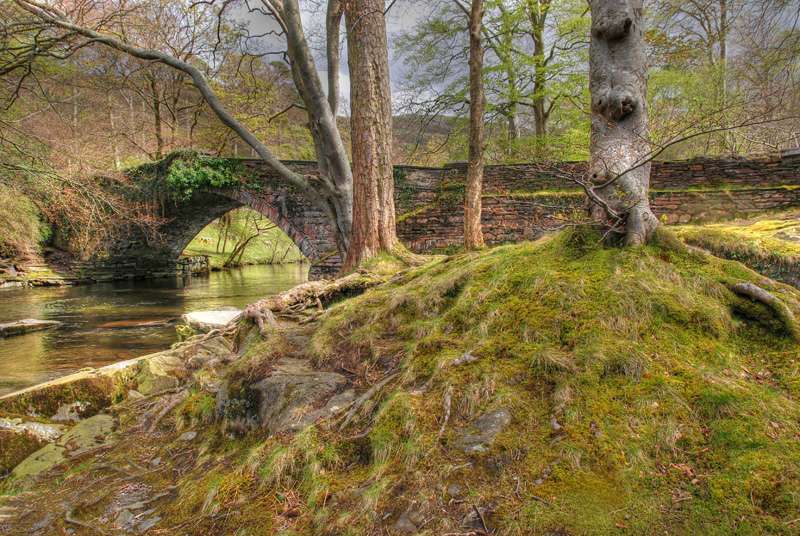
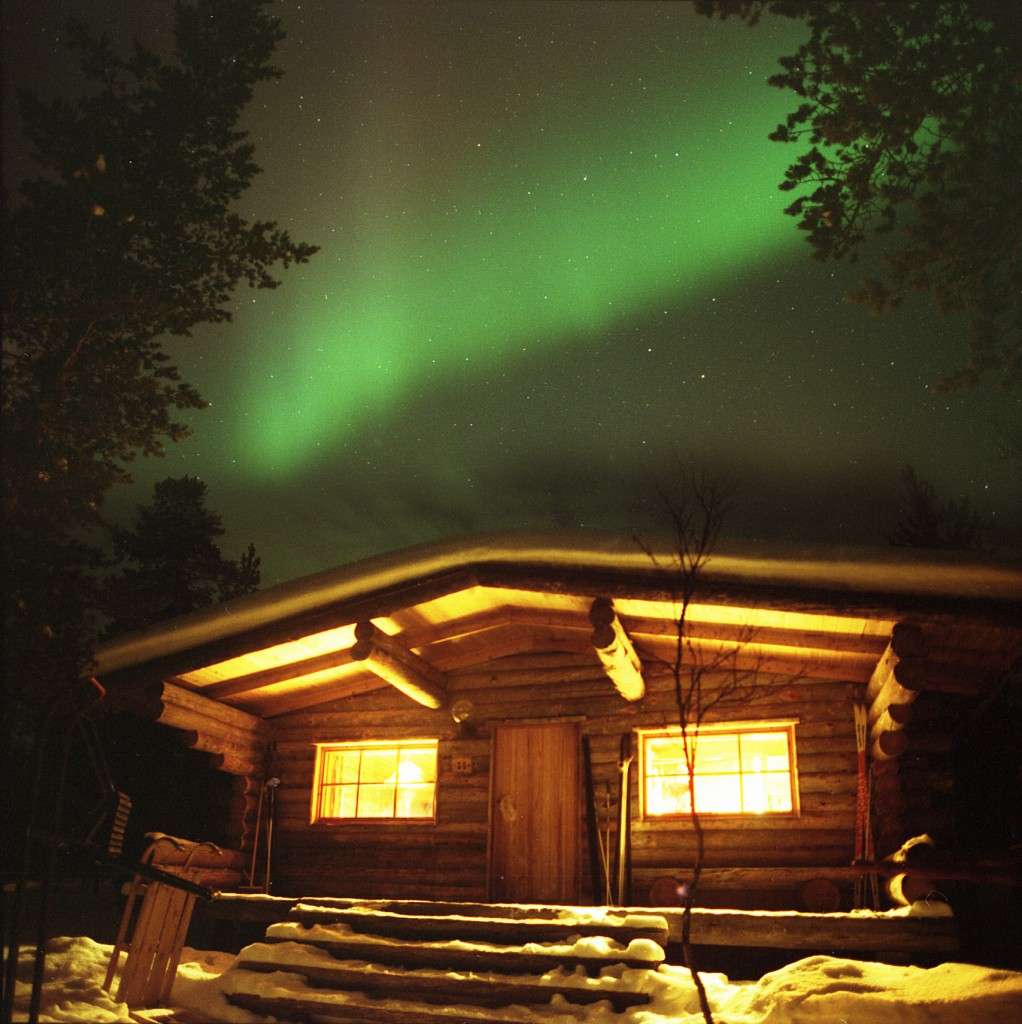
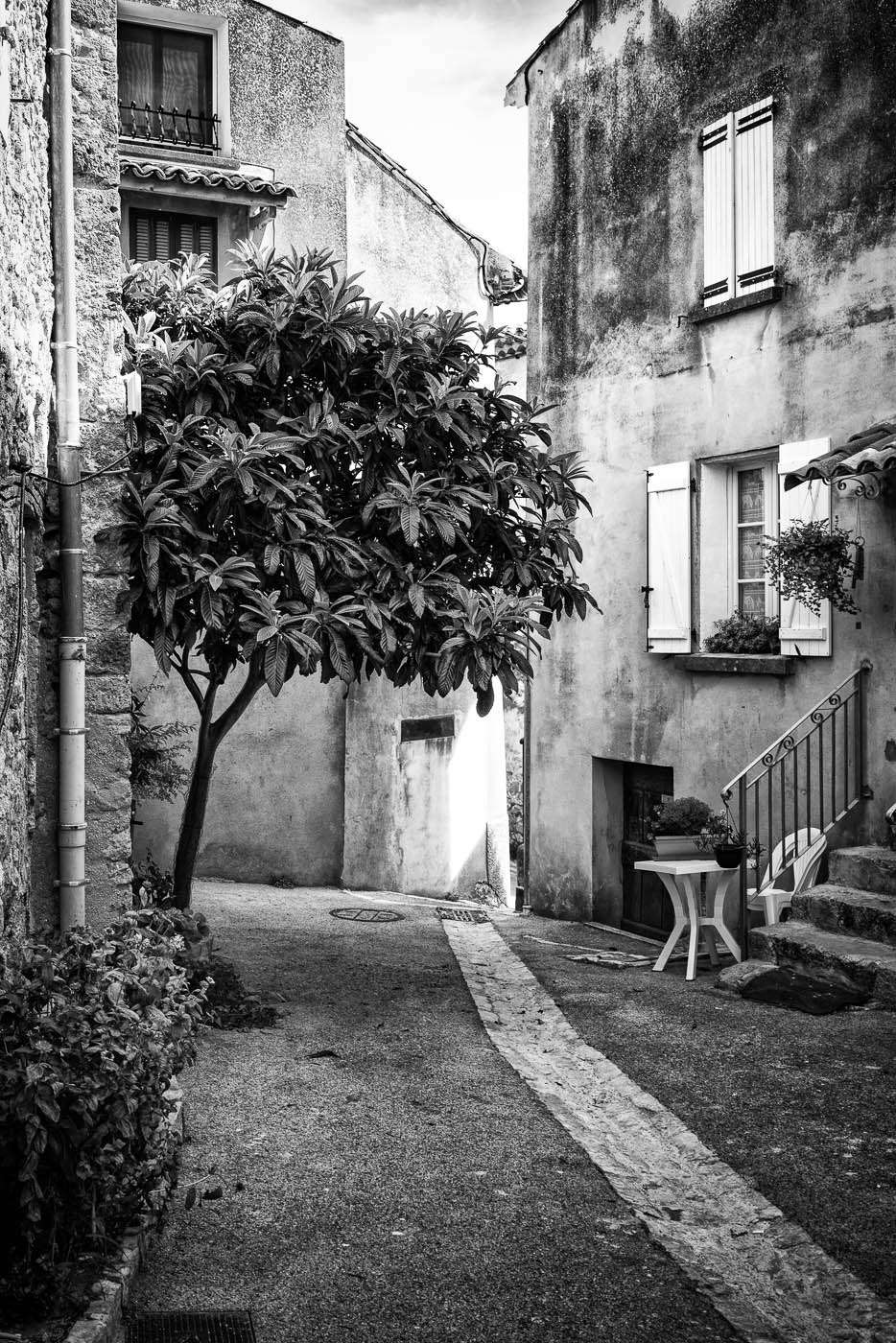
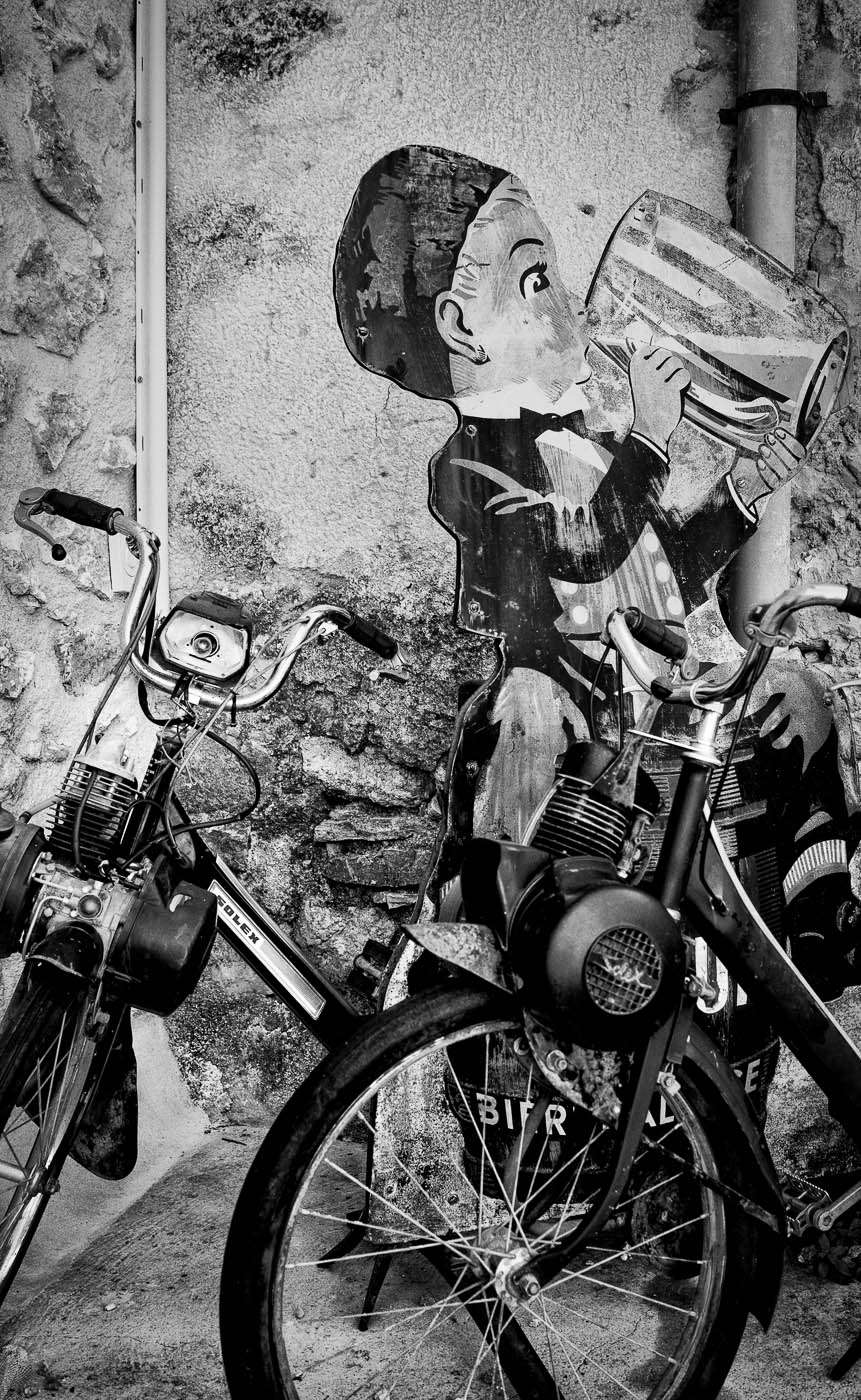
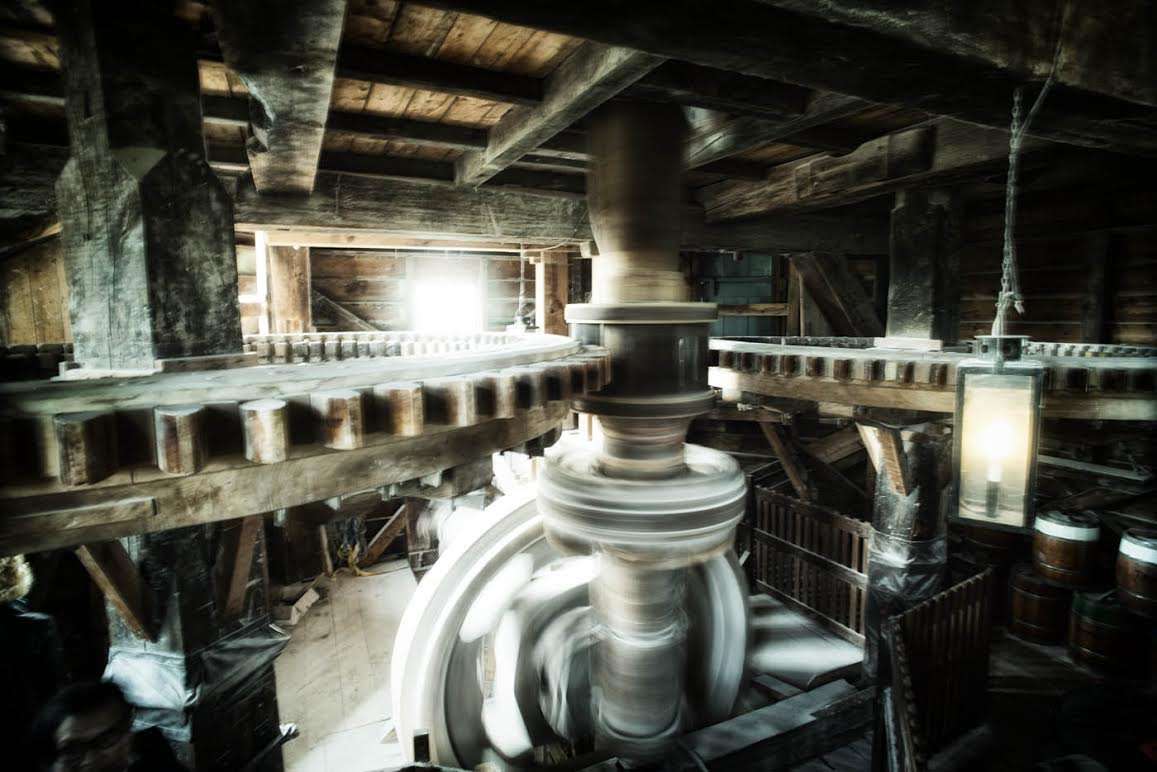 So it's about creating personal art. How do I define the travel component, then ?
- Available sight
- Available light
- Available time
Available sight. Walk around, meet people, follow children playing hide and seek. Even when following the caravan of organised travel tours, there are ways to escape the imposed scenery and turn available sight into interesting opportunity. The amazing scene below was shot in Istanbul, just a stone-throw away from a totally packed Chora Church. It makes a far better print that any photo of Chora or Hagia Sophia I took during that visit. 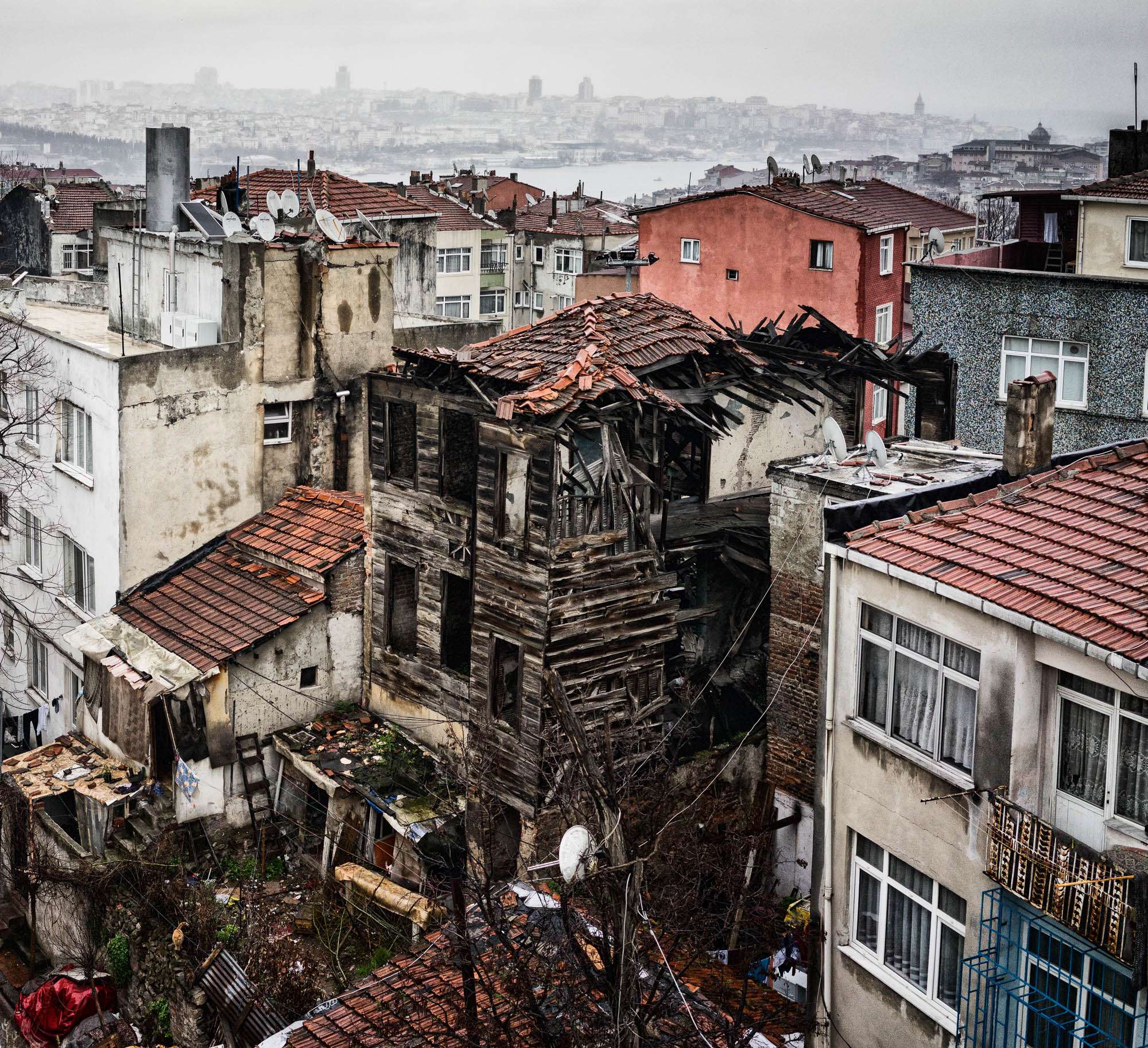 Available light. You're not shooting a model in a studio under controlled light. You may regret the horrible lighting. Don't. It's good. It's what will separate your photographs from anyone else's. Some features sing in the fog, others in sunlight. Others still, come out in moonlight:
“All the same, I cannot help hoping that the great ghostly barn-owl will sweep silently across a pale garden, next summer, in the twilight – the pale garden that I am now planting, under the first flakes of snow.” Vita Sackville-West from ‘In Your Garden’.
So your photos today will exploit what the light creates for you and will look different from what other visitors found in the same spot the previous day.Light doesn't get flatter than in the photo above or more stark than in the one below. Both produce very different effects. And that's parts of the creative fun of travel photography. 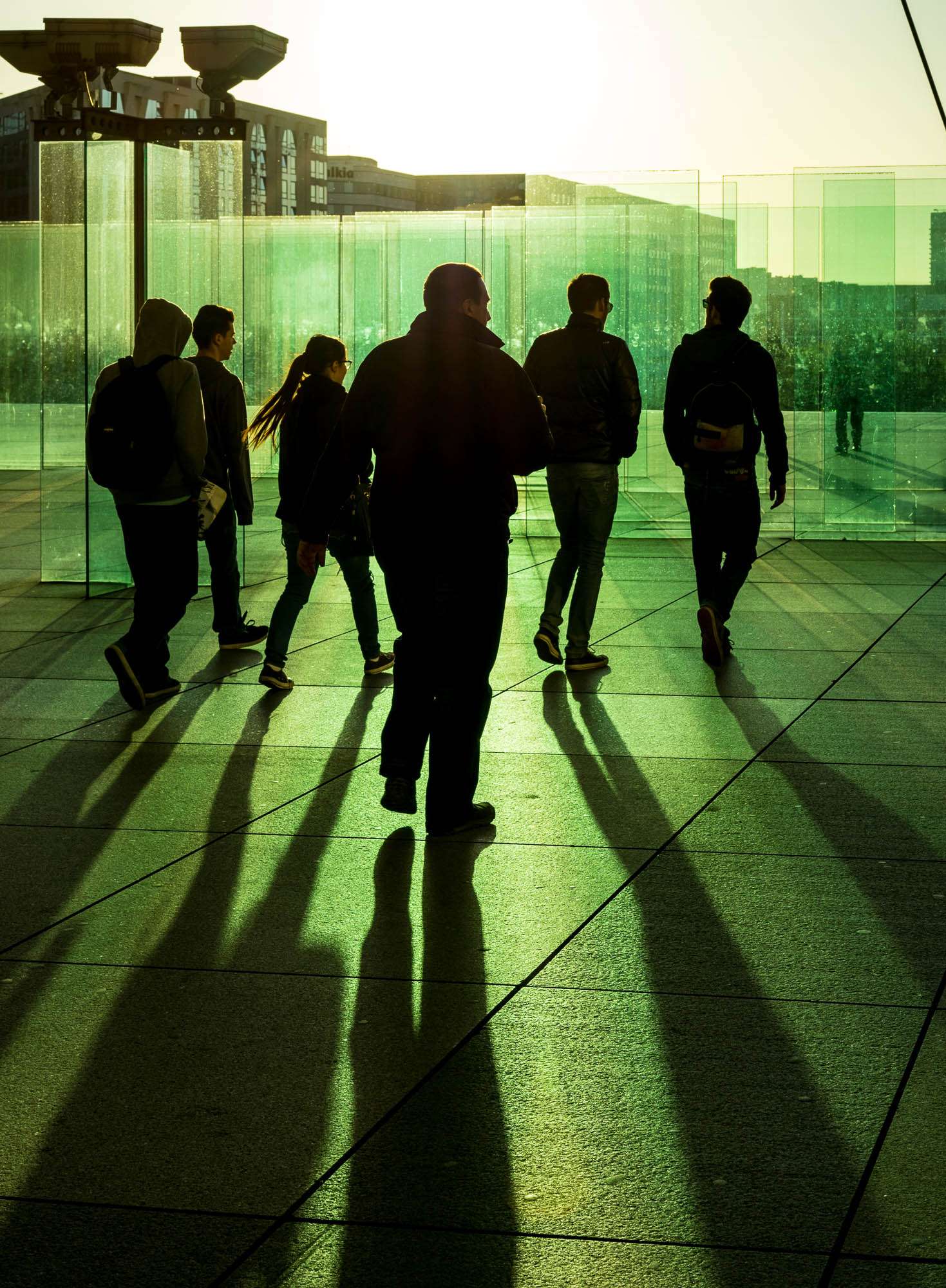 Available time. Unlike Mich Dobrowner or Ansel Adams, if you're visiting a distant country, you're probably not going back anytime soon and you probably have to follow some sort of family/friends schedule. This places a real constraint on your photography. It forces you to think in terms of planning a shot vs grabbing what appears before your eyes (more on that soon, by Philippe).Talented photographers like Michael Reichmann (read a mini interview here) often don't want to view other people's photographs of an area they will soon be visiting, because they want to discover it with fresh eyes.Preparing for a trip is knowing where to find inspiring locations as far away from the beaten path as possible, which is what our InSight: Guides are all about (from our subjective point of view), and brushing up on local culture so as to photograph it in a personal yet idiomatic manner.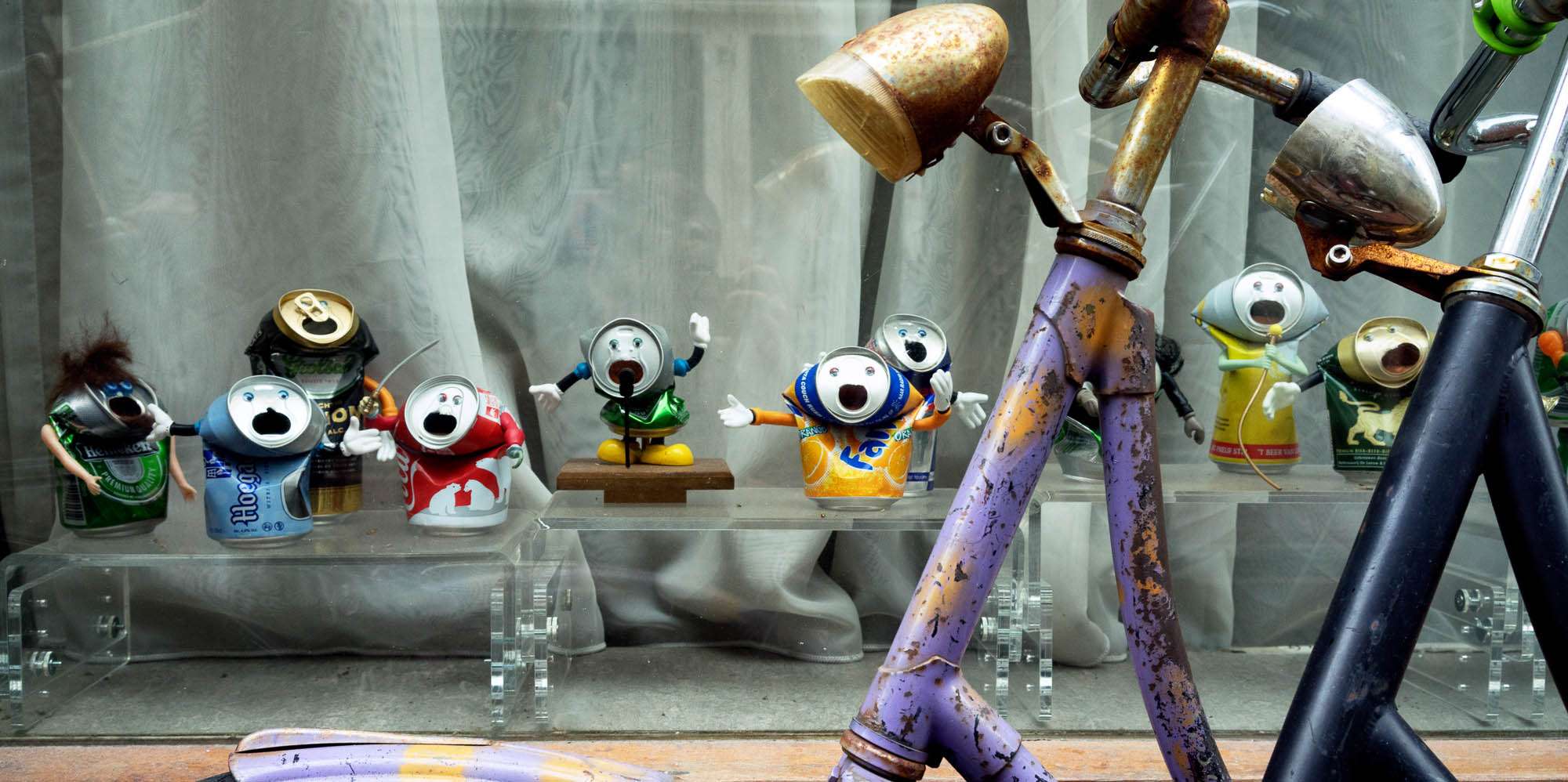
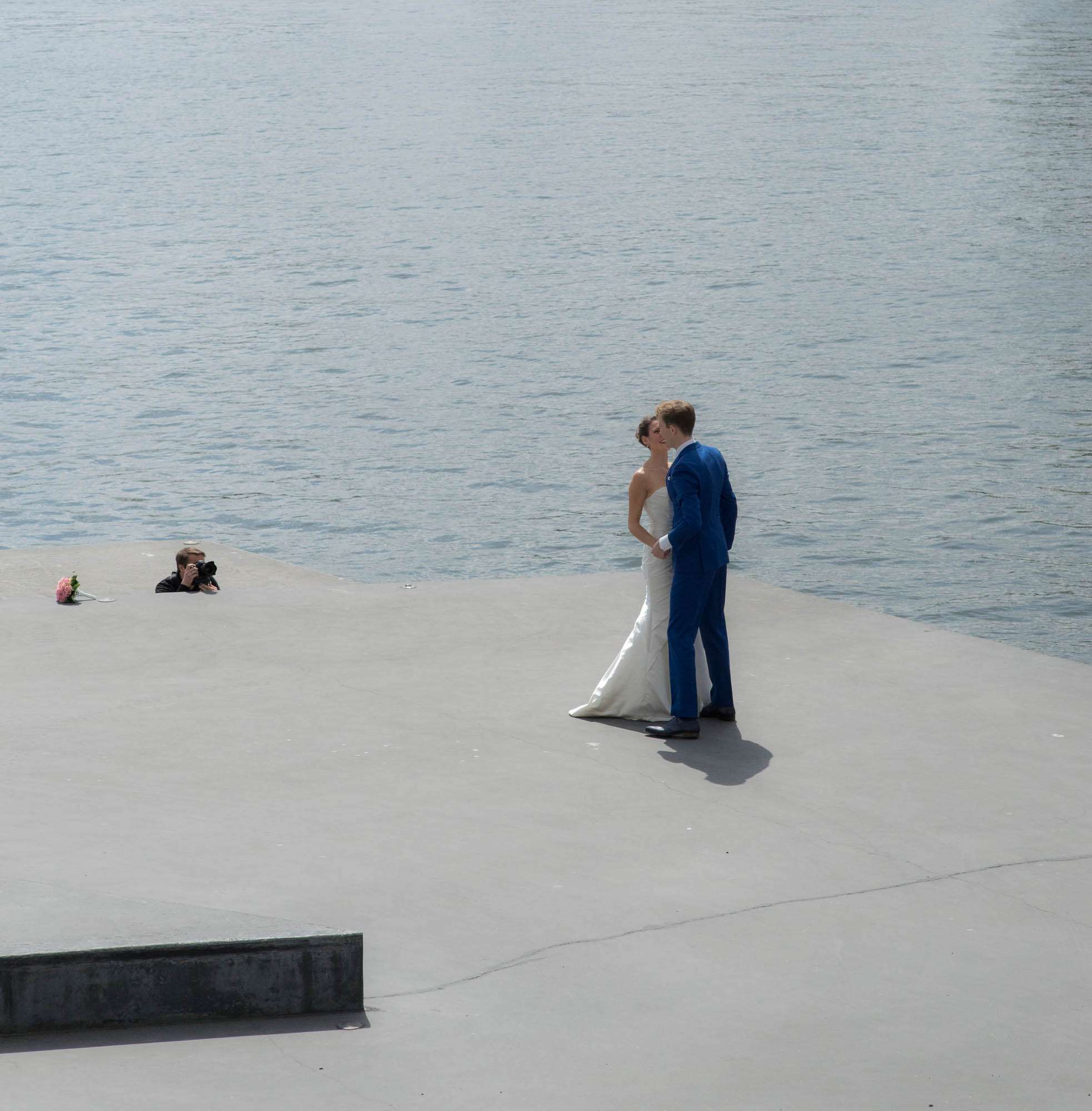
What makes a good travel photograph ?
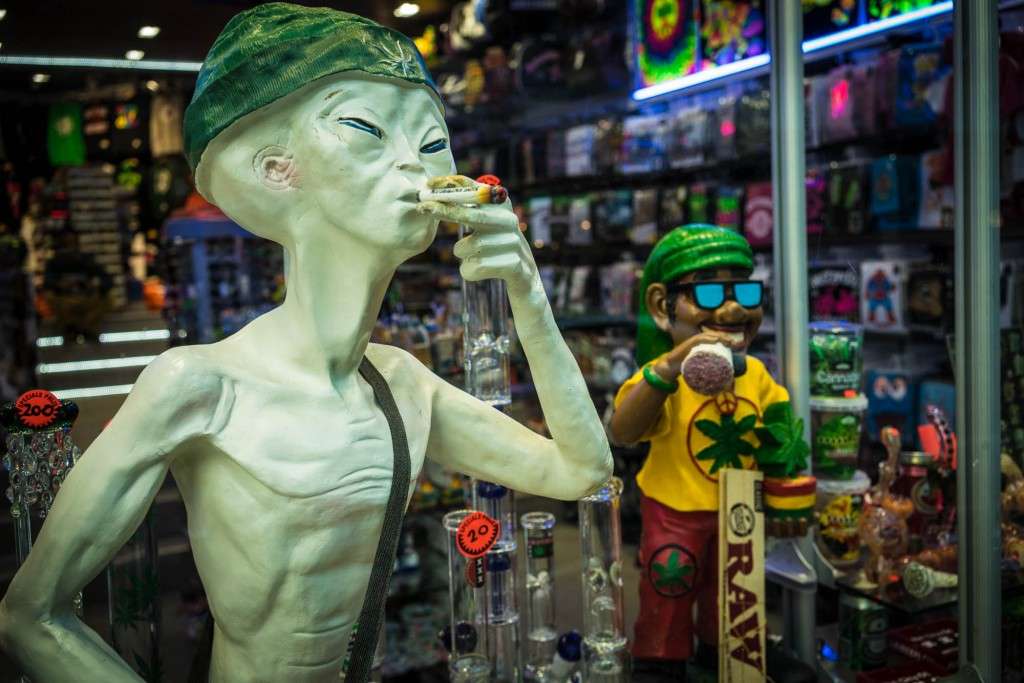
That, again, is subjective and open to debate.Can you describe Amsterdam without saying canal or Museumplein ? 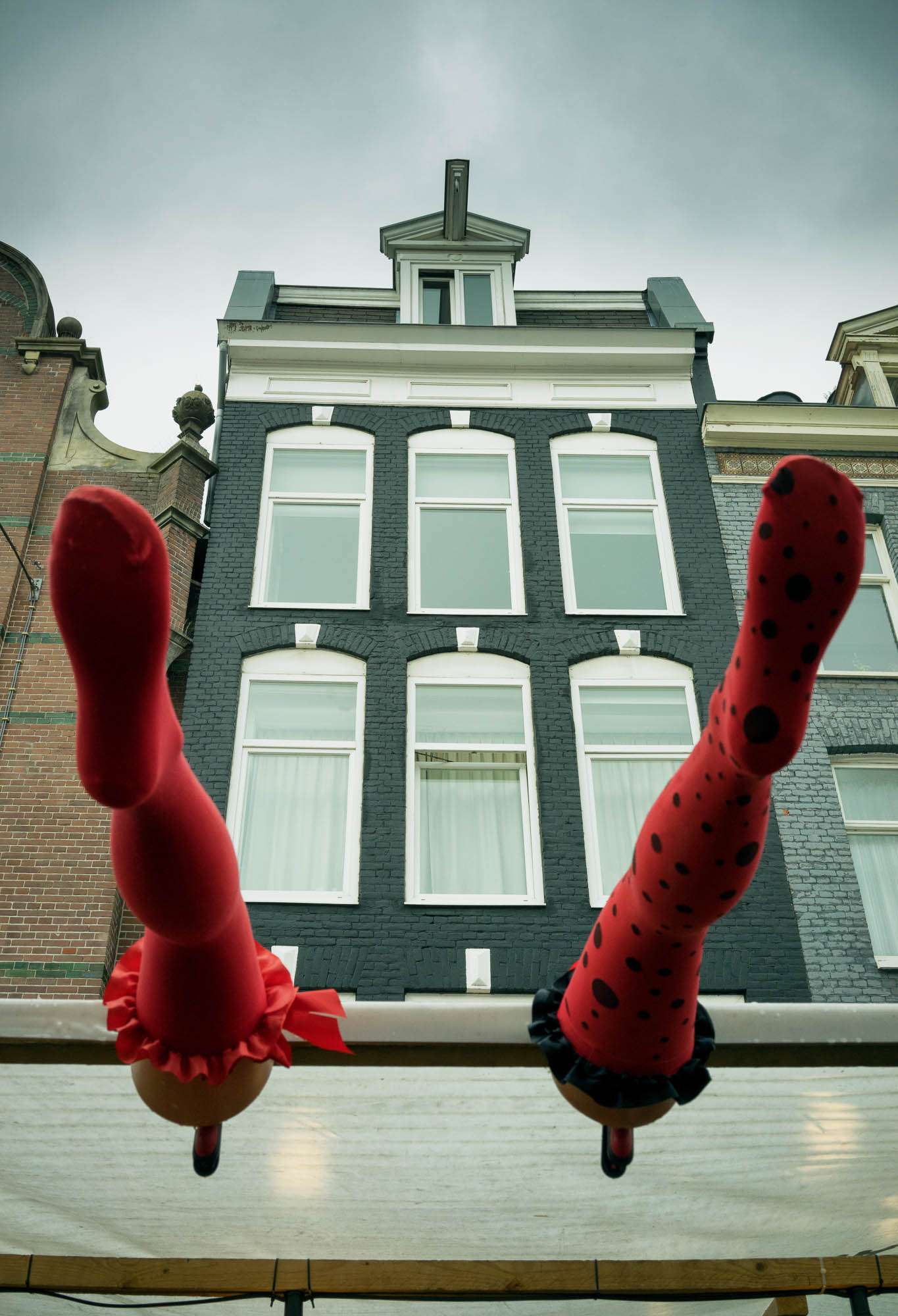
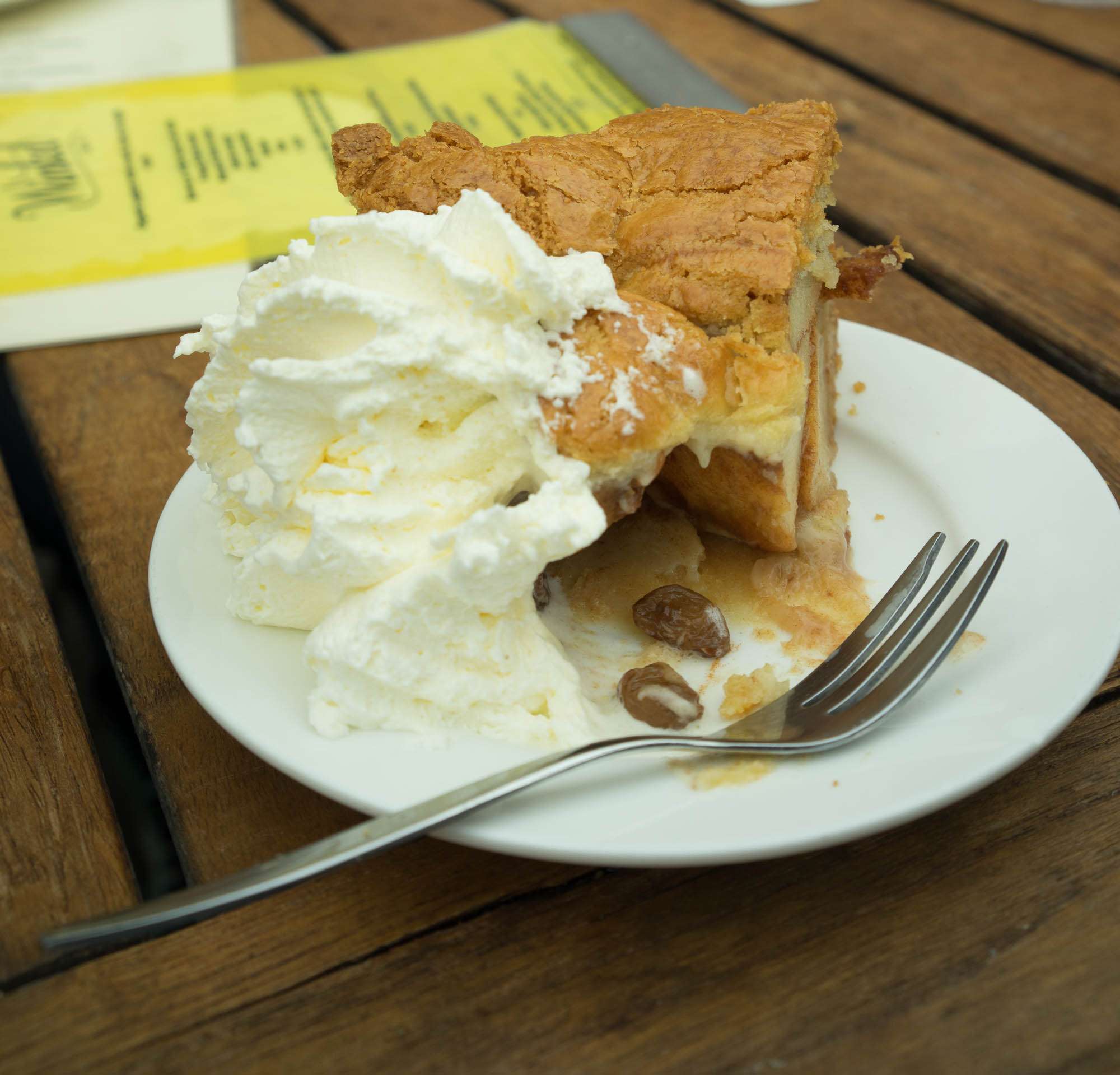
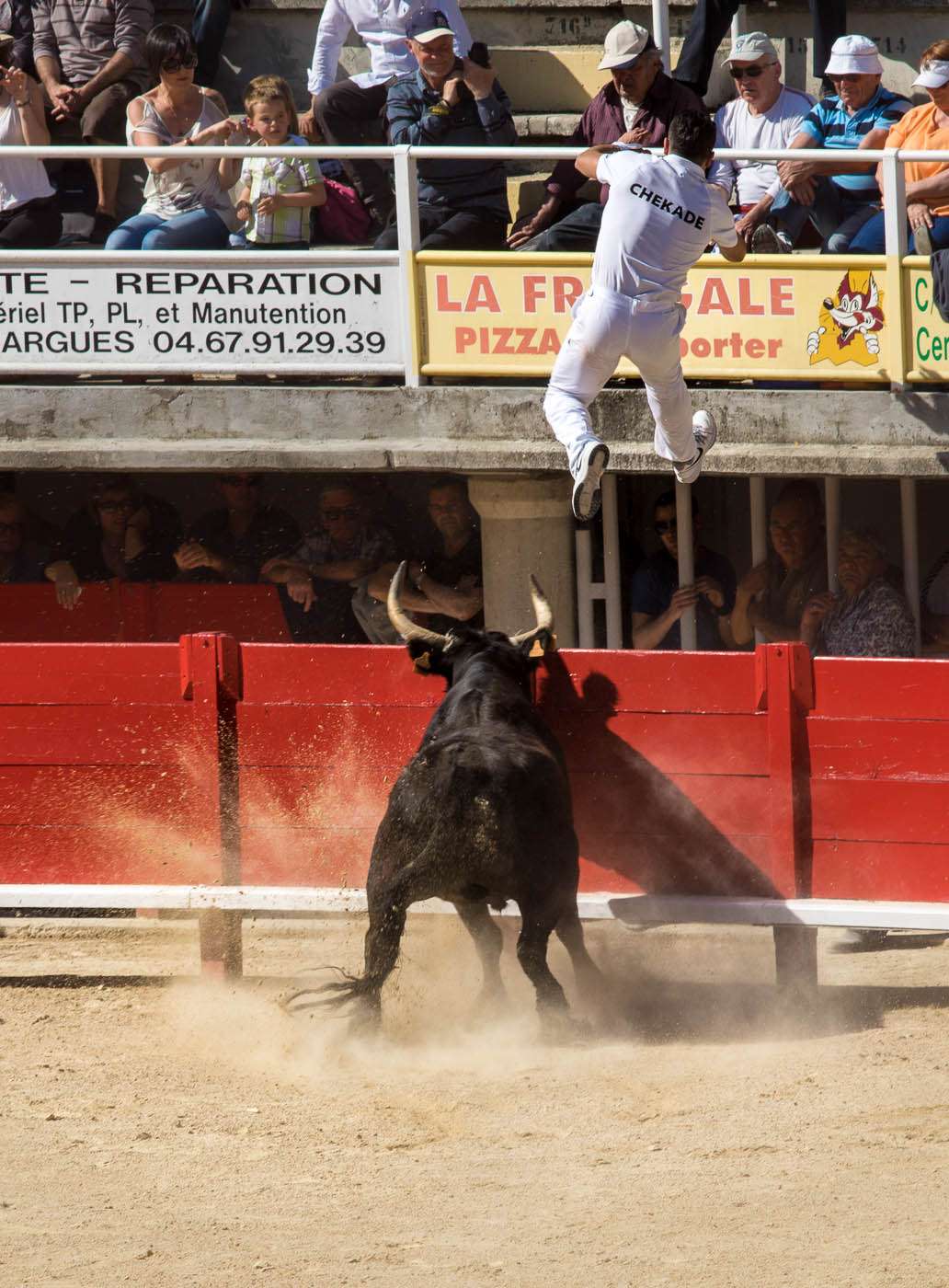
 Can you spell Provence without mentioning Avignon's Palais des Papes, lavender fields, or La Bonne Mère ?
  I think the travel component of travel photography dictates that you impregnate yourself with the location enough to let your photographs describe it without ambiguity and without resorting to the tell-tale iconic views. Working that way will free you of the past work of others and let your perceptions shine through. For me, the following scream "London", my favorite photo playground in the world.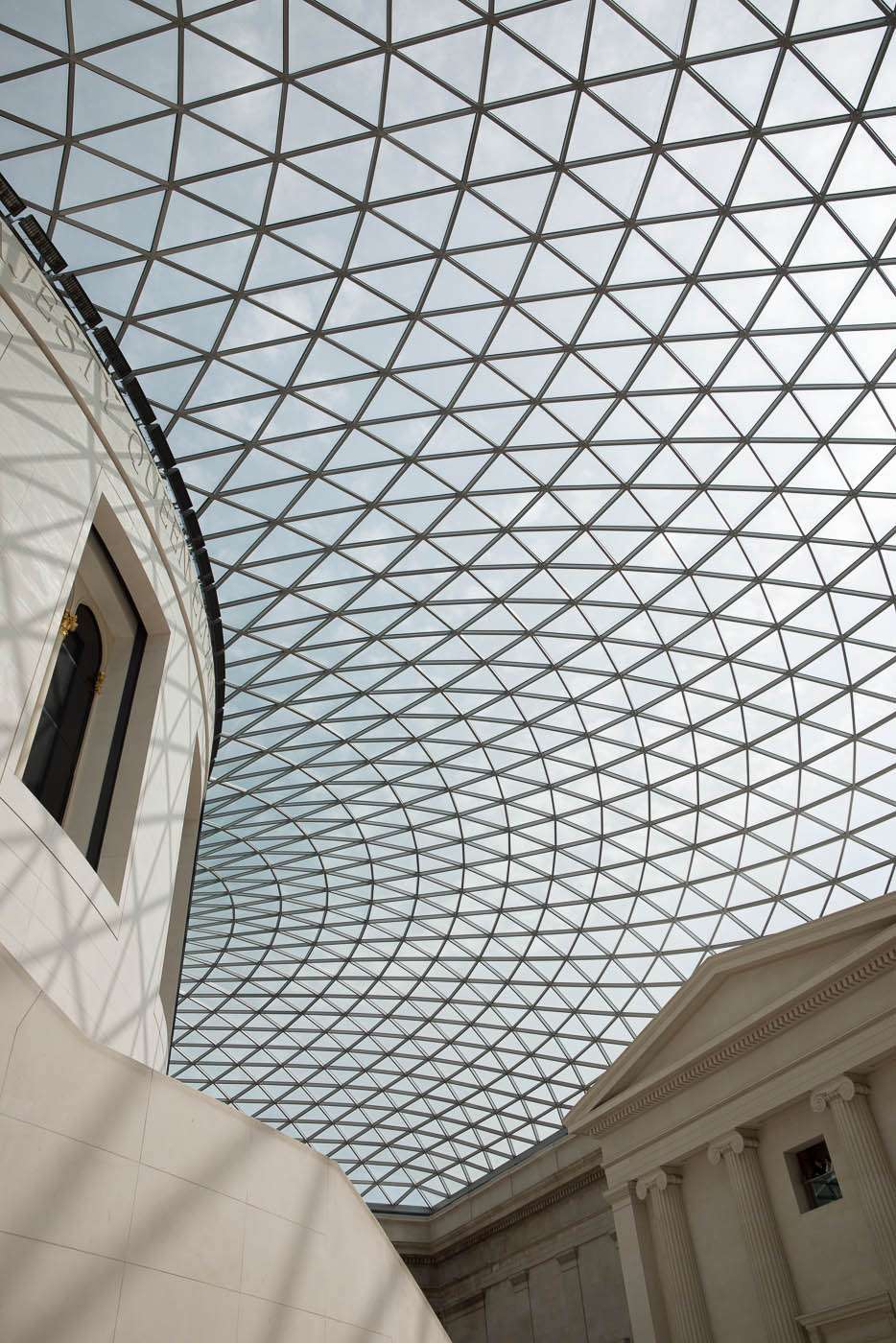
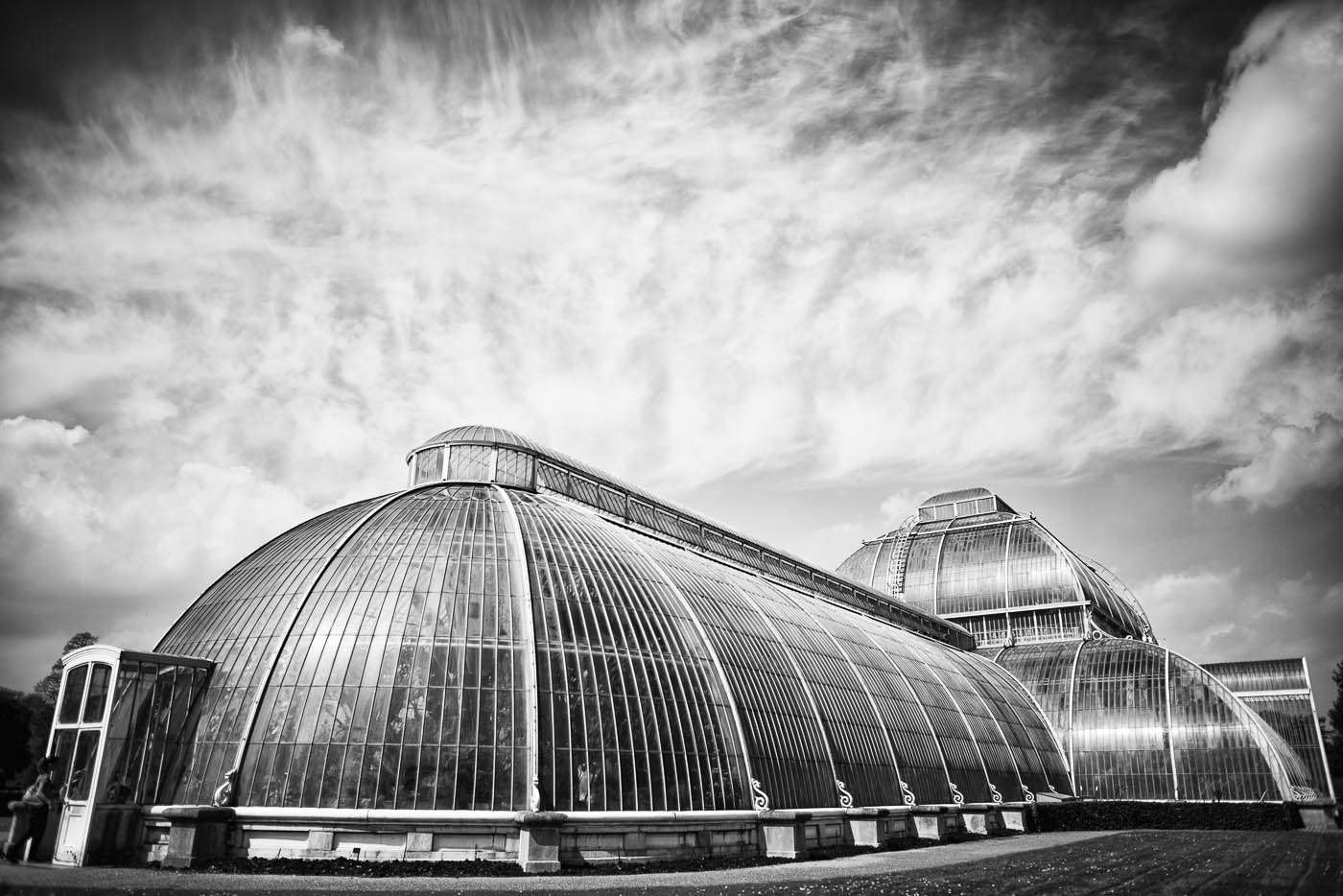
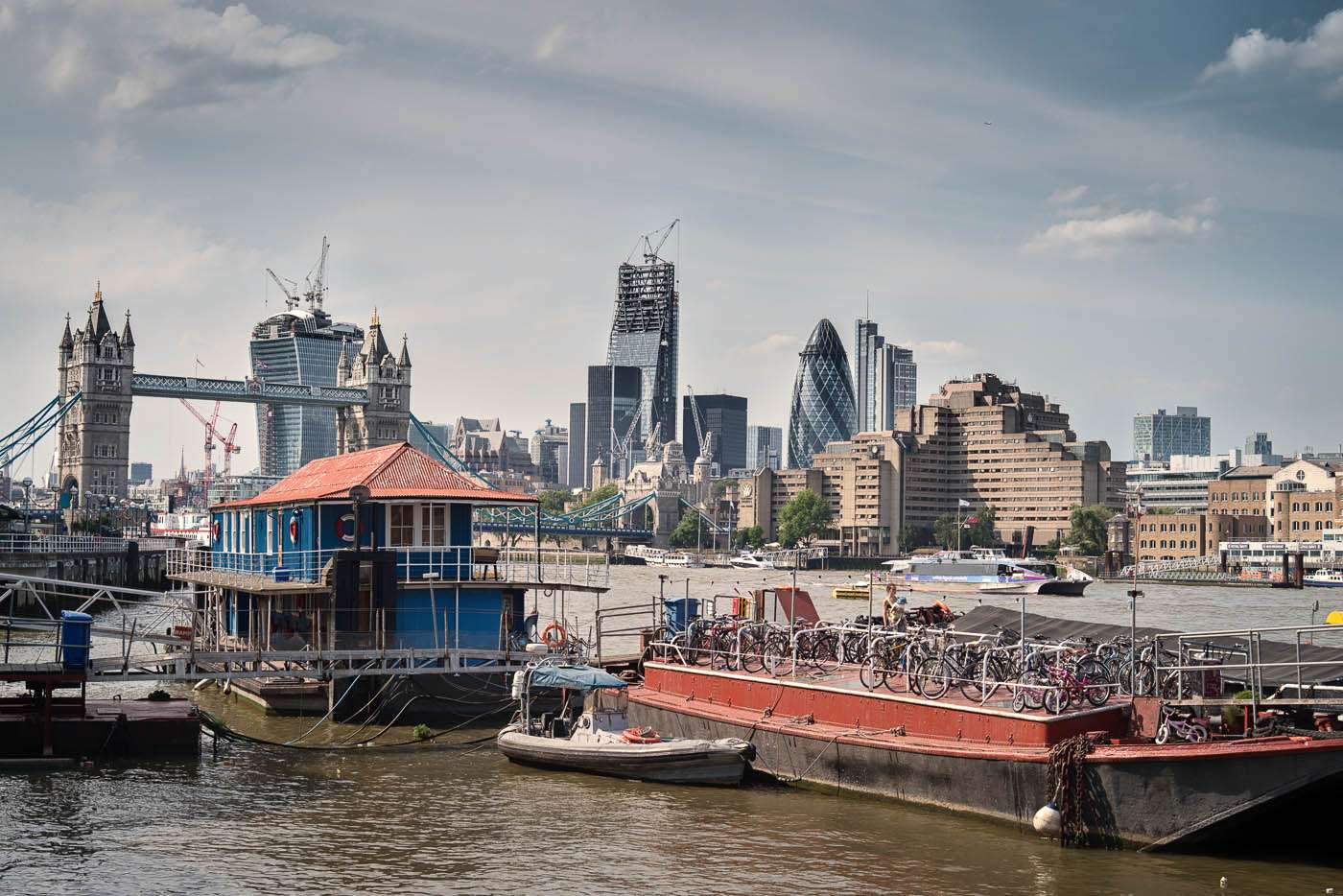
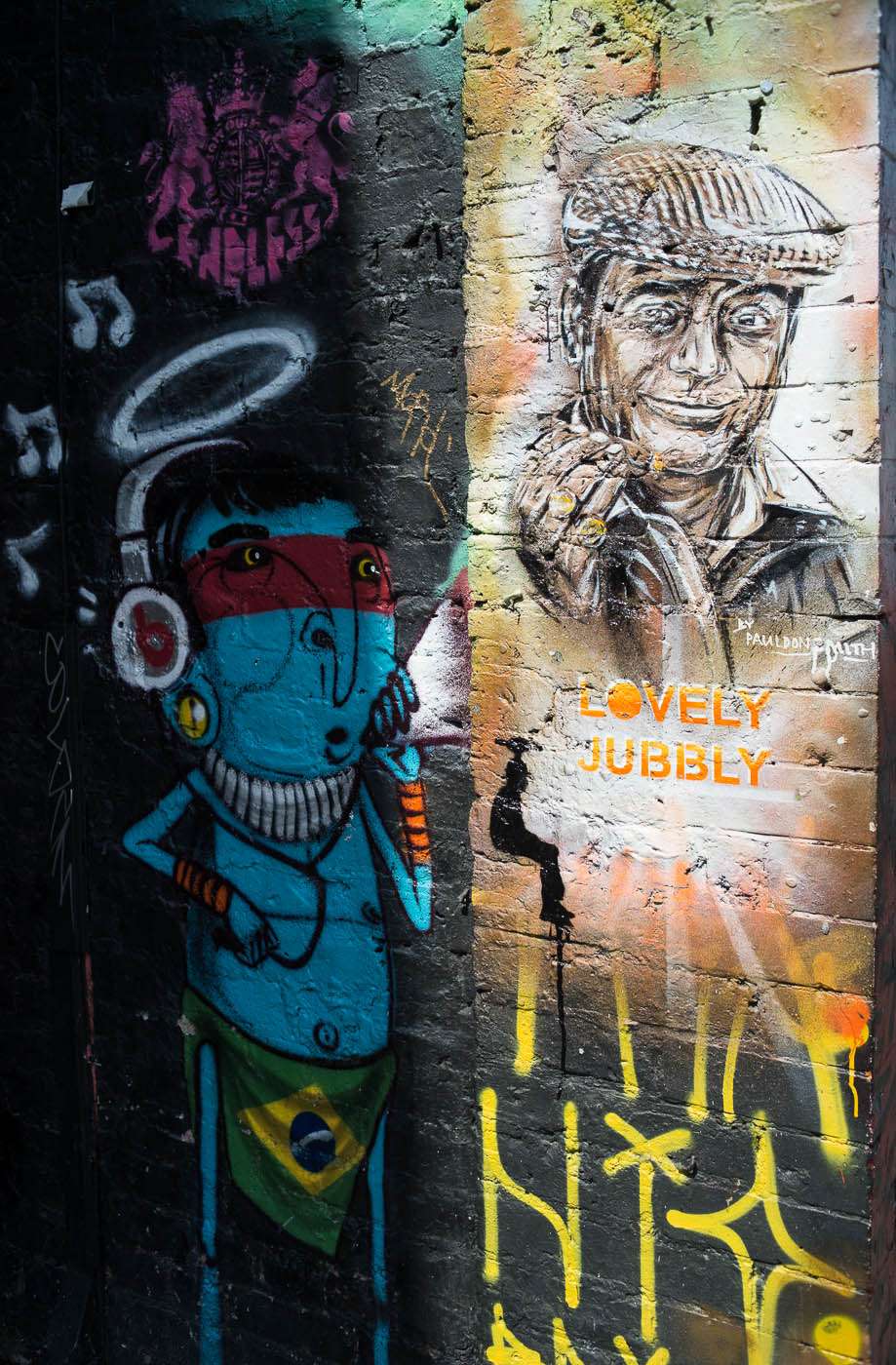
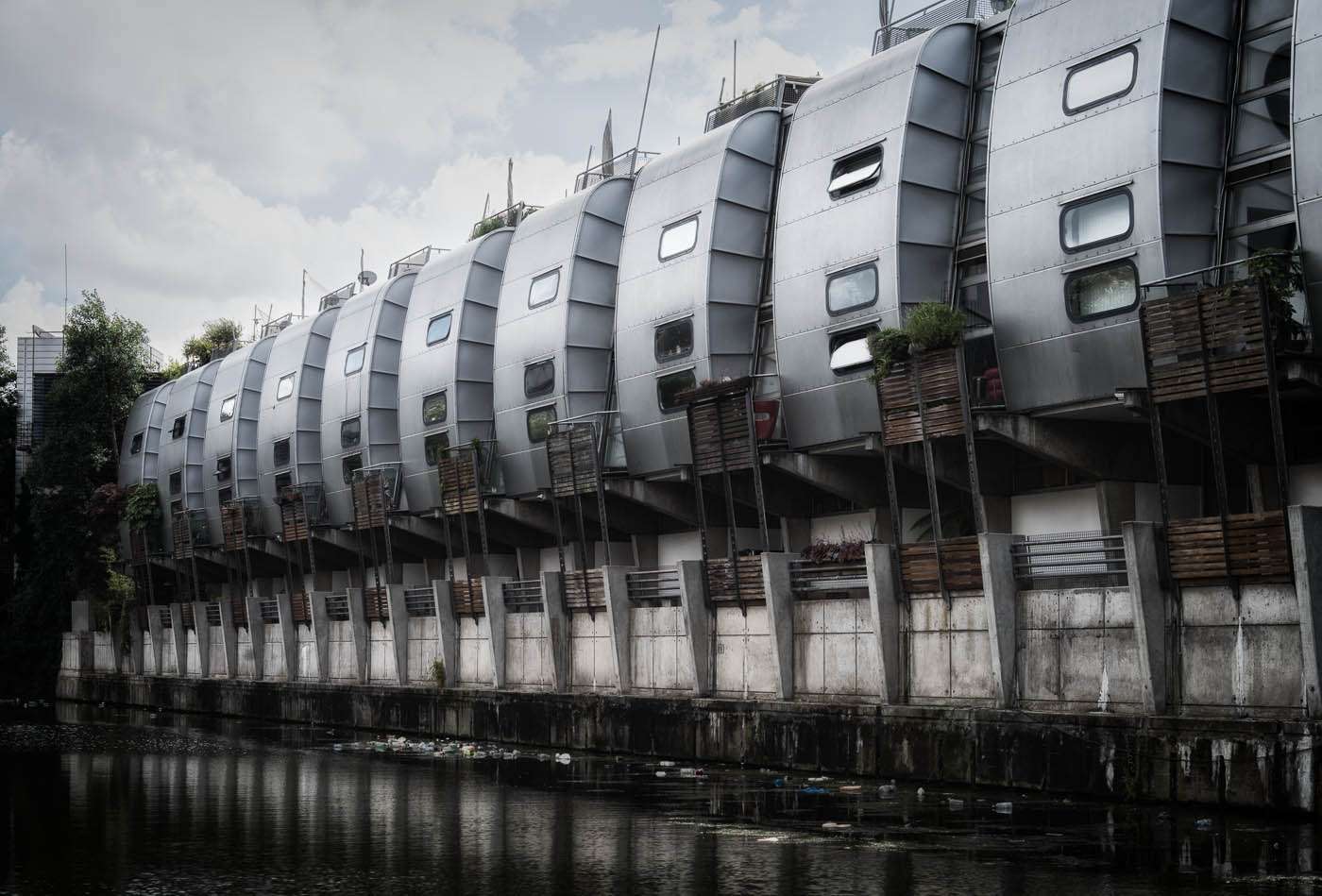
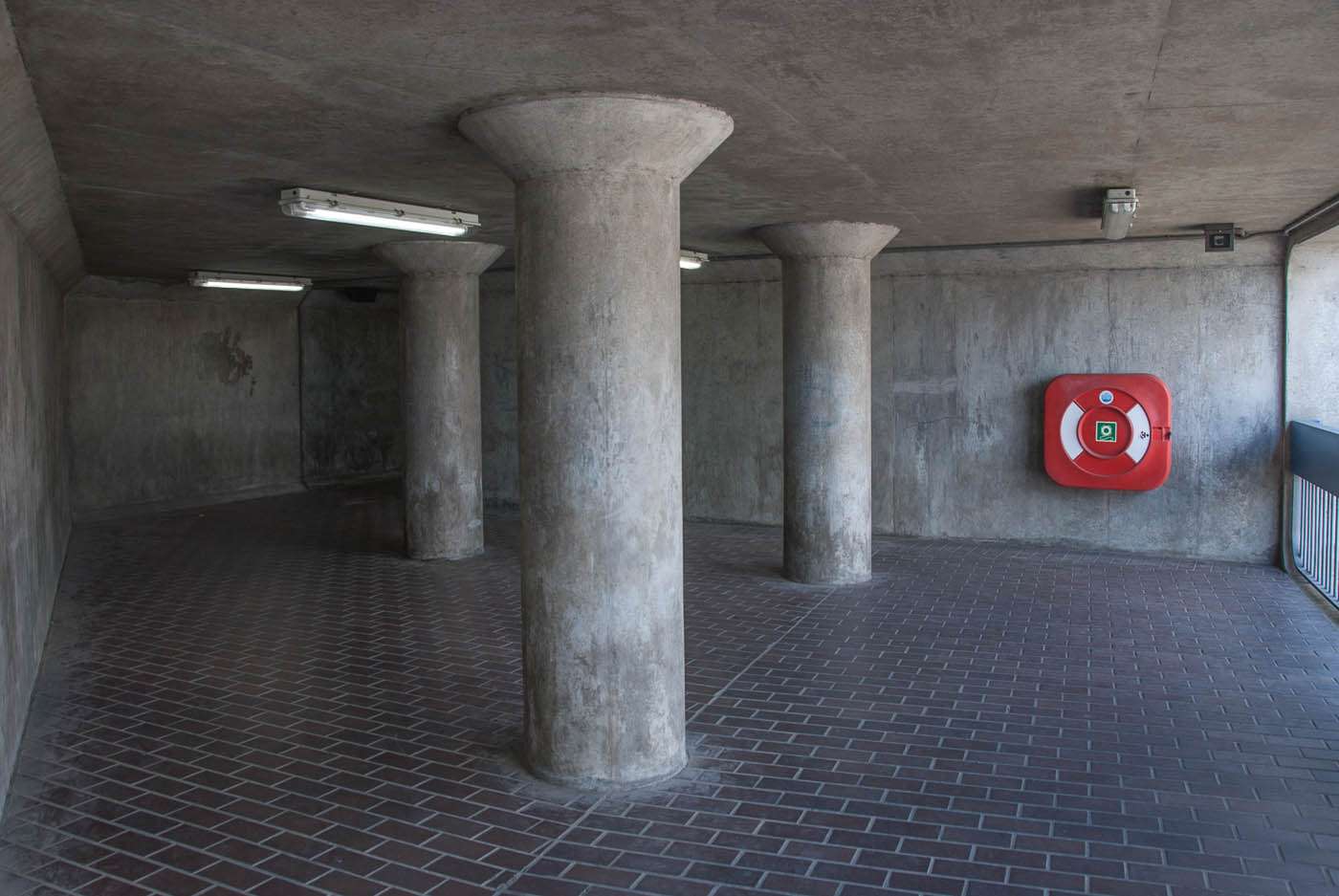
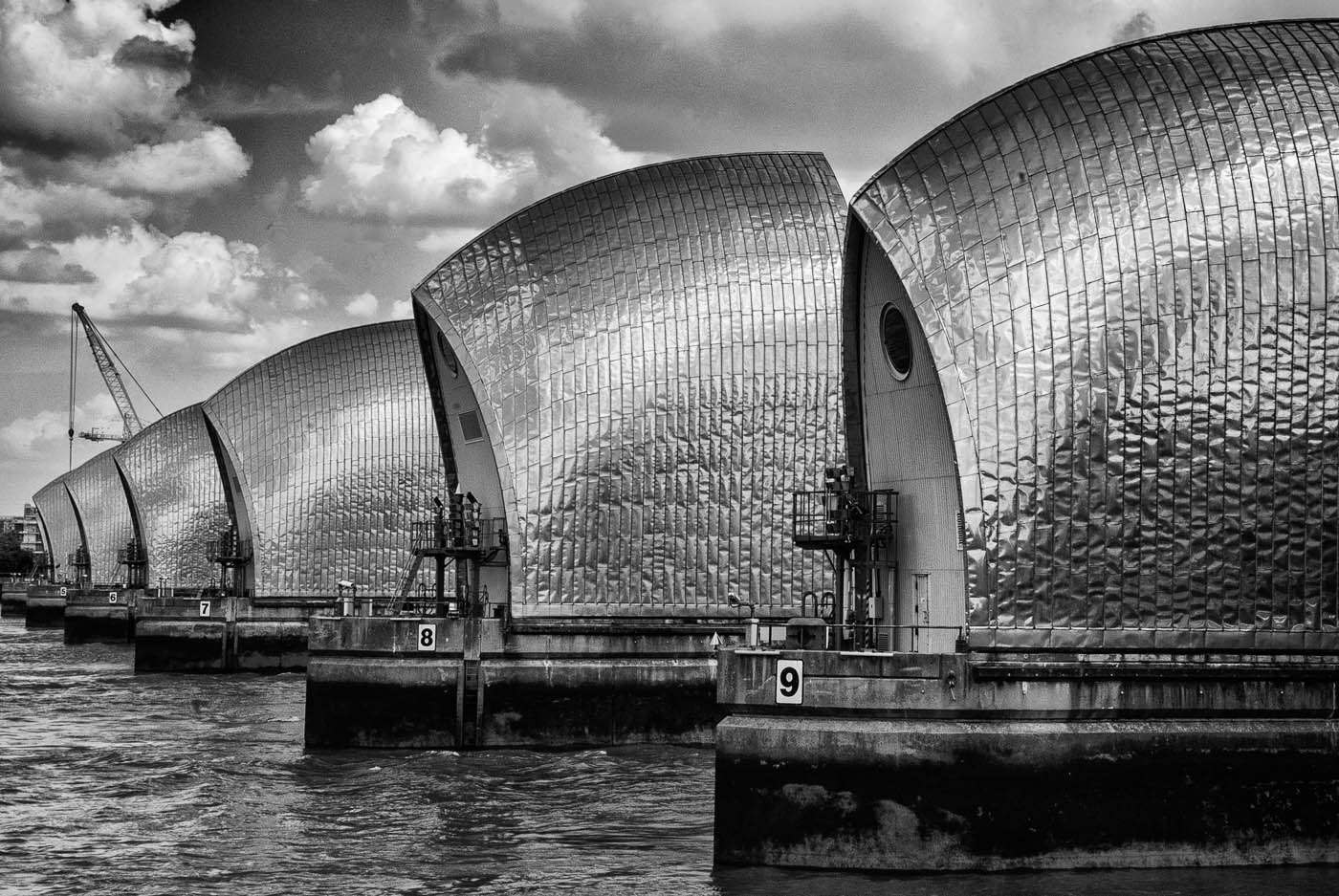
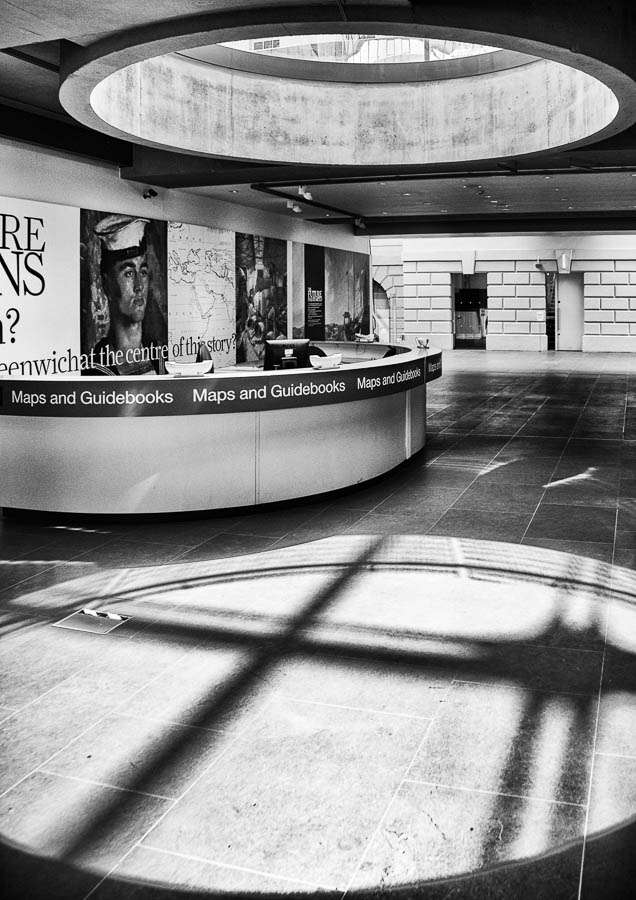
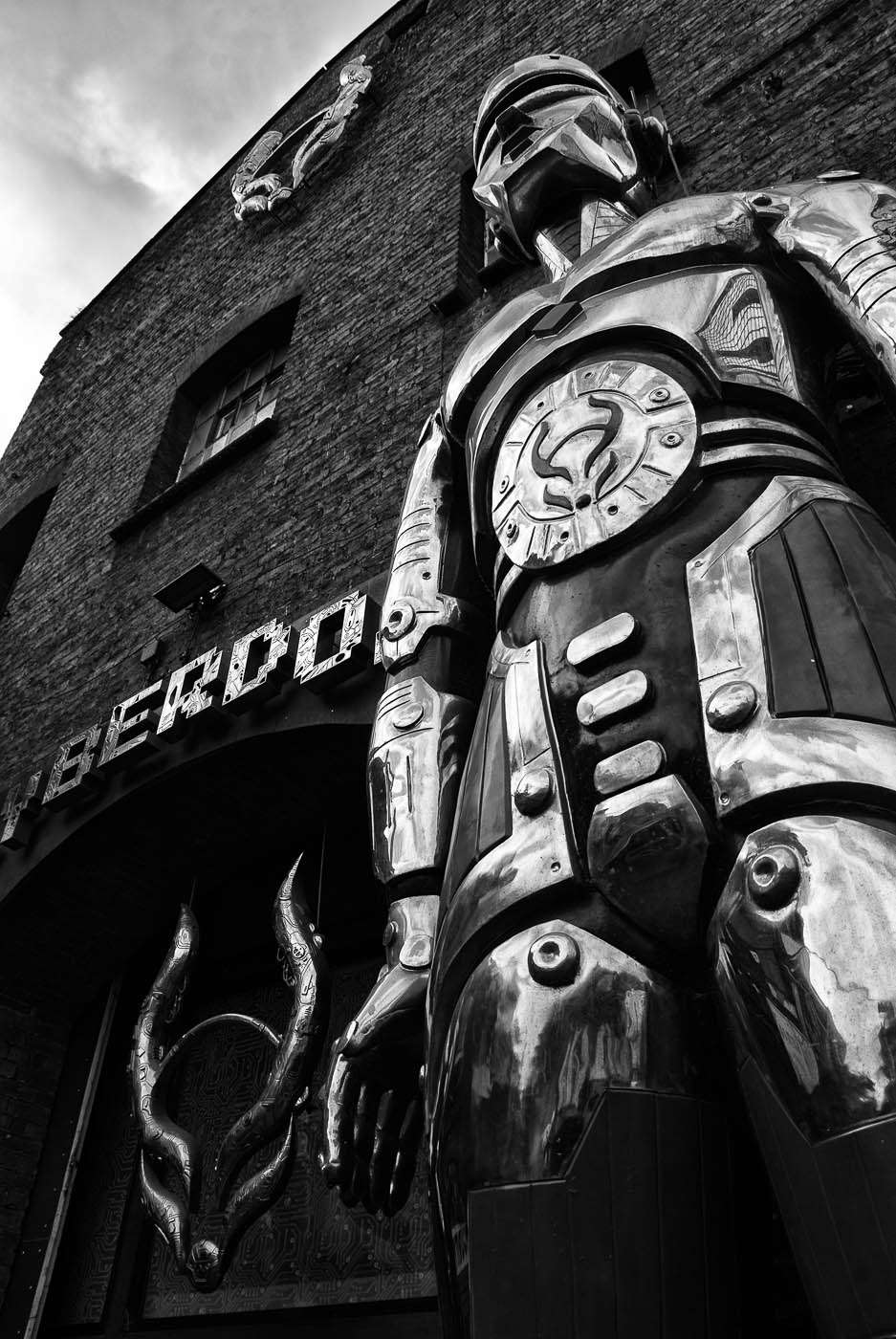
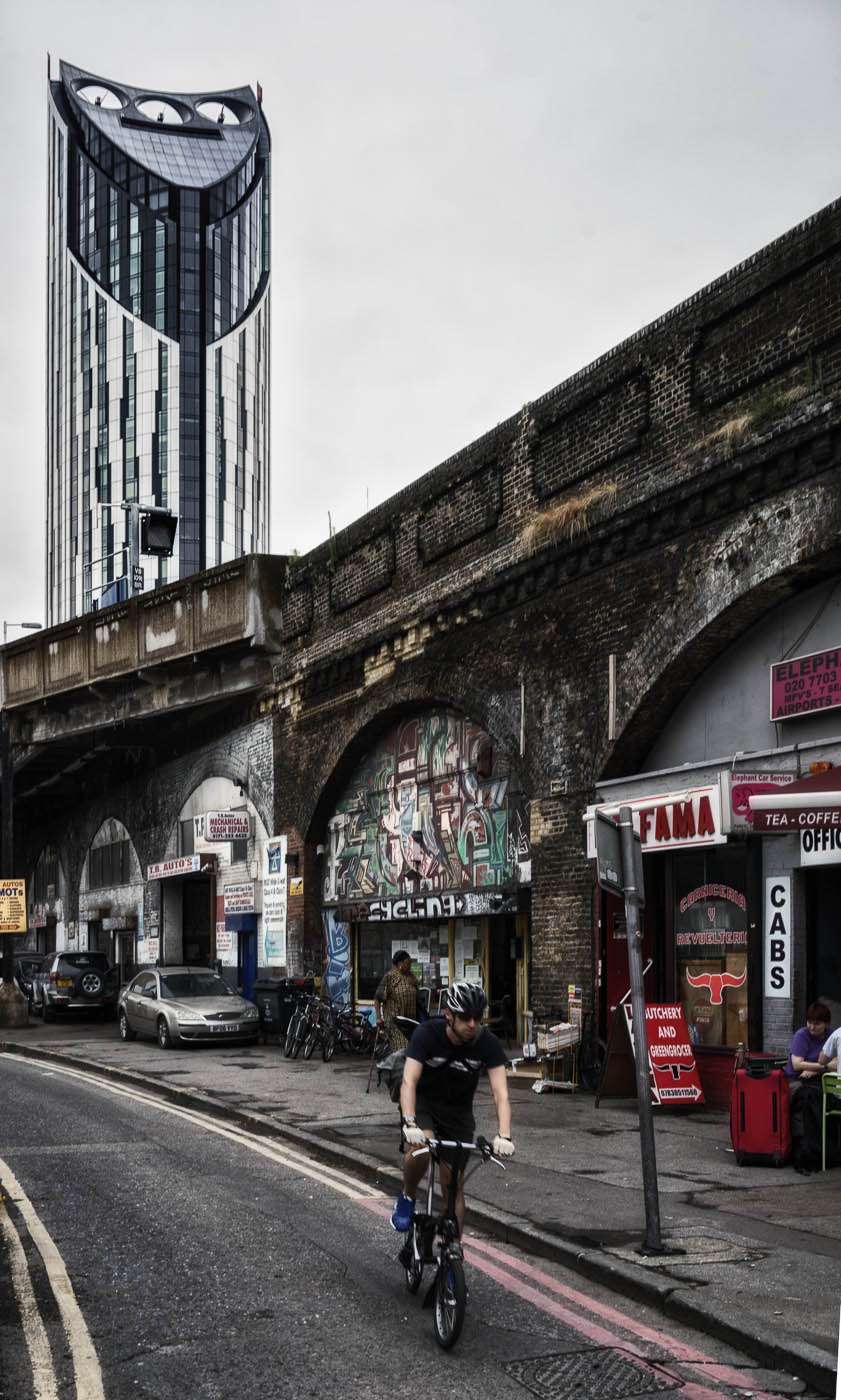
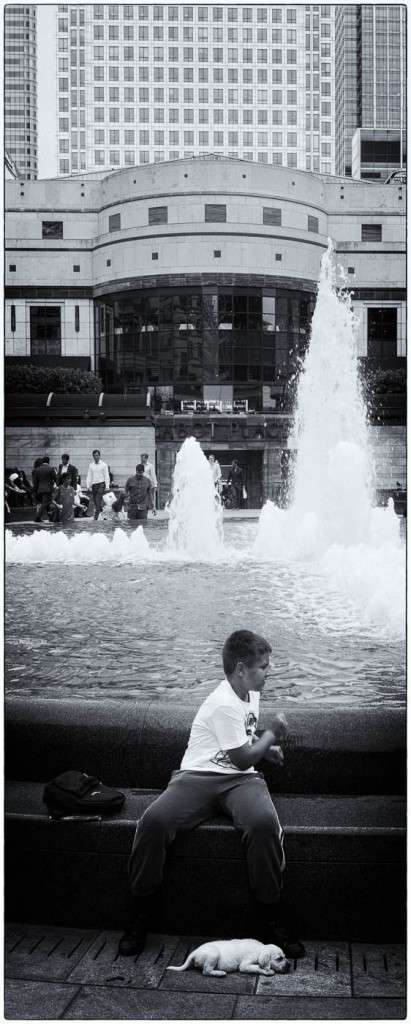
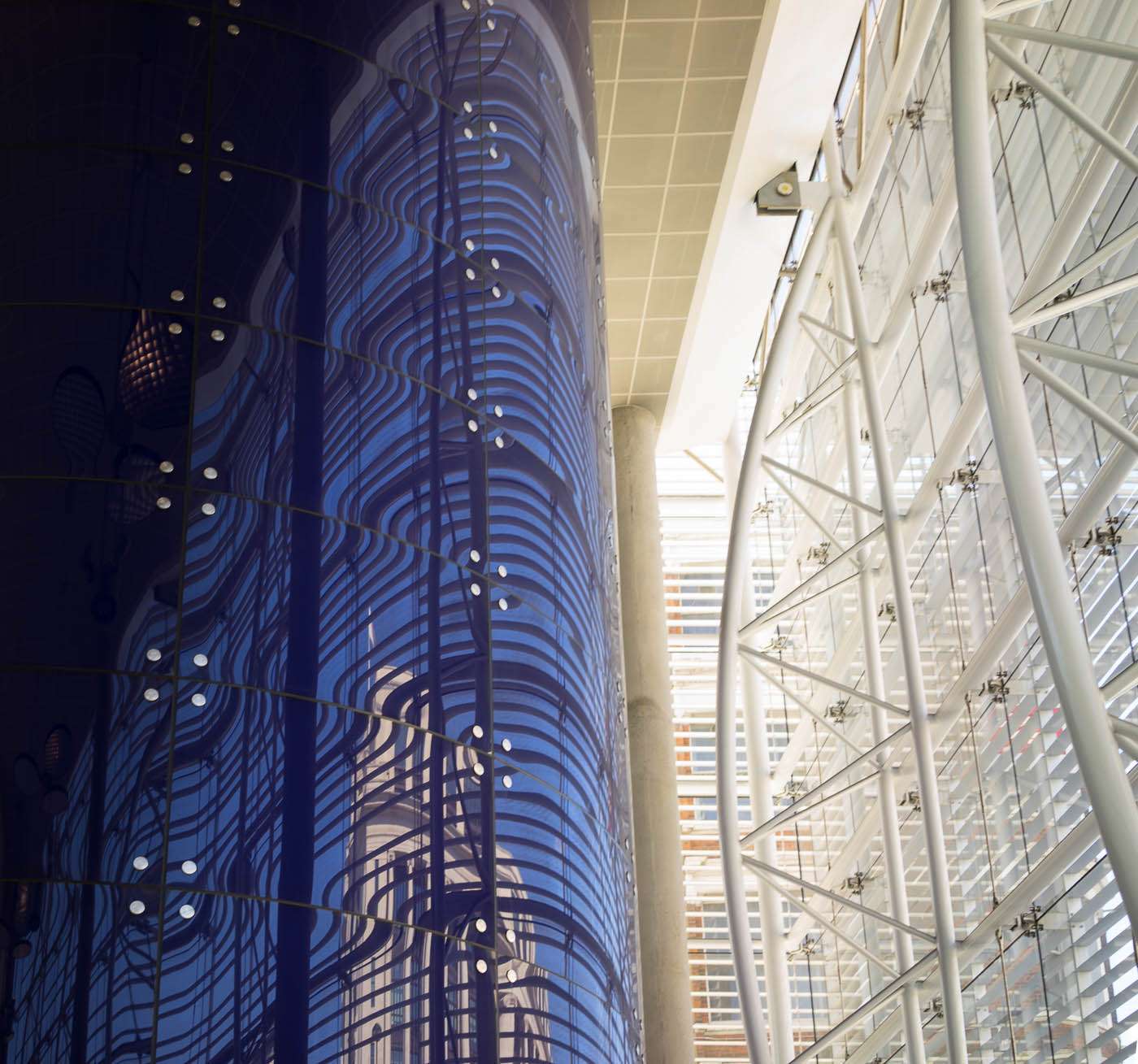
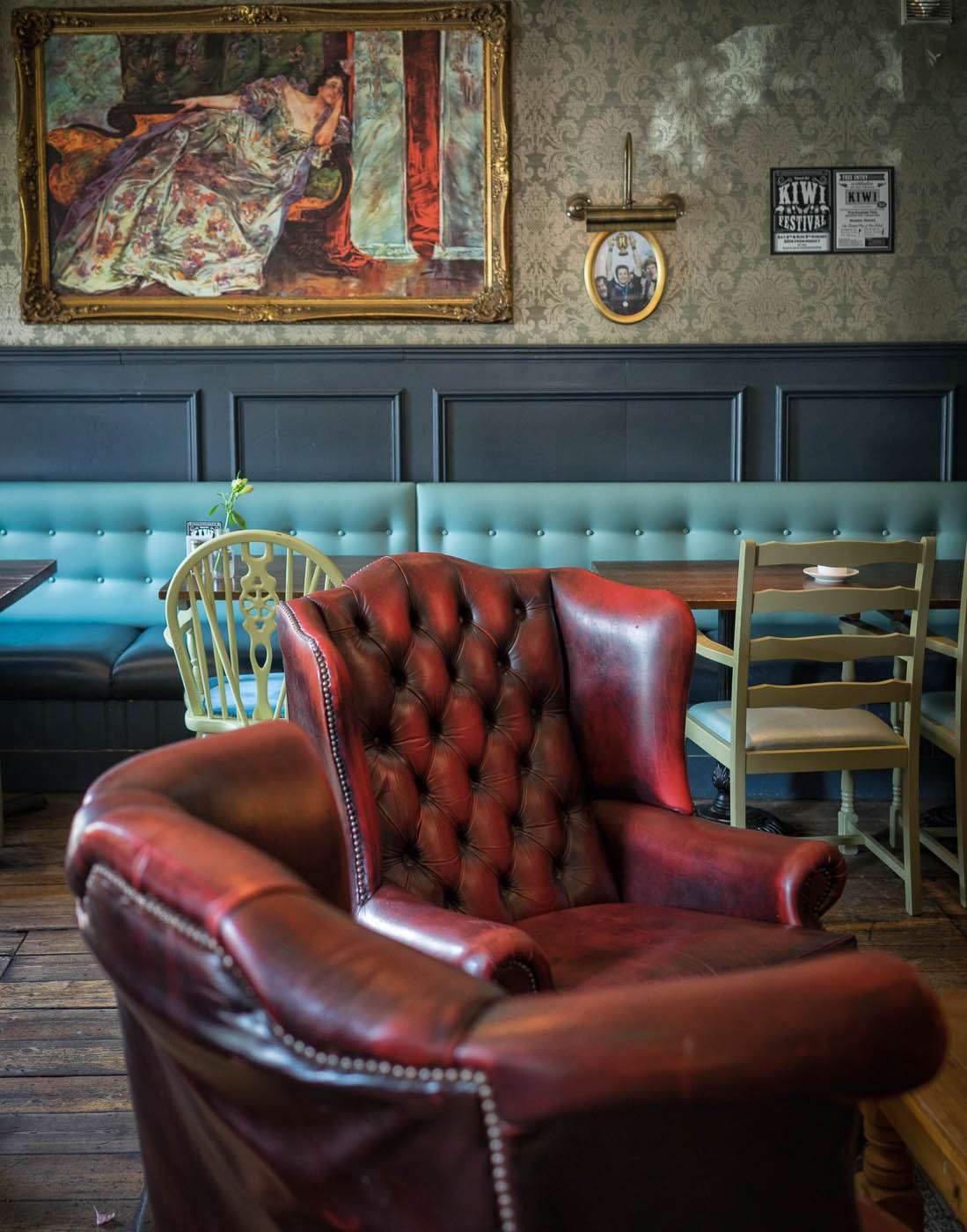 Of course, that's only me. Others might identify with the City, or the parks. And that's fine.What matters is that this set of pictures shows you what I like about London, and not one focuses on the Eye, Buck House or Big Ben. Not that they would be out-of-place, but they are just not needed.
Wrapping up
The only important aspect of your travel photos is that they bring back the chill 10 years after your visit. For you, this may happen with photographs of food, people, plants, architecture, shops, fashion, animals ...Famous buildings may be a part of this or may not. It doesn't really matter. You're just making life that much harder for yourself by hoping to replicate some of the masterpieces created by artists having spent countless hours on location waiting for the right conditions. Really want a picture of the Eiffel Tower on your wall ? Do yourself a favour and buy one by someone who lives for the place and close to the place, such as Peter Turnley. Savour the superb printing, learn from it and hang your best effort in Paris next to it. And feel proud. 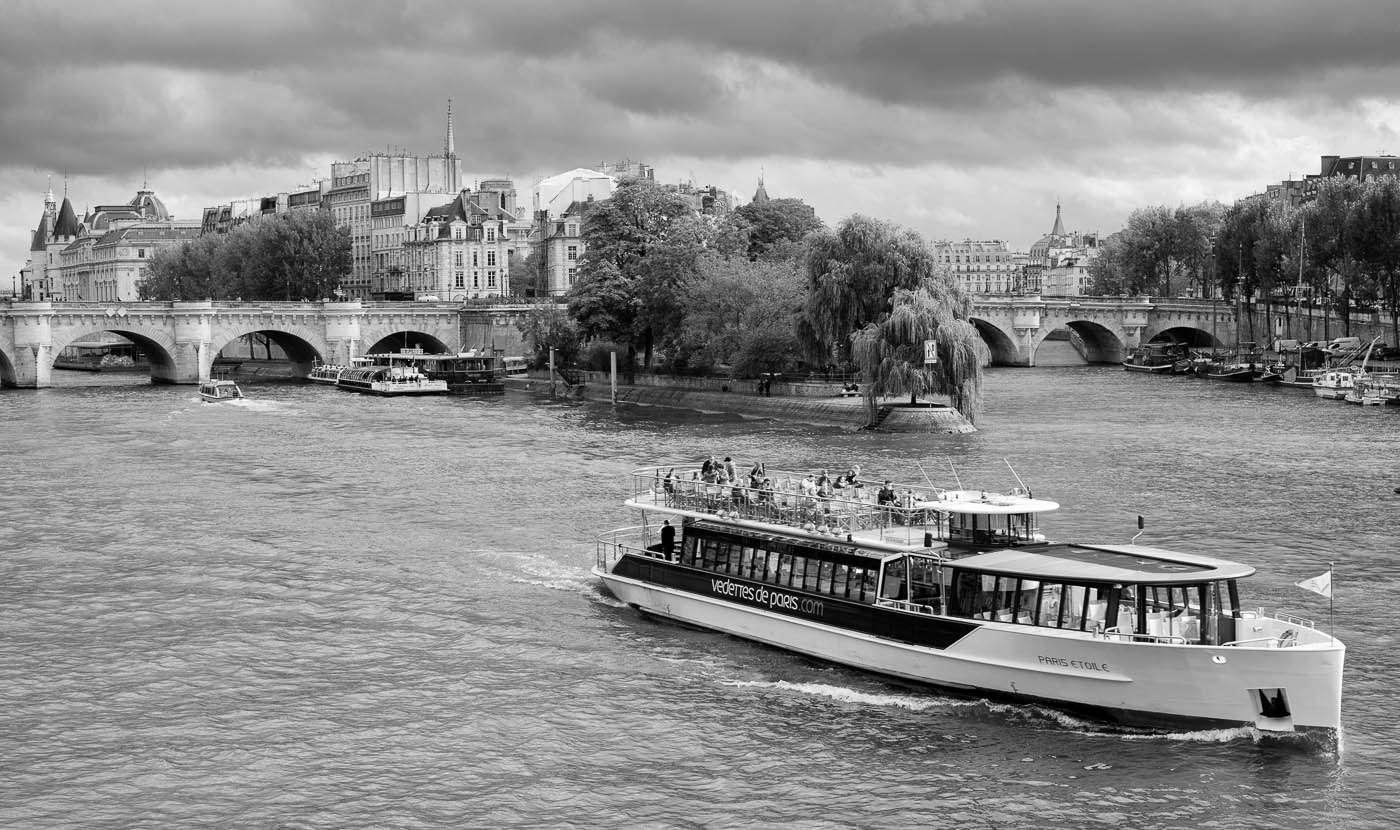
[hcshort id="7"]